

Short answer: The Dead Sea, on Israel's eastern edge, is the lowest point on Earth's land surface (about 439.78 meters, roughly 1,443 feet, below sea level as of 2025) and one of the most mineral-dense bodies of water in the world. Its salt is unusually low in sodium and unusually high in magnesium, potassium, calcium, and bromide, and controlled research shows that bathing dry, atopic skin in magnesium-rich Dead Sea salt water improves the skin's barrier, boosts hydration, and reduces roughness and inflammation. Read "healing powers" as documented symptom relief and skin support, not a medical cure.
The lowest, saltiest water on Earth
The Dead Sea lies in the Jordan Rift Valley along Israel's eastern border, and its surface sits about 439.78 meters (1,443 feet) below sea level as of 2025, the lowest land-based elevation anywhere on the planet, according to Wikipedia's Dead Sea entry. The lake has been shrinking, with its level dropping more than a meter a year. At roughly 34.2 percent salinity it is about 9.6 times saltier than the ocean, which is why swimmers bob on the surface and why almost nothing survives in the water.
People have come here to restore themselves for thousands of years. The region was one of the world's first health resorts, drawing visitors from across the Mediterranean basin, and King Herod the Great built fortresses and retreats along the western shore, including Masada, in the first century BCE (Wikipedia). Ancient Egyptians valued its salt and its naturally occurring asphalt. Popular stories that Cleopatra or the Queen of Sheba built beauty rituals around it are folklore rather than documented history, but the underlying draw, water unlike any other, is very real.
What Dead Sea minerals actually do for skin
What sets the Dead Sea apart is not only how much salt it holds but which salts. Ordinary seawater is about 3.5 percent salt, and roughly 85 percent of that is plain sodium chloride. Dead Sea water is around ten times more concentrated, and its mineral mix is essentially inverted: only about 30.5 percent of its salt is sodium chloride, while magnesium chloride accounts for about 50.8 percent, calcium chloride about 14.4 percent, plus potassium chloride and the highest bromide concentration of any water on Earth, per Wikipedia's Dead Sea salt entry.
Magnesium is the mineral most closely tied to skin benefits. A controlled 2005 study (Proksch and colleagues, International Journal of Dermatology) found that bathing atopic dry skin in a 5 percent magnesium-rich Dead Sea salt solution improved barrier function, enhanced hydration, and reduced roughness and inflammation compared with tap water, and the authors credited magnesium for much of the effect (PubMed). Magnesium helps skin bind water and supports the barrier layer that keeps moisture in and irritants out. Part of the appeal is the setting itself: at the lowest point on Earth, sunlight reaches the shore filtered through extra atmosphere, one reason supervised sun exposure there has long been part of psoriasis care. The National Psoriasis Foundation recognizes Dead Sea salts for psoriasis, and decades of climatotherapy at Dead Sea clinics point to genuine relief for conditions like psoriasis and eczema.
One important note: the science supports symptom improvement, better hydration, a stronger barrier, and less inflammation. It does not support a permanent cure. "Healing" here means documented relief, which is a meaningful thing to offer dry or irritated skin, not a promise to erase a disease.
Bringing the Dead Sea into your routine
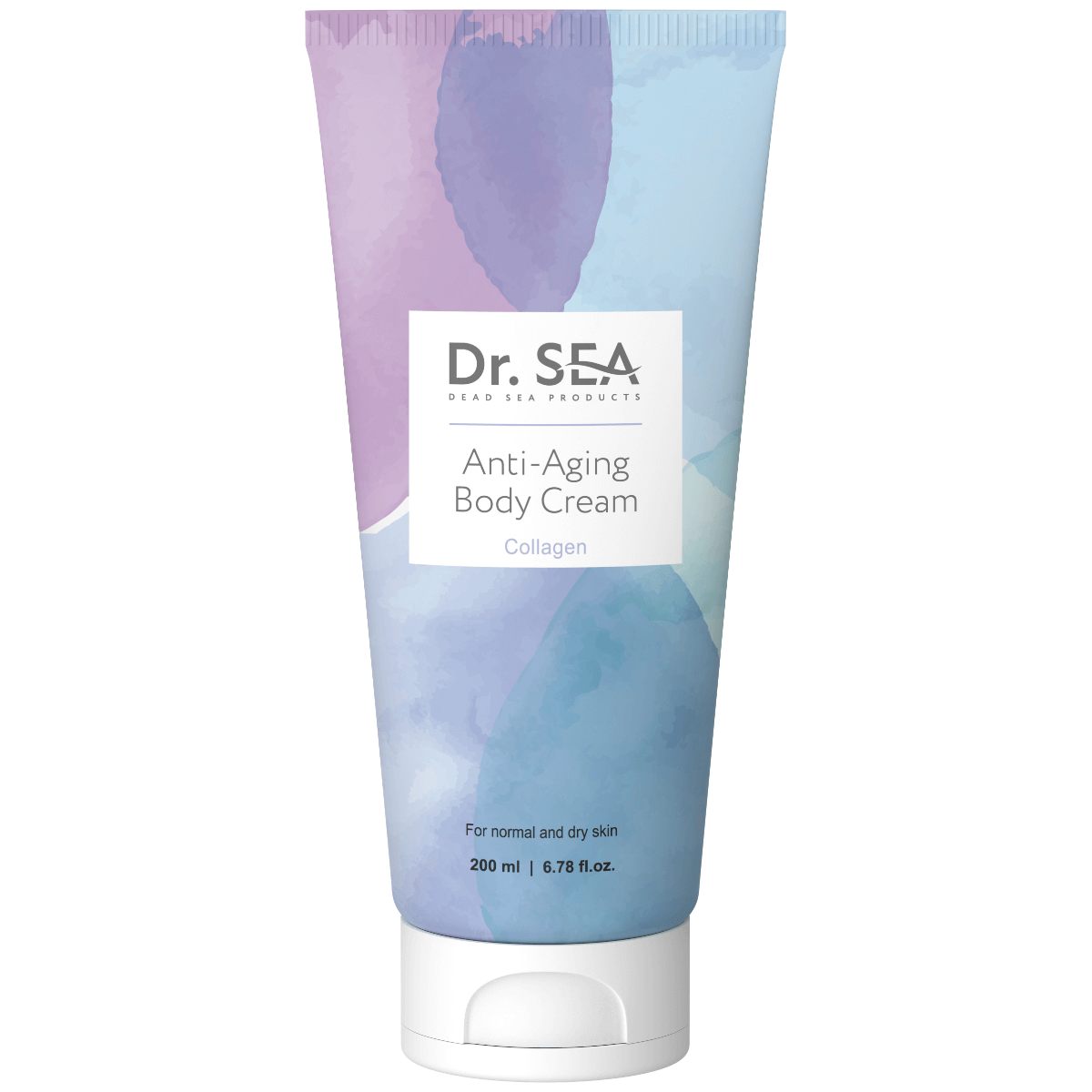
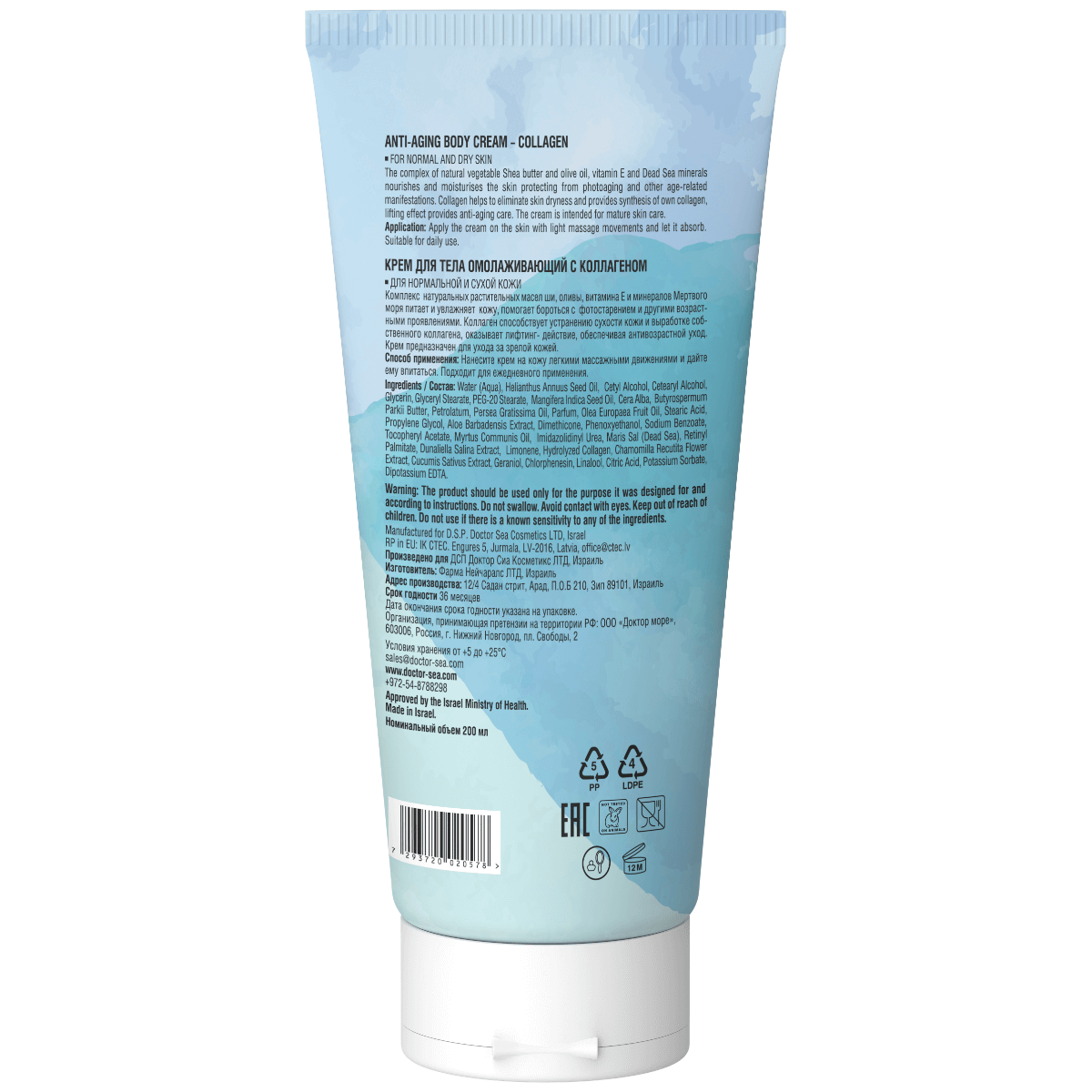
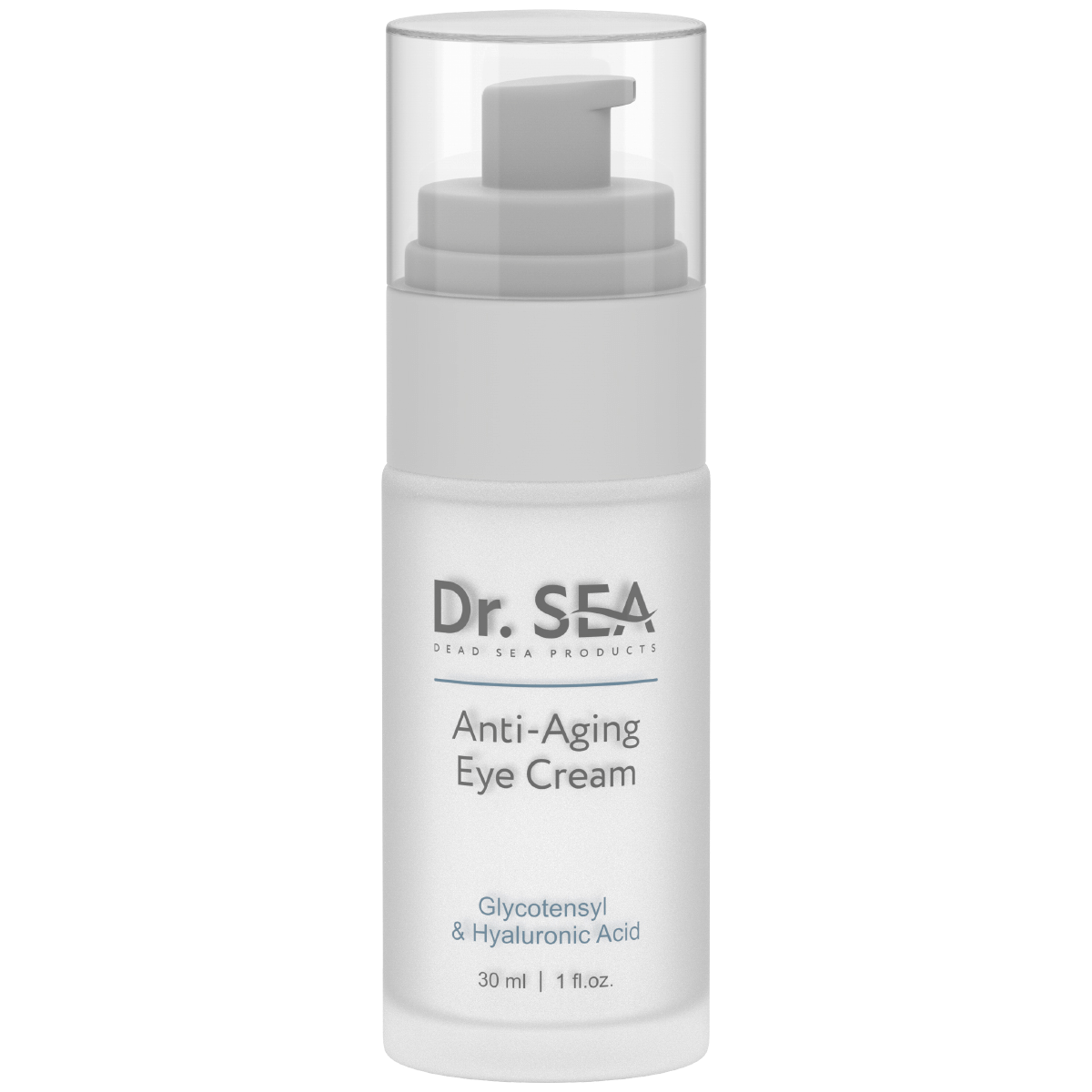
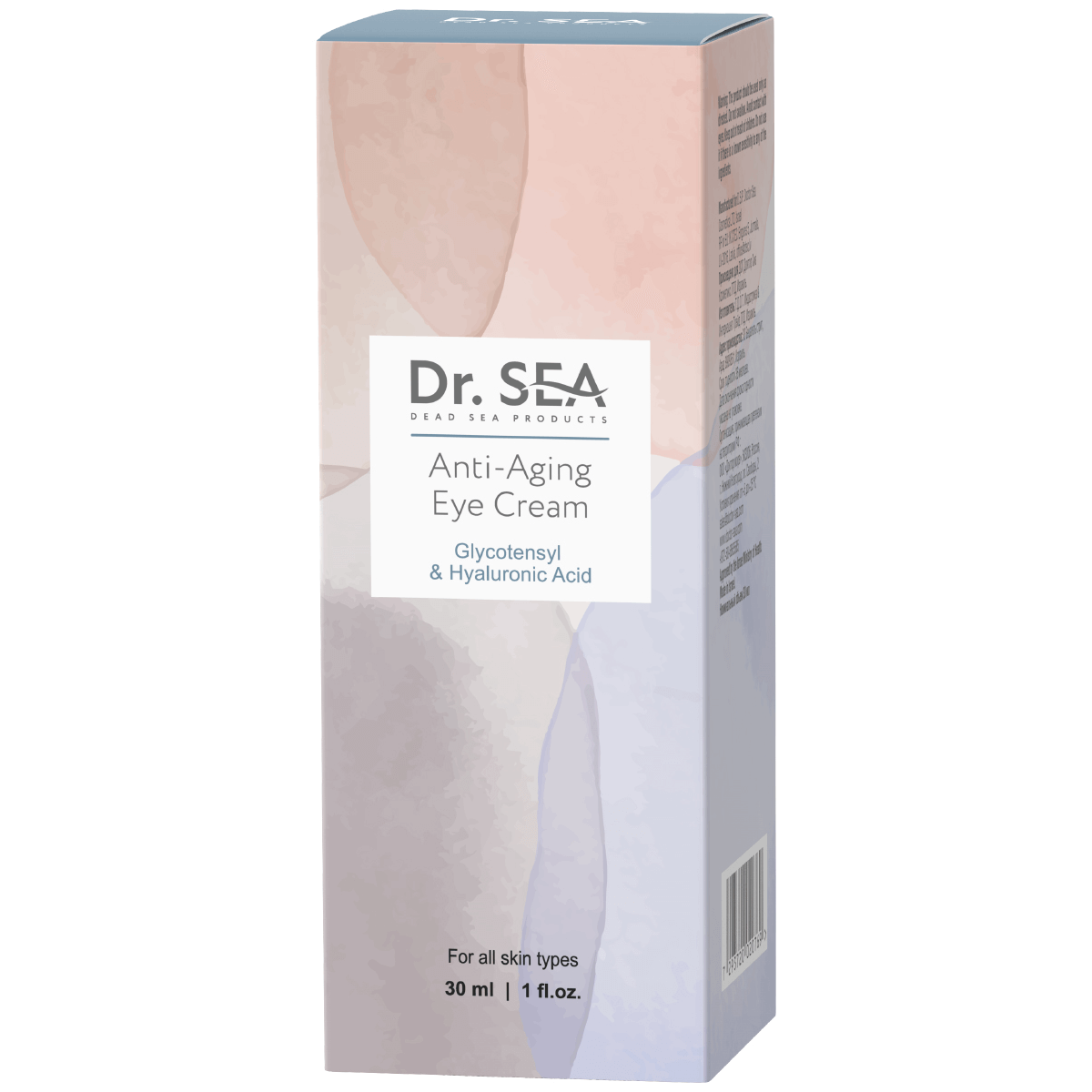
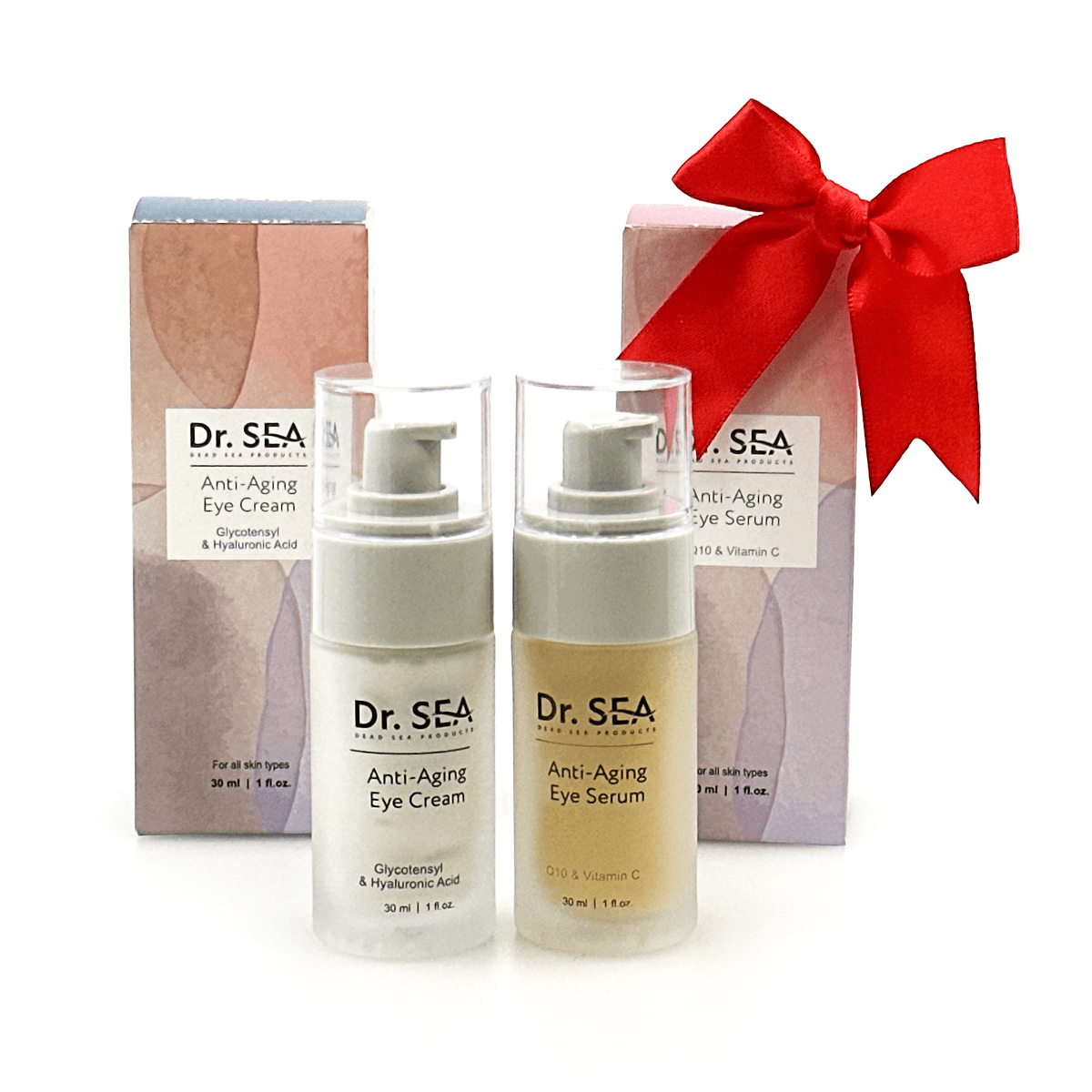
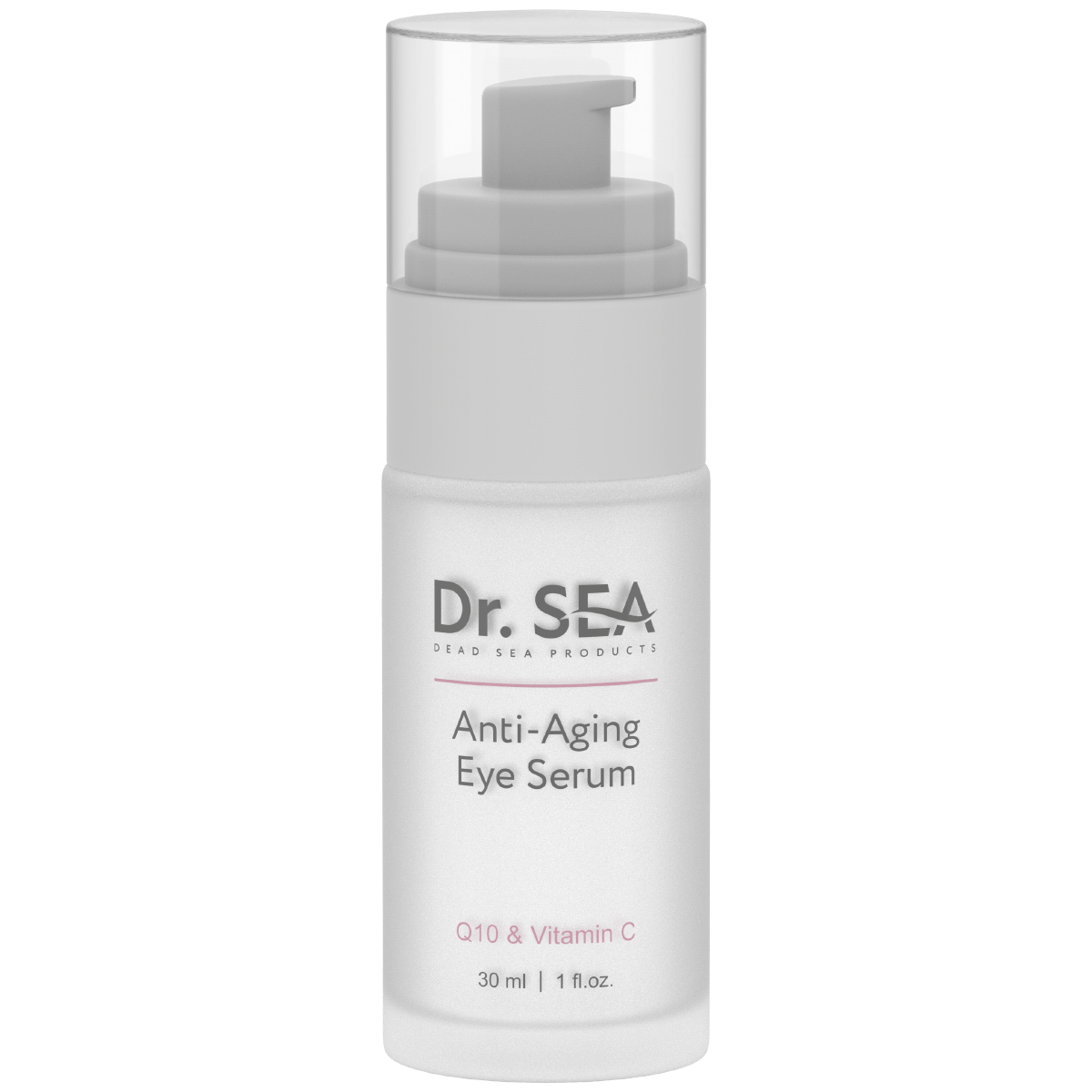
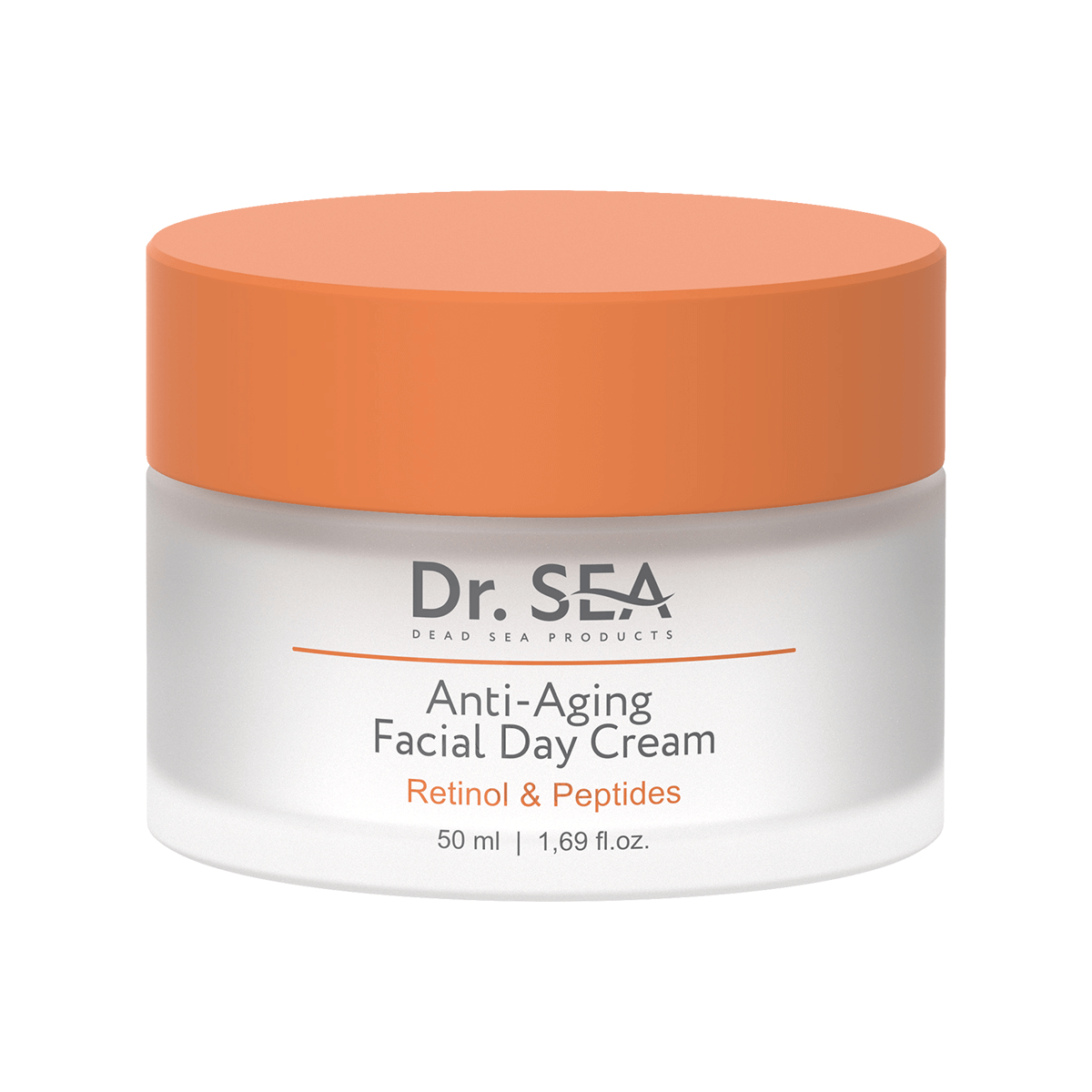
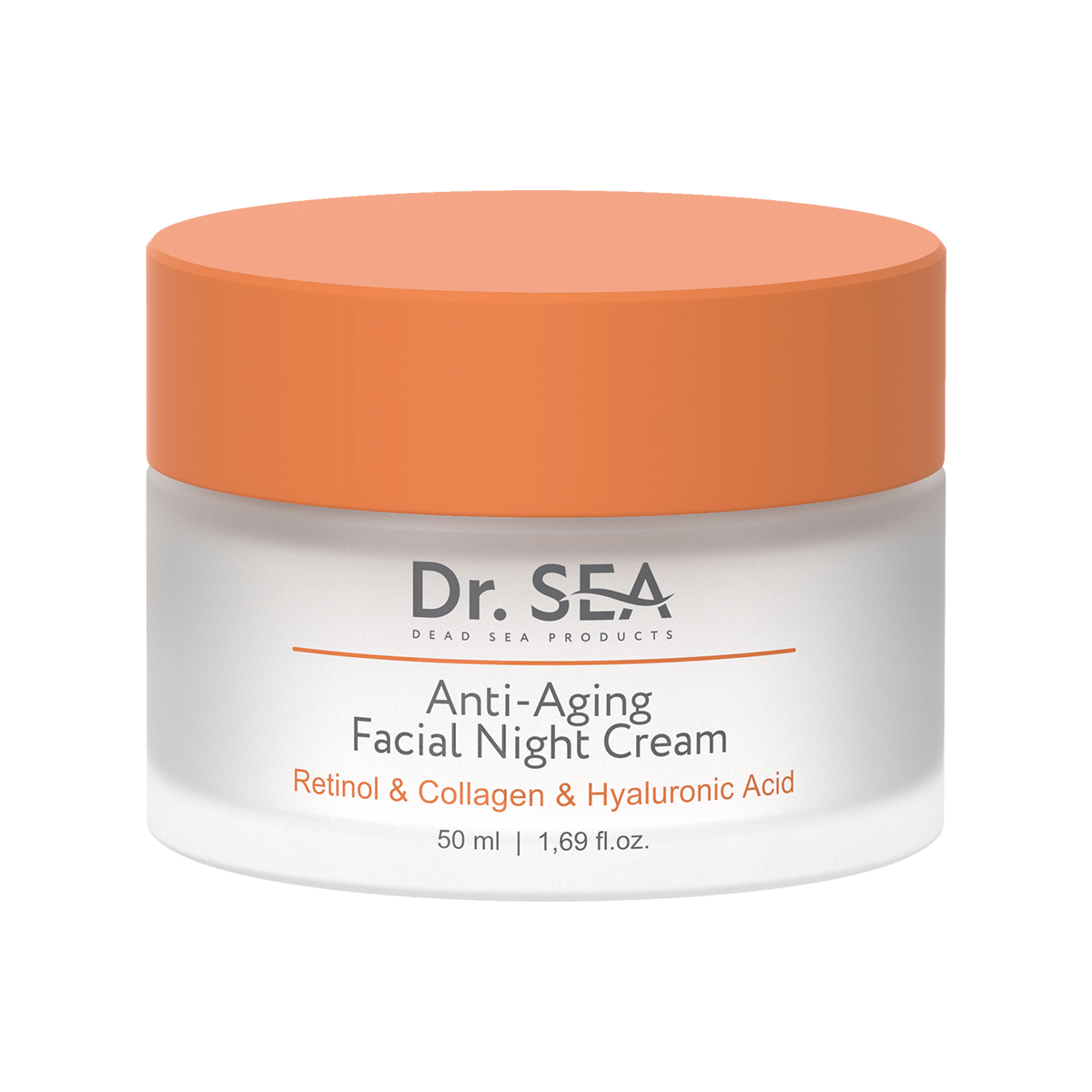
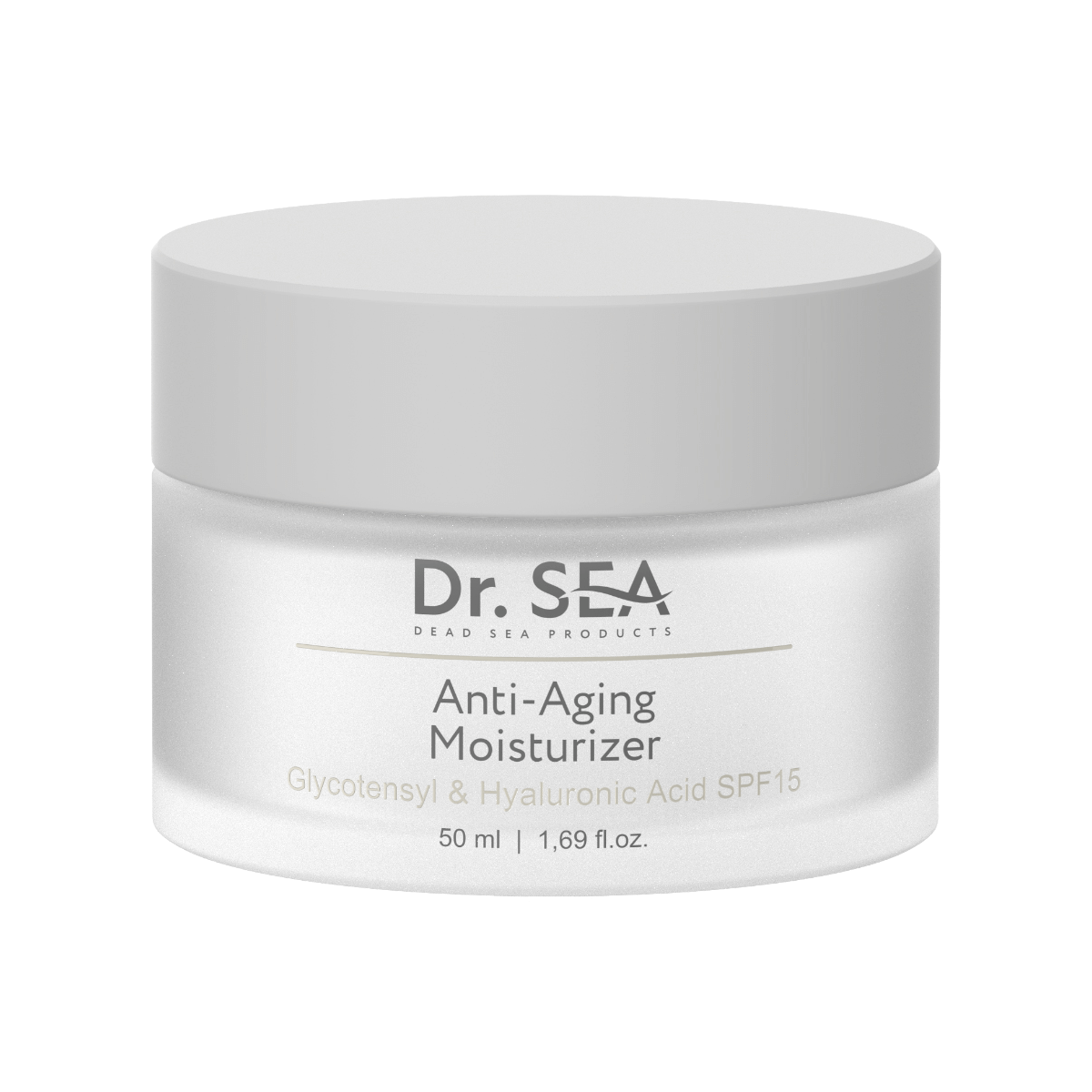
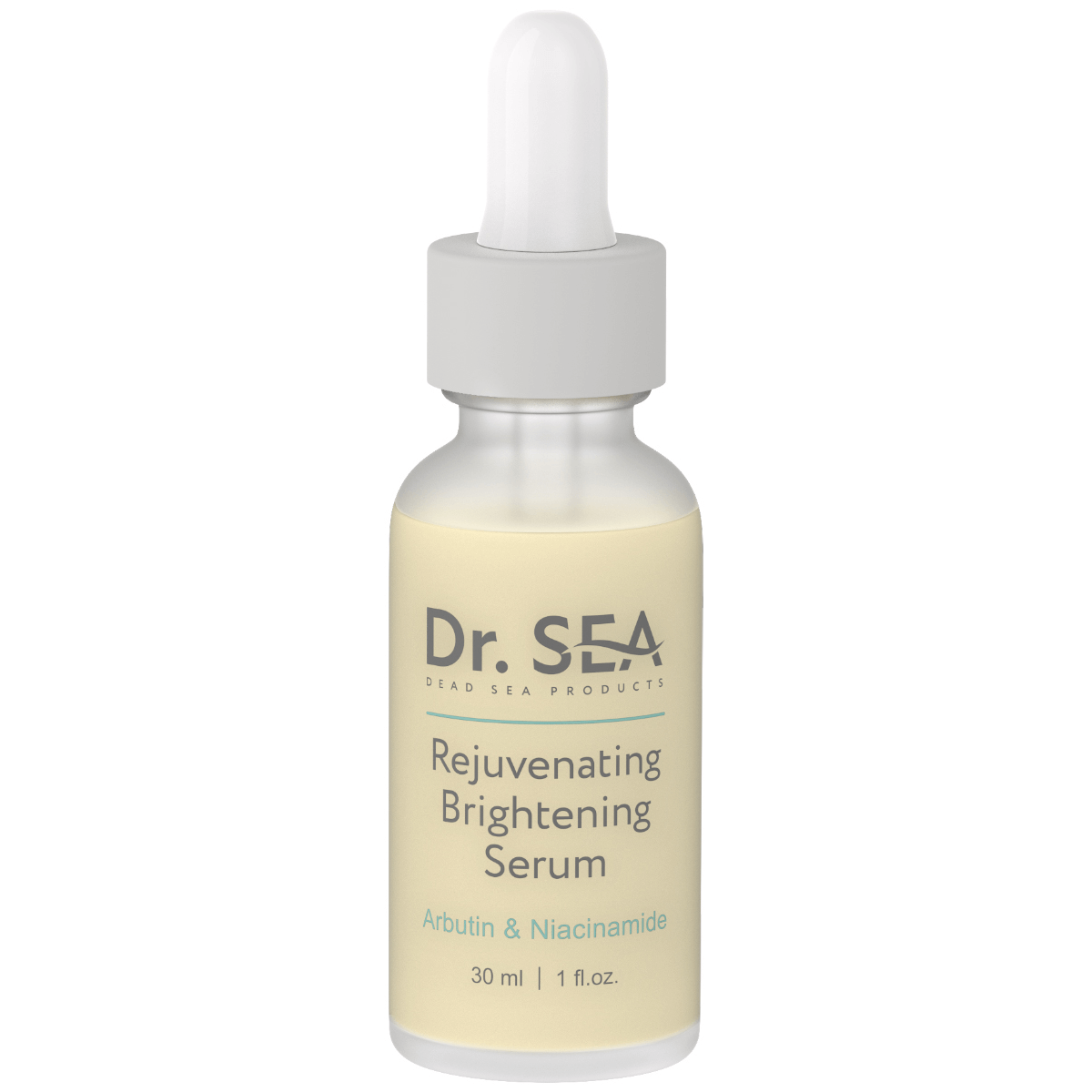
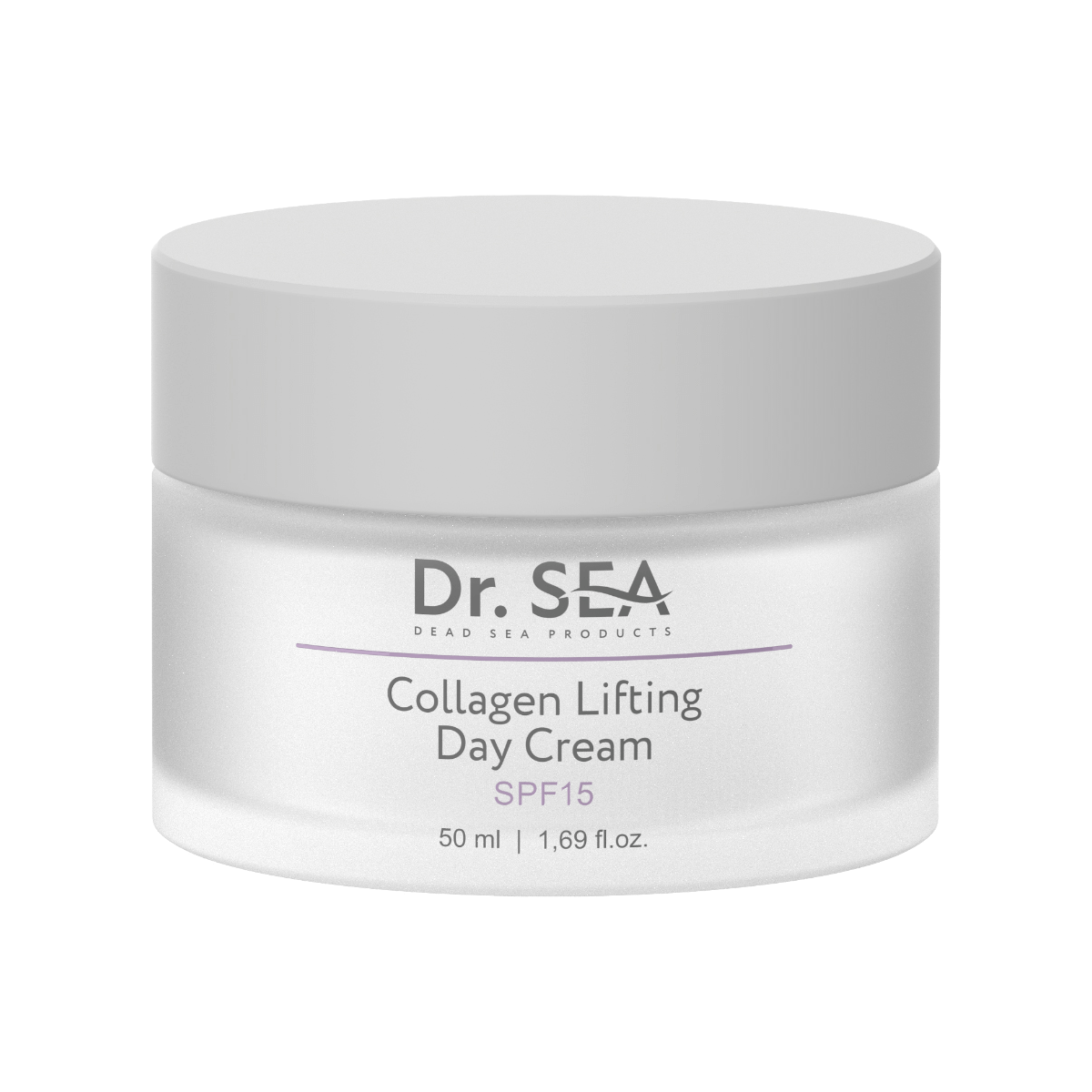
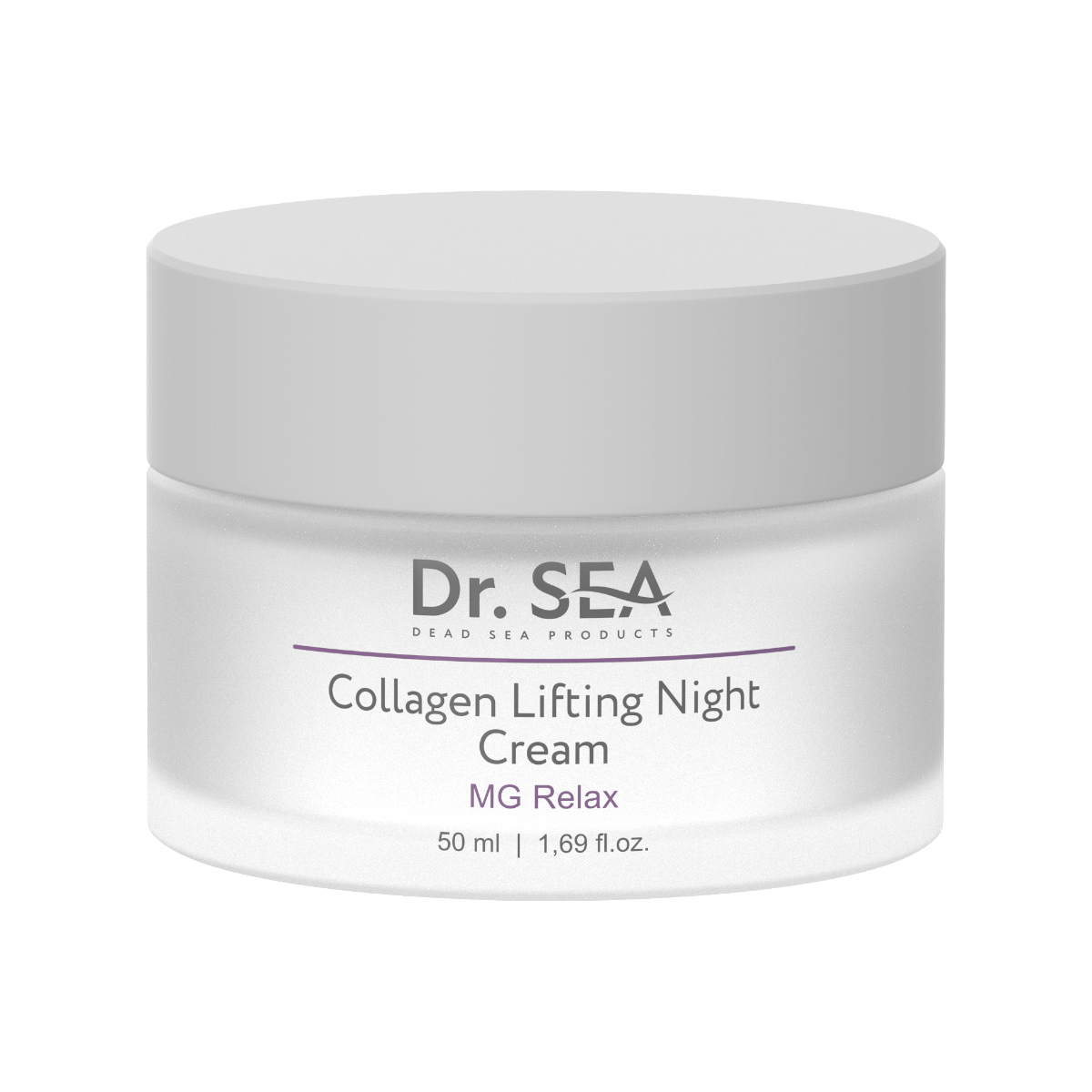
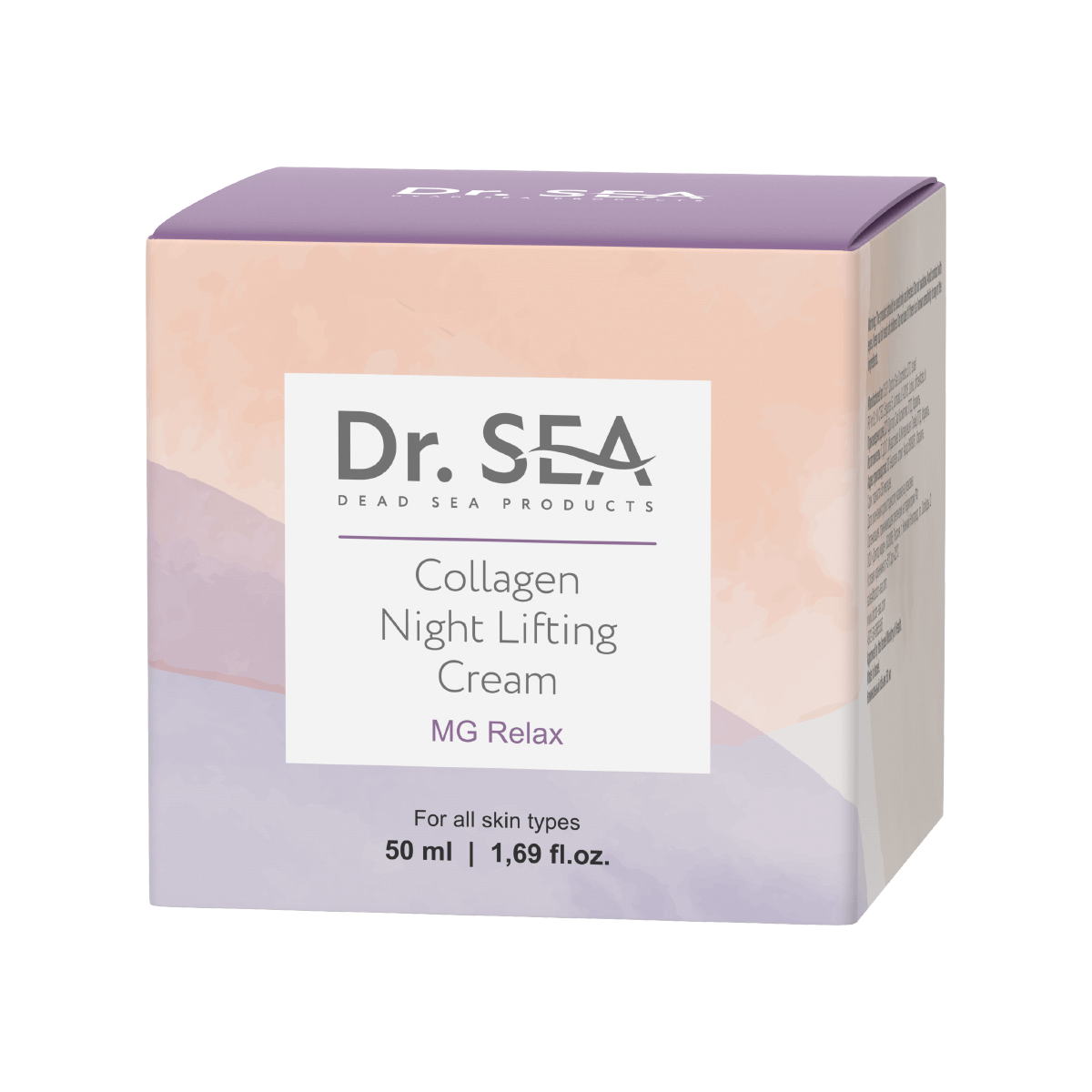
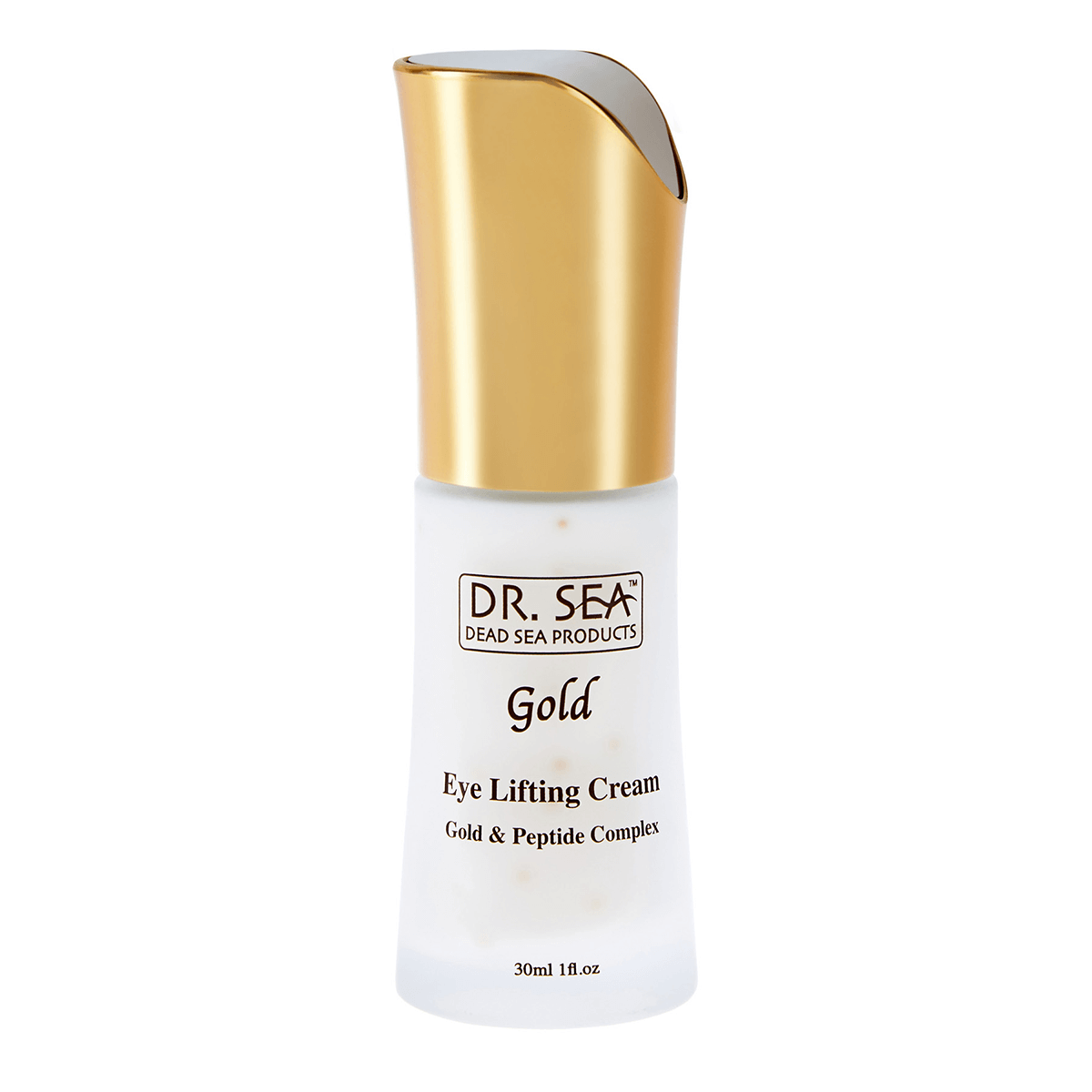
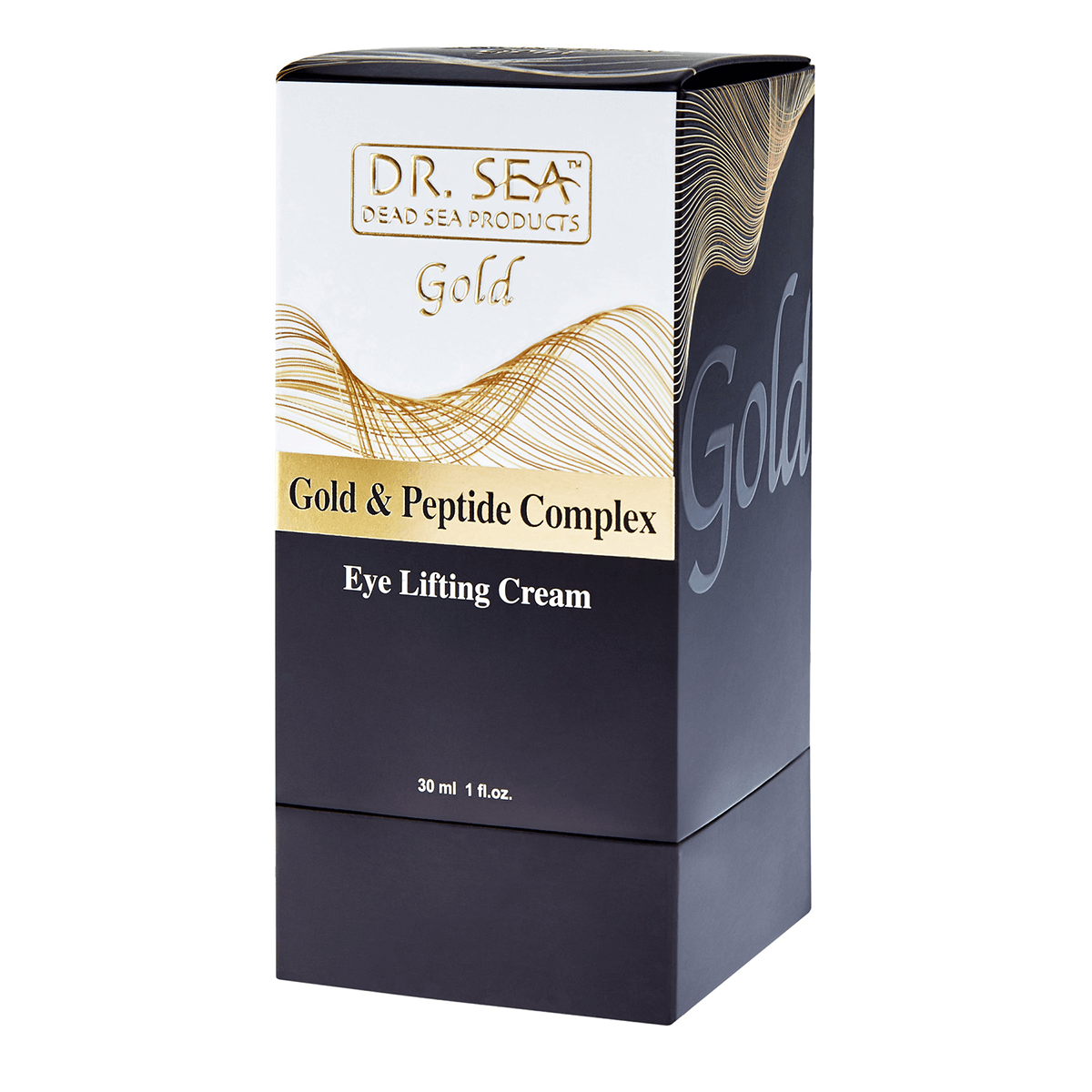
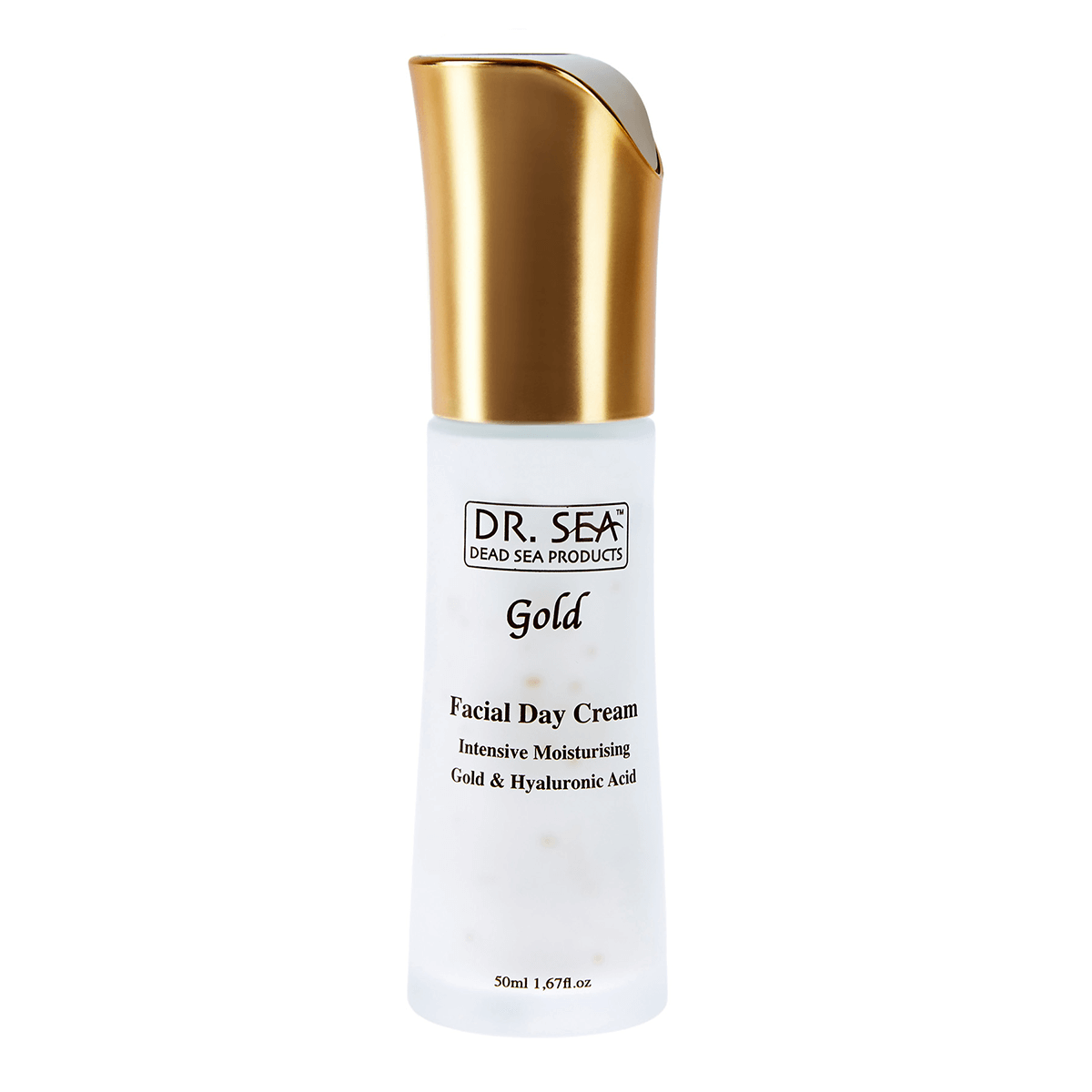
You do not have to travel to the Jordan Valley to put these minerals to work. Israeli makers harvest Dead Sea salt and mud and build them into cleansers, masks, serums, and moisturizers, so a magnesium-rich soak or a mineral mud mask can become part of an ordinary evening at home. If you want to start with the same water the research is built on, our Dead Sea collection gathers salt, mud, serums, and creams drawn from Israel's most storied lake.
A simple way in: use a mineral mud mask once or twice a week for a deeper clean, then a Dead Sea mineral moisturizer nightly to support the barrier and lock in hydration. Patch test first if your skin is sensitive or broken, and treat these products as steady, everyday skin support rather than a one-time fix.
Related
- The benefits of Dead Sea salt
- Benefits of Dead Sea skincare products from Israel
- Why Dead Sea minerals make the best skincare products
Last updated July 2026.