

Short answer: The Dead Sea, on Israel's eastern edge, is the lowest point on any land on Earth (about 439.78 meters, or 1,443 feet, below sea level) and one of the saltiest bodies of water in the world, roughly 9.6 times saltier than the ocean. Its water is unusually rich in magnesium, calcium, potassium, and bromide, and a controlled clinical study found that soaking dry, eczema-prone skin in a magnesium-rich Dead Sea salt solution measurably improved the skin barrier, raised hydration, and reduced roughness and redness. That soothing, hydrating, barrier-supporting benefit (along with the region's well-documented psoriasis therapy) is the real, evidence-backed story behind Israel's Dead Sea skincare industry.
The geography that makes the Dead Sea one of a kind
The Dead Sea sits in the Jordan Rift Valley, bordered by Jordan to the east and Israel (and the West Bank) to the west. People have prized this shoreline as a healing and cosmetic destination since antiquity, with the region long associated with figures like Herod the Great and Cleopatra. Its surface rests about 439.78 meters (1,443 feet) below sea level, which makes it the lowest land-based elevation anywhere on the planet, and the water line keeps receding by roughly one meter a year. That extreme depth matters for skin. The extra layer of atmosphere overhead filters some of the sun's more damaging ultraviolet rays, which is part of why supervised sun-and-salt therapy at the shore works so well for certain skin conditions. It is a genuinely rare combination of chemistry and climate, and it happens to sit on Israel's doorstep.
What is actually dissolved in the water
Ordinary seawater is about 3.5 percent dissolved salts. The Dead Sea is closer to 34 percent, roughly 9.6 times saltier than the ocean. Just as important, the mix is different from regular sea salt. Instead of being dominated by sodium chloride (table salt), it leads with magnesium chloride (about 50.8 percent of the salts), followed by sodium chloride (30.4 percent), calcium chloride (14.4 percent), and potassium chloride (4.4 percent). It also holds the highest bromide concentration of any water on Earth. That magnesium-forward profile is the key detail, because magnesium is the mineral with the strongest evidence behind it for skin.
What the science actually supports
The best-supported skincare claim is about magnesium. In a 2005 dermatology study published in the International Journal of Dermatology, volunteers with atopic dry skin soaked one forearm in a 5 percent magnesium-rich Dead Sea salt solution while the other forearm sat in plain tap water. The salt-treated skin showed significantly improved barrier function, higher hydration, and less roughness and redness than the control, an effect the researchers attributed to magnesium's ability to bind water and support the skin's permeability barrier (a result also summarized in the broader Dead Sea health literature). Separately, Dead Sea climatotherapy and heliotherapy are long-recognized treatments for psoriasis, aided by that filtered ultraviolet spectrum and unusually long safe sun-exposure windows, and mud packs have shown temporary relief in knee osteoarthritis.
It is worth being clear about where marketing tends to outrun the evidence. Claims that these minerals penetrate deep to reverse aging, that sodium detoxifies the skin by clearing impurities, or that calcium and potassium each drive their own specific renewal outcomes are softer than they sound: transdermal absorption of these minerals is limited and debated, and detox is a marketing frame rather than a dermatology finding. The defensible story is soothing, hydrating, barrier-supporting care, especially for dry and irritated skin, plus that established psoriasis tradition.
Bringing the Dead Sea into your routine
Israel is home to the skincare industry built on this resource. Ahava, founded in 1988, grew into the only cosmetics company licensed by the Israeli government to commercially mine Dead Sea raw materials, and it helped define the mineral-and-mud category that many Israeli brands now share. If you want to try that magnesium-rich mineral profile on dry or easily irritated skin, the realistic expectation is soothing, hydrating, barrier-supporting care rather than a miracle cure, and that is exactly what these products are good at.
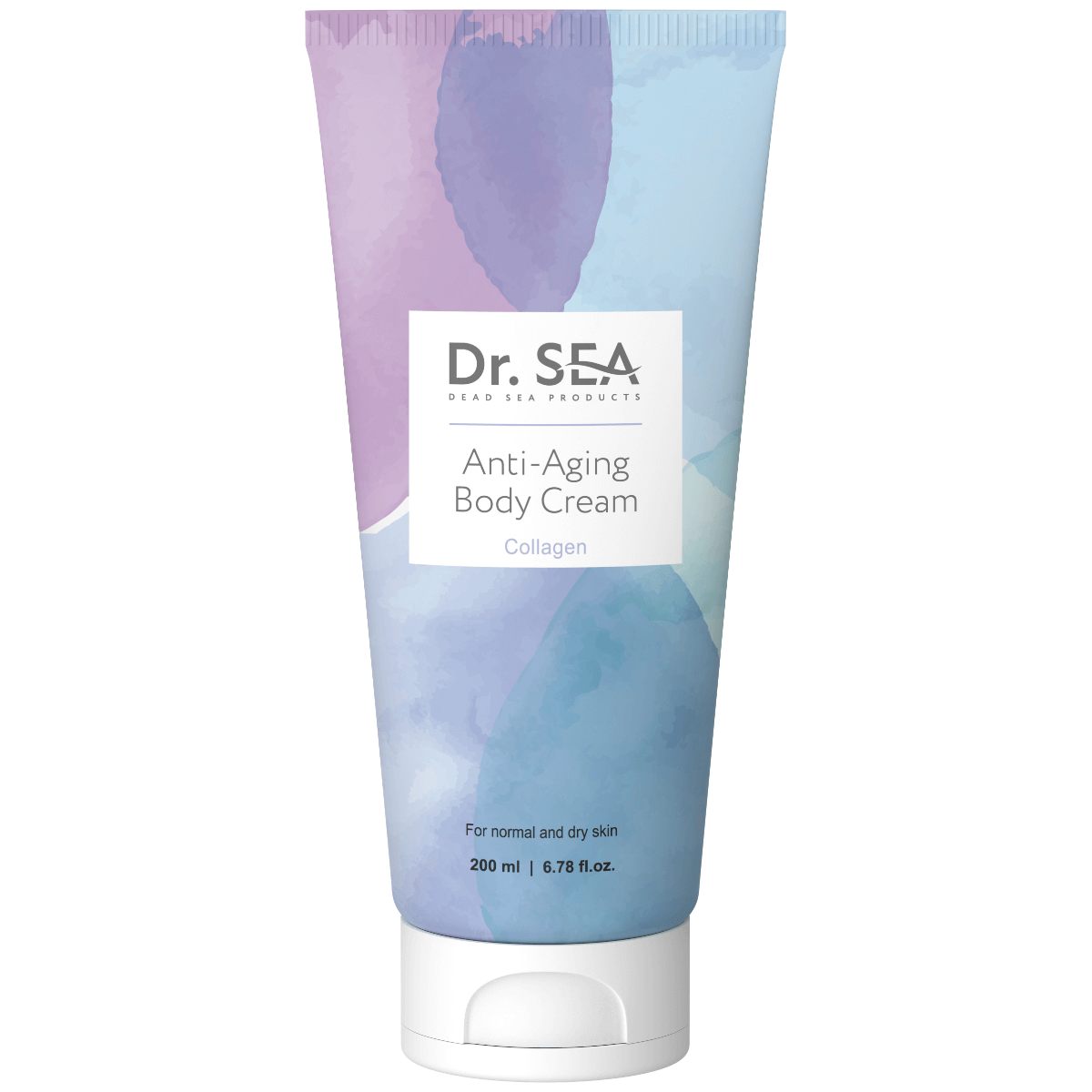
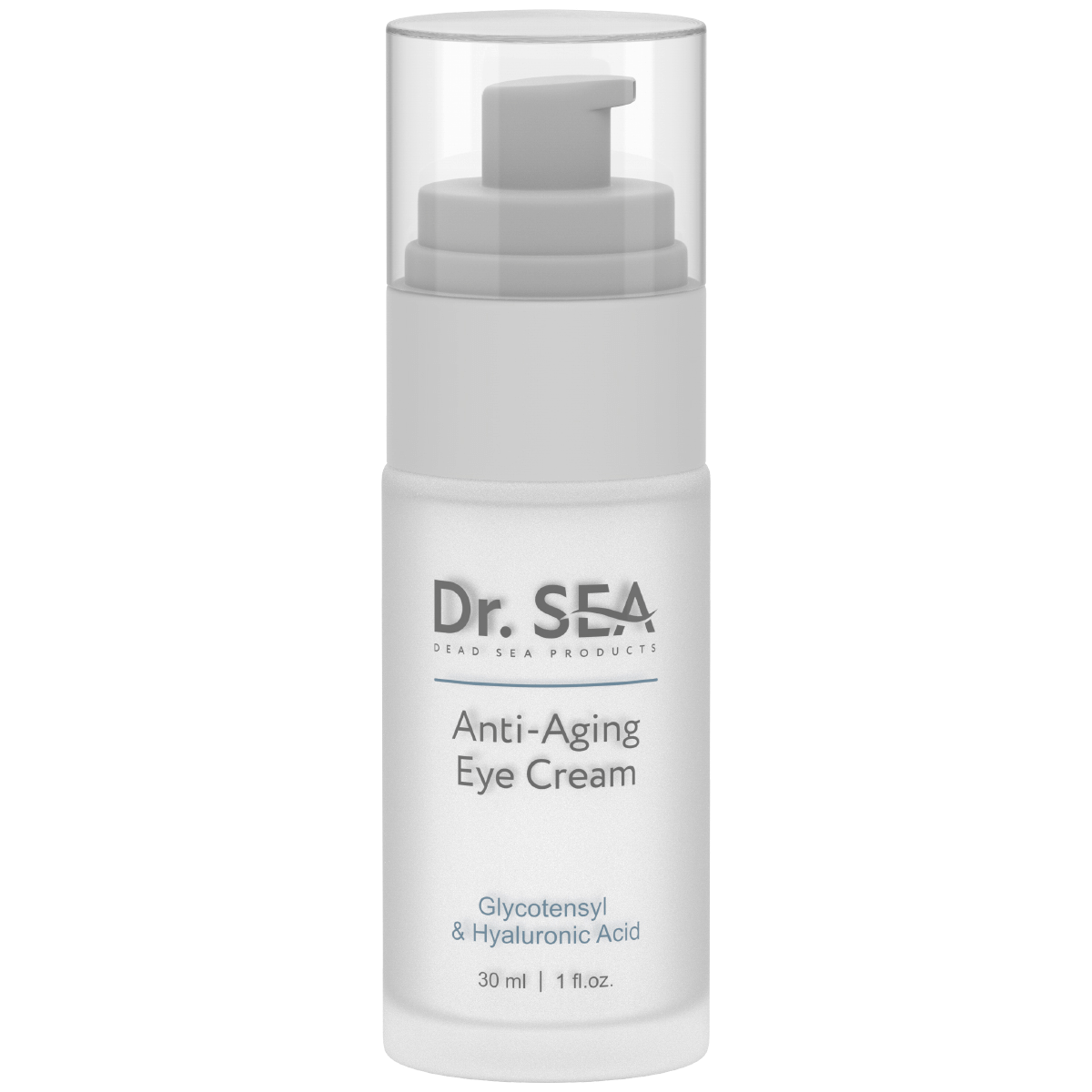
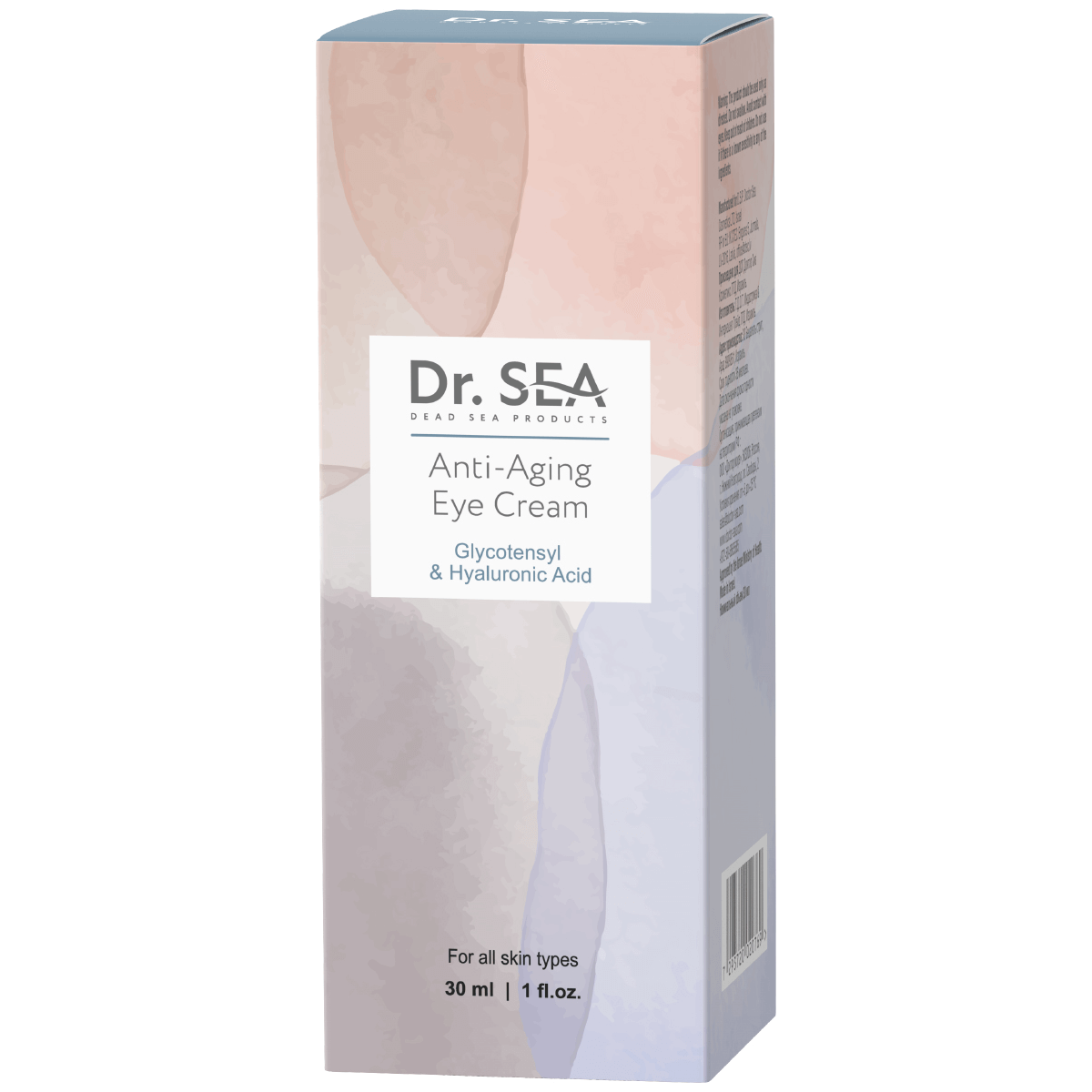
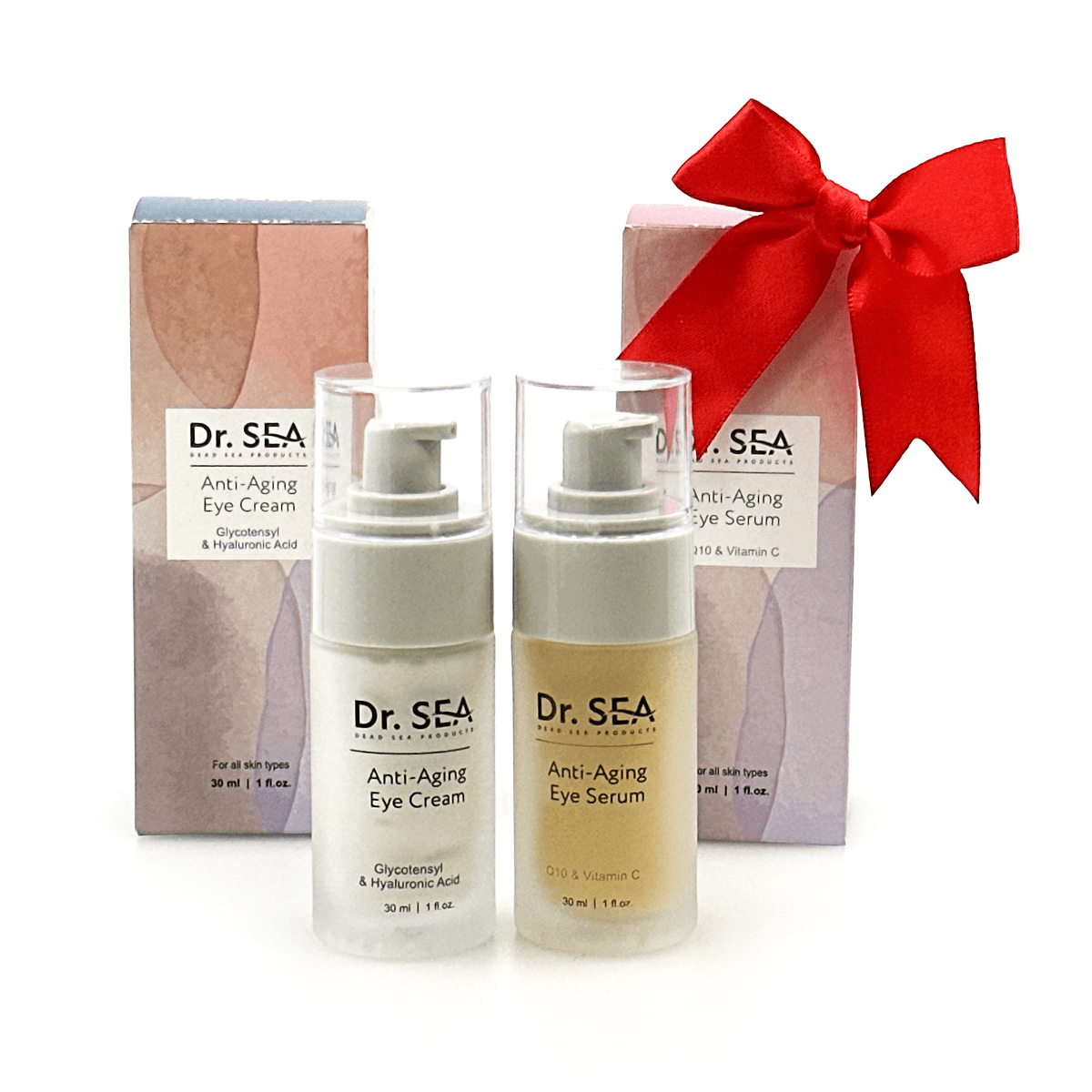
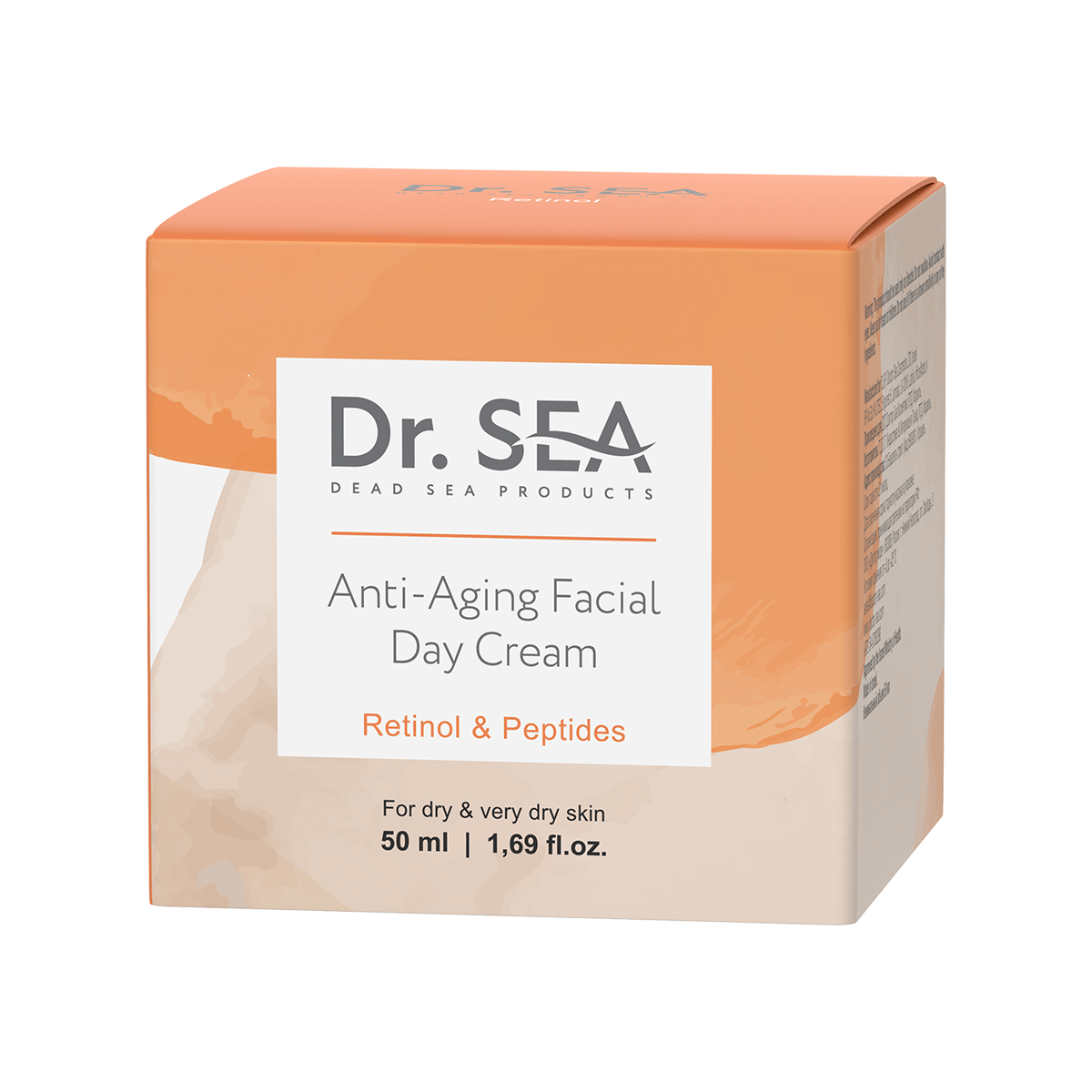
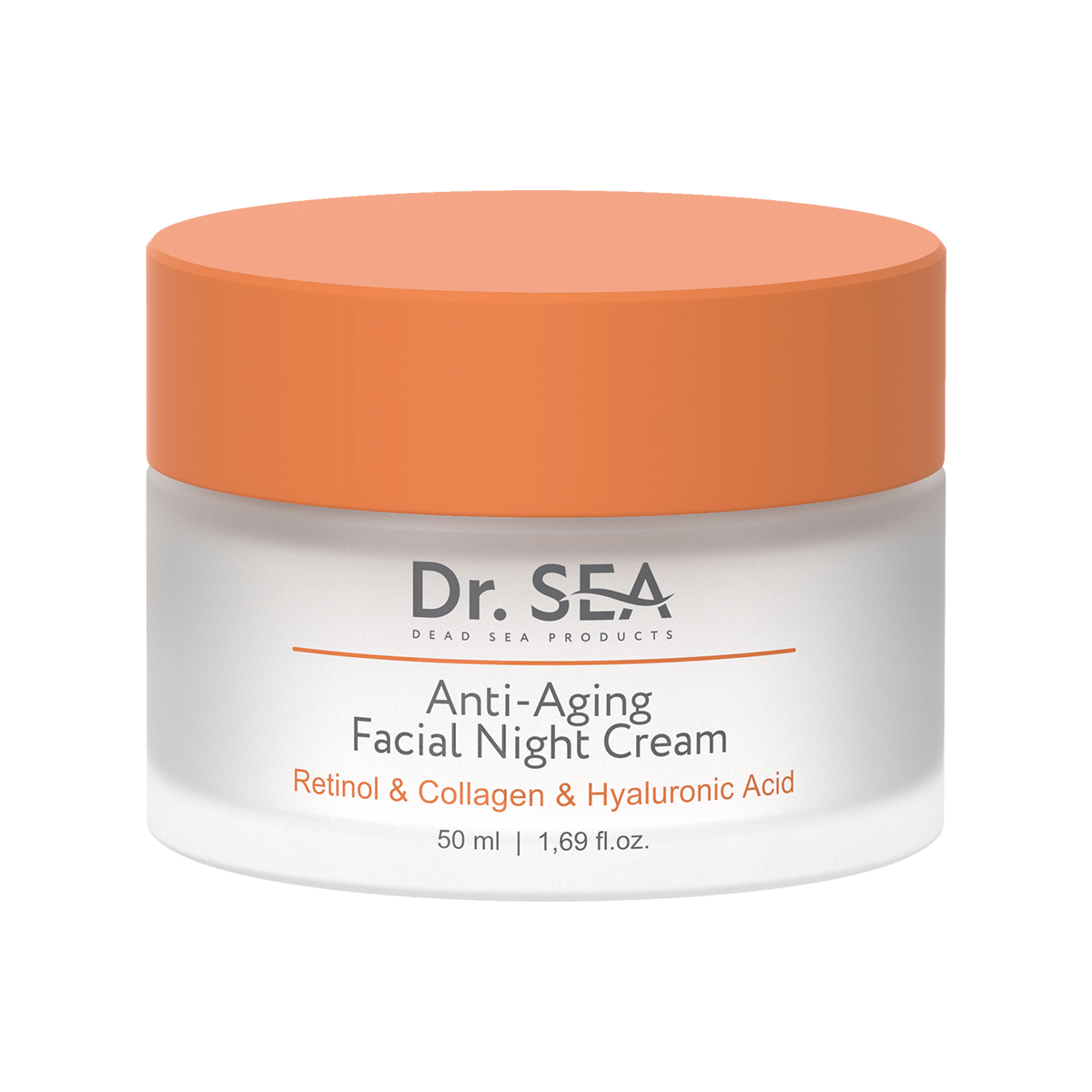
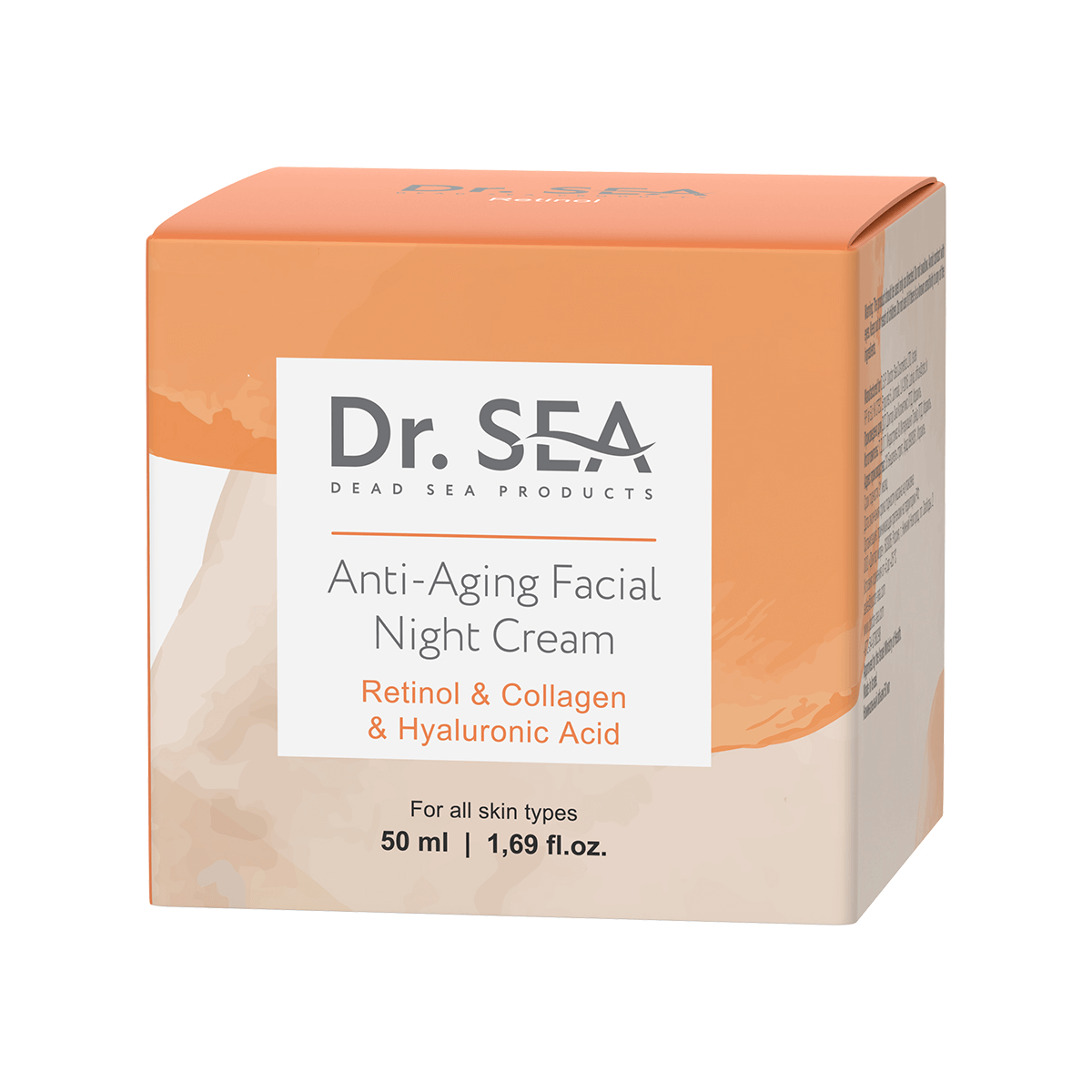
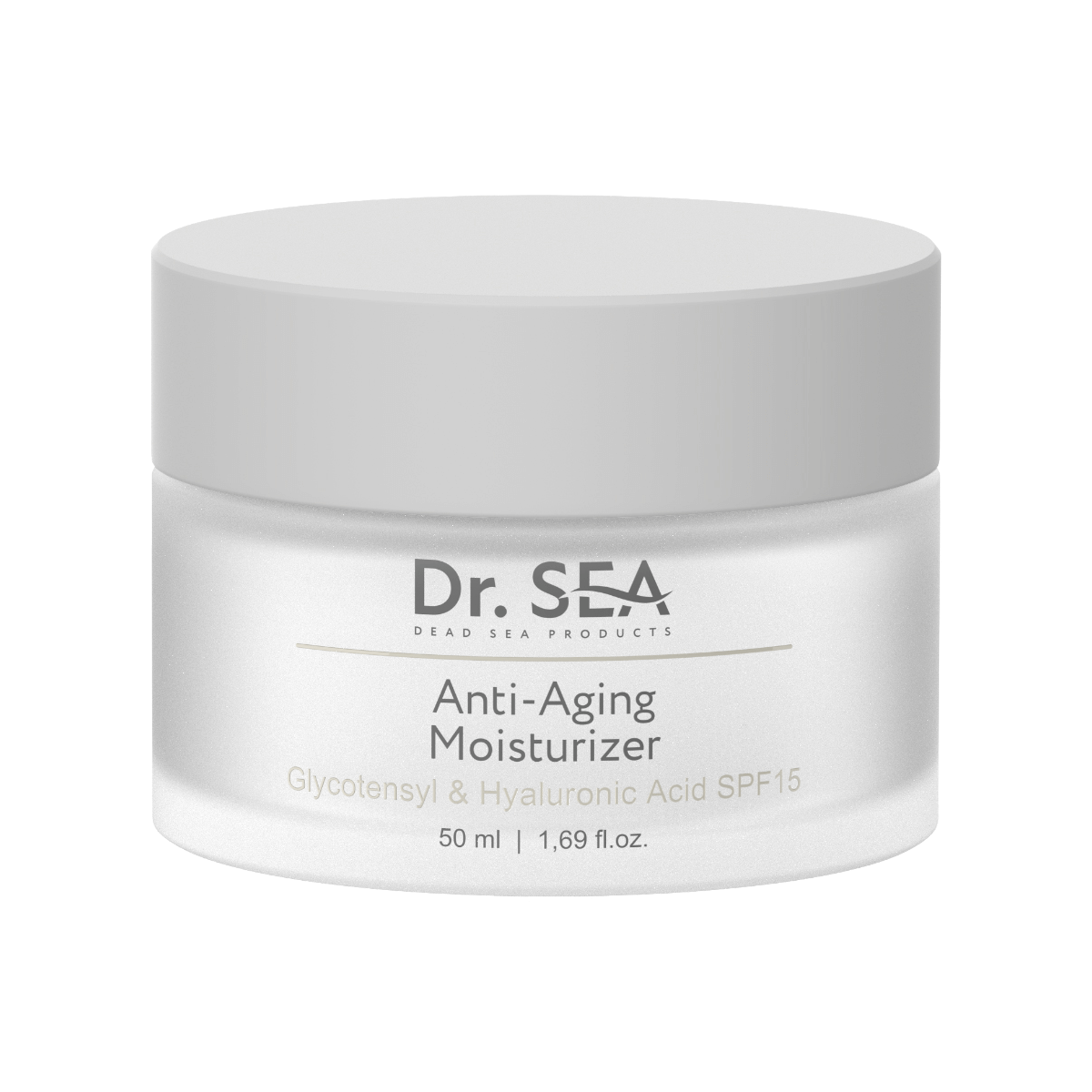
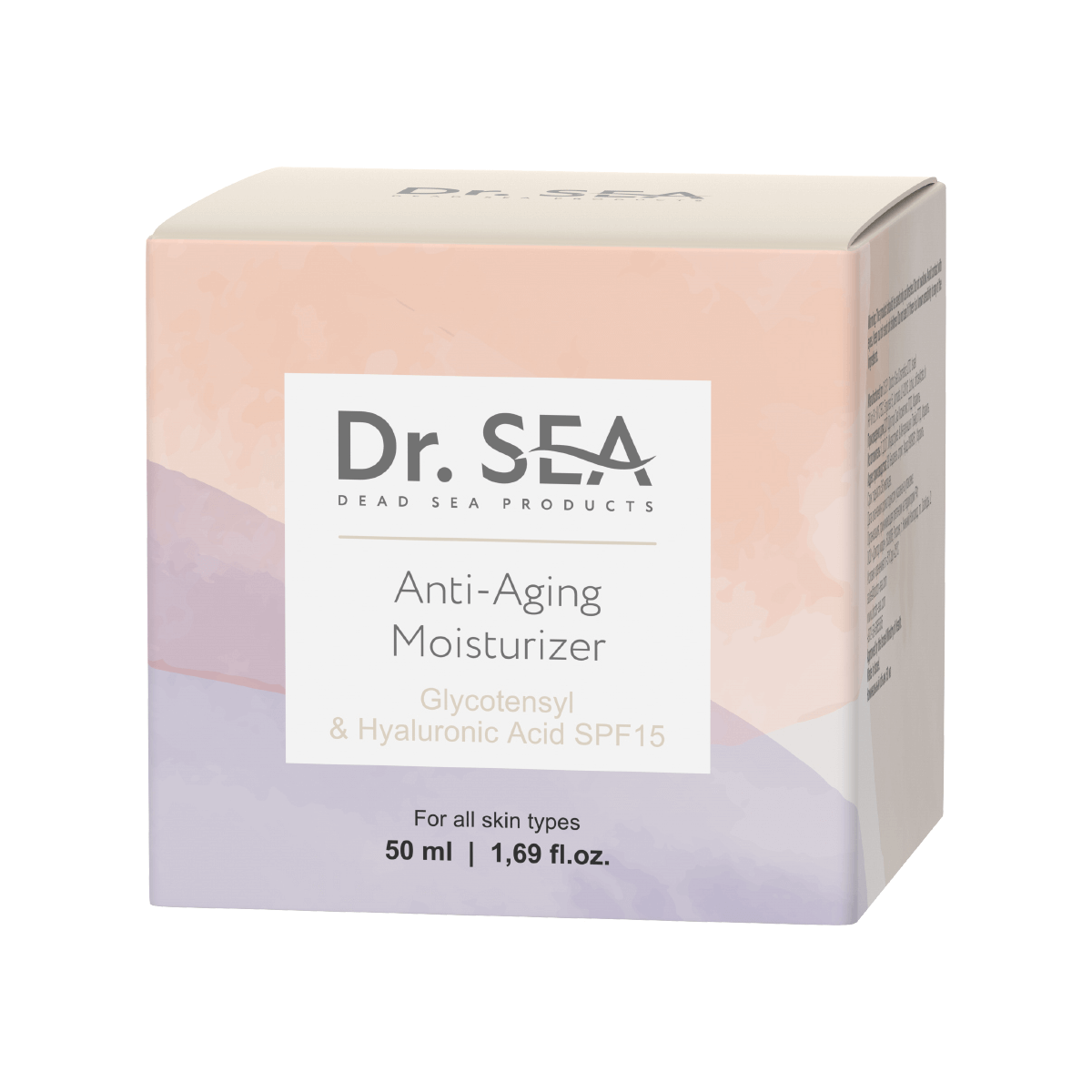
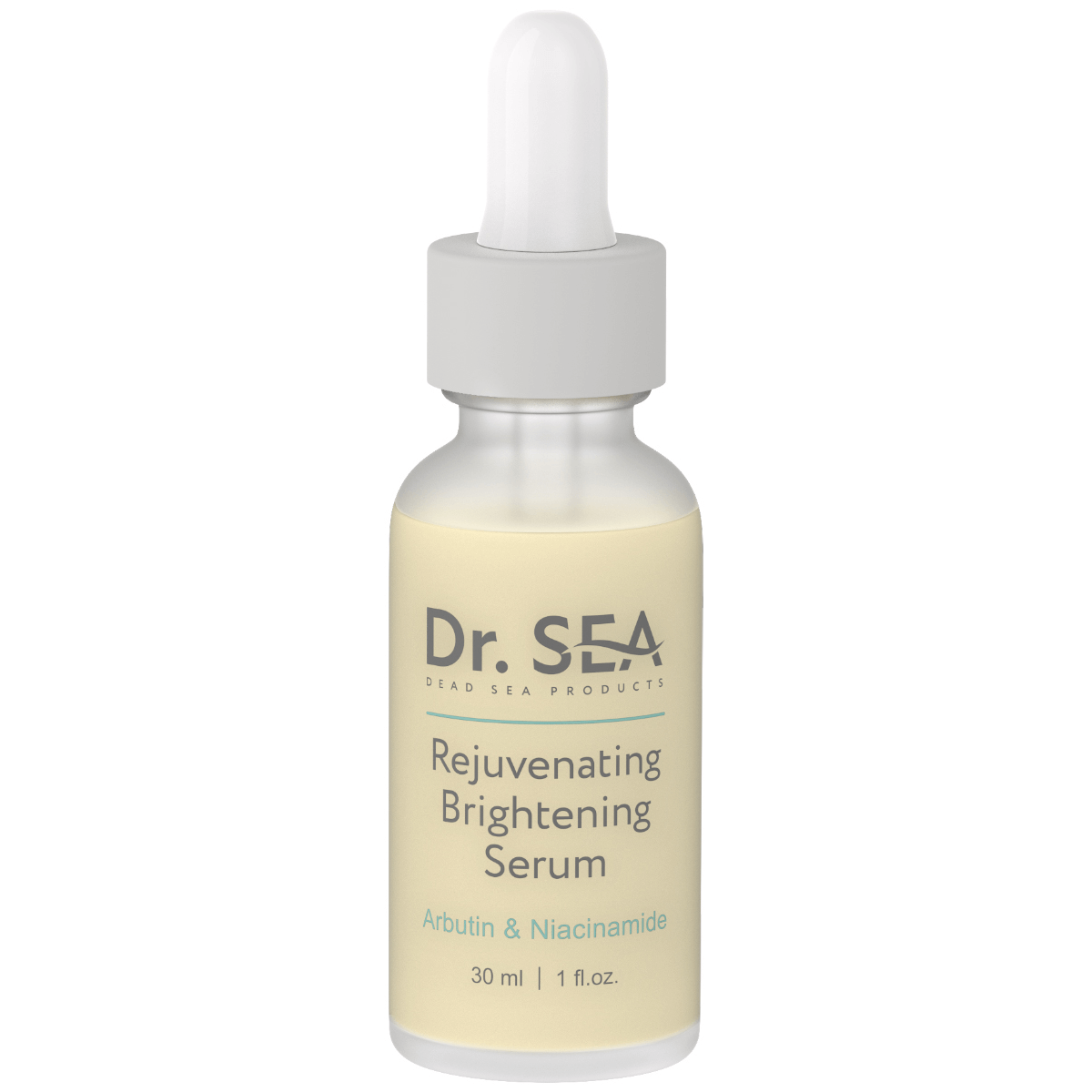
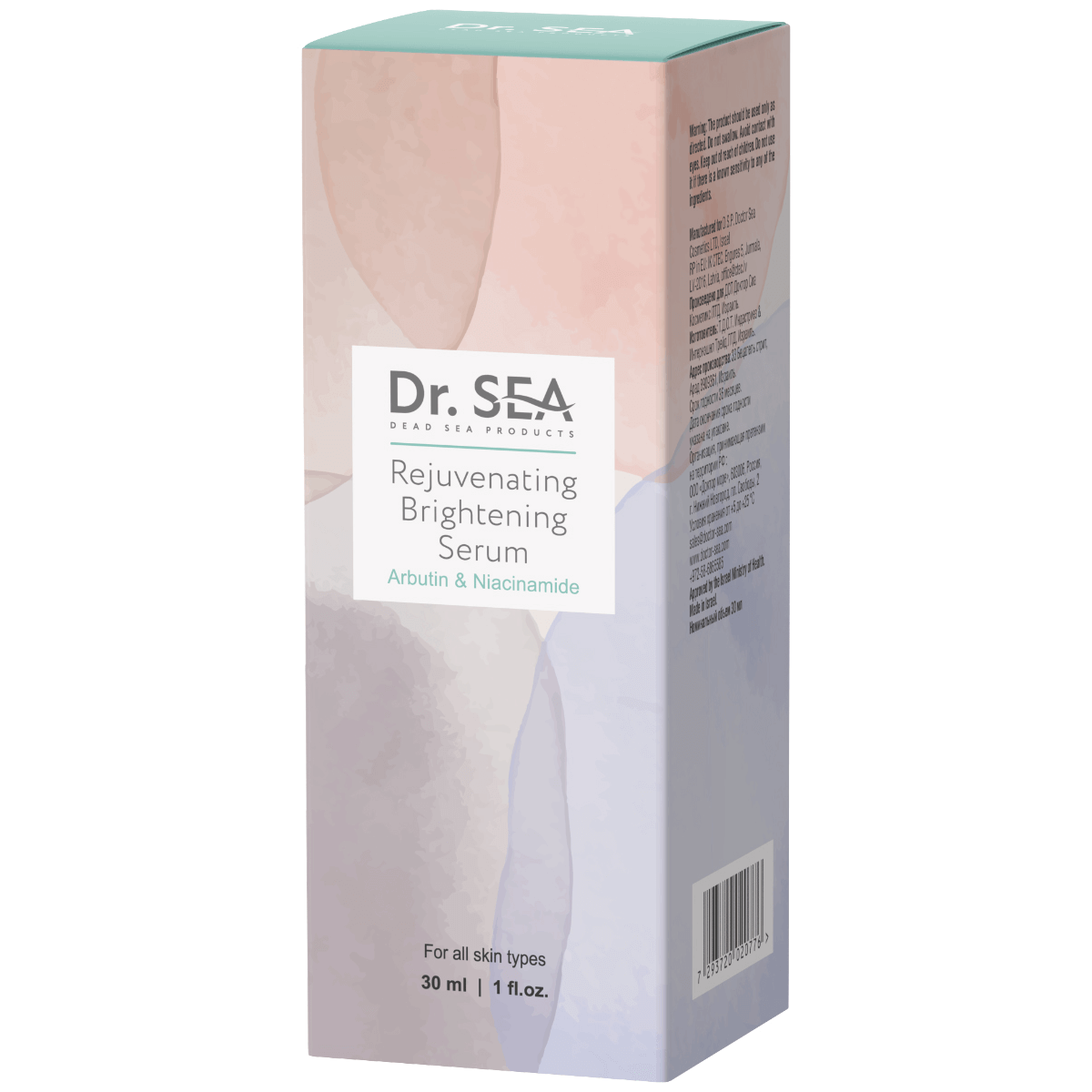
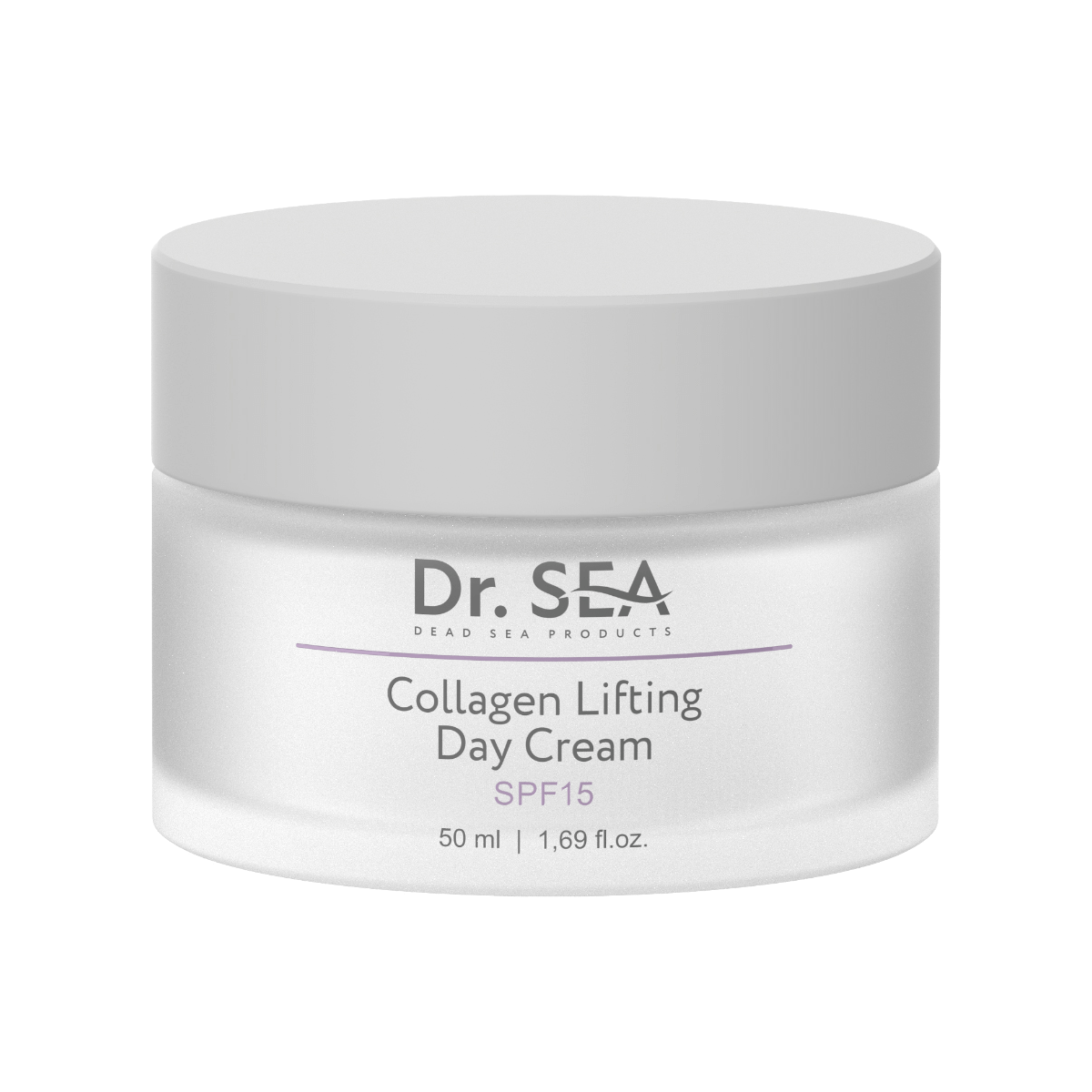
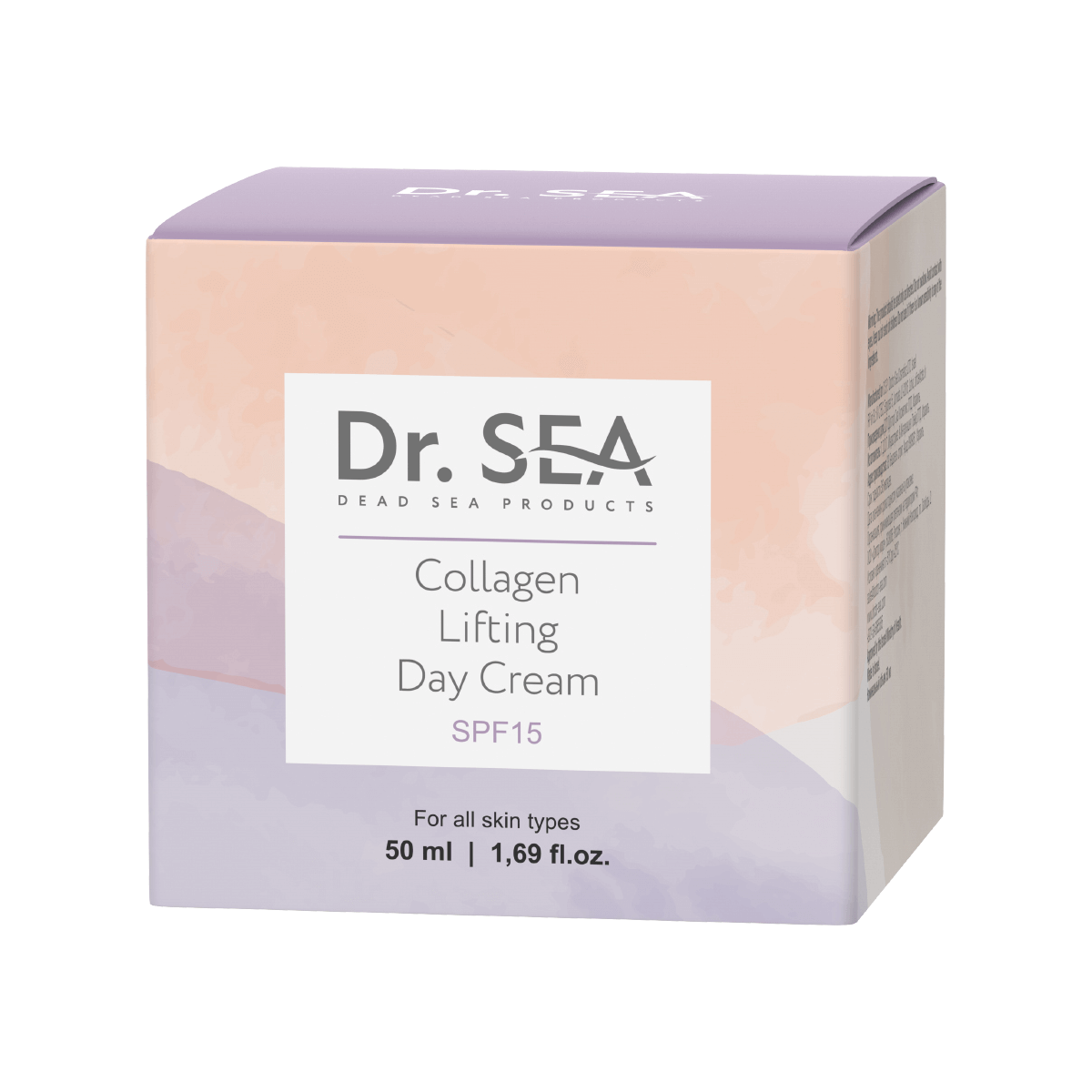
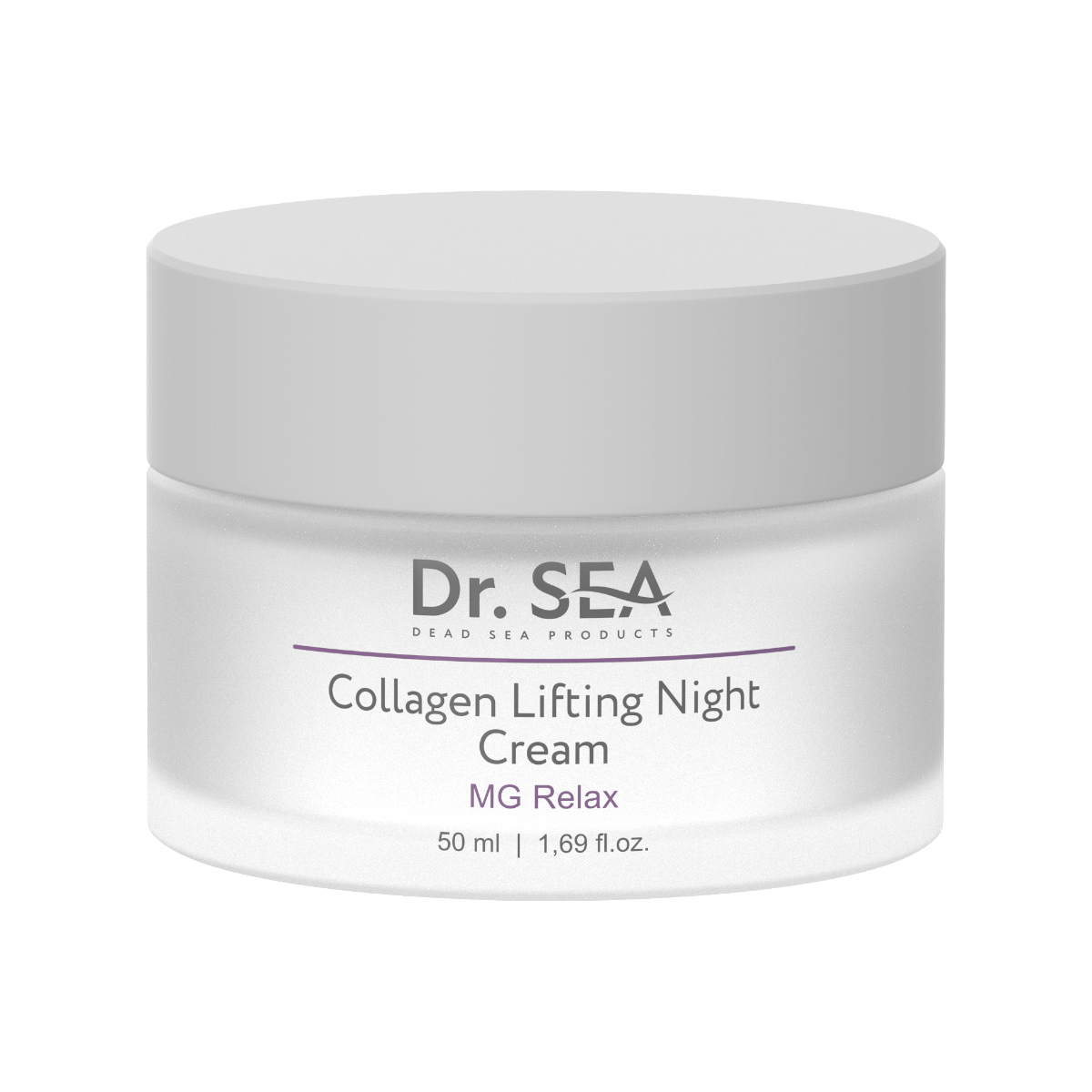
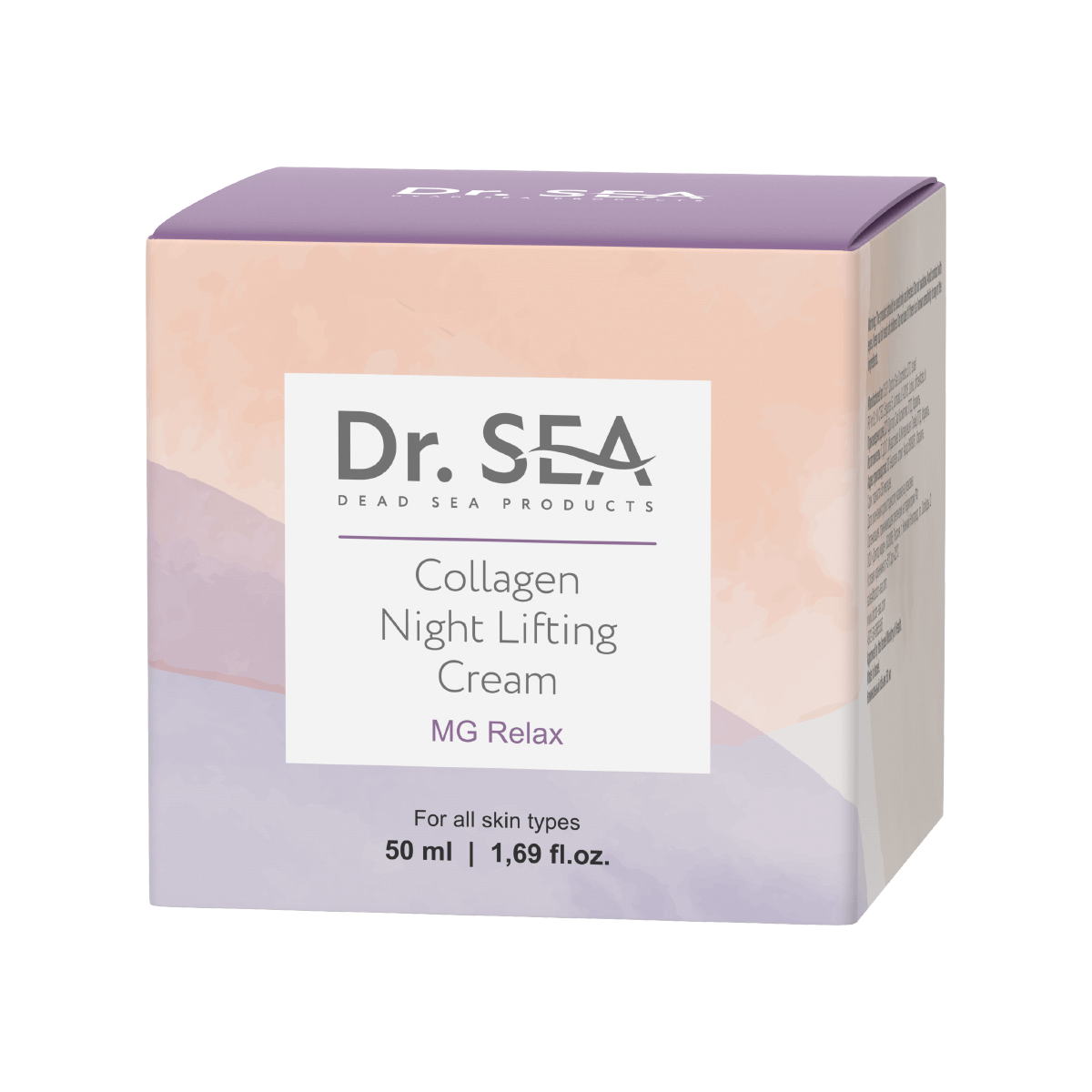
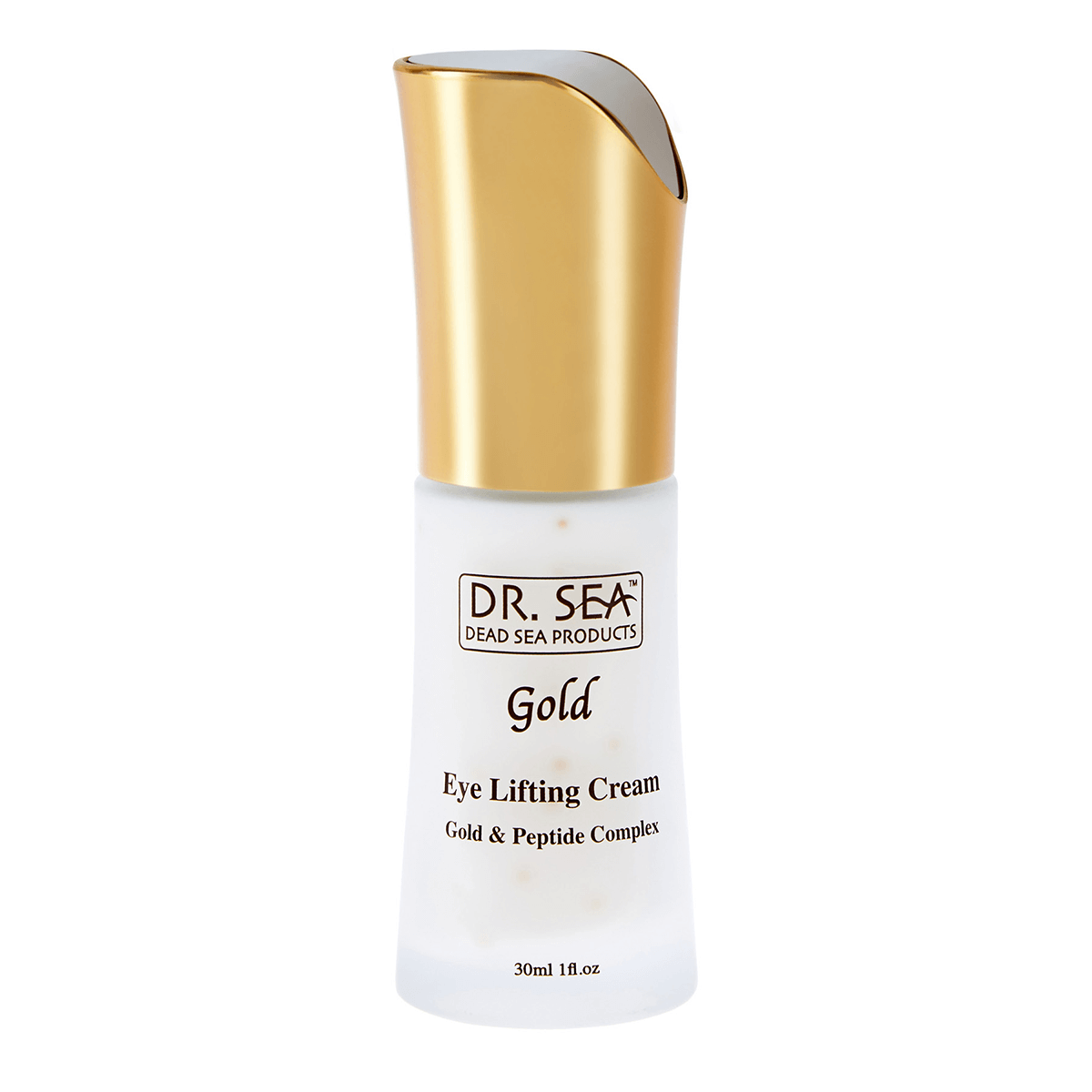
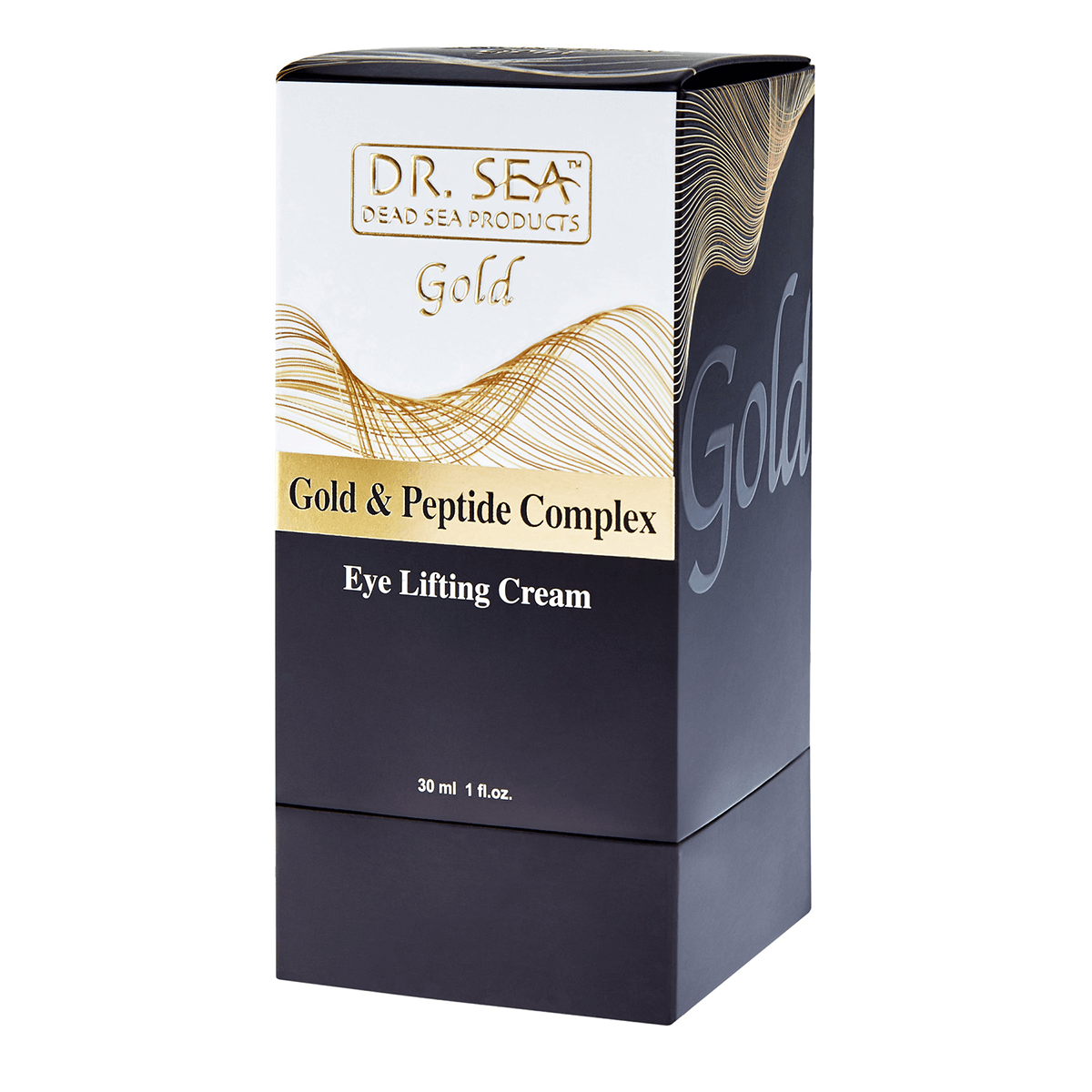
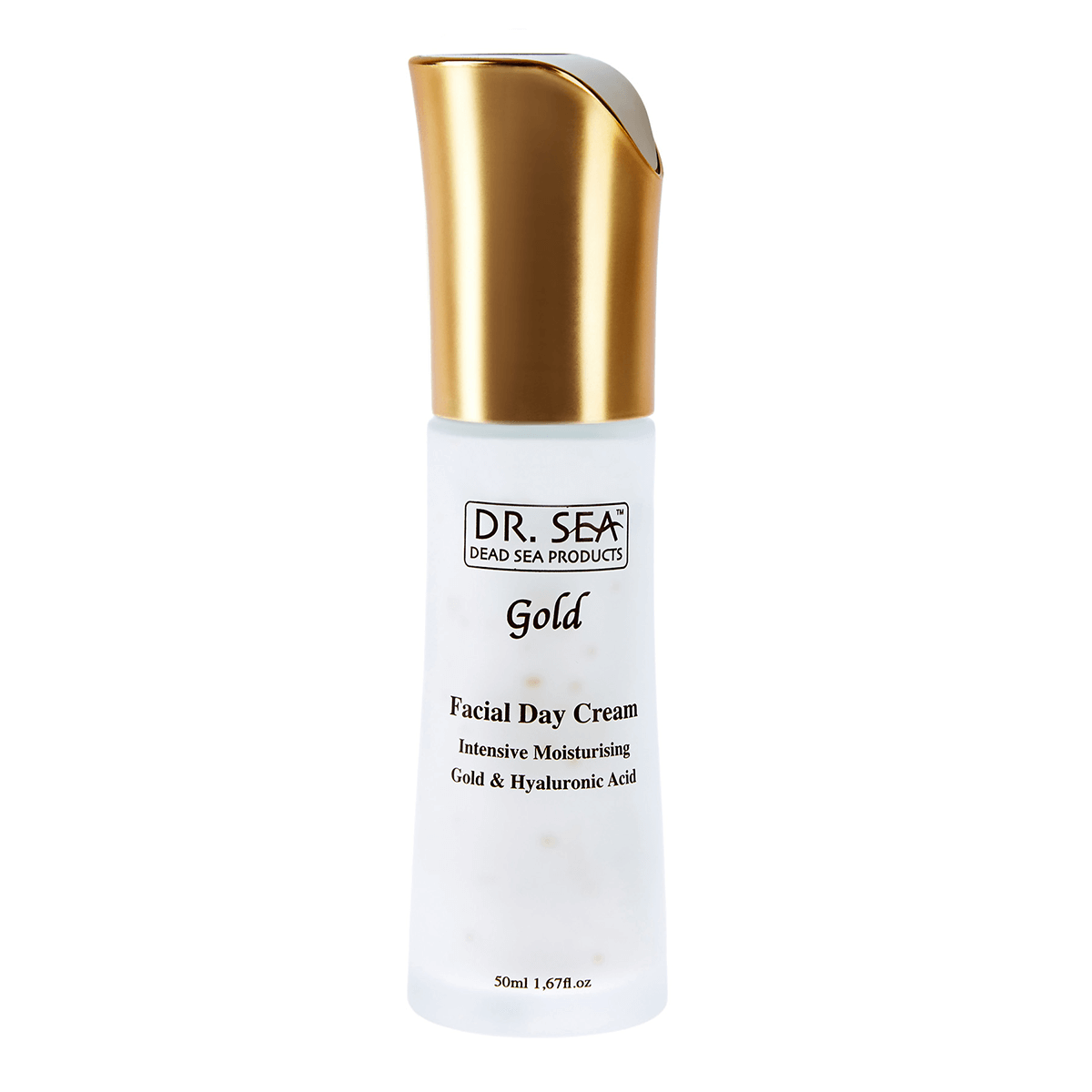
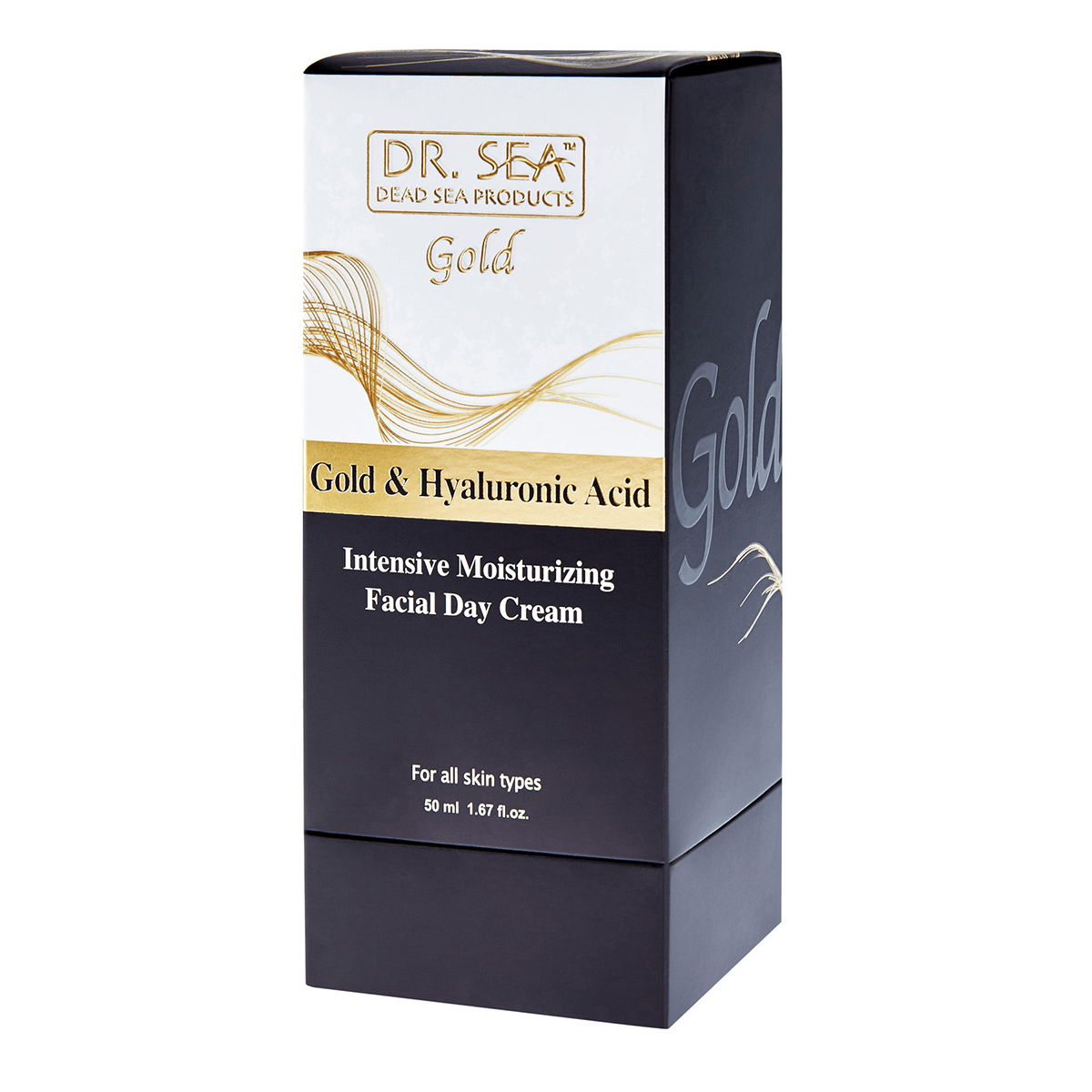
Bring the Dead Sea home: our Dead Sea collection gathers authentic mineral mud, salt, face serums, and moisturizers drawn from the lowest point on Earth, so you can add a piece of Israel to your daily routine.
Related
- Benefits of Dead Sea skincare products from Israel
- Why Dead Sea minerals make the best skincare products
- The power of Dead Sea minerals in natural skincare
Last updated July 2026.