

Short answer: Dead Sea skincare is built on water, salt, and mud that are unusually rich in magnesium, calcium, potassium, and bromide. The Dead Sea is roughly 9.6 times saltier than the ocean, and unlike ocean water its chemistry is dominated by magnesium chloride rather than the sodium chloride in table salt. That mineral signature, not ordinary salt, is what the products are built around. The best-supported benefits are for dry, sensitive, and inflamed skin: a controlled 2005 clinical trial found that bathing in a magnesium-rich Dead Sea salt solution improved the skin barrier and hydration while reducing roughness and redness. Think soothe, hydrate, and support, rather than cure.
Why Dead Sea minerals are different
The Dead Sea, bordered by Israel and Jordan, is a genuinely singular place, and its geography is the real story behind the products. Its shore sits at about 440 meters below sea level, the lowest land elevation on Earth, and the basin loses water only to evaporation, so its minerals concentrate to extraordinary levels (Wikipedia: Dead Sea). As of a 2011 measurement the water reached 34.2 percent salinity, about 9.6 times as salty as the ocean.
What really sets it apart is not just how much salt it holds, but which salt. The dissolved-salt profile is dominated by magnesium chloride (about 50.8 percent), with sodium chloride only around 30.4 percent, calcium chloride about 14.4 percent, and potassium chloride about 4.4 percent. Ocean water, by contrast, is roughly 85 percent sodium chloride. The Dead Sea also carries the highest bromide concentration of any water on Earth. This magnesium-and-bromide signature, not table salt, is what Dead Sea cosmetics are built around. People have used this salt in creams, unguents, and soaps since the time of Ancient Egypt, one of the oldest documented mineral-skincare traditions in the world (Wikipedia: Dead Sea salt).
What the science actually shows
The strongest evidence clusters around dry, sensitive, and inflamed skin. In a controlled 2005 trial published in the International Journal of Dermatology, Proksch and colleagues had people with dry, atopic-prone skin bathe one forearm in a 5 percent magnesium-rich Dead Sea salt solution and the other in tap water. The salt-treated skin showed significantly better barrier function and hydration, along with less roughness and redness, a marker of inflammation (Proksch et al., Int J Dermatol 2005). The proposed mechanism is straightforward: magnesium salts bind water and help repair the skin's permeability barrier.
For psoriasis, the National Psoriasis Foundation points to the Dead Sea and Dead Sea salts as an effective aid, and modern uses of the salt and mud include soaking to ease inflammation (Wikipedia: Dead Sea salt). A Cochrane review found low-quality evidence that salt bathing combined with UVB light may reduce psoriasis severity more than UVB alone, though the balneotherapy evidence overall is limited and often methodologically weak (Wikipedia: Balneotherapy). The most dramatic psoriasis results historically come from climatotherapy at the sea itself, where the deep basin filters ultraviolet light and offers higher atmospheric pressure and oxygen (Wikipedia: Dead Sea). That on-site treatment is a different thing from a jar of salt at home. Claims for acne are common but only weakly supported, so the fair statement for products is that they may soothe, relieve, and support dry or irritated skin, not that they cure anything.
Which Dead Sea products to try
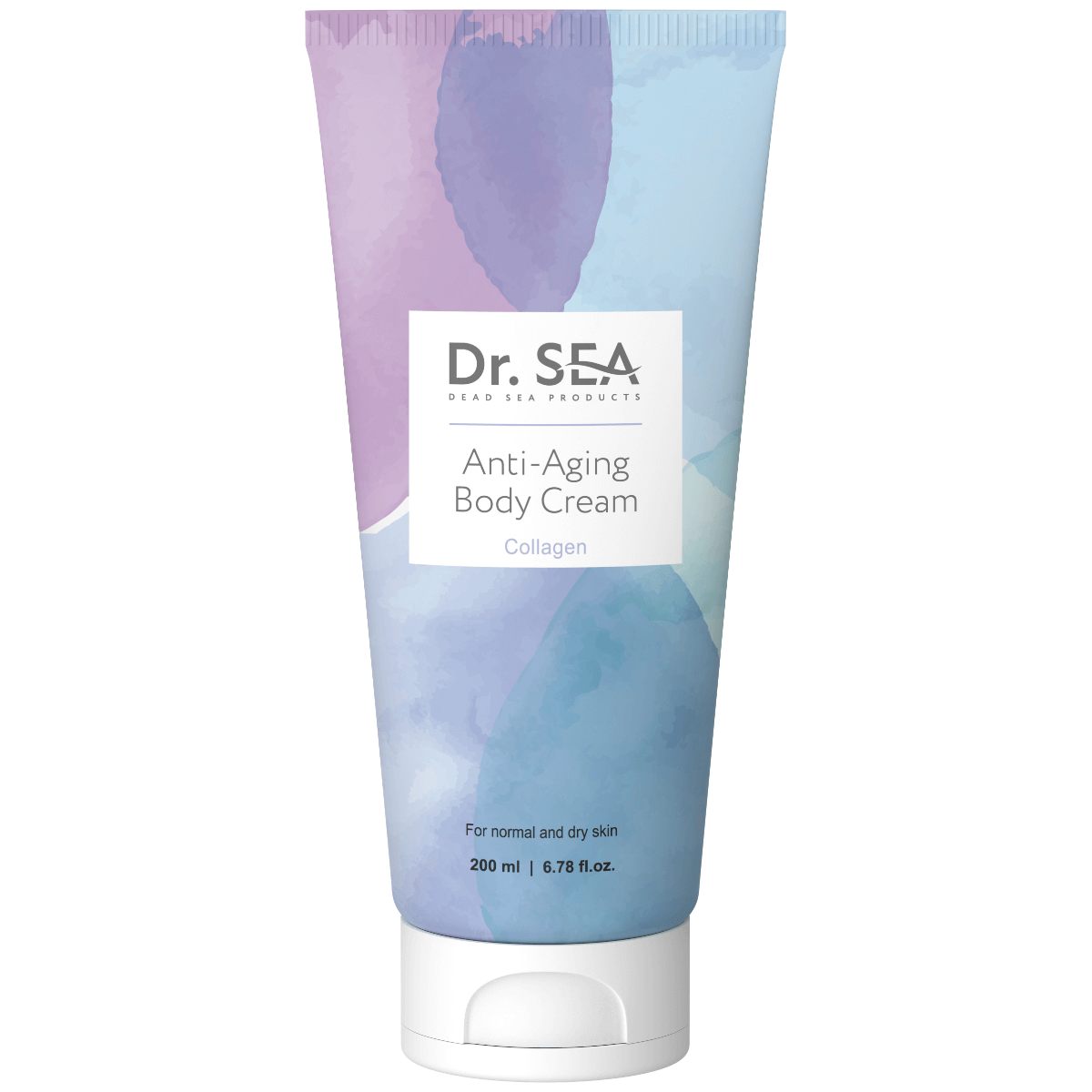
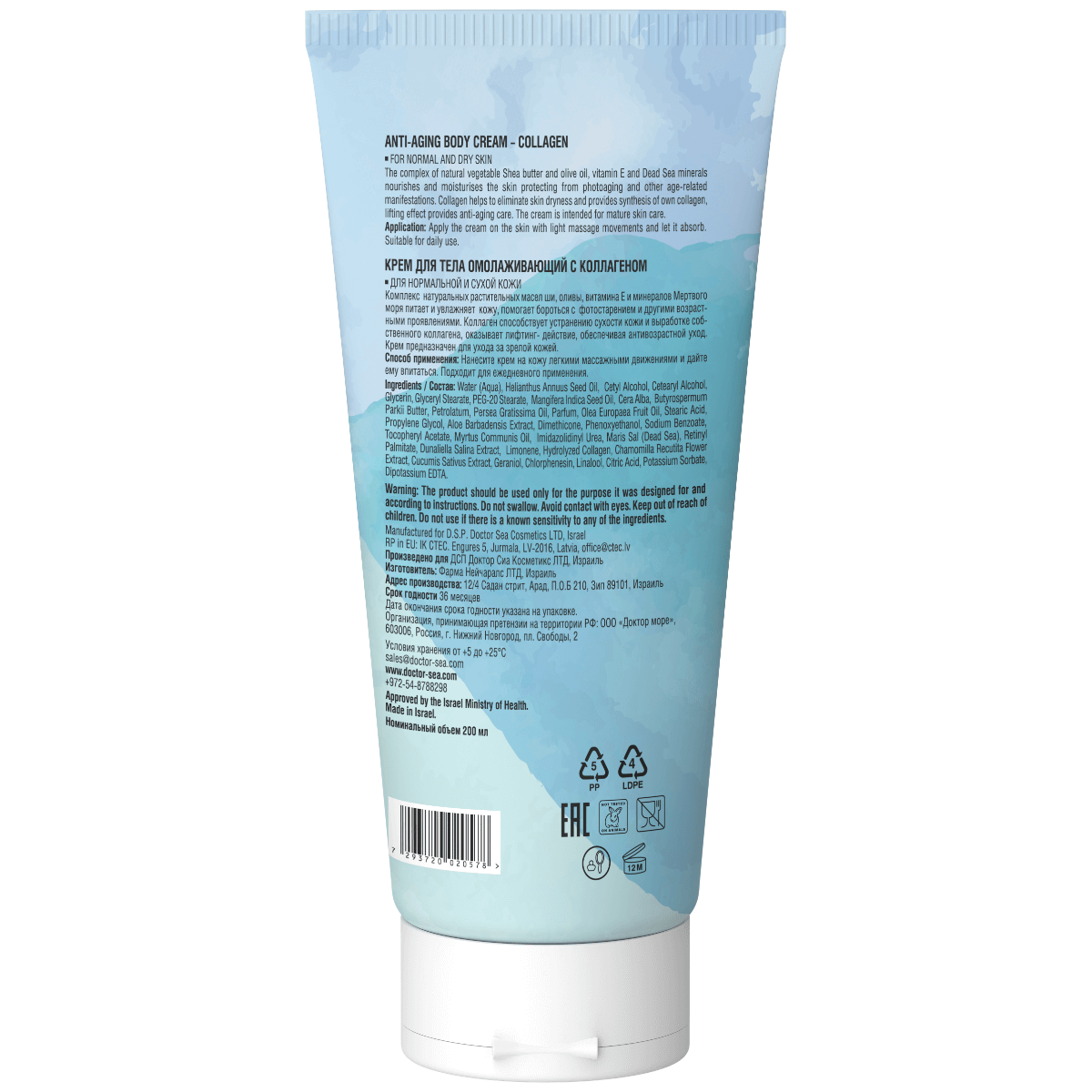
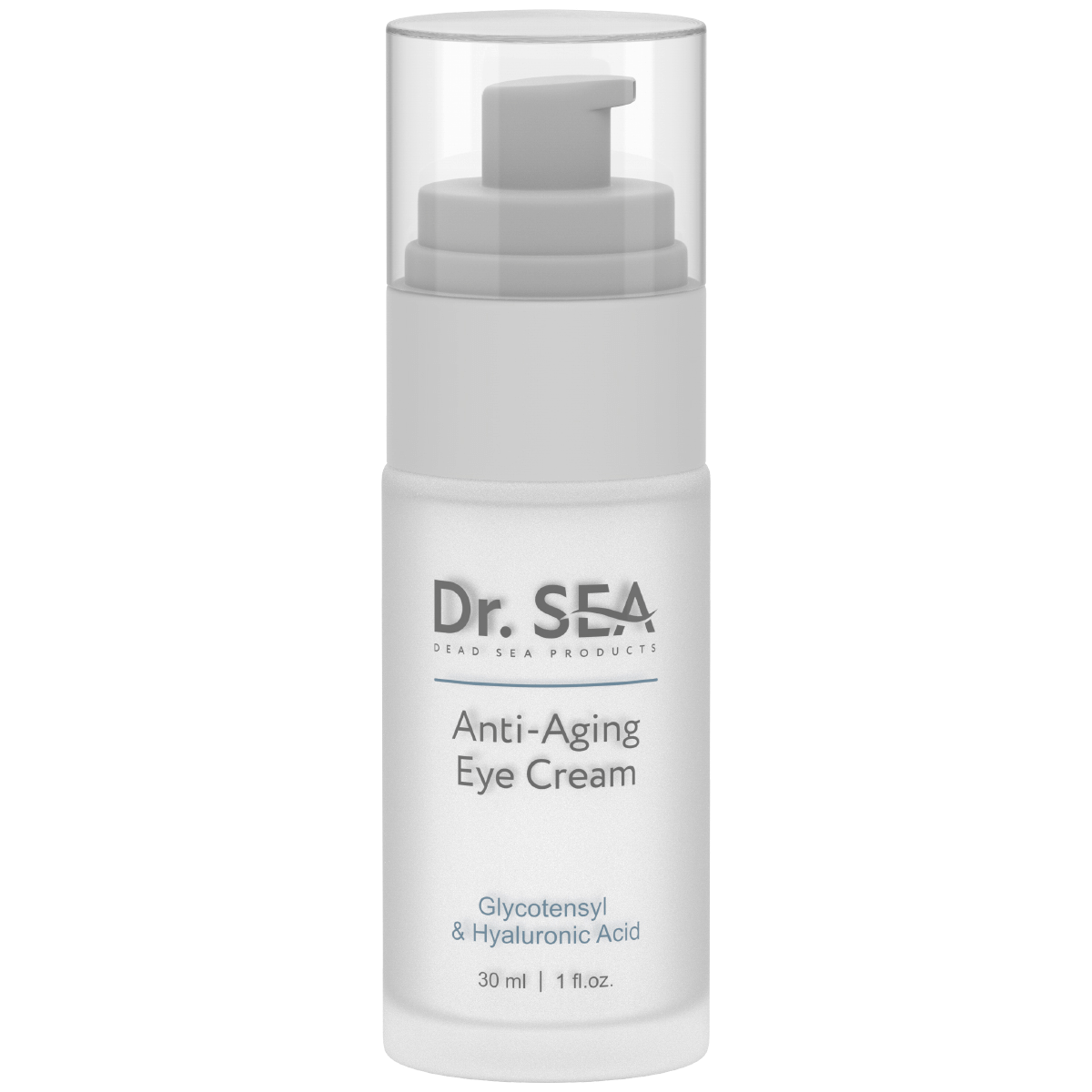
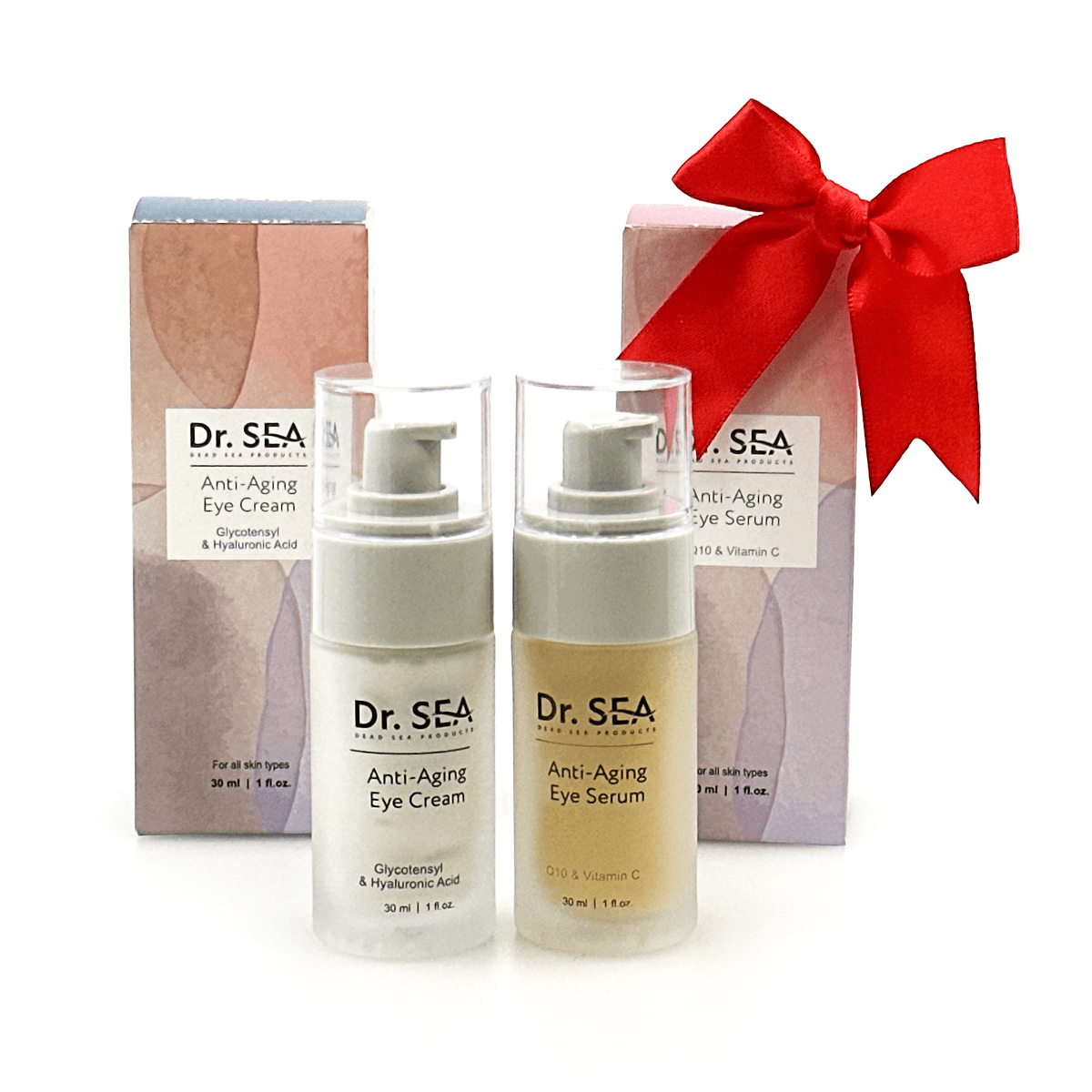
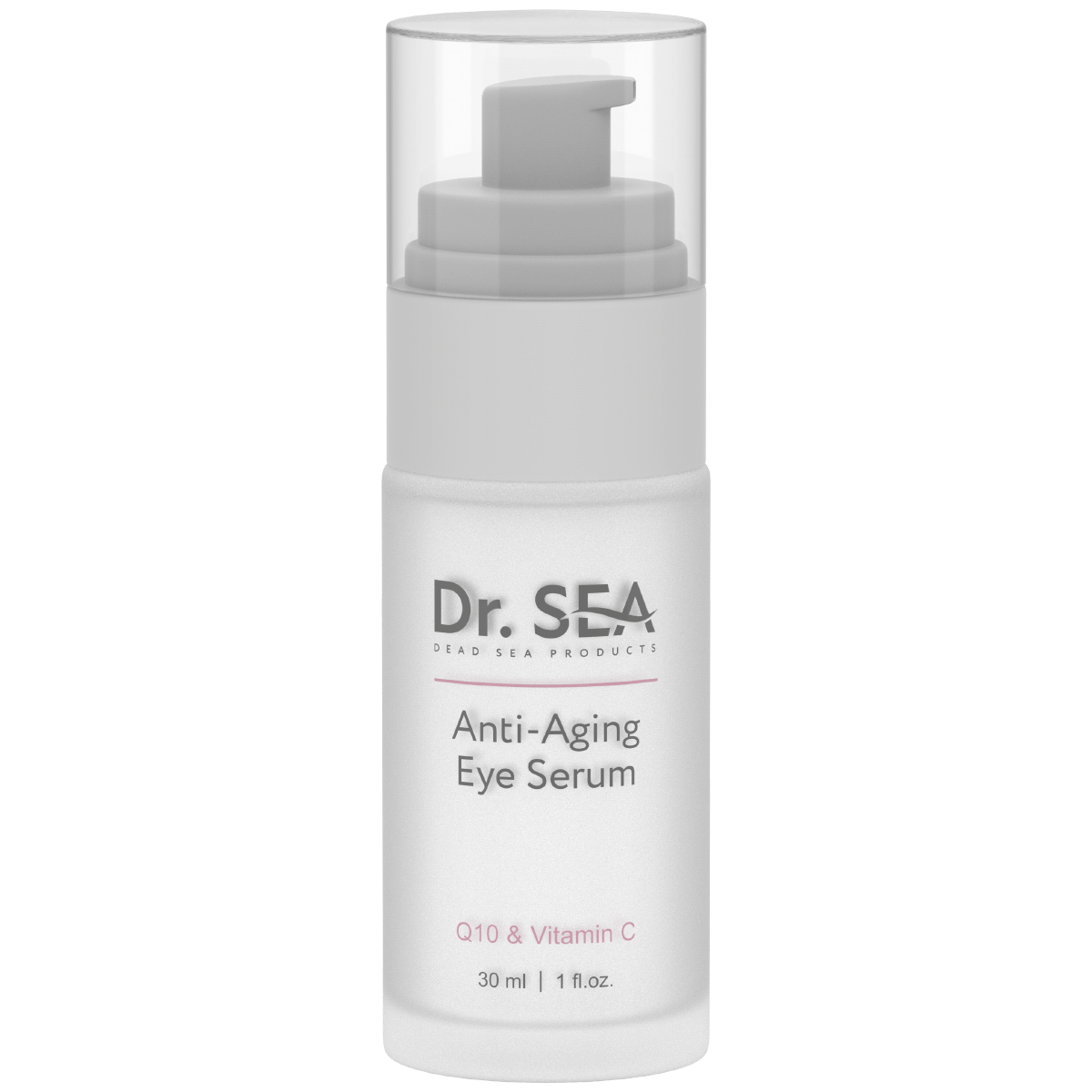
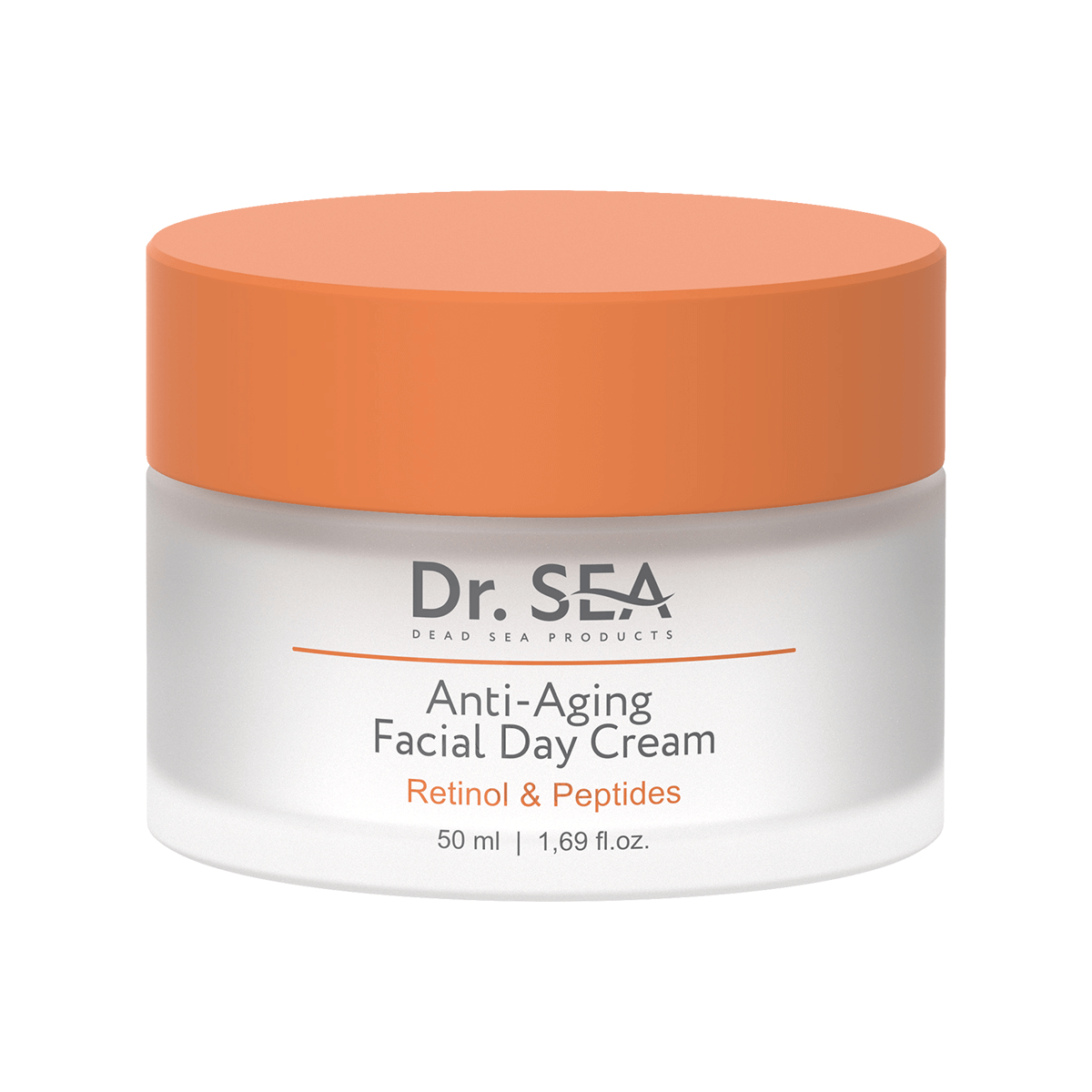
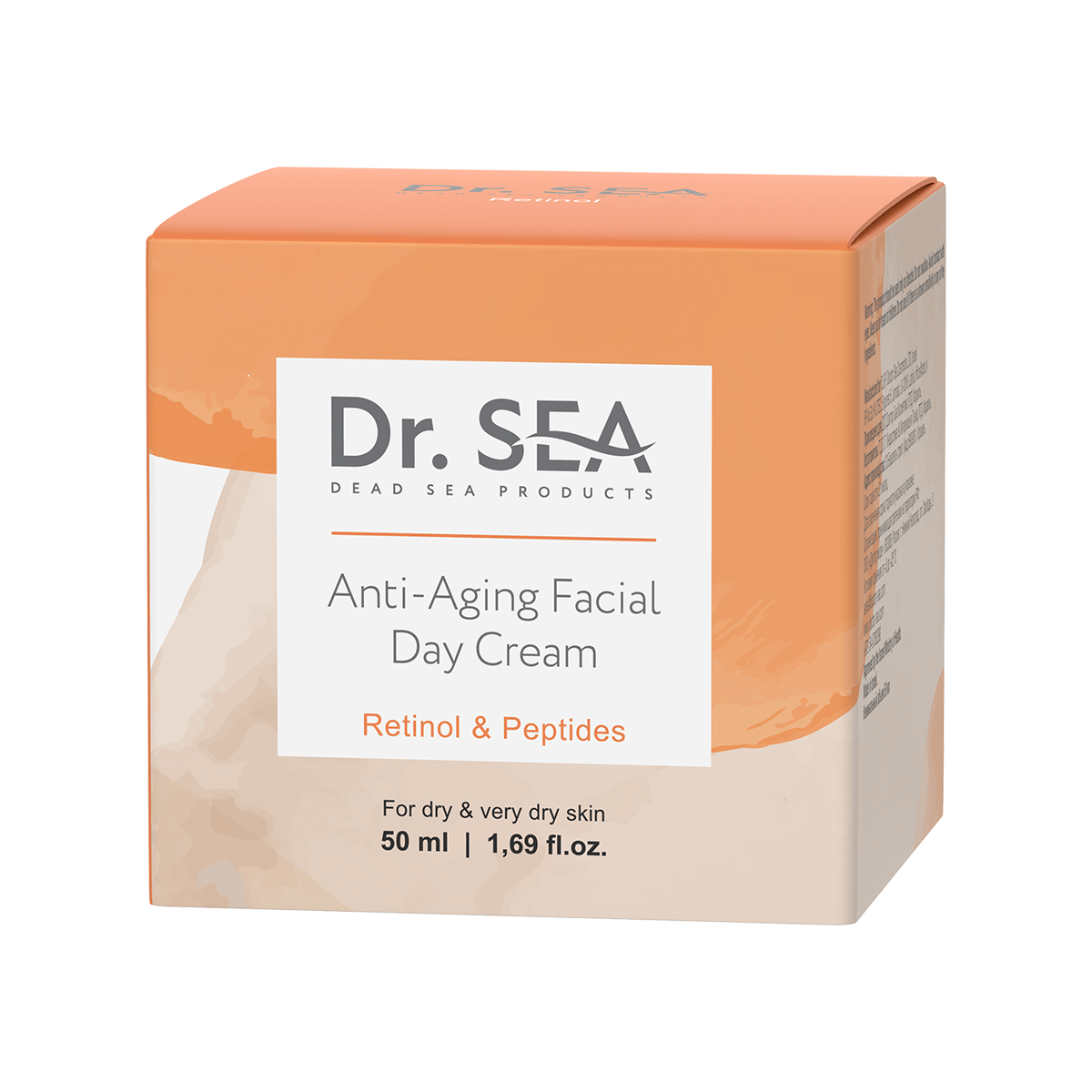
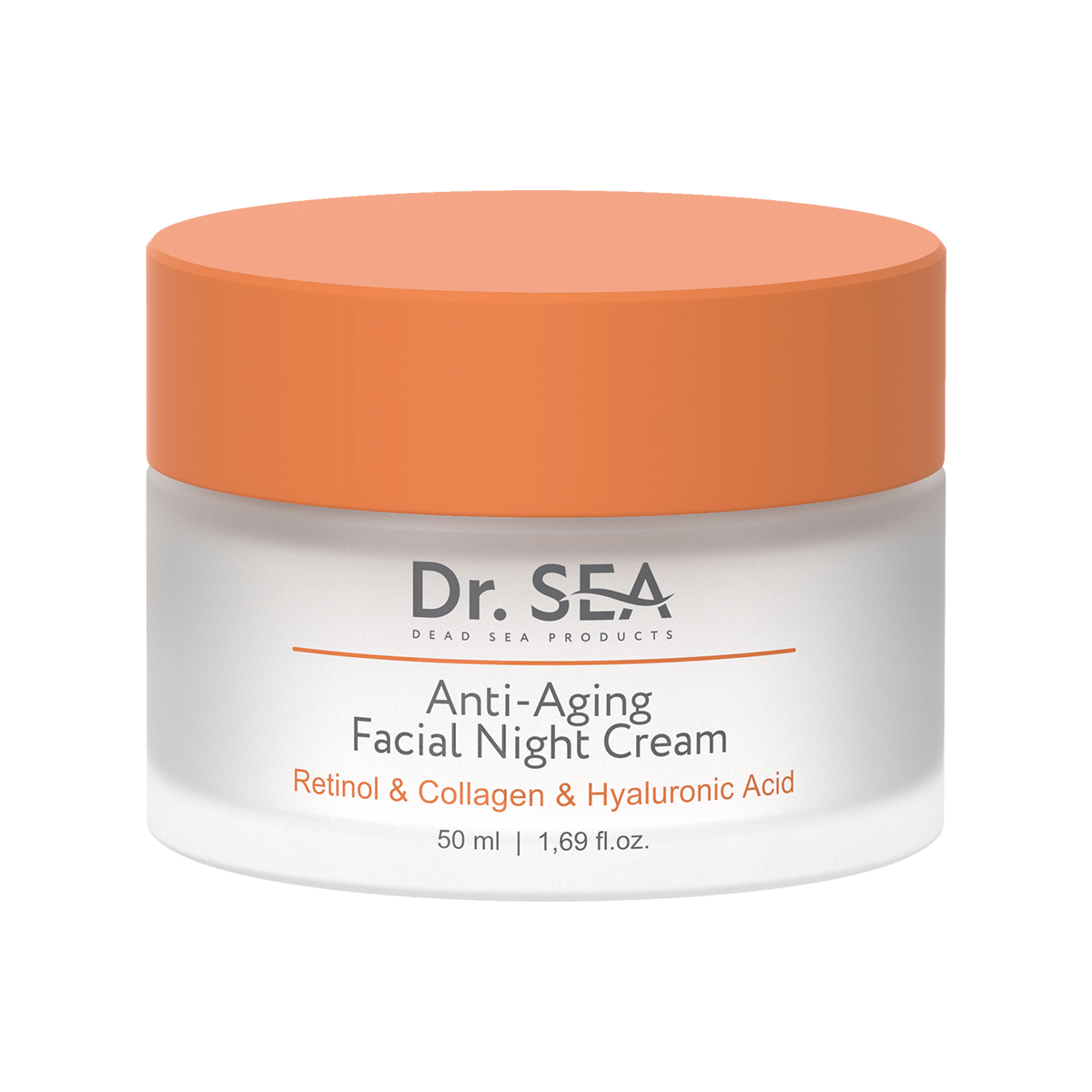
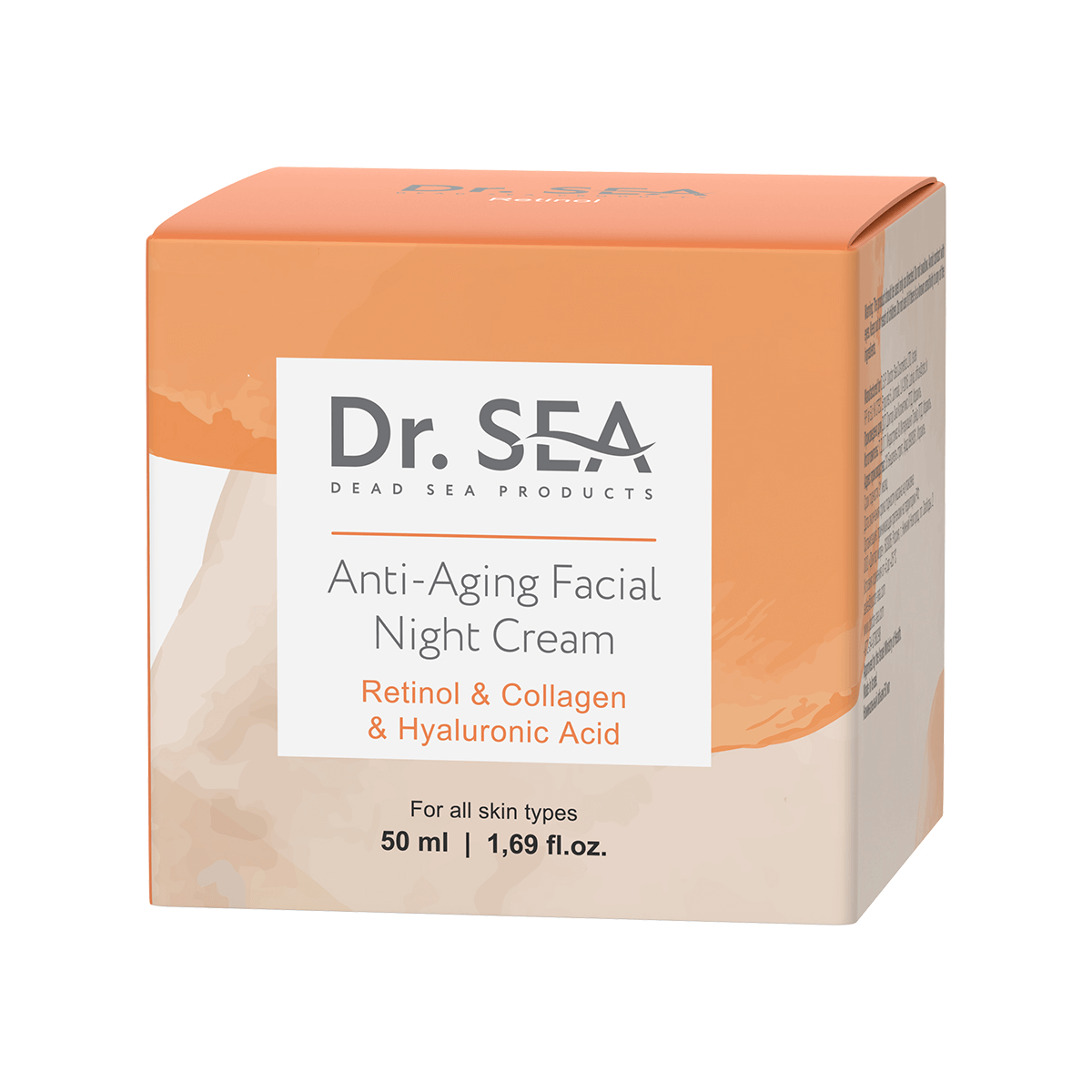
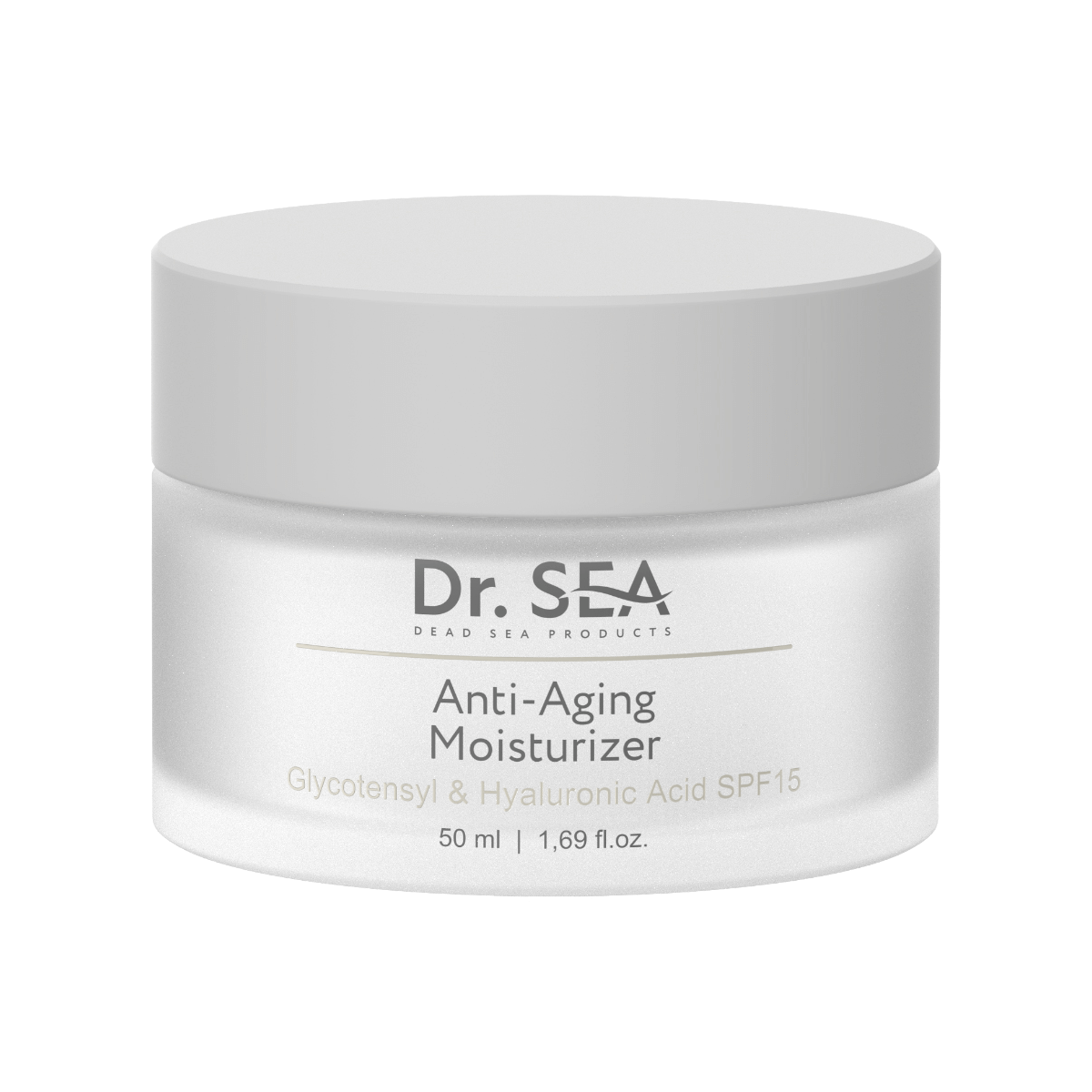
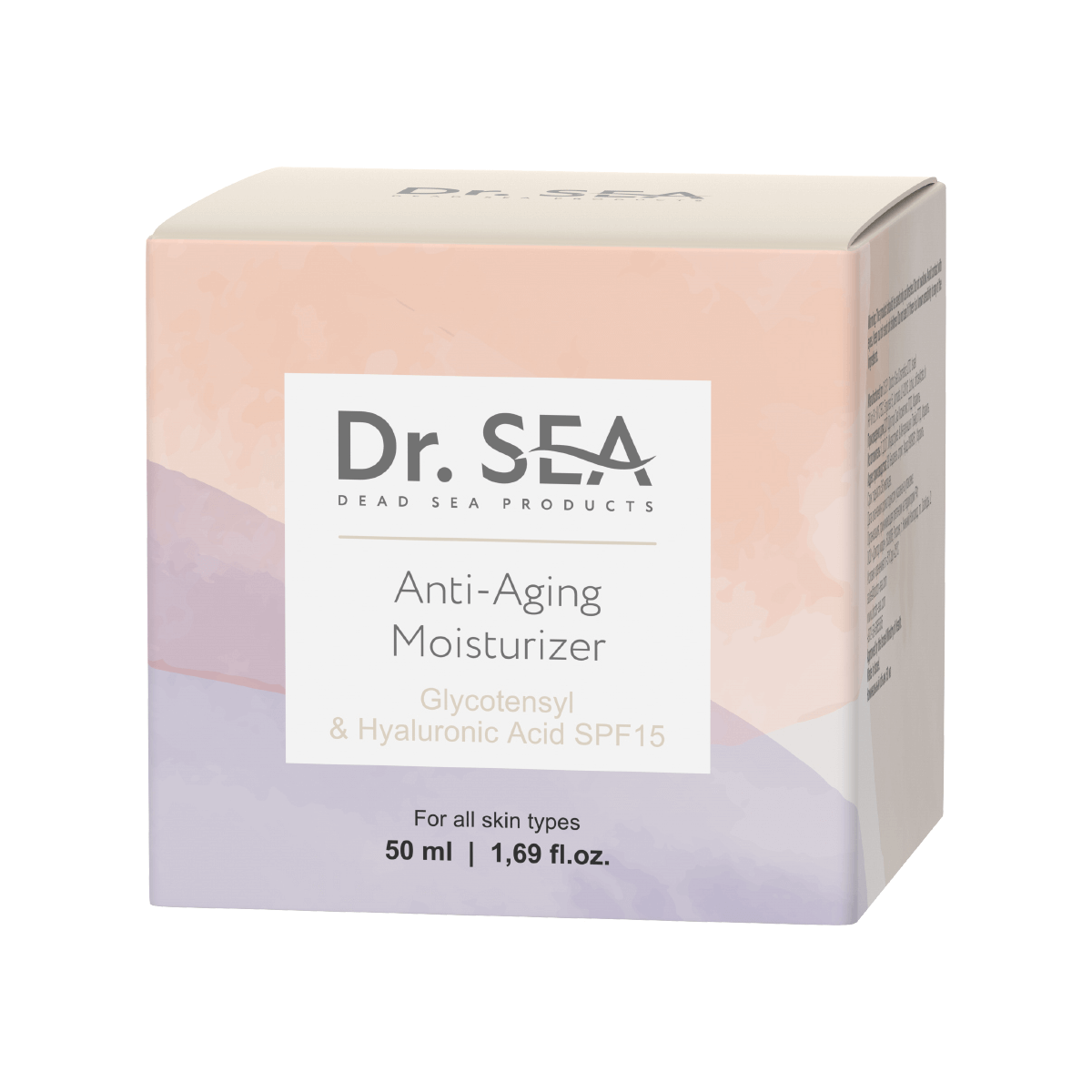
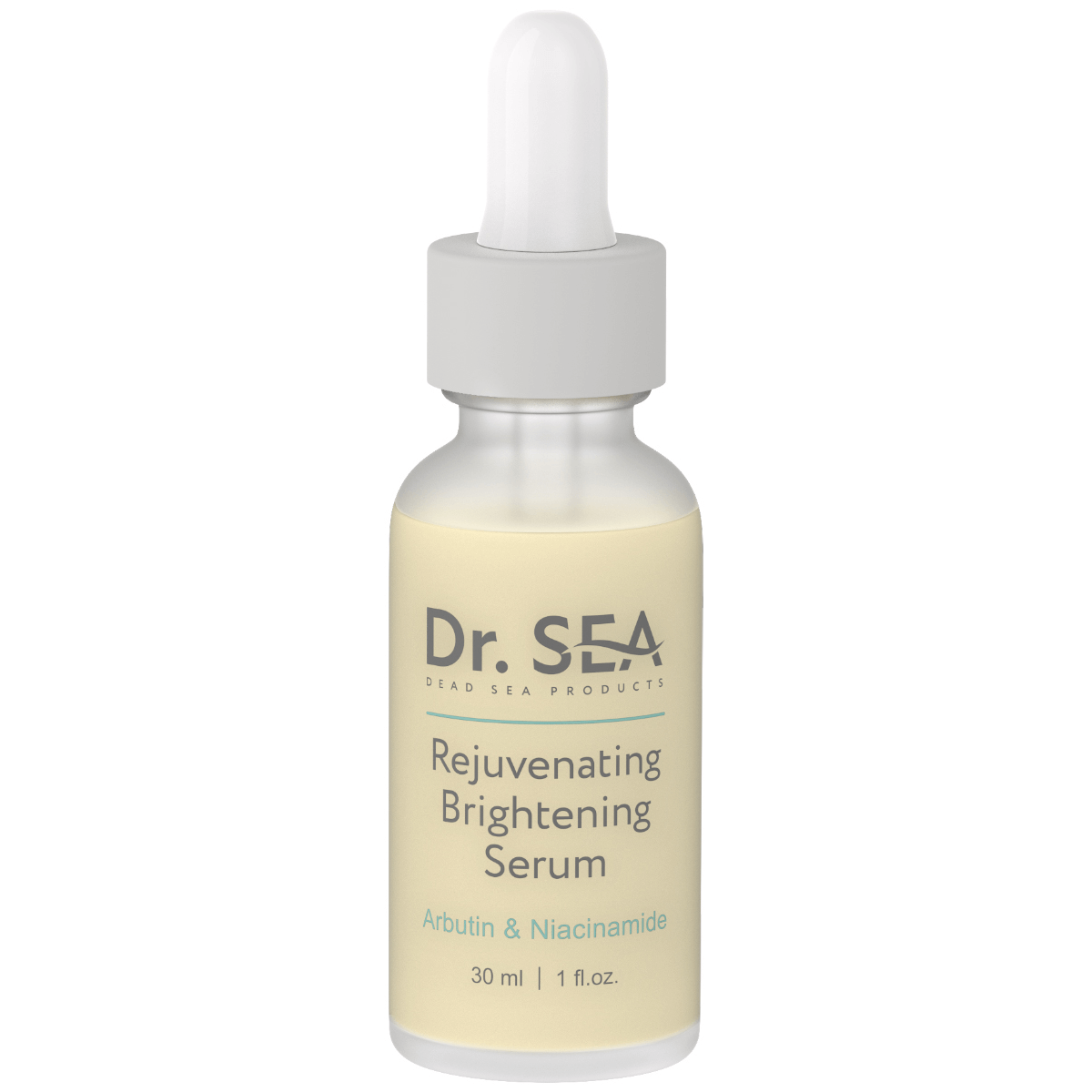
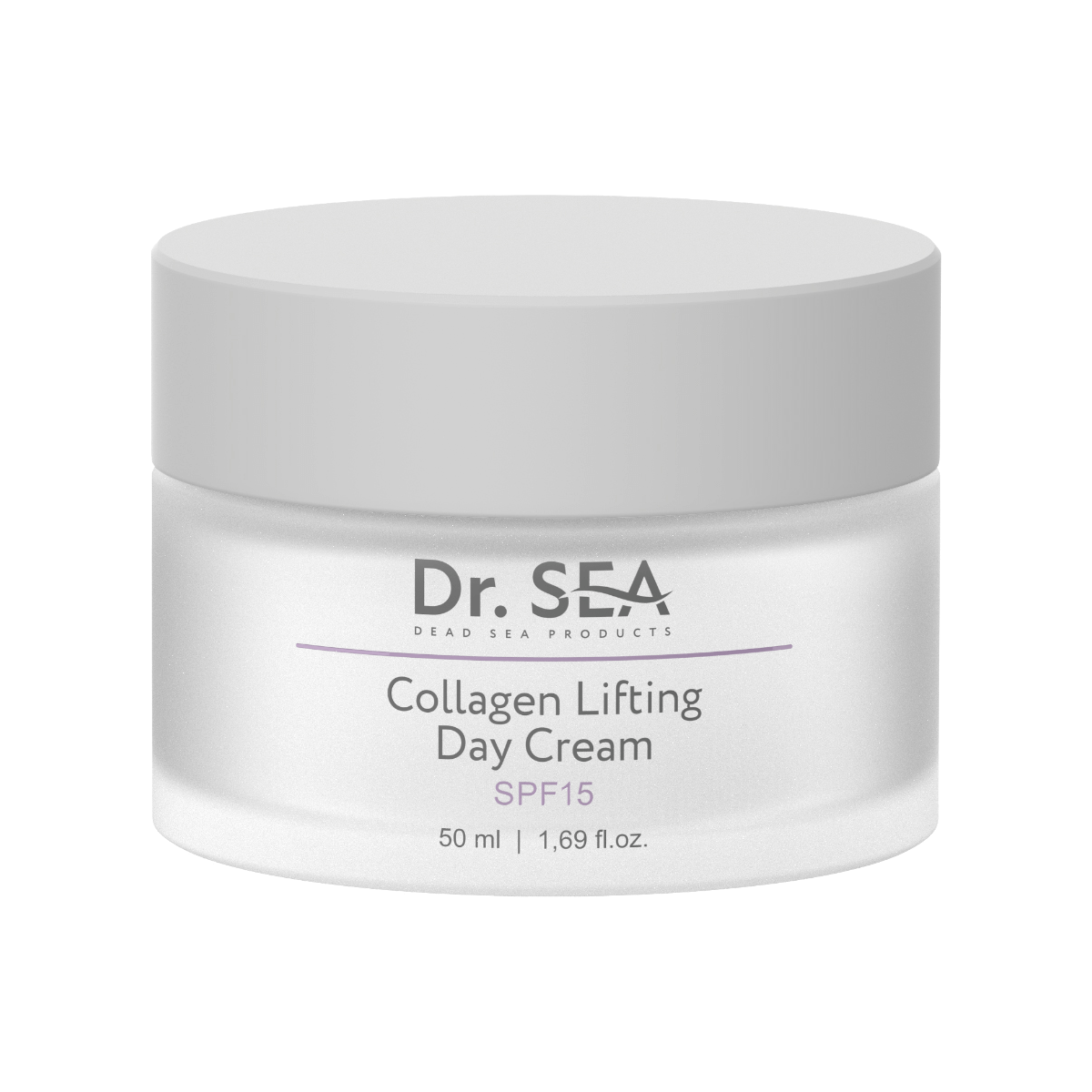
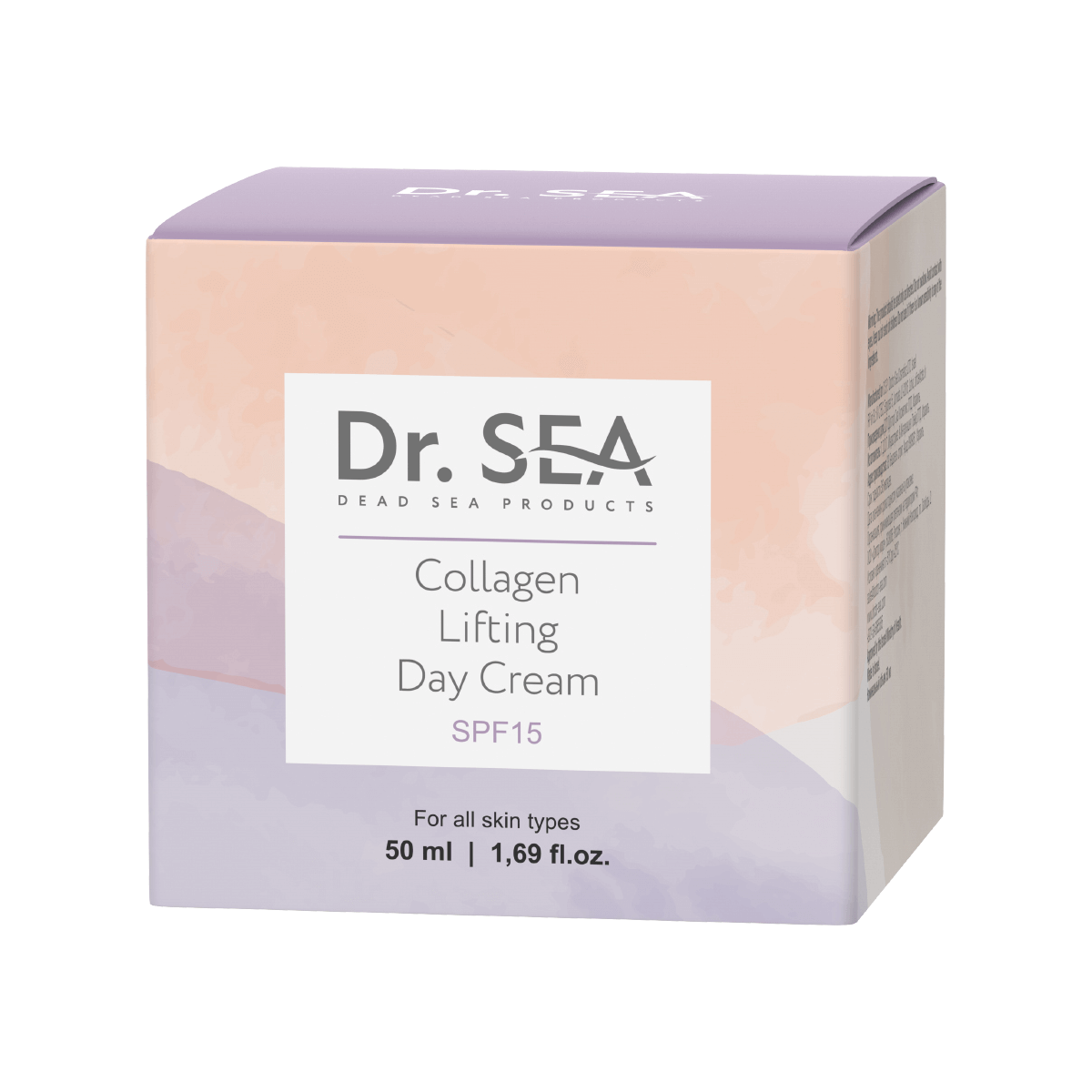
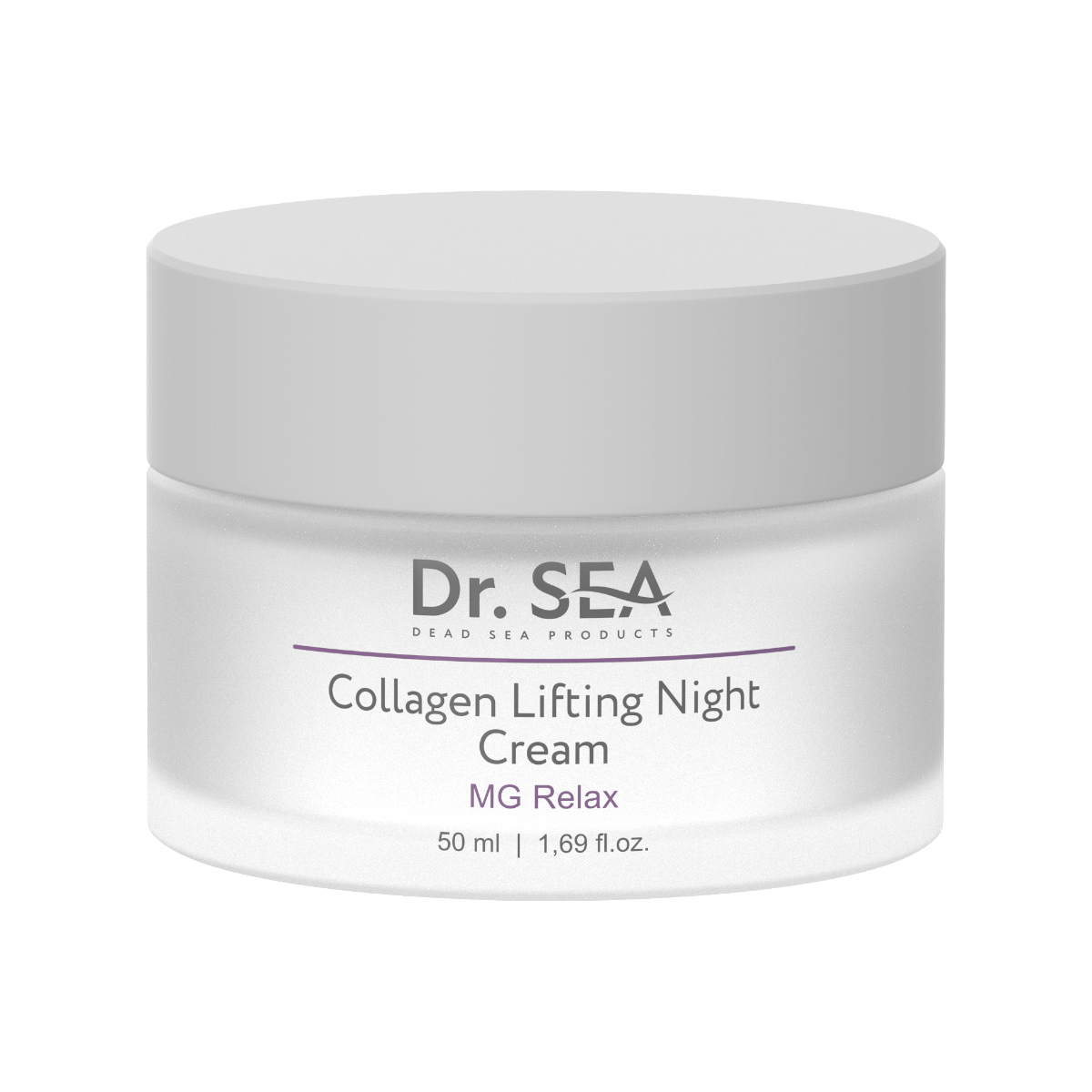
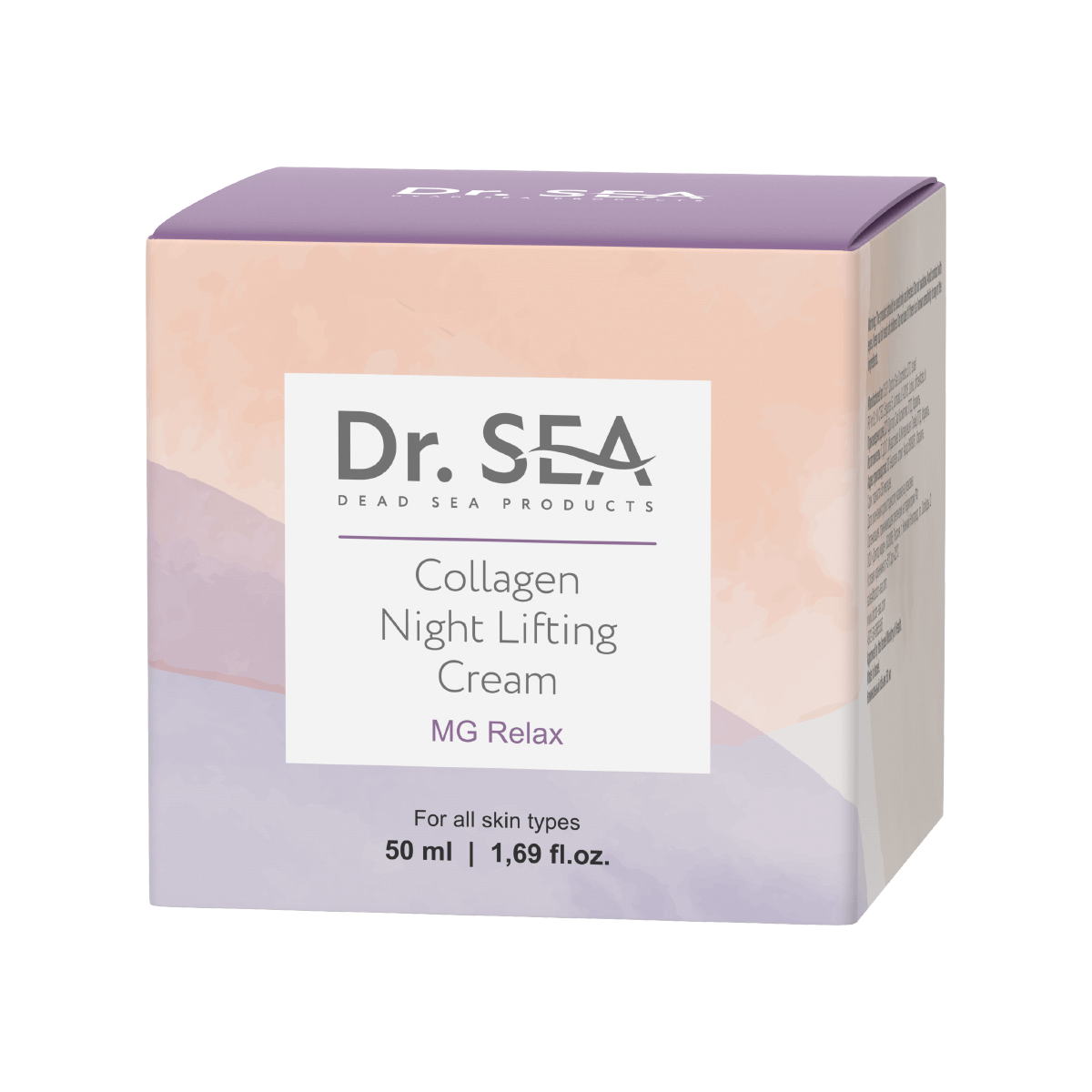
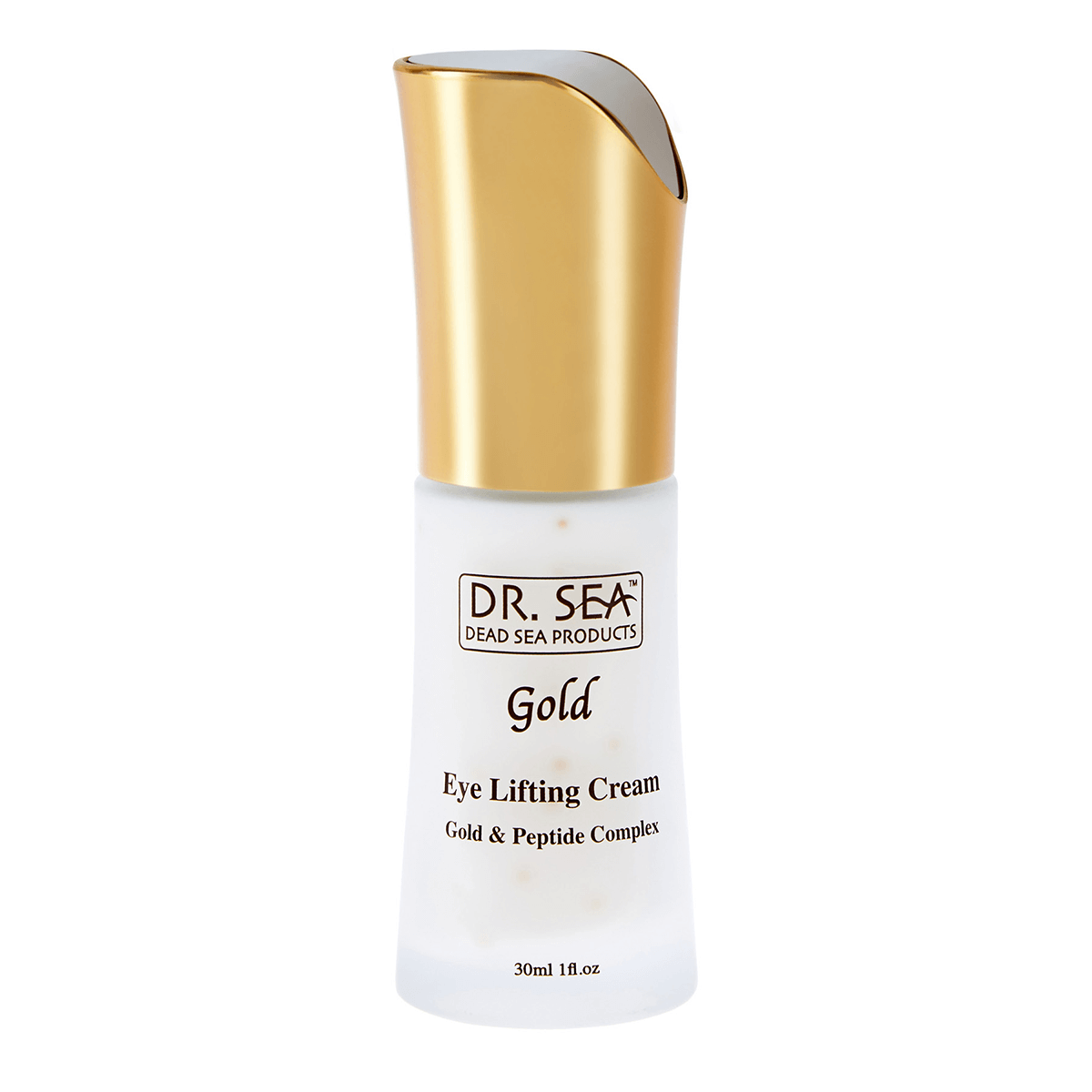
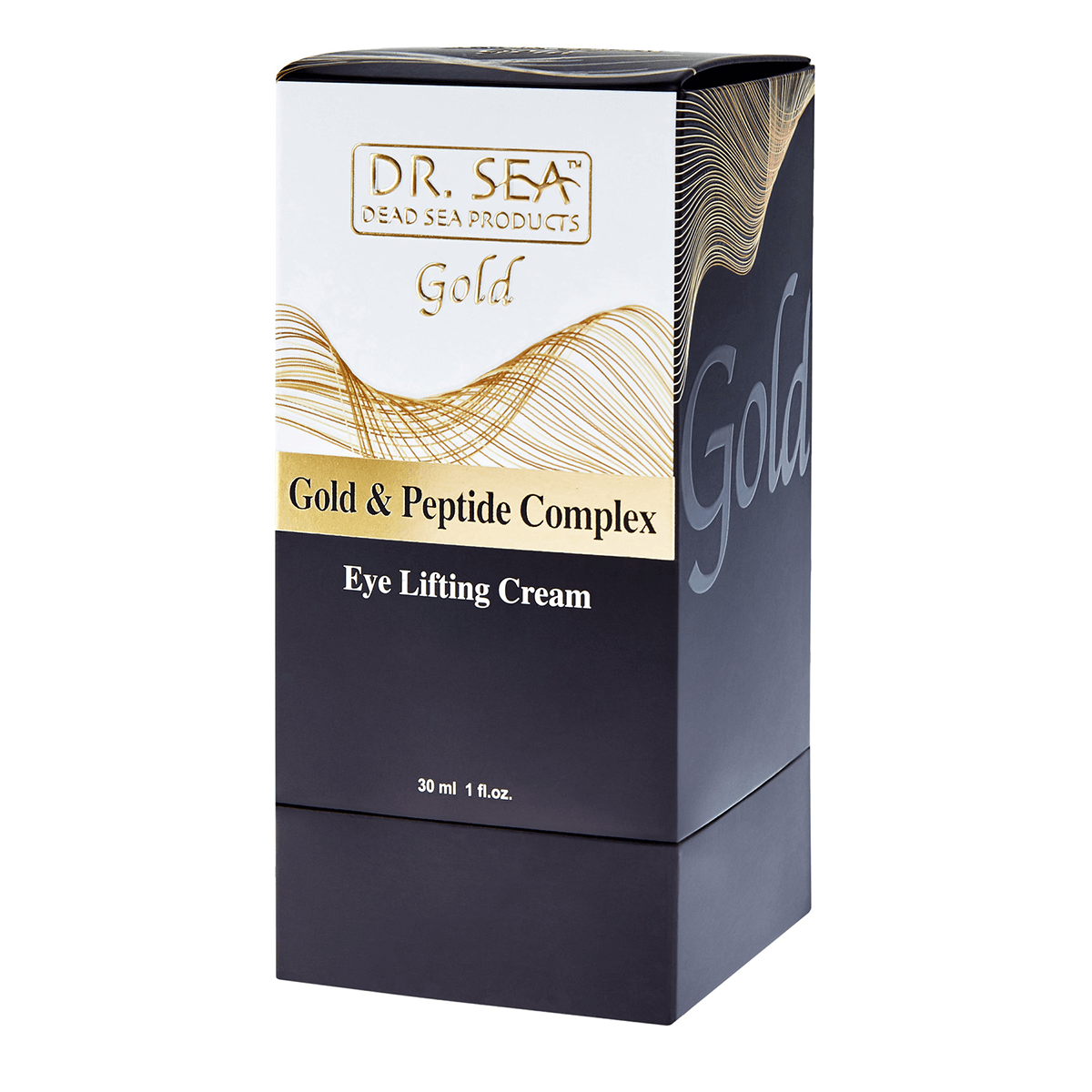
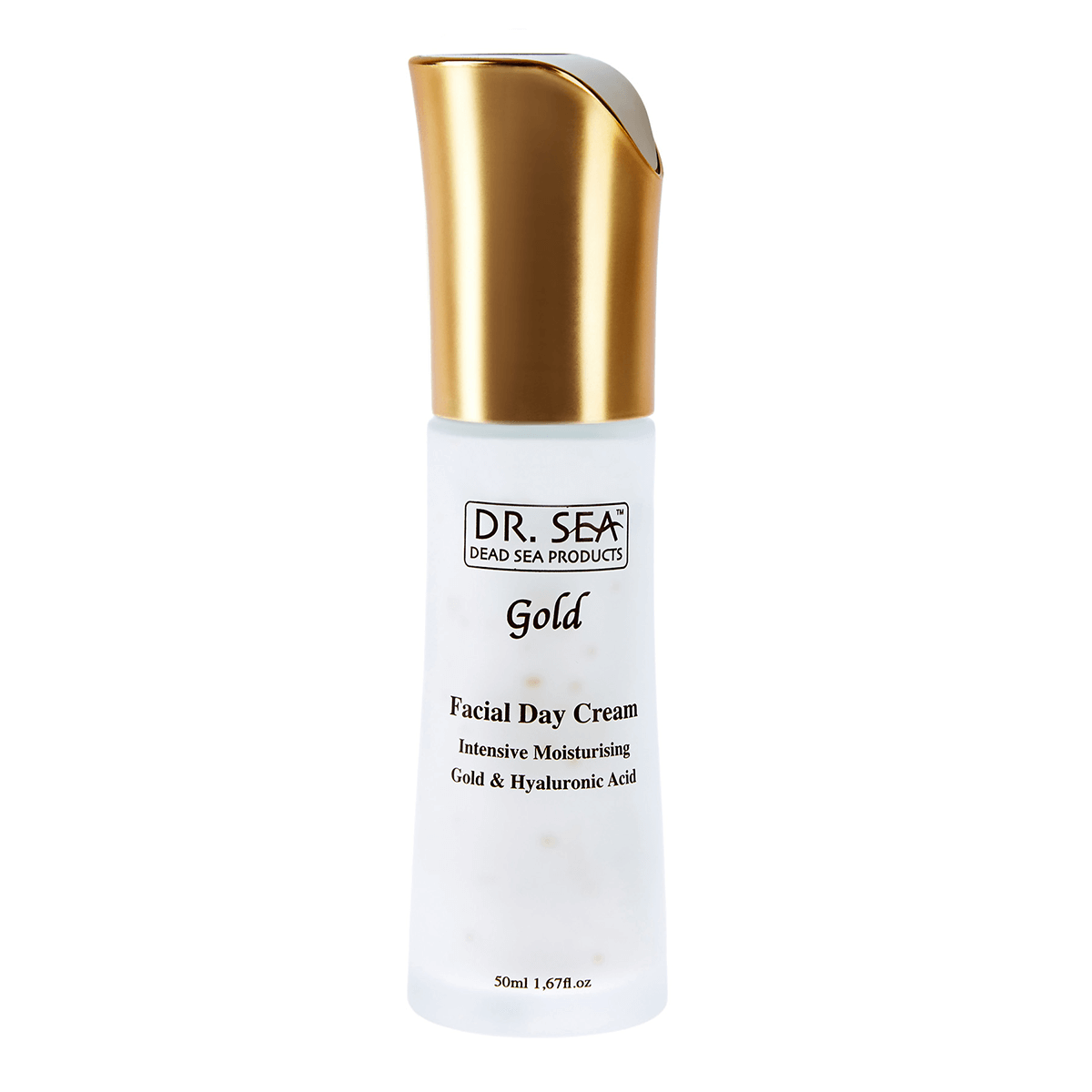
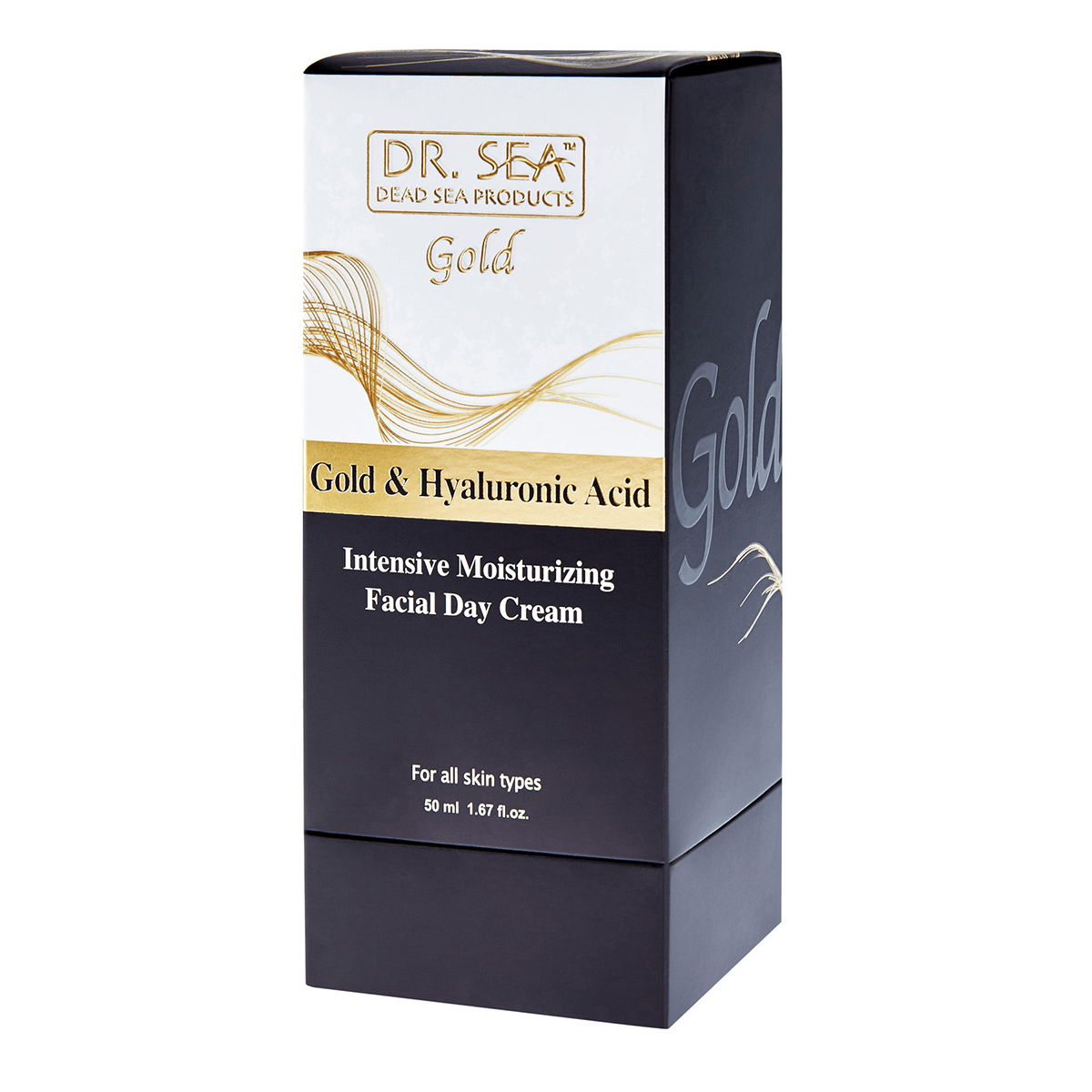
For a shopper choosing today, three categories are well grounded. Bath salts have the most direct clinical support and are the best starting point for dry or eczema-prone skin and as a psoriasis adjunct: dissolve them in a warm soak and pat skin dry afterward. Mud masks cleanse and deliver minerals directly to the skin, then rinse clean. Mineral creams and cleansers focus on everyday hydration and barrier support. Look for magnesium-rich Dead Sea salt and mud on the label, keep expectations grounded in soothing and hydrating, and skip anything promising a cure or a detox. You can explore the full range in our Dead Sea collection, which gathers salts, mud, serums, and mineral creams sourced from the sea itself.
Choosing Dead Sea skincare also connects you to a real landmark of Israel's landscape and heritage: studied minerals for calmer, better-hydrated skin, drawn from the lowest place on Earth.
Related
- The benefits of Dead Sea skincare products from Israel
- Why Dead Sea minerals make the best skincare products
- Top-rated Dead Sea beauty products you must try
Last updated July 2026.