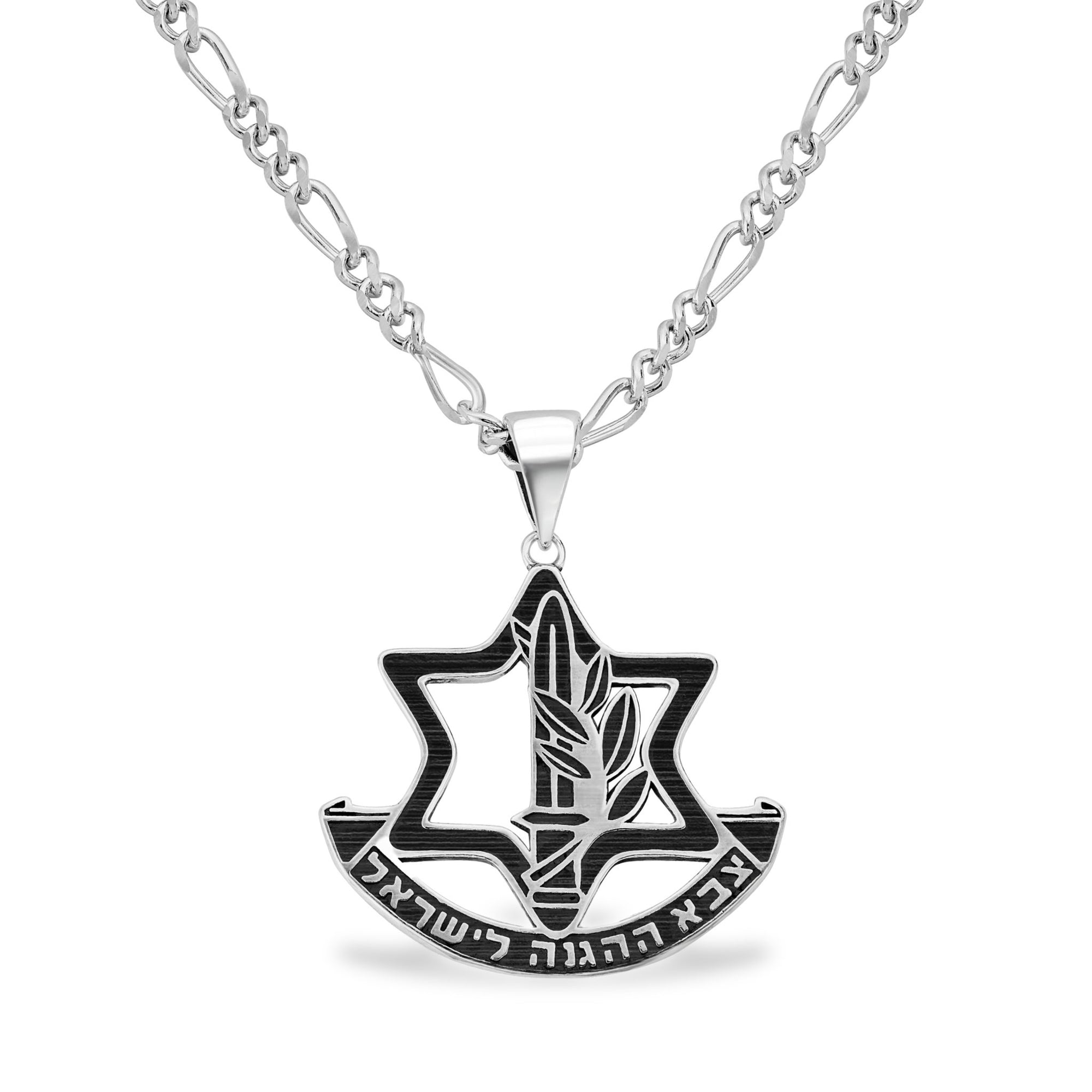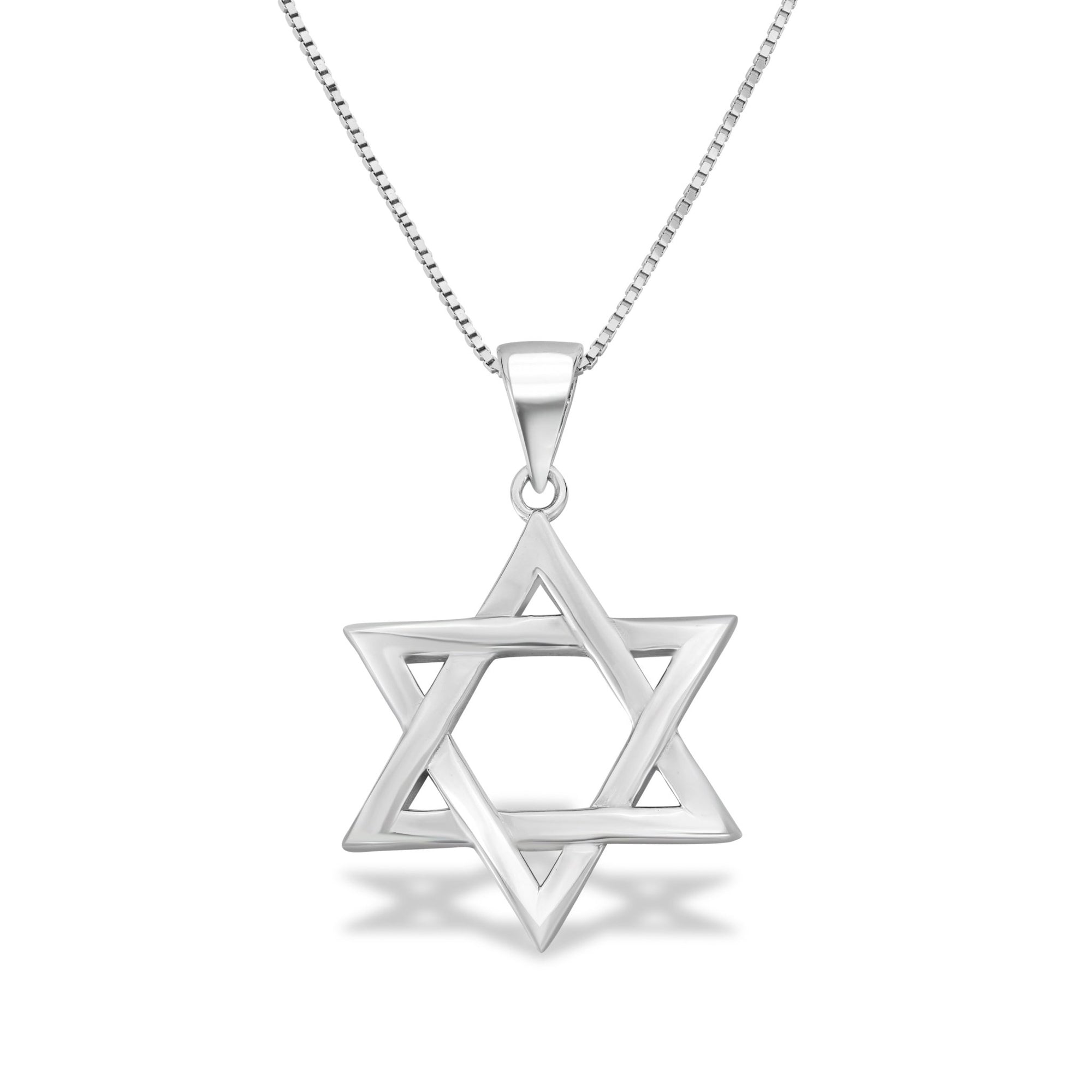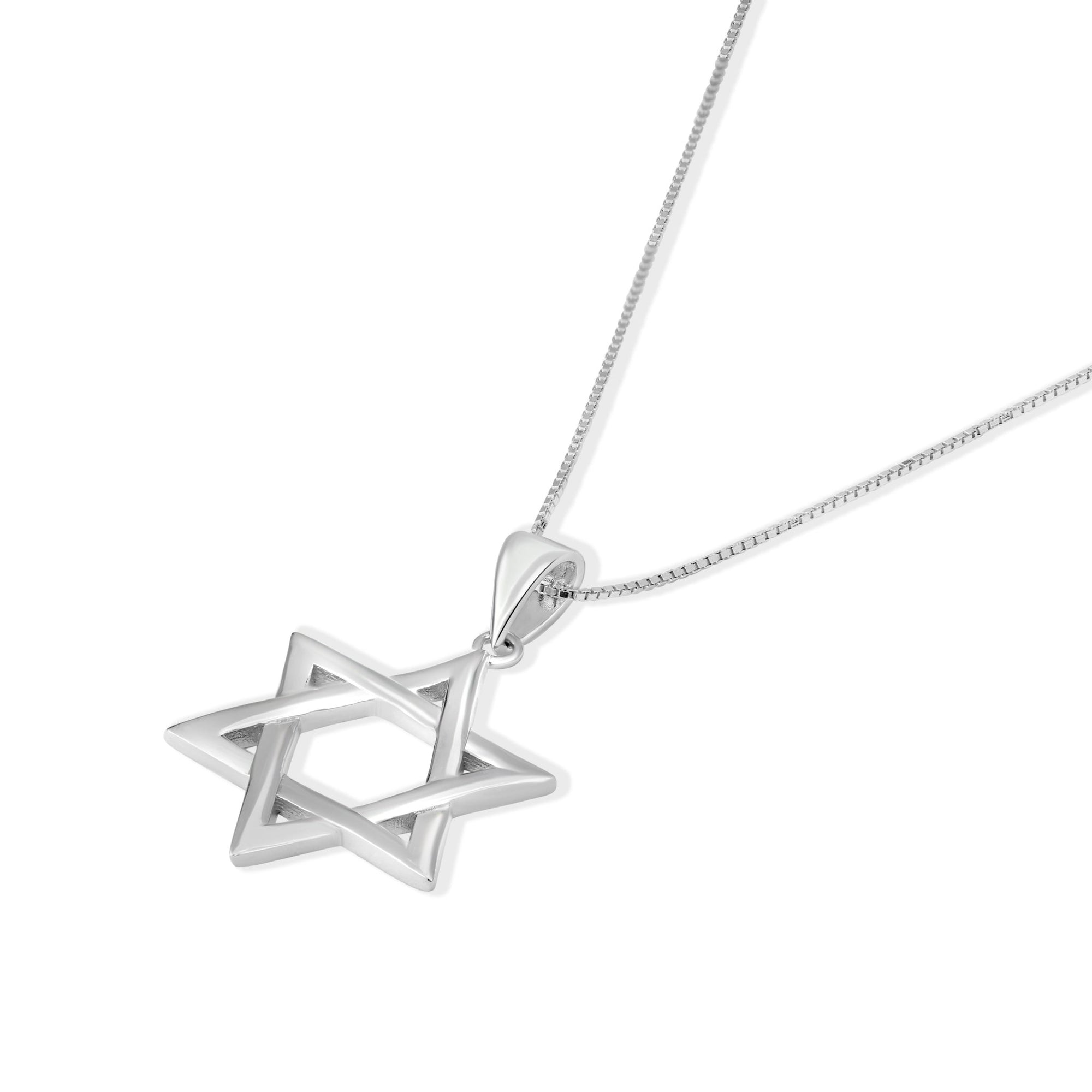


Short answer: The Star of David, in Hebrew the Magen David ("Shield of David"), is a six-pointed star made of two overlapping equilateral triangles, and it is today the most widely recognized symbol of Judaism, the Jewish people, and the State of Israel. In Kabbalah the interlocking triangles are often read as the union of heaven and earth, the divine and the human, which is a large part of why the star endures as a cherished motif in Jewish jewelry. The geometry itself is ancient and was not originally unique to Judaism; it became a distinctly Jewish emblem gradually, with a documented turning point in Prague in 1354 (Wikipedia).
What the Star of David means
The name Magen David translates as "Shield of David." A popular folk tradition links the shape to the shield or emblem carried by the army of the biblical King David, but that is legend and folk etymology, not documented history. The symbol does not appear as a defined Jewish emblem in the Torah or the Talmud, and it carries no scriptural mandate, which is part of what makes its story so interesting.
Its richest layer of meaning comes from Kabbalah. Jewish mystics read the two triangles as a union of opposites: the upward triangle as human aspiration and prayer rising toward God, the downward triangle as divine blessing descending into the world, together expressing the harmony of the spiritual and the physical, "as above, so below" (Chabad.org). Some read the six points and the center as God's presence reaching in every direction, and the shape as a sign of protection (a shield) and of Jewish unity across communities.
Where the six-pointed star comes from
The hexagram is an old and widely used shape. Versions of it appear across many cultures from the Bronze Age onward, sometimes decorative and sometimes as a protective or magical sign, in places as far apart as Mesopotamia and Britain. In early Jewish contexts the six-pointed star shows up long before it was a defined emblem: on coinage from around the Bar Kokhba period, on a stone at the third to fourth century Khirbet Shura synagogue in the Galilee, and on the Leningrad Codex of 1008, the oldest complete manuscript of the Hebrew Masoretic Text (Wikipedia). The geometry, in other words, was not originally unique to Judaism. What changed over the centuries was the meaning the Jewish people invested in it.
The scholar Gershom Scholem traced how the star became the defining Jewish symbol. The documented turning point is Prague: in 1354, King Charles IV of Bohemia granted the city's Jews the privilege of bearing their own flag, later called "King David's flag," displaying the hexagram (Commentary, Wikipedia). From there it spread through synagogue architecture, community seals, and printed books across Moravia, Austria, and Central Europe in the seventeenth and eighteenth centuries. By the nineteenth century it broadly signified Jewish identity.
From communal flag to national emblem
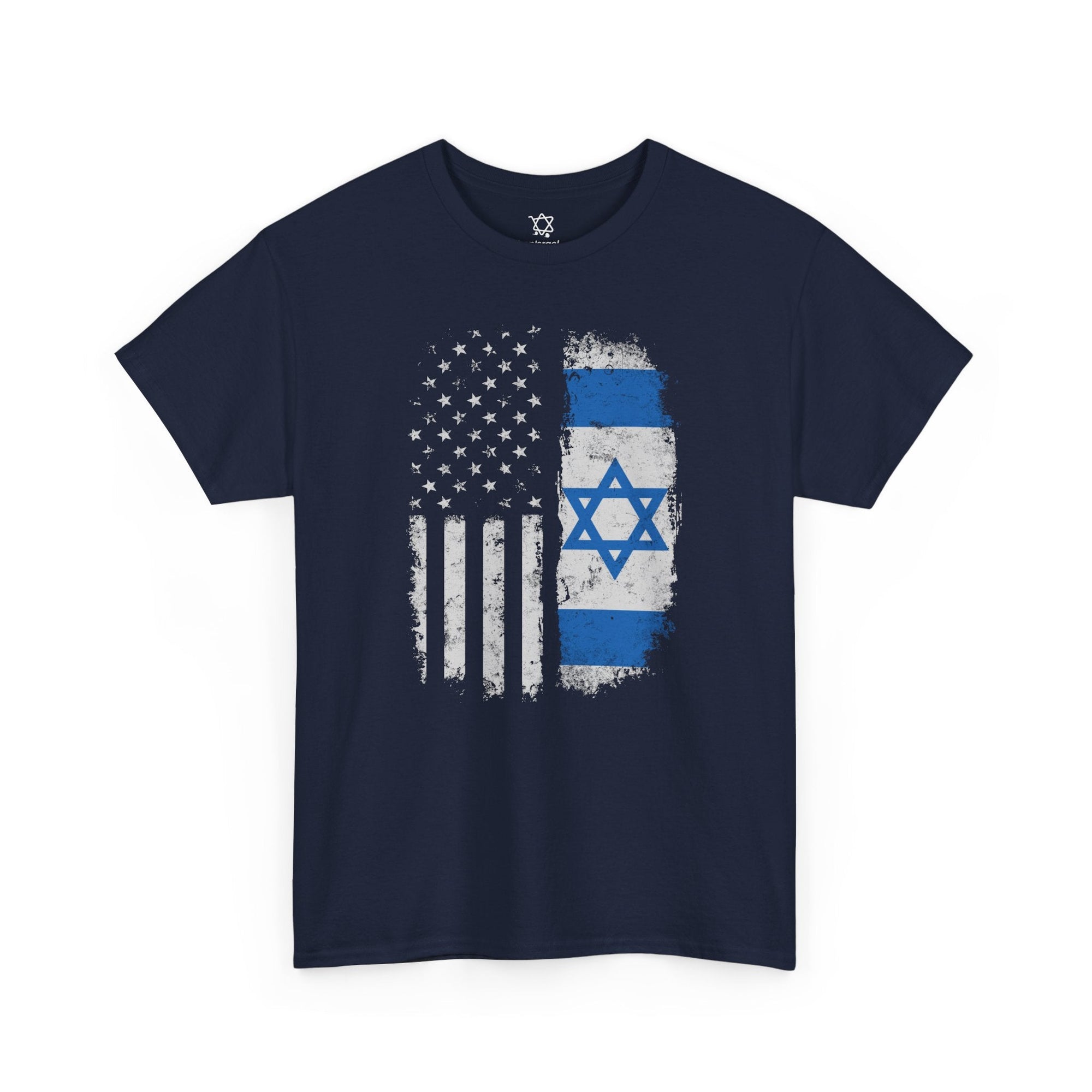
That widely understood meaning set the stage for the modern era. In 1897 the First Zionist Congress in Basel, chaired by Theodor Herzl, adopted the blue Star of David on a white field, cementing it as a national symbol of the Jewish people and their hope of returning to their homeland (Wikipedia). Decades later the star was forcibly turned into a badge of persecution: a 1941 decree signed by Reinhard Heydrich required Jews across the German Reich to wear a yellow Star of David (Wikipedia). Jews later reclaimed the symbol, so that it reads today as a marker of identity and resilience rather than shame. On October 28, 1948, the young State of Israel officially adopted its flag, a blue Magen David between two horizontal stripes on a white field that evokes a tallit, the traditional prayer shawl (Wikipedia).
Wearing the Magen David
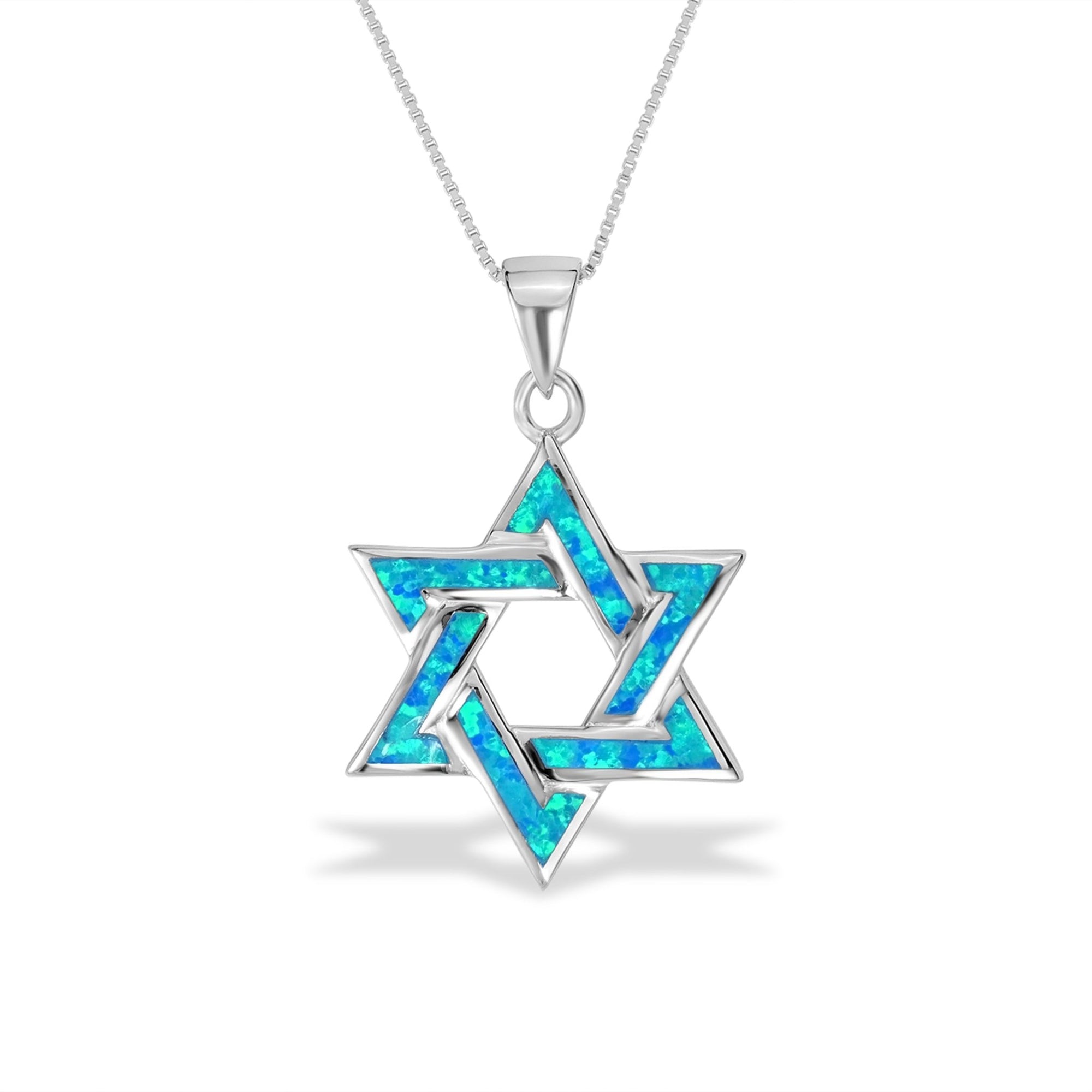
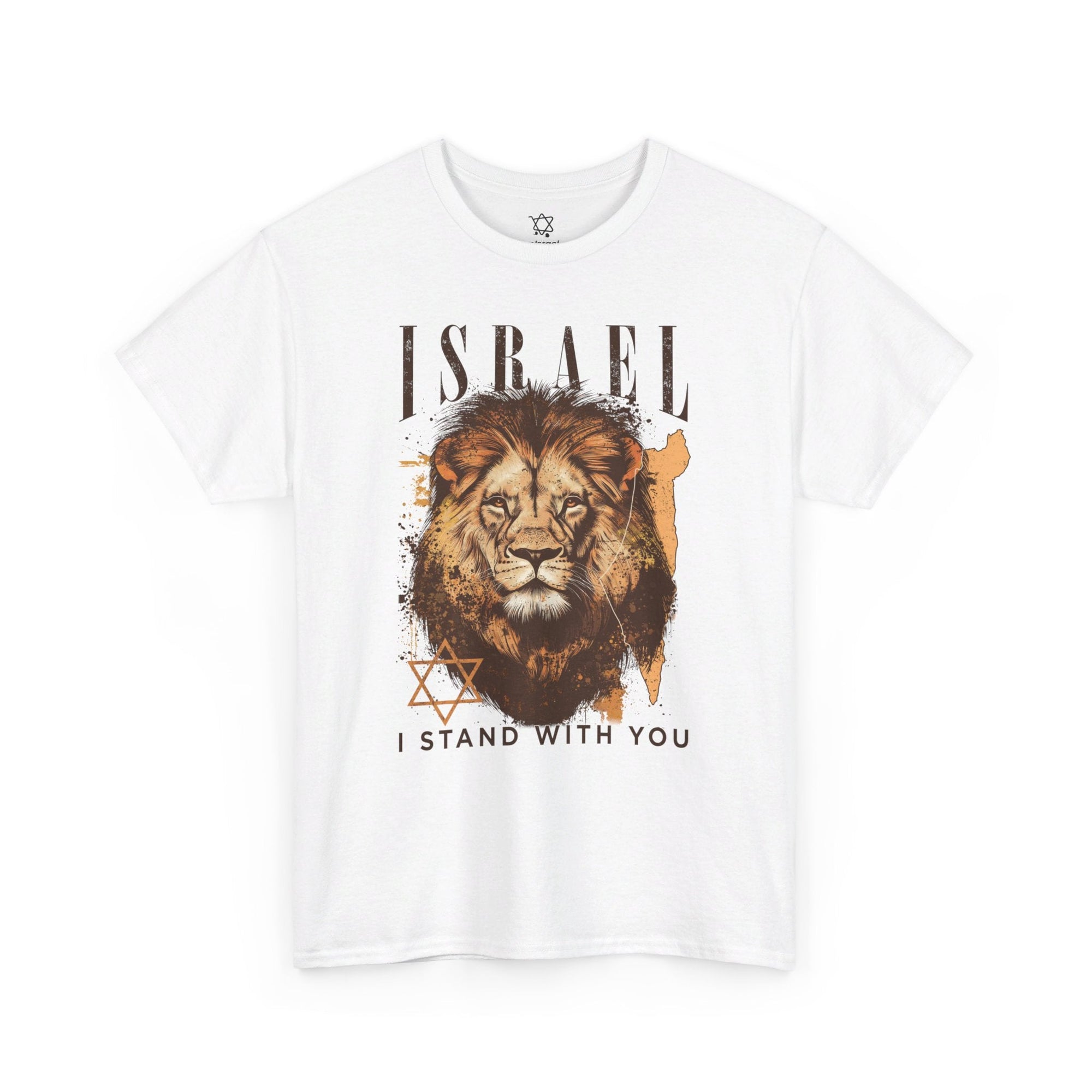
Those layered meanings, history, faith, protection, and pride, are exactly why the star remains the most beloved motif in Jewish jewelry. A Magen David worn close is at once a marker of identity and a personal talisman of faith and connection. If you want to wear one, our Star of David jewelry collection gathers necklaces, pendants, and rings in classic and modern styles, each carrying the same centuries-old symbol.
Ready to wear the symbol? Browse the Star of David jewelry collection for a piece that fits your style, from a delicate everyday pendant to a statement ring, and know that every design at Shop Israel is made with the Jewish homeland at heart.
Related
Last updated July 2026.