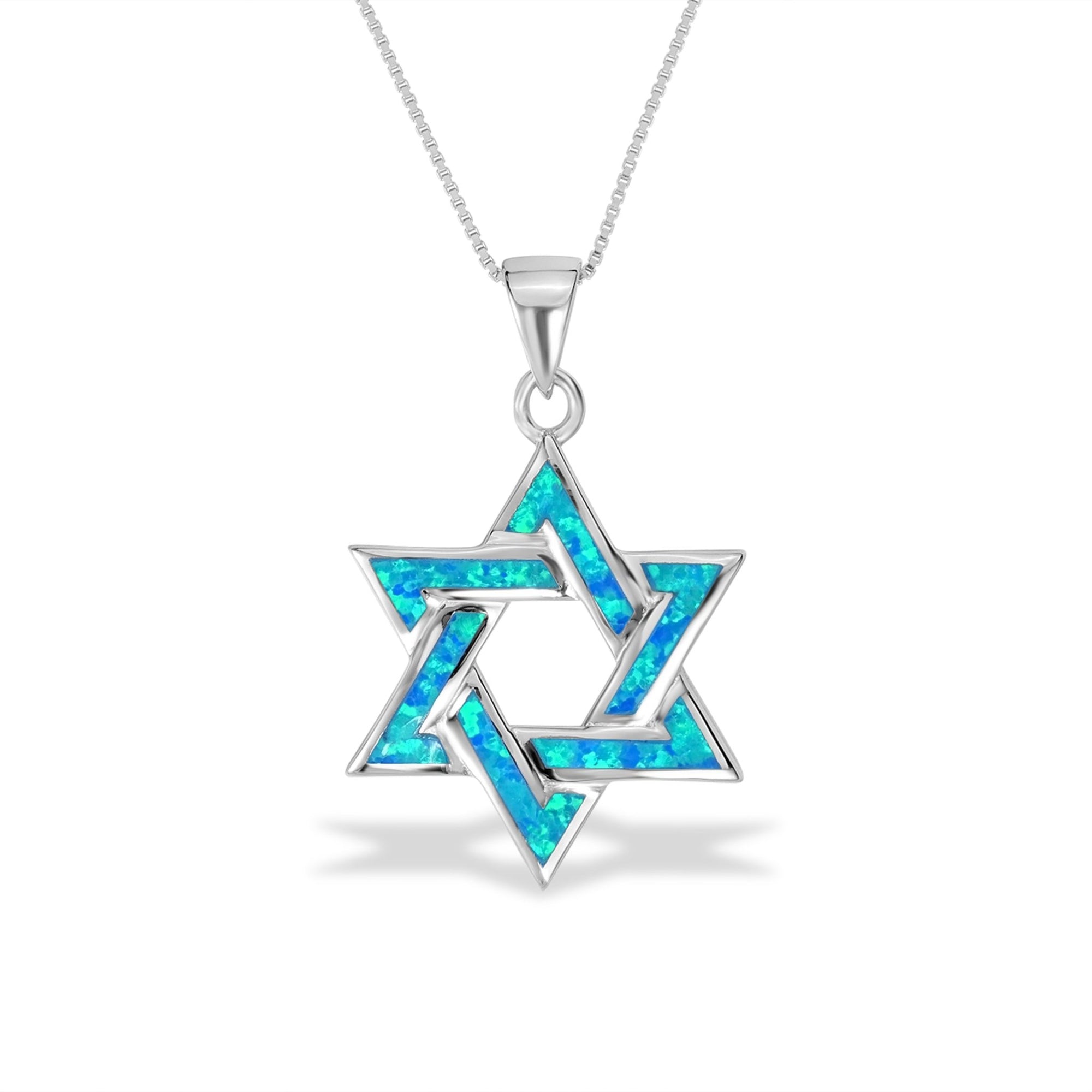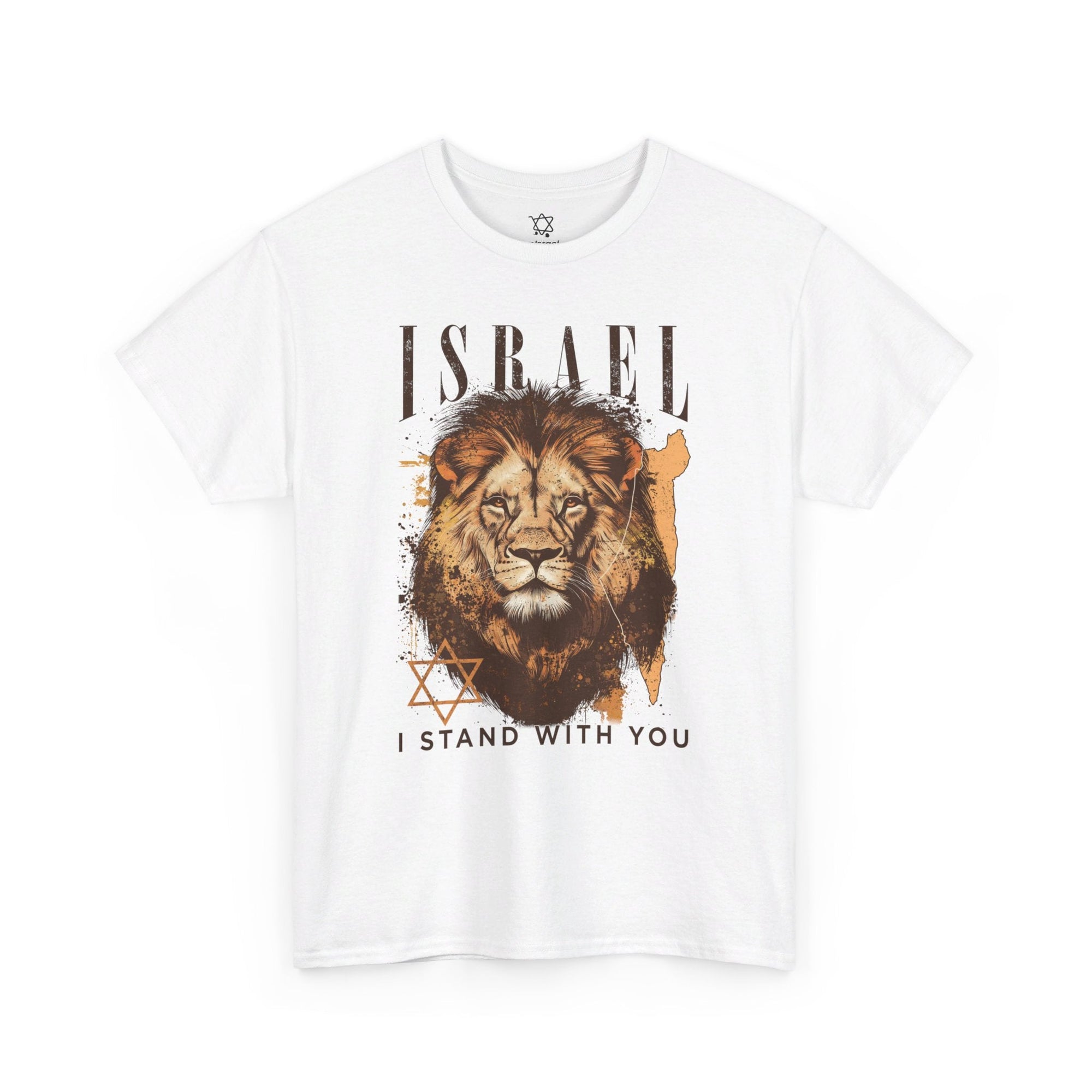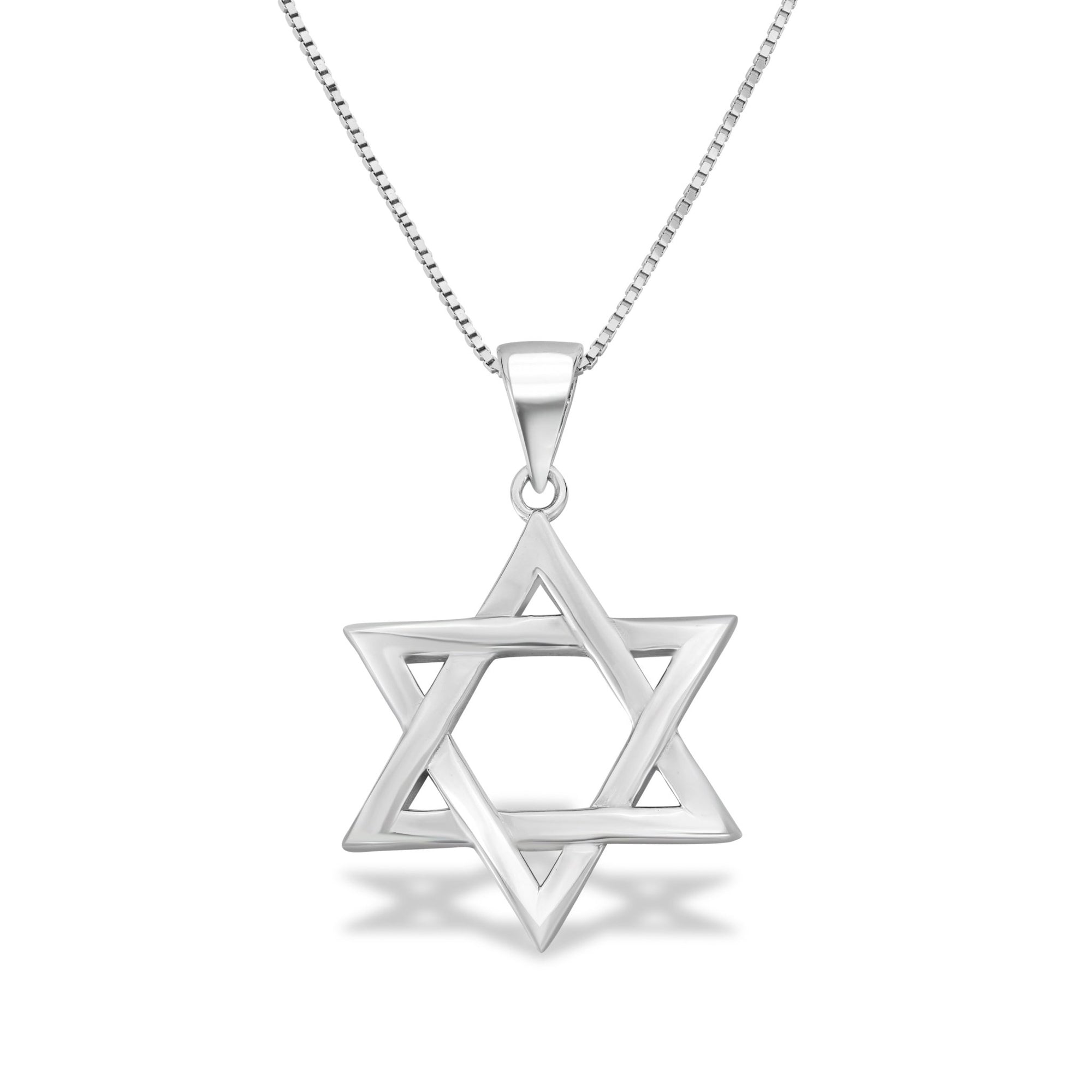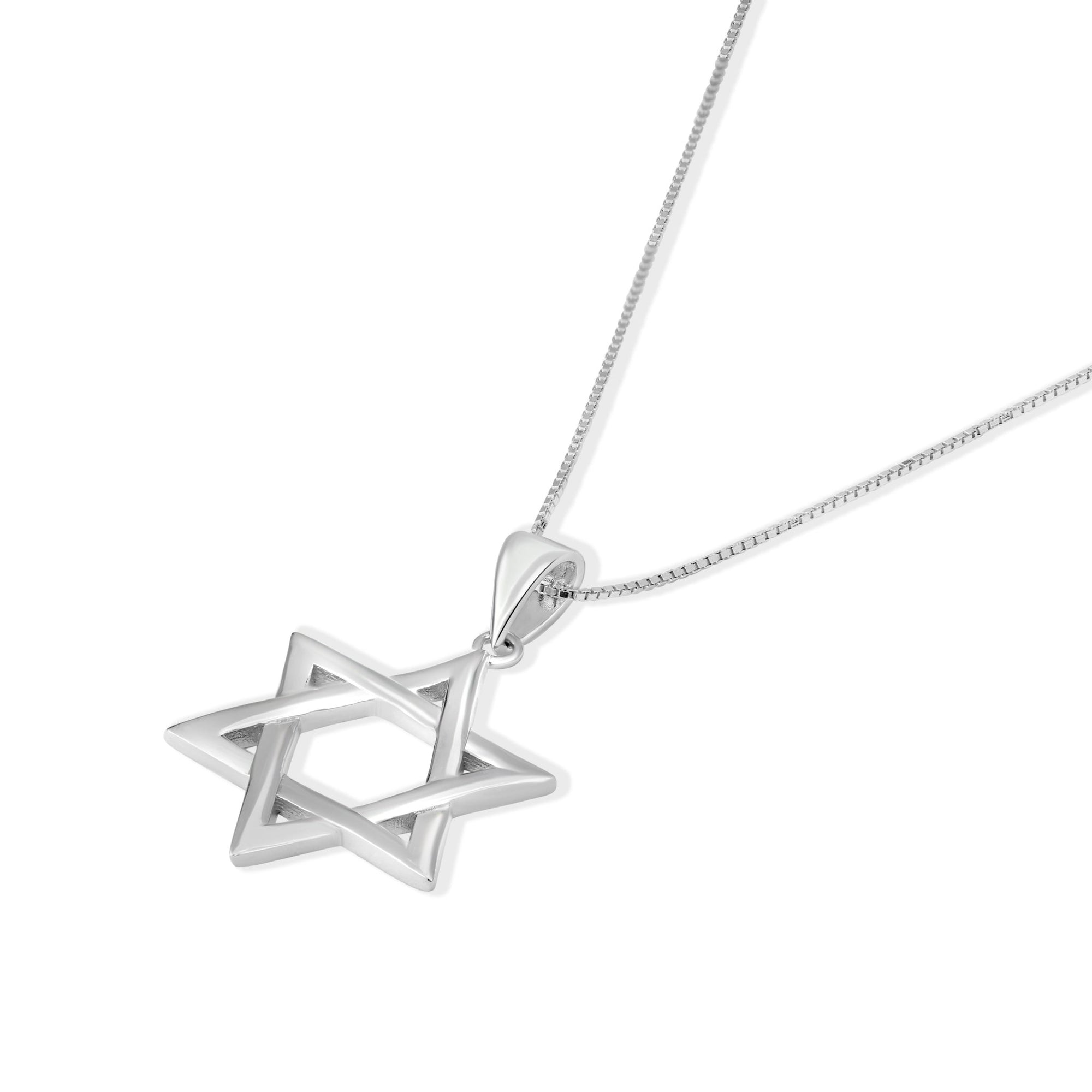


Short answer: The Star of David, in Hebrew the Magen David ("Shield of David"), is a six-pointed star (a hexagram) formed by two overlapping equilateral triangles. It is the most widely recognized symbol of Judaism and the Jewish people, and it sits at the center of the flag of Israel. Worn as a necklace, it works less as a fixed doctrinal emblem and more as a marker of Jewish identity, heritage, protection, and belonging.
What the Star of David means
The name Magen David translates as "Shield of David," and Jewish tradition links it to divine protection, which is a large part of why it is worn close to the body. The design itself, two interlocking equilateral triangles forming a balanced hexagram, is often read symbolically. One common interpretation sees the upward and downward triangles as the meeting of the earthly and the heavenly, of the human reaching toward God and God reaching back toward people.
Another traditional reading, drawn from the mystical Sefer Yetzirah, associates the star with the directions of space: the four compass points plus up and down, unified at the center, taken to signify that God's presence surrounds and protects in every direction. It is worth being precise here. These are meaningful traditional and mystical (Kabbalistic) interpretations layered onto the symbol over time, not a single official doctrine. As the encyclopedic record notes, the hexagram was not originally a uniquely Jewish sign and for much of its history carried no fixed religious meaning.
Where the symbol came from
The six-pointed star is ancient, and it was not always Jewish. It appears as a decorative and "magical" motif across many early cultures, from Mesopotamia to India to the Iberian peninsula. One of the earliest hexagrams associated with Jews shows up on a seal from Sidon around the 7th century BCE, still as ornament rather than religious emblem, per the historical record. Worth noting: the menorah, not the star, is the older uniquely Jewish emblem.
The star took on distinctly Jewish meaning in the Middle Ages. In 1354, the King of Bohemia Charles IV, crowned Holy Roman Emperor the following year, granted the Jewish community of Prague the right to bear its own flag, and they chose the six-pointed star. That made Prague among the earliest Jewish communities in Europe to use the Magen David as an official communal symbol (Wikipedia; Unpacked). One note on legend versus history: the name "Shield of David" refers in Jewish liturgy to God as David's protector, and the idea that the shape literally comes from King David's battle shield is folklore, not documented fact.
How it became the symbol of a people
By the 17th century the six-pointed star had become the official seal of many European Jewish communities and a general sign of Judaism, though it never carried biblical or Talmudic authority as a mandated religious symbol. In the 19th century it spread further, appearing on synagogues, prayer books, and tombstones across Europe, which is exactly why it was familiar enough to later serve as a unifying emblem, as Unpacked explains.
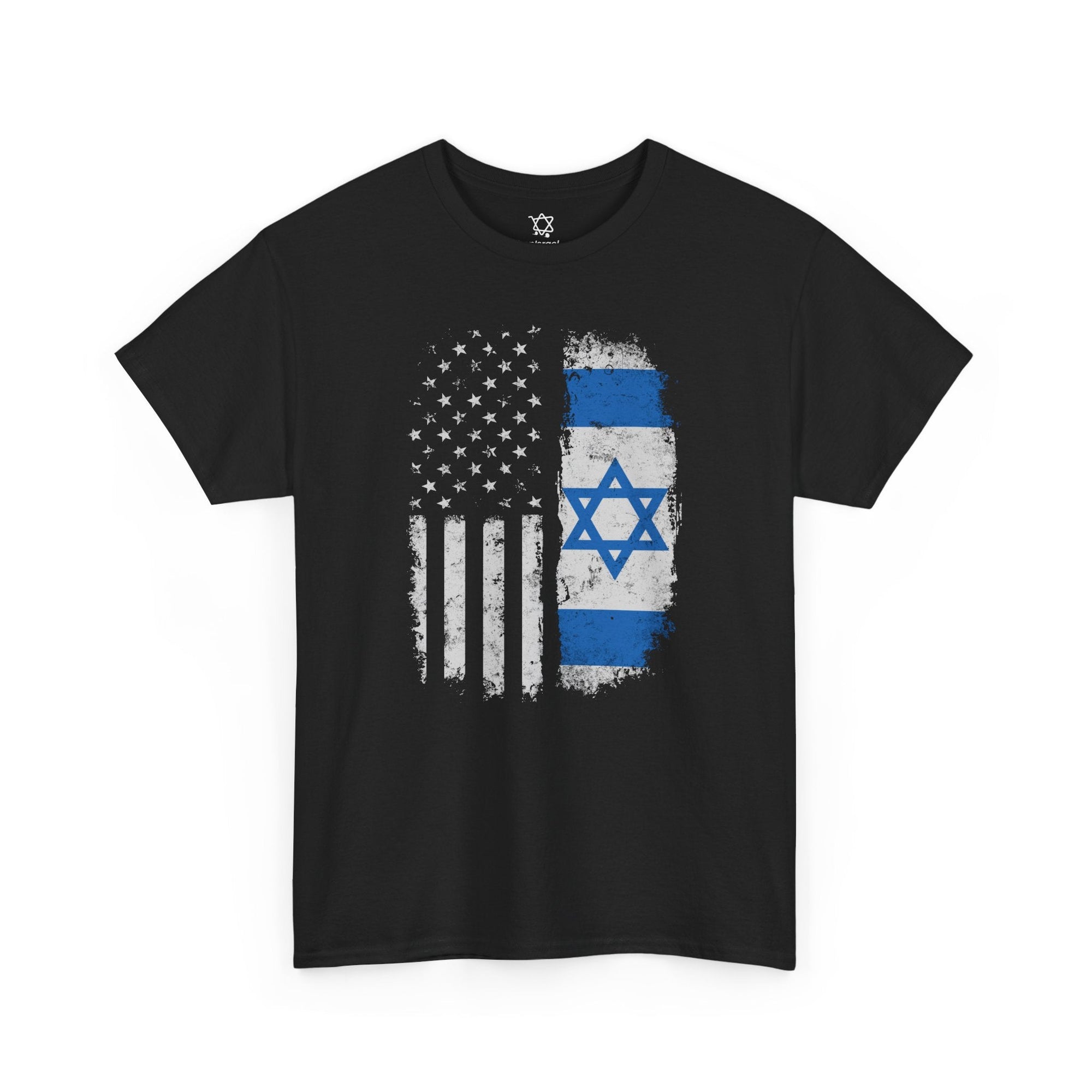
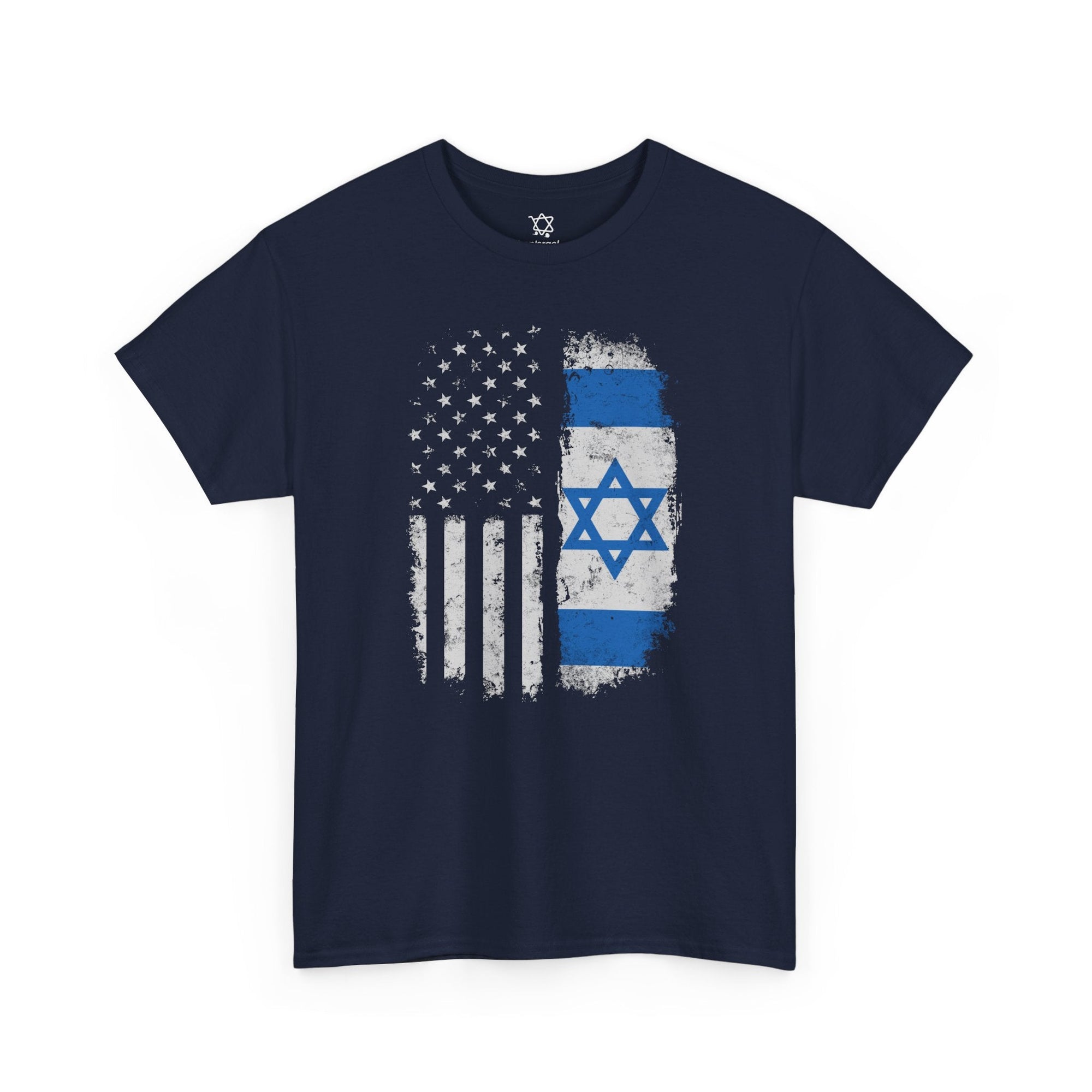
In 1897, at the First Zionist Congress in Basel chaired by Theodor Herzl, the Star of David was adopted as the central symbol of the Zionist movement, chosen partly because it was already broadly recognized and did not carry the narrower ritual associations of a symbol like the menorah. During the Holocaust, Nazi authorities forced Jews across occupied Europe to wear a yellow Star of David as a badge of humiliation. After the war, Jews reclaimed it as a symbol of survival and pride. On October 28, 1948, the flag of Israel, a white banner with two blue stripes evoking a tallit prayer shawl and a blue Star of David at its center, was officially adopted, cementing the star as a national as well as religious symbol.
Wearing the Star of David today
For anyone searching "Star of David necklace meaning," the truest answer blends history and personal significance. What the star means now is not in doubt: identity, heritage, peoplehood, resilience through persecution, and connection to Israel and the Jewish story. That layered meaning, part protection, part pride, part belonging, is exactly what gives the piece its resonance against the skin.
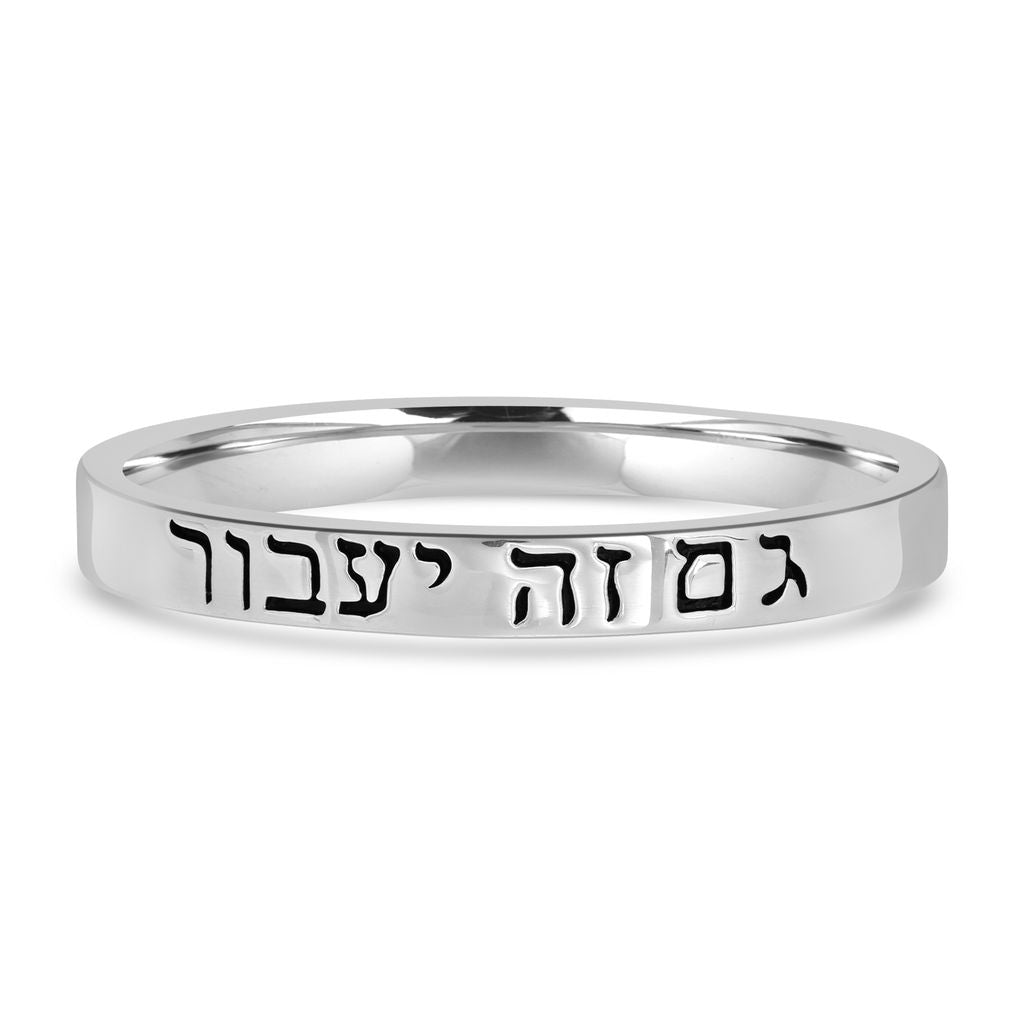
If you want to wear that meaning, our Star of David jewelry collection gathers the classic form in modern designs, from a delicate everyday Shalom Star of David necklace to statement rings. We are an Israeli company, and many of our pieces ship from Israel, so the symbol on your chain carries a real connection to the place it represents.
Related
- Star of David meaning
- Star of David jewelry: designing with deep symbolism
- Top Jewish symbols and their meaning
Last updated July 2026.