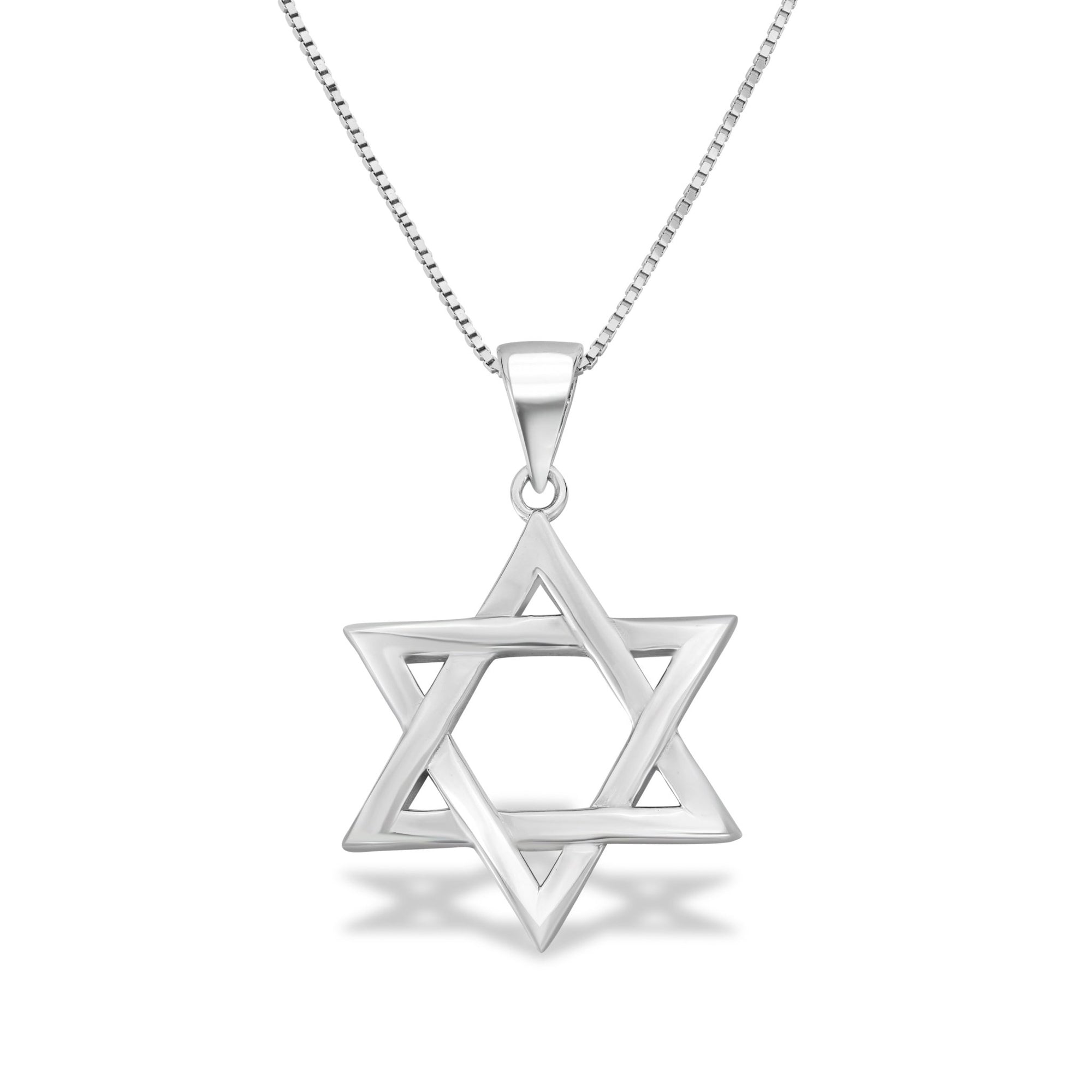


Short answer: The Star of David, or Magen David ("Shield of David") in Hebrew, is a six-pointed star formed by two interlocking equilateral triangles. It carries no biblical or Talmudic mandate. It became the near-universal emblem of Jewish identity gradually: Prague's Jewish community flew it on a flag as early as 1354, it spread as a general sign of Judaism from the 17th century, and its adoption by the Zionist movement (1897) and the flag of Israel (1948) made it iconic. That long history is exactly why it remains one of the most widely worn motifs in Jewish jewelry today.
What the Star of David means
The Hebrew name Magen David literally means "Shield of David." In Jewish liturgy that phrase refers to God as the protector, or shield, of King David, acknowledging that David, a military hero, prevailed through divine support rather than his own strength. The six-pointed shape itself carries no single fixed doctrine. Reputable histories, including Encyclopaedia Britannica and the scholarship of Gershom Scholem in Commentary, treat the mystical readings as meaning layered onto the star over time rather than a documented original message.
Those later, folk and Kabbalah-influenced interpretations are still cherished, and worth knowing as interpretations. The upward triangle is often said to point toward God or heaven and the downward triangle toward earth or humanity, with their union expressing the bond between the divine and material worlds. The six points are sometimes read as the directions of space, signifying God's omnipresence, and the design has been linked to the tribes of Israel or the sefirot. These are heartfelt devotional associations, not provable ancient facts.
Origin and history: a symbol that grew into its meaning
A hexagram appears here and there in antiquity. It shows up on coinage from the Bar Kokhba Revolt around 135 CE, and a carved hexagram survives from the third- to fourth-century synagogue at Khirbet Shura in the Galilee, per Wikipedia. At that stage it was decorative, not yet a distinctly Jewish sign. In fact, in medieval times the same six-pointed shape was more commonly called the "Seal of Solomon," a term drawn from Islamic magical literature, and both Jewish and non-Jewish traditions used it on protective amulets, as Scholem documents in Commentary.
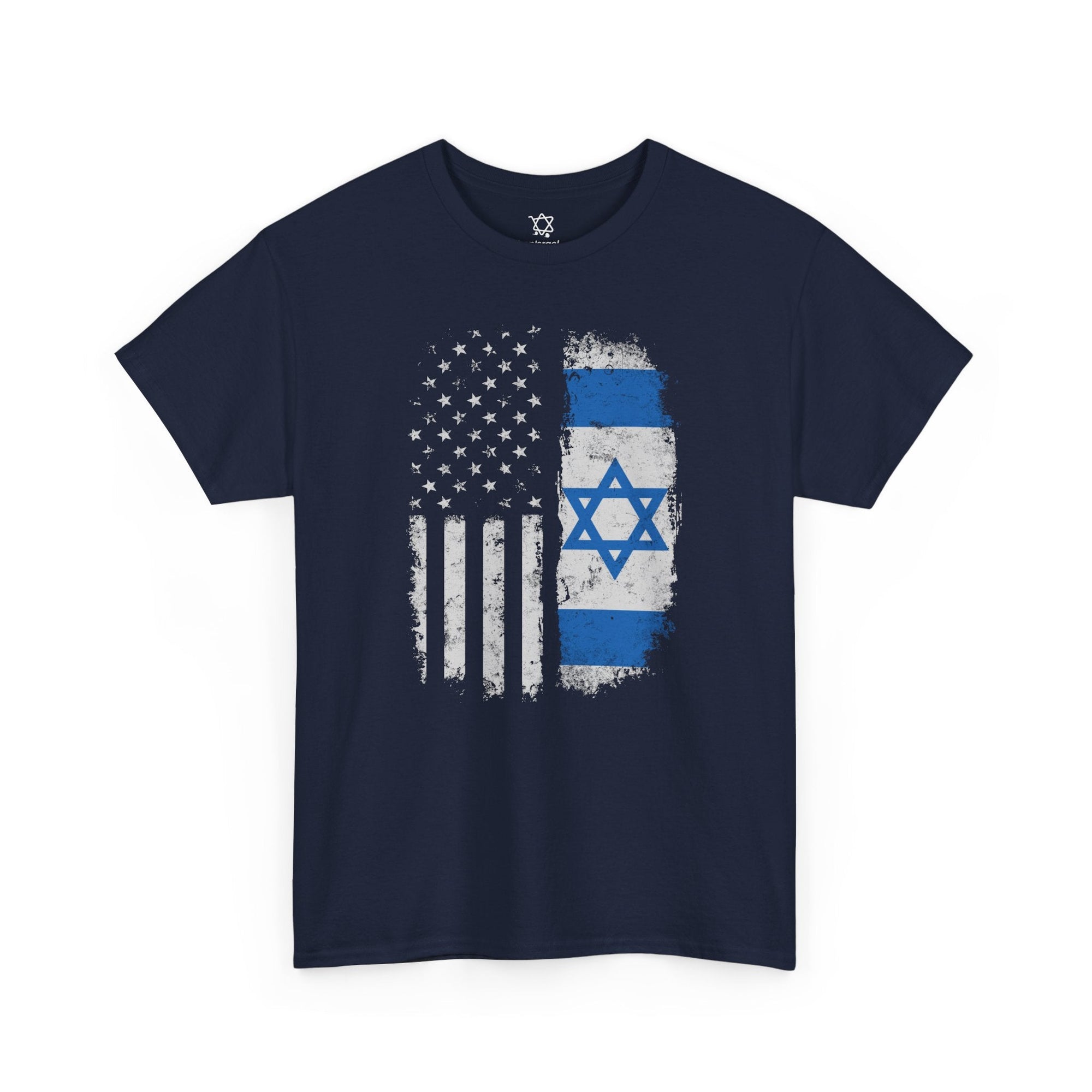
The turn toward a Jewish emblem was gradual. In 1354, Charles IV, King of Bohemia and Holy Roman Emperor, granted the Jews of Prague the right to bear a flag, and they displayed a red banner carrying a six-pointed star, an early official adoption, according to Britannica. From the 17th century onward, Scholem shows, the hexagram spread from Prague to become the official seal of many Jewish communities and a general sign of Judaism. The final leap came with the modern national movement: the First Zionist Congress adopted a blue-and-white flag centered on the star in 1897, and on October 28, 1948, the State of Israel officially adopted its flag, a white field with two blue stripes evoking a tallit and a blue Star of David at its center (Britannica, Wikipedia).
Designs and materials in contemporary jewelry
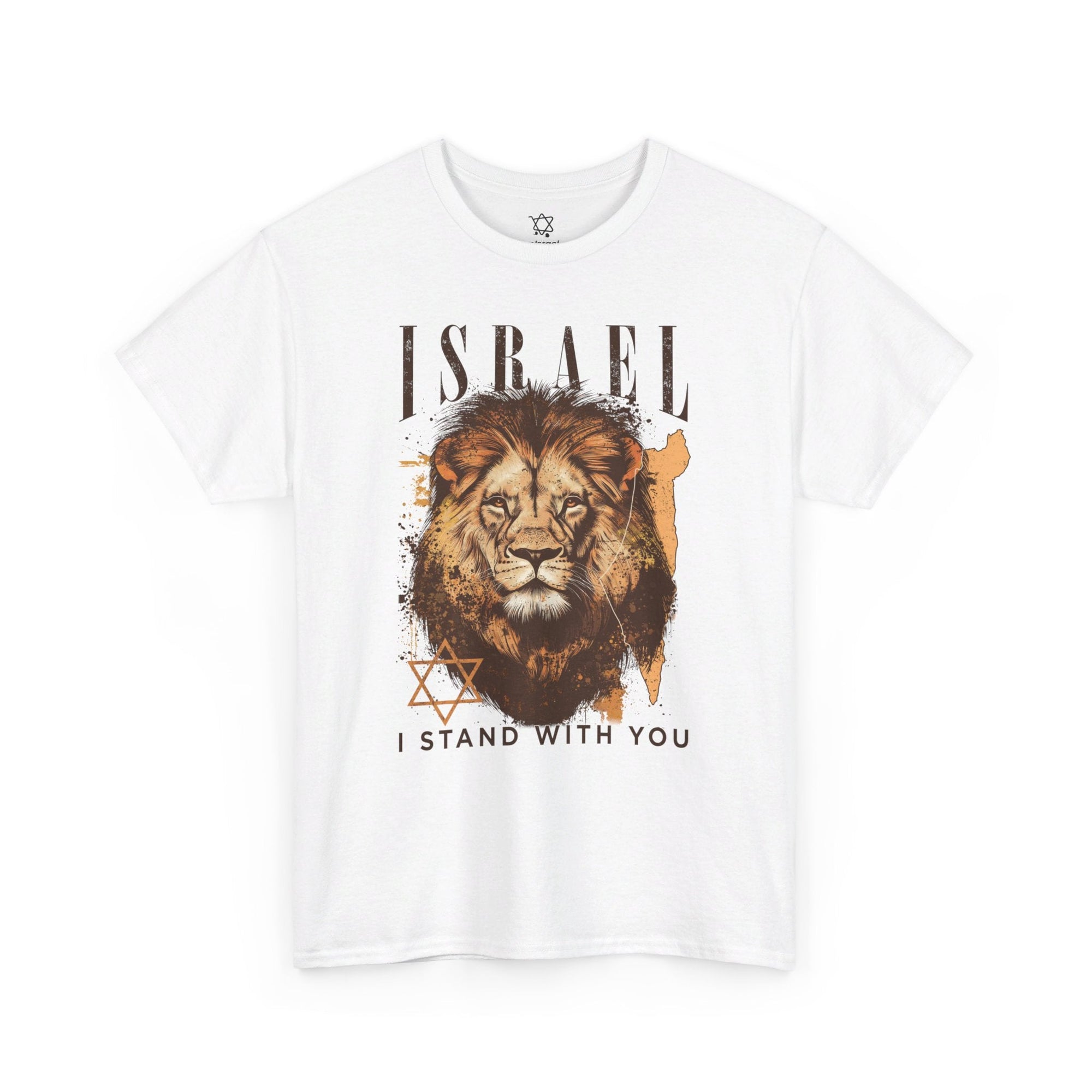
Because the star now reads instantly as the badge of Jewish peoplehood, wearing one works as a quiet daily statement of heritage and belonging. That resonance is measurable. After the October 7, 2023 attacks, Star of David jewelry sales surged worldwide as Jews chose to express identity visibly amid rising antisemitism. Retailers and designers reported increases ranging from roughly 60 percent to several hundred percent, with some makers going from about 10 pendants a year to 150, per The Forward and Israel Hayom.
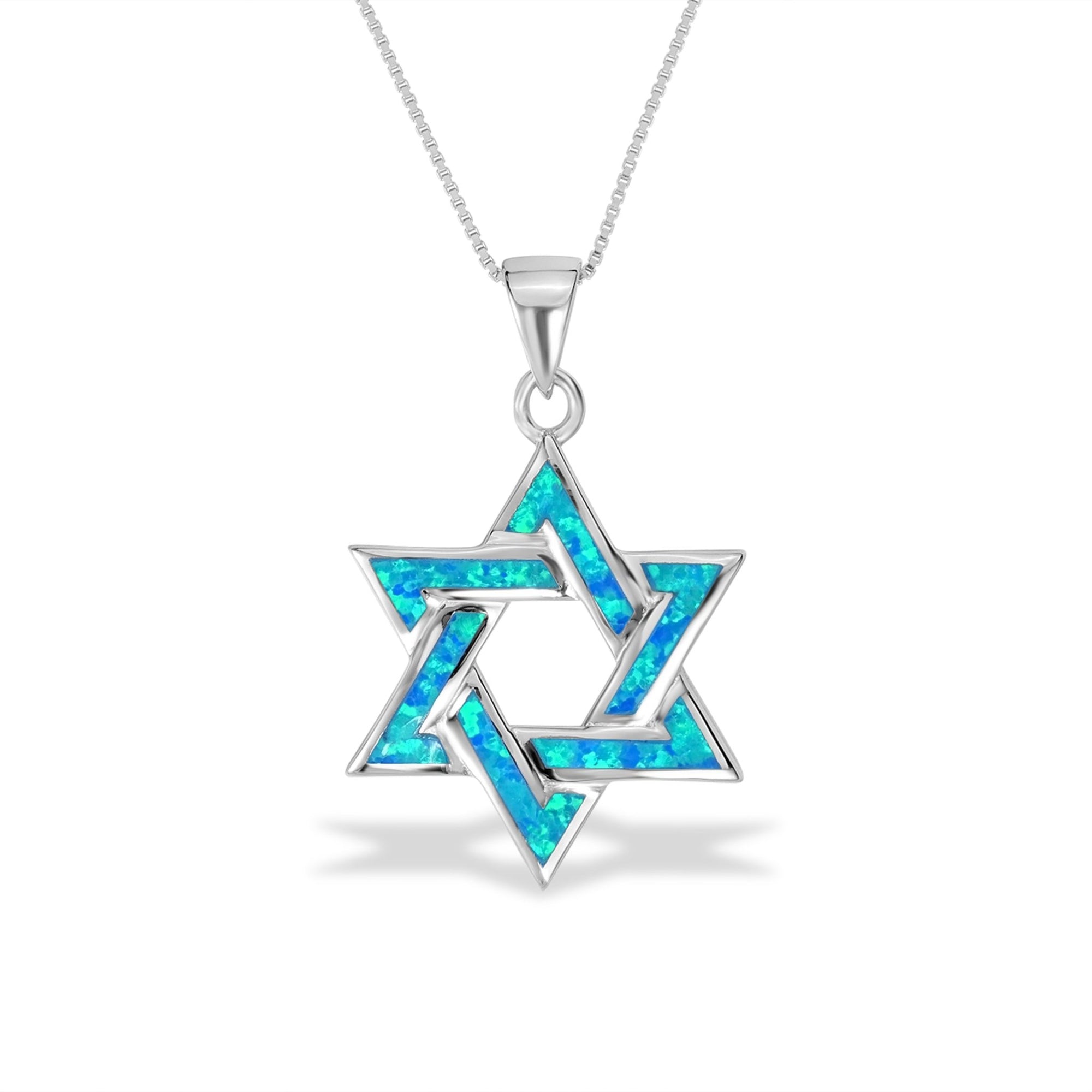
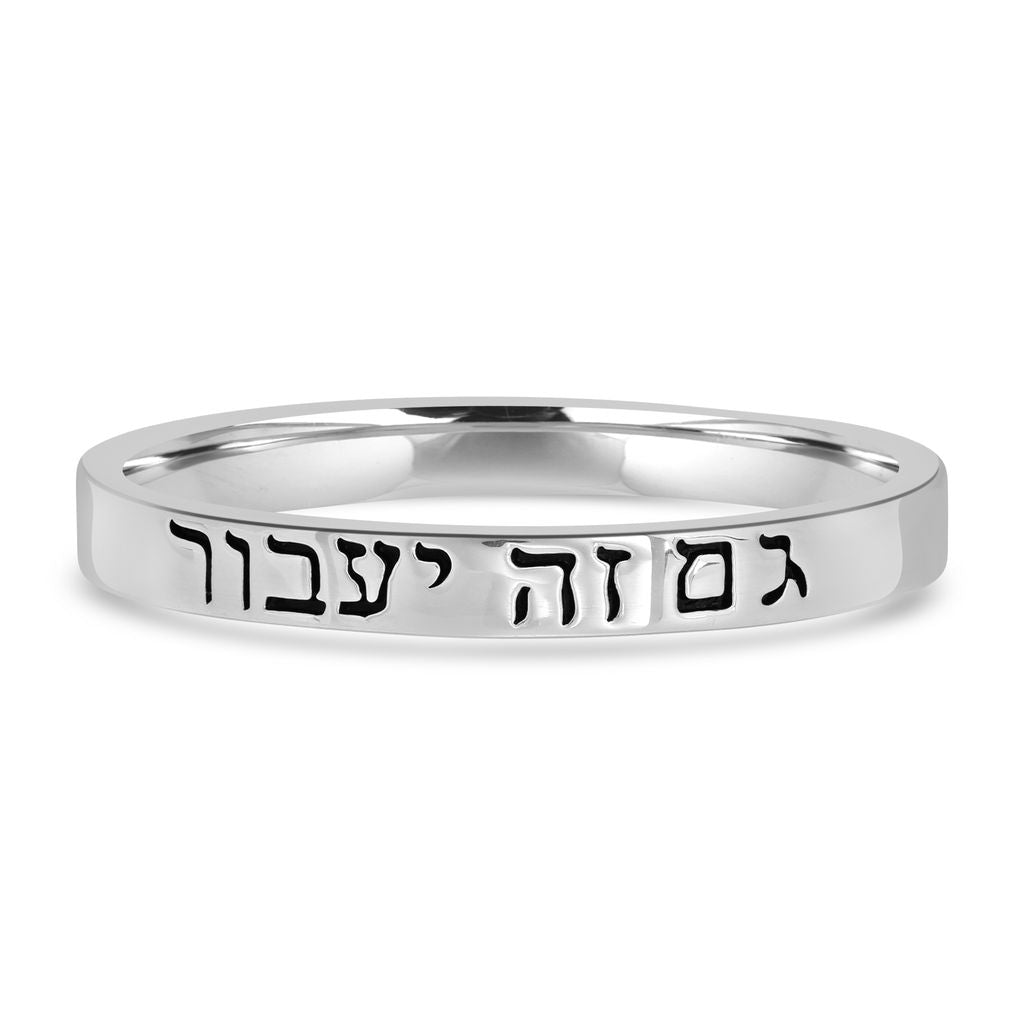
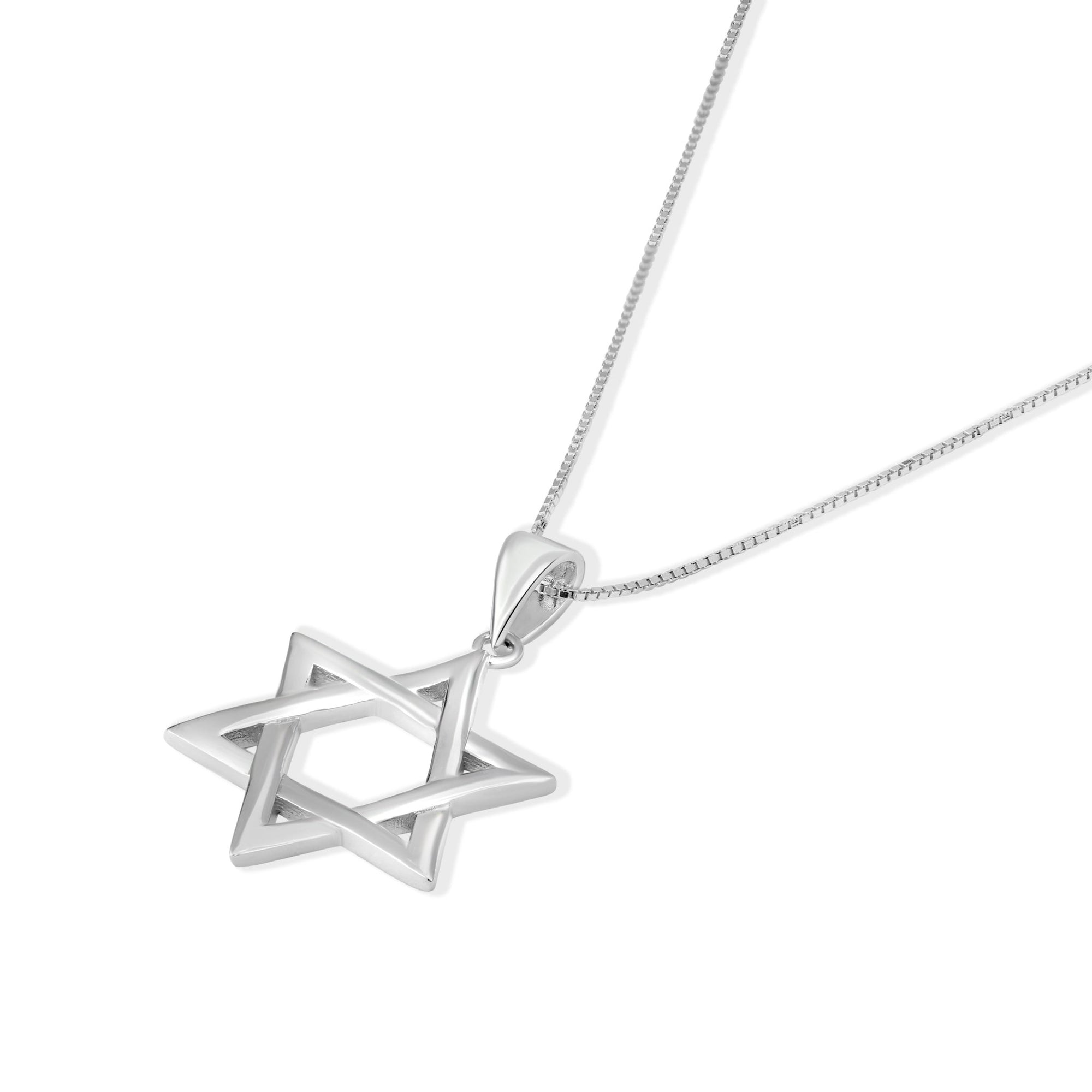
The design itself is simple, two overlapping equilateral triangles, but contemporary jewelers render it across a wide range. You will find minimalist flat or outline pendants, sterling silver, and 14K or 18K yellow, white, and rose gold. There are diamond- and gemstone-set pieces, cutout and openwork geometric takes, and distinctly Israeli materials such as Roman glass (ancient glass fragments with an iridescent patina) and blue-green Eilat stone. Many designs pair the star with other Jewish motifs like the Hamsa, the chai (the Hebrew word for life), or a verse.
If you want to wear that history, our Star of David jewelry collection gathers those styles in one place, from understated gold pendants to statement pieces like the Eternal Star of David ring. Each one compresses the whole journey (Prague, Kabbalah, Zionism, and the Israeli flag) into a single wearable design.
Related
- The Star of David: meaning
- Star of David jewelry: designing with deep symbolism
- Top Jewish symbols and their meaning
Last updated July 2026.