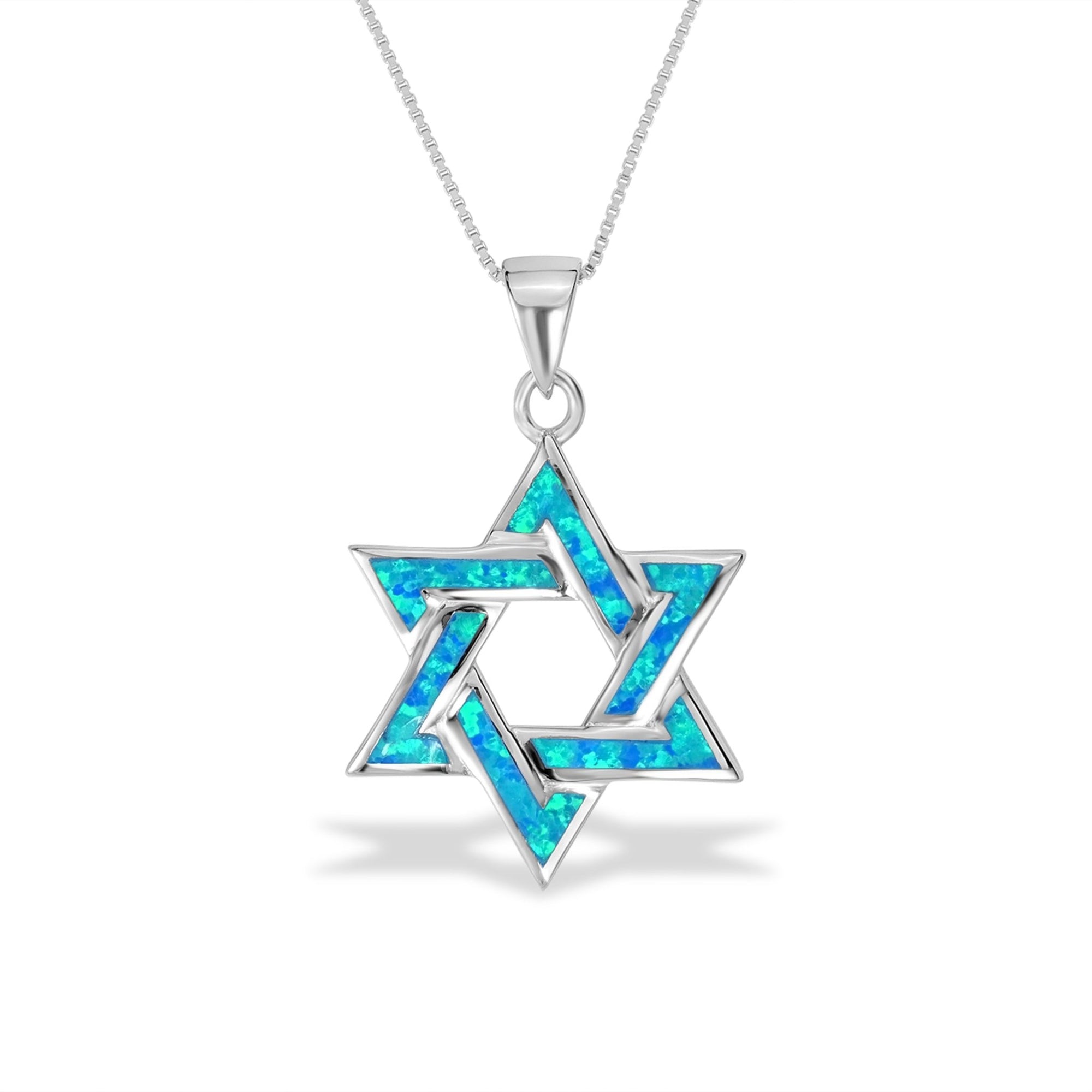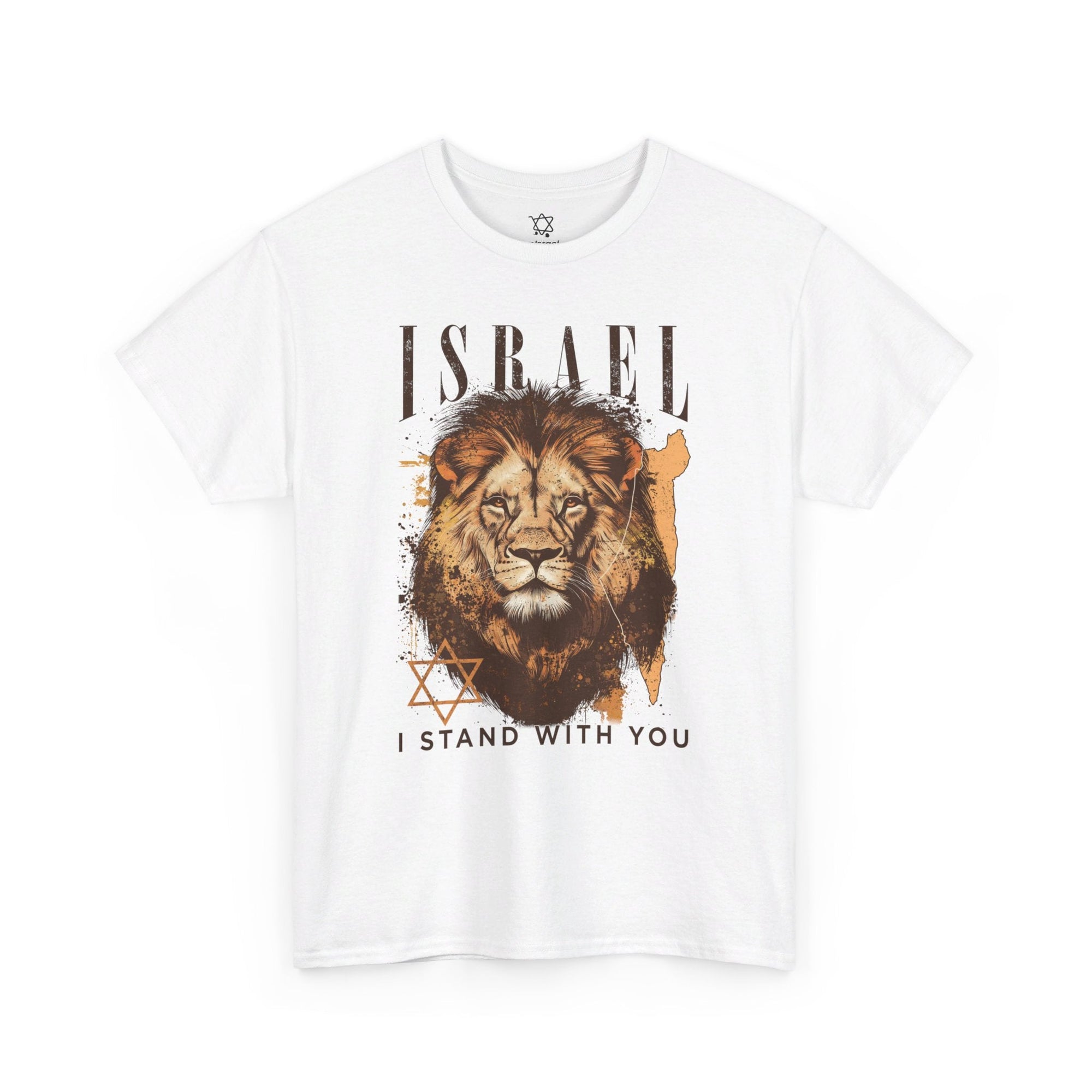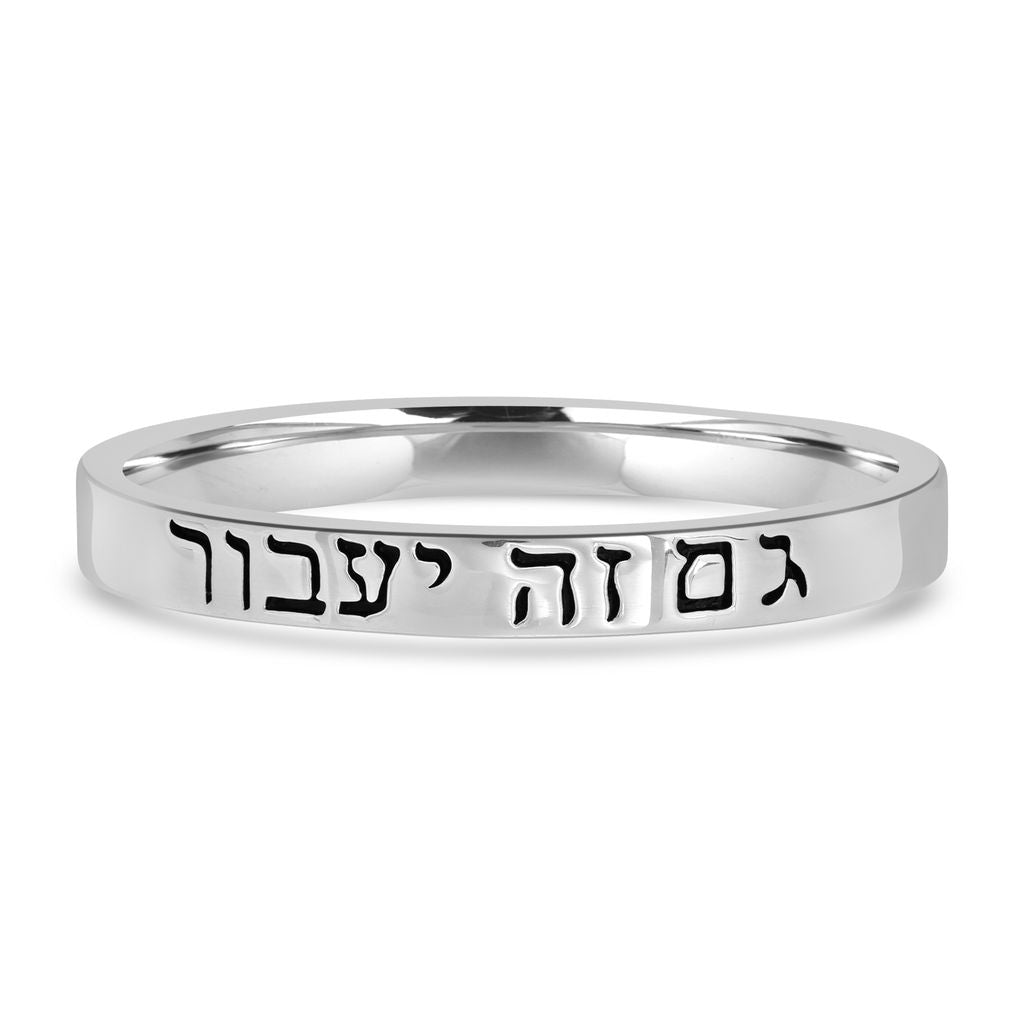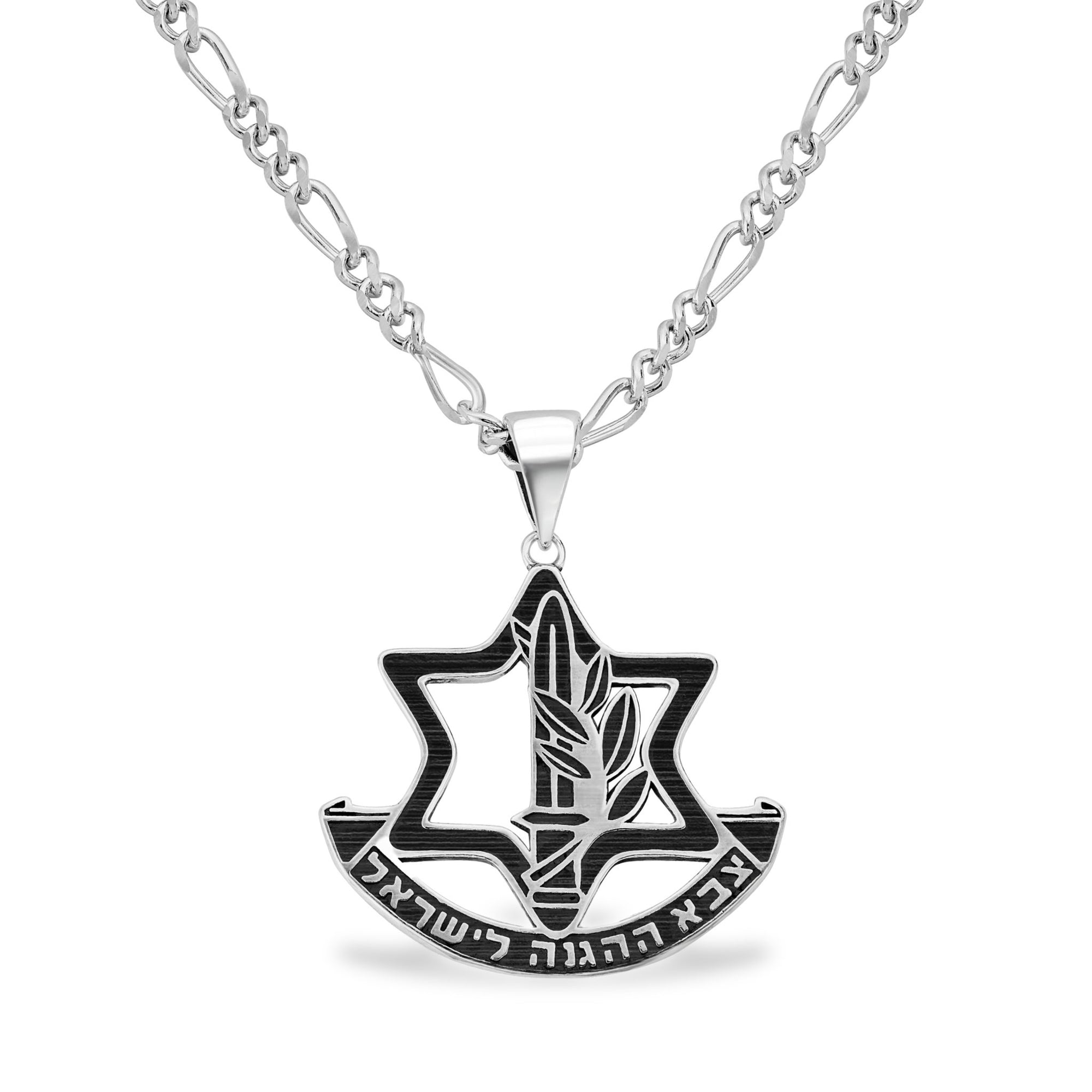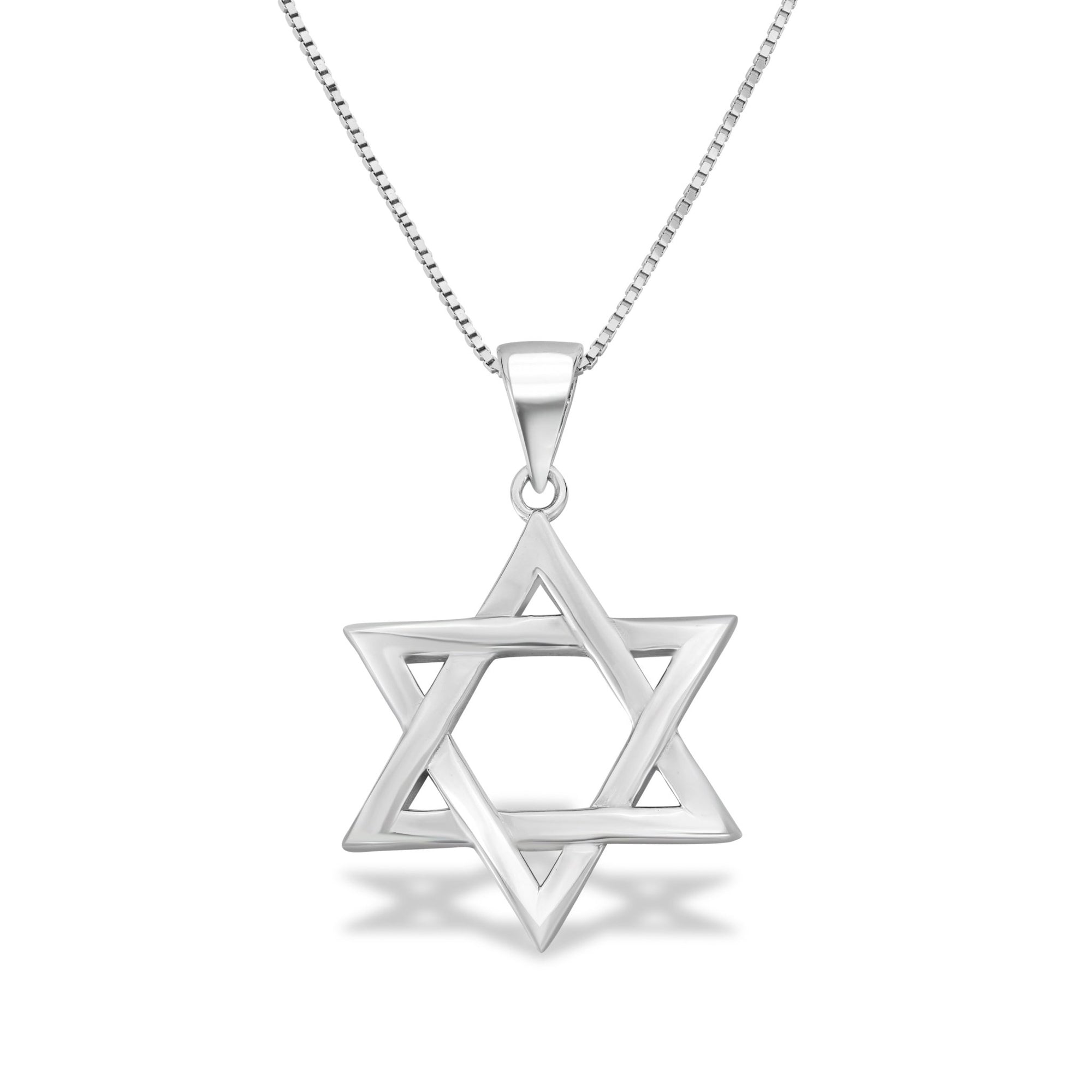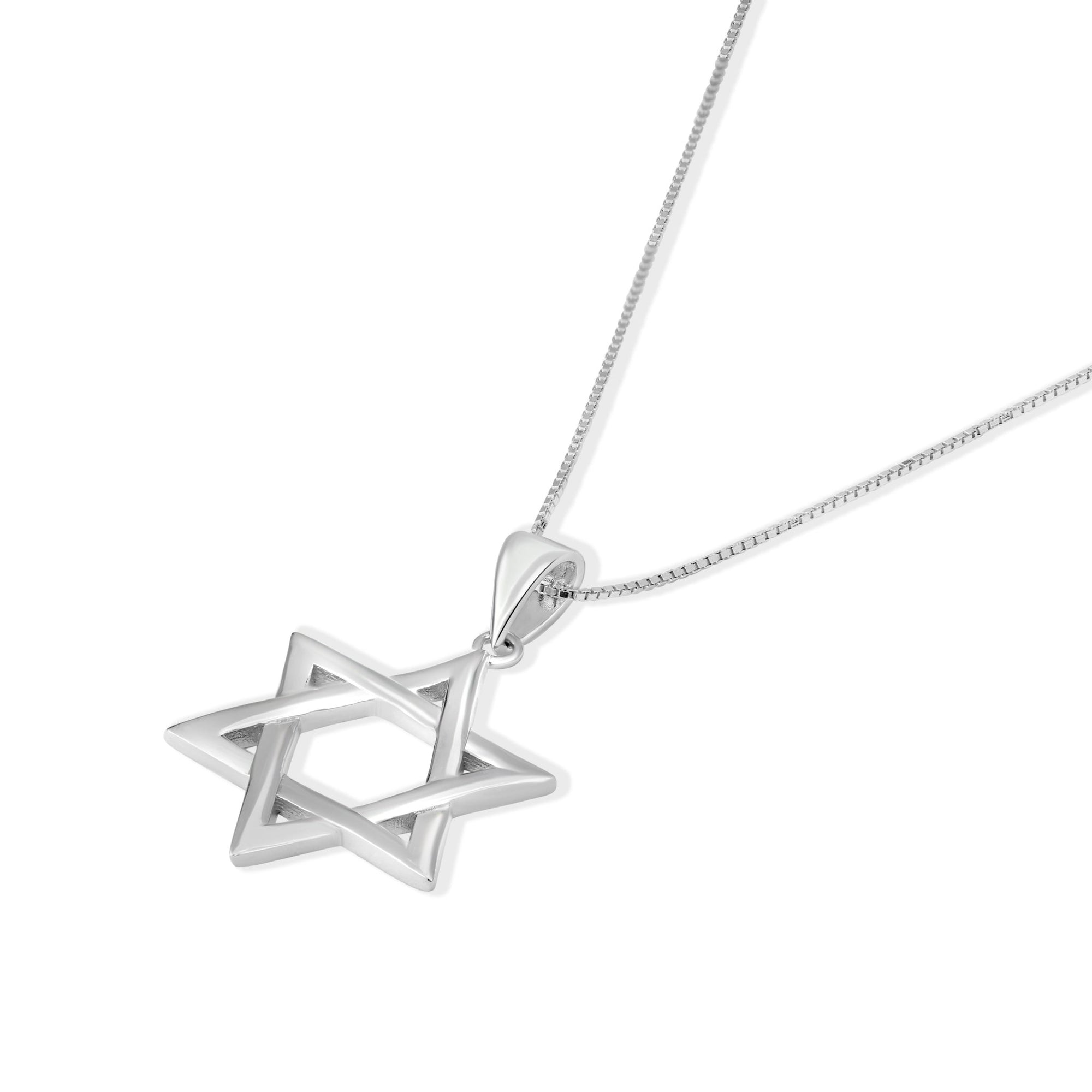


Short answer: The Star of David, in Hebrew Magen David ("Shield of David"), is a six-pointed star formed by two overlapping equilateral triangles, and it is the most widely recognized symbol of Jewish identity. It carries meanings of faith, protection, unity, and resilience. One point often surprises people: the hexagram was mainly a decorative motif in antiquity and became the defining emblem of the Jewish people only gradually, from 17th-century Prague onward. That is why, worn as jewelry, it reads as a personal expression of Jewish pride and heritage rather than a commandment or a ritual object.
What the Star of David means
The name Magen David translates as "Shield of David," a reference to the divine protection associated with the biblical King David. There is no historical or archaeological record of an actual shield carried by King David; the name is symbolic and legendary rather than a documented artifact, and even traditional sources such as Chabad describe the star as "just that: a symbol."
The two interlocking triangles are widely read as the meeting of opposites: heaven and earth, the divine and the human, the spiritual and the physical. In one popular interpretation the upward triangle represents human aspiration and prayer rising toward God, while the downward triangle represents blessing and divine energy descending toward creation, an idea that echoes the Kabbalistic principle of "as above, so below." In Kabbalah the star is also linked to the bond between God, the Torah, and Israel, and its six outer points plus the center are associated with the six days of creation completed by the Sabbath, or with seven divine attributes (kindness, severity, harmony, perseverance, splendor, foundation, and royalty). These are interpretive layers added to the symbol over centuries, not an original or mandated meaning (Wikipedia: Star of David).
Origin and history: why it is not as "ancient" as it looks
The hexagram is a simple geometric shape that appears across many cultures and eras, from Mesopotamia to India to medieval Europe, often as decoration or as a protective sign (it was also called the "Seal of Solomon"). Its exclusive association with the Jewish people is relatively recent. One of the earliest Jewish decorative uses is a six-pointed star on a stone from the Khirbet Shura synagogue in the Galilee, dated to the 3rd or 4th century CE, where it is ornamental rather than a defining Jewish emblem. The shape also appears in the decorative artwork of the Leningrad Codex, the oldest complete manuscript of the Hebrew Bible, dated to 1008 CE (Wikipedia: Star of David).
Communal use grew in Central Europe: in 1354 the Holy Roman Emperor Charles IV granted the Jewish community of Prague the privilege of its own red flag bearing a hexagram, and medieval Jewish mystics attached protective power to the sign. The star was "almost universally adopted by Jews in the 19th century" as a simple, recognizable emblem of Judaism, then chosen as the central emblem of the Zionist movement at the First Zionist Congress in Basel in 1897.
The symbol also carries the weight of the darkest chapter of Jewish history. On September 1, 1941, the Nazi official Reinhard Heydrich decreed that all Jews aged six and over in the Reich wear a yellow Star of David badge marked "Jude" to stigmatize and segregate them (United States Holocaust Memorial Museum). Survivors later reclaimed the star as a symbol of resistance and continuity. On October 28, 1948, the young State of Israel adopted its national flag, a blue Star of David centered between two blue stripes on a white field, making the Magen David the emblem of the modern Jewish state.
Wearing the Star of David: choosing a piece with meaning
Because the Magen David is a symbol rather than a ritual object bound by religious rules, it is worn freely, by Jews of every background and by friends of Israel, as a pendant, ring, or charm. Its meanings in jewelry draw directly from this layered history: the "shield" name and its promise of protection, the Kabbalistic joining of heaven and earth, the reclamation of the star after the Holocaust, and its place at the center of Israel's flag. A Star of David worn close is a quiet, everyday way to carry faith, heritage, and pride.
If you want a piece that holds that meaning, our Star of David jewelry collection gathers pendants, rings, and necklaces in classic and modern styles, from delicate everyday pieces to statement designs, each built around the same six-pointed star that has stood for the Jewish people for centuries.
Related
- The meaning of the Star of David
- Star of David jewelry: designing with deep symbolism
- The meaning of the Hamsa
Last updated July 2026.