

Embracing Heritage Through Jewelry Design
The Meaning Behind Jewish Jewelry
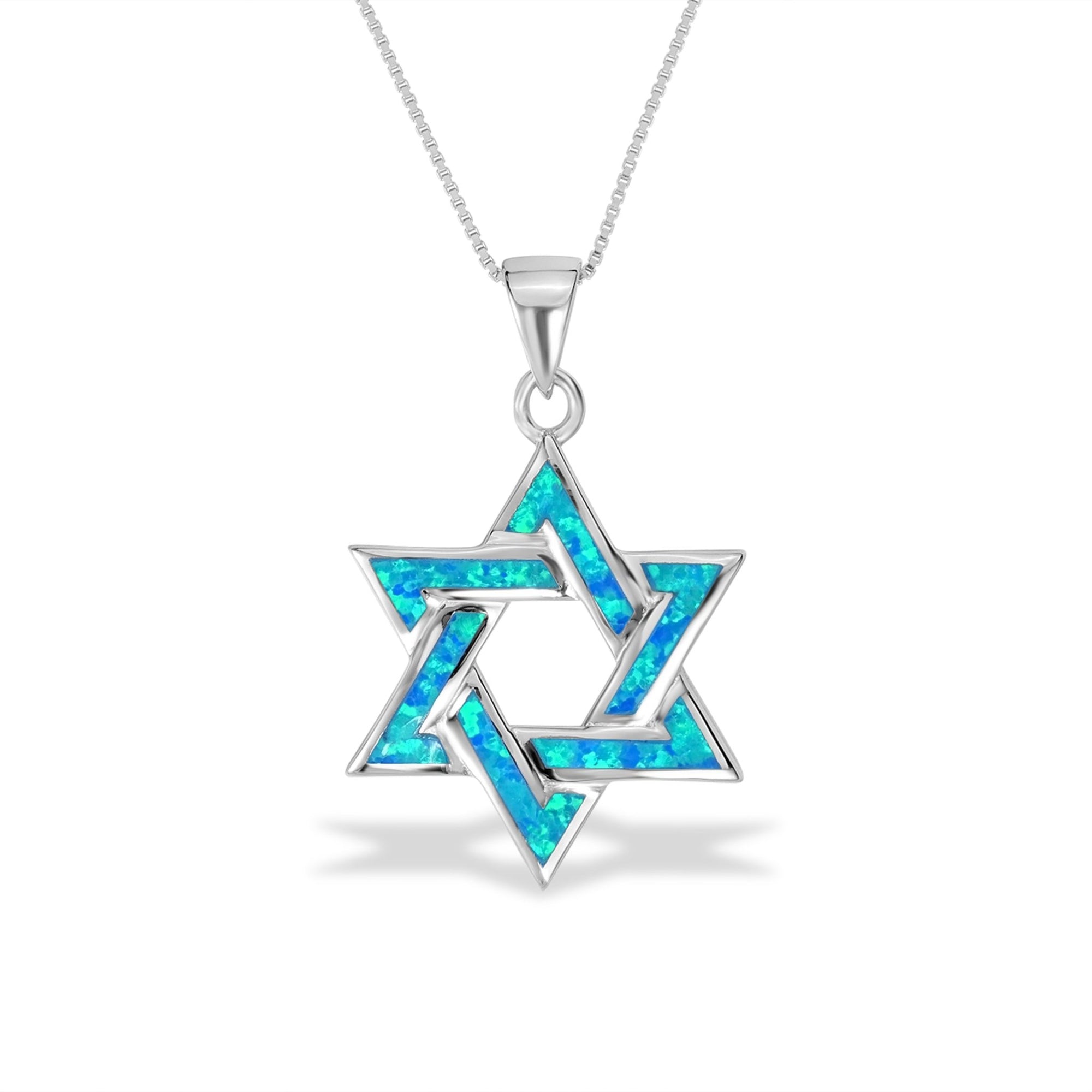
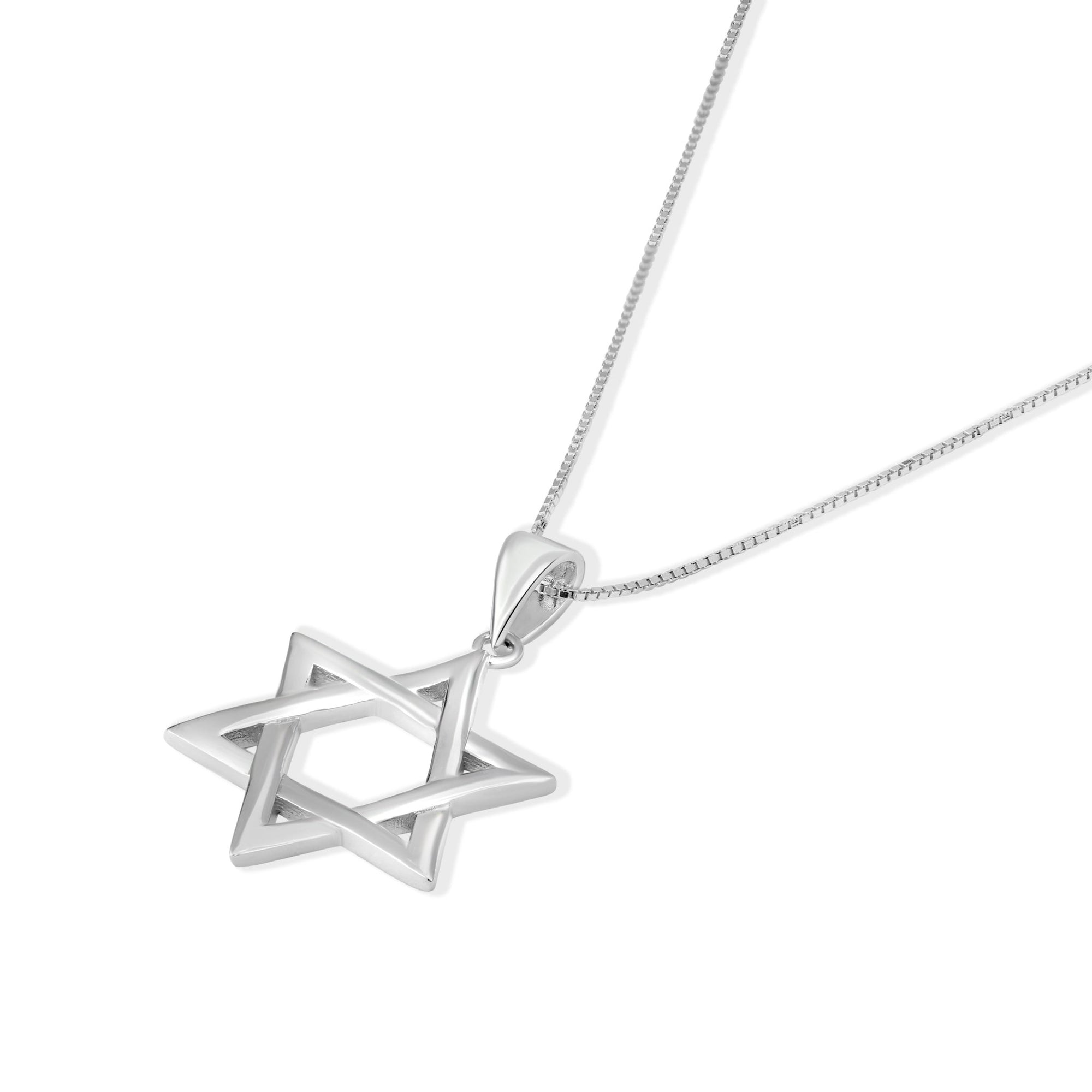
Jewish jewelry is more than mere adornment; it serves as a profound expression of faith, cultural identity, and heritage. Iconic symbols such as the Star of David, Hamsa, and Chai carry deep spiritual significance — the Star of David representing divine protection and Jewish unity, the Hamsa warding off evil, and Chai symbolizing life and prosperity.
Cultural Identity Woven in Gold and Silver
For centuries, Jewish communities have incorporated religious motifs and traditional designs into their adornments as a visual marker of identity. This jewelry reflects the rich tapestry of Jewish history and tradition, weaving biblical symbols like the Menorah and Mezuzah alongside ancient motifs including pomegranates and the twelve stones of the priestly breastplate.
Jewelry as Faith and Heritage Expression
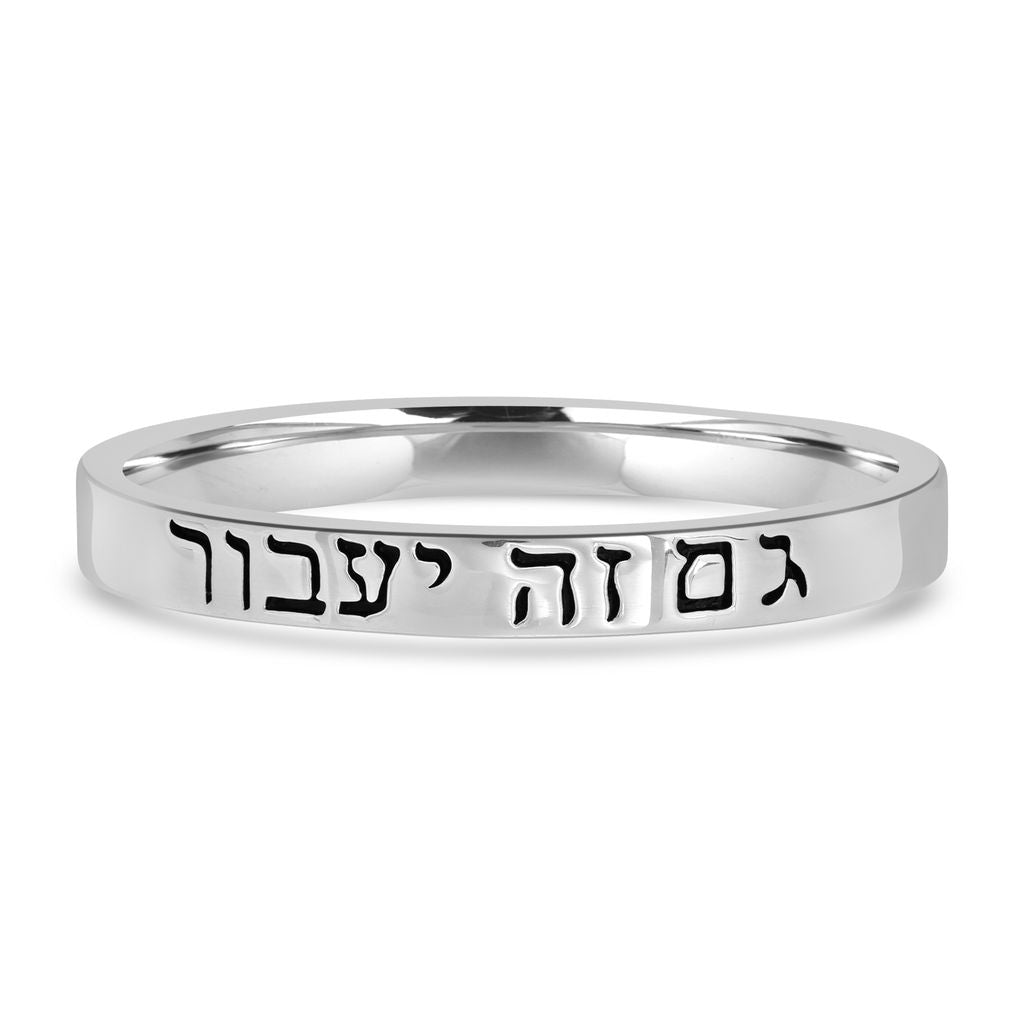
Jewelry pieces often feature Hebrew inscriptions or blessings, serving as personal talismans for protection, spirituality, and remembrance of one's roots. In modern times, Israeli designers masterfully blend these ancient symbols with contemporary styles, enabling wearers worldwide—especially within the diaspora—to celebrate their connection to Israel and Jewish heritage through fashionable, meaningful pieces.
Jewish Jewelry: Symbols and Spiritual Significance
What is Jewish jewelry, and how is it connected to Jewish heritage?
Jewish jewelry is a meaningful form of cultural expression that incorporates symbols, motifs, and designs deeply rooted in Jewish heritage and religious traditions. Common symbols used include the Star of David, Hamsa, Menorah, and Chai, each bearing unique spiritual and protective significance.
Common Jewish symbols like Star of David, Hamsa, Menorah, Chai
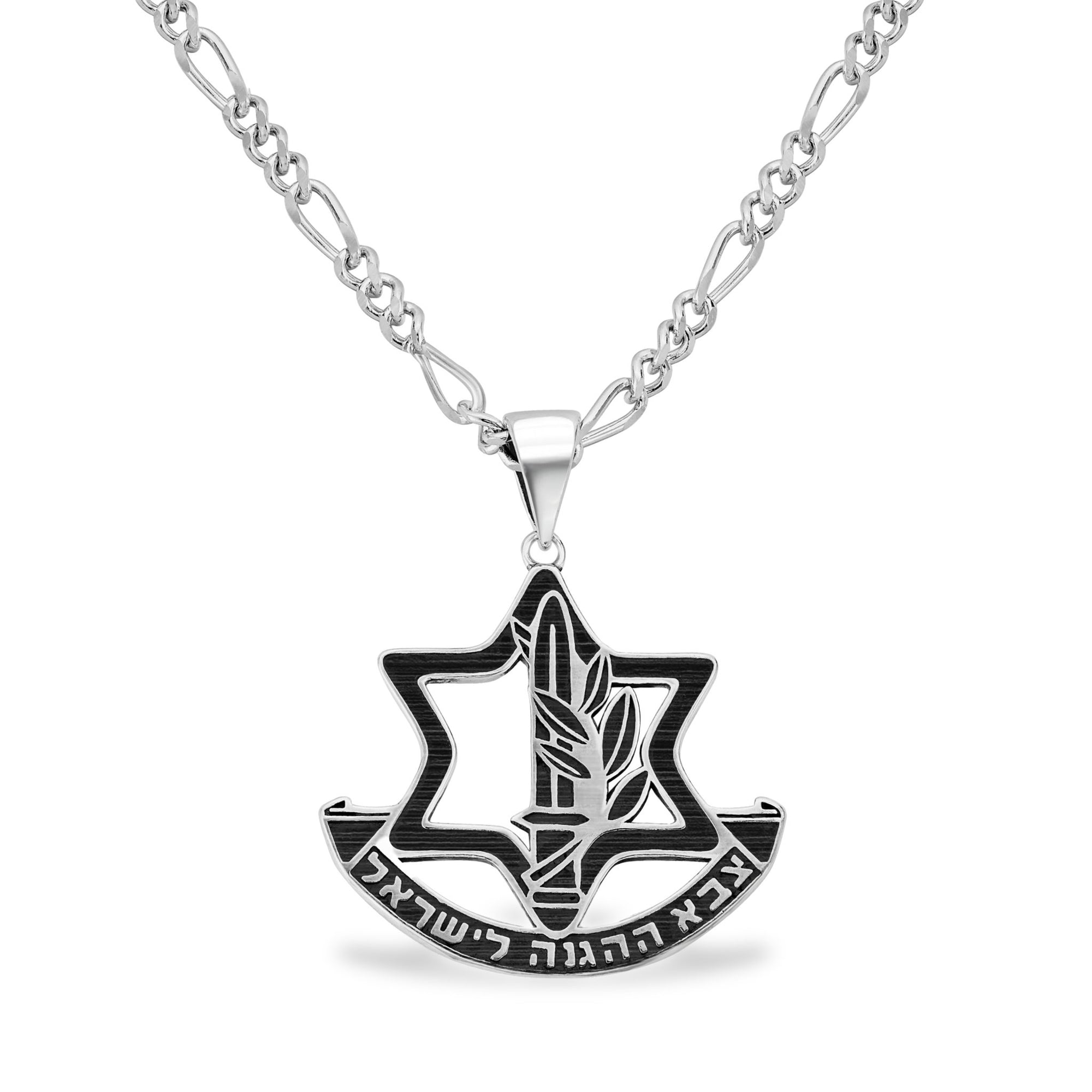
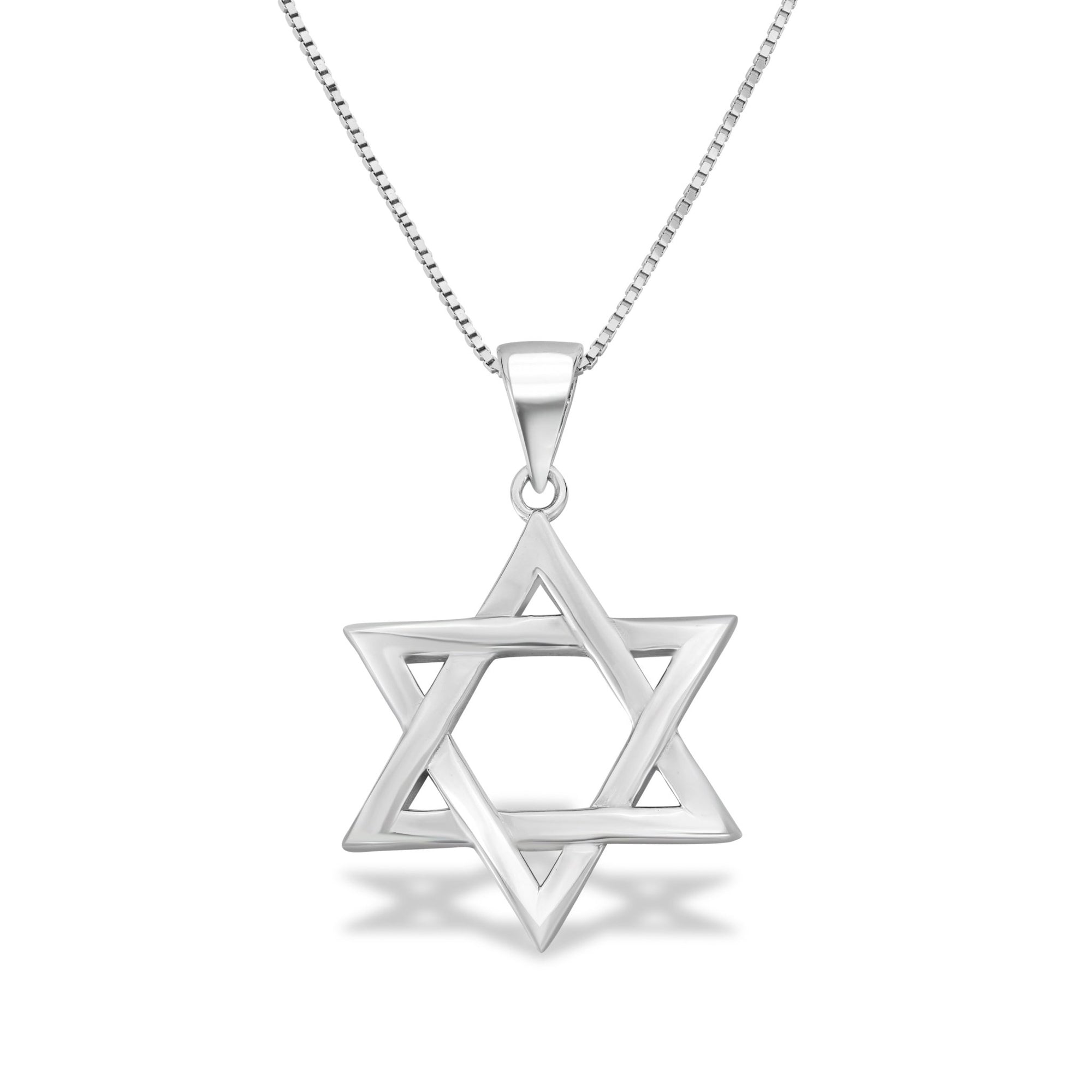
- Star of David: A central symbol representing Judaism and divine protection, also featured on the Israeli flag. Its use dates back to the Second Temple period, symbolizing strength, spirit, and Jewish identity.
- Hamsa: An open hand motif believed to ward off the evil eye and bring good fortune and protection. Widely embraced in Jewish and Middle Eastern cultures.
- Menorah: The seven-branched candelabrum held sacred in Jewish tradition, symbolizing enlightenment and divine presence.
- Chai: Meaning "life" in Hebrew, this symbol conveys wishes for luck, prosperity, and vitality.
Spiritual meanings and cultural connections
Jewish jewelry often encapsulates prayers, blessings, or biblical stories, serving as physical reminders of faith and divine protection. For instance, amulets inscribed with blessings like “the Lord bless you and keep you” highlight Jewelry as Spiritual Tools.
Jewelry as a medium for faith, protection, and identity
These pieces are more than adornments—they function as personal and communal expressions of faith, heritage, and resilience. They foster a tangible connection to Jewish history, culture, and spiritual values. Today, Jewish and Israeli-designed jewelry continues this tradition, blending ancient symbols with modern aesthetics to appeal to diaspora communities and supporters worldwide, especially in the United States where wearing such jewelry proudly affirms Jewelry Designs Inspired by Israeli Culture and Traditions.
Ancient Roots: Jewelry in Ancient Israelite Culture
Did the ancient Israelites wear jewelry, and what was its significance?
Yes, ancient Israelites wore jewelry that went far beyond mere decoration. Biblical scriptures, such as Genesis 24:22 jewelry, mention jewelry items like gold nose rings and bracelets as emblems of wealth and honor. Archaeological discoveries of rings, earrings, necklaces, and bracelets in sites like Megiddo jewelry discoveries and Jerusalem further affirm jewelry’s importance in Israelite life.
Historical and biblical significance of jewelry
Jewelry held spiritual and social significance in ancient Israelite culture. The High Priest’s breastplate, known as the Choshen priestly breastplate, was adorned with twelve distinct stones representing the twelve tribes of Israel, symbolizing unity and divine protection. Pomegranate motifs frequently appeared in jewelry, symbolizing fertility, abundance, and religious values. Amulets inscribed with Hebrew prayers, such as "the Lord bless you and keep you," were worn for protection and faith. These customs find reflection in jewelry pieces used in bridal rites and rituals, indicating jewelry’s role in key life events and worship.
Materials and symbolic motifs used in ancient Israel
Craftsmen utilized precious materials such as gold, silver, and semi-precious stones like carnelian and agate, demonstrating skilled artistry and regional trade connections. Glass beads and bronze were also common. Symbolism played a vital role: besides pomegranates, symbols like the Star of David jewelry designs, Hamsa Symbol Jewelry, and Hebrew inscriptions conveyed spiritual protection and cultural identity.
Spiritual and social roles of jewelry in antiquity
Jewelry served as a marker of social status and spiritual devotion. Amulets and talismans were believed to invoke divine favor and safeguard the wearer. Jewelry’s inscriptions and motifs strengthened personal faith and community bonds. This tradition has endured, influencing modern Israeli fashion jewelry and Jewish jewelry, where spiritual symbolism and cultural pride remain central.
Jewelry in ancient Israelite culture was more than adornment; it was a living expression of faith, identity, and social connection that continues to inspire Jewish cultural jewelry and Israeli cultural motifs in jewelry heritage worldwide today.
Distinctive Materials: The Eilat Stone and Other Unique Elements
What gemstone is exclusively found in Israel, and what is its significance?
The Eilat Stone holds a special place in Israeli jewelry as the country's national gemstone. Also known as King Solomon's stone, it is a unique blend of copper-bearing minerals such as chrysocolla, malachite, azurite, and turquoise. This multi-hued gemstone is mainly sourced from the Timna Valley, a site historically linked to the legendary mines of King Solomon.
Characterized by its vibrant blue and green shades combined with multicolor patterns and a vitreous luster, the Eilat Stone is prized for its eye-catching beauty and moderate hardness (6-7 on the Mohs scale) making it ideal for jewelry. Although active mining has ceased, the stone remains a powerful symbol of Israeli heritage, reflecting deep regional folklore and cultural identity.
Materials traditionally used in Israeli jewelry
Israeli jewelry design embraces a variety of materials that highlight craftsmanship and cultural symbolism. Traditional elements include gold and silver, often crafted with intricate filigree work inherited from Sephardic and Yemenite Jewish communities. Semi-precious stones such as carnelian, agate, and amethyst reflect ancient trade links and spiritual symbolism.
Modern designers also favor recycled gold and conflict-free diamonds, aligning with eco-conscious values and ethical sourcing. Glass beads and ancient Roman glass fragments sometimes appear, connecting the jewelry to historical eras and the land itself.
Use of regional and historic materials to connect with heritage
Incorporating materials like the Eilat Stone allows Israeli jewelers to weave stories of land, faith, and history into their creations. Symbols carved into or surrounding these stones—such as the Star of David, pomegranates, and Hebrew inscriptions—serve as tangible expressions of Jewish identity and spiritual protection.
By blending ancient motifs with contemporary design and sustainable materials, Israeli jewelry offers not just ornamentation but a wearable connection to ancestry and national pride. This tradition resonates strongly within Jewish communities worldwide, particularly in the United States, as a proud display of cultural heritage in jewelry design.
Modern Israeli Jewelry Designers: Blending Tradition with Innovation
Who are some notable modern Israeli jewelry designers?
Prominent Israeli designers such as Ayala Bar and Michal Negrin have brought a dynamic fusion of culture, artistry, and innovation to contemporary jewelry. Ayala Bar is celebrated for her vibrant, handcrafted pieces that feature intricate mosaic motifs, vivid glass beads, and semi-precious stones. Her work often draws upon her childhood memories and Israel's rich cultural tapestry to create unique statement jewelry that speaks to emotional and spiritual expression.
Michal Negrin is known for romantic Victorian-style designs embellished with iconic Jewish symbols including the Star of David and Hamsa. Her creations reflect a blend of Middle Eastern influence and European romanticism, marrying tradition and modern fashion trends.
How do these designers incorporate Jewish motifs with modern fashion trends?
Israeli designers skillfully weave ancient Jewish and Israeli symbols—like the Kabbalistic signs, the Star of David, Hamsa, and the distinctive Eilat stone—into contemporary styles that appeal globally. These symbols are not only decorative but carry deep religious and cultural meanings, offering wearers a tangible connection to their heritage. Modern materials and ethical practices, such as the use of recycled metals and conflict-free stones, help these designers align with current sustainability trends, making their art relevant and responsible.
What is the role of female designers and ethical practices in the Israeli jewelry industry?
Women designers in Israel, such as those leading brands like Hotcrown jewelry brand, MyGemma jewelry company, are instrumental in redefining the jewelry landscape. Their focus on sustainable materials—recycled gold, conflict-free diamonds—and personalized, meaningful designs is reshaping an industry historically dominated by men. These female artisans prioritize authenticity, cultural storytelling, and ethical sourcing, which resonates well with consumers worldwide, notably among the Jewish diaspora in the United States seeking to wear jewelry as a symbol of pride and identity.
Through this blend of tradition and innovation, modern Israeli jewelry not only celebrates centuries-old Jewish heritage but also reflects contemporary values and trends, establishing Israel as a vibrant hub of culturally rich and forward-thinking Israeli fashion jewelry.
Israeli Women Jewelers: Redefining Tradition and Sustainability
How Are Israeli Women Jewelers Challenging the Male Dominance in the Jewelry Industry?
The jewelry industry in Israel, traditionally dominated by men, is witnessing a significant transformation led by innovative Israeli women jewelers. These trailblazers bring fresh perspectives and creative voices, sparking a cultural shift toward gender equality and diversity in jewelry industry within the sector.
What Are Some Noteworthy Women-Led Israeli Jewelry Brands?
Several brands exemplify the rise of women entrepreneurs in Israeli jewelry:
- Hotcrown jewelry brand: Founded in 2013, this brand combines recycled gold use and conflict-free diamonds with designs inspired by historical themes.
- ADDA Gems: Operating for over a decade, it focuses on ethically sourced, unrefined stones that reflect creativity and authenticity.
- Be Sembol jewelry: Known for its interchangeable sets, creating emotional connections through meaningful jewelry.
- MyGemma jewelry: Run by Sapphire Cohen Ben Zvi, emphasizing bespoke, heritage-infused artistic craftsmanship.
How Do These Designers Emphasize Sustainability and Ethical Sourcing?
Israeli women jewelers prioritize using recycled gold use and conflict-free diamonds, reflecting a commitment to sustainable Israeli jewelry. They also incorporate unrefined stones sourced ethically, aligning with eco-conscious jewelry practices and global trends. This approach appeals to consumers seeking not just beauty but also ethical responsibility in their jewelry.
How Is Cultural Heritage and Personal Narrative Incorporated in Their Designs?
These jewelers weave rich narratives through their pieces, blending Israeli cultural motifs in jewelry and folk elements with personal stories. Symbolism drawn from ancient Israelite jewelry significance, such as the pomegranate or the twelve tribal stones, finds contemporary expression. This connection to heritage empowers wearers, offering jewelry that tells a meaningful story of identity, faith, and pride.
This evolving landscape of women-led Israeli jewelry industry brands celebrates cultural heritage in jewelry design while embracing sustainable Israeli jewelry and empowerment, marking a new era in both Israeli and global jewelry fashion.
Symbolism and Identity: Jewelry Featuring Israeli Maps and Emblems
What does jewelry featuring the map or symbols of Israel represent?
Jewelry that features the map or national symbols of Israel is much more than just adornment. It serves as a powerful emblem of Jewish heritage, cultural pride, and spiritual faith. Items showcasing the map of Israel or symbols like the Star of David, Hamsa, and Hebrew inscriptions act as wearable testaments to a deep connection with the Jewish homeland.
How is this jewelry an expression of pride, faith, and homeland connection?
These pieces express personal identity and collective memory. Wearing such jewelry conveys pride in one’s roots and a spiritual bond to Israel. They often carry blessings, protective amulets, or references to ancient traditions and biblical motifs, bridging past and present.
For diaspora communities, especially in the United States, these jewelry pieces symbolize resilience and cultural continuity, making them meaningful gifts for life milestones like weddings or bar and bat mitzvahs (Jewish cultural celebrations jewelry).
What design choices reflect tradition and contemporary style?
Designs often blend ancient motifs—such as the twelve stones of the High Priest’s breastplate or pomegranate symbols—with modern, sustainable materials like recycled gold and conflict-free diamonds. Israeli women-led brands are pioneering these innovative yet meaningful styles that honor heritage while appealing to today’s fashion.
Jewelry crafted in gold evokes tradition and blessing, while silver and mixed metals offer versatile, modern aesthetics (Israeli fashion jewelry). The integration of Hebrew prayers and artisanal techniques connects wearers to faith and cultural history.
Overall, Israel-themed jewelry merges symbolism, identity, and style, creating pieces that resonate with anyone who cherishes their Jewish heritage and connection to the Holy Land.
Craftsmanship and Materials: From Traditional Techniques to Modern Trends
What types of jewelry are commonly found in Israel?
Jewelry in Israel carries profound cultural and religious significance, featuring iconic Jewish jewelry symbols like the Star of David, Chai (symbolizing life), Hamsa (protection), Menorah, and Shofar. These motifs reflect Jewish heritage jewelry and Israeli cultural jewelry, crafted predominantly in gold, silver, and occasionally with semi-precious stones.
Use of filigree, granulation, and regional craftsmanship
Israeli jewelry boasts intricate traditional techniques such as filigree, where delicate threads of gold or silver are twisted and soldered into lace-like patterns. Granulation, involving tiny metal beads fused onto surfaces, adds texture and detail. These methods often stem from diverse Jewish communities, including the Yemenite silversmithing tradition renowned for its elaborate filigree work.
Influences from Islamic, Middle Eastern, and Western motifs
The Israeli jewelry inspiration style is a rich mosaic influenced by Islamic art’s geometric and floral patterns, Middle Eastern symbolism, and Western modernist aesthetics. Designers seamlessly blend these elements, honoring the region’s multicultural history. For example, motifs inspired by the Islamic arabesque mix harmoniously with Hebrew inscriptions in jewelry or biblical imagery, highlighting Israel's unique cultural crossroads.
Materials like gold-filled jewelry and semi-precious stones in affordability and style
Affordability and style are balanced in Israeli jewelry through the use of gold-filled jewelry, a cost-effective alternative to solid gold that offers durability and elegance. Semi-precious stones such as carnelian, agate, and the rare Eilat Stone—an iconic green-blue gemstone native to Israel—add vibrant color while linking pieces to the land’s natural heritage. Contemporary designers also experiment with sustainable Israeli jewelry using recycled gold and conflict-free diamonds, embracing eco-conscious trends.
Israeli jewelry continues to evolve by fusing age-old artisanal jewelry techniques with innovative design and diverse cultural influences. This creates wearable art that resonates deeply with consumers worldwide, particularly those in the Jewish diaspora seeking expressions of faith, identity, and cultural pride through meaningful adornments.
Jewelry Trends in Israeli Fashion Culture for Men and Women
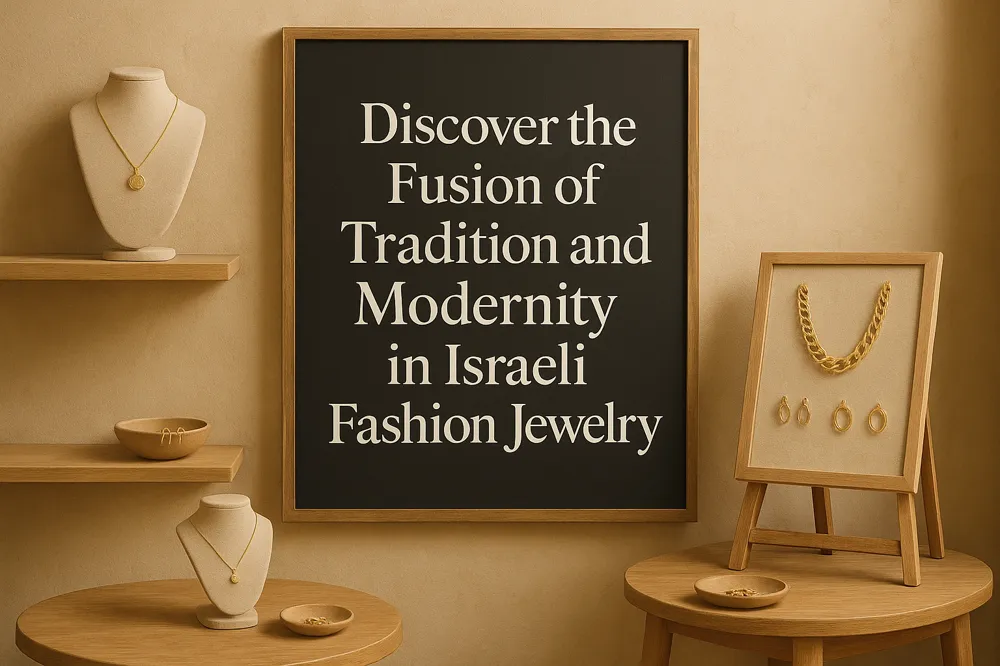
What are common trends in Israeli fashion jewelry for men and women?
Israeli fashion jewelry artfully blends cultural heritage in jewelry design with modern aesthetics, distinctly shaping pieces for men and women.
Men's jewelry often leans toward subtlety and minimalism, featuring traditional symbols such as the Jewelry with Hamsa symbols, Star of David jewelry designs, and Menorah symbol jewelry. These motifs carry deep meanings of protection, faith, and spiritual strength, aligning with the wearer’s identity and cultural pride. Materials for men's pieces typically include silver or gold plating, maintaining a refined yet accessible look.
Women's jewelry offers a bolder expression, weaving rich cultural symbolism with innovative designs. Many women-led Israeli jewelry industry incorporate handcrafted details and vibrant motifs, reimagining classic Judaica symbols like the Pomegranate in Jewish jewelry, Jewish Chai symbol, and Hebrew inscriptions. The use of semi-precious stones and Swarovski crystals adds color and elegance, catering to various occasions from daily wear to festive celebrations.
Both men's and women's jewelry showcase Israeli craftsmanship that celebrates heritage through symbols adapted to contemporary style. This Israeli fashion jewelry allows wearers—locally and in the diaspora, notably in the United States—to express pride in Israeli and Jewish identity with pieces that are meaningful, sustainable, and stylish.
Handcrafted Israeli Jewelry: Artisanship and Cultural Pride
Are there handcrafted jewelry pieces from Israel available?
Yes, handcrafted jewelry from Israel is widely available and highly esteemed for its rich cultural and religious significance. Talented Israeli artisans create these pieces by blending tradition with modern design, using symbols that resonate deeply within Jewish cultural jewelry and Jewish jewelry history.
Symbols and Hebrew inscriptions used by artisans
Jewelry often features iconic symbols such as the Star of David, representing Jewish identity and divine protection, alongside the Hamsa hand, believed to ward off evil. The Tree of Life motif highlights the spiritual connection to growth and continuity. Hebrew inscriptions like 'Shema Yisrael' and blessings are frequently engraved, providing spiritual meaning and personal connection to faith.
Materials like Roman glass, Jerusalem stones, and traditional motifs
Distinctive materials such as Roman glass, Eilat stones (the national stone of Israel), and Jerusalemite stones often appear in these handcrafted pieces, connecting the jewelry directly to Israel’s land and history. Traditional motifs include representations of Jerusalem’s city outline, the Temple Mount, and the pomegranate symbolizing fertility and abundance.
These elements not only beautify the designs but also invoke feelings of national pride and cultural identity, making Israeli handcrafted jewelry a cherished expression of faith and heritage for wearers worldwide, especially within the Jewish diaspora.
Israeli Heritage as a Dynamic Influence on Global Fashion Jewelry
Israeli jewelry is a vibrant blend of cultural heritage and modern innovation.
Rooted deeply in symbols like the Star of David, Hamsa, Chai, and the pomegranate, Israeli designs carry profound spiritual and historical meaning. These motifs, often tied to biblical traditions, are reimagined by contemporary artisans to resonate with today’s fashion trends.
The jewelry industry in Israel reflects a dynamic interplay between tradition and innovation.
Women-led brands, such as Hotcrown, ADDA Gems, and MyGemma, bring fresh perspectives by integrating sustainable materials like recycled gold and conflict-free diamonds. Their work not only champions eco-consciousness but also infuses personal and cultural narratives, making each piece emotionally significant.
Israeli jewelry’s global reach is driven by its ability to express identity and pride.
Diaspora communities, especially in the United States, embrace jewelry as a powerful form of cultural connection and self-expression. The integration of ancient motifs with cutting-edge design techniques appeals to a diverse audience seeking meaningful and stylish adornments.
Craftsmanship remains at the heart of Israeli jewelry.
Traditional artisanal techniques, including Yemenite filigree and the use of unique stones like the Eilat Stone, underline the craftsmanship that merges Middle Eastern and Western design elements. This legacy ensures that jewelry from Israel is not just fashion but a wearable piece of history and faith.