

Introduction to the Star of David as a Jewish Symbol
Basic symbolism of the Star of David
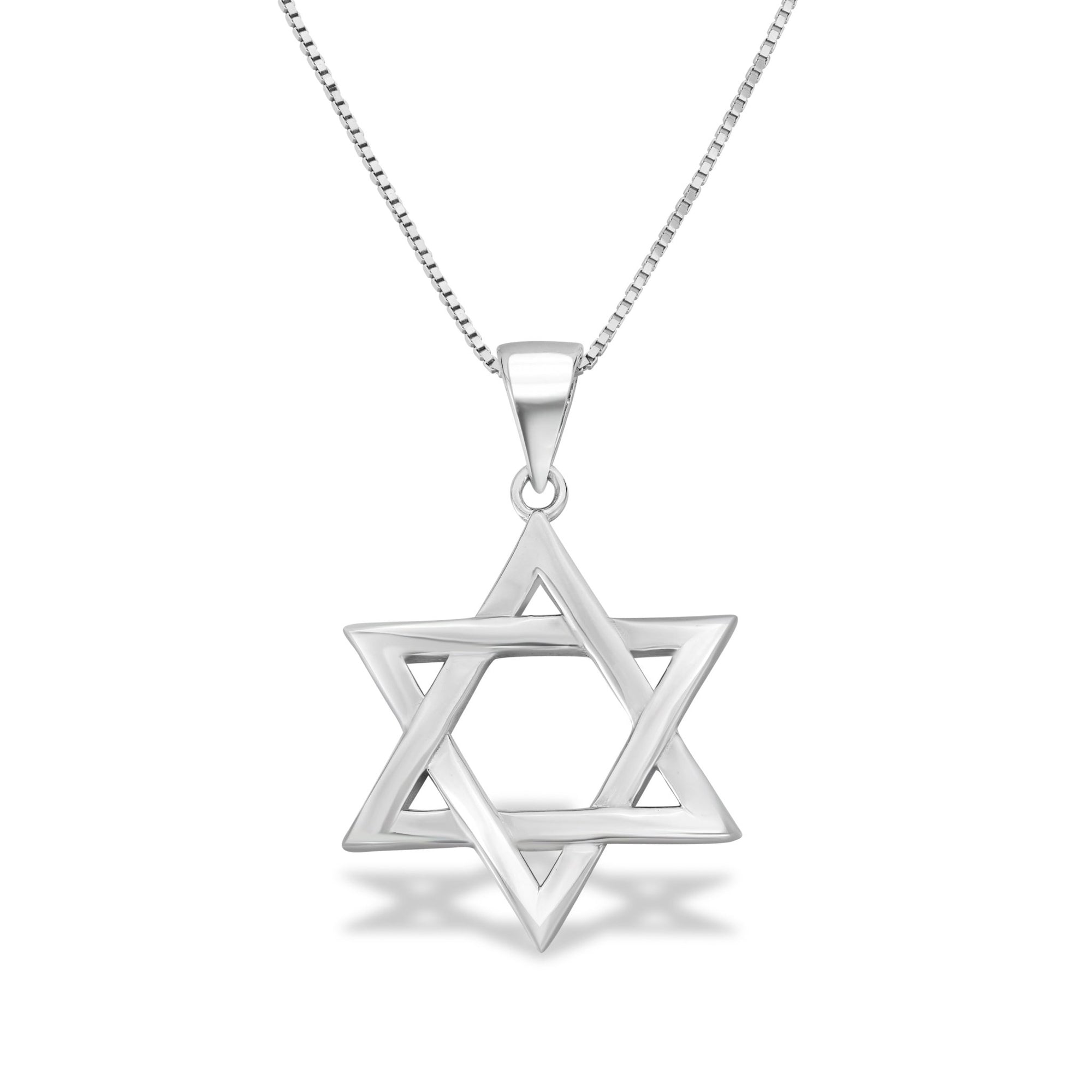
The Star of David, known in Hebrew as the Magen David meaning "Shield of David," is a six-pointed star composed of two interlocking equilateral triangles. Each of its six points represents one of six directions where God is present: north, south, east, west, above, and below. The formation of the star symbolizes the harmony between spiritual and material worlds, and in Kabbalistic tradition, the upward triangle signifies the divine, while the downward triangle represents the earthly, creating a balance between heaven and earth.
Historical and religious significance
Historically, the symbol’s roots stretch back centuries, appearing in Jewish art, manuscripts, and synagogue decorations from as early as the 3rd–4th century CE. Its association with King David as a protective emblem, referencing divine protection on his shield, earned it the poetic name "Shield of David." During the Middle Ages, the star began representing Jewish communities and was first formally adopted by Jews in Prague in the 14th century for their flag. It later became a unifying emblem of Jewish identity, particularly through the Zionist movement and in the modern State of Israel, where it features prominently on the national flag.
Jewish identity and pride
Today, the Star of David is the foremost symbol of Jewish identity, heritage, and faith. It connects Jewish people worldwide to their ancient traditions and cultural legacy, acting as a visible declaration of pride. Despite its tragic use during the Holocaust as a mark of persecution, the symbol has been reclaimed as a powerful emblem of resilience and survival. It is widely worn in jewelry, displayed in synagogues, and embraced by communities, especially in Israel and the diaspora, as a steadfast expression of unity and divine protection.
Origins and Historical Evolution of the Star of David

What are the historical origins of the Star of David?
The Star of David, known in Hebrew as the Magen David or 'Shield of David,' has a rich and varied history stretching back centuries. Its shape—a hexagram composed of two interlocking equilateral triangles—first appeared in Jewish contexts as early as the 3rd to 4th century CE. Archaeological finds include synagogue decorations and manuscripts featuring this symbol, highlighting its early significance within Jewish culture.
However, the symbol was not exclusively Jewish in origin. It was found in many other ancient cultures long before becoming a distinct emblem of Judaism. For instance, in Hinduism, the hexagram represents Goddess Lakshmi symbol, a figure of prosperity and wealth. In Buddhist traditions, it served as a meditation tool to foster spiritual focus. Alchemists used the hexagram to express the harmony of opposing elements such as fire and water, embodying the balance of the four classical elements.
The Jewish adoption of the Star of David as a formal symbol began in the mid-14th century, when Jewish communities in Prague were granted the right to carry a flag bearing the six-pointed star. This act helped unify Jewish identity under a recognizable emblem symbolizing divine protection, faith, and cultural pride. The star’s six points came to represent God’s dominion in all directions: north, south, east, west, up, and down (directions represented by Star of David).
Additionally, the symbol carries biblical and legendary associations with King David and King Solomon. Tradition holds that King David’s shield bore the star, symbolizing divine protection in battle. King Solomon’s ring, often linked to wisdom and mystical power, is also said to have featured the star, referred to as the “Seal of Solomon.” These stories enrich the symbol’s meaning, connecting it deeply to Jewish heritage (King Solomon Star of David legend.
Over time, despite its earlier presence in other cultures, the Star of David became uniquely and indelibly associated with the Jewish people. It evolved from decorative use to a powerful emblem of identity, faith, resilience, and continuity, especially prominent in Jewish communities across Europe and later on the flag of Israel.
Symbolic Meanings in Jewish Tradition and Kabbalah
What symbolic meanings does the Star of David hold in Jewish tradition and mysticism?
The Star of David, known in Hebrew as Magen David or "Shield of David," holds profound symbolic meaning in Jewish tradition and Star of David mysticism.
At its core, the six points of the star represent God's presence in six directions: north, south, east, west, above, and below. This signifies divine protection and the omnipresence of God in every part of the universe.
The symbol is formed by two interlocking equilateral triangles, creating a hexagram that conveys the balance and unity between heaven and earth, spiritual and material realms, and God and humankind. This geometric harmony has made the Star of David a powerful emblem of protection and faith.
Within Kabbalistic teachings of Star of David, the two triangles carry elemental and spiritual significance: the upward-pointing triangle symbolizes fire, representing divine aspiration and spiritual ascent, while the downward-pointing triangle represents water, symbolizing divine blessing flowing into the material world. Together, they embody the harmony of opposing forces and the unity of creation.
Moreover, the star illustrates important Jewish values through its structure. The twelve sides or corners often symbolize the 12 Tribes of Israel, reinforcing a deep connection to Jewish heritage and collective identity. It also reflects dichotomies such as good versus evil, spiritual versus physical, and the reciprocal relationship between God and the Jewish people.
Through these layered meanings, the Star of David stands not only as a national symbol of Jewish identity but also as a treasured spiritual emblem that connects wearers to centuries of faith, tradition, and divine protection.
The Star of David as a Symbol of Jewish Identity and Heritage
How does the Star of David function as a symbol of Jewish identity and heritage?
The Star of David, or Magen David, serves as a deeply resonant emblem of Jewish identity symbol and heritage. Officially adopted by the Zionist movement in 1897, it was chosen as the central symbol for the Jewish national flag, which later became the flag of the modern State of Israel in 1948. This pivotal adoption established the star as a unifying symbol representing the Jewish nation’s solidarity, faith, and historic connection to the land of Israel.
Jewish communities worldwide, especially in the United States and Europe, wear and display the Star of David proudly as a statement of ethnic and religious identity. Beyond its presence on Israel’s flag, the star has historically appeared on Jewish communal flags, soldiers’ gravestones, synagogue decorations, and various cultural artifacts, symbolizing an unbroken link to Jewish tradition and collective memory.
In the diaspora, the Star of David is not only a symbol of faith but also an expression of enduring pride and resilience, particularly following the hardships endured during the Holocaust. Its combination of ancient origins with modern national significance creates a bridge between past, present, and future generations, fostering a strong connection for Jews throughout the world.
The star’s six-pointed design, formed by two interlocking triangles, represents God’s presence in all six directions—north, south, east, west, up, and down—further reinforcing its spiritual meaning alongside its role as a cultural and national emblem. Together, these layers of symbolism underscore the Star of David’s role as a powerful affirmation of Jewish identity and heritage both in Israel and throughout the diaspora.
The Star of David in Jewelry: Styles, Materials, and Personal Expression

What are the common types and materials of Star of David jewelry, and how do they express personal identity?
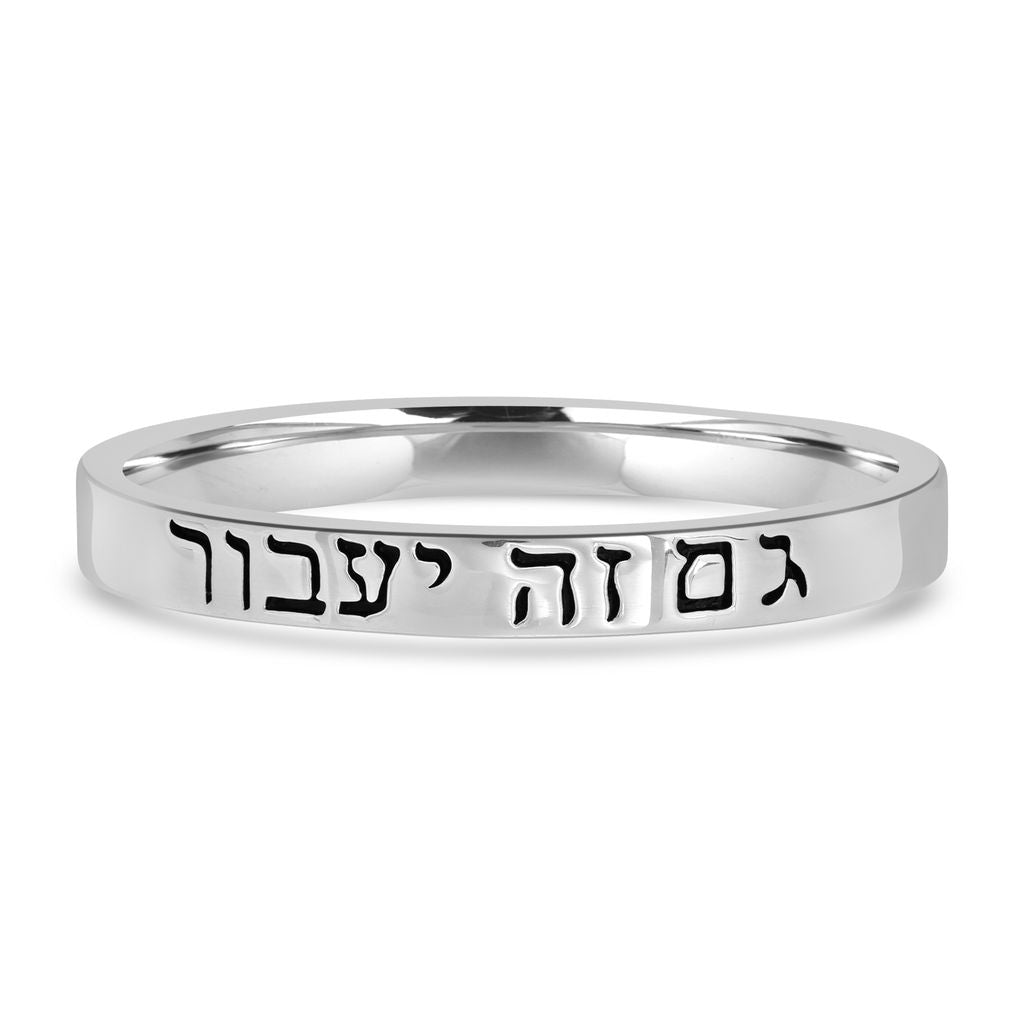
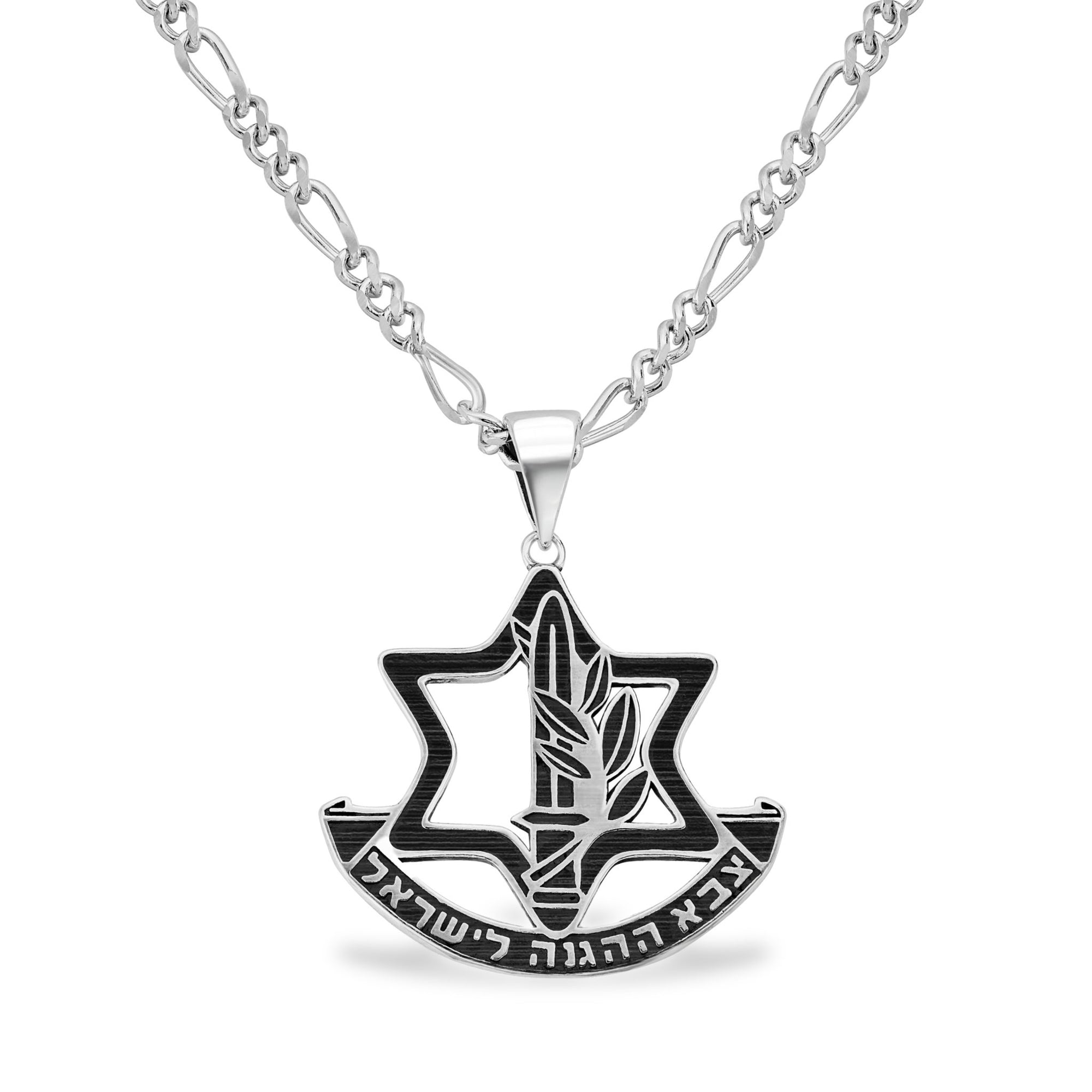
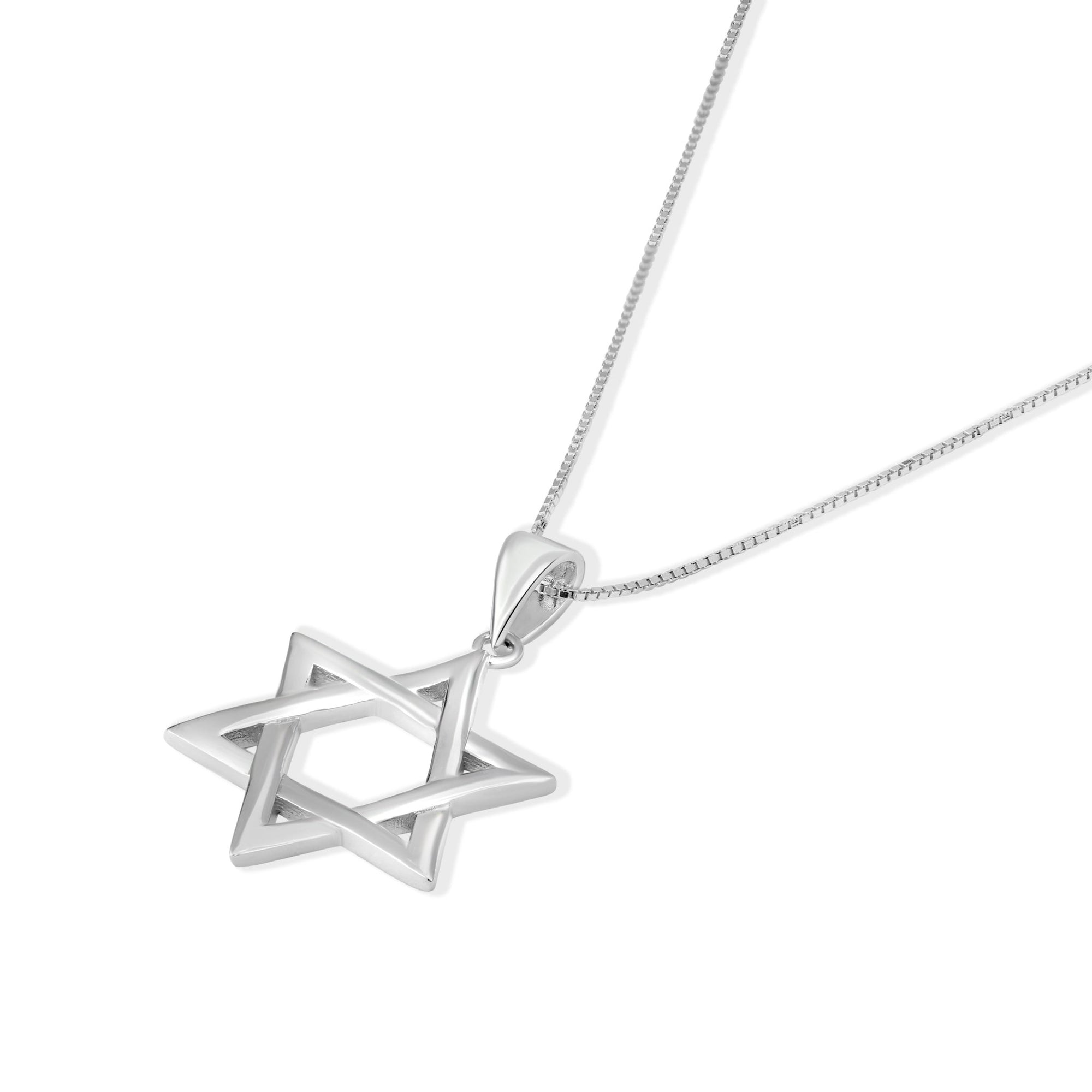
Star of David jewelry includes a variety of types such as necklaces, pendants, rings, bracelets, and earrings. These pieces range from simple and delicate to bold and ornate, catering to different tastes and occasions.
Men’s Star of David jewelry often features heavier, robust designs symbolizing strength and resilience, while women’s pieces tend to be more delicate and intricate, incorporating fine details and elegant forms.
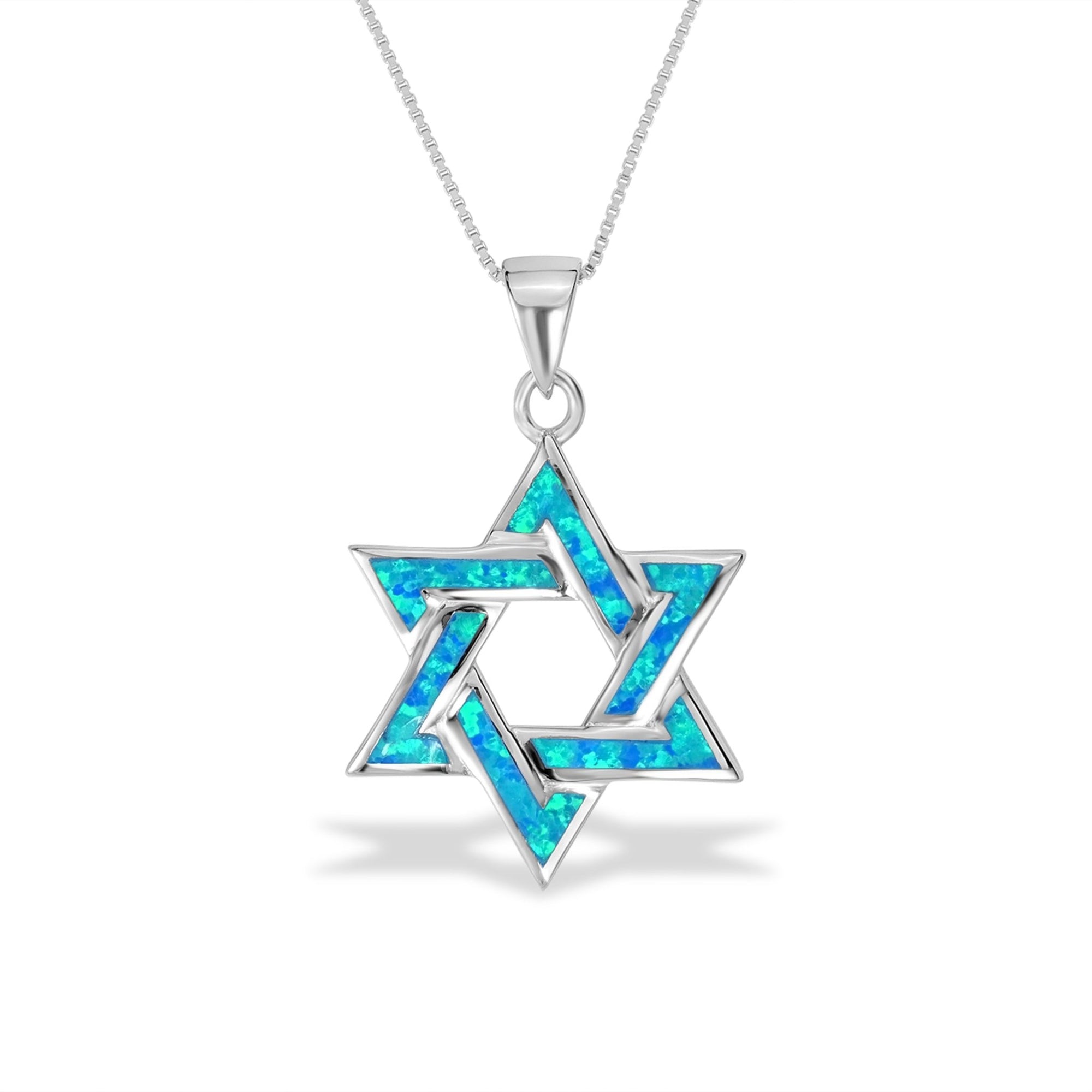
Craftsmanship typically involves precious metals like sterling silver and gold (14K or 18K), which are prized for their beauty and durability. Many pieces are enhanced with diamonds, gemstones, Roman glass, or the unique Eilat stone in jewelry making, each adding layers of natural beauty and symbolic meaning.
Beyond aesthetics, wearing the Star of David jewelry conveys a personal connection to faith and Jewish heritage. It acts as a proud declaration of identity and solidarity, especially within the diaspora community. These jewelry pieces are often chosen as meaningful gifts for life’s important Jewish milestones, including Bar and Bat Mitzvahs, where they represent divine protection and cultural continuity.
In essence, Star of David jewelry is more than adornment; it is a powerful symbol that bridges past and present, faith and culture, personal belief and collective pride.
Symbolism and Spiritual Meanings Embedded in Star of David Jewelry

What spiritual and symbolic meanings do Star of David necklaces and pendants carry?
Star of David Jewelry holds deep spiritual and symbolic significance in Jewish culture. Known as the Magen David, or Shield of David, the star is traditionally viewed as a source of divine protection, making it a powerful talisman for wearers seeking spiritual safeguarding and good luck.
The six-pointed star, formed by two interlocking equilateral triangles, represents the union between spiritual and earthly realms. The upward triangle signifies the soul’s aspiration toward God and the divine, while the downward triangle reflects God’s blessings flowing to the physical world. This harmonious balance between heaven and earth embodies Jewish mystical teachings and conveys a sense of unity between God and humanity.
In Kabbalistic meaning of Star of David, the Star of David also symbolizes the complex interplay of elemental forces—fire and water—and spiritual dichotomies like good versus evil and the reciprocal relationship between God and the Jewish people. The star's structure, comprised of twelve sides, is connected to the 12 tribes of Israel, reinforcing themes of heritage, collective identity, and continuity.
As jewelry, the Star of David serves not only as a decorative accessory but also as a wearable expression of faith, resilience, and Jewish pride. People often wear these pendants at meaningful life events such as bar and bat mitzvahs, using the symbol to signify connection to their ancestry and traditions. Crafted from gold, silver, and sometimes adorned with gemstones, these pieces function as personal talismans that offer spiritual strength and cultural solidarity.
Thus, Star of David jewelry is richly layered with meaning—representing divine protection, interconnectedness between the spiritual and material, and an enduring link to Jewish identity and heritage.
The Star of David Through History: From Perseverance to Pride

How has the Star of David's symbolism evolved through history, particularly during and after the Holocaust?
The Star of David, known as Magen David or Shield of David, carries a rich legacy that deepened during one of the darkest chapters of Jewish history — the Holocaust. Under Nazi rule, Jews were compelled to wear a yellow Star of David badge as a mark of shame and segregation. This tragic use turned the star into a symbol of persecution, representing the suffering and loss of six million Jewish lives.
However, rather than remaining a symbol of despair, the Jewish people reclaimed the Star of David after the war. It transformed into a beacon of survival and resilience, a proud emblem honoring the steadfast spirit and faith that endured through oppression. This reclamation signaled a powerful message: the Jewish identity, culture, and tradition not only survived but remained vibrant despite immense adversity.
Today, the Star of David continues to serve as a potent cultural and religious symbol, especially in the United States where Jewish communities prominently display it in jewelry, art, and on the Israeli flag. It links wearers to centuries of Jewish heritage, expressing both deep spiritual roots and unyielding pride in Jewish identity. Through its presence in daily life and special ceremonies like bar or bat mitzvahs, it sustains a continuous thread of Jewish cultural identity from past to present.
The enduring significance of the Star of David embodies the Jewish people’s journey from oppression to a hopeful future, resonating as a universal symbol of perseverance, unity, and divine protection within the diaspora and beyond.
Star of David Jewelry in Jewish Life Milestones and Cultural Events
What role does Star of David jewelry play in Jewish life cycle events and celebrations?
Star of David jewelry holds a cherished place in significant Jewish life events, especially Bar and Bat Mitzvahs, the traditional ceremonies marking a young person's coming of age in the Jewish faith. Gifting a Star of David necklaces at these milestones is a powerful symbol of divine protection (Magen David), spiritual maturity, and an enduring bond to Jewish heritage.
Beyond coming-of-age celebrations, Star of David Jewelry is also common at weddings, anniversaries, and other religious festivals. Such gifts serve as meaningful tokens of identity, faith, and blessing, reinforcing a sense of continuity and community belonging.
Jewelry featuring the Star of David symbol is more than decorative; it is a statement of pride and a tangible connection to Jewish history and values. Wearing the star during important life moments reflects the wearer’s journey within Judaism, emphasizing protection, resilience, and the unity of the Jewish people.
This tradition also supports Israeli artisans, as many Star of David pieces are handcrafted in Israel, blending cultural pride with support for Jewish craftsmanship worldwide.
The charm of Star of David jewelry transcends generations, making it a timeless emblem that beautifully marks transitions in life while celebrating Jewish identity and faith.
Contemporary Cultural Significance and Solidarity of Star of David Jewelry
How is Star of David jewelry used today to express cultural identity and solidarity?
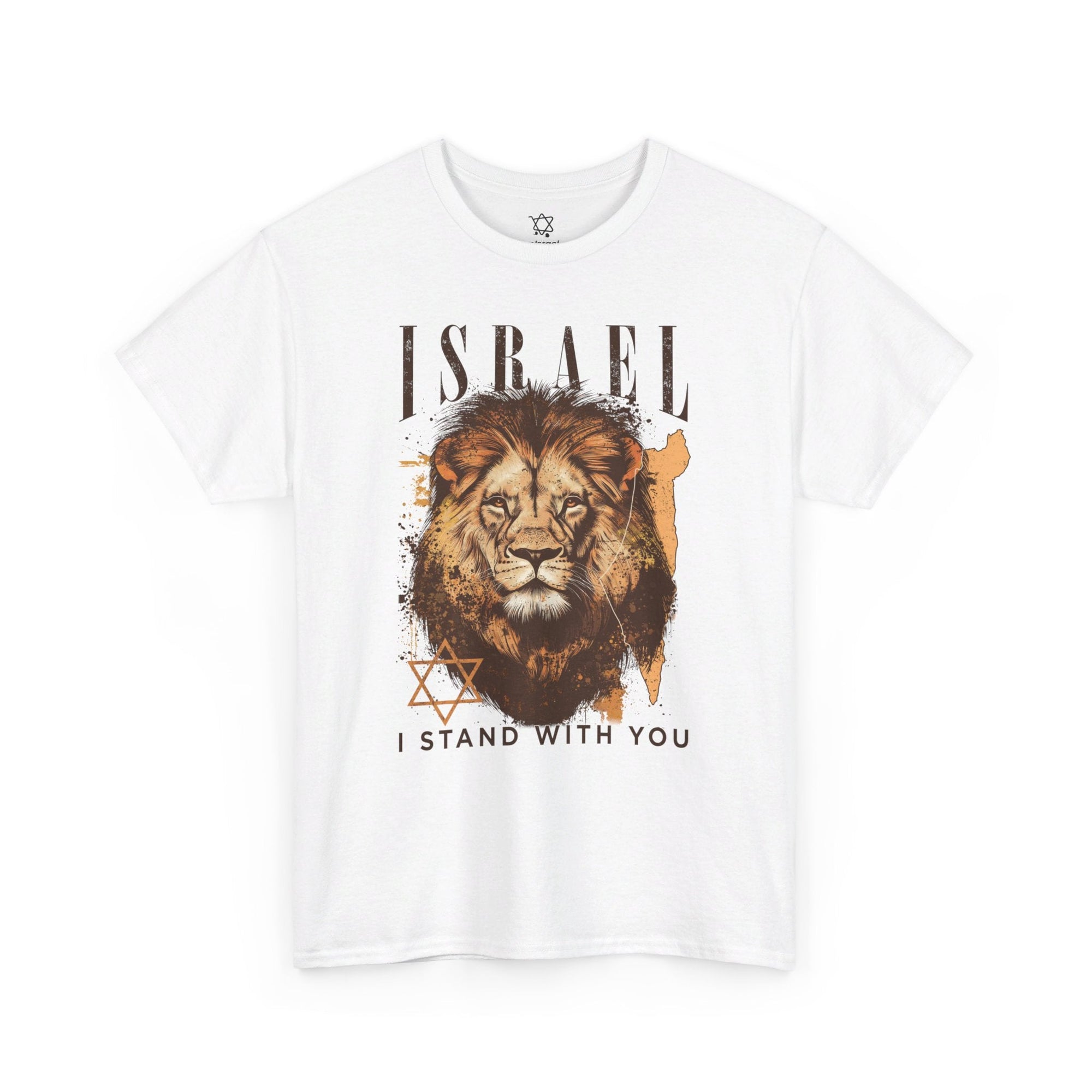
Star of David jewelry today is much more than a religious emblem; it has evolved into a powerful cultural symbol embraced across diverse communities. While deeply rooted in Jewish tradition and Star of David, the jewelry transcends faith boundaries, worn by both Jewish and non-Jewish individuals as a meaningful expression of solidarity with Jewish identity and Israeli heritage.
The Star of David, or Magen David, serves as a proud declaration of Jewish pride, faith, and history. For many in the American Jewish community, it symbolizes a tangible connection to their ancestry and spiritual roots. At the same time, it stands as a visible sign of support for Israel, especially in contexts where cultural and political solidarity is essential.
From bar and bat mitzvah celebrations to everyday wear, these pieces of jewelry act as cultural bridges. They foster mutual respect, awareness, and appreciation between communities by highlighting shared values such as resilience, unity, and divine protection. Fashioned in varied materials — from sterling silver to gold and adorned with gemstones — Star of David necklaces and pendants carry personal stories and communal pride alike.
In summary, contemporary Star of David Jewelry is a unifying symbol. It connects wearers to Jewish heritage while inviting others to participate in expressing support, understanding, and respect for a rich cultural legacy and enduring faith.
Artisan Craftsmanship and Symbolic Design in Israeli-Made Star of David Jewelry
What distinguishes Israeli-made Star of David jewelry and its craftsmanship?
Israeli-made Star of David jewelry stands out for its exquisite craftsmanship that merges traditional Jewish symbols with modern artistic styles. These pieces are often handcrafted by Israel's leading Jewish jewelry artists who skillfully work with materials such as sterling silver, 14K and 18K gold, diamonds, Roman glass, and Eilat stone in jewelry making. Each material not only adds beauty but also deepens the symbolic meaning embedded within the jewelry.
Many designs emphasize the Star of David’s profound meanings—divine protection, faith, heritage, and the unity of the Jewish people. The geometric precision of the hexagram is complemented by artisans’ attention to detail, turning simple symbols into elegant statements of identity and pride.
Supporting these artisans means preserving Israeli cultural heritage and empowering local artists. These handcrafted items go beyond mere decoration; they are wearable expressions of Jewish tradition, faith, and connection to Israel. Whether gifted at significant life events like bar or bat mitzvahs or worn daily, Israeli Star of David jewelry beautifully embodies both spiritual symbolism and national pride.
The Enduring Legacy of the Star of David in Jewelry and Jewish Life
Symbolism and Spiritual Meaning
The Star of David, or Magen David, is a profound symbol of Jewish identity. Formed by two interlocking triangles, it represents divine protection, the unity of heaven and earth, and God’s presence in all six directions: north, south, east, west, above, and below. Rooted in biblical tradition and Kabbalistic teachings, it connects the past, present, and future of the Jewish people, embodying themes of balance, faith, and resilience.
Jewelry as a Bridge of Identity, Faith, and History
Worn as necklaces, rings, and pendants, the Star of David transcends mere ornamentation. It serves as a personal declaration of faith, heritage, and pride. Crafted in gold, silver, and adorned with gemstones, Star of David jewelry is often given at pivotal moments such as bar or bat mitzvahs. This jewelry acts as a tangible connection to Jewish culture and tradition, linking wearers worldwide to their shared history and divine protection.
Continued Relevance and Pride in the Jewish Community
Today, the Star of David remains a powerful emblem in Jewish life, prominently displayed on Israel’s flag and embraced globally, especially in the diaspora. Despite historical adversity, including its forced use during the Holocaust, the star now stands as a symbol of survival, unity, and enduring hope. For many, wearing the Star of David is a proud expression of identity and solidarity with the Jewish people and the State of Israel.