

Introduction to Jewish Holiday and Israeli-Themed Merchandising
Overview of Jewish holidays and cultural significance
Jewish holidays such as Hanukkah, Passover, Rosh Hashanah, and Yom Kippur celebrate both historical events and spiritual values. Each holiday carries unique customs—from lighting the menorah during Hanukkah to the festive seder at Passover—emphasizing resilience, faith, and cultural identity.
Role of merchandise in promoting heritage and Israeli pride
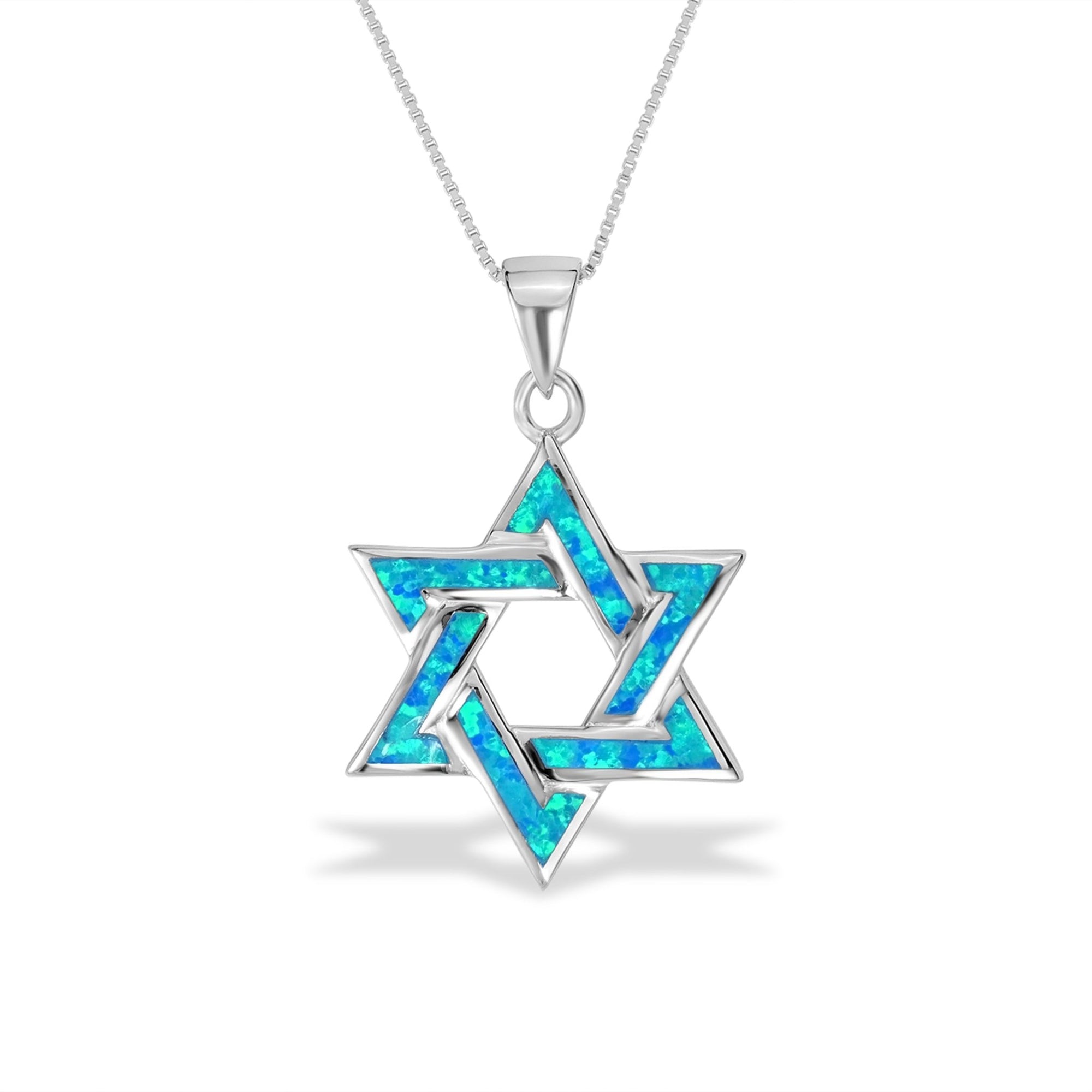
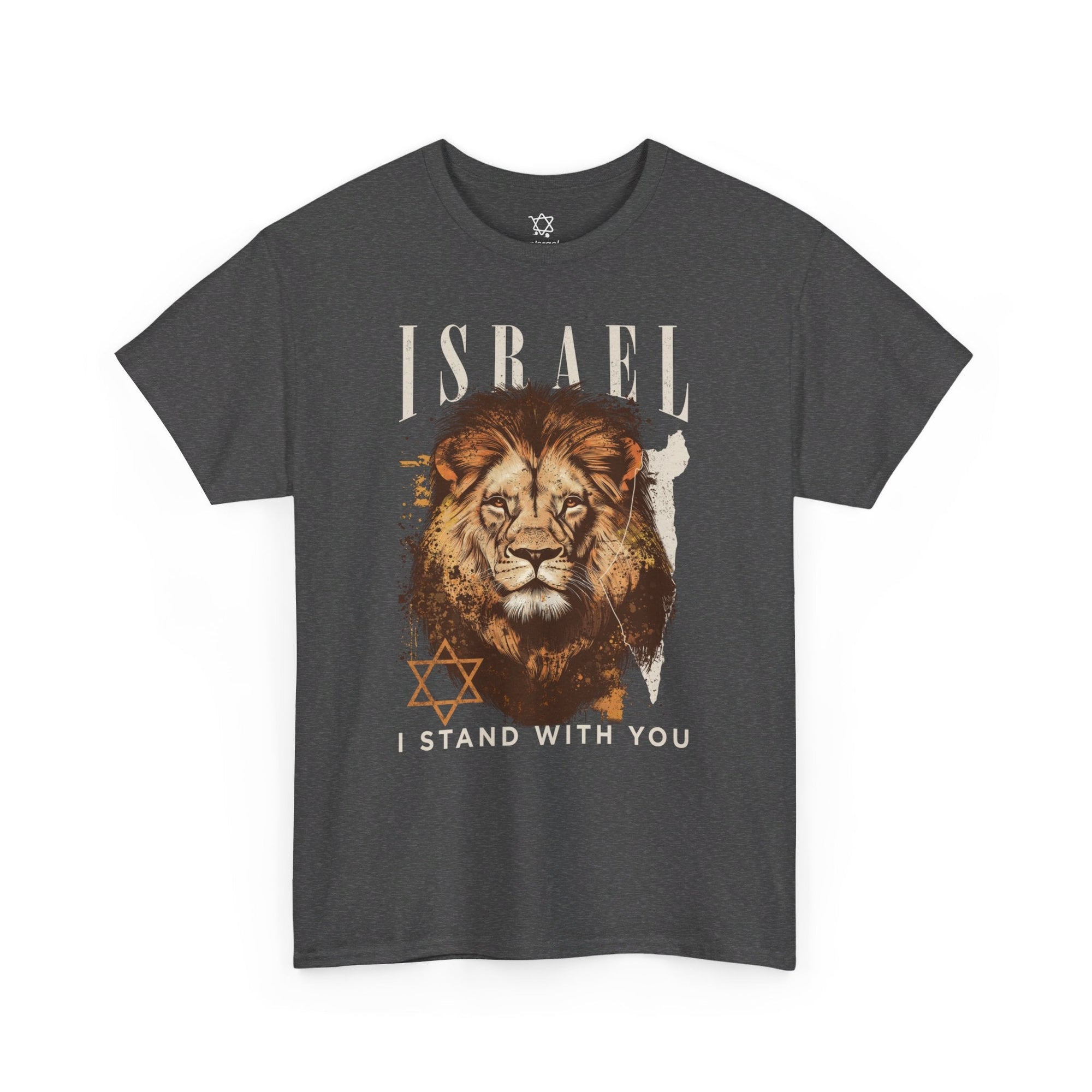
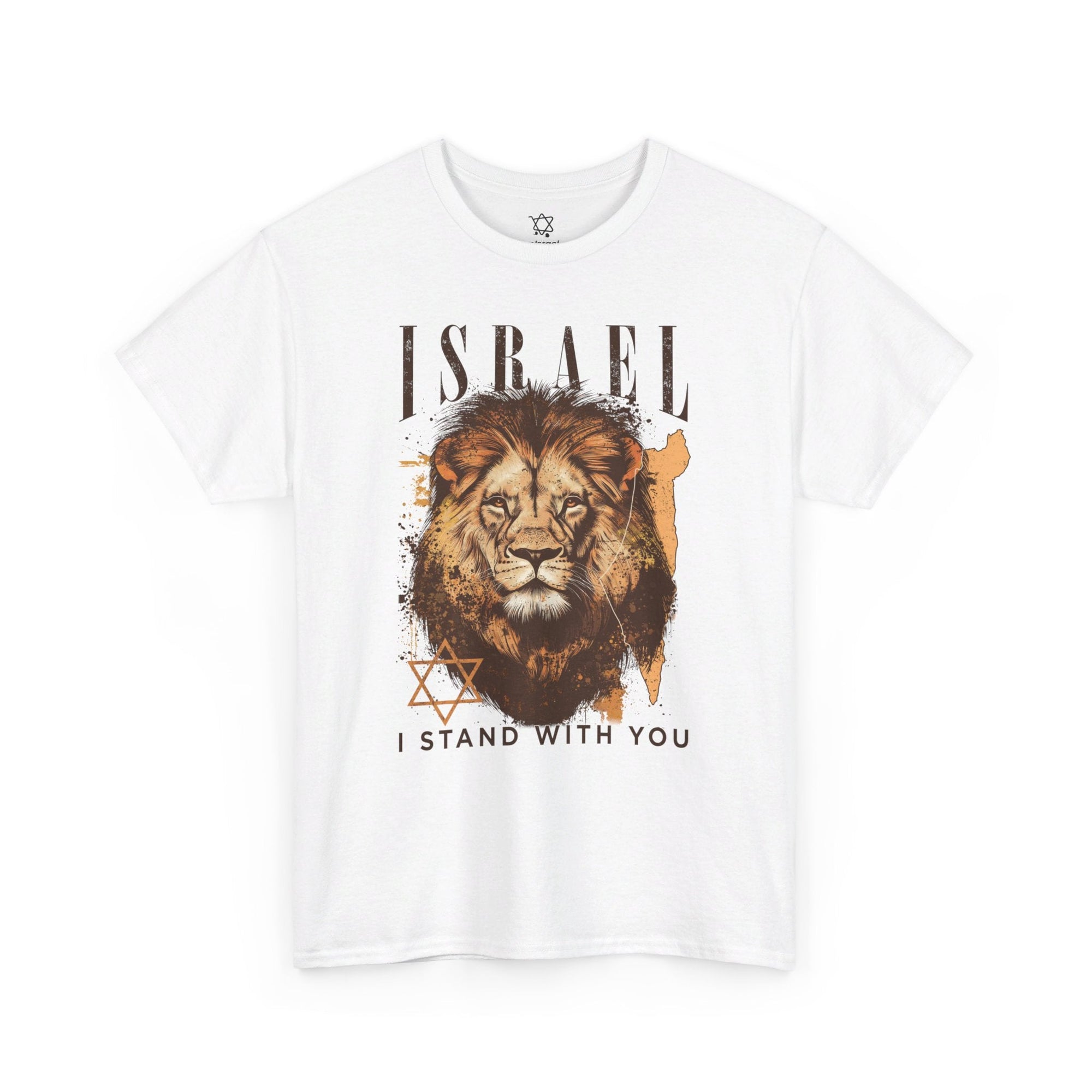
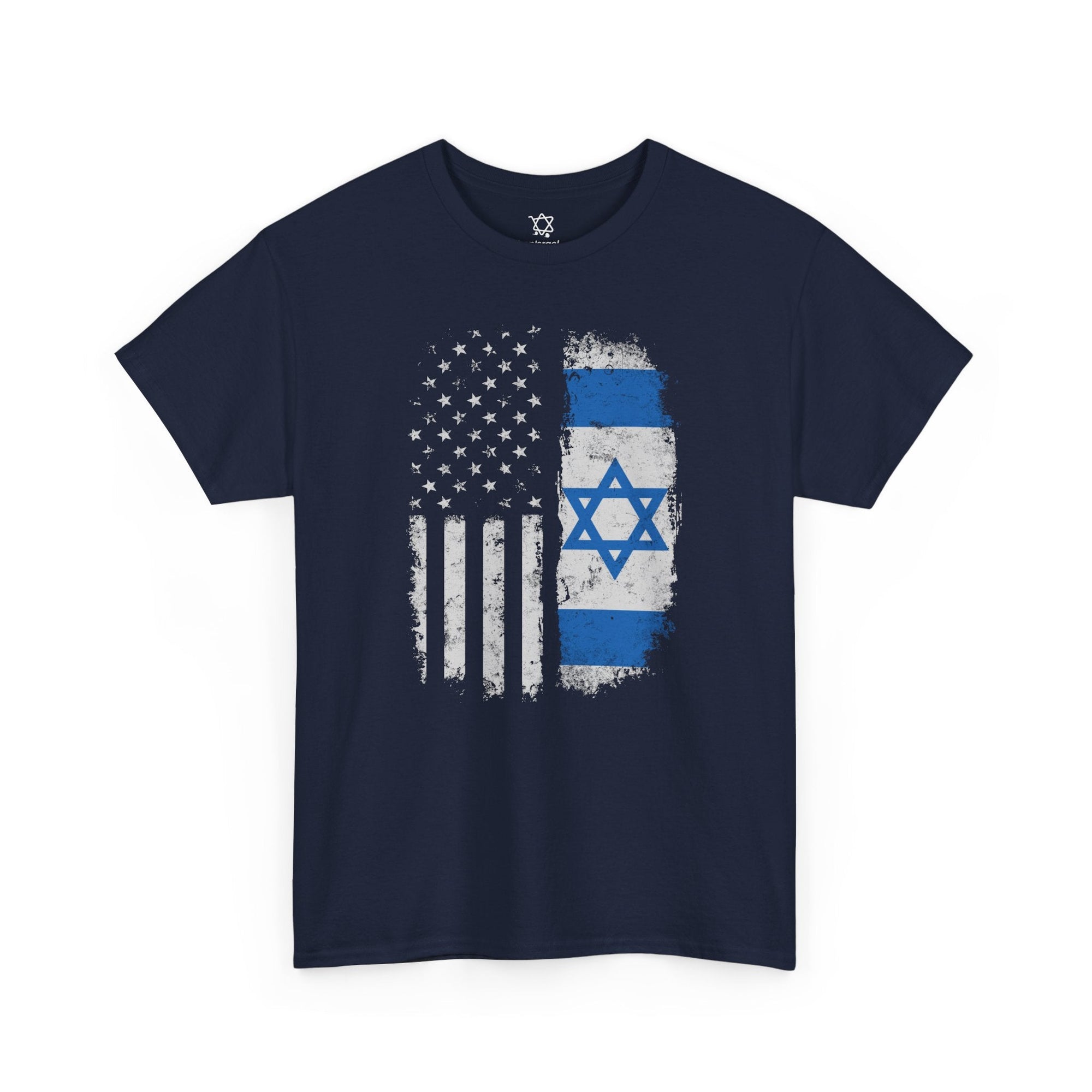
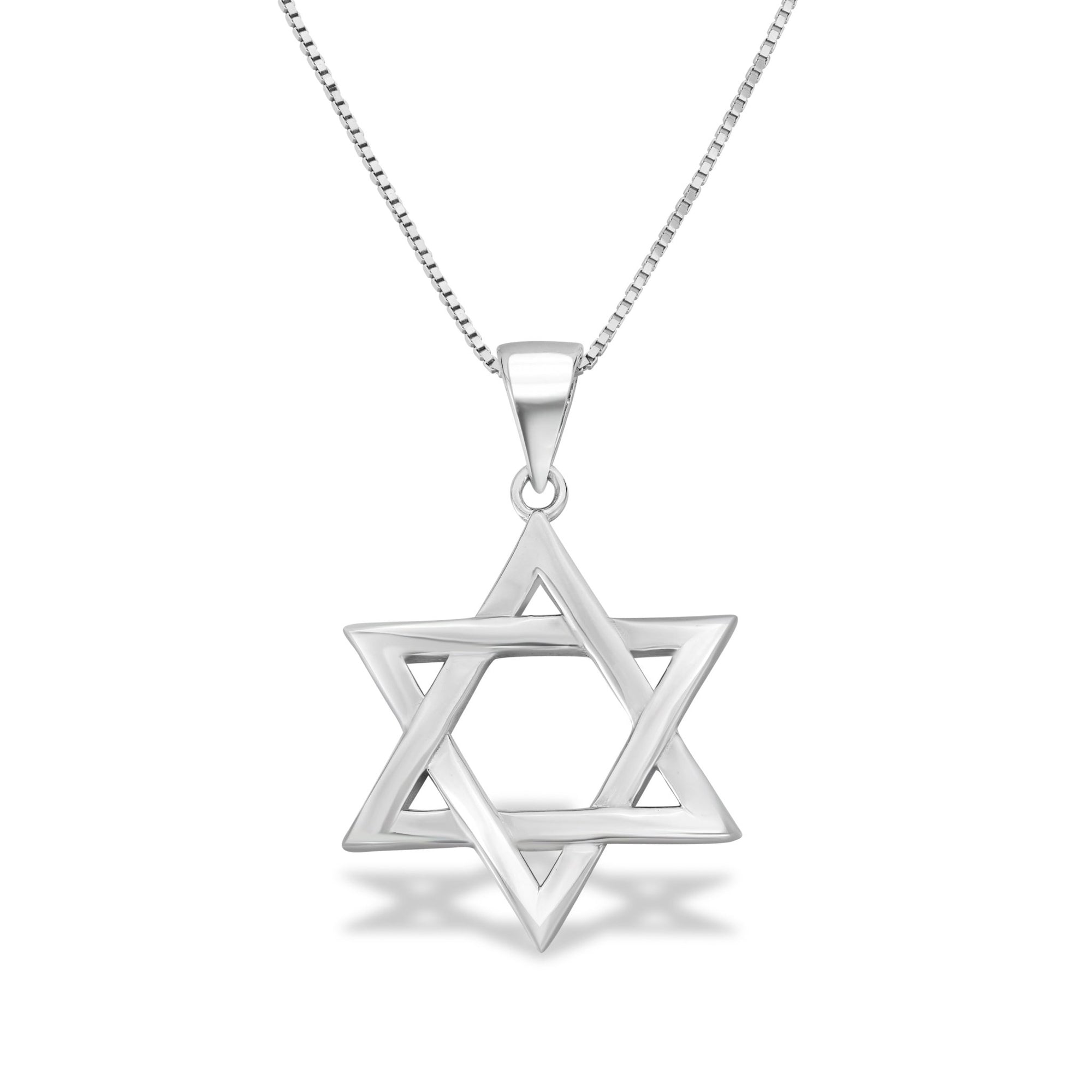
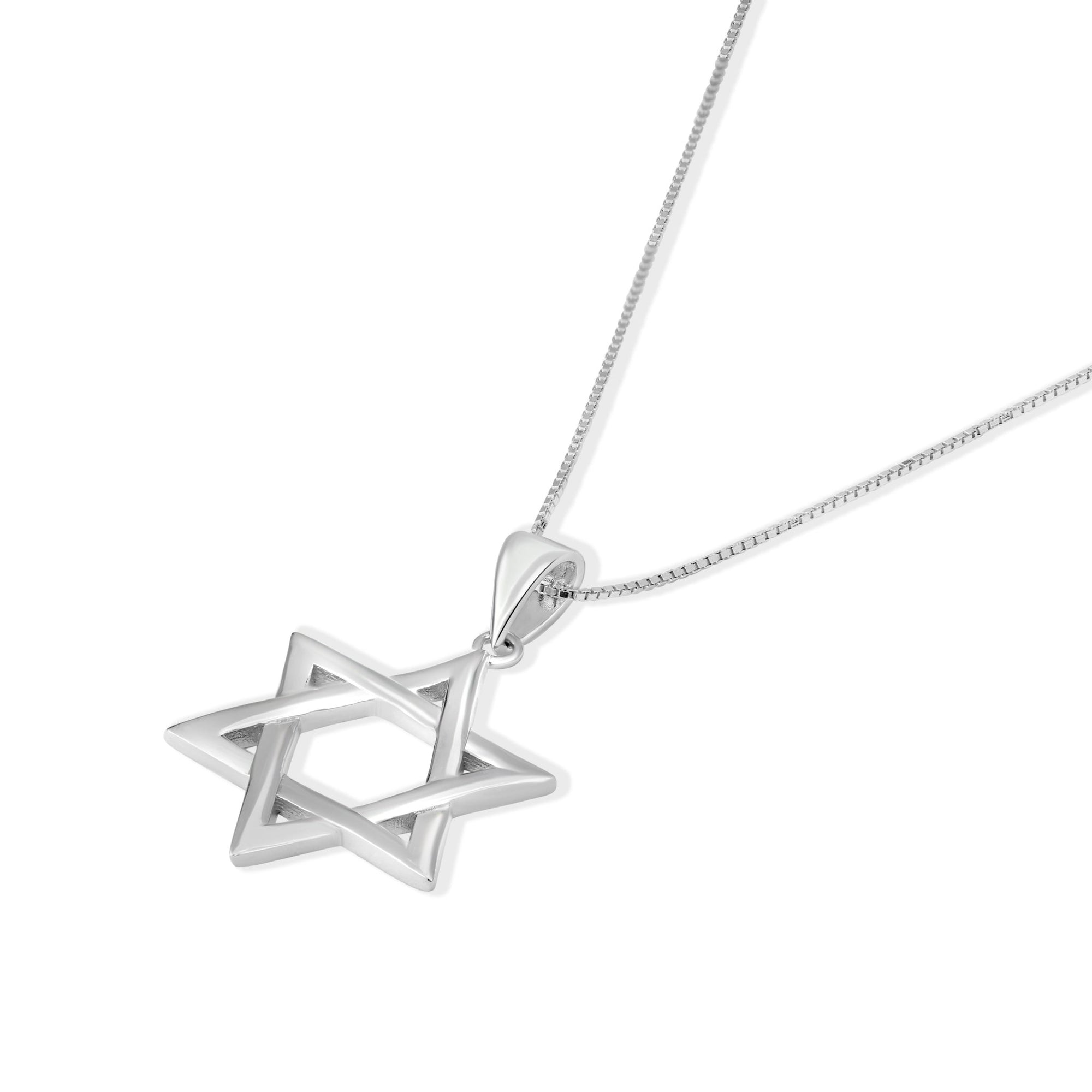
Merchandise inspired by Jewish holidays and Israeli symbols plays a vital role in strengthening pride and heritage among the global Jewish community. Items like menorahs, dreidels, and Star of David jewelry allow individuals to showcase their identity. Israeli-themed apparel featuring icons such as Mossad, the Lion of Judah, and Jerusalem reflect solidarity with the Holy Land while supporting cultural expression.
Connection between holiday traditions and consumer products
Traditions are thoughtfully linked to consumer products that help families and communities engage more deeply with the holidays. Beyond practical use, luxury menorahs, Hanukkah-themed pajamas, and decorative items serve not only as symbols but also bring joy and meaning to celebrations. These products bridge ancient rituals and modern lifestyle, nurturing Jewish heritage and supporting expressions of unity, especially within the diaspora.
Historical Evolution of Jewish Holiday Merchandising in America
How has Jewish holiday merchandising evolved historically in America?
Jewish holiday merchandising in America has seen a fascinating transformation, closely tied to cultural shifts and immigrant experiences. In the mid-19th century, German Jewish immigrants often prioritized Christmas celebrations to align with American customs, which resulted in Hanukkah being a more subdued, home-centered holiday (German Jewish immigrants and Christmas).
By the 1920s, however, Hanukkah became more publicly celebrated. This period saw a rise in holiday parties, storytelling, and the introduction of gift-giving—such as toys, games, and Hanukkah gelt—designed to help children and new Jewish immigrants connect with their heritage. Advertisements for Hanukkah-specific products appeared frequently in Yiddish newspapers, promoting goods ranging from personal care items to traditional latke ingredients (1920s Hanukkah parties and gift-giving, Advertising Hanukkah products in Yiddish newspapers.
Following World War II, the founding of Israel sparked a renewed emphasis on Israeli identity within Jewish holiday merchandise. Products began featuring Israeli flags, maps, and symbols, reinforcing cultural and political pride among the American Jewish community (Post-WWII Israeli nationalism in Hanukkah merchandise.
Television's arrival in the mid-20th century played a crucial role in popularizing Hanukkah. Televised programs and commercials, like those sponsored by Maxwell House, brought Jewish holiday traditions into American living rooms, boosting demand for Hanukkah-themed decorations and gifts (Television's impact on Hanukkah awareness, Maxwell House Hanukkah advertisements.
Today, the legacy of these developments continues as Jewish holiday merchandising blends tradition, cultural pride, and contemporary style, helping communities across the U.S. celebrate their rich heritage with increased visibility and accessibility (Hanukkah merchandise market growth, Hanukkah and Christmas shared celebrations).
The Modern Expansion and Commercial Trends in Hanukkah Merchandise
What recent trends have expanded the Hanukkah merchandise market?
In recent years, the Hanukkah merchandise market growth has seen a remarkable expansion largely driven by increased visibility in major U.S. retailers. Stores like Target's Hanukkah collections and Walmart now dedicate entire aisles to Hanukkah products that include menorahs, themed tableware, home decor, and novelty gifts. This growth reflects not only a stronger Jewish cultural presence but also the influence of a broader audience beyond the Jewish community.
One significant factor contributing to this expansion is the rising number of interfaith families celebrating Hanukkah alongside Christmas. As a result, products have been thoughtfully designed to cater to diverse households, promoting family togetherness during the holiday season.
To enhance the cultural relevance and sensitivity of these items, retailers collaborate closely with Jewish employees and advisory groups. Jewish artists, such as Jewish artist Justina Blakeney Hanukkah items, have been instrumental in creating unique, creative, and respectful designs that resonate with consumers.
However, with the surge in Hanukkah merchandise comes an ongoing community conversation about the commercialization and environmental impact of mass-produced products. Critics point to concerns about fast-fashion Judaica, often produced cheaply overseas, which may undermine cultural authenticity and contribute to ecological harm.
Despite these challenges, the increased presence of Hanukkah products in mainstream retail not only boosts Jewish representation but also fosters pride and inclusivity. This phenomenon marks a modern chapter in how Jewish heritage and holiday traditions are celebrated through creative merchandise in the United States.
Jewish Symbolism and Israeli Pride in Holiday Merchandise

How do Jewish and Israeli symbols influence holiday merchandising?
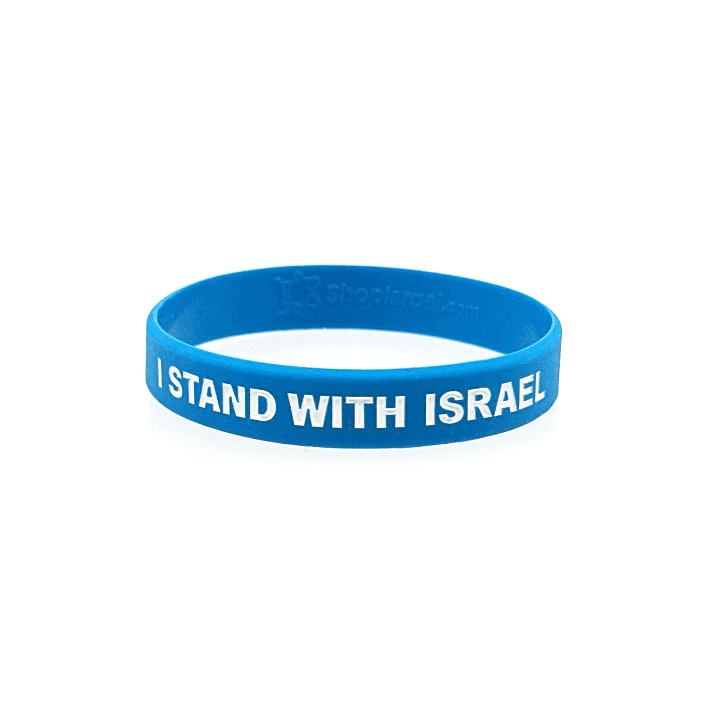
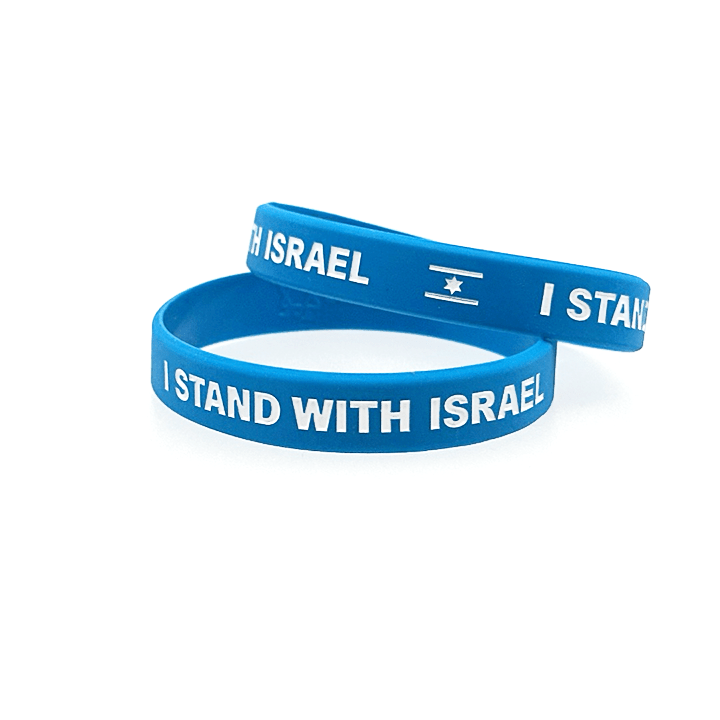
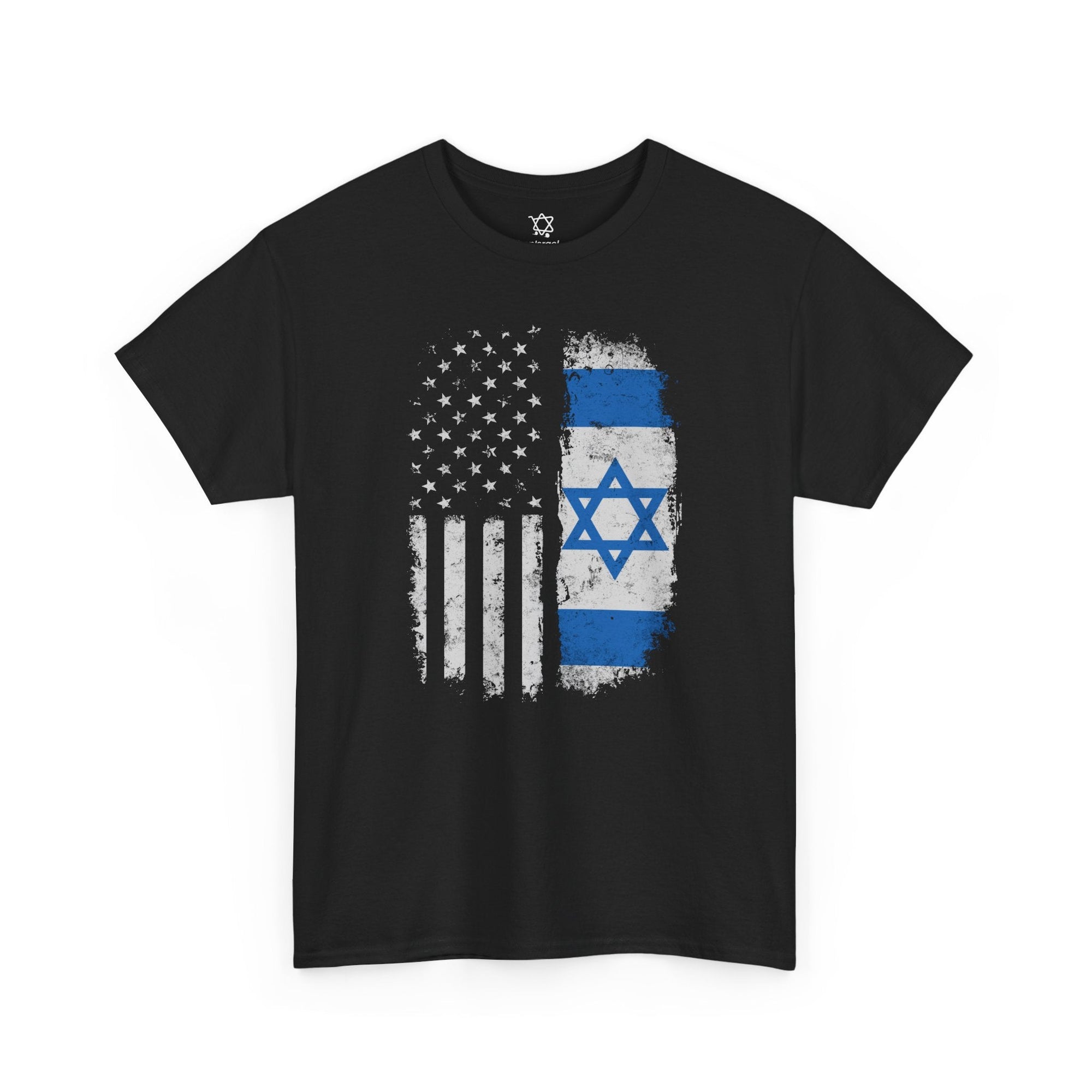
Jewish and Israeli symbols play a vital role in holiday merchandise, serving as vibrant expressions of cultural identity and national pride. Icons such as the Star of David, menorahs, Jerusalem imagery, and Israeli flags are commonly featured on a wide range of apparel, jewelry, and gift items. For example, menorah-themed decor and Hanukkah tableware help deepen the festive spirit while reinforcing Jewish heritage. (Jewish gifts, Hanukkah themed dinner plates)
Popularity of Mossad and IDF-themed clothing
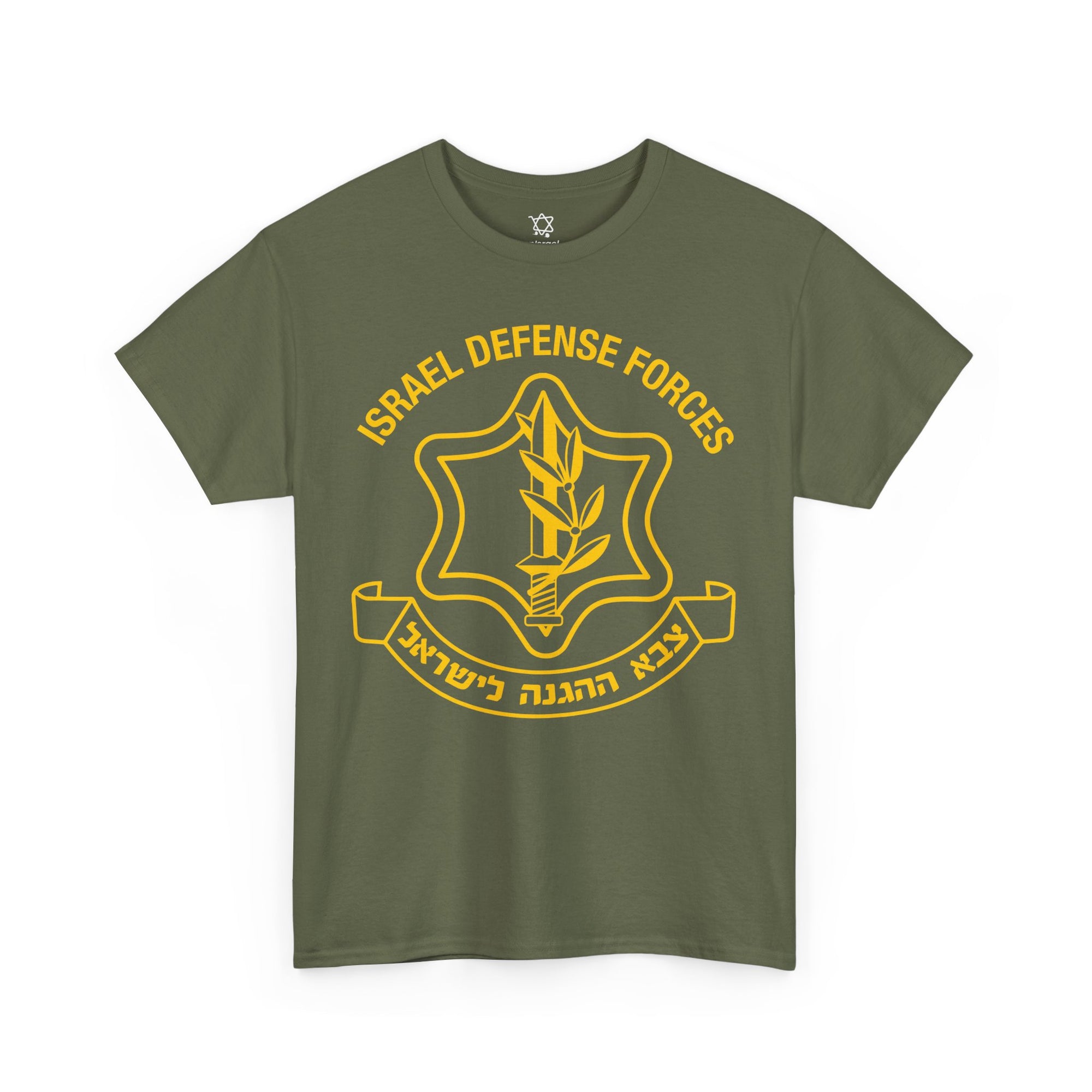
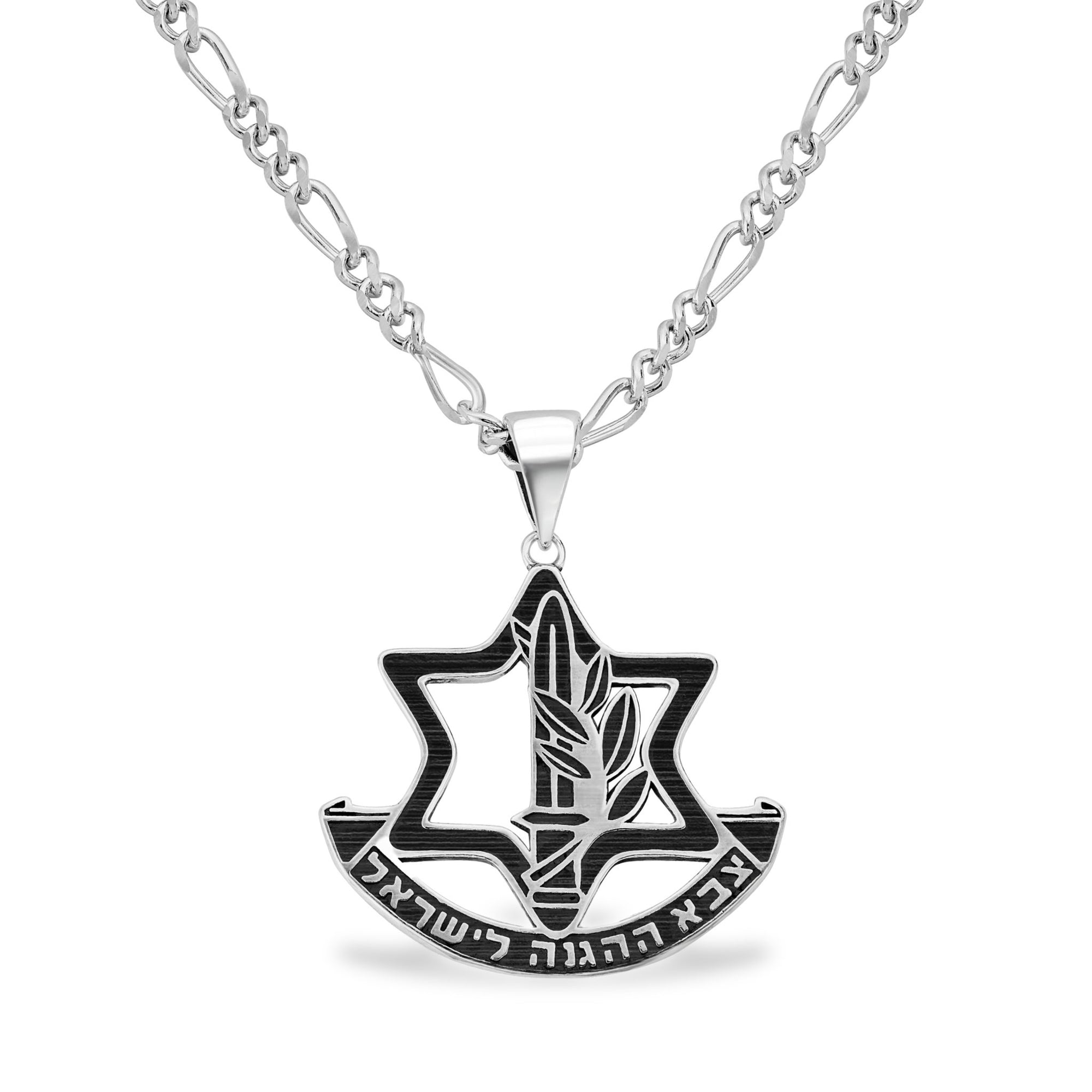
Mossad and IDF-themed apparel have risen in popularity beyond mere fashion statements. These designs symbolize strength, resilience, and admiration for Israel's history and security forces. Mossad T-shirts, known for their high-quality materials and detailed craftsmanship, stand as timeless symbols of Israel's heroic legacy. Similarly, IDF insignias and special forces badges appear on shirts and hoodies, allowing wearers to show solidarity with Israel’s defense institutions, especially during Jewish holidays and national celebrations. (Israel shirts and hoodies)
Cultural narratives embedded through design
Merchandise featuring Jewish and Israeli symbols goes beyond aesthetics by weaving rich cultural narratives into everyday items. Designers collaborate closely with Jewish artists to create pieces that honor traditions and contemporary identity alike. Humor, history, and spirituality appear etched in apparel and gifts, reflecting both pride in heritage and the lived Jewish experience, enhancing connection within diaspora communities. (Jewish gifts, Jewish cultural gifts)
Authenticity and craftsmanship in Israeli-themed products
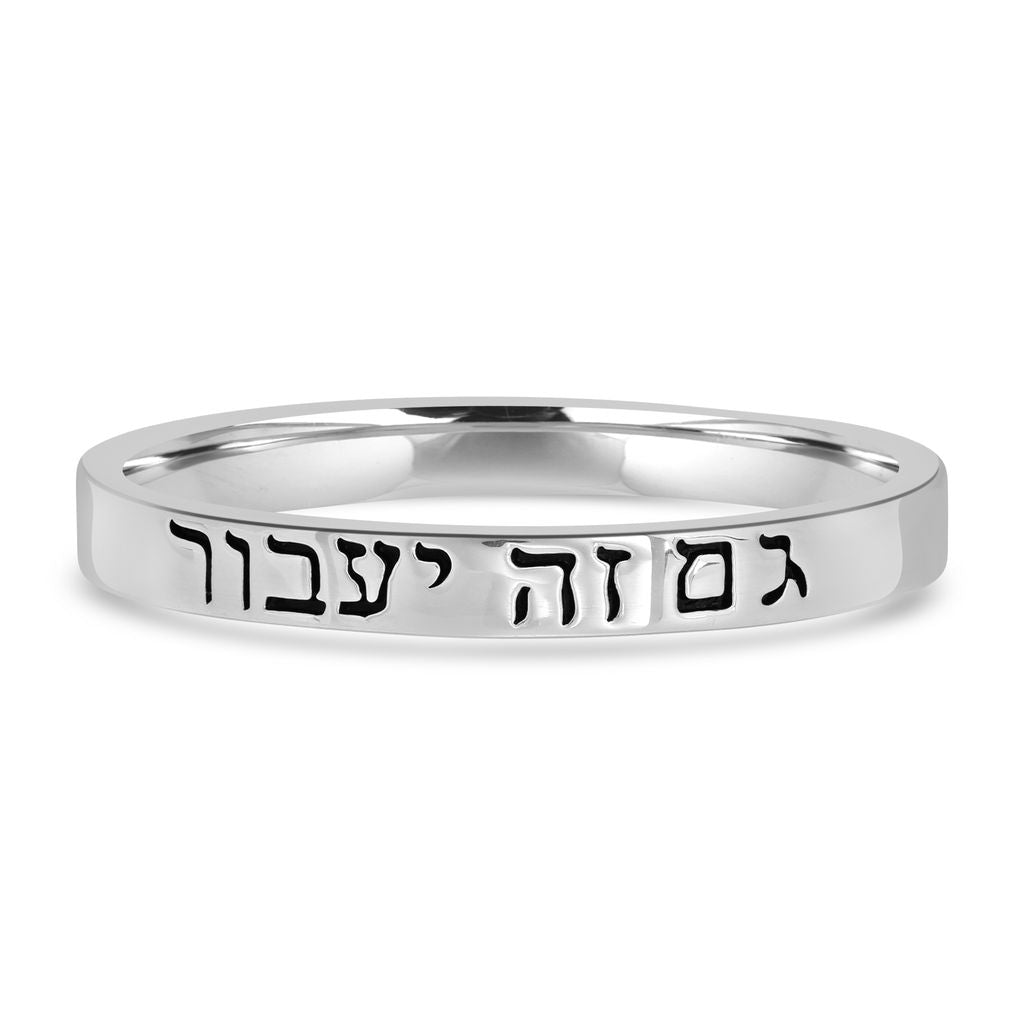
Consumers gravitate toward authentic Israeli products highlighting superior craftsmanship. Many items, from jewelry incorporating Hebrew names to luxury mezuzah cases and heirloom-quality Judaica, emphasize quality and tradition. This authenticity assures buyers that their purchases carry meaningful cultural significance, making these products cherished memorabilia and thoughtful holiday gifts. (Jewish gifts, mezuzah cases
Through the fusion of iconic symbols, meaningful storytelling, and artisanal quality, Jewish and Israeli-themed holiday merchandise continues to inspire pride and unity among Jewish communities across the United States and around the world.
Diverse Jewish Holiday Merchandising Beyond Hanukkah
What kinds of merchandise are featured for Jewish holidays besides Hanukkah?
Jewish holiday merchandising extends far beyond Hanukkah, encompassing a wide variety of products for other significant celebrations like Passover and Rosh Hashanah. For Passover, there has been a recent trend toward comfortable, casual clothing such as matzah pajamas designed by Rabbi Yael Buechler. These pajamas combine tradition with modern comfort, resonating with families that prefer a relaxed holiday atmosphere.
Rosh Hashanah merchandise often highlights the holiday’s symbols of prosperity and sweetness. Items like honey pots crafted from luxurious materials, decorative pomegranates representing the 613 commandments, and elegant tableware elevate the festive meals and home settings, blending meaningful tradition with style.
Luxury Judaica also plays a prominent role in enhancing Jewish celebrations. Designer menorahs, crystal mezuzahs, and exquisite dreidel charms infuse holiday decor with artistry and cultural significance. These pieces often serve as heirlooms or statement items, marrying heritage and contemporary design to enrich the holiday experience.
Together, these trends show how Jewish holiday merchandise honors deep-rooted customs while embracing creativity, comfort, and sophistication, helping families celebrate with pride and joy throughout the year.
The Role of E-commerce and Social Media in Promoting Jewish and Israeli Merchandise
How do e-commerce and social media impact Jewish holiday and Israeli merchandise?
The rise of e-commerce has significantly transformed how Jewish and Israeli merchandise reaches consumers worldwide. Many Judaica web stores operate online, offering authentic Israeli products, ranging from Star of David necklaces to handcrafted menorahs, with global shipping directly from Israel. This accessibility ensures that diaspora communities can connect with their heritage through genuine articles, enhancing the value and cultural significance of purchases.
Social media platforms amplify this reach by enabling influencers and Jewish community leaders to showcase seasonal items, such as Hanukkah-themed apparel, décor, and gifts. Their promotion fosters a sense of pride and inclusion, engaging both Jewish and non-Jewish consumers who celebrate Hanukkah, particularly in interfaith families. Retailers have responded by collaborating with Jewish artists and advisors to develop culturally sensitive collections available on mainstream platforms.
Storytelling plays a pivotal role in linking merchandise with cultural education. For example, Rabbi Yael Buechler designs Hanukkah pajamas and nail decals that incorporate Jewish symbols and narratives, helping wearers embody and celebrate their identity creatively. Such efforts help consumers go beyond simple decoration or gifting; they become participants in preserving and transmitting Jewish traditions.
Together, e-commerce and social media form a modern, interconnected system that not only makes Jewish and Israeli merchandise widely available but also enriches the cultural experience tied to each item. This fusion of commerce and storytelling supports community solidarity and a vibrant expression of Jewish heritage in today's digital age.
Balancing Tradition, Identity, and Commercialization in Jewish Holiday Merchandising
What challenges arise from the commercialization of Jewish holiday merchandise?
The growing commercialization of Jewish holiday merchandise offers both opportunities and challenges. On one hand, it helps promote Jewish heritage, Israeli pride, and cultural visibility.
However, commercialization often brings risks of cultural dilution. Mass-produced, fast-fashion Judaica items—mostly made overseas—may sacrifice authenticity and quality. This can lead to concerns about the erosion of meaningful traditions.
Environmental impact is another key issue. Fast fashion's waste and resource consumption clash with values of sustainability many in the Jewish community uphold.
How do communities view fast fashion and environmental concerns?
Some Jewish consumers and leaders urge mindful purchasing and supporting artisans who create culturally resonant, durable products. There is a growing call for prioritizing environmental stewardship alongside cultural integrity.
How does cultural pride interact with consumerism?
Merchandising allows Jewish families—especially interfaith and diaspora communities—to express pride and solidarity around holidays like Hanukkah in 20th-century America. Thoughtful designs by Jewish artists ensure products remain rooted in tradition while appealing to modern families.
Why is culturally sensitive and meaningful gifting important?
Choosing gifts that respect Jewish values and reflect authentic heritage enhances holiday observance beyond materialism. Meaningful presents foster connection to faith and culture, supporting traditions that transcend commercial trends.
Jewish holiday merchandising must balance market trends with preserving the spiritual essence of celebrations. This harmony ensures the vibrancy of Jewish identity in an evolving cultural landscape.
Conclusion: The Future of Jewish and Israeli Holiday Merchandising
Embracing Tradition and Innovation
Jewish and Israeli holiday merchandising continues to thrive, blending rich cultural heritage with modern consumer trends. From luxury Judaica like designer menorahs and crystal mezuzahs to playful Hanukkah pajamas and nail art, the market reflects a dynamic intersection of tradition and creativity.
Expanding Inclusivity and Authenticity
The increasing prevalence of Hanukkah and Israeli-themed products in major retailers highlights a growing commitment to inclusive, culturally respectful merchandise. Collaborations with Jewish artists and advisory groups ensure authenticity while welcoming diverse celebrations, especially amid rising interfaith family observances.
Cultural Significance and Community Pride
Merchandise featuring powerful symbols such as the Star of David, Jerusalem landscapes, and Mossad insignias empowers diasporic communities to express pride and solidarity. These items serve not just as gifts or decor but as tangible connections to Jewish history, resilience, and the State of Israel.
Prospects for the Future
Looking ahead, the Jewish and Israeli holiday market is poised to balance respect for time-honored rituals with innovation in design and presentation. This evolving commerce supports vibrant cultural expression while fostering unity, making holiday celebrations more meaningful for generations to come.