

Introduction to Peace-Driven Zionist Fashion
A Bold Expression of Identity and Advocacy
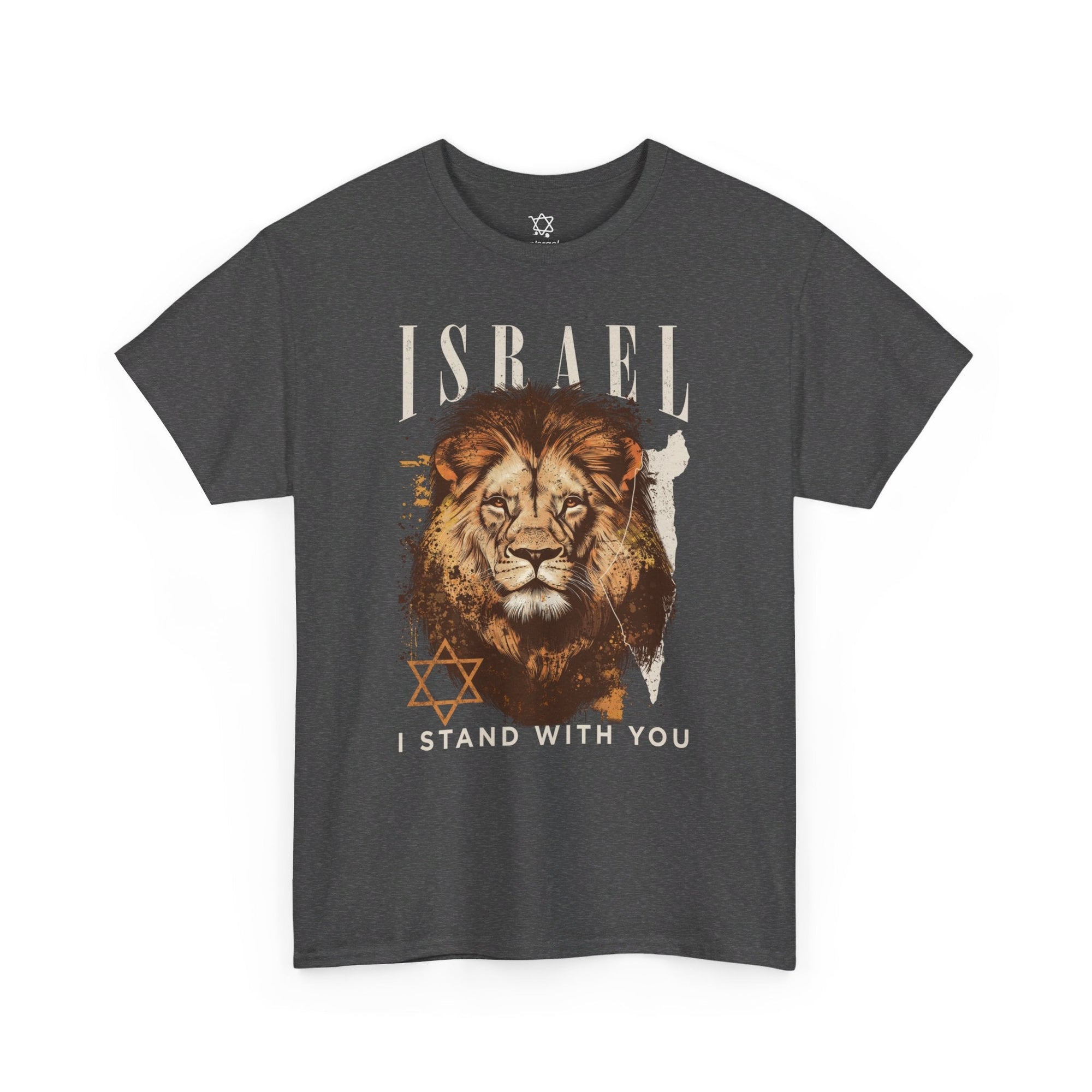
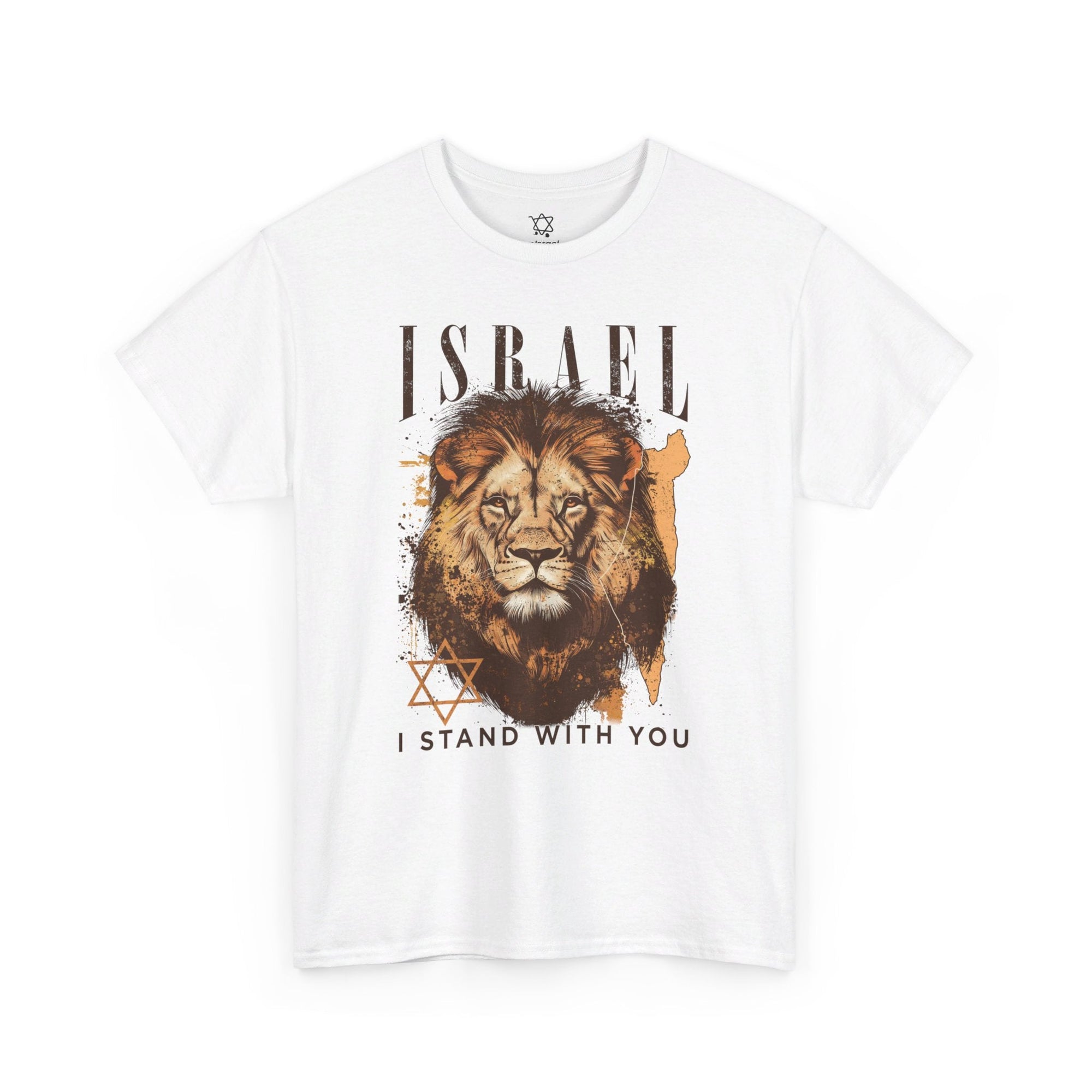
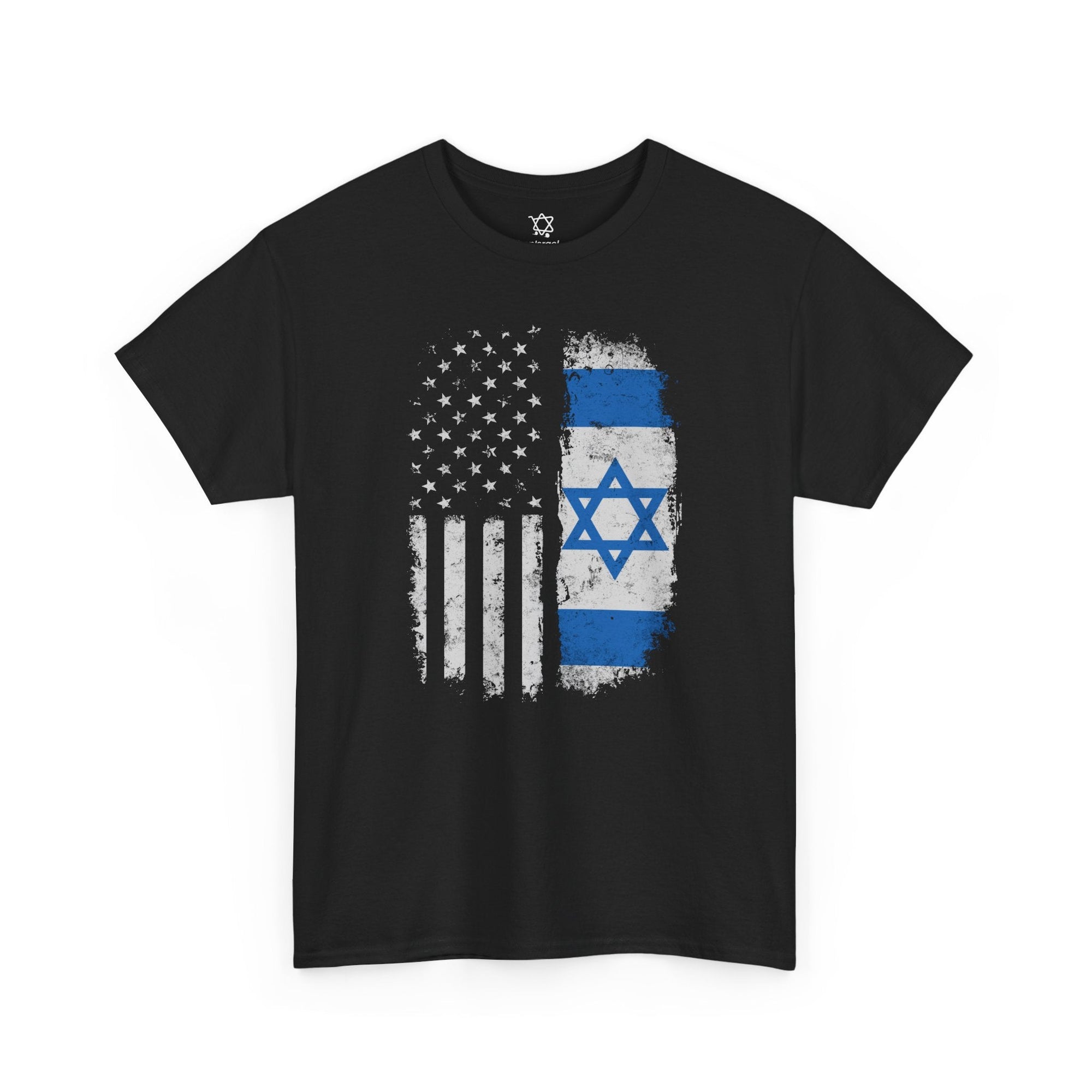
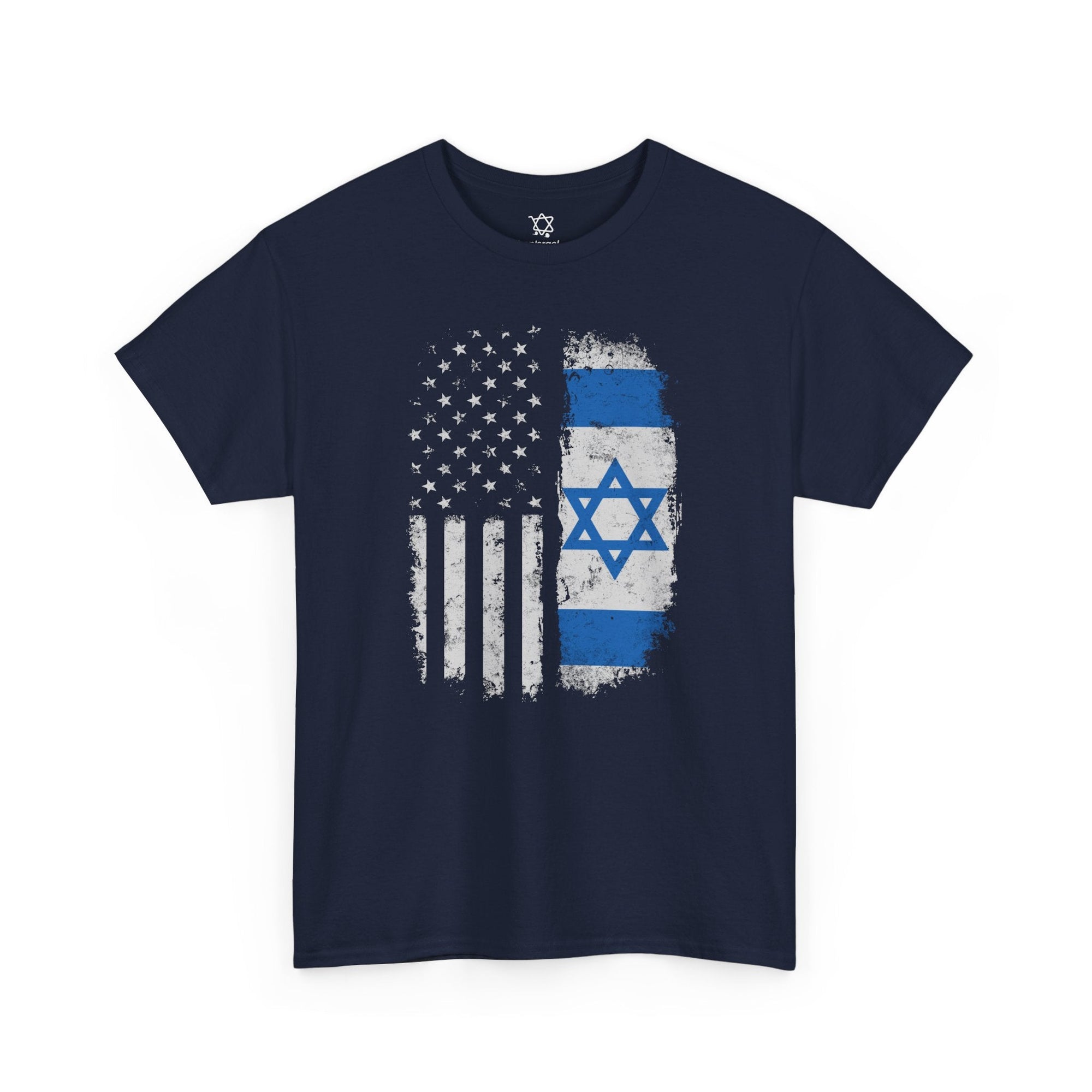
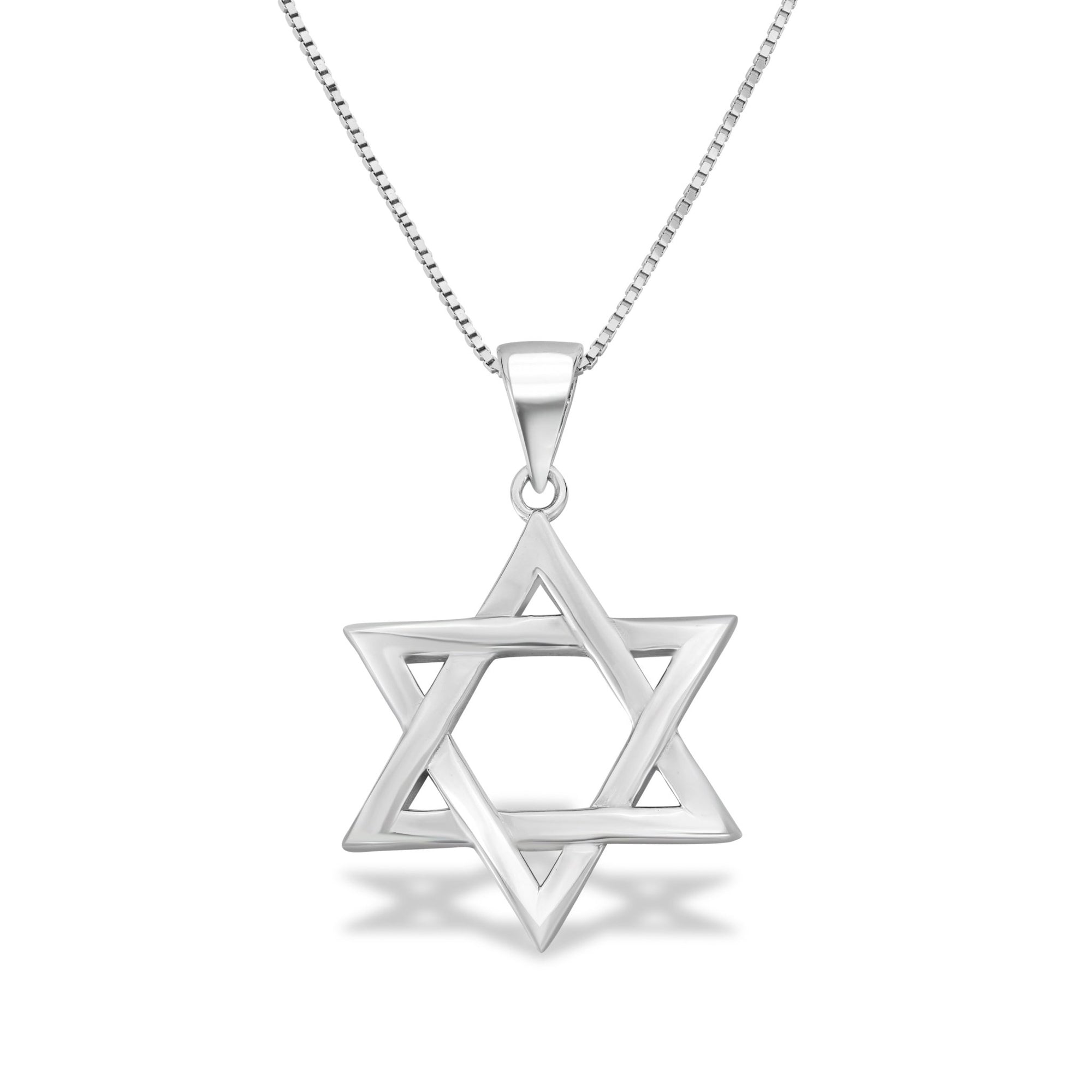
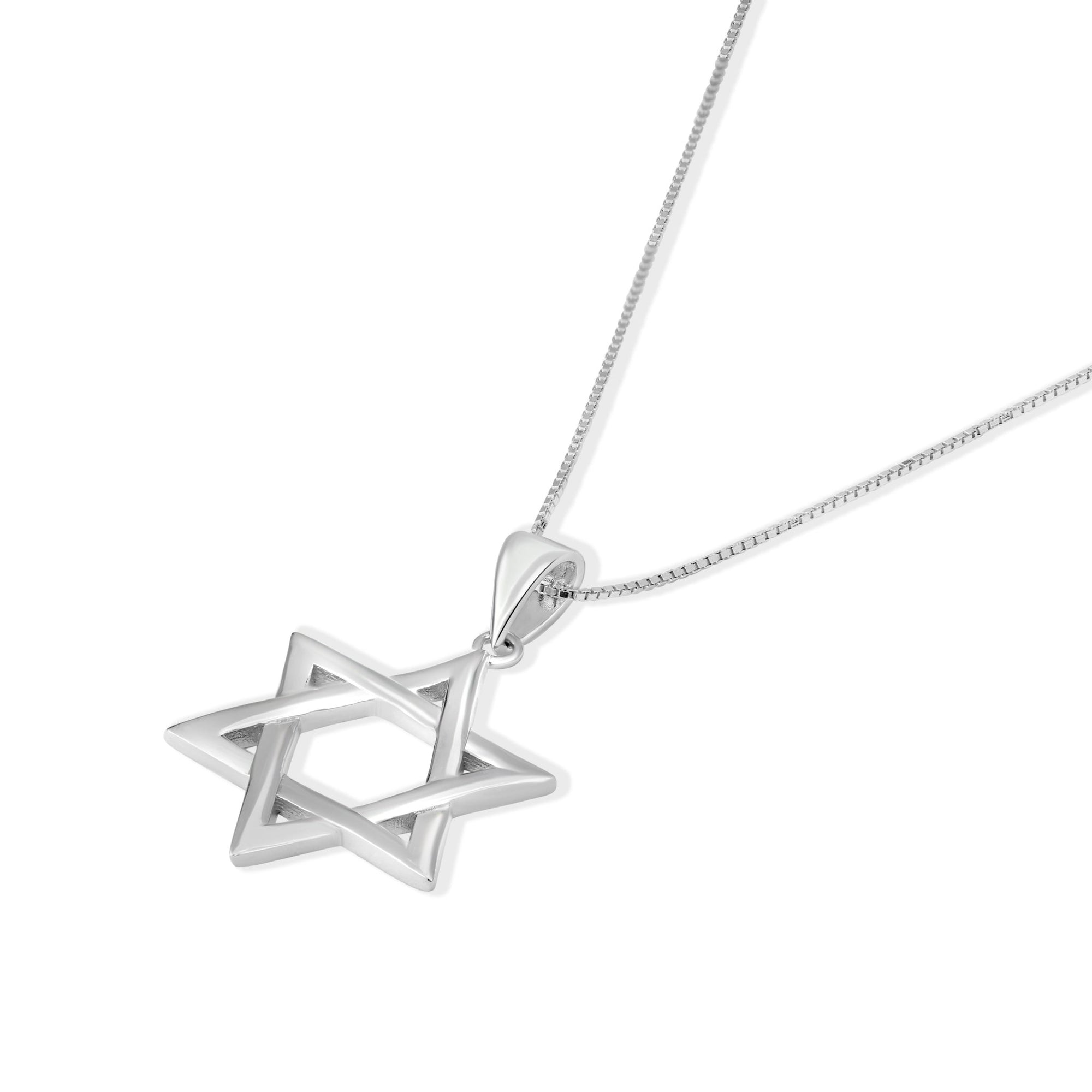
Zionist-themed clothing has evolved into a vibrant cultural expression, intertwining heritage and modern identity. Through apparel, wearers proudly display their connection to Israel and Jewish tradition, proclaiming slogans like "Am Yisrael Chai" and symbols such as the Star of David that embody national pride.
The Emergence of Socio-Political Statements in Fashion
Pioneers like Nili Lotan have pioneered socio-political messaging by weaving powerful visuals—ranging from symbols of peace to protest imagery—into refined fashion pieces. Her collections emphasize thought-provoking themes addressing conflict, peace, and resilience, transforming clothing into a platform for awareness.
Fashion as a Vessel for Culture and Peace
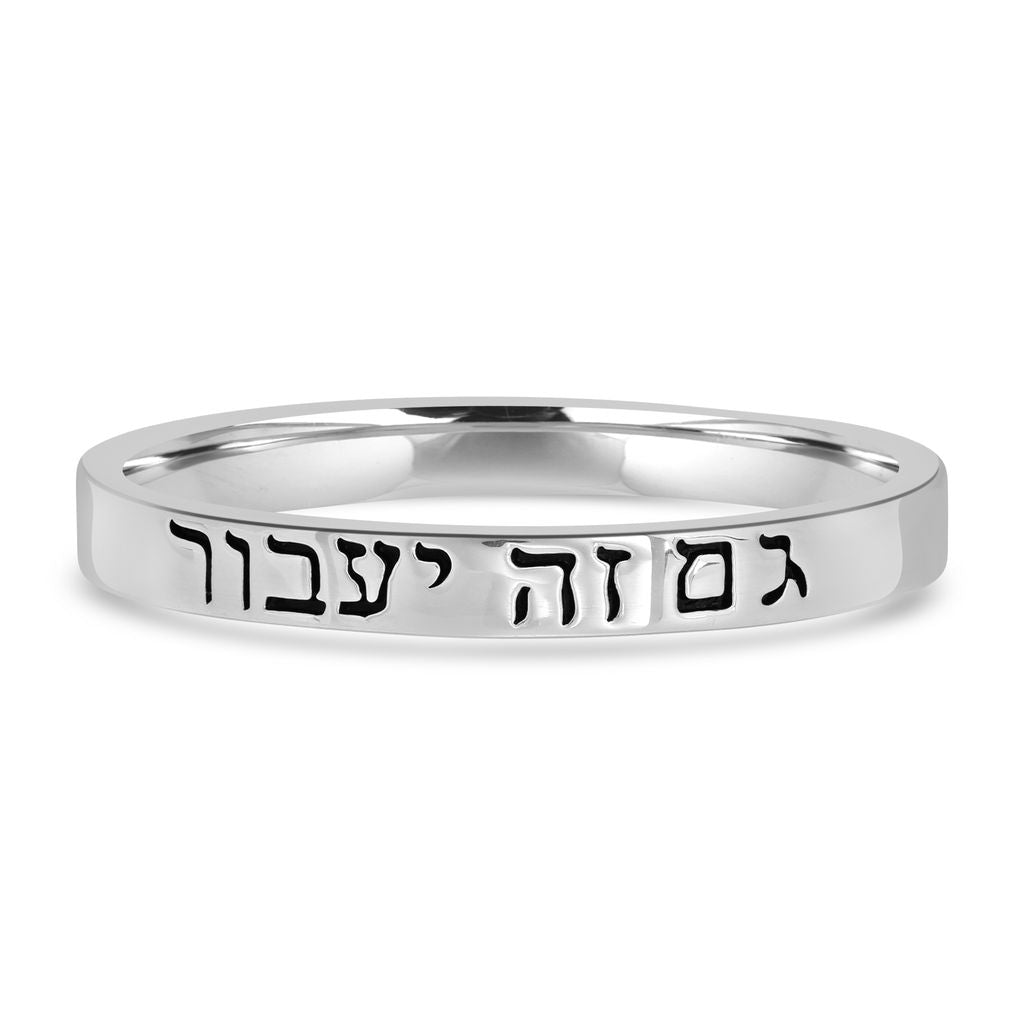
From artisan jewelry on platforms like JewBelong to traditional garments like kittels, Israeli fashion champions cultural heritage and community solidarity. Supporting Israeli designers and artisans helps promote peace advocacy while celebrating Israel’s rich mosaic of artistry and patriotic values through every stitch and design.
The Role of Israeli Clothing Brands in Promoting Pride and Peace
What are some popular Israeli clothing brands?
Popular Israeli fashion brands such as Castro, Fox, and Ruti have made vibrant contributions to representing Israeli identity through fashion. Castro and Fox have been long-standing names in Israeli fashion, known for their trendy, contemporary styles that resonate with both local and international audiences.
Ruti, founded in 2009, stands out by blending comfort with style, breaking away from traditional fashion constraints. This approach has allowed Ruti to create clothing that is not only fashionable but also deeply connected to Israeli cultural pride and everyday wearability.
How do these brands reflect Israeli identity and modern fashion norms?
These brands often embed motifs like the Star of David clothing designs and Hebrew words into their designs, celebrating Jewish heritage and national pride. The use of such symbols transforms clothing into a form of expression, empowering wearers to openly display their connection to Israel and its culture.
Moreover, designers incorporate peace symbolism subtly, reflecting Israel’s hope for harmony amid complexities. This fusion of cultural and peace imagery provides powerful statements without compromising on style.
How is comfort integrated with style in Israeli fashion?
Israeli designers understand the importance of versatility, creating pieces that suit both everyday life and special occasions. The integration of comfort ensures that fashion is accessible to a wider audience, including the global Jewish diaspora seeking meaningful apparel that connects them to their roots.
What motifs are commonly used to signify pride?
Common motifs include the Star of David clothing designs, Menorah symbol apparel, pomegranates, and Hebrew inscriptions—each holding rich cultural and religious significance. These designs celebrate Israeli heritage and foster unity by visually reaffirming one’s identity and solidarity with the Jewish people.
In essence, Israeli clothing brands play a vital role in promoting cultural pride and peaceful expression, blending tradition with modern fashion to reach hearts across the world.
Designer Voices: Socio-Political Statements Through Apparel
How Has Nili Lotan fashion designer Used Fashion as a Medium for Protest?
Nili Lotan fashion designer, an Israeli-born designer based in New York, has uniquely combined fashion with activism since 2006. Inspired by her experiences during the 2006 Lebanon War inspiration and her Israeli society upbringing, she channels Socio-political imagery in fashion messages into her collections. Her use of apparel as a protest medium pushes the boundaries of traditional fashion, Provoking thought through apparel and sparking thoughtful debate among wearers and observers alike.
What Is the Symbolism Behind Lotan’s Silk Dresses Featuring Printed Guns?
Among Lotan's striking works are Silk dresses with printed guns, explicitly critiquing Protest violence and war clothing. Released in 2006, these pieces reflect the harsh realities faced by Israelis during conflicts. The juxtaposition of luxury fabric and violent imagery evokes a powerful call for peace and awareness, effectively communicating a plea against the brutal impact of warfare on society.
How Do Designers Embed Political Narratives Without Expressing Personal Bias?
Lotan approaches her collections as catalysts for reflection rather than direct personal statements. By using universal symbols such as the Berlin Wall political imagery and Woodstock in fashion designs alongside Israeli themes, she encourages viewers to consider the broader socio-political landscape. This technique transforms fashion into a platform for dialogue rather than one of singular opinion.
What Is the Impact of Donating Proceeds to Victims of Conflict?
Donations to conflict victims from Lotan’s politically charged collections are directed towards supporting victims affected by regional conflicts, particularly related to Israel. This philanthropic dimension reinforces the message behind her designs, linking creative expression with tangible humanitarian aid. It resonates strongly with those seeking to express solidarity and pride in Israeli resilience through meaningful apparel choices.
Jewish Identity, Tradition, and Modern Fashion Fusion
Traditional Jewish Clothing as Identity Markers
Jewish tradition holds a deep connection to specific garments that symbolize faith and cultural identity. Among these, the kittel stands out as a white robe worn by observant Jewish men during solemn occasions such as Yom Kippur and weddings, embodying purity and reverence. Head coverings, including caps and scarves, serve as signs of respect and religious adherence. Women's head coverings and baby onesies further reinforce Jewish values and heritage, often featuring Hebrew lettering or symbolic designs that strengthen community ties.
Modern Apparel Integrating Jewish Symbols and Slogans
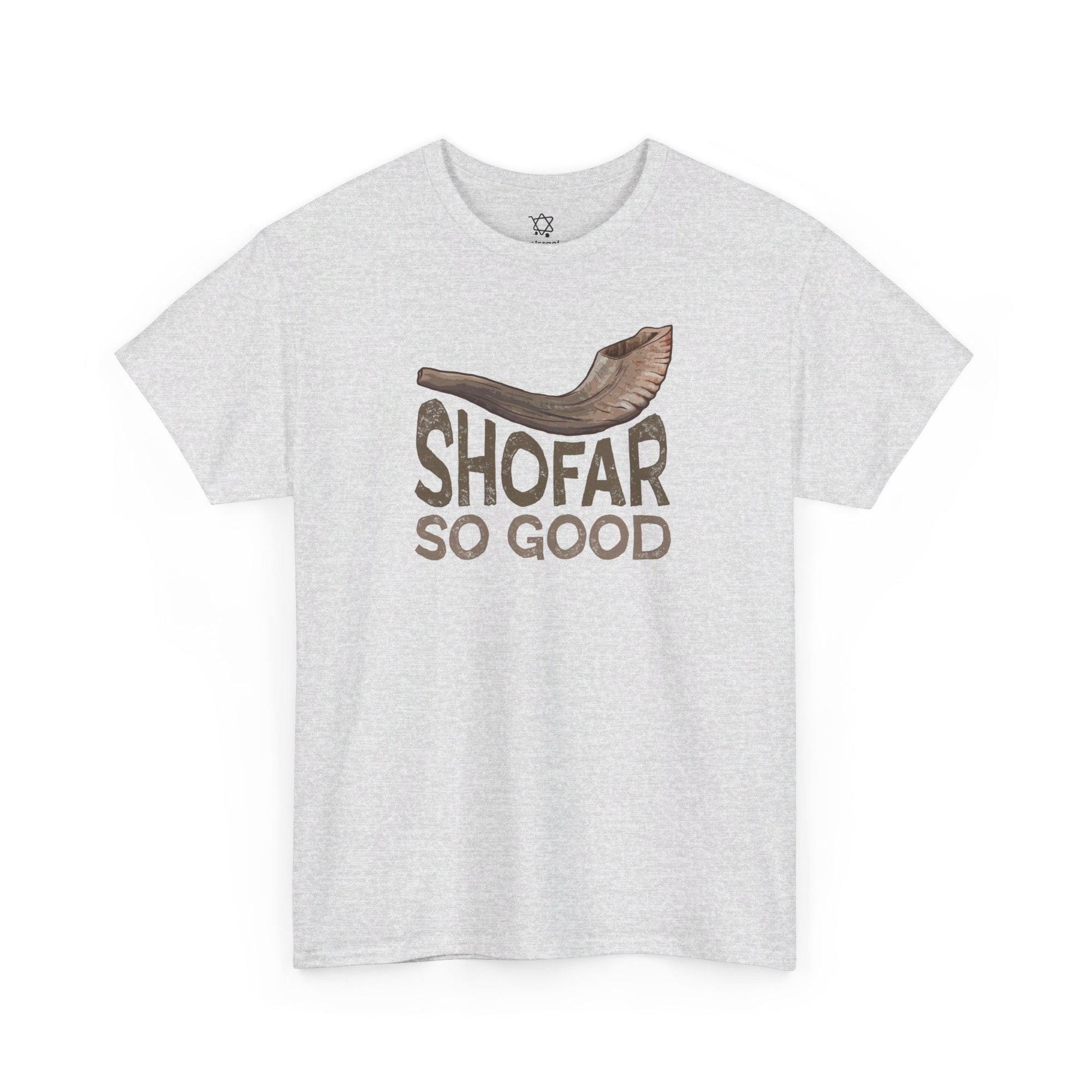
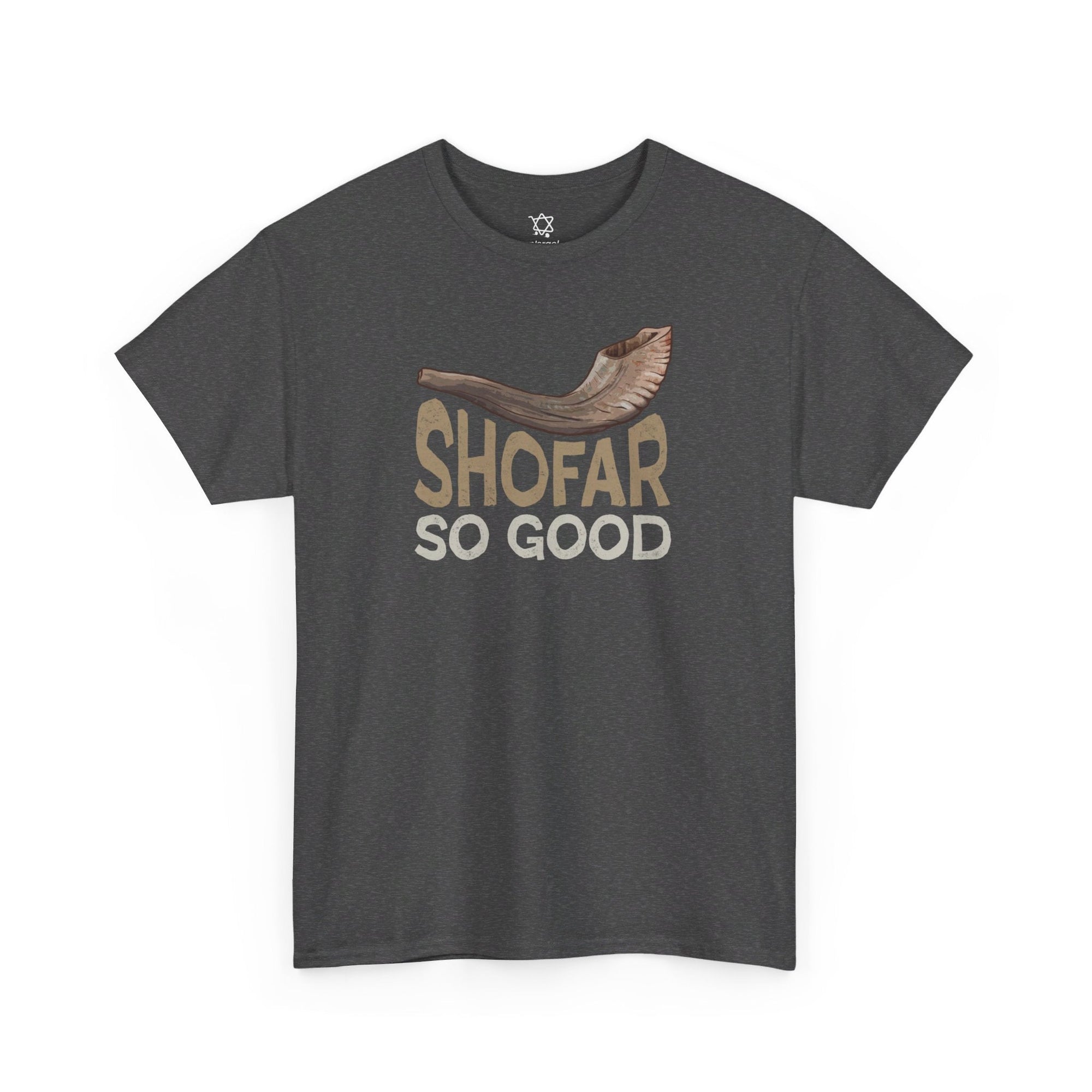
In contemporary fashion, clothing has become a vibrant channel for expressing Jewish pride and spirituality. Popular items such as T-shirts printed with slogans like 'Am Yisrael Chai' (The People of Israel Live) or apparel featuring Jerusalem motifs allow wearers to publicly declare their connection to Jewish history and identity. Symbols such as the Star of David, Menorah, and names of God often appear on modern designs, merging traditional iconography with stylish, everyday wear.
Significance of Emblazoned T-shirts and Iconic Motifs
T-shirts that proclaim ‘Am Yisrael Chai’ are especially meaningful within diaspora communities, including those in the United States, where they become rallying symbols of solidarity and Jewish resilience. Apparel decorated with Jerusalem's landmarks and pomegranate patterns connects wearers not only to the land but to a shared cultural narrative. These pieces, available for men, women, and children alike, make cultural pride accessible and visible through fashion.
Jewish American Designers: Bridging Heritage and Style
Jewish American fashion designers have played an influential role in shaping both mainstream fashion and cultural representation. Luminaries such as Iris Apfel, founder of Old World Weavers; Max Azria, founder of BCBG Max Azria; David Beckerman, founder of Starter Corp; and Stacey Bendet of Alice + Olivia have infused their work with a subtle homage to Jewish heritage. Their brands often reflect values tied to Jewish identity, bringing cultural depth to contemporary apparel and supporting a broader narrative of embracing tradition while innovating in fashion.
Overview Table of Jewish Clothing and Symbolism
| Element | Description | Cultural Role |
|---|---|---|
| Kittel | White robe for solemn occasions | Religious purity and tradition |
| Head Coverings | Caps, scarves worn by men and women | Respect, modesty, identity |
| T-shirts with Slogans | 'Am Yisrael Chai,' 'Israel Est 1273 BCE' | Public pride and solidarity |
| Jerusalem Motifs | Designs featuring landmarks, pomegranates | Connection to heritage and land |
| Jewish American Designers | Iris Apfel, Max Azria, David Beckerman, Stacey Bendet | Fashion innovation with cultural roots |
Supporting Israeli Artisans and Peace Through Commerce
How Does JewBelong Promote Israeli Artisans and Craftsmanship?
JewBelong stands out as a vibrant platform that celebrates Israeli Art and Culture by featuring an extensive range of handmade jewelry in Israel, fashion, ceramics, and home goods. By showcasing Israeli artisans and businesses—such as Tel Aviv-based jewelry creators Artemer Studio jewelry and Danielle Gerber jewelry—it highlights the rich tapestry of Israeli craftsmanship. The platform's emphasis on both contemporary and traditional styles illustrates the dynamic cultural heritage of Israel.
What Types of Israeli Products Reflect Cultural Heritage?
JewBelong offers:
- Jewelry and fashion reflecting modern and Middle Eastern influences.
- Hand-crafted ceramics and home décor exhibiting local artistry.
- Israeli wines and spirits including kosher options like Aviv 613 Vodka and M&H Distillery whiskey.
- Artwork by prominent Israeli artists such as Natan Elkanovich NATANISM and Guy Sebbag street art.
These products serve as living expressions of Israel's diverse culture and innovative spirit.
How Do Proceeds From These Products Support Communities and Social Causes?
Purchases on JewBelong often contribute directly to community rebuilding and local charitable initiatives within Israel. For example, proceeds from ceramics and other artisan goods help fund efforts focused on social impact, strengthening bonds within Israeli society and assisting those affected by ongoing regional challenges.
In What Ways Does Supporting Israeli Brands Foster Peace and Pride Amid Regional Conflicts?
By choosing Israeli Businesses, consumers worldwide express solidarity with Israeli artisans and communities. This support goes beyond commerce; it promotes cultural pride, reaffirms Jewish identity, and fosters peaceful connections despite regional unrest. Encouraging these exchanges nurtures global understanding and commemorates Israel’s resilient heritage.
Which Clothing Brands Are Owned by Israeli Companies?
Several notable Israeli-owned brands like Castro and Fox offer stylish and affordable apparel. These brands contribute significantly to Israel's Israeli fashion brands landscape while reinforcing cultural identity and pride through their designs.
| Aspect | Example(s) | Cultural Significance |
|---|---|---|
| Jewelry & Fashion | Artemer Studio jewelry, Danielle Gerber jewelry | Represents tradition and modern Israeli design |
| Home Goods & Ceramics | Locally made artisan ceramics | Supports local craftsmen and Israeli heritage |
| Spirits & Wine | Aviv 613 Vodka, M&H Whiskey | Highlights Israel’s emerging wine & spirits industry |
| Artistic Expression | Natan Elkanovich NATANISM, Guy Sebbag street art | Showcases Israeli culture and contemporary art |
| Clothing Brands Owned by Israelis | Castro, Fox | Reinforces cultural pride and fashion identity |
The Intersection of Fashion, Peace Activism, and Ethical Manufacturing
Who founded Wear The Peace and what is its mission?
Wear The Peace, established in 2016 by Murad Nofal and Mustafa Mabruk, emerged from a personal connection to refugee experiences at the Zaatari Refugee Camp. The brand's mission is to promote peace and humanitarian awareness through ethically and eco-consciously manufactured fashion. Their apparel production is based in Chicago, ensuring ethical standards and sustainability. This commitment is well reflected in the Wear The Peace fashion brand.
How does Wear The Peace use fashion to raise awareness about global atrocities and humanitarian support?
By crafting clothing that carries messages of hope, resilience, and solidarity, Wear The Peace engages consumers in global humanitarian conversations. Profits from their collections are directed toward charitable causes focusing on refugee aid and compassionate outreach, linking fashion to meaningful activism. This aligns with the philosophy of the Wear The Peace fashion brand.
What role do clothing lines like Wear The Peace play in bridging cultural divides and delivering messages of hope?
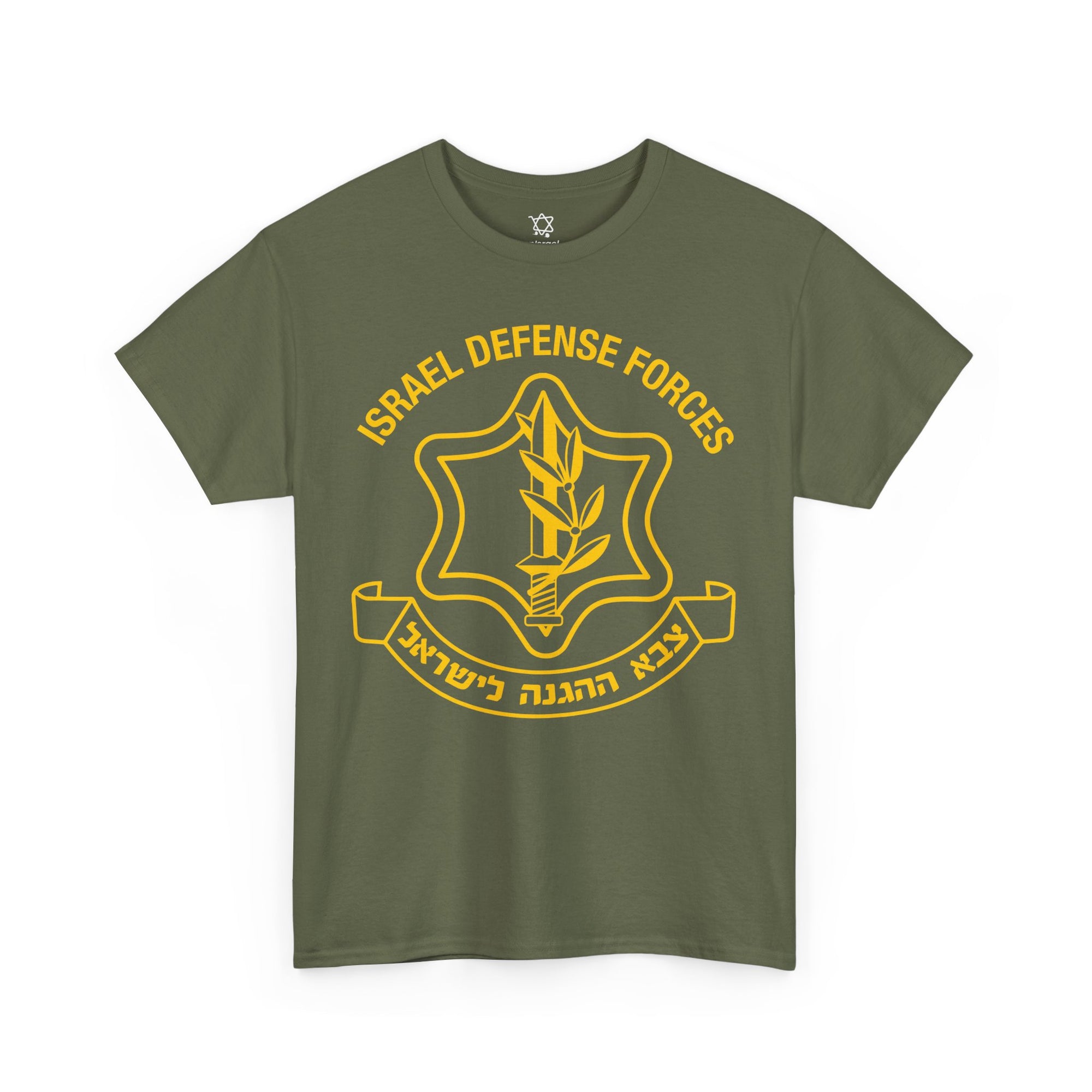
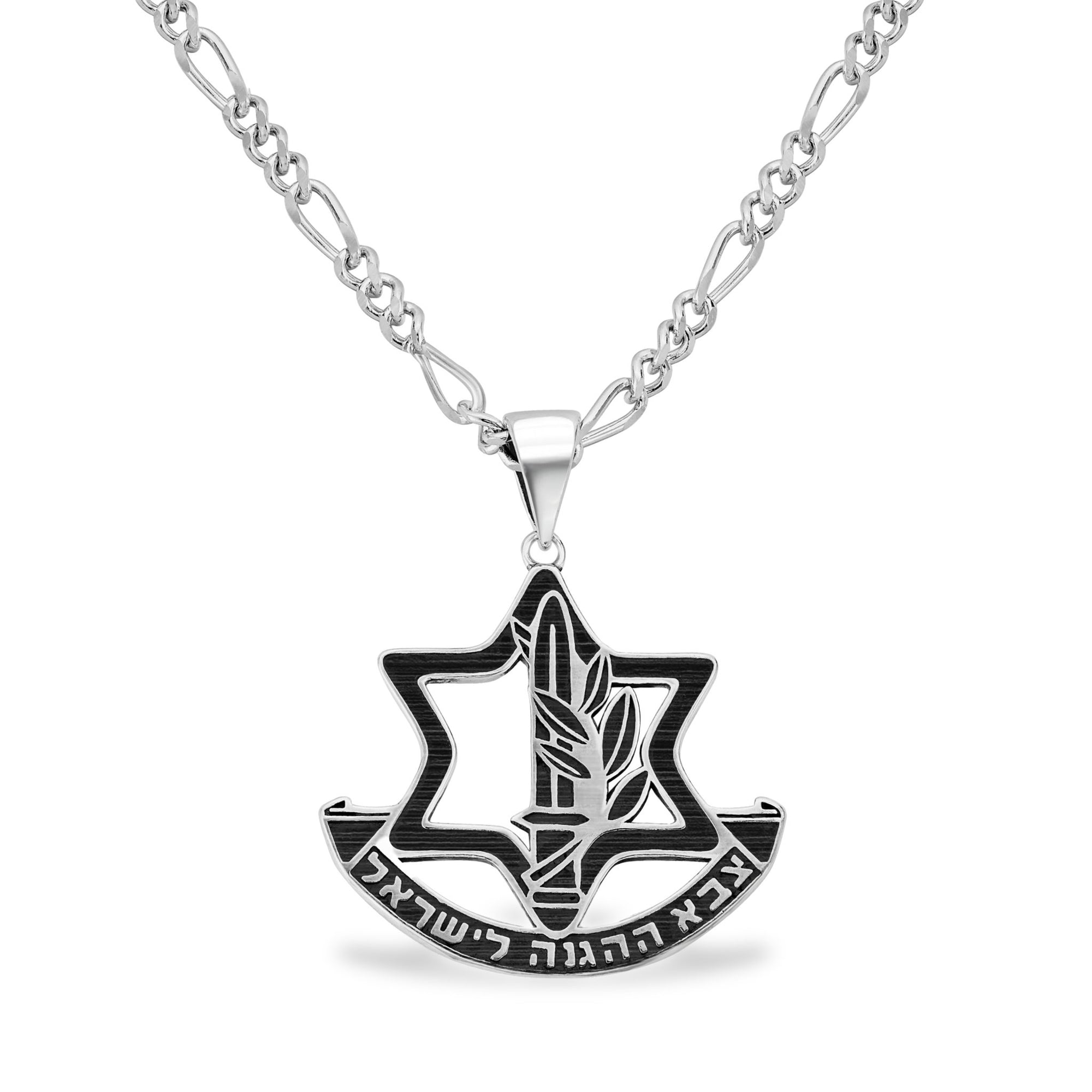
Such brands connect diverse communities by highlighting shared human values through wearable art. They empower wearers to express support for peace initiatives, foster empathy, and promote unity across cultural and national boundaries. This approach aligns with a larger trend of Israeli-themed clothing, like IDF shirts and traditional garments, which also serve as powerful symbols of identity and solidarity in global diasporas.
Cultural Considerations and Symbolism in Israeli and Jewish Fashion
What is the cultural or religious advice regarding wearing red clothing in Israel?
Traditional Jewish law has often advised modesty in dress, sometimes discouraging flashy colors like red due to their association with non-Jewish communities and concerns about drawing undue attention. However, contemporary practice varies: many modern Orthodox and secular Israelis embrace red clothing freely as part of fashion, reflecting evolving cultural norms and diminishing historical restrictions.
How is Jewish symbolism expressed in fashion?
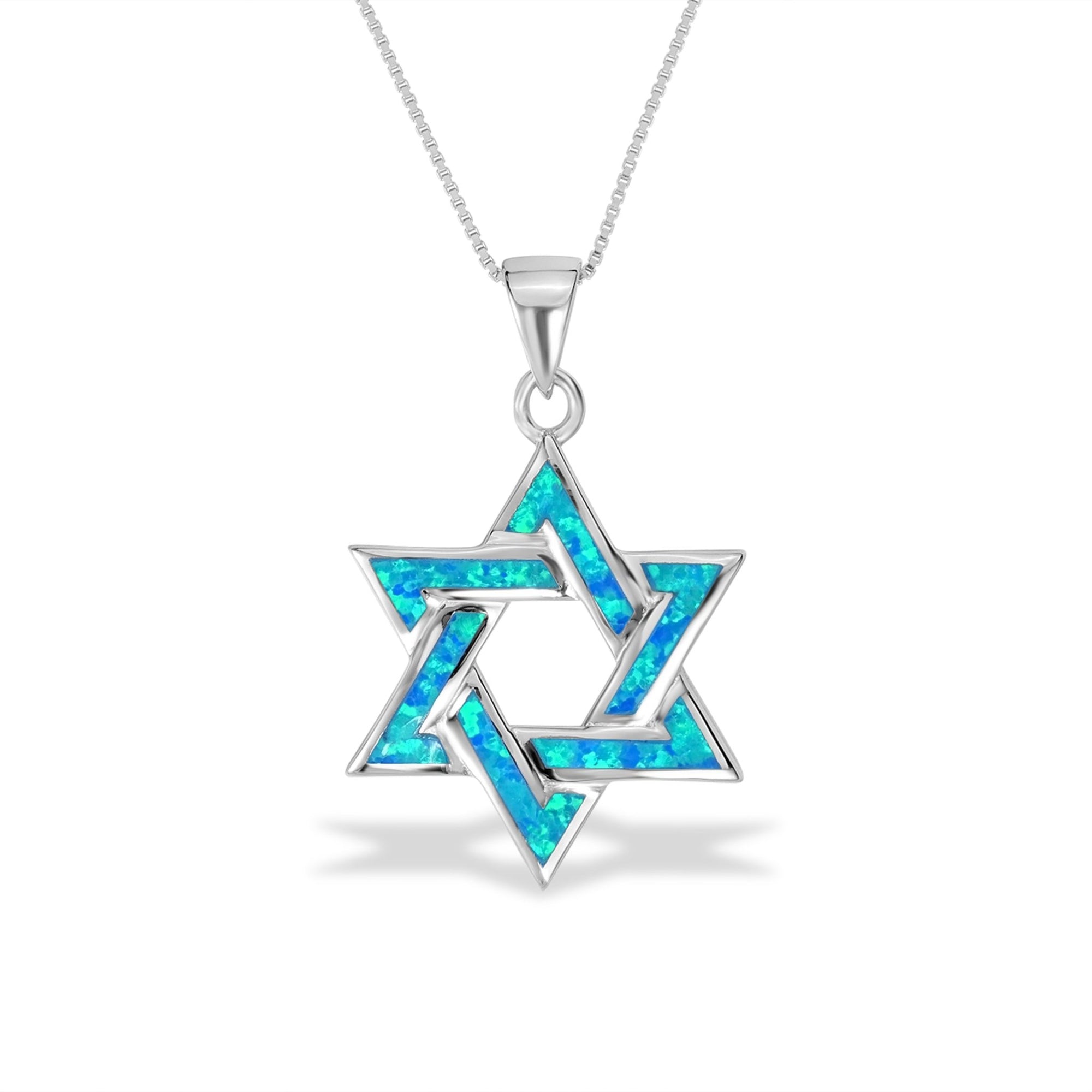
Jewish fashion beautifully incorporates meaningful symbols such as the Menorah symbol apparel, Star of David clothing designs, and Hebrew motifs, which serve as proud expressions of identity and heritage. Apparel featuring these symbols allows wearers to visually connect with their religious and national pride, from casual T-shirts emblazoned with "Am Yisrael Chai" to designer collections featuring Jerusalem-inspired patterns and pomegranates.
How do Zionist apparel designs balance modesty, tradition, and contemporary expression?
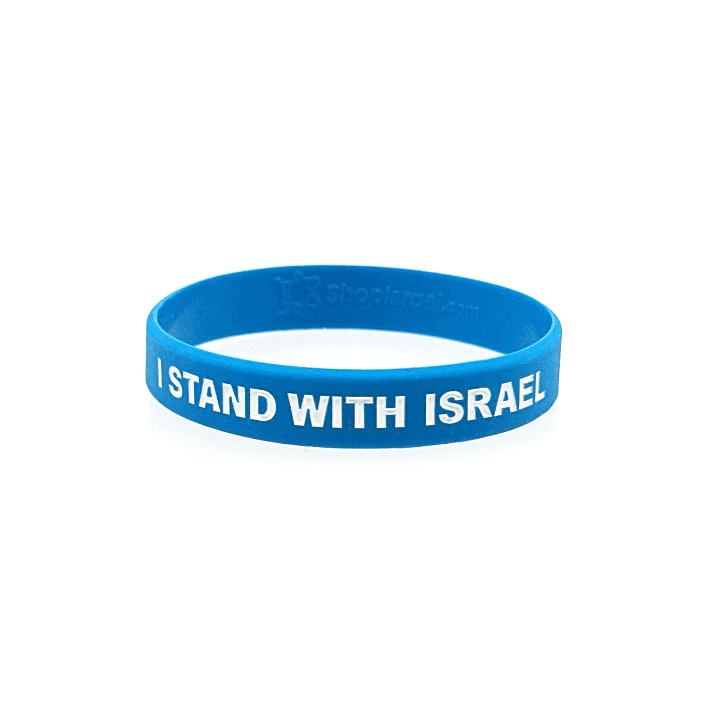
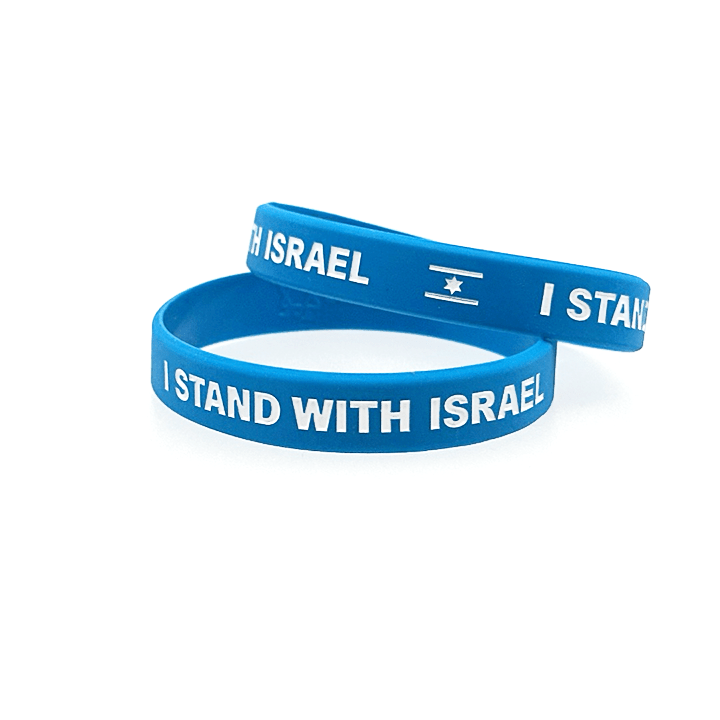
Zionist and Israeli-themed clothing finds a careful balance between honoring tradition and embracing modern style. Brands often mix modest cuts with bold slogans and symbols to create apparel that resonates culturally and politically. This blend supports a vibrant Zionist identity expressed through wearable art, allowing diaspora and local communities to visibly celebrate their connection to Israel while respecting cultural values.
Here's a brief overview:
| Aspect | Description | Cultural Significance |
|---|---|---|
| Red Clothing | Varied acceptance; traditional modesty concerns vs modern use | Symbolism varies with community and style |
| Jewish Symbols | Menorah, Star of David, Hebrew scripts on apparel | Expressions of faith, identity, and heritage |
| Modesty vs Modernity | Modest designs combined with contemporary styles and slogans | Reflects evolving cultural pride and tradition |
Israeli and Jewish fashion thus serves as a vibrant canvas where history, identity, and contemporary values intersect, enabling individuals worldwide to showcase pride and solidarity through meaningful clothing.
Conclusion: Fashion as a Peaceful Expression of Zionist Identity
Promoting Peace and Pride Through Fashion
Zionist clothing lines uniquely blend cultural heritage with peaceful messaging. Designers like Nili Lotan use apparel to challenge violence and inspire dialogue, drawing from personal experiences in Israel's conflicts. Meanwhile, brands showcased on platforms like JewBelong highlight Israel’s rich craftsmanship—from artisanal jewelry to contemporary fashion—that radiates pride and cultural identity.
Supporting Israeli Artisans and Socially Conscious Brands
Consumers are encouraged to choose products that not only express solidarity with Israel but also directly support local artisans and communities. Purchasing Israeli-made apparel, jewelry, and home goods helps sustain the nation's creative spirit and promotes social impact initiatives, reinforcing bonds both locally and within the diaspora.
Fashion’s Role in Unity and Global Messaging
Clothing becomes a vibrant symbol of Jewish and Zionist identity, public expressions of heritage that resonate worldwide. This form of wearable art builds bridges by uniting cultural pride with aspirations for peace, making Zionist fashion a powerful vehicle for global resonance and solidarity.