

Short answer: There is no dedicated "shofar fashion trend" tracked by fashion press the way Star of David jewelry has been covered. What does exist, and is well documented, is a real craft lineage: Israeli families who carried shofar-making traditions from Spain, Poland, and Yemen into Tel Aviv and Haifa workshops, a 2004 shift toward gift-friendly ritual shofars, and a steady, retailer-driven category of shofar-motif jewelry that today rides alongside the broader post-October 7, 2023 rise in Jewish-identity accessories.
From Rossman and Bar-Sheshet to today's workshops
The modern Israeli shofar industry has a traceable origin. In 1927, Rabbi Yacov Rossman, a Polish immigrant, opened what is described as the first shofar-making workshop in the newly founded city of Tel Aviv, and later passed the craft to his cousin Avraham Ribak, whose family firm still operates today as part of the world's largest shofar manufacturer, according to Ami Magazine. A parallel line comes from the Bar-Sheshet family, shofar makers expelled from Spain in 1492 who resettled in Morocco. Meir Bar-Sheshet immigrated to Palestine aboard the ship Exodus in 1947, hand-fashioned a shofar from available materials while interned by British authorities, and opened a formal Haifa workshop in 1948. That line later went into business alongside the Ribak family workshop, per Ami Magazine and the company's own history page. Separately, the mass immigration of Yemen's Jewish community around 1949 and 1950 brought silversmiths whose filigree and horn-decoration techniques, documented by Judaica Webstore's research on Yemenite silversmithing, laid the groundwork for the decorated, ornamented shofars and shofar jewelry seen from Israeli artisans today.
From ritual object to gift and jewelry piece
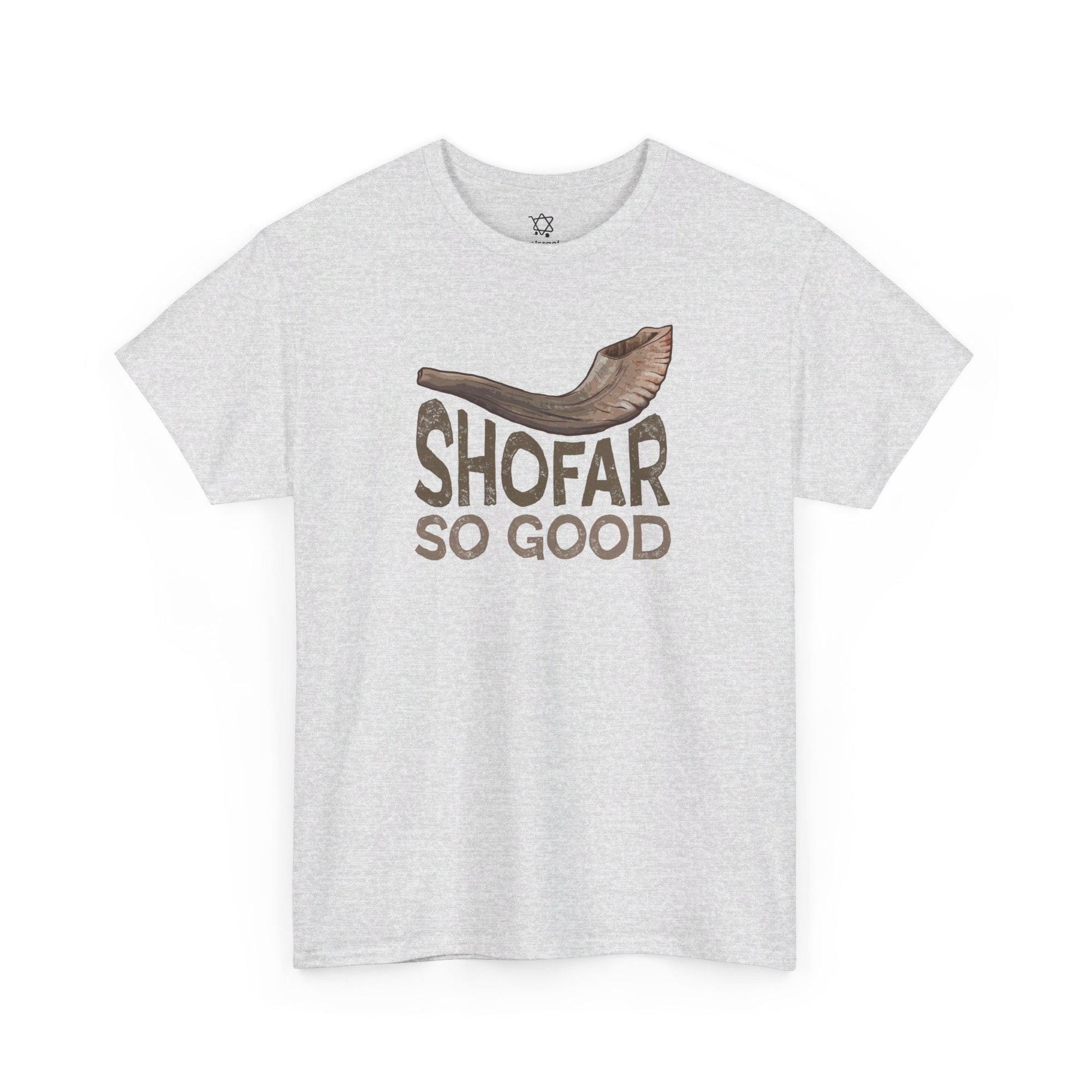
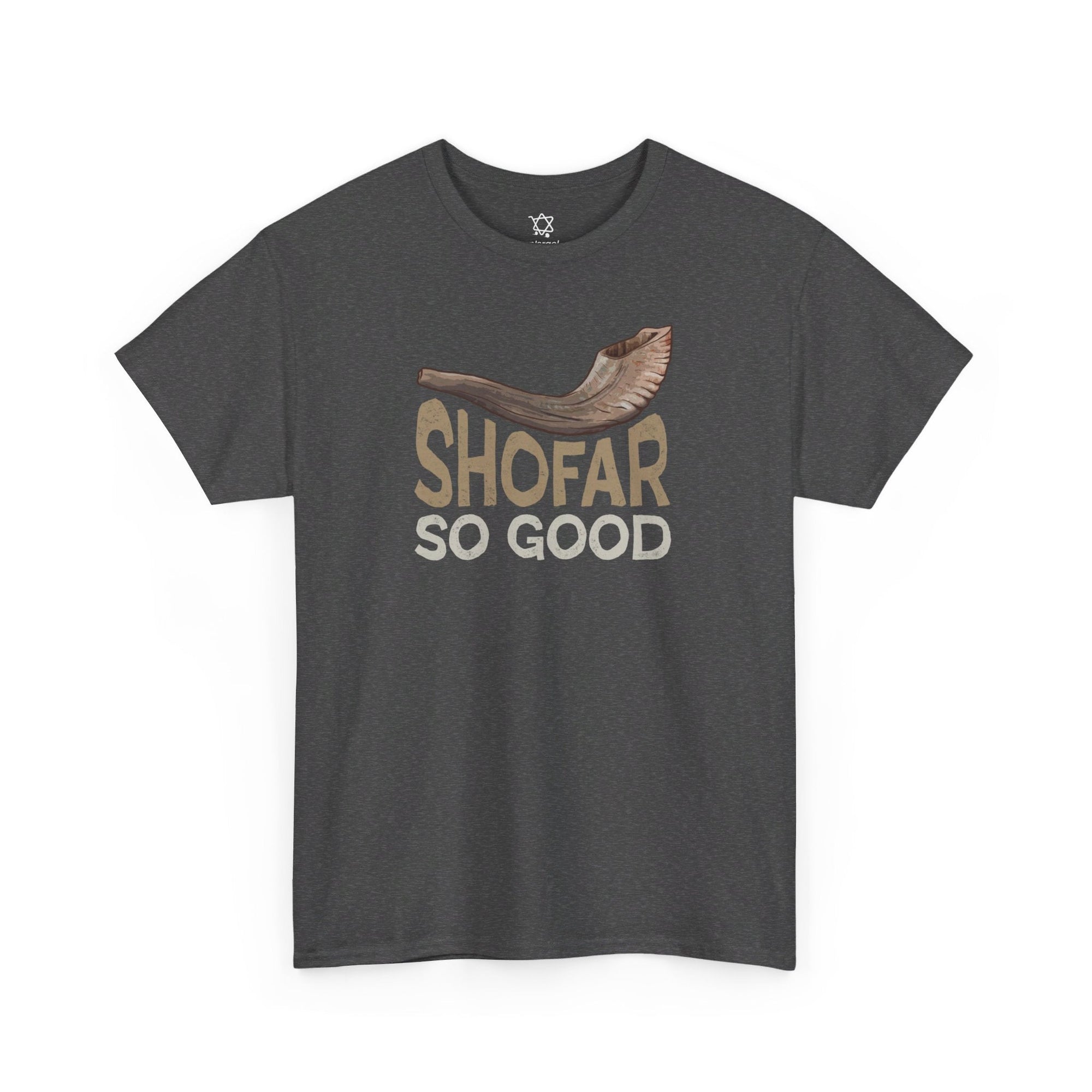
The shift toward shofars as something people give and wear, not only blow in synagogue, has its own paper trail. On September 16, 2004, the Jewish Journal reported that the shofar had become a popular bar and bat mitzvah gift, that Judaica store owners described a consumer trend toward rough-hewn, unvarnished horns, and that manufacturers were responding with "easy-blow" and "scentless" shofars featuring larger mouthpieces and no animal odor. That is the clearest documented moment where the shofar moved from strictly ritual object toward a more approachable, gift-shop item. In the years since, Israeli jewelry makers such as Rafael Jewelry have extended that logic into wearable pieces, selling sterling-silver filigree shofar pendants in both Ashkenazi and Yemenite kudu-horn styles, while individual artists like Eva Arbib decorate shofars themselves with beads, tassels, and mixed materials. These are current product listings, not fashion-press trend coverage, so it is fair to describe shofar jewelry as an established, steady Judaica category rather than a runway moment.
The bigger picture: Jewish symbols as everyday identity
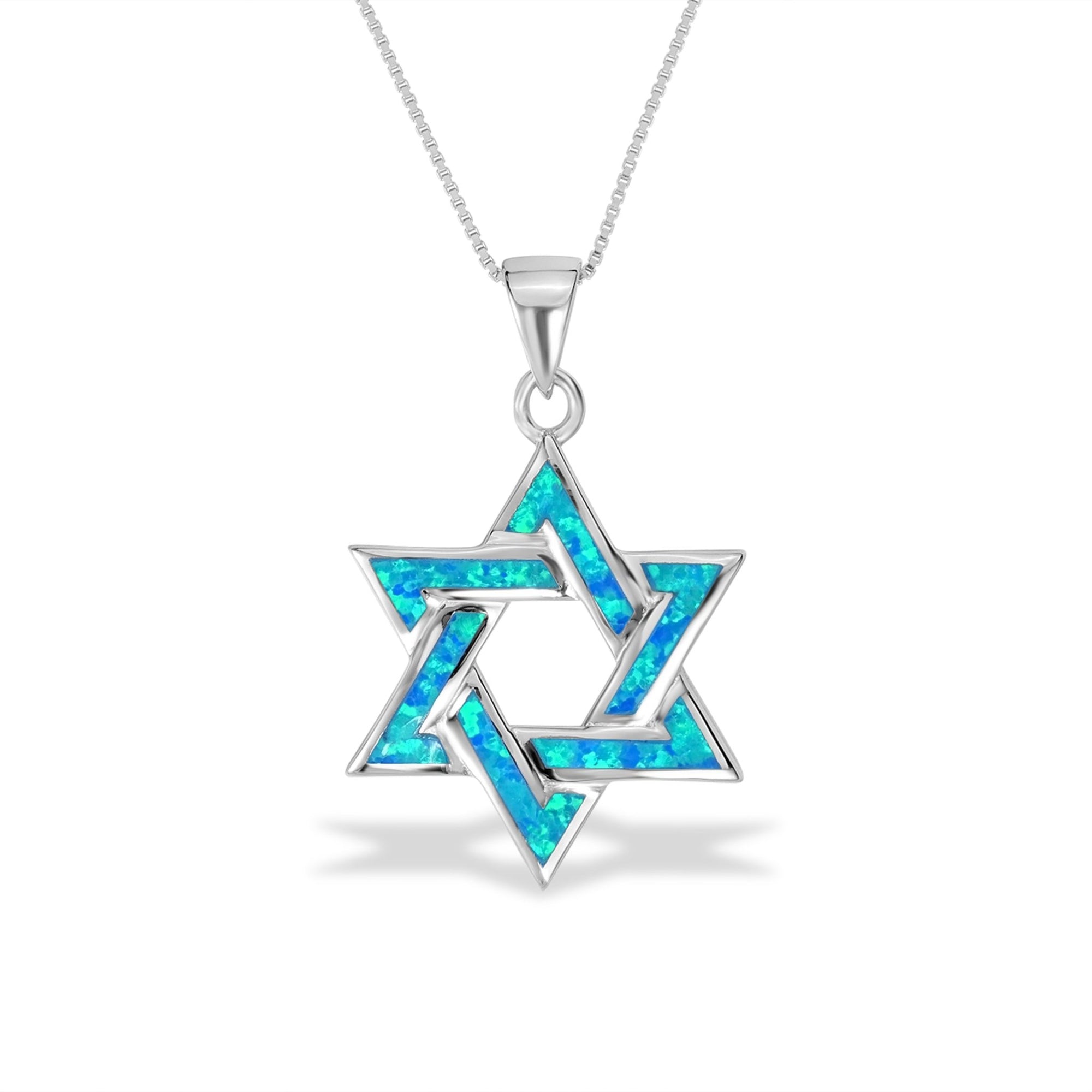
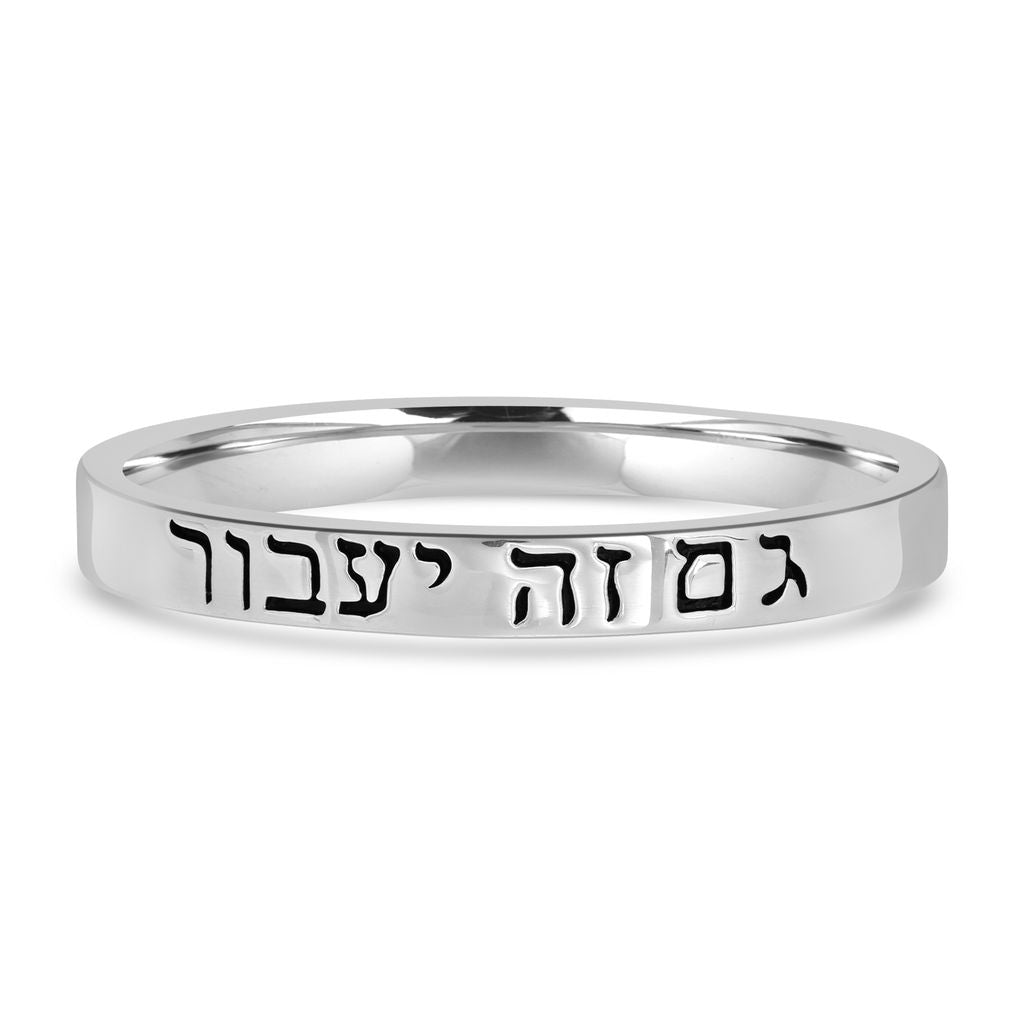
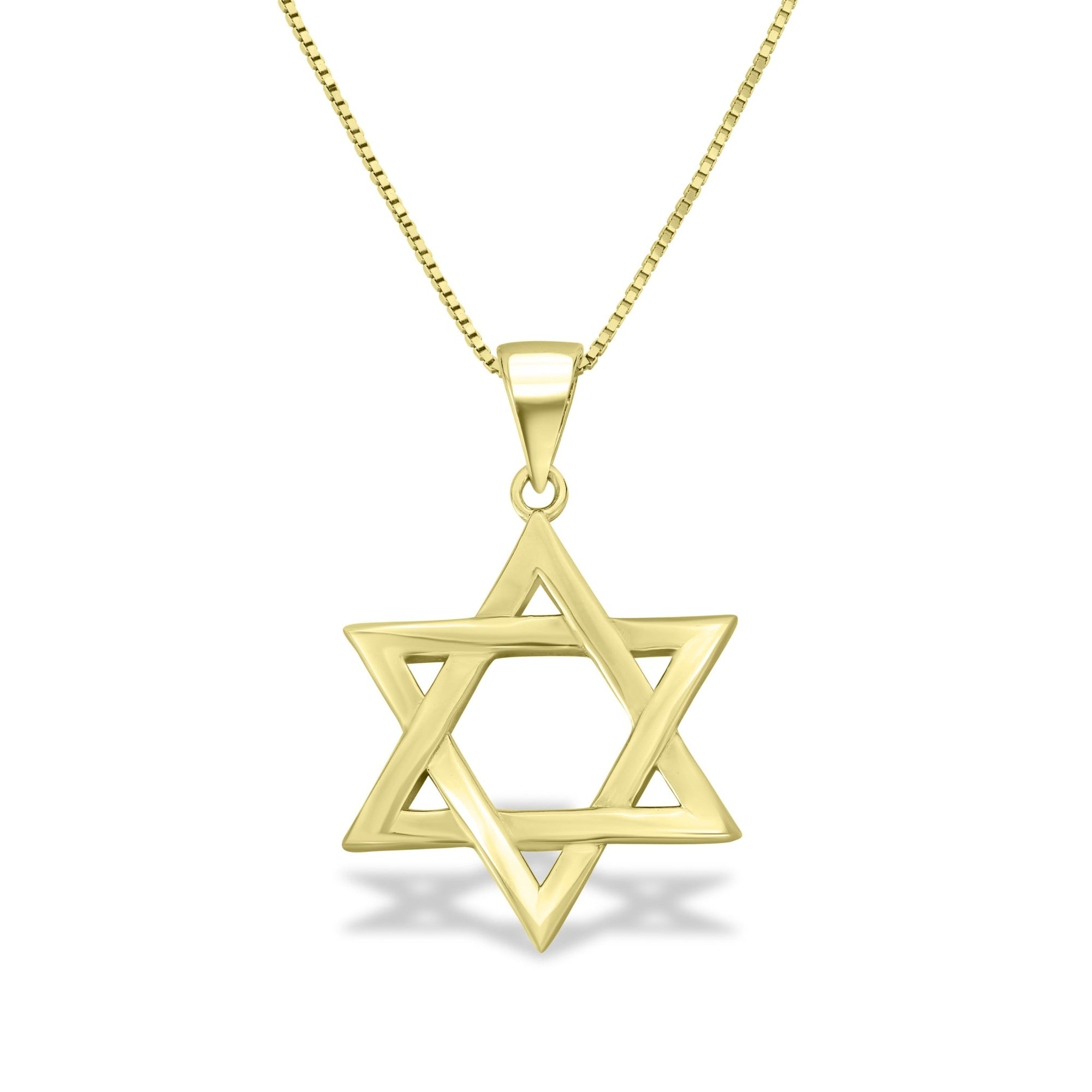
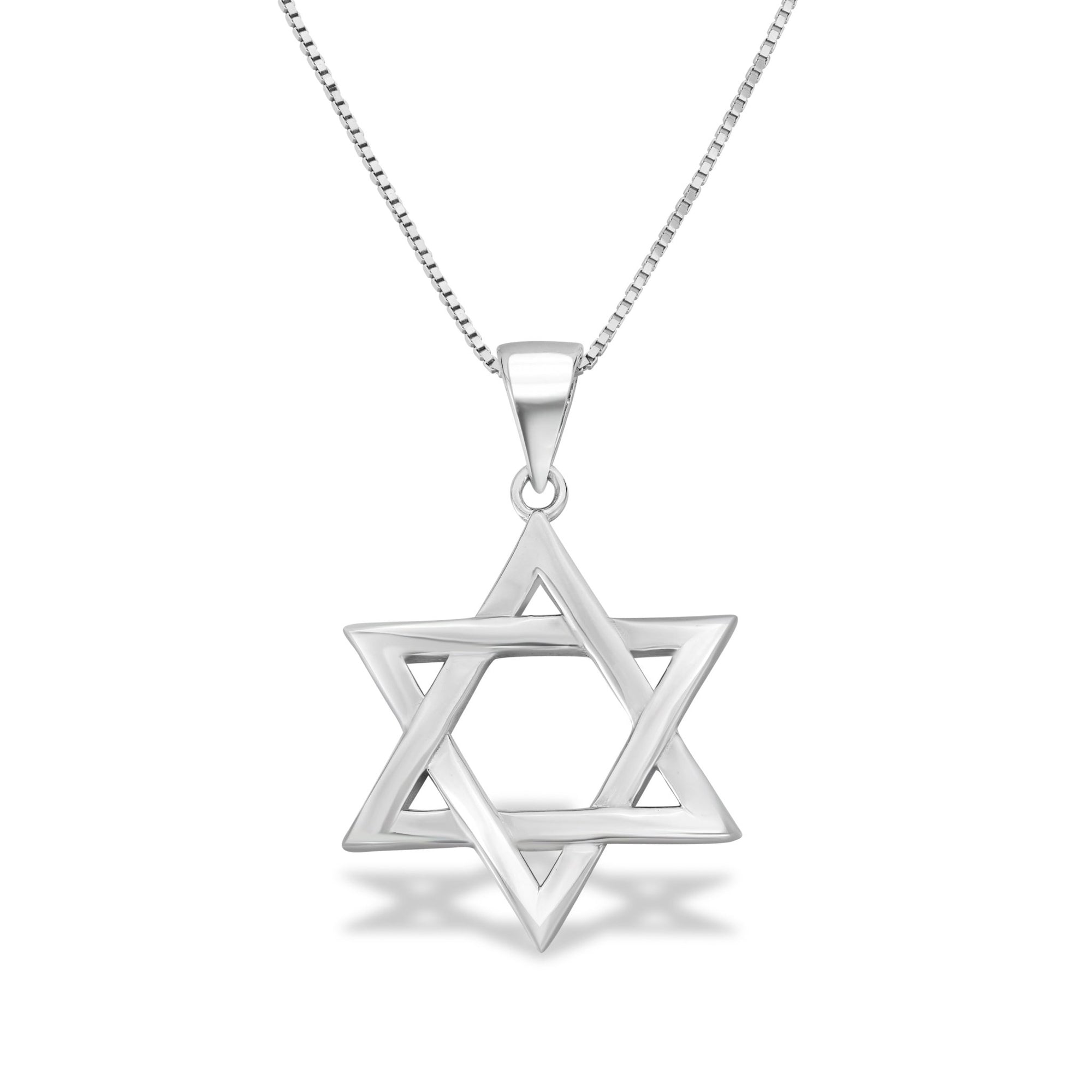
Shofar jewelry's growth sits inside a much larger, well-reported pattern. Jewish Insider reported a broad surge in Judaica purchases, including Star of David and chai pendants, mezuzot, Israeli flags, Tehillim, menorahs, and tefillin, in the two months after the October 7, 2023 attack, as American Jews sought visible ways to express identity. Jewish News UK separately reported that some London and US jewelers saw demand for Star of David and chai pieces rise by up to 300 to 400 percent in that same period. Neither outlet broke out shofar-specific figures, but the pattern they describe, people reaching for recognizable Jewish symbols as everyday wear, is exactly the context in which shofar pendants are marketed by Judaica retailers today. If you want to build that kind of visible, everyday connection to Jewish identity into your own wardrobe, the jewish symbols jewelry collection gathers pieces built on that same idea, alongside styles like the Shalom Star of David necklace for those drawn to the Star of David side of that same post-2023 rise.
Related
Exploring the Shofar's Heritage Through Merchandise
The Shofar's Role in Jewish Customs and Related Product Lines
All You Need to Know About the Shofar and Related Goods
Last updated August 2026.