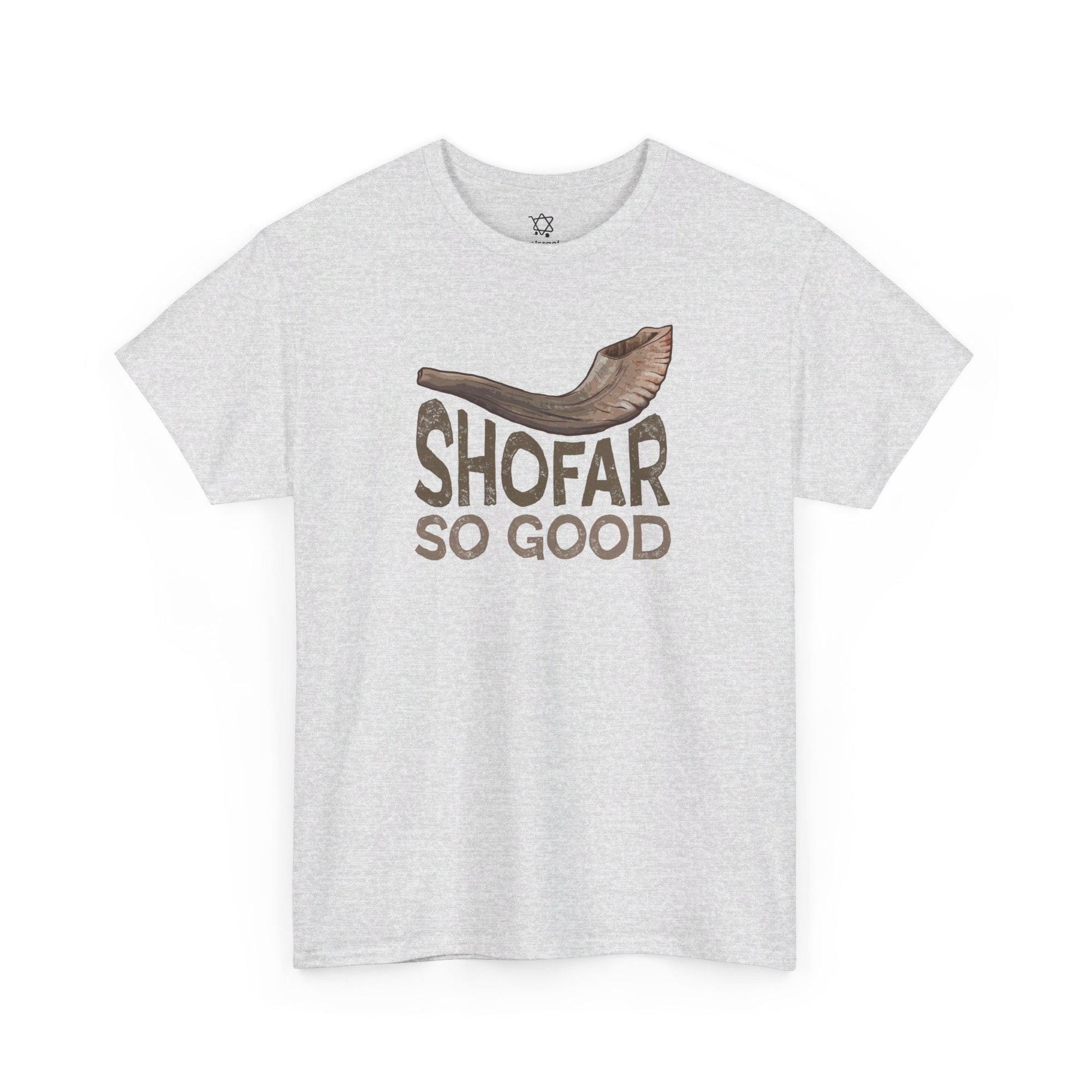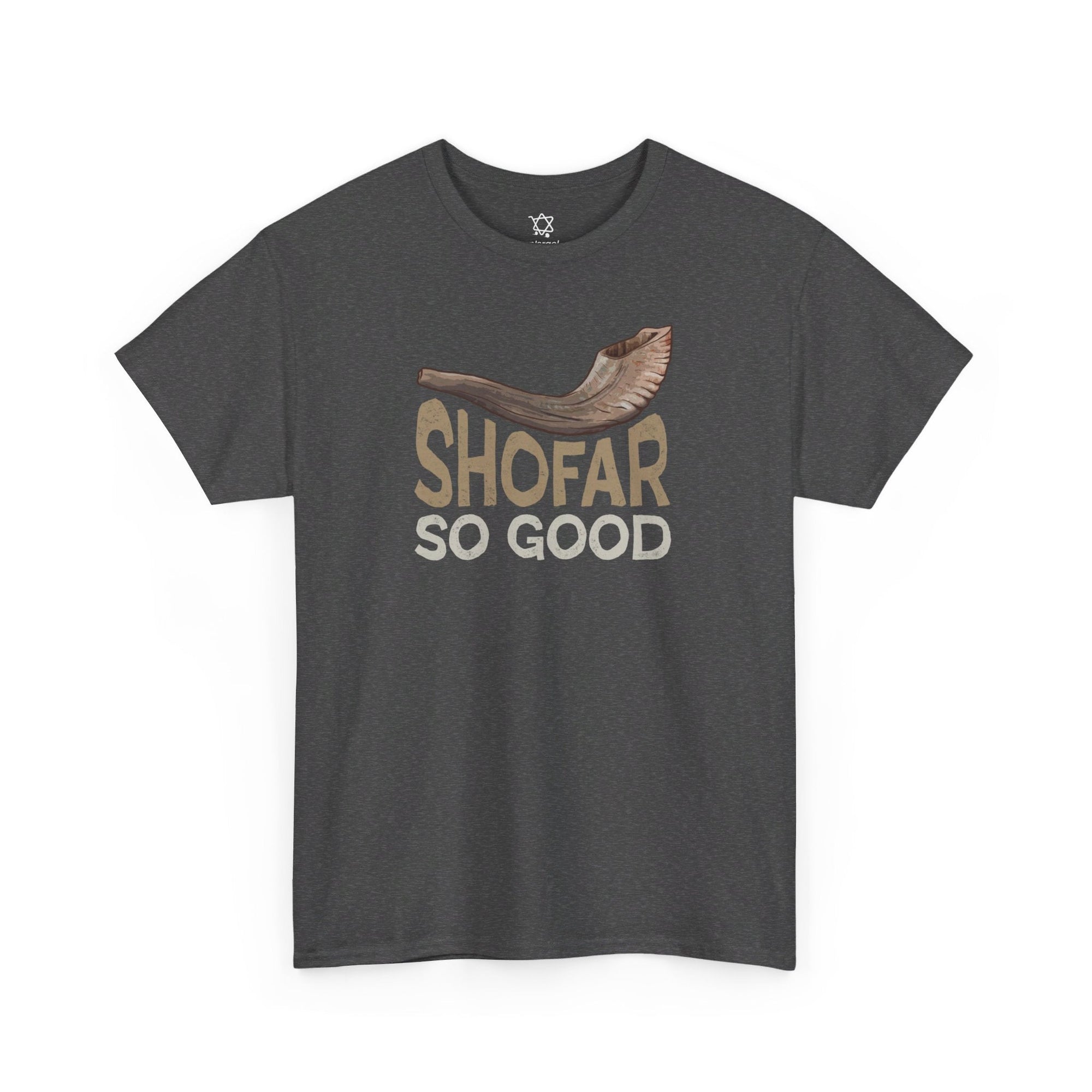


Short answer: The shofar is a wind instrument made from a hollow, curved animal horn, most commonly a ram's horn, that Jewish law requires to be sounded on Rosh Hashanah and again at the close of Yom Kippur, and that custom has sounded daily on weekdays through the preceding month of Elul. It is an actively practiced ritual object today, not a historical relic, and it remains the basis for a Judaica product category that includes ram's horn shofarot, polished Yemenite kudu shofars, cases, and instructional pieces.
When the shofar is sounded each year
The shofar's calendar begins before the High Holidays even arrive. The common Ashkenazi custom calls for it to be blown after morning services every weekday from the 2nd of Elul, though some communities begin on the 1st, through the 28th, stopping the day before Rosh Hashanah, as a way of prompting the community toward reflection ahead of the new year (Chabad.org).
The sounding of the shofar is the central mitzvah of Rosh Hashanah itself. Jewish law requires 30 blasts each day of the holiday, and by long-standing custom congregations sound 100, 101, or 102 blasts across the service (My Jewish Learning). That 100-blast figure has its own history: early rabbinic sources describe as few as 9 blasts, a 40-blast standard tied to Moses's forty days on Sinai held for centuries, and later sources mention 42, 60 or 61, before communities settled on 100, a number tradition ties to the 100 cries of Sisera's mother in the Book of Judges (Chabad.org; Jewishcandles.com). Maimonides, writing in the 12th century, taught that the wordless call of the shofar carries the message "Awake, sleepers, from your slumber; examine your deeds, return in repentance, and remember your Creator," and he ruled that only a curved, not straight, ram's horn is used for Rosh Hashanah (Chabad.org).
The final sounding of the season comes at the close of Yom Kippur. A single long blast, the tekiah gedolah, is sounded at the very end of the Neilah service, marking the end of the fast and, by tradition, the closing of the gates of judgment. Many synagogues invite congregants who bring their own shofar to blow it together at that moment (Torah.org).
Which horns qualify, and why the ram's horn became standard
Jewish law, as codified by Maimonides, permits a kosher shofar to be made from the horn of any kosher animal except cattle. A cow's or ox's horn is specifically excluded, tied by custom to the sin of the Golden Calf and, technically, to the fact that Jewish law classifies a bovine horn as a "keren" rather than a "shofar" (Shulchan Aruch HaRav via Chabad.org; A. Judaica). The ram's horn most people picture is connected to the biblical binding of Isaac, where a ram caught in a thicket is offered in Isaac's place, a story read as part of the Rosh Hashanah liturgy.
Because rams were not always locally available, Yemenite Jewish communities historically used the long, spiral horn of the African kudu antelope as their shofar instead. Kudu shofarot, often 24 to 50 inches or more, polished and deep-toned, remain a distinct and widely sold Judaica line today alongside the shorter, curved ram's horn shofar (Judaica Webstore).
An enduring custom, and a category worth keeping close
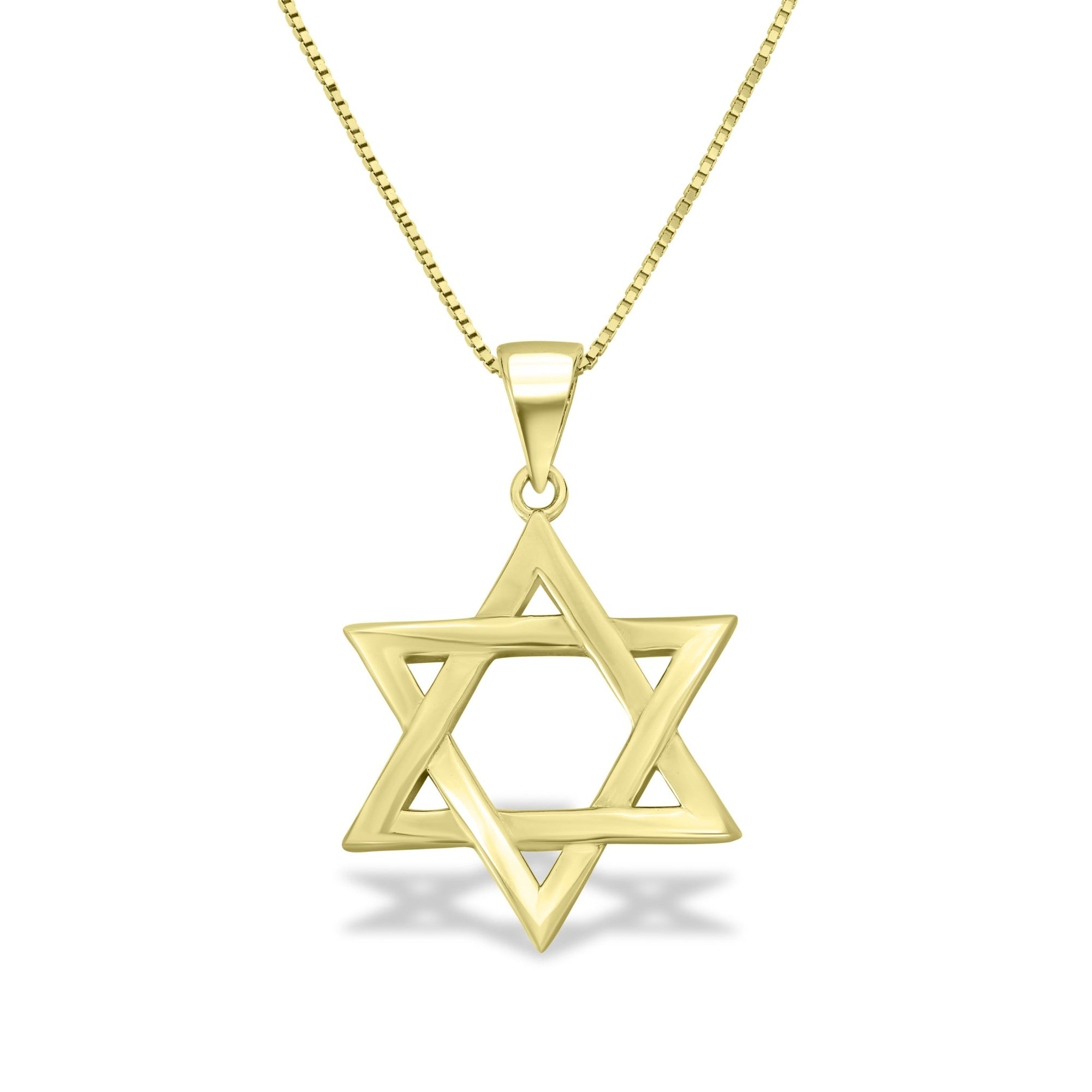
None of this is a fringe or fading practice. The shofar is sounded each year by religiously engaged Jewish communities worldwide, and it remains a normal, recurring category for Judaica and pro-Israel retailers heading into the High Holiday season each August through October. For anyone who wants to carry that connection to Jewish identity and Israel into everyday life the rest of the year, Shop Israel's Jewish symbols jewelry collection offers a way to keep that meaning visible well beyond the holidays.
Related
Exploring the Shofar's Heritage Through Merchandise
The Evolution of Shofar-Inspired Fashion and Merchandise
All You Need to Know About the Shofar and Related Goods
Last updated August 2026.