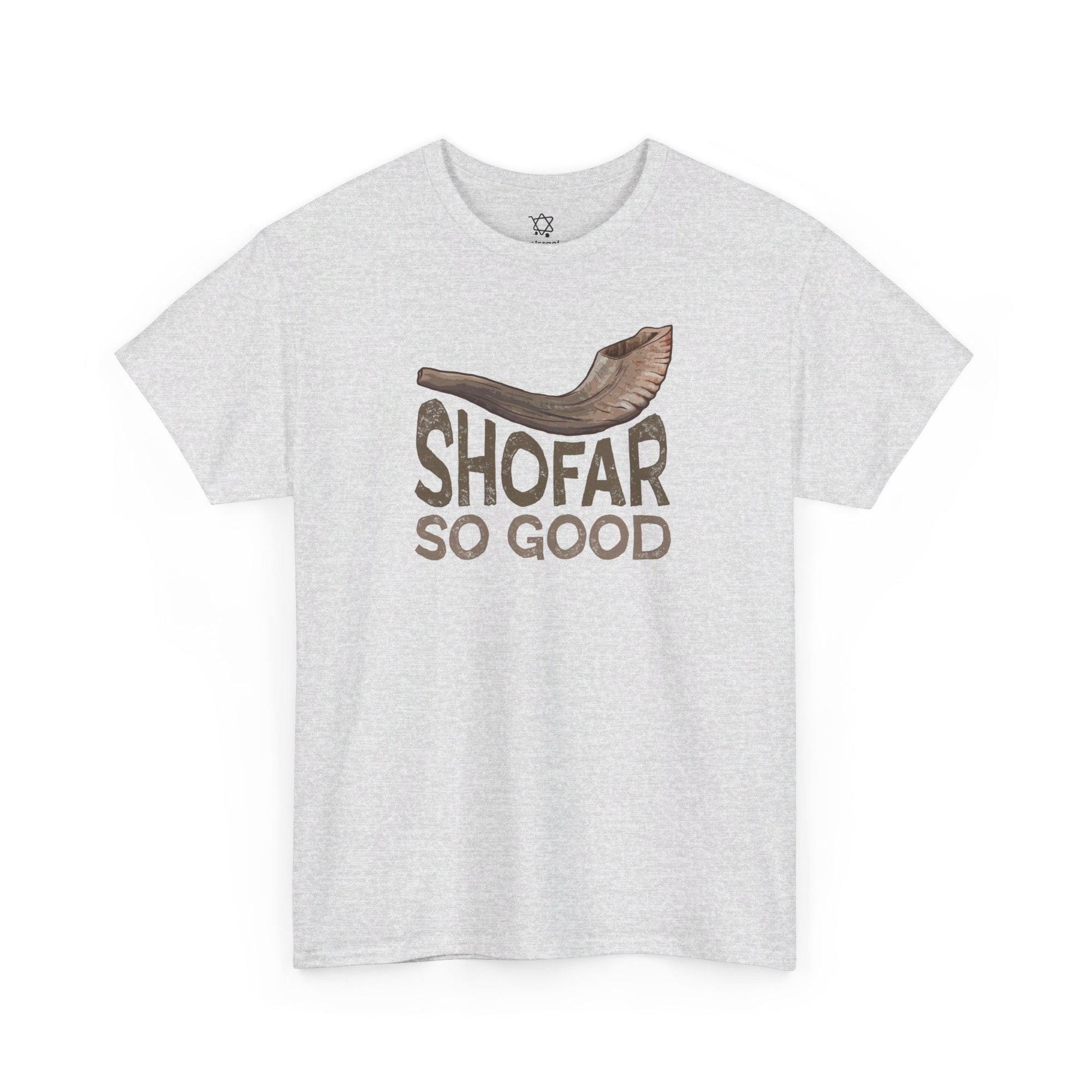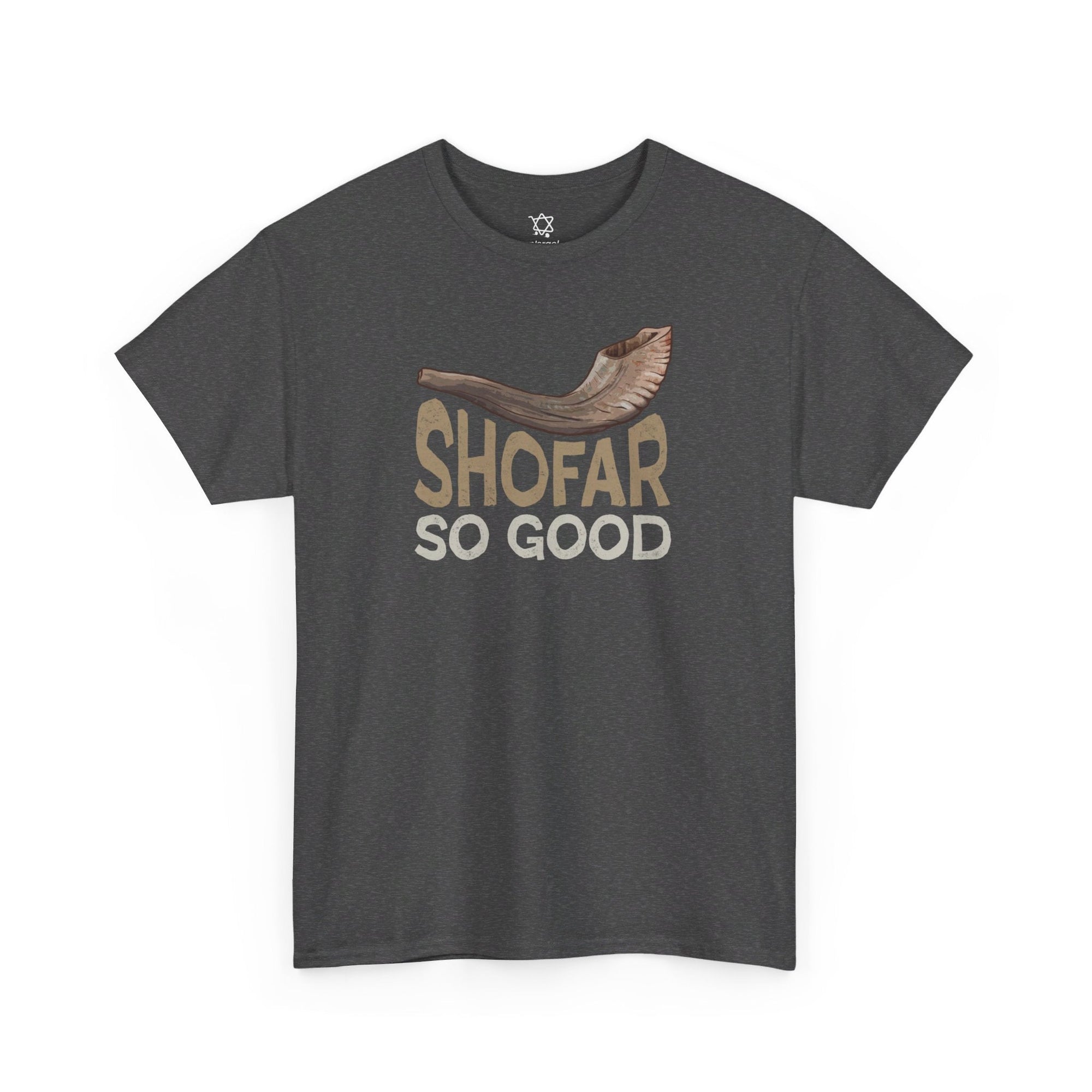


Short answer: The shofar is one of the oldest instruments still in ritual use, its story runs from Mount Sinai and Jericho through the binding of Isaac to today's Rosh Hashanah services, and the shofars sold as Judaica come from a small number of real Israeli workshops that still make them by hand.
Where the shofar comes from
The shofar's first major appearance in the biblical account is at Mount Sinai, where its blast heralds the giving of the Ten Commandments (Exodus 19:16). It appears again in the story of Jericho, where the Israelites circle the city's walls to the sound of the shofar before the walls fall (Joshua 6:4-5). Both accounts are consistently reported across Jewish reference sources, including My Jewish Learning and the Judaica Webstore Blog.
Rabbinic Judaism later established the shofar as central to Rosh Hashanah observance. The ram's horn became the preferred choice because of its connection to the binding of Isaac, where a ram was substituted at the last moment on the altar. Jewish law goes the other direction with a cow's horn, excluding it specifically because of its association with the Golden Calf. That detail is one of the more overlooked pieces of shofar history: the choice of horn is not arbitrary, it is tied directly to which biblical animal is being remembered.
How a shofar is actually made
A kosher ritual shofar has strict requirements. It must be a single, intact horn, commonly from a ram, kudu, or other permitted animal, never a cow, with no cracks, holes, plugs, glue, paint, lacquer, or other coating. Getting from raw horn to a certified shofar runs through roughly 14 stages: sorting, straightening, mouthpiece shaping, drilling, polishing, and sound-tuning, before a rabbinical authority certifies it kosher. That process is distinct from the decorative or silver-plated shofars sold as non-ritual Judaica pieces, which do not need to meet the same standards.
Two real, named workshops in Israel account for a meaningful share of the shofars in circulation today. Barsheshet-Ribak Shofarot Israel traces back to 1927, when Rabbi Rossman, an immigrant from Poland, became the first known shofar maker in the newly founded city of Tel Aviv and passed the craft on to his cousin Avraham Ribak; the family line still operates the business today. Kol Shofar, founded in 1998 by Shimon Keinan in Givat Yoav in the Golan Heights, took a different path: Keinan apprenticed for two years with an elderly shofar maker in Jaffa before converting a former turkey farm into a shofar factory. Kol Shofar sells roughly 7,000 shofars a year, at least 90 percent of them by mail order, the United States, and Europe.
The shofar is not a museum piece. It is sounded roughly 100 times during Rosh Hashanah morning services, in a set pattern of blasts (teki'ah, shevarim, teru'ah, and a closing teki'ah gedolah), and again at the close of Yom Kippur. It is one of the few biblical-era objects still used in its original form for its original purpose, every year, in synagogues around the world.
Carrying that heritage into everyday life
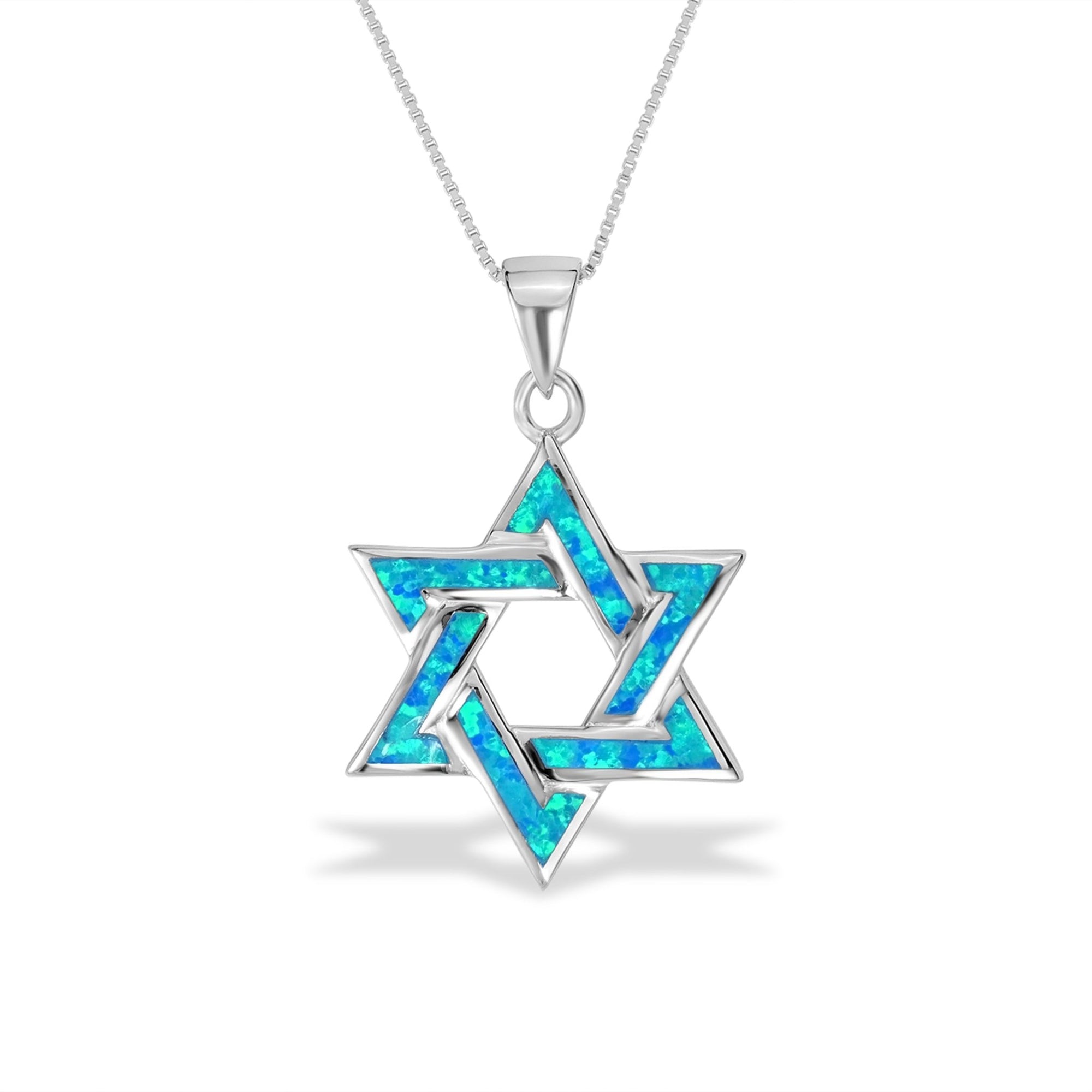
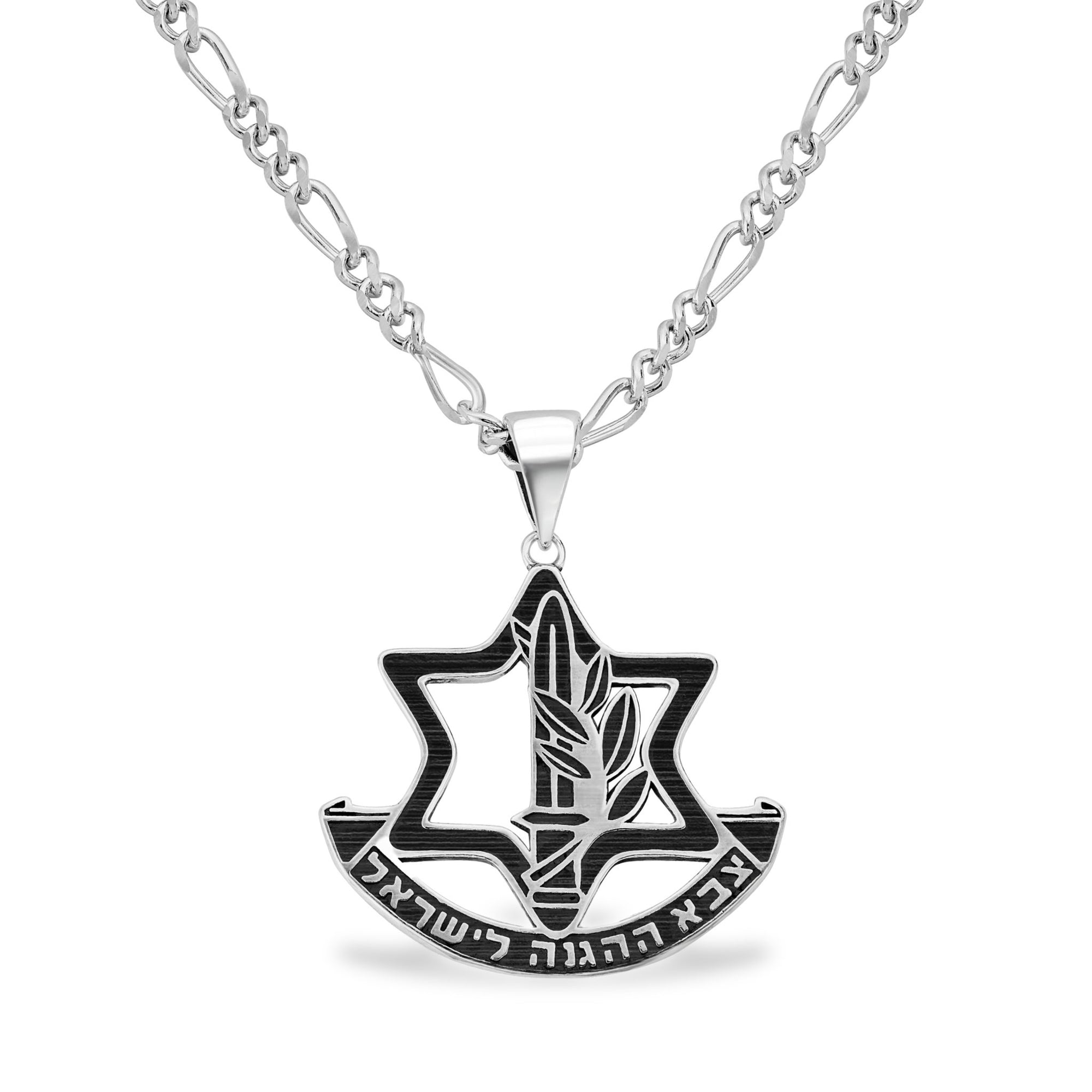
For most people, a ritual shofar is a once-a-year object, brought out for the High Holidays and put away again. But the meaning behind it, a sound that goes back to Sinai and to Abraham's ram, is something people increasingly want to carry with them the rest of the year too, through Judaica and Israel-themed pieces that reference that history without requiring a certified horn. If you want something that reflects that same connection to Jewish heritage and Israel in daily wear, our Jewish symbols jewelry collection has pieces built around exactly that kind of meaning.
Related
The Shofar's Role in Jewish Customs and Related Product Lines
Jewish Holiday Israel Merchandising Trends and Traditions
All You Need to Know About the Shofar and Related Goods
Last updated August 2026.