

Short answer: The shofar is a ram's horn (or other kosher-animal horn) trumpet used in Jewish ritual, most famously blown on Rosh Hashanah and at the close of Yom Kippur. It is not a historical relic. Religious Jews around the world still blow it every year, and it remains one of the most recognizable, continuously observed rituals in Jewish life today.
What makes a shofar kosher
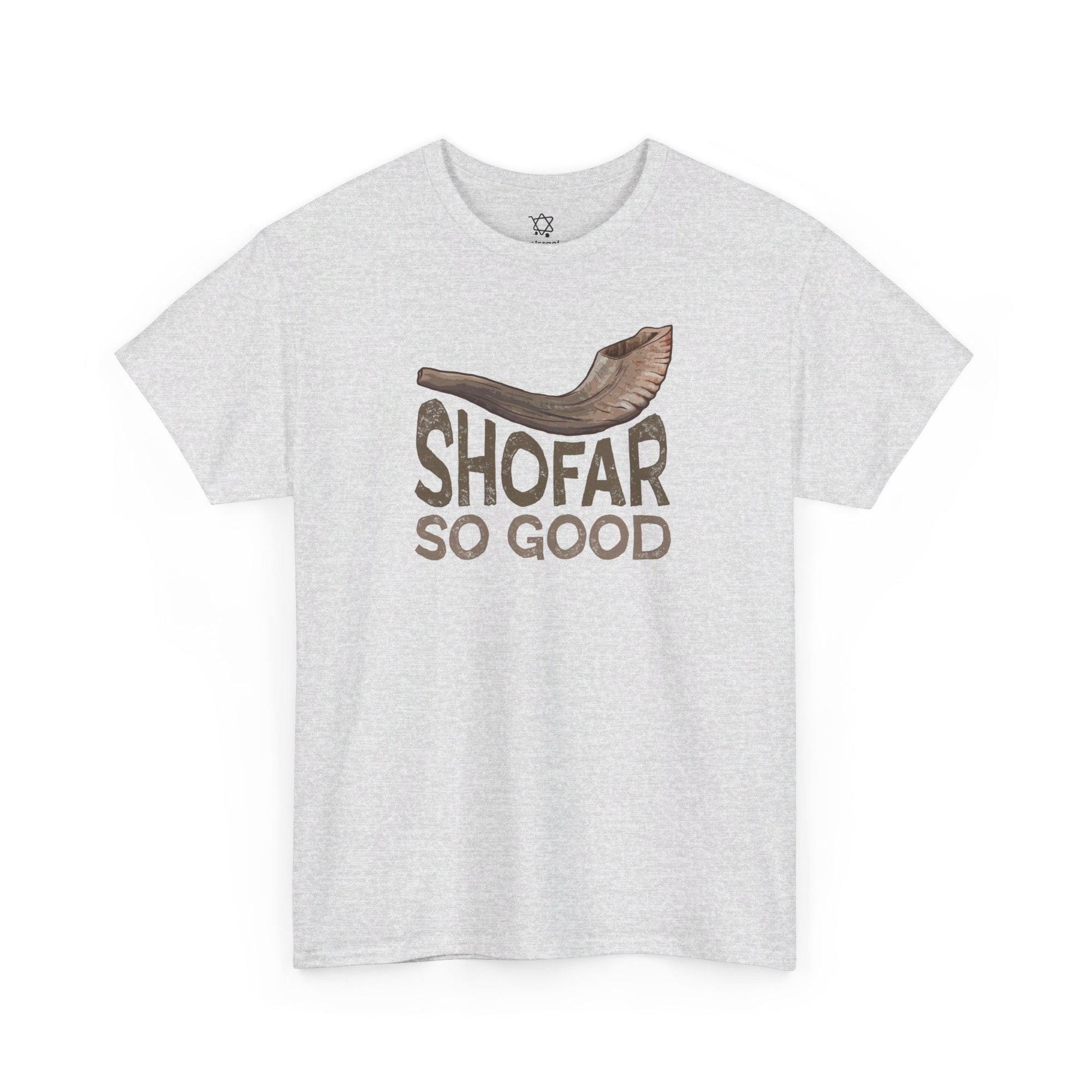
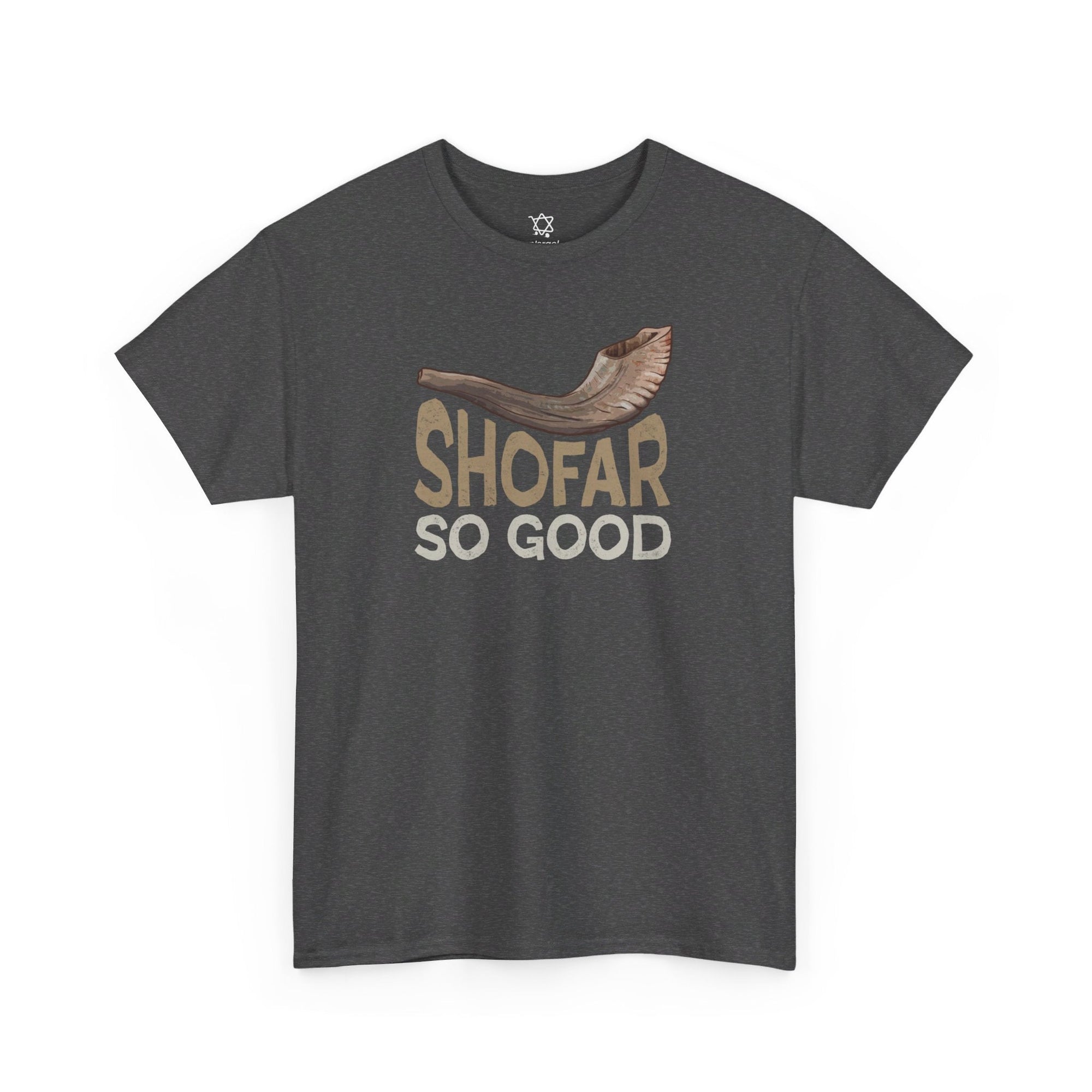
A shofar is a wind instrument made from the horn of a kosher animal, hollowed and dried with no reed or mouthpiece added, so it produces a single, unbroken natural blast. The drying process removes the inner tissue layer and takes about a year. Not every horn qualifies. Only horns from the sheep, goat, or ram family are valid, because only horns the Torah itself calls a shofar qualify; ram's horn is preferred but not strictly required. Cow and ox horn are explicitly invalid, even though cattle are kosher animals, a well-documented halachic ruling (Shulchan Aruch HaRav). Deer antler is invalid too, but for a different reason: antlers are solid bone rather than hollow horn with an inner cartilage core, so they simply do not fit the structural requirement (Shulchan Aruch HaRav; Orthodox Union). The shofar's symbolic pull toward ram's horn traces back to the Binding of Isaac in Genesis 22, where a ram is offered in Isaac's place, giving ram's horn its traditional primacy even though it is not the only valid option (Judaica Webstore Blog).
When and how it is blown
On Rosh Hashanah, synagogues sound roughly 100 shofar blasts across three named patterns: tekiah, a long unbroken blast; shevarim, three medium broken bursts; and teruah, at least nine rapid staccato bursts. All three combinations are used because the Torah commands a "teruah" sound without specifying exactly what it should sound like, so tradition covers the possibilities (Chabad.org; My Jewish Learning). The shofar's calendar reach goes well beyond the two fall holidays. It is blown at the closing tekiah gedolah of Yom Kippur, daily (except Shabbat) throughout the preceding month of Elul as a call to reflection, and, per Leviticus 25:9, to proclaim the onset of the biblical Jubilee year (My Jewish Learning). Historically it also signaled the new moon, the approach of Shabbat, and served as a battle signal, underscoring how central this single instrument has been to Jewish communal life across centuries.
Ram's horn versus the Yemenite kudu shofar
Most people picture the classic curved, straightened "J" shaped ram's horn common in Ashkenazi and Sephardic practice. A visually distinct alternative is the Yemenite-style shofar, made from the horn of the greater kudu, an African antelope. Unlike the ram's horn, the kudu shofar is left in its natural multi-twist spiral, because heating and straightening the thick kudu keratin risks cracking it (Israel-Catalog.com; Yemenite Shofar history archive). Despite the different animal and shape, the kudu shofar is central to Yemenite tradition and widely sold as kosher, though it is genuinely disputed: some authorities, including Shulchan Aruch HaRav, hold it should not be used for the mitzvah. Treat it as a real category with a real dispute rather than a novelty.
Bringing the tradition into your everyday wardrobe
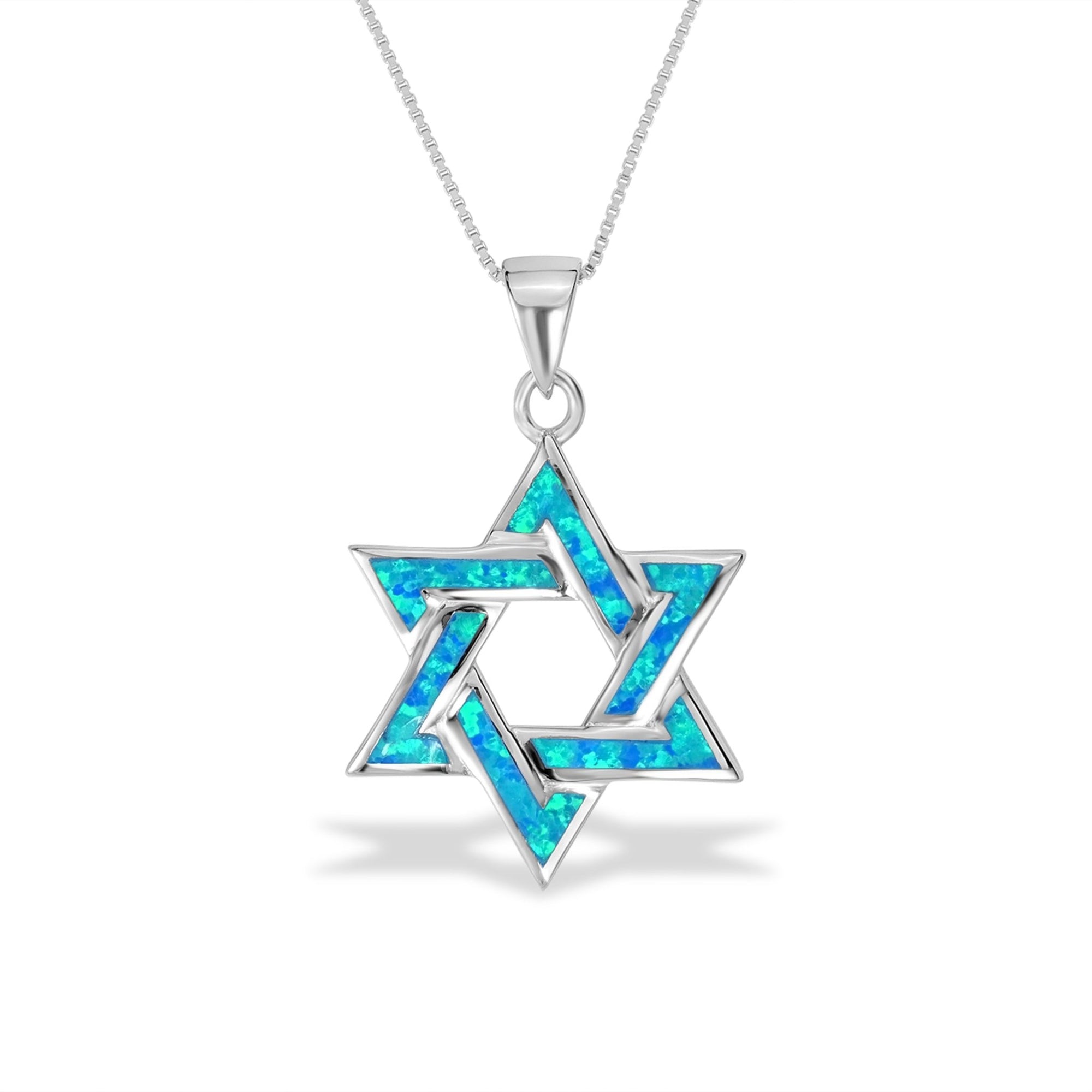
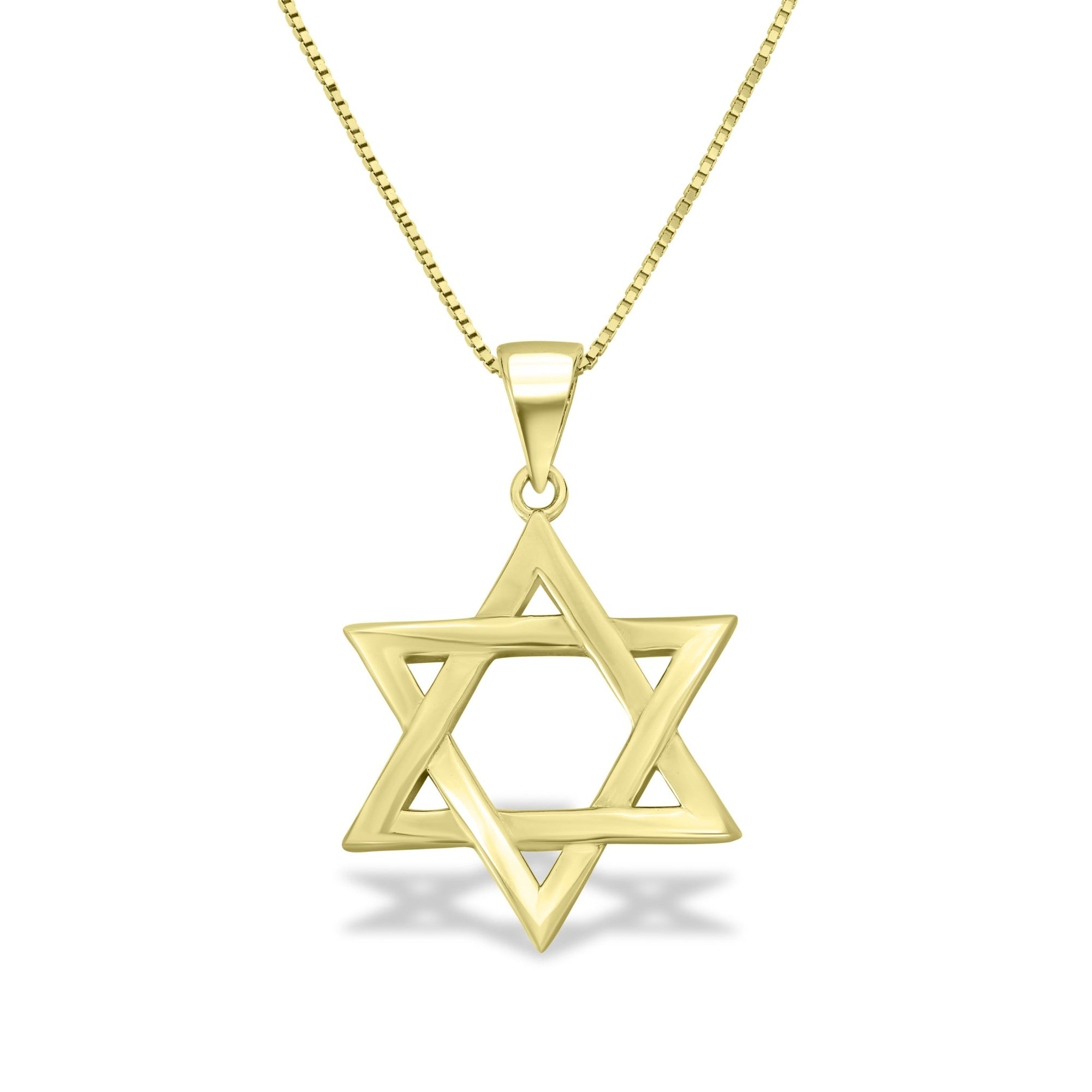
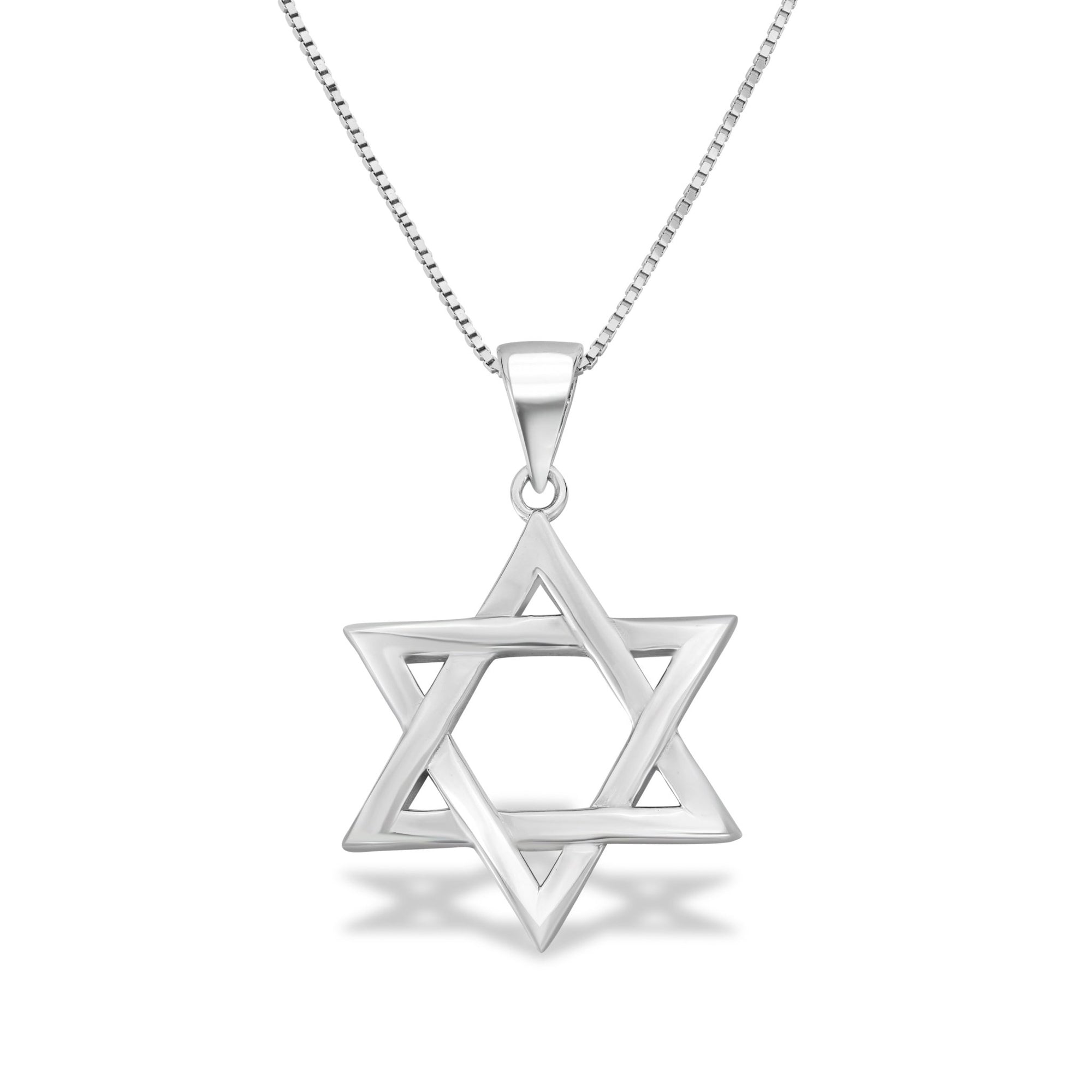
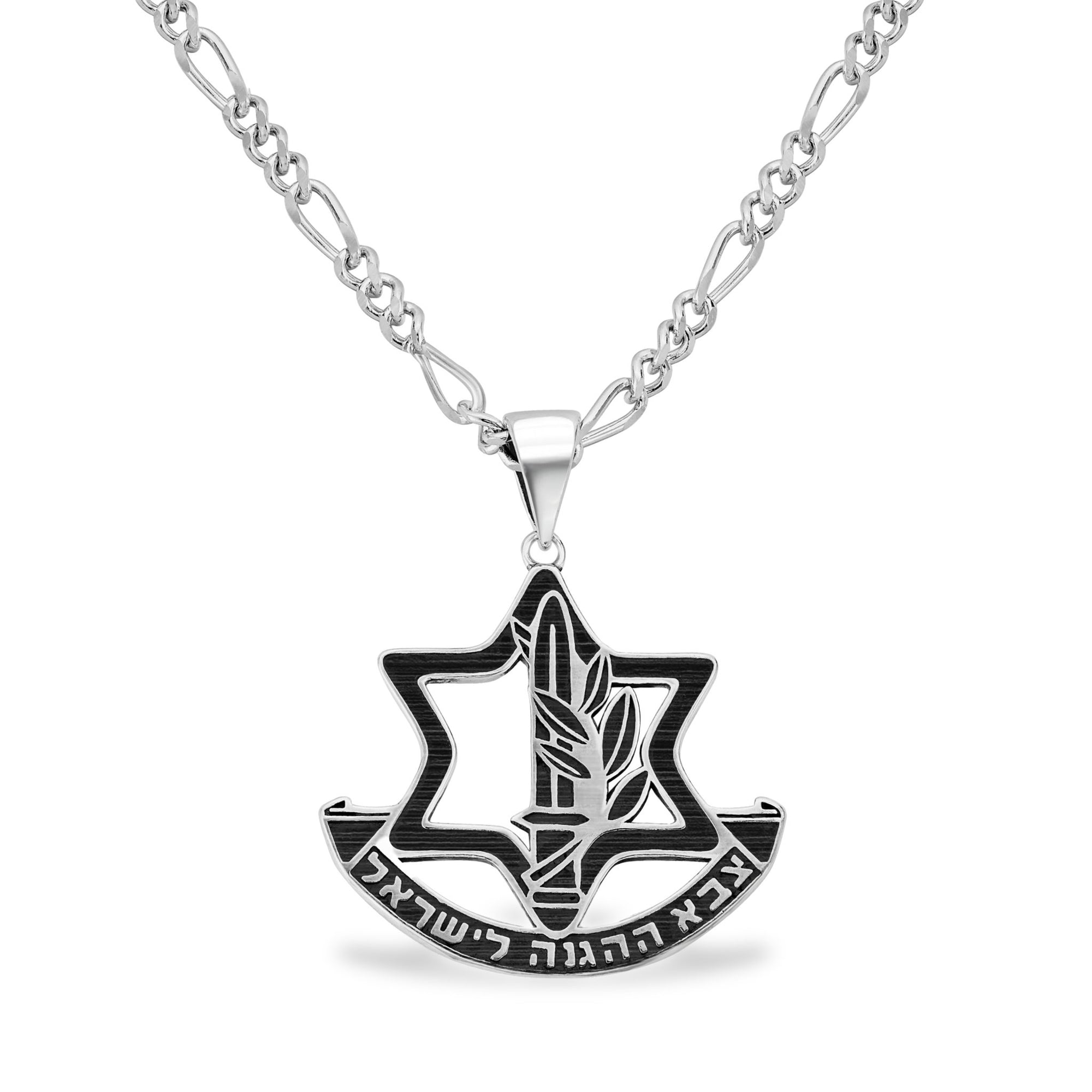
The shofar's themes, of the ram's horn substituted at the Binding of Isaac, of the wake-up call sounded through Elul and the Days of Awe, sit alongside broader symbols of Jewish and Israeli identity that people carry with them all year, not just during the High Holy Days. If you want a way to keep that connection close to home, Shop Israel's Jewish symbols jewelry collection gathers pieces built around exactly that kind of meaning, work you can wear well beyond the synagogue.
Related
Exploring the Shofar's Heritage Through Merchandise
The Shofar's Role in Jewish Customs and Related Product Lines
Jewish Holiday Israel Merchandising Trends and Traditions
Last updated August 2026.