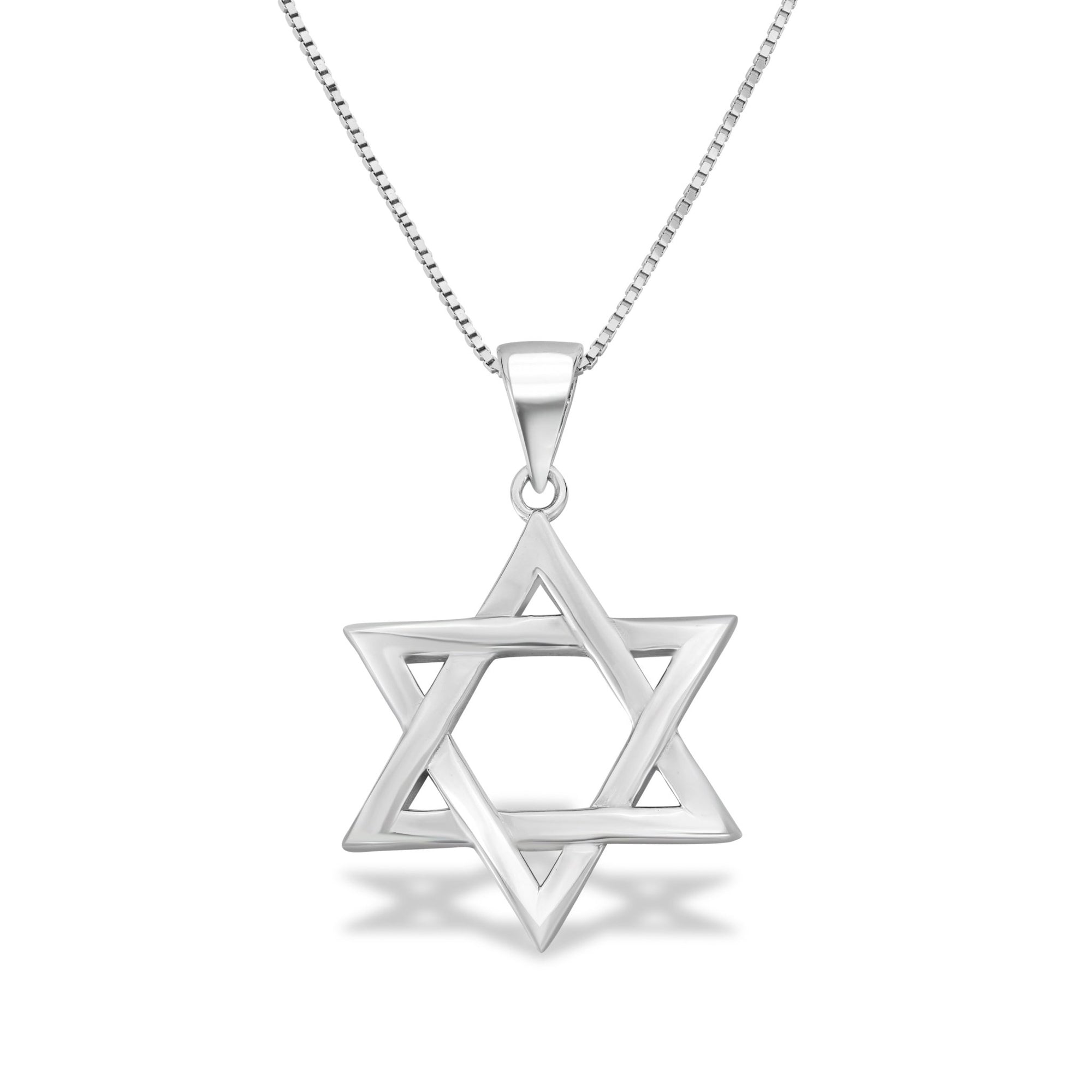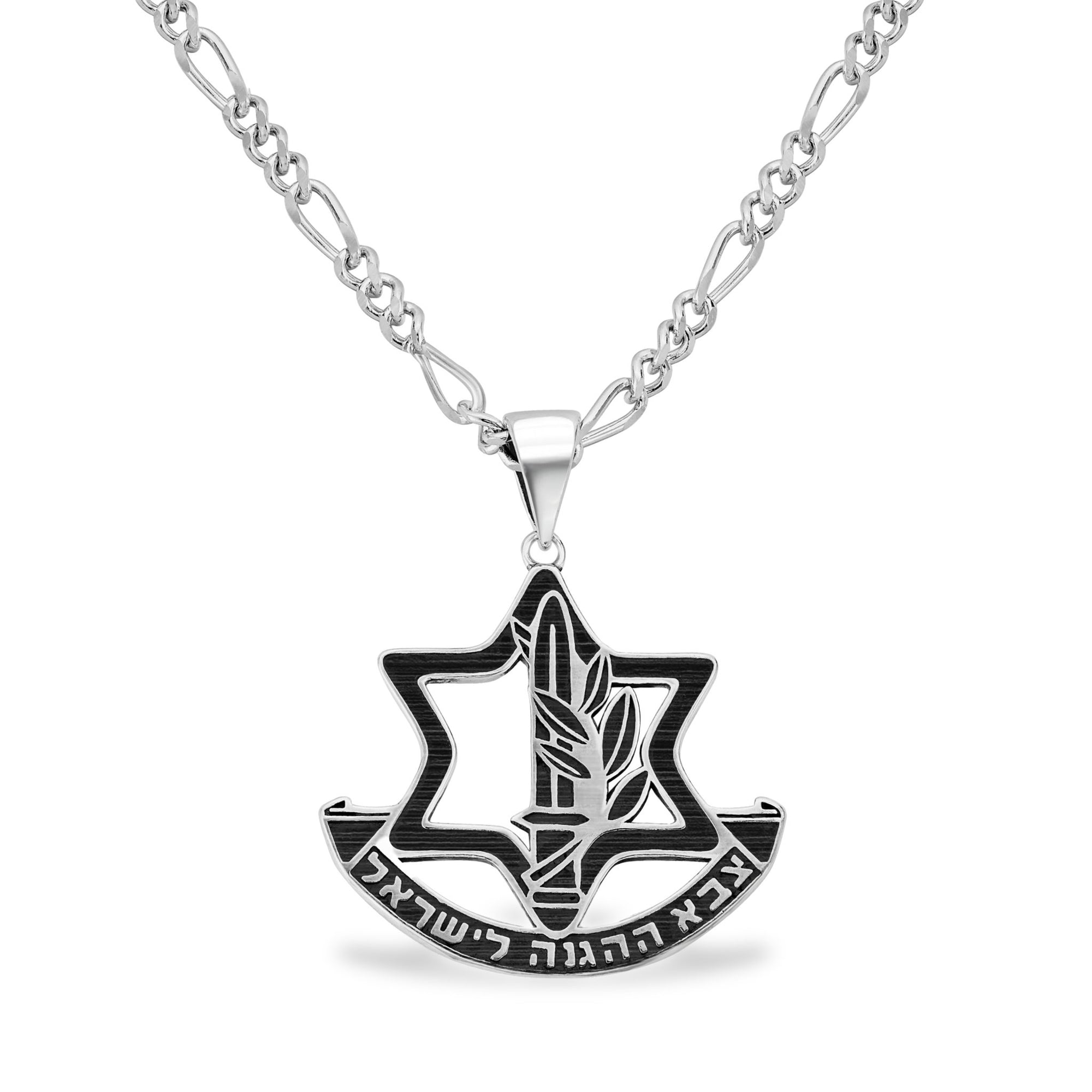


Short answer: Israel-themed jewelry, pieces built around the Star of David, the Hamsa, the Tree of Life, and Hebrew name pendants, makes a meaningful gift for nearly any occasion on the Jewish calendar or family timeline: a bar or bat mitzvah, a wedding, Hanukkah, or a birthday. Each symbol carries a specific tradition behind it, which is what makes these pieces feel personal rather than generic.
What the symbols actually mean
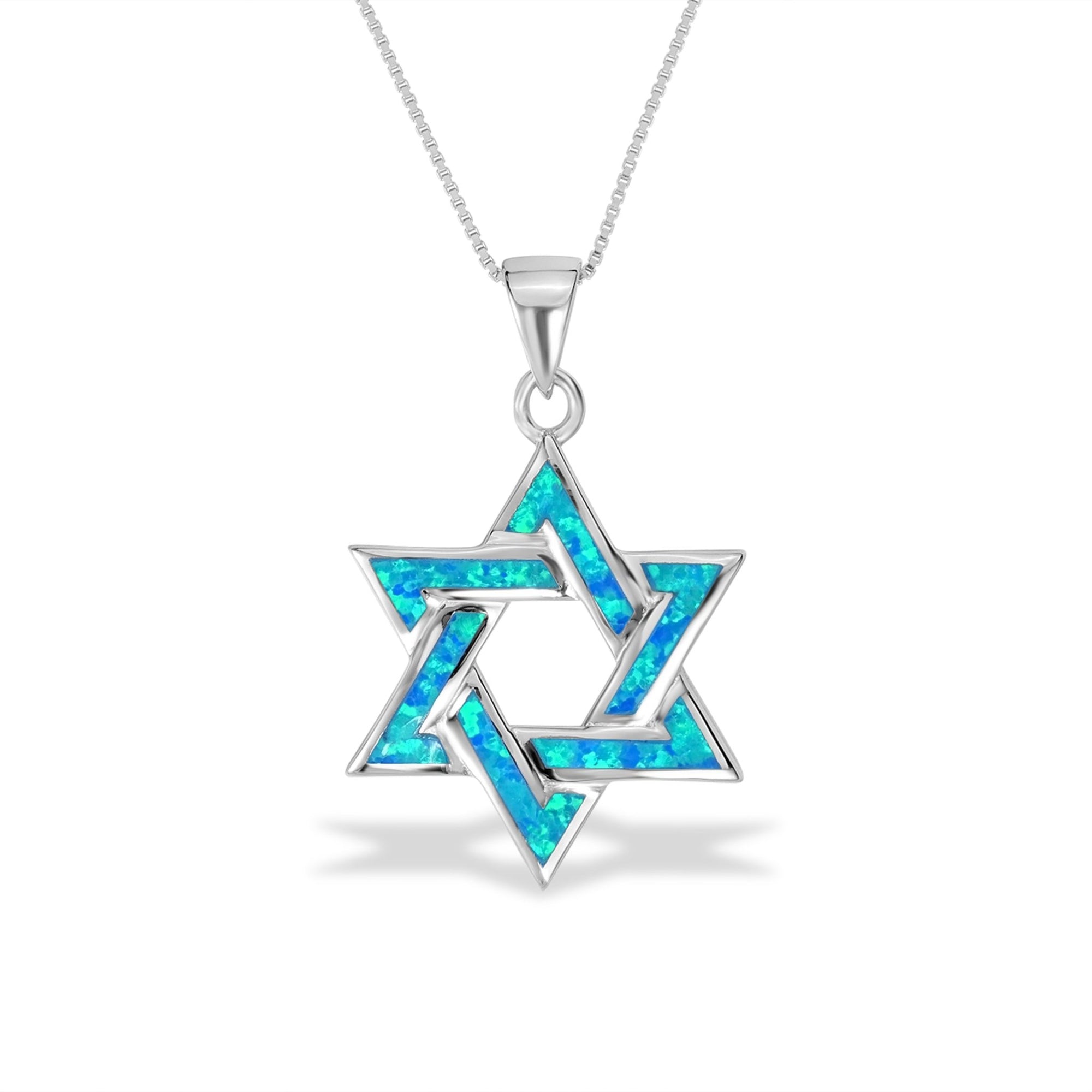
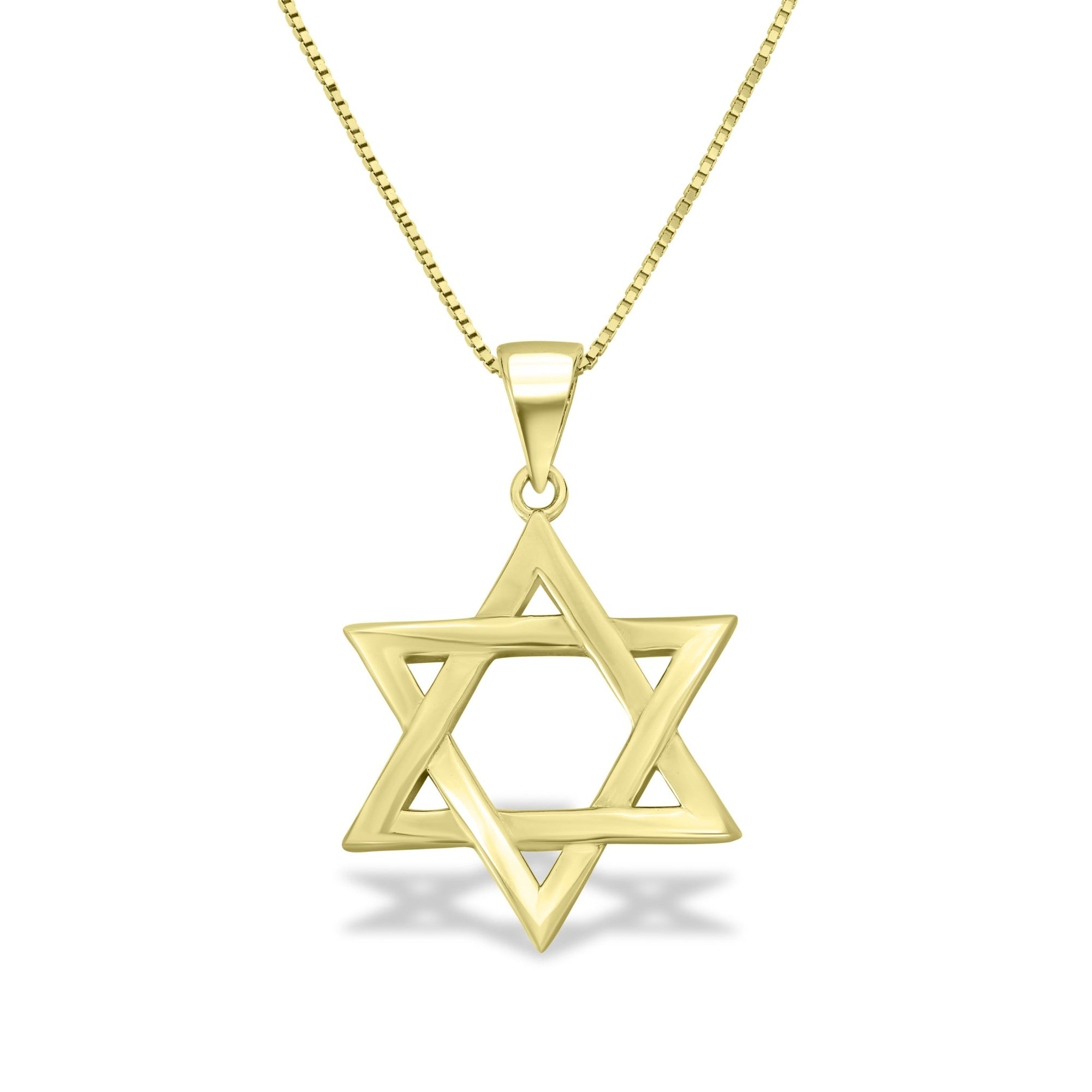
The Star of David is the most recognized marker of Jewish identity, and it shows up constantly in gifting because it says something clear without needing an inscription. The Hamsa, a hand-shaped pendant often paired with a Star of David in modern designs, comes out of a tradition of protection against the "evil eye." Its five fingers are commonly linked to the five senses, according to Judaica retailer Tyferet's overview of the symbol's history. It is one of the most versatile pieces in this category because it reads as protective and personal at once, which is why Hamsa jewelry tends to work for a wide range of recipients.
The Tree of Life, or Etz Chaim, draws on the Garden of Eden imagery and on Proverbs, where it serves as a metaphor for the Torah itself. In jewelry, according to the National Museum of American Jewish History's (Weitzman) museum store, it is typically given to represent renewal, hope, sustenance, and love, which makes it a natural choice for weddings, new babies, or anyone going through a life transition.
Matching the piece to the occasion
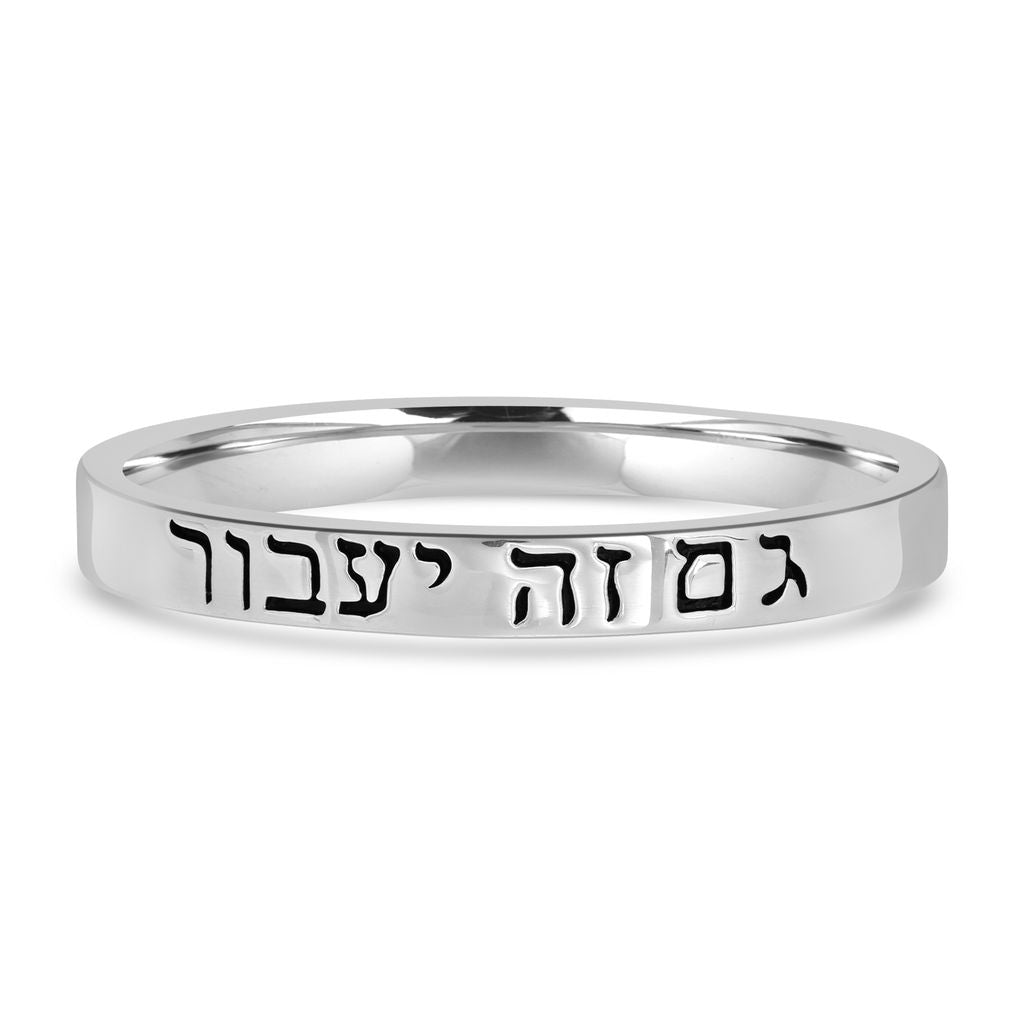
Star of David and Hebrew-name pendants are among the most common first pieces of jewelry given at a bar or bat mitzvah, marking the moment a young person formally takes on Jewish adult responsibilities. The same styles carry over well to Hanukkah gifting and to weddings, where a Hebrew inscription or a verse engraving adds a layer of personal or spiritual meaning that a plain design cannot.
One category worth a note for anyone assembling a gifting list in 2026: yellow-ribbon "Bring Them Home" jewelry, tied to the hostages held in Gaza after October 7, 2023. That crisis is now resolved. The last living hostages were released under the October 2025 ceasefire, and the remains of the final hostage, Master Sgt. Ran Gvili, were returned to Israel and laid to rest in his hometown of Meitar in late January 2026, according to the Times of Israel. If a yellow-ribbon piece is part of a gift today, it reads as a memorial to that period rather than support for an active campaign, a shift a UK Jewish News column described directly after describing removing her own ribbon pin once the last hostage came home.
Building a gift around Jewish and Israeli symbols
For a straightforward starting point, a Star of David necklace covers the widest range of recipients and occasions, from a first piece for a bar or bat mitzvah to a Hanukkah gift for a friend. From there, the Jewish symbols jewelry collection groups Hamsa, Tree of Life, and Star of David pieces together, making it easy to compare styles side by side before deciding what fits the recipient and the occasion.
Related
Creative jewelry gifts for those passionate about Israel
Bar mitzvah gift ideas
Jewish holiday gift guide: Israel-inspired merchandise
Last updated August 2026.