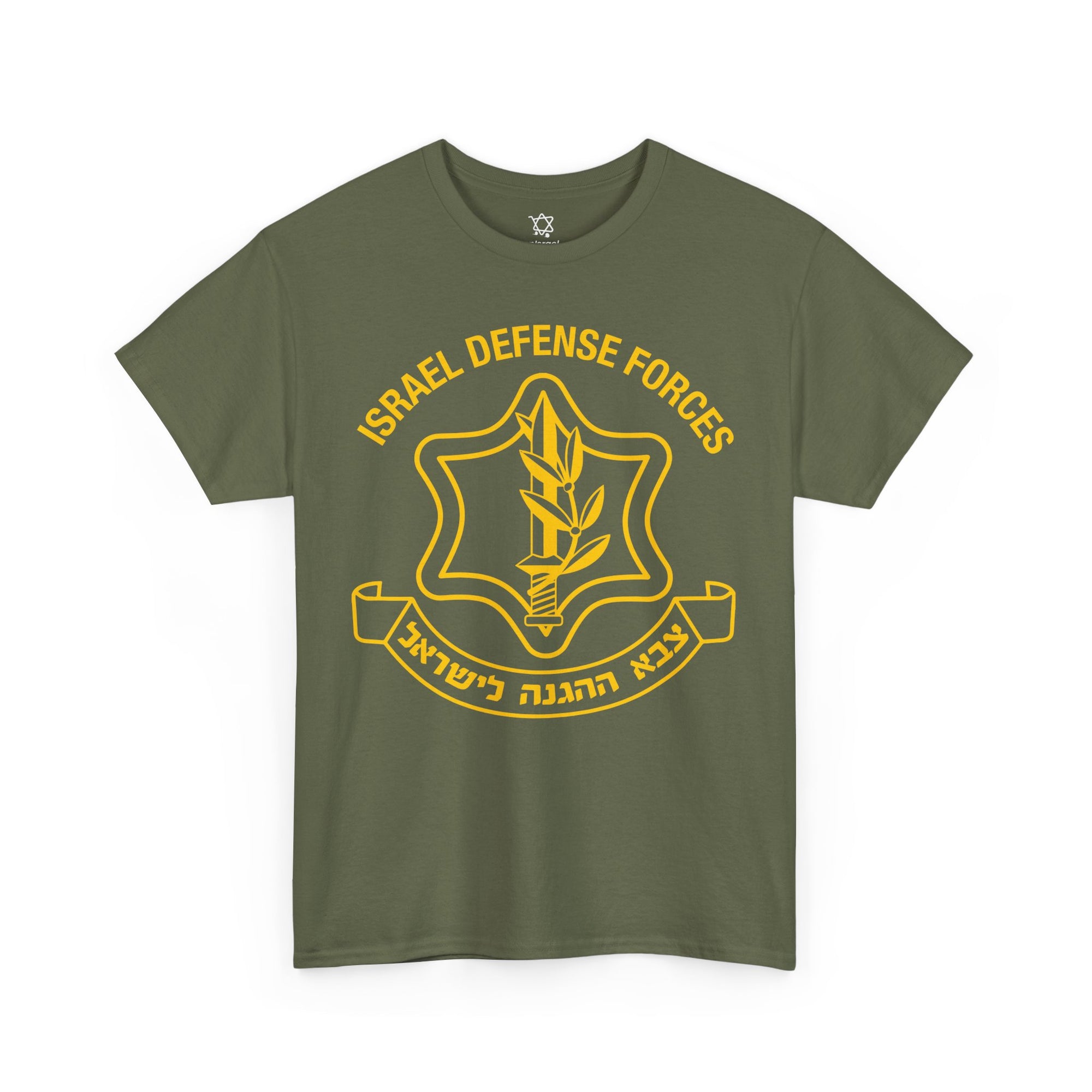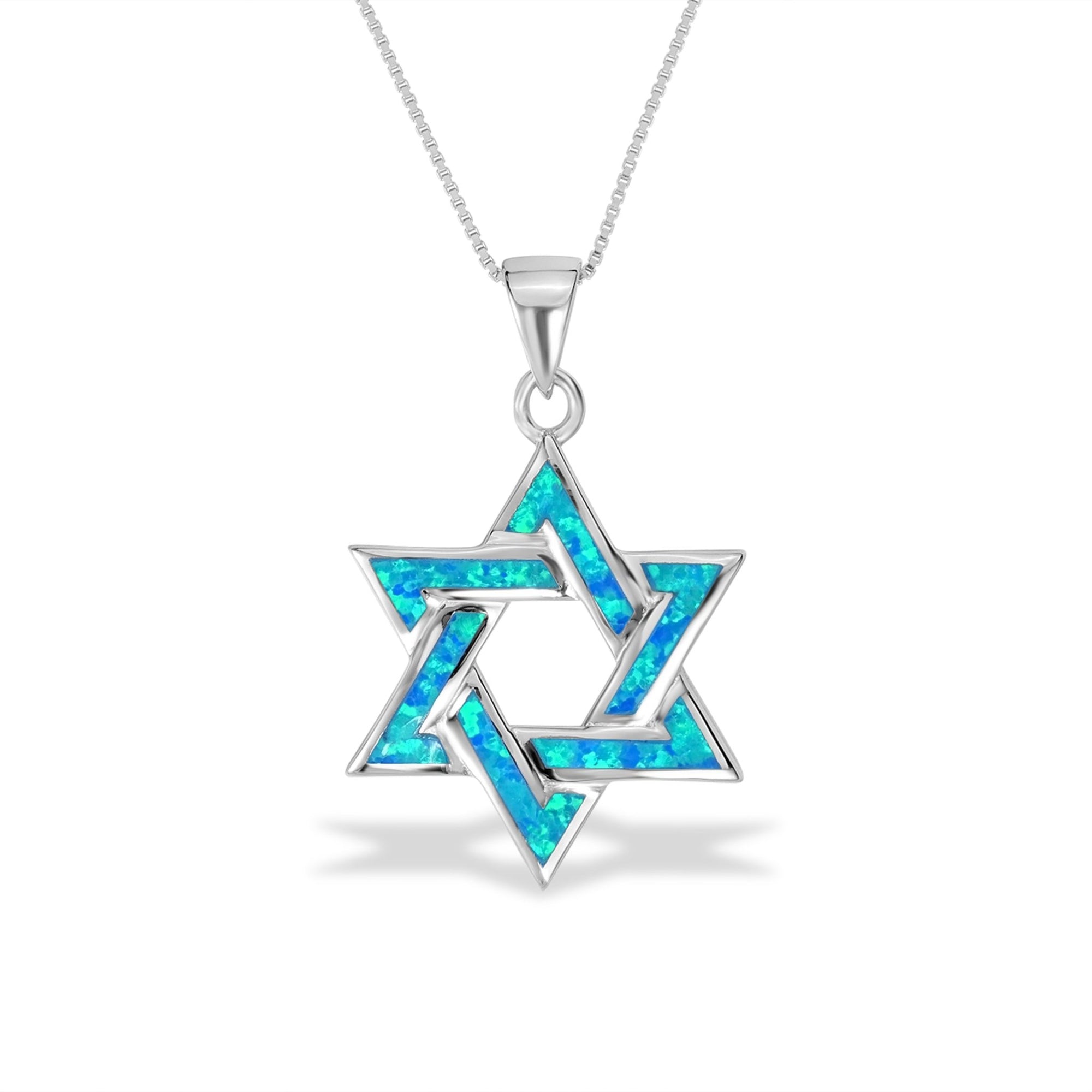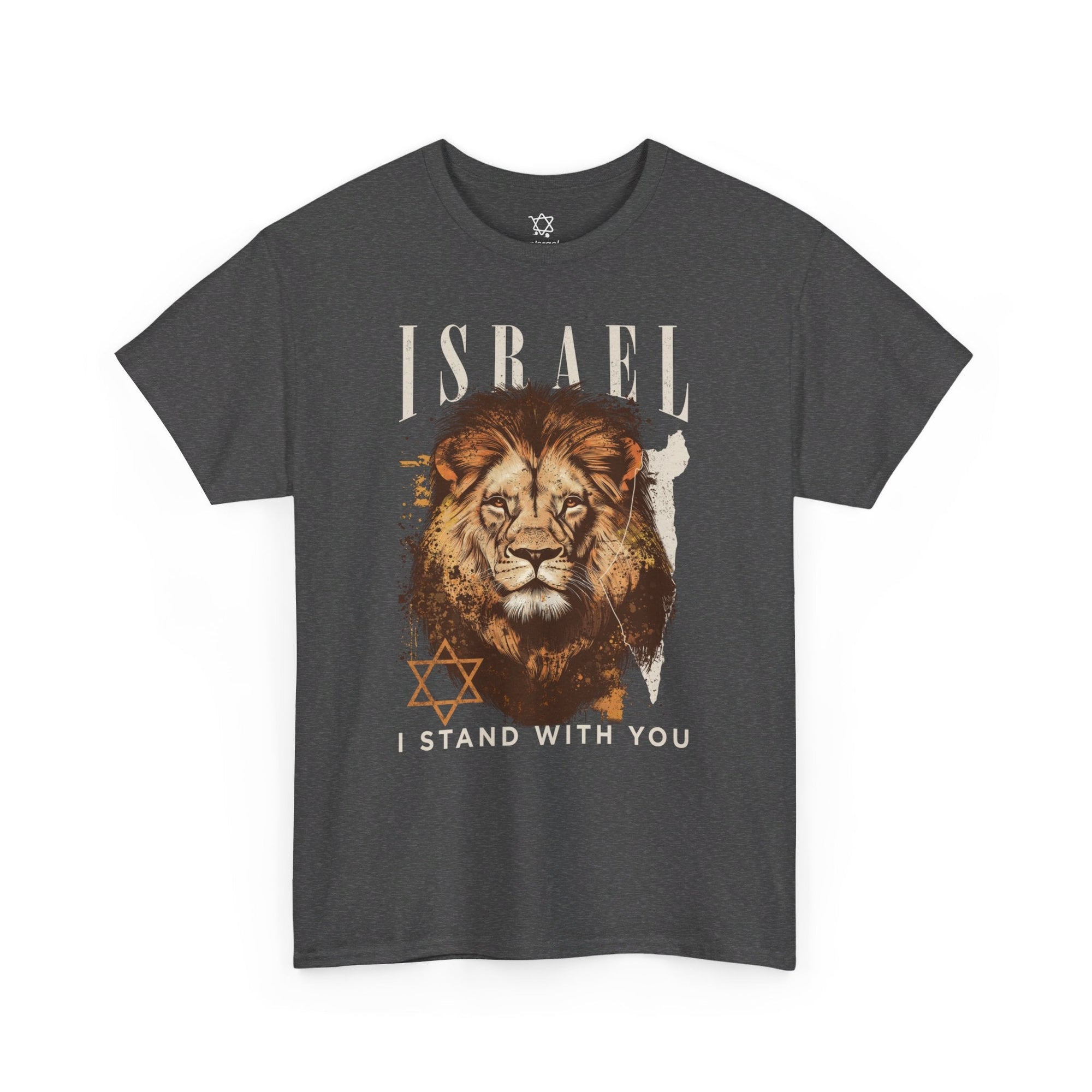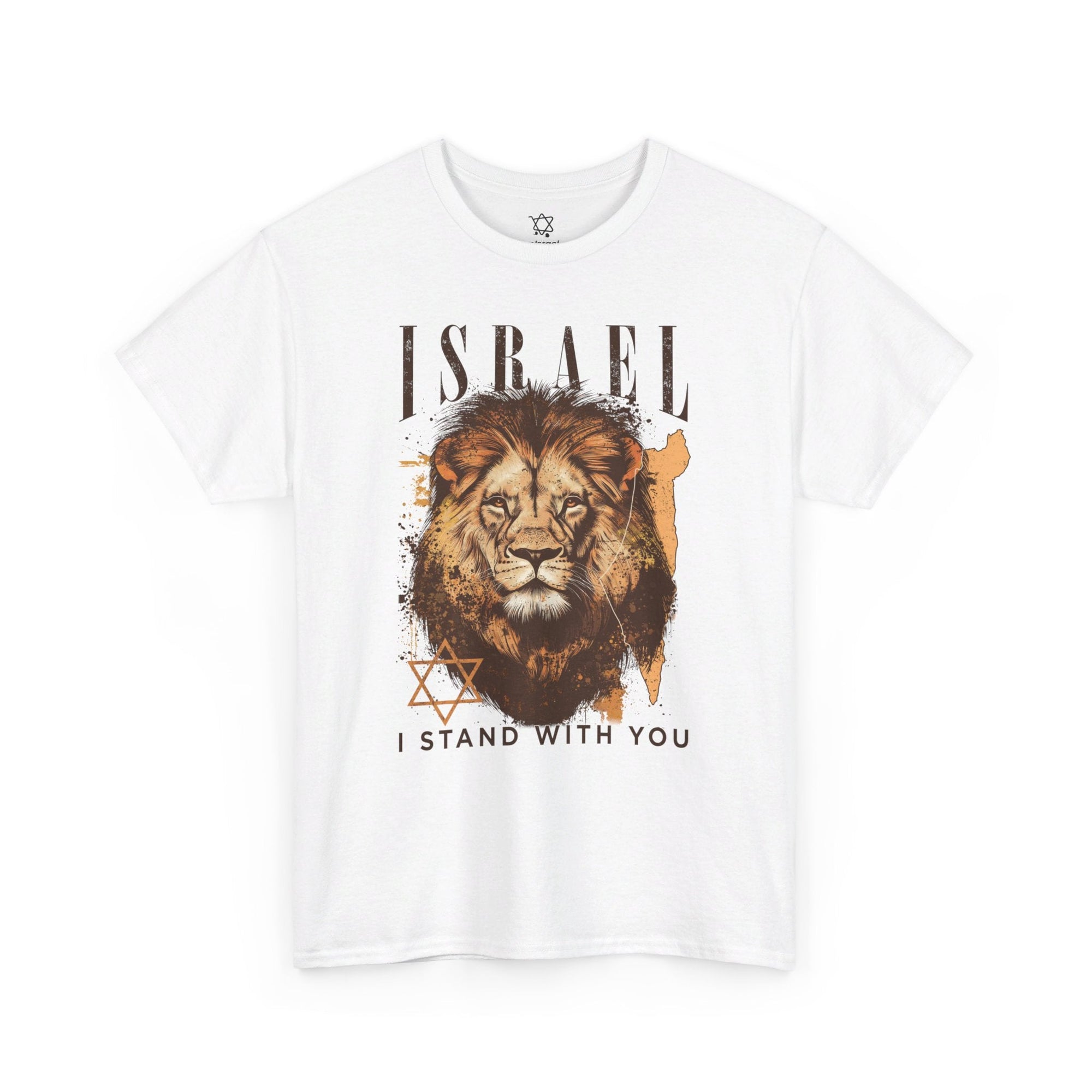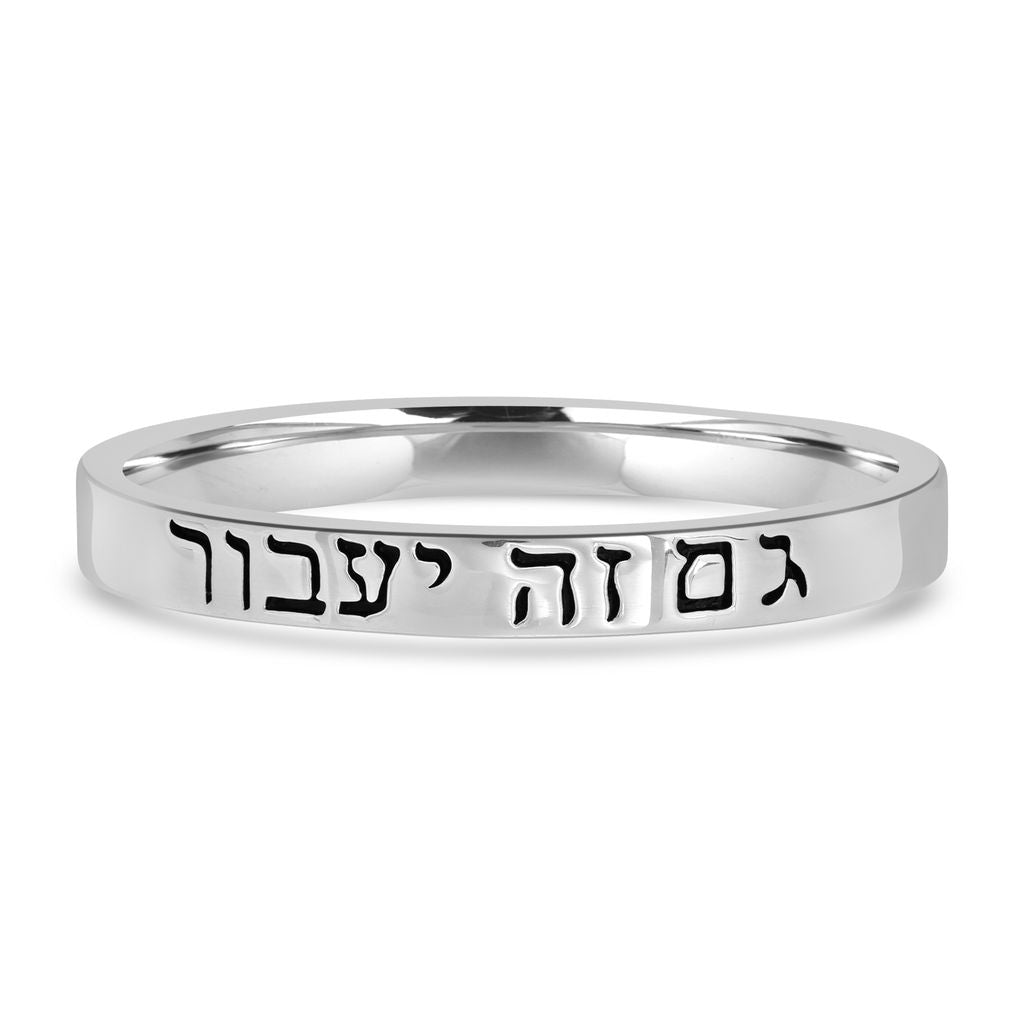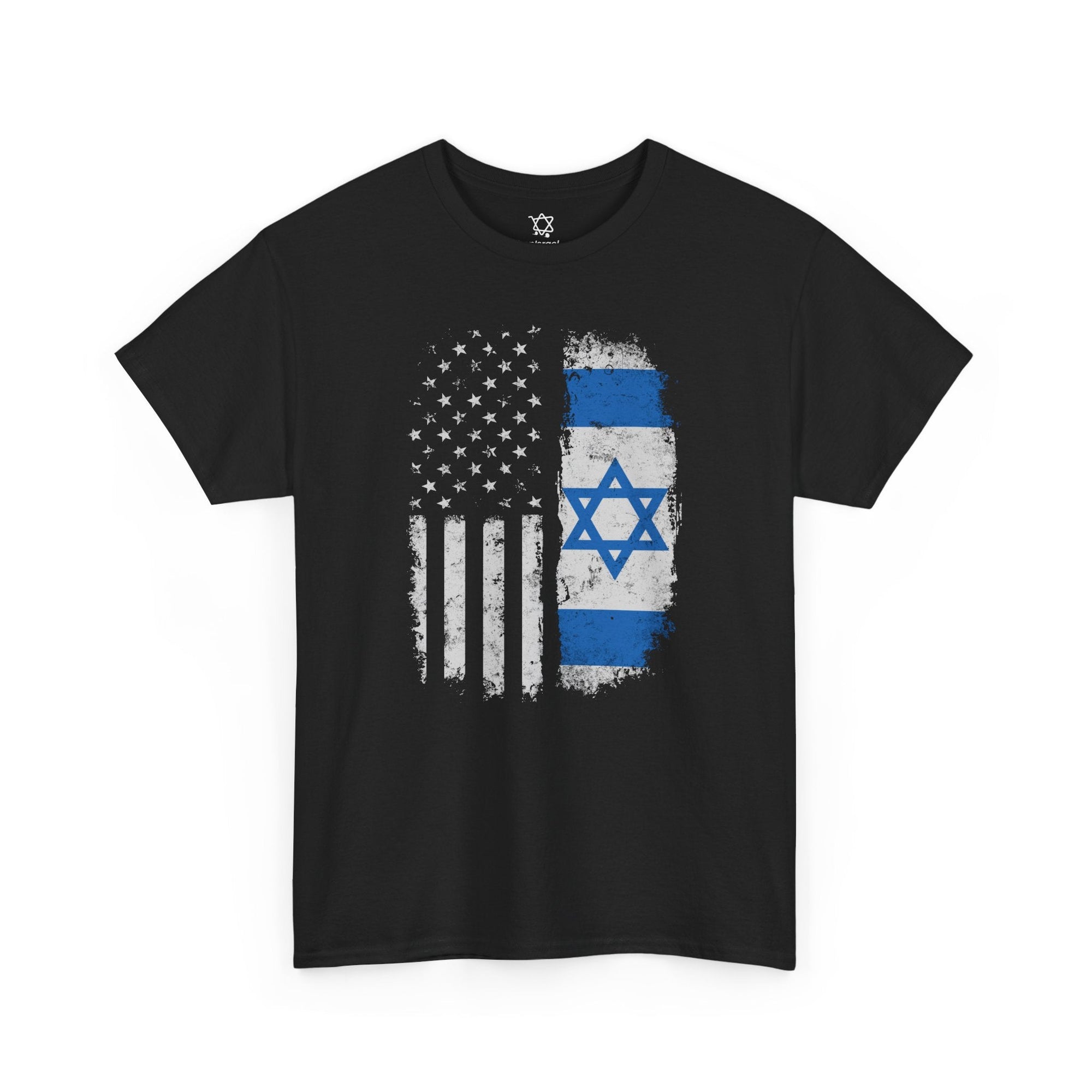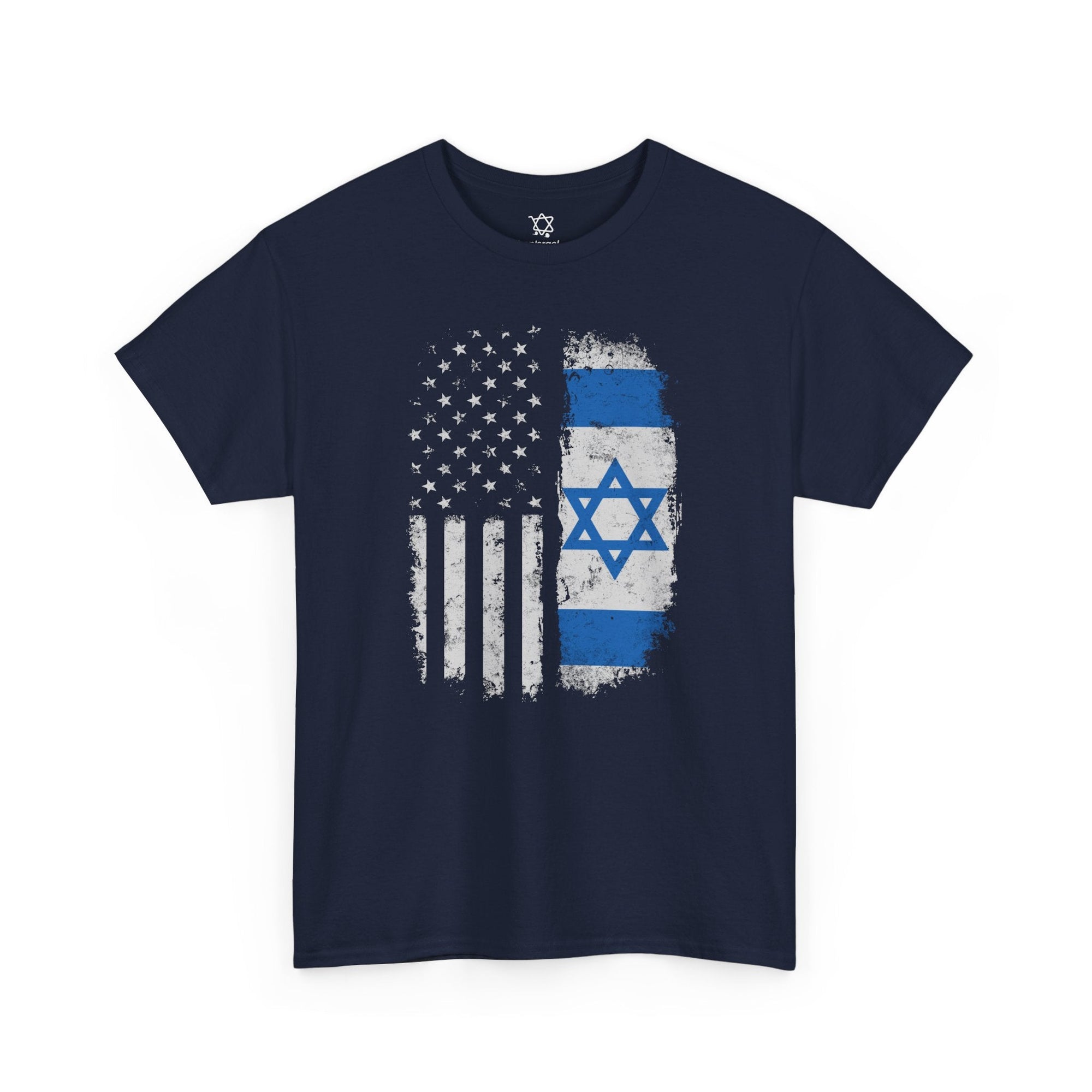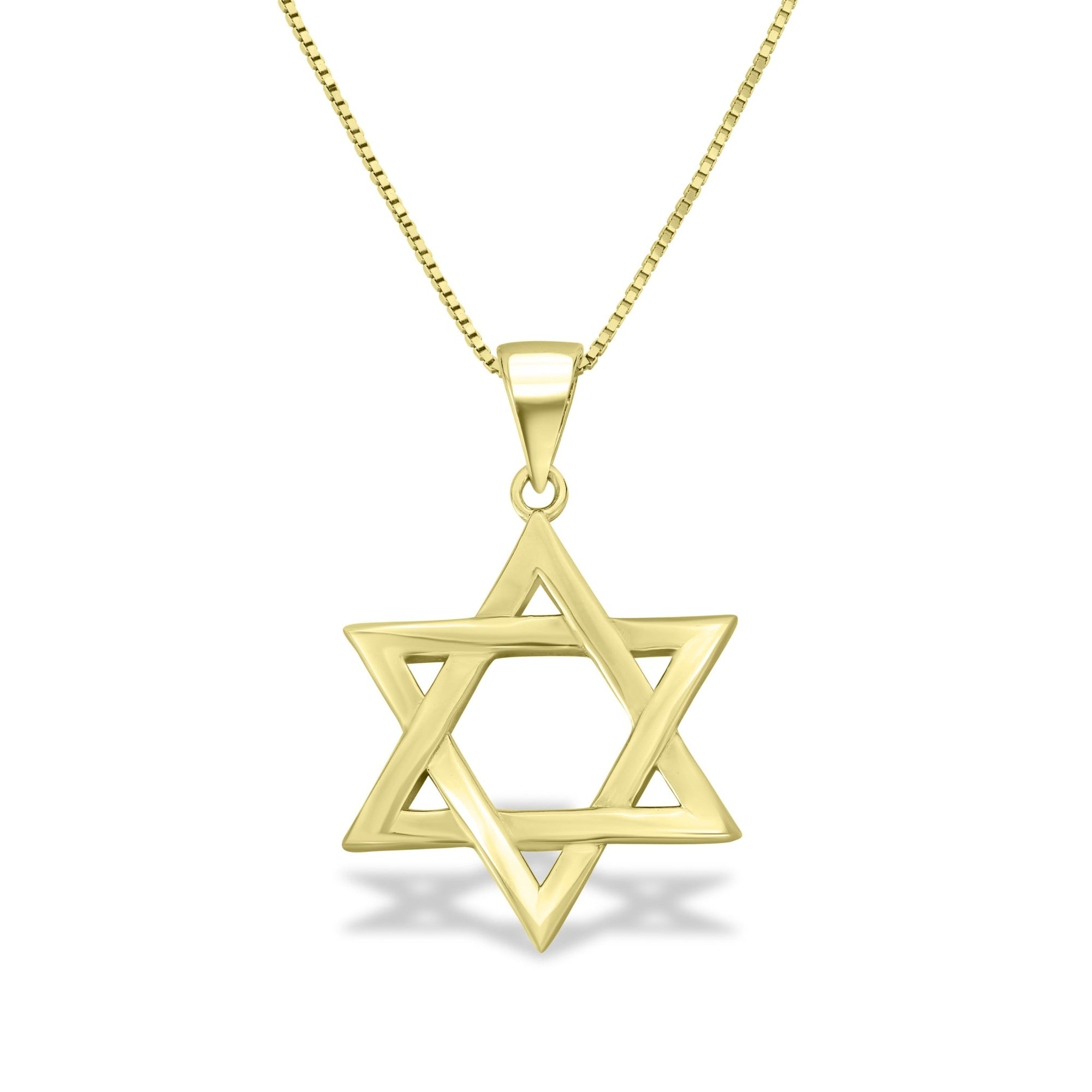


Short answer: Since Hamas's October 7, 2023 attack on Israel, wearing visible Jewish and Israeli symbols, Star of David necklaces, Israeli flag pins, "Am Yisrael Chai" pieces, hostage dog tags, has become a documented, sourced trend. Jewelers reported sales spikes of 400 to 600 percent as Jews chose to display identity and solidarity publicly rather than tuck it away. The keffiyeh does have real ties to early Zionist pioneers, but today it reads almost universally as a pro-Palestinian symbol, so it has no place in a modern Zionist fashion or gift guide.
A real, documented surge, not a marketing claim
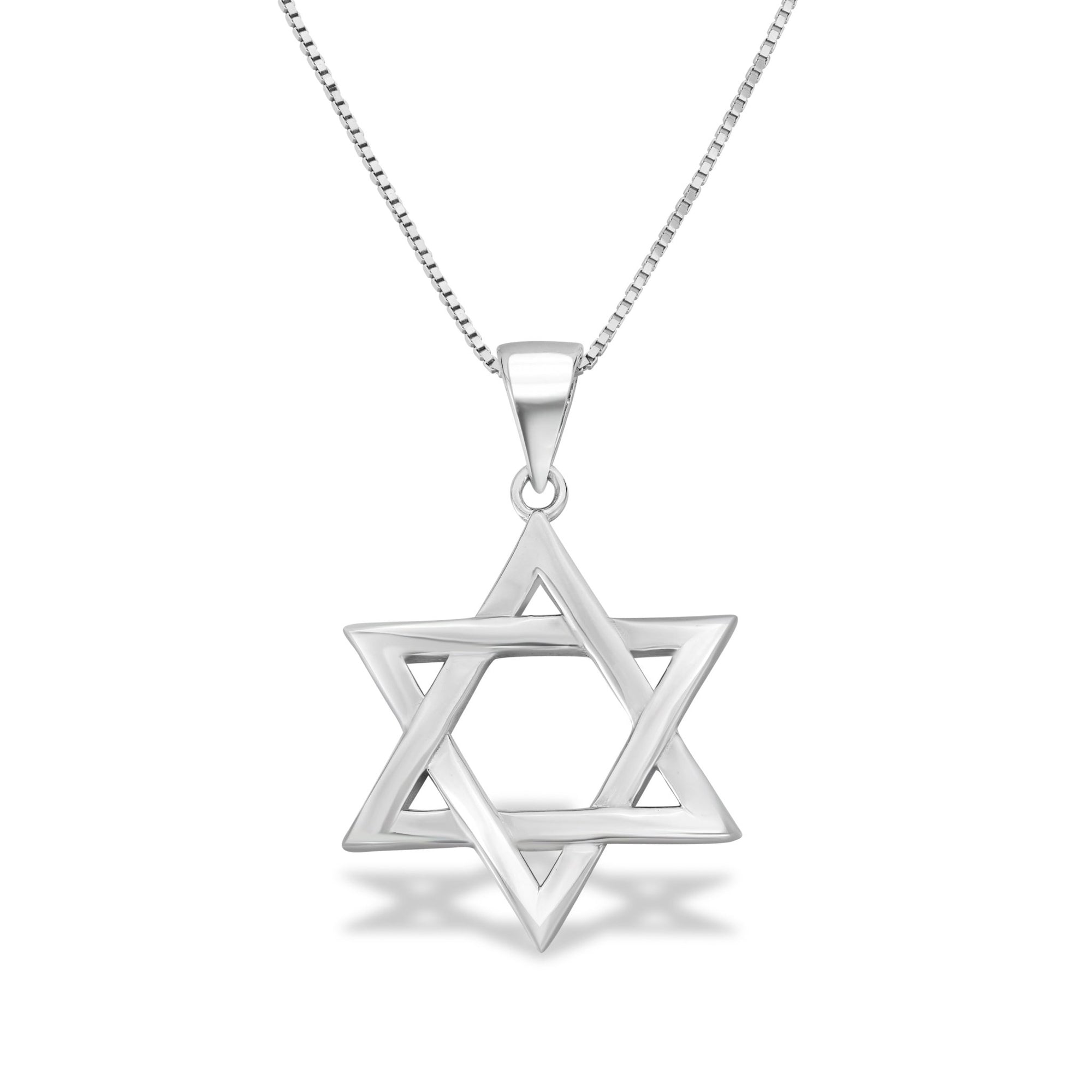
The numbers here are unusually well sourced for a fashion trend. Within days of October 7, 2023, one U.S. jewelry brand reported selling roughly $70,000 worth of Star of David pieces in a single day, according to The Forward. Weeks later, multiple UK and U.S. jewelers told Jewish News (UK) that Star of David pendant sales were up 400 percent, with at least one New York designer reporting demand up sixfold. Several donated a share of profits to Magen David Adom, Israel's emergency medical service. The Jewish Chronicle found the same pattern independently: more Jews than ever choosing to wear their faith visibly, around their necks, in public.
The trend held. Jewish Insider reported that Judaica and Israel-themed gift sales stayed elevated through that December's Hanukkah season, with retailers describing customers seeking, as one put it, "a little Jewish joy" during a hard year. By 2024, Glossy was describing the shift as both commercial and activist: designers framed a Star of David necklace as a form of visible action, not just adornment, at a moment when antisemitic incidents were rising sharply across the U.S. and Europe.
Why identity, not generic "peace," is the accurate frame
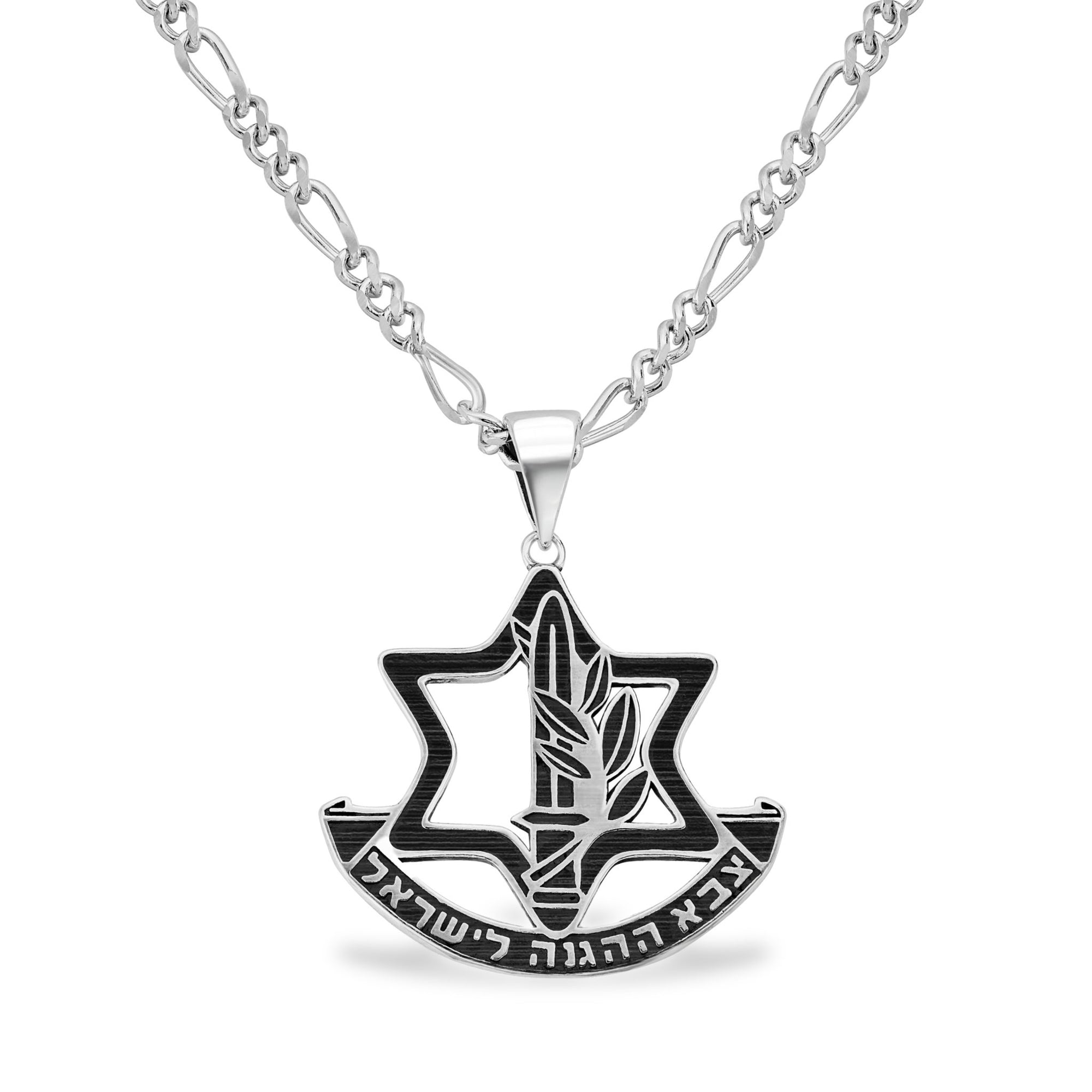
It would be easy to file this under vague "patriotism and peace" language, but the reporting is more specific than that. This is a response to a documented rise in antisemitism and a desire for visible solidarity with Israel and with the hostages taken on October 7, not a generic feel-good trend. The hostage campaign itself has since closed: the last living hostages returned under the October 2025 ceasefire, and the remains of the final hostage, Ran Gvili, came home in January 2026. That distinction matters for anyone buying or wearing these pieces today: a Star of David necklace, an "Am Yisrael Chai" pendant, or a dog-tag style piece reading "Bring Them Home" carries a specific meaning rooted in that period, now closer to memorial than plea, alongside its much older meaning as a symbol of Jewish faith and peoplehood.
The keffiyeh's history complicates a simpler story. Historians, including the National Library of Israel, document that early Zionist settlers and later Haganah, Palmach, Irgun, and Lehi fighters did wear the keffiyeh, largely to adopt local dress rather than as costume; both Jewish and Arab communities in Ottoman and British-era Palestine wore it at the time. That history is true. But it is not current. Reporting from JTA and the Times of Israel found that many diaspora Jews now feel unease or distress seeing keffiyehs in daily life, since the garment has become closely tied to pro-Palestinian protest since October 7. Recommending it as a "Zionist" item today would confuse or alienate rather than express Israeli pride, so a modern gift guide leaves it out even while acknowledging the real history.
One more thing worth closing rather than repeating: online claims tying Uniqlo, a Japanese apparel company, to Zionism or Israel have no verified basis. The retailer does not appear on established boycott-tracking lists, and the rumor traces to unsourced social media claims rather than reported fact. Readers searching that phrase are usually trying to sort information from noise, and the honest answer is that there is nothing there to confirm.
Wearing it, not just reading about it
For readers who want the documented version of this trend rather than the rumor, the clearest path is a piece with unambiguous meaning: a Star of David, an Israeli flag, an "Am Yisrael Chai" line. Shop Israel's Star of David jewelry collection carries necklaces, rings, and earrings in that same spirit that jewelers nationwide described selling out of in late 2023, simple, wearable, and unmistakable in what it says.
Related
- Symbolism Behind Israeli Jewelry Designs You Should Know
- Israel-Themed Fashion Trends You Should Watch This Year
- Creative Gift Ideas for Israel Advocates and Supporters
Last updated July 2026.