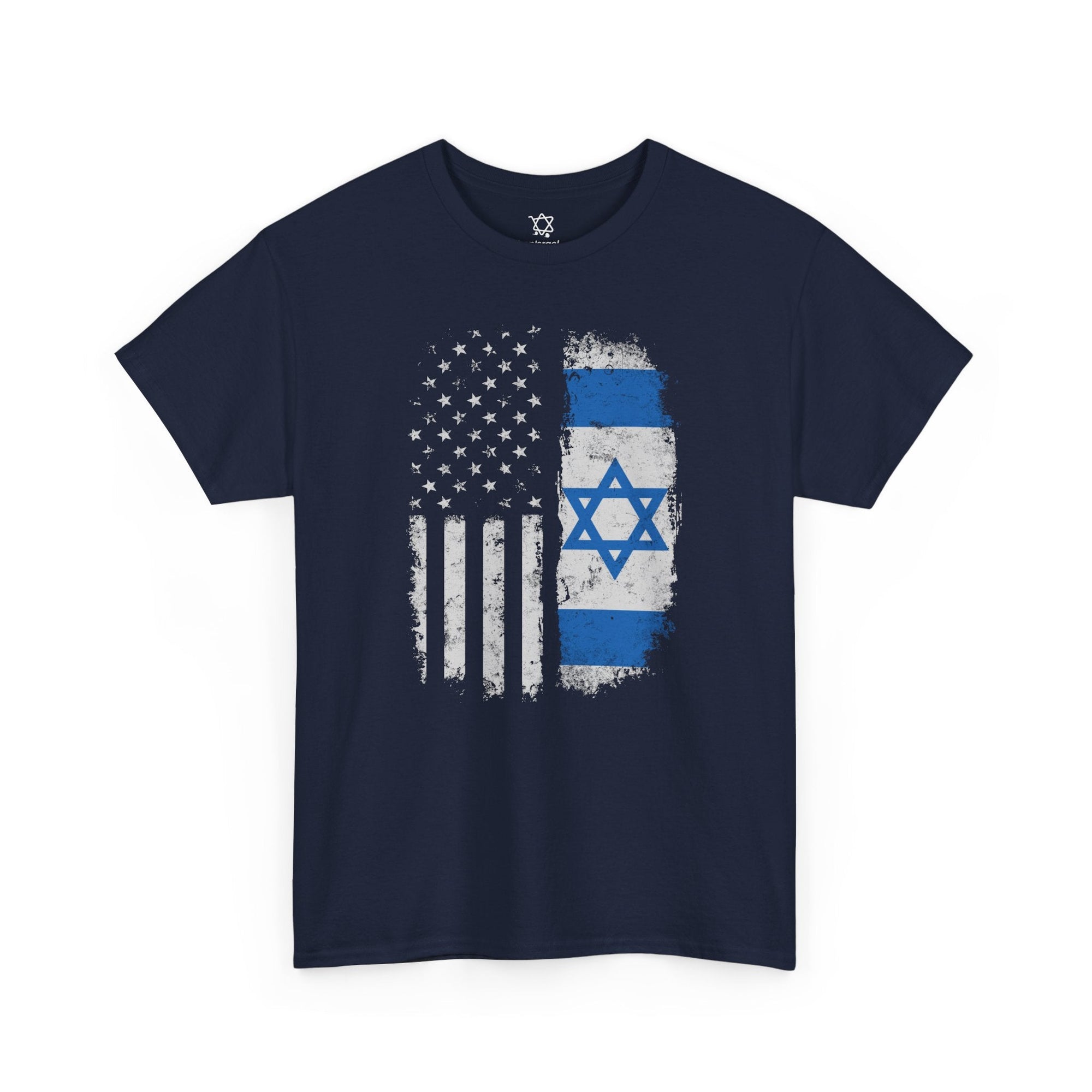


Short answer: Marking Jewish holidays with authentic Israeli-made Judaica is not a trend, it is a continuation of customs that go back centuries and craft traditions rooted in Jerusalem's own workshops. Rosh Hashanah's apples and honey, Sukkot's Four Species ritual, and the gift customs around a Bar or Bat Mitzvah are all well-documented practices, and Israel's silversmithing and Judaica industry, traceable to the Bezalel Academy founded in Jerusalem in 1906, has long supplied the ritual objects that go with them.
Rosh Hashanah and the symbolism behind the table
Rosh Hashanah, the Jewish New Year, is built around symbolic foods meant to set intentions for the year ahead. The best known is apples dipped in honey, a custom that represents hope for a sweet new year. It is worth noting this was not the original list: the Talmud names a different set of symbolic foods, including gourd, fenugreek, leeks, beets, and dates, and apples and honey only became the dominant Ashkenazi custom by the 14th century. In 2026, Rosh Hashanah 5787 begins at sundown on Friday, September 11 and ends at nightfall on Sunday, September 13. It is a holiday where the table itself carries the meaning, which is why serving pieces and honey dishes matter as much as the food on them.
Sukkot's Four Species and the customs of gift-giving
A week or so later comes Sukkot, a seven-day festival built around a daily ritual with the Four Species commanded in Leviticus 23:40: the etrog (citron), lulav (palm frond), hadass (myrtle), and aravah (willow). The etrog is held in the left hand, the bound lulav in the right, and the set is waved in six directions each day of the festival except Shabbat, when the lulav is set aside. In 2026, Sukkot begins at sundown on Friday, September 25 and runs through nightfall on Friday, October 2, followed immediately by Shemini Atzeret and Simchat Torah through October 4. Separately, life-cycle events carry their own, distinct gift customs. A Bar or Bat Mitzvah, marking a child's coming of age into religious responsibility, traditionally comes with cash gifts in multiples of 18 (honoring the Hebrew word "chai," meaning life) alongside Judaica meant to be kept for a lifetime: Shabbat candlesticks, a tallit, a siddur, or a tzedakah box.
Where Israeli craftsmanship fits in
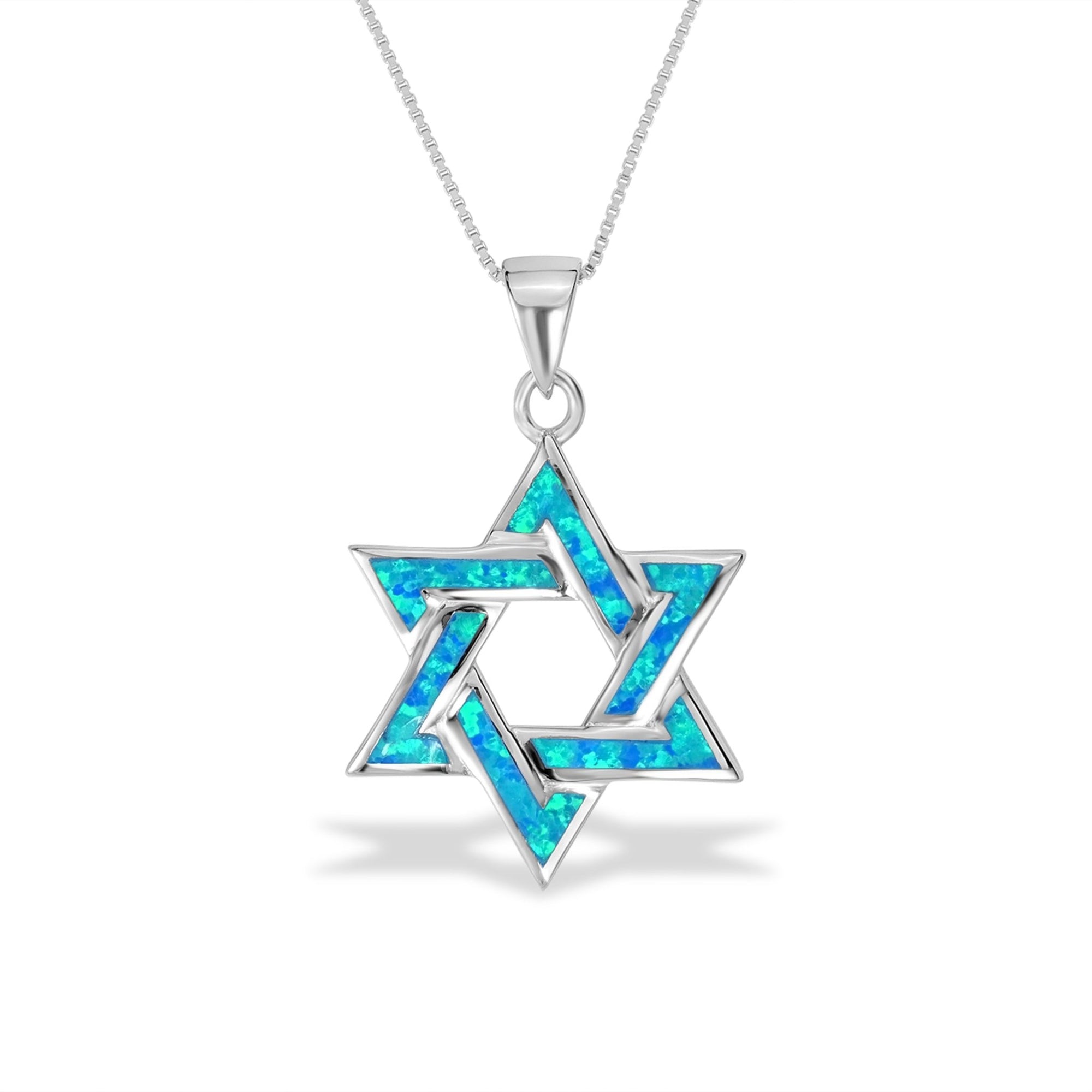
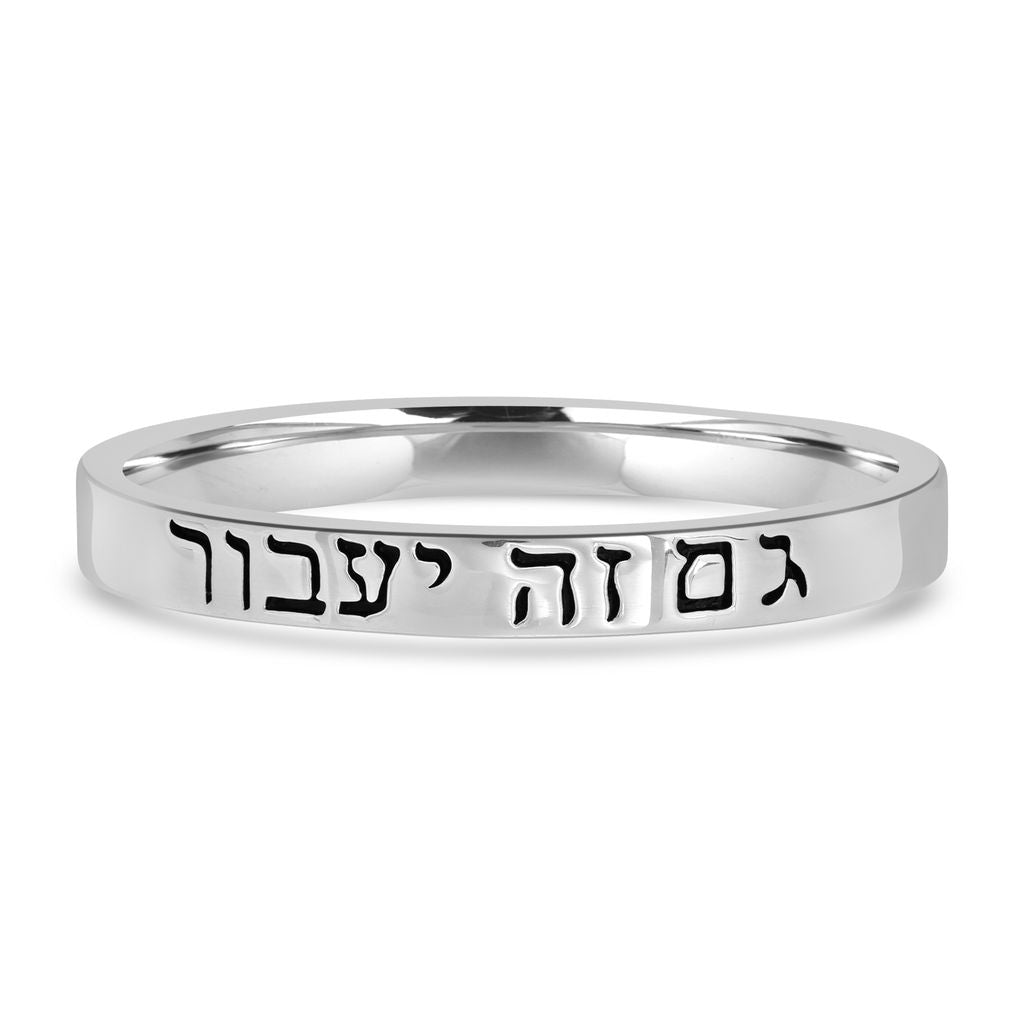
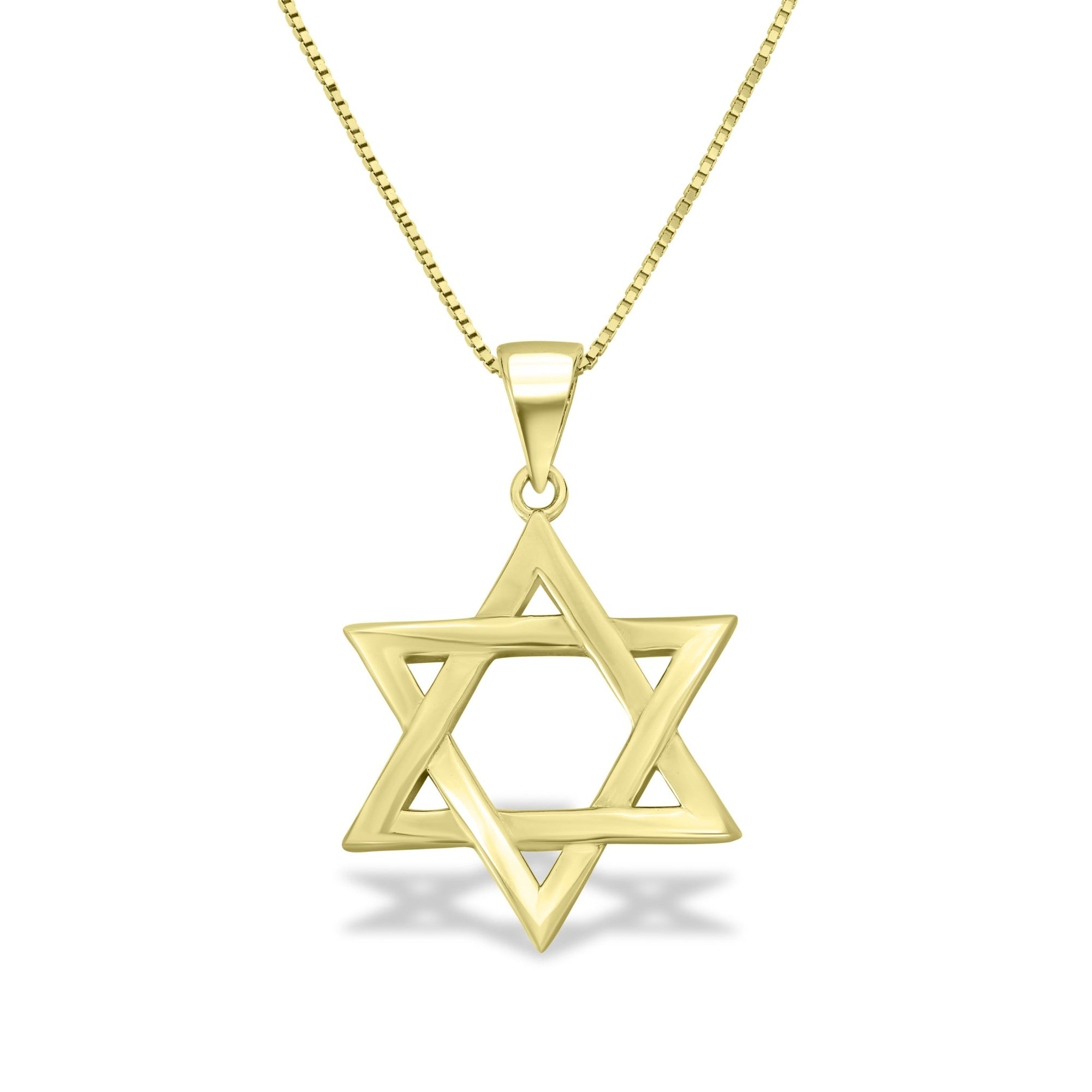
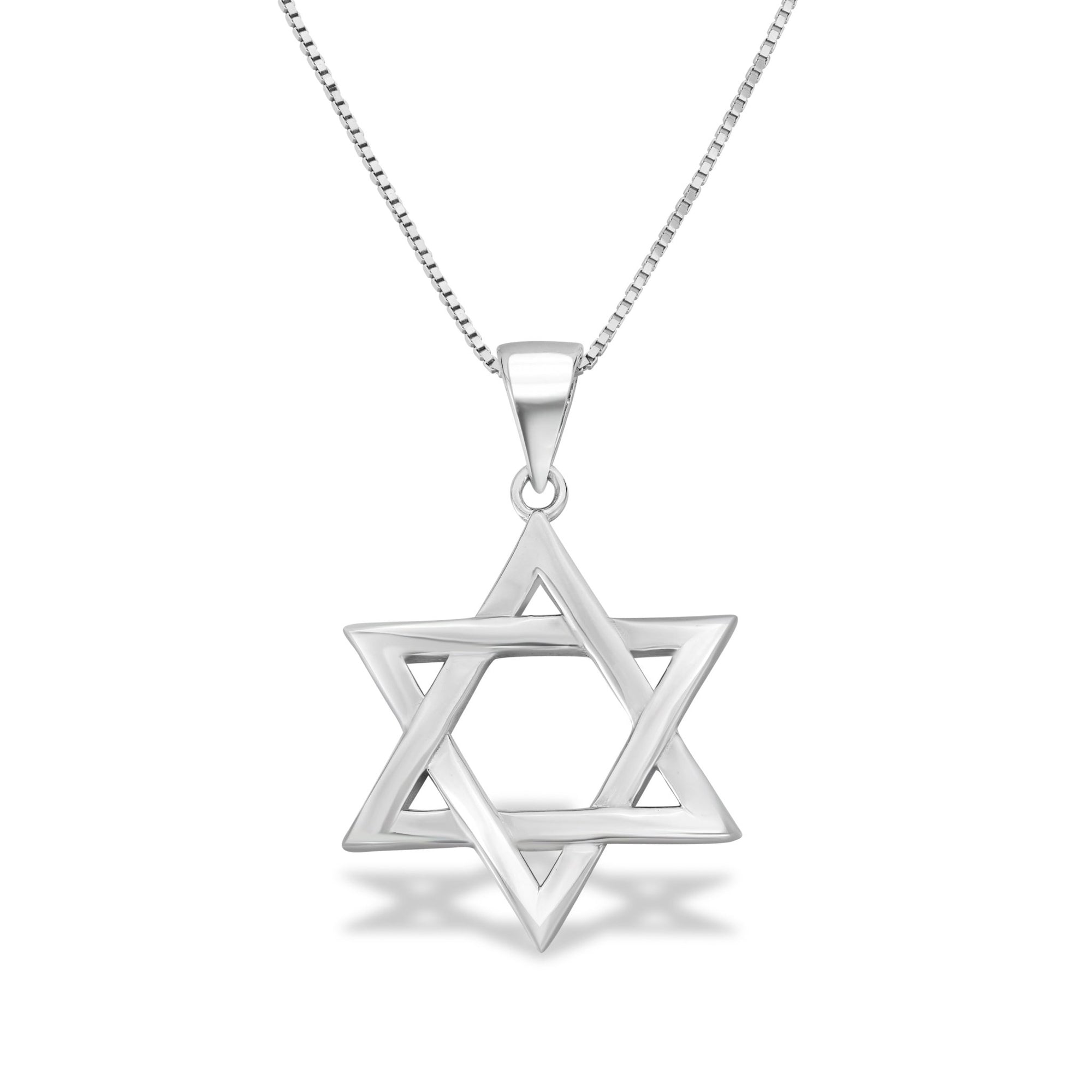
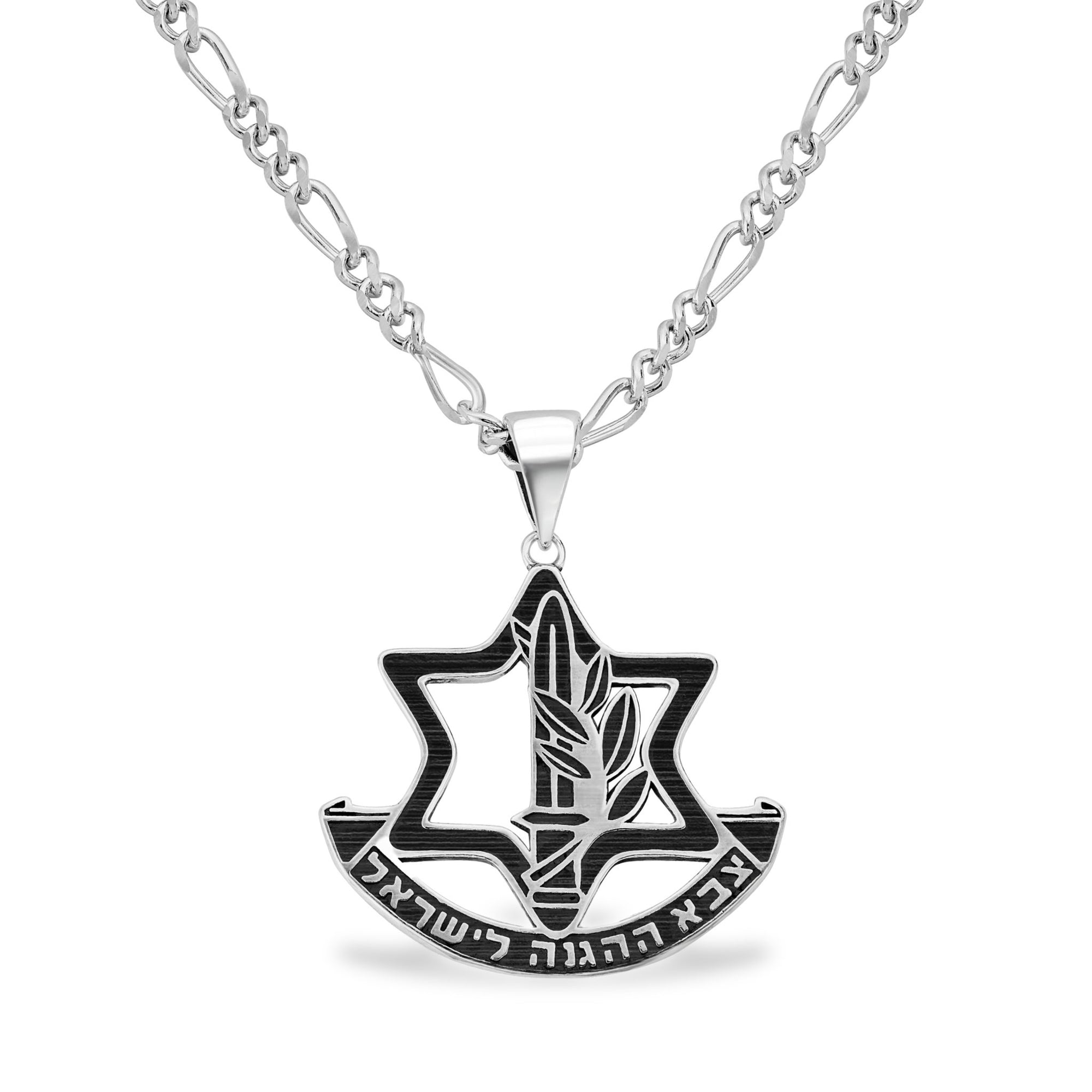
The Judaica behind these customs, candlesticks, kiddush cups, mezuzahs, and jewelry with Jewish symbolism, has a real production history in Israel. Boris Schatz founded the Bezalel School of Arts and Crafts in Jerusalem in 1906, the institution that trained generations of Israeli silversmiths and is generally considered the root of the country's modern Judaica craft industry. Jerusalem's Judaica workshops are still cited today as sources of Israeli-made ritual pieces. Choosing a piece that carries that lineage, rather than a generic import, is part of what makes a holiday gift or a Bar Mitzvah keepsake feel authentic. If you're shopping ahead of the fall holidays or looking for a Bar Mitzvah gift with lasting meaning, a piece from our Jewish symbols jewelry collection, like the Shalom Star of David necklace, ties directly into that same Jewish identity these holidays are built around.
Related
Jewish holiday Israel merchandising trends and traditions
Bar Mitzvah gift ideas
Gifting guide: Israel-themed jewelry for every occasion
Last updated August 2026.