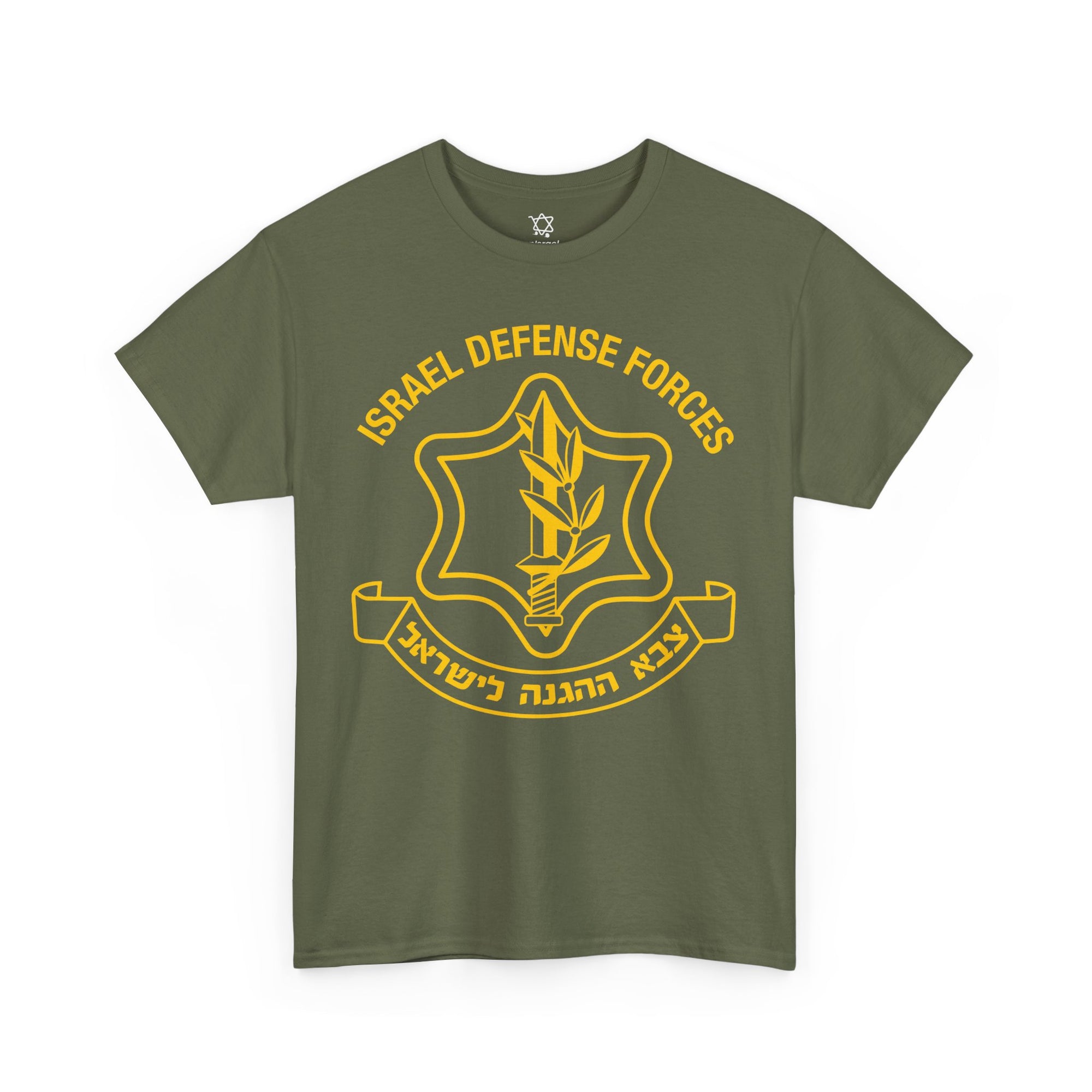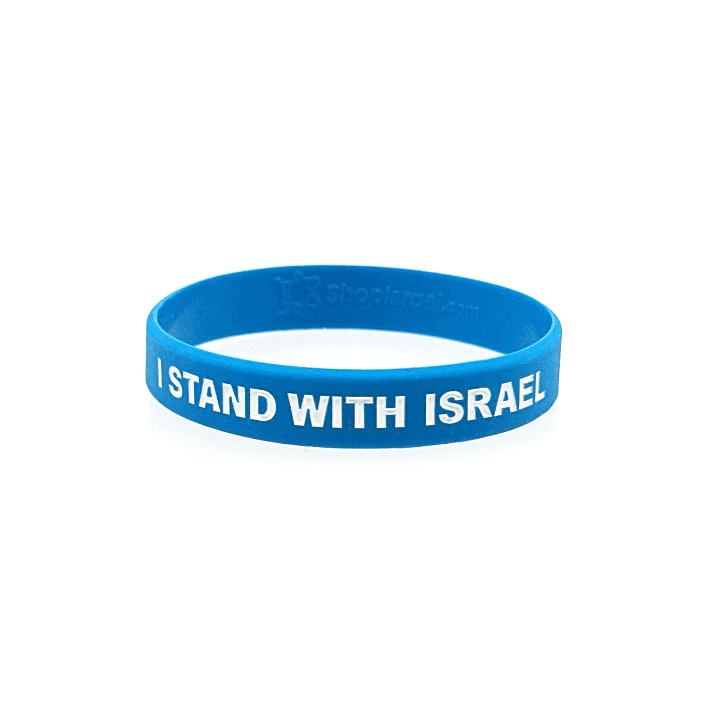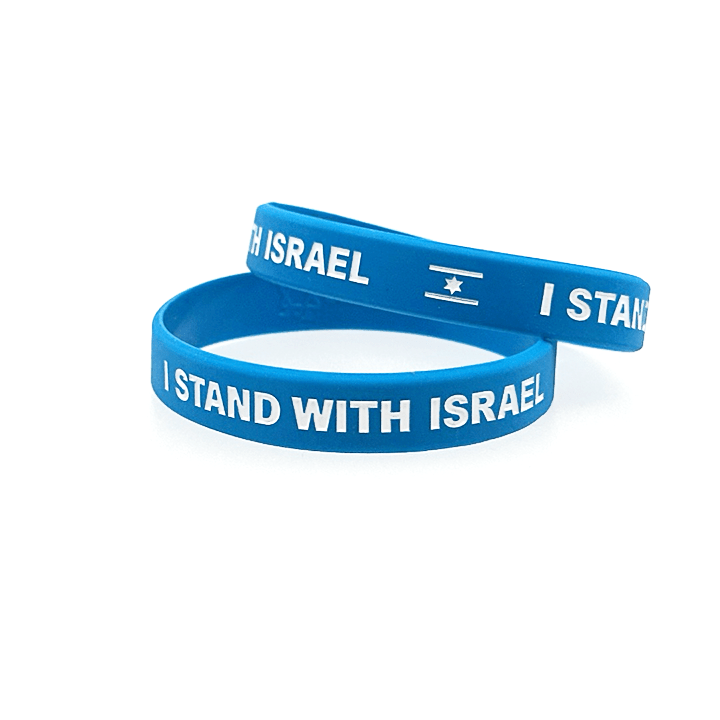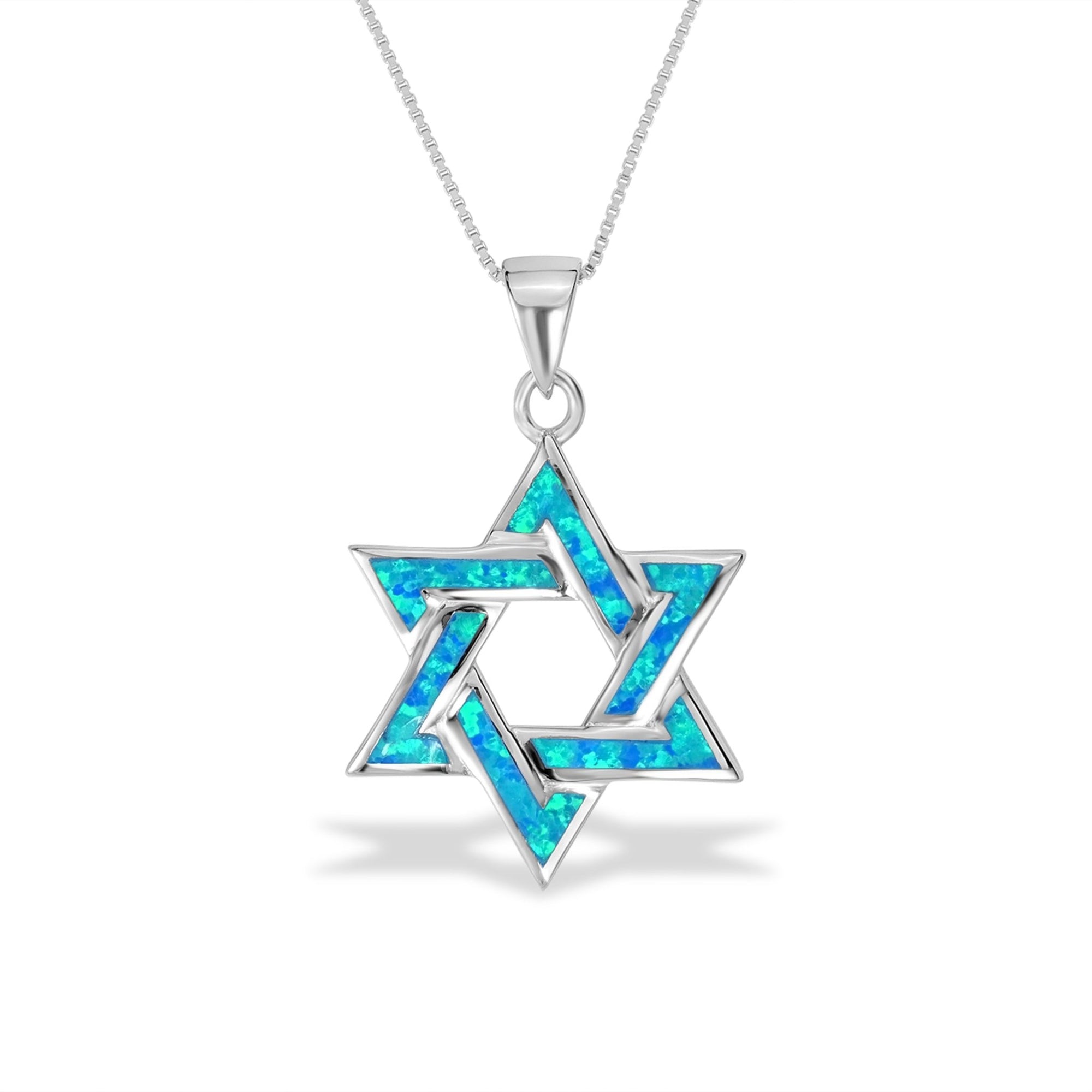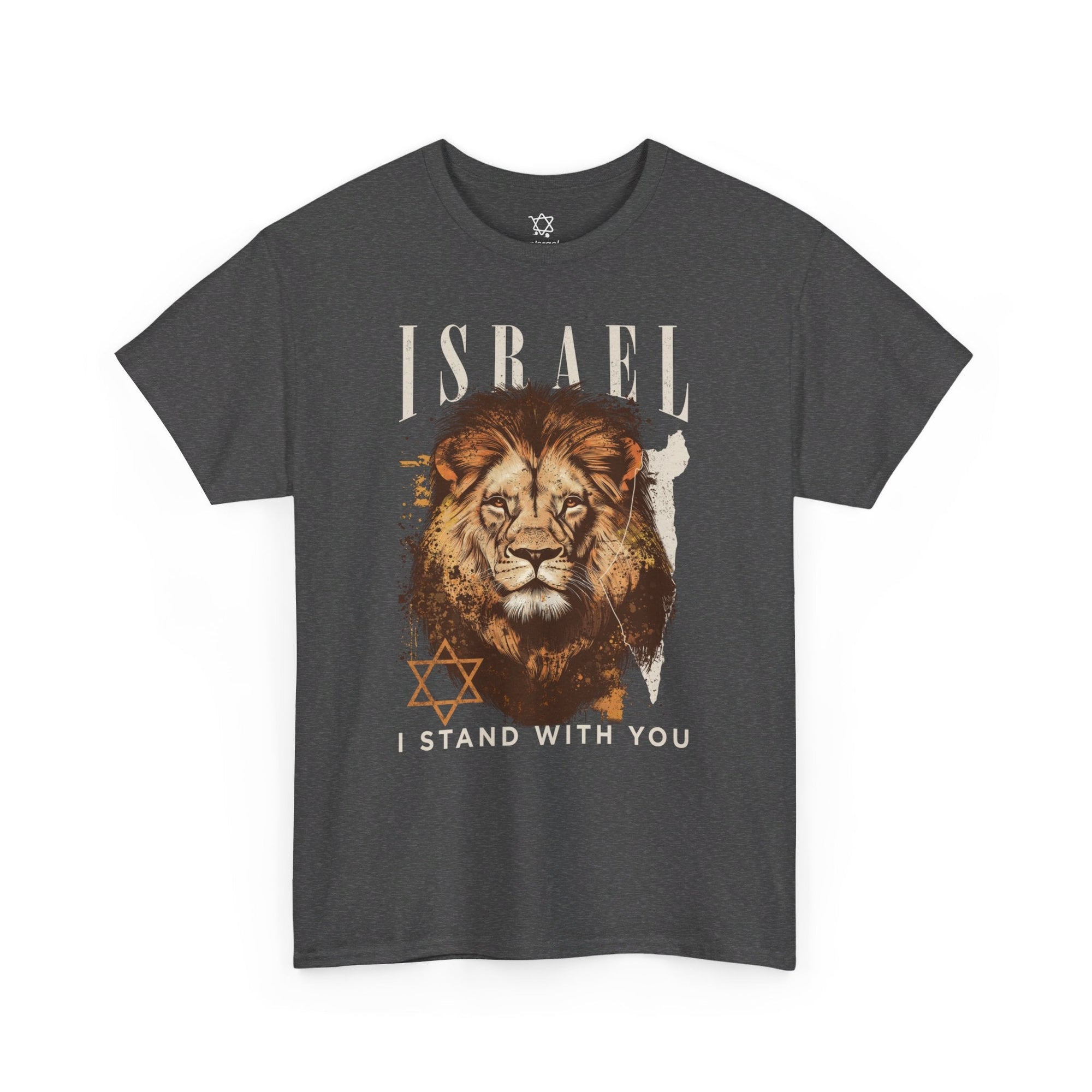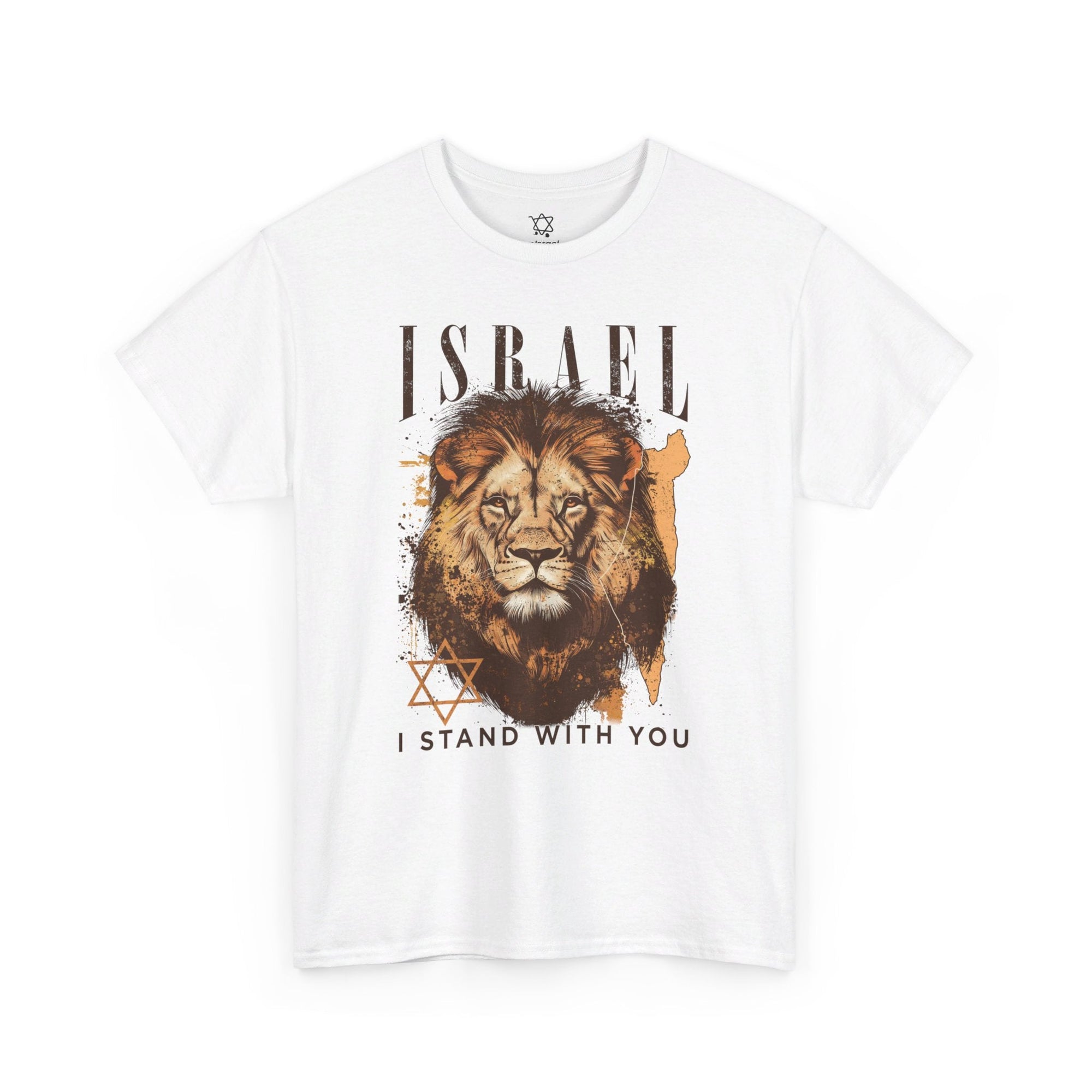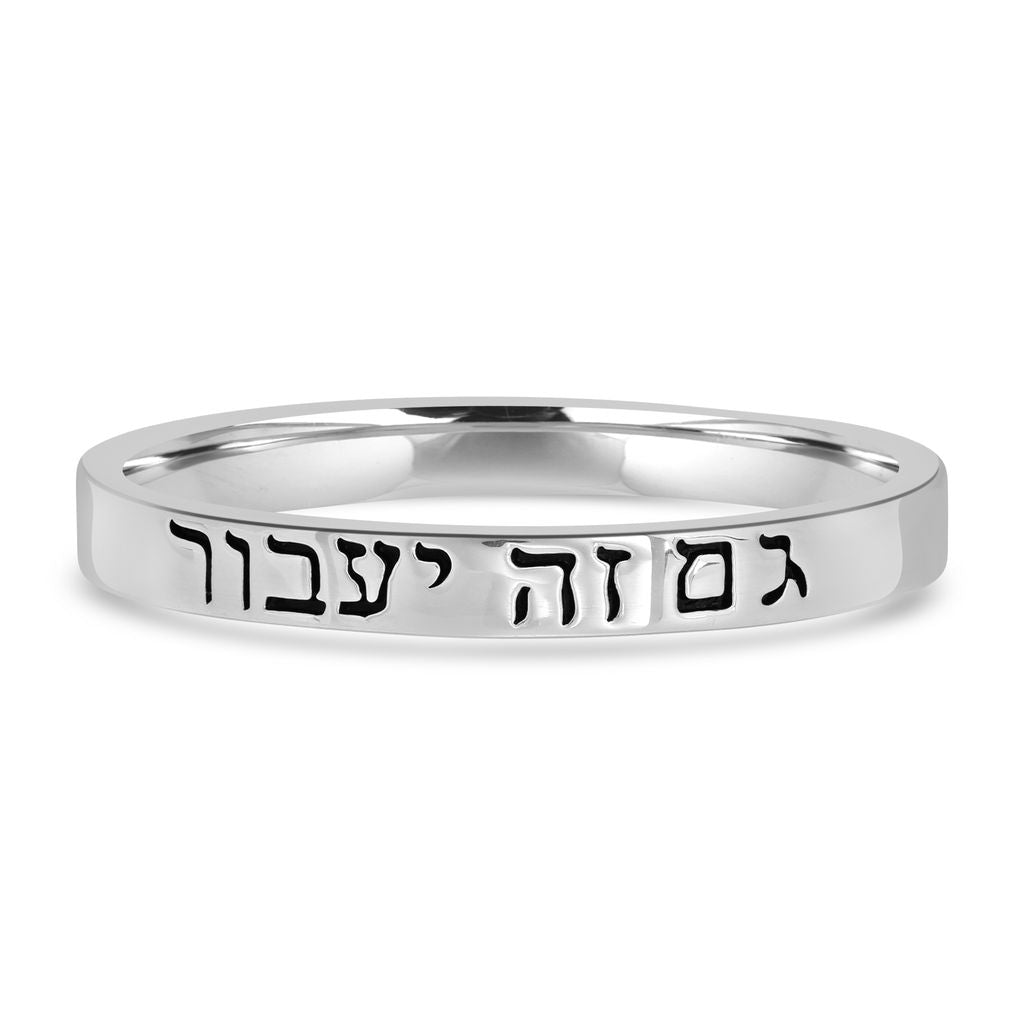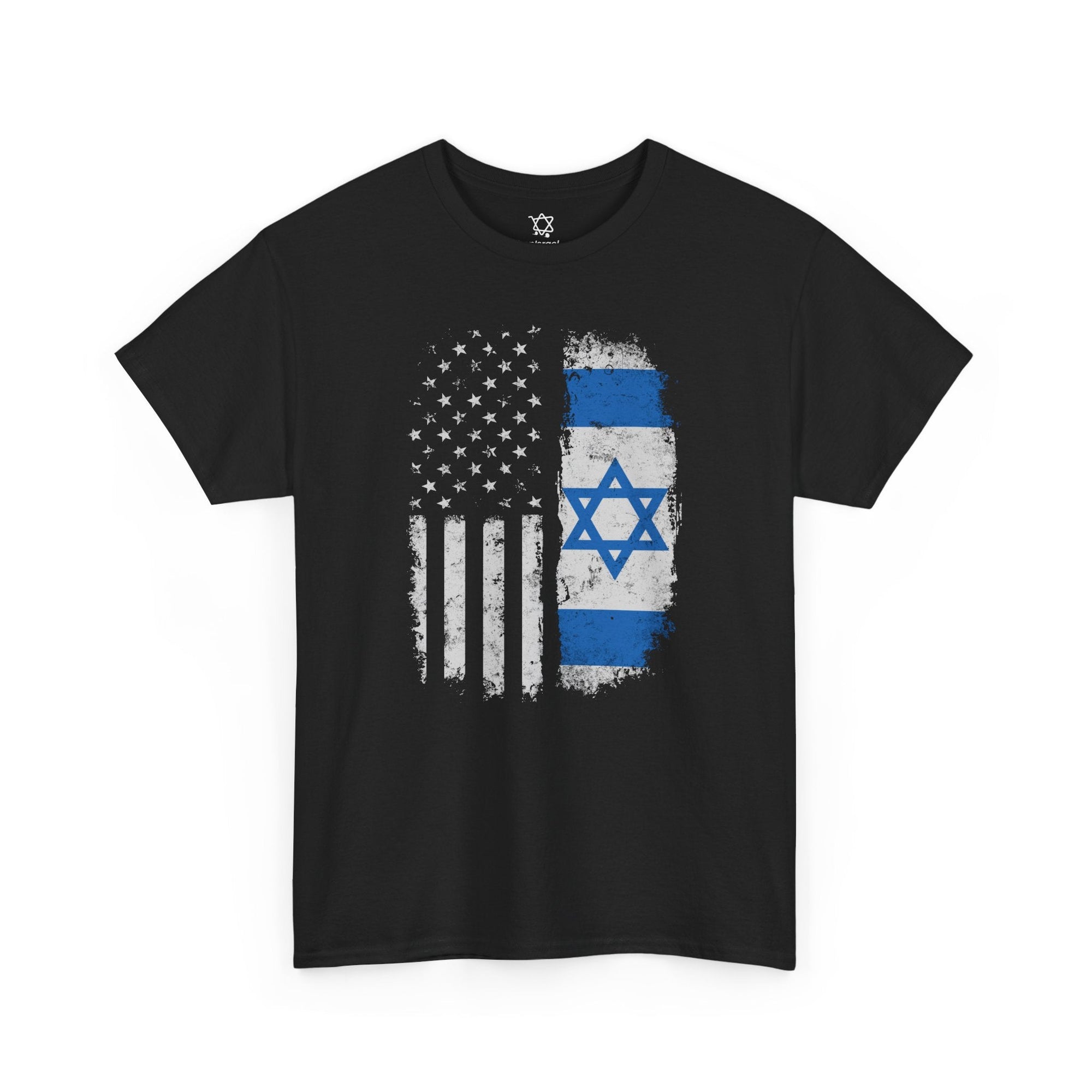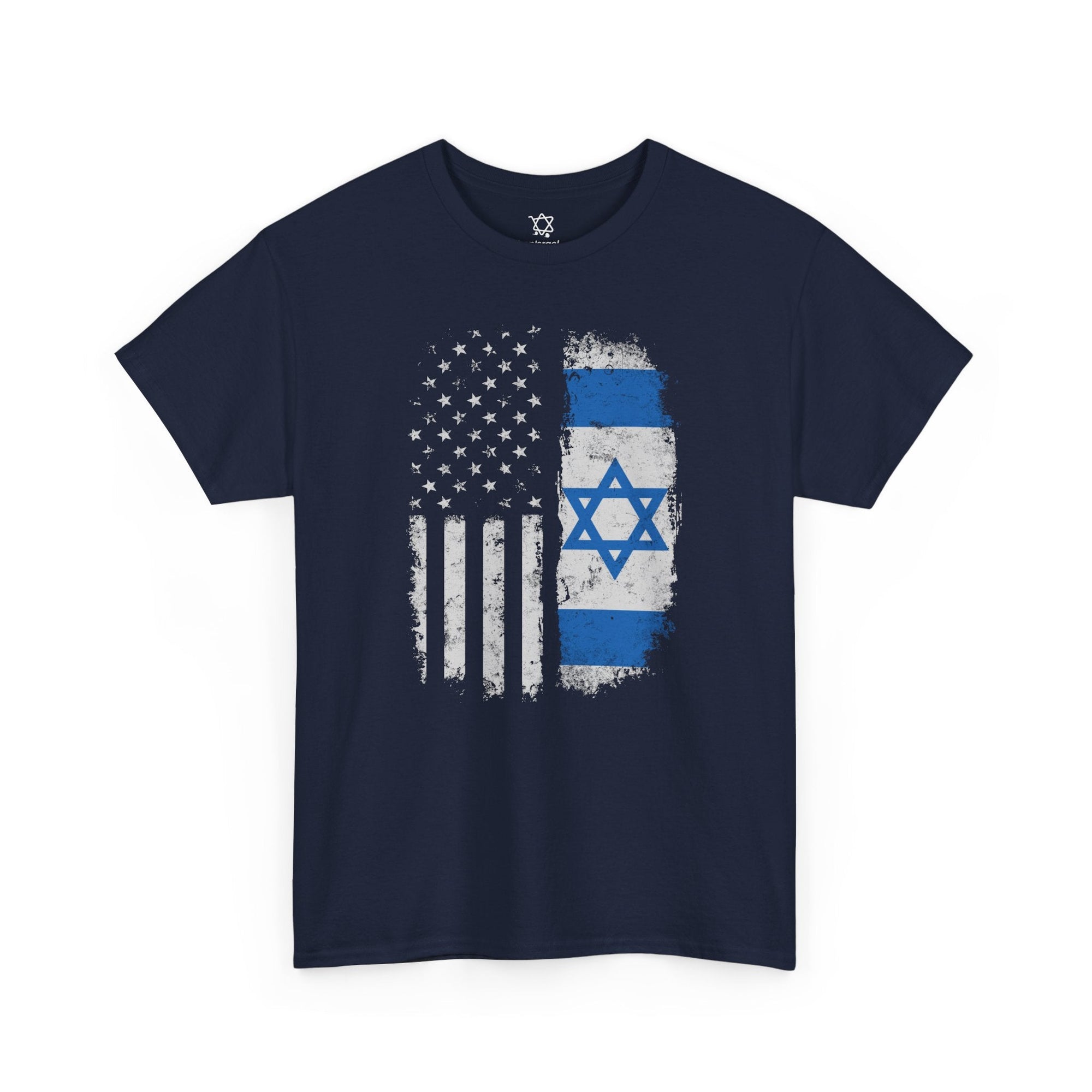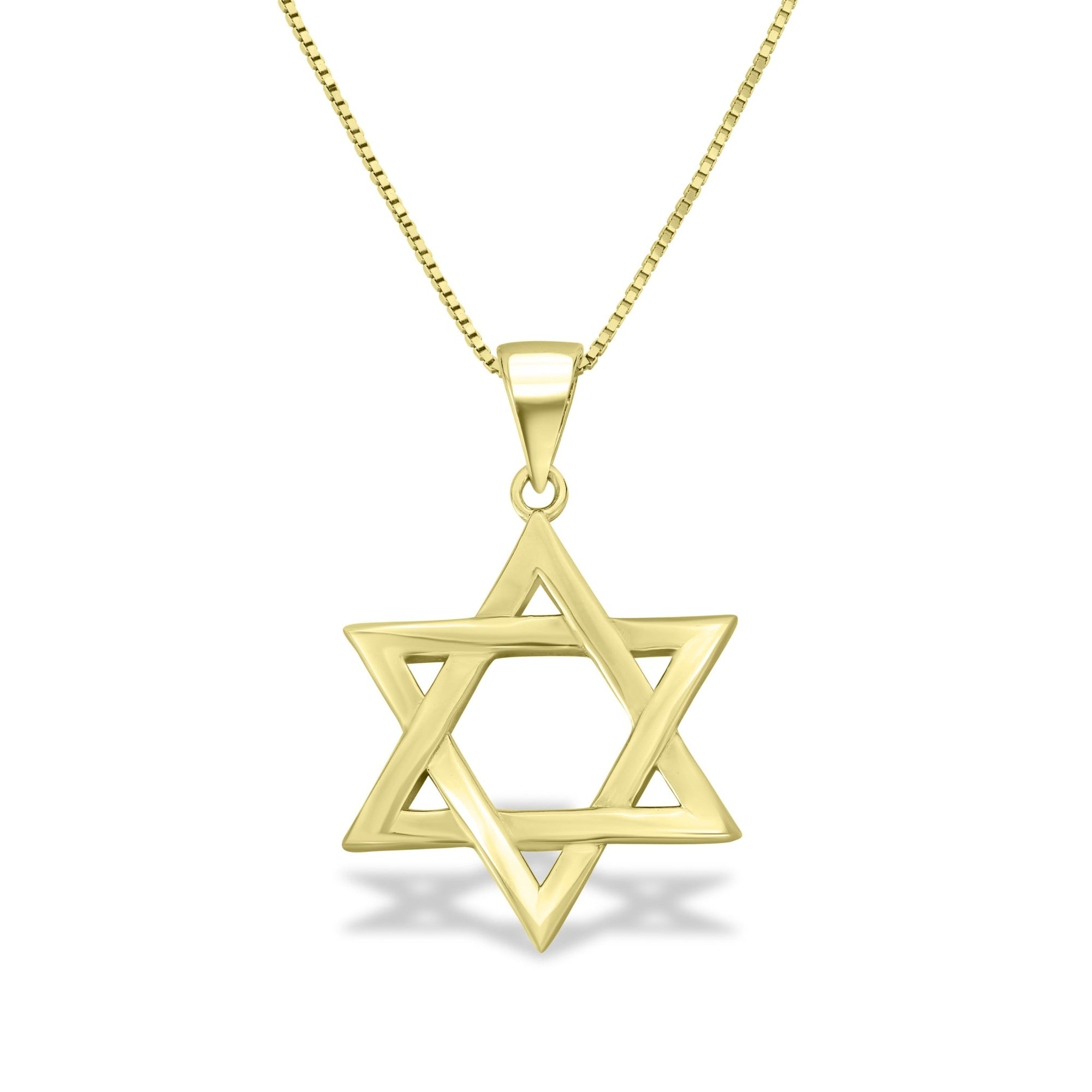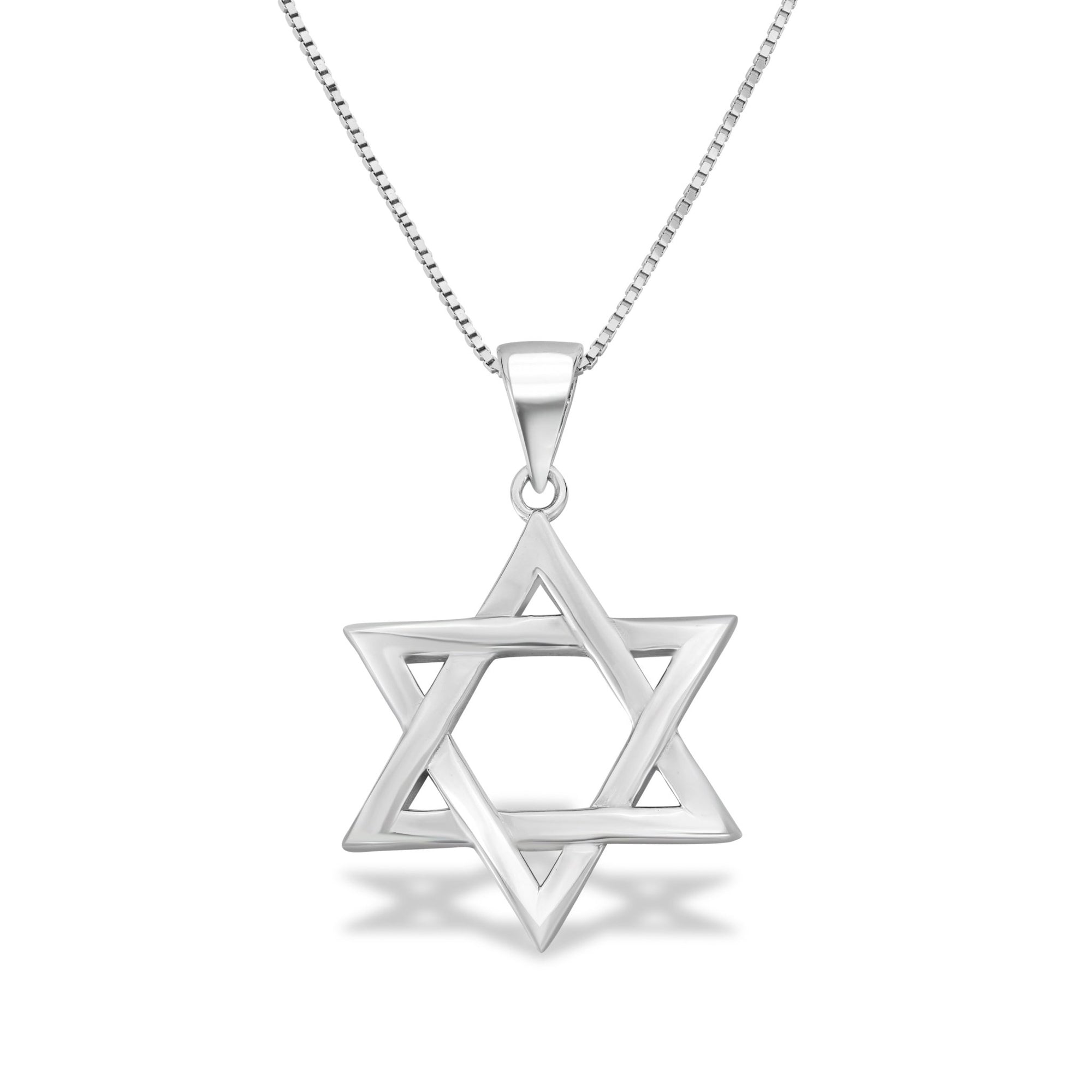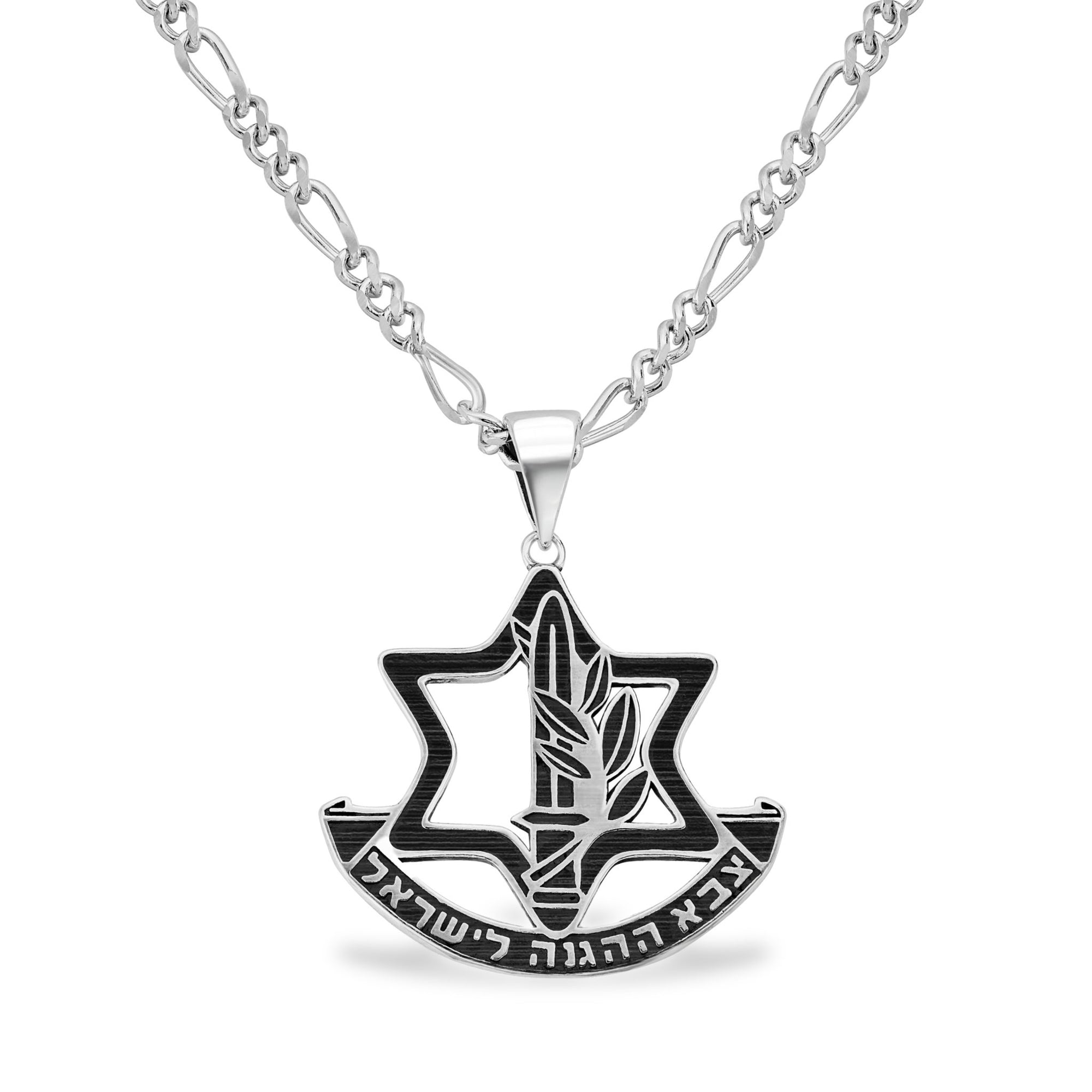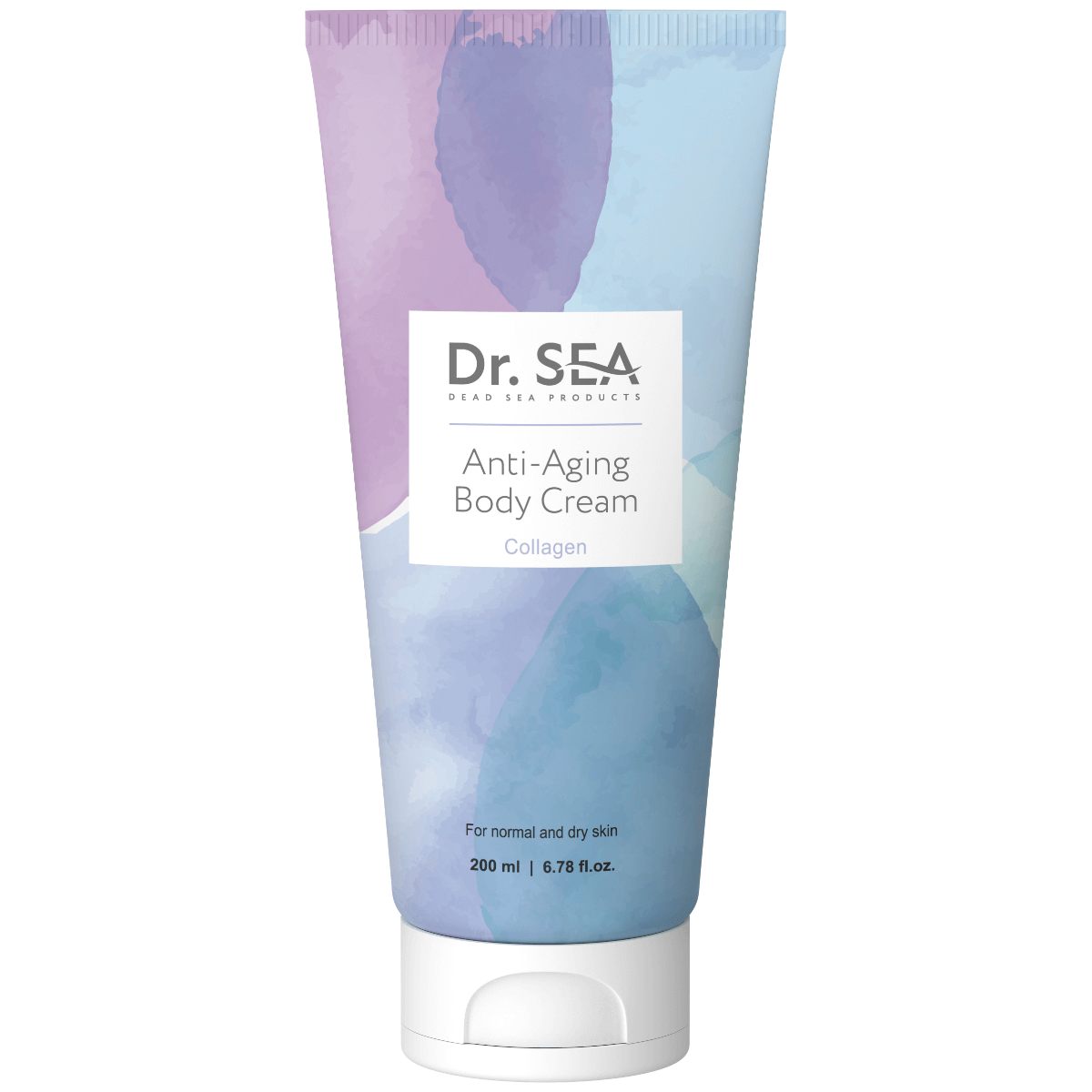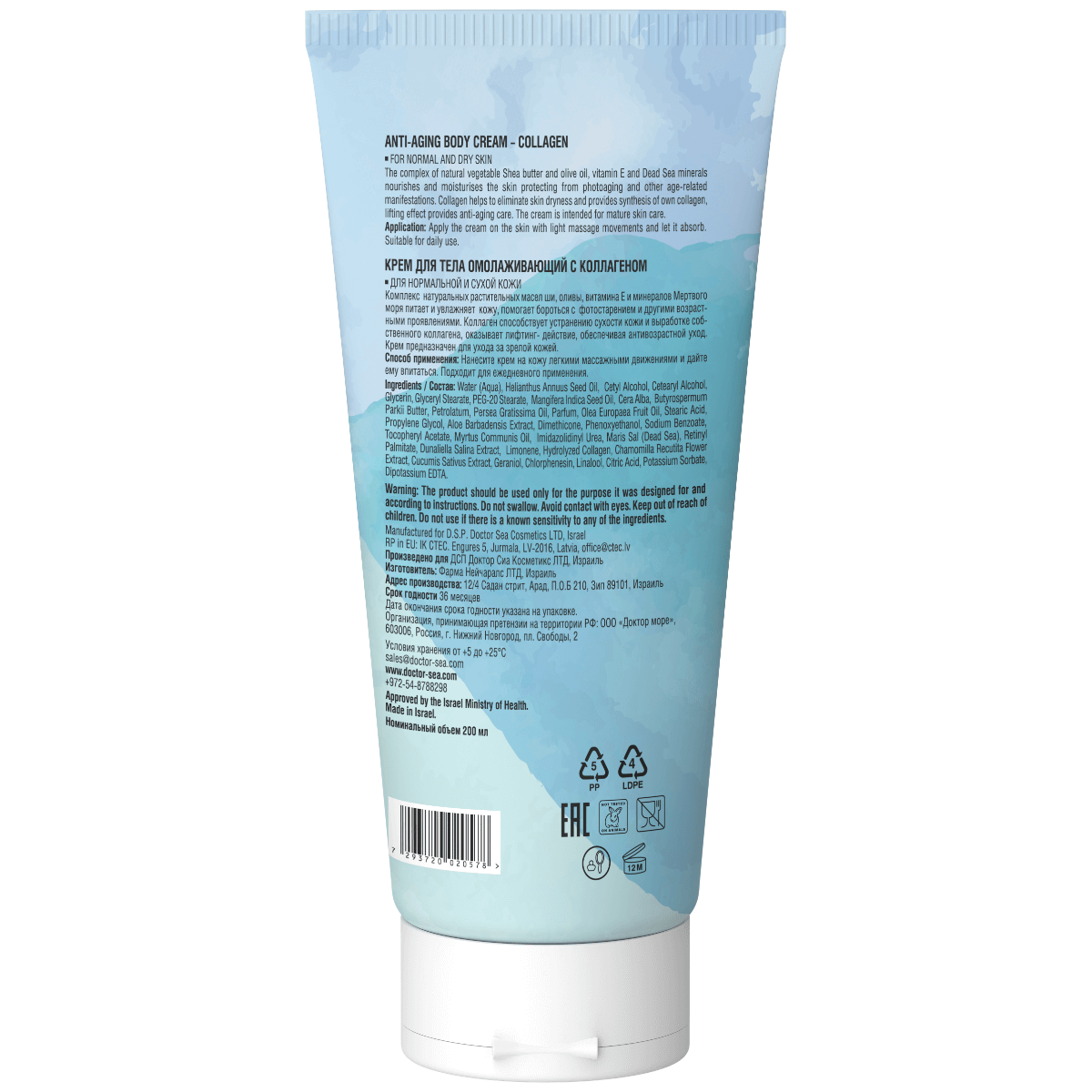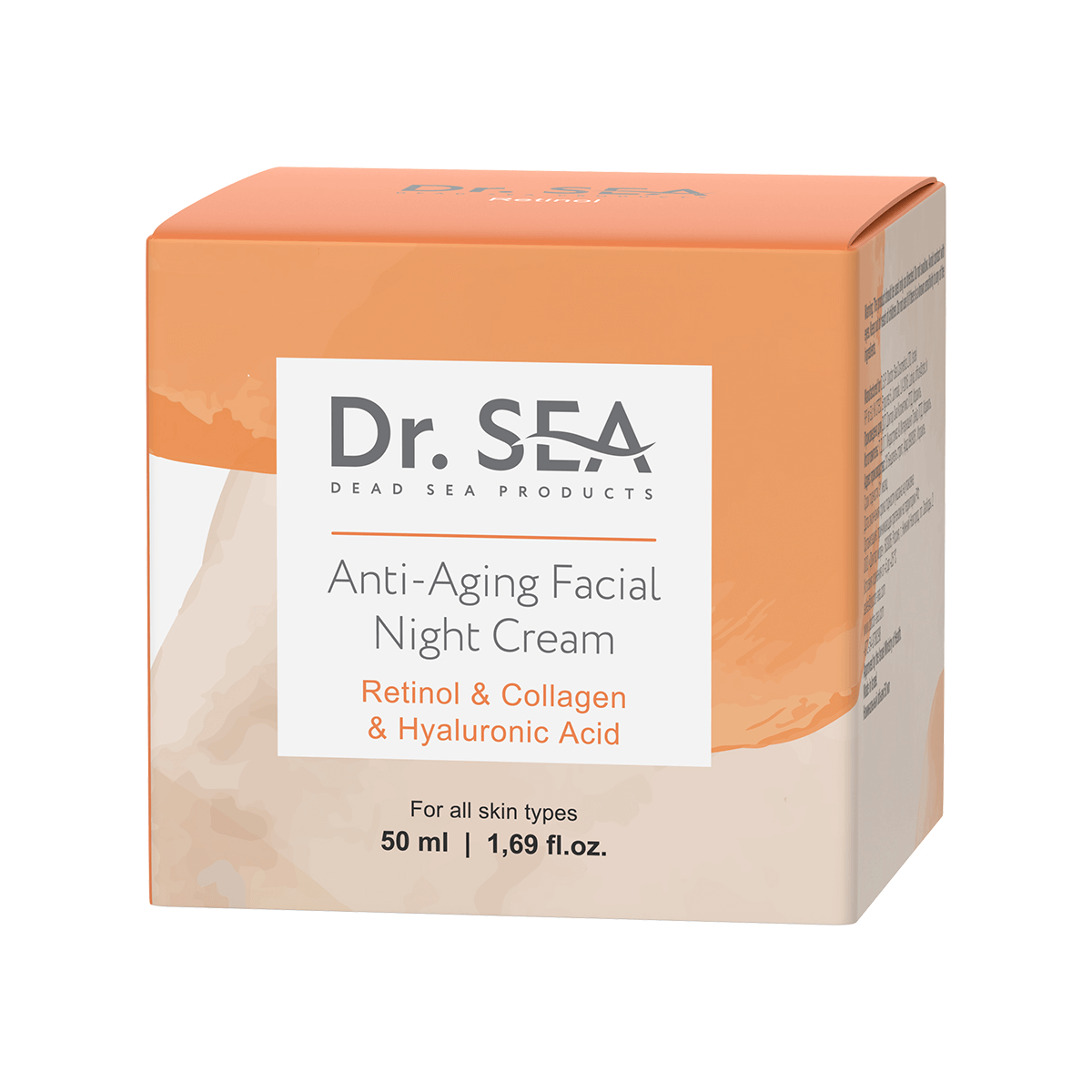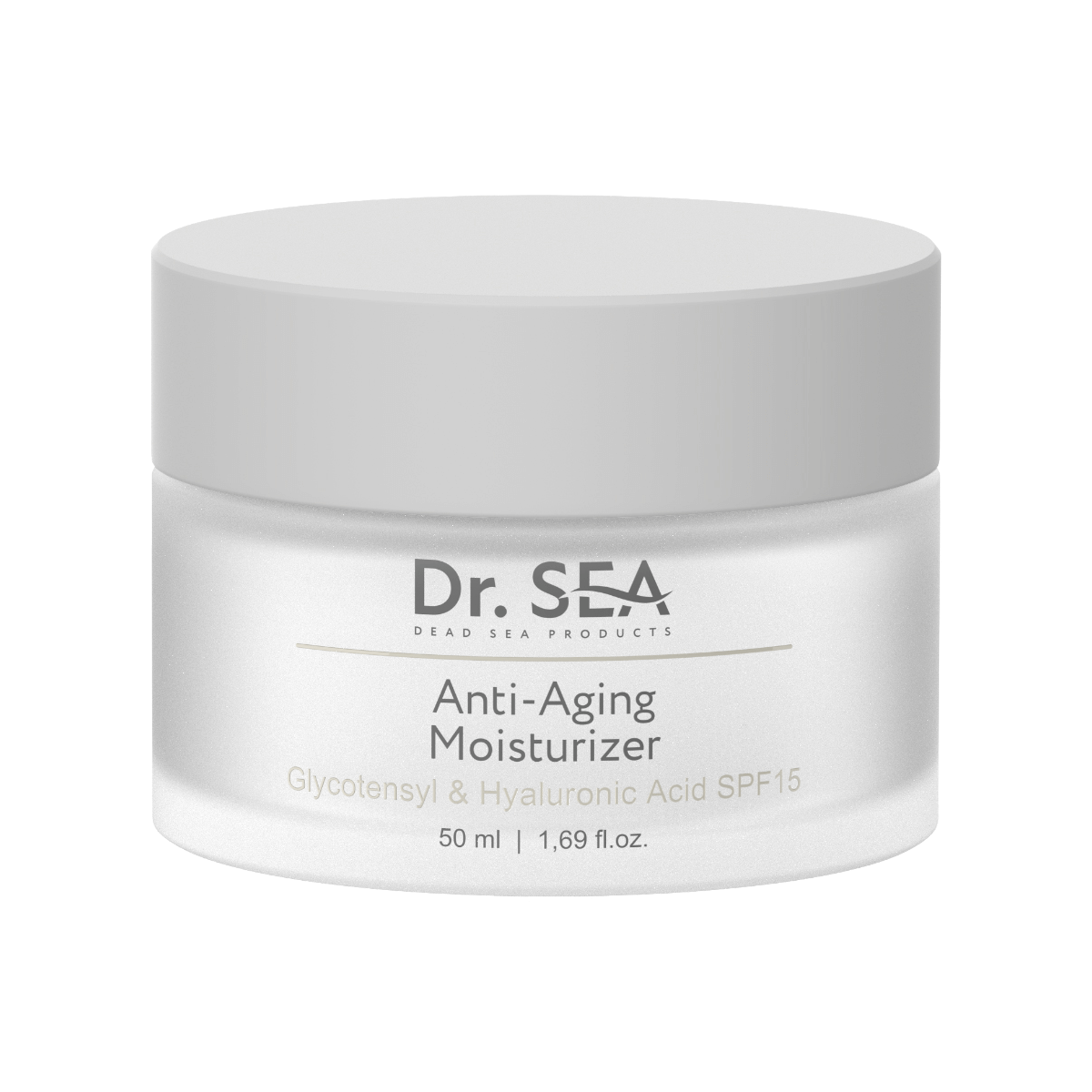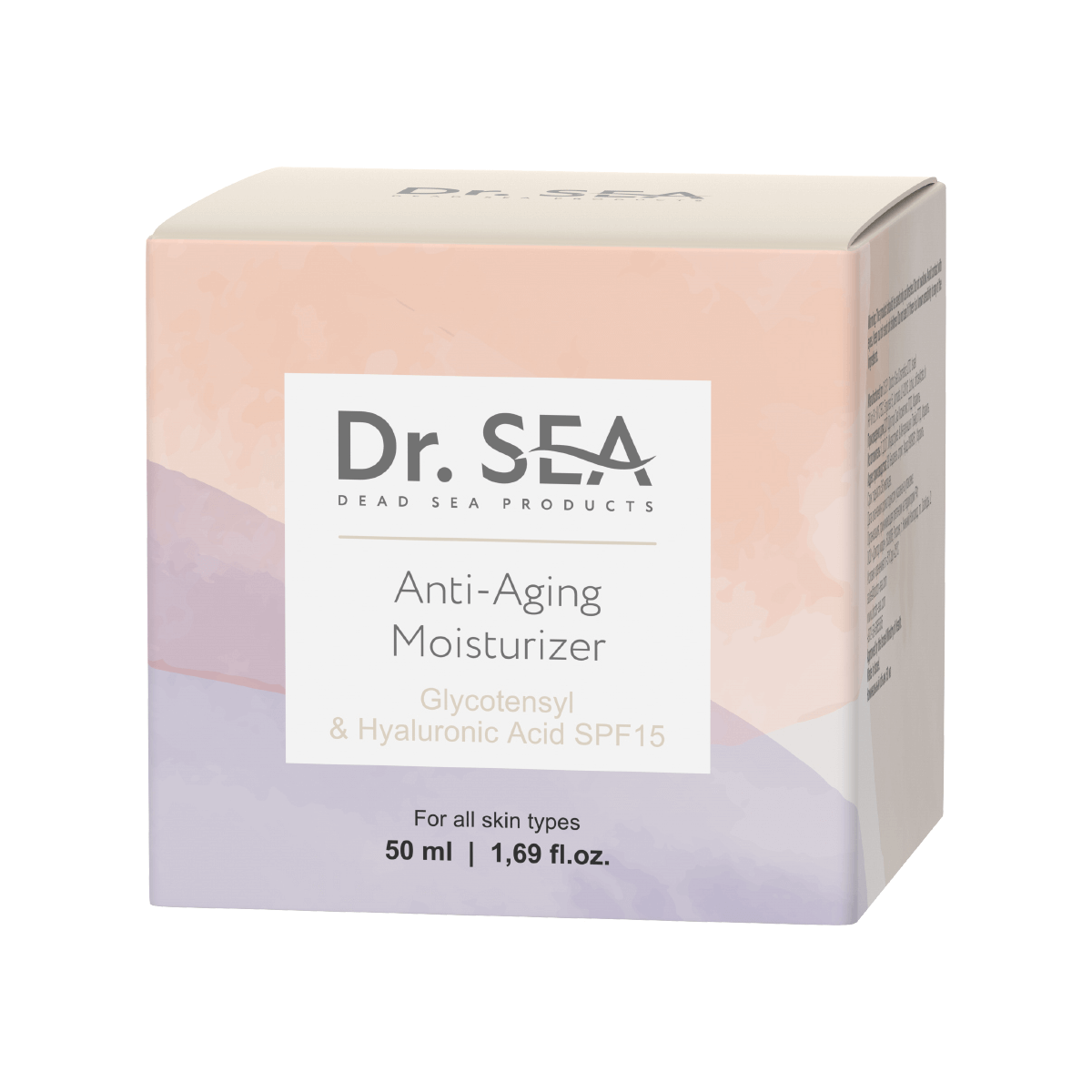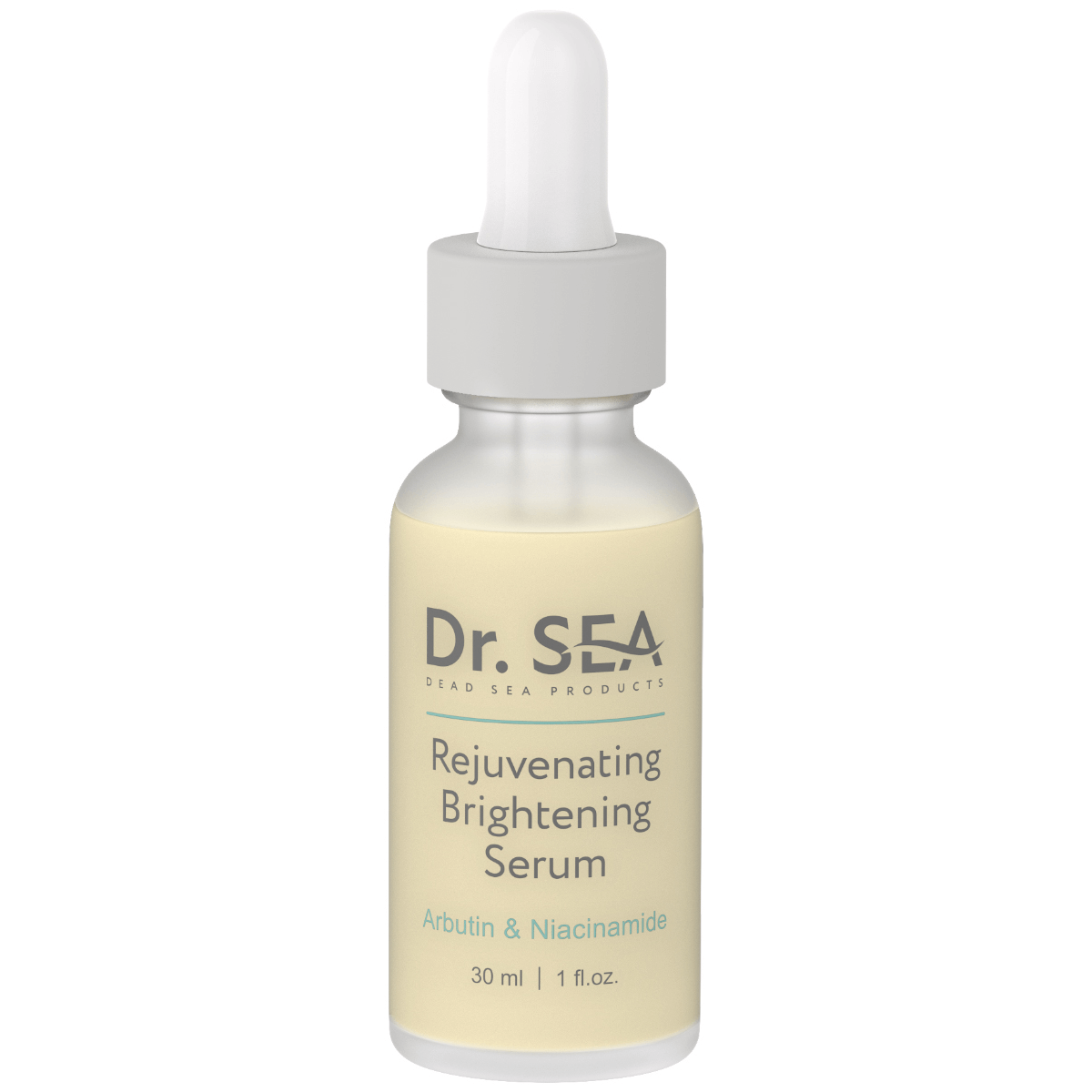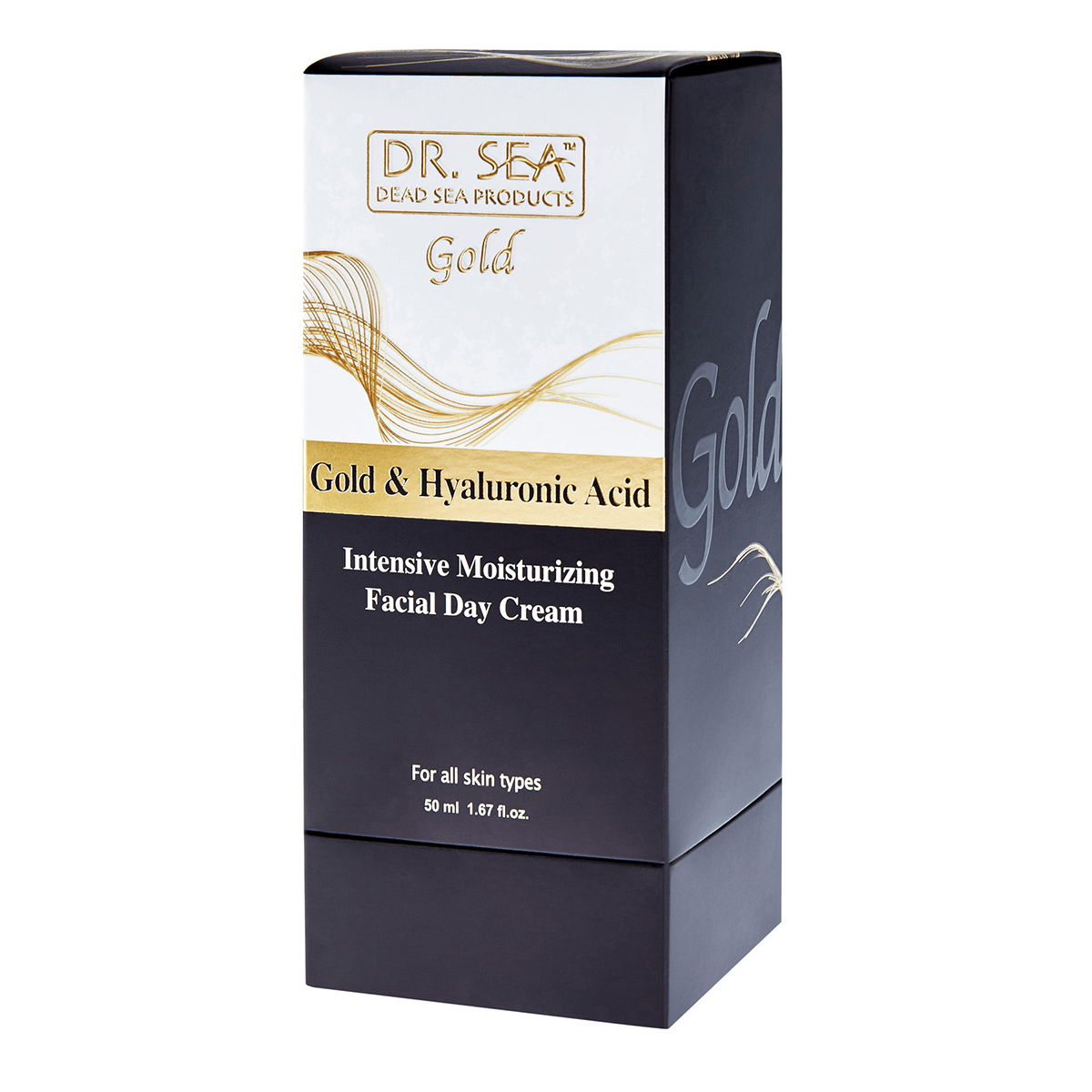


Short answer: In 2026, the strongest Israel-themed fashion trends are quiet, wearable expressions of identity: Star of David jewelry in everyday metals and stones, solidarity apparel that moved from protest sign to closet staple, and Dead Sea-linked beauty and accessory pieces that pair meaning with practicality. The throughline across all of it is the same: people want to wear their connection to Israel without it feeling like a costume or a statement piece reserved for one day a year.
Why Israel-themed style has moved from occasional to everyday
Since October 7, 2023, expressions of Jewish and Israeli identity in public life have shifted noticeably, with surveys and reporting from outlets like the the ADL's annual audit of antisemitic incidents and Pew Research Center polling documenting both a sharp rise in antisemitic incidents and, alongside it, a rise in visible Jewish pride. Fashion has followed that pattern. What used to live mostly in synagogue gift shops or IDF-support fundraisers, dog tags, Star of David pendants, flag pins, is now showing up in daily rotation: on a work blazer, a gym bag, a baseball cap. The items themselves have not changed much. What has changed is how often people choose to wear them, and how comfortable they feel doing it outside of Jewish spaces.
What these trends actually mean to the people wearing them
Two threads show up again and again in how people talk about this style category. The first is solidarity: phrases like "I Stand With Israel," IDF insignia, and and pieces born out of the 2023-2025 hostage crisis (the Bring Them Home Now campaign and the yellow ribbon that came with it) function as a visible, low-friction way to say where someone stands without writing a paragraph about it. The hostage campaign itself has closed: the last living hostages came home under the October 2025 ceasefire, and the remains of the final hostage, Ran Gvili, were returned in January 2026. The yellow ribbon has not disappeared with it, it has shifted from a plea into a memorial, which is a different thing to wear and worth understanding before you do. The second is heritage: Star of David necklaces, hamsa charms, and "Am Yisrael Chai" pieces are less about current events and more about identity that predates any one news cycle. Both threads are compatible, and a lot of shoppers end up mixing pieces from each category depending on the day and the audience. A hoodie for a rally reads differently than a delicate necklace for the office, and both have a real place in the current market.
Making the trend a smart gift, not just a purchase
Because these pieces carry meaning, they tend to land well as gifts, for a bar or bat mitzvah, a birthday, a going-away-to-Israel trip, or just as a way to check in on someone who has been vocal about their support. The easiest way to shop the trend without guessing is to start with a category the recipient already wears daily. If they layer necklaces, a piece from the Star of David jewelry collection fits into an existing routine instead of sitting in a drawer. If they are a t-shirt-and-hoodie person, apparel with IDF or lion-of-Judah imagery does the same job. The pieces that get worn the most tend to be the ones that could pass as "just jewelry" or "just a t-shirt" to a stranger, while meaning something specific to the person wearing it.
Related
- Symbolism Behind Israeli Jewelry Designs You Should Know
- Fashion-Forward Israel-Inspired Clothes for the Modern Wardrobe
- Creative Gift Ideas for Israel Advocates and Supporters
Last updated July 2026.