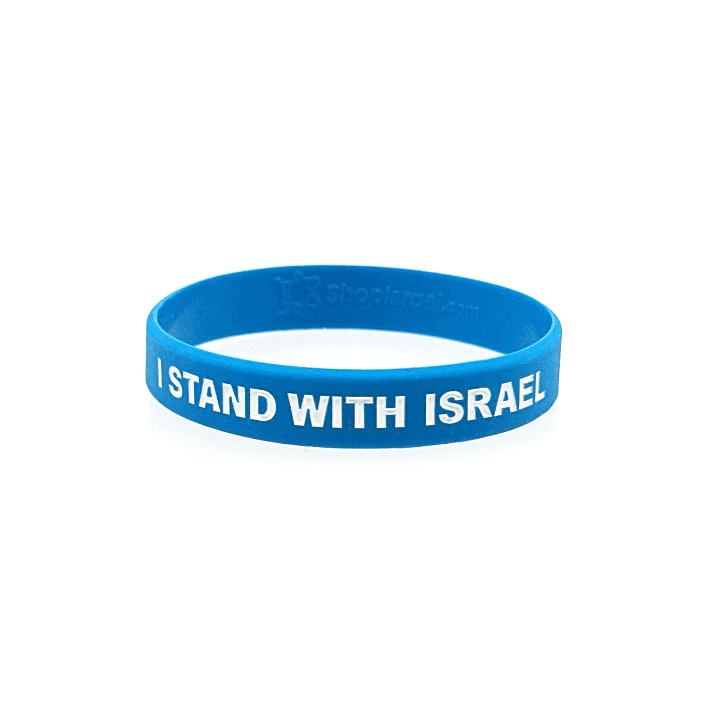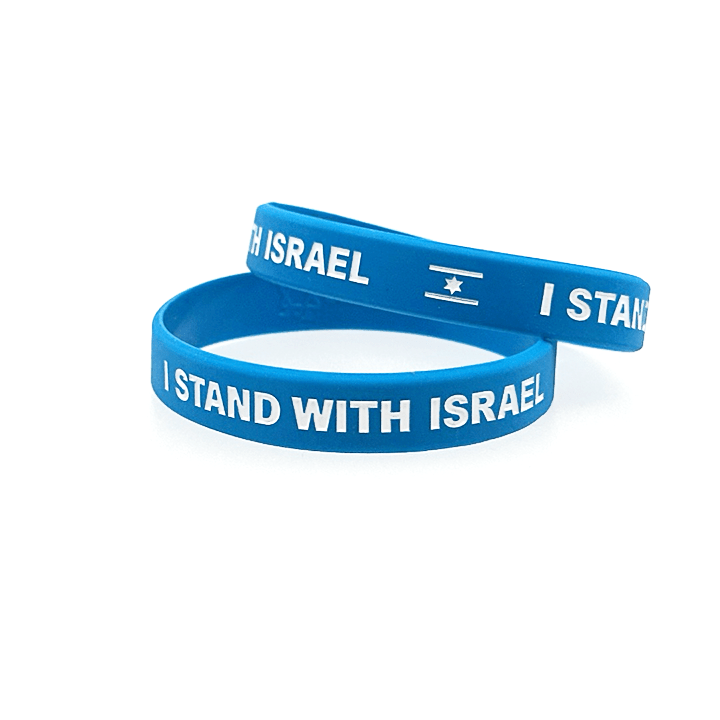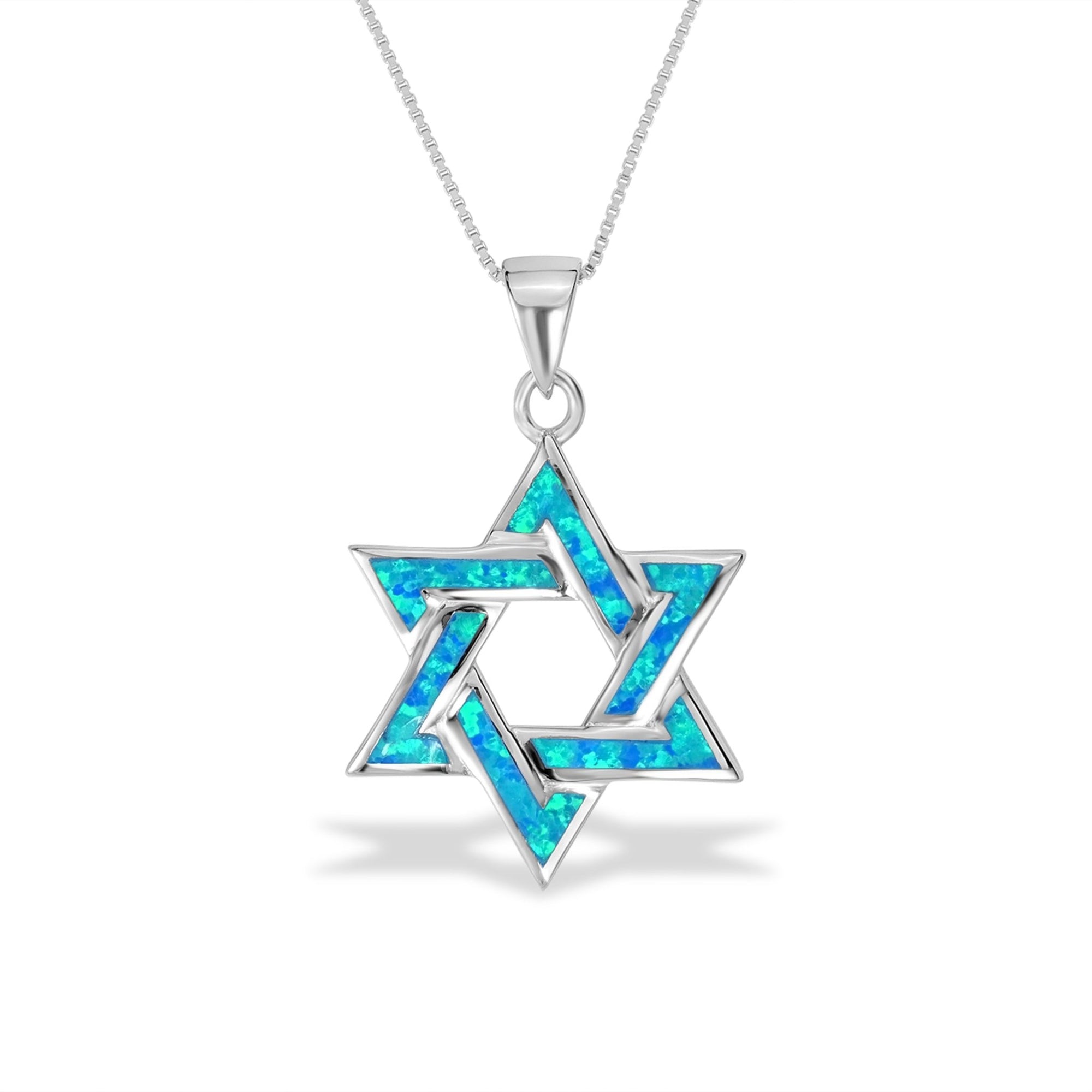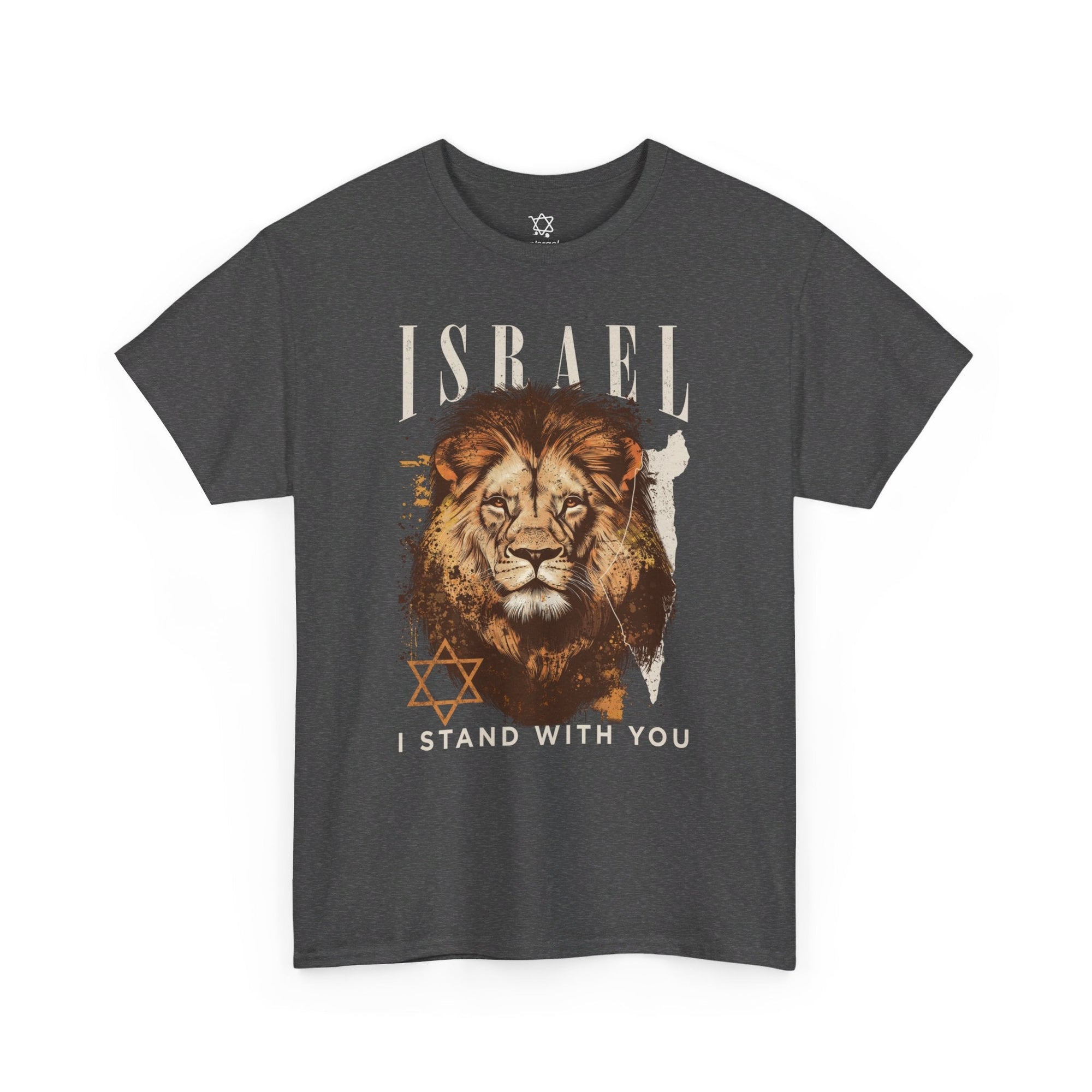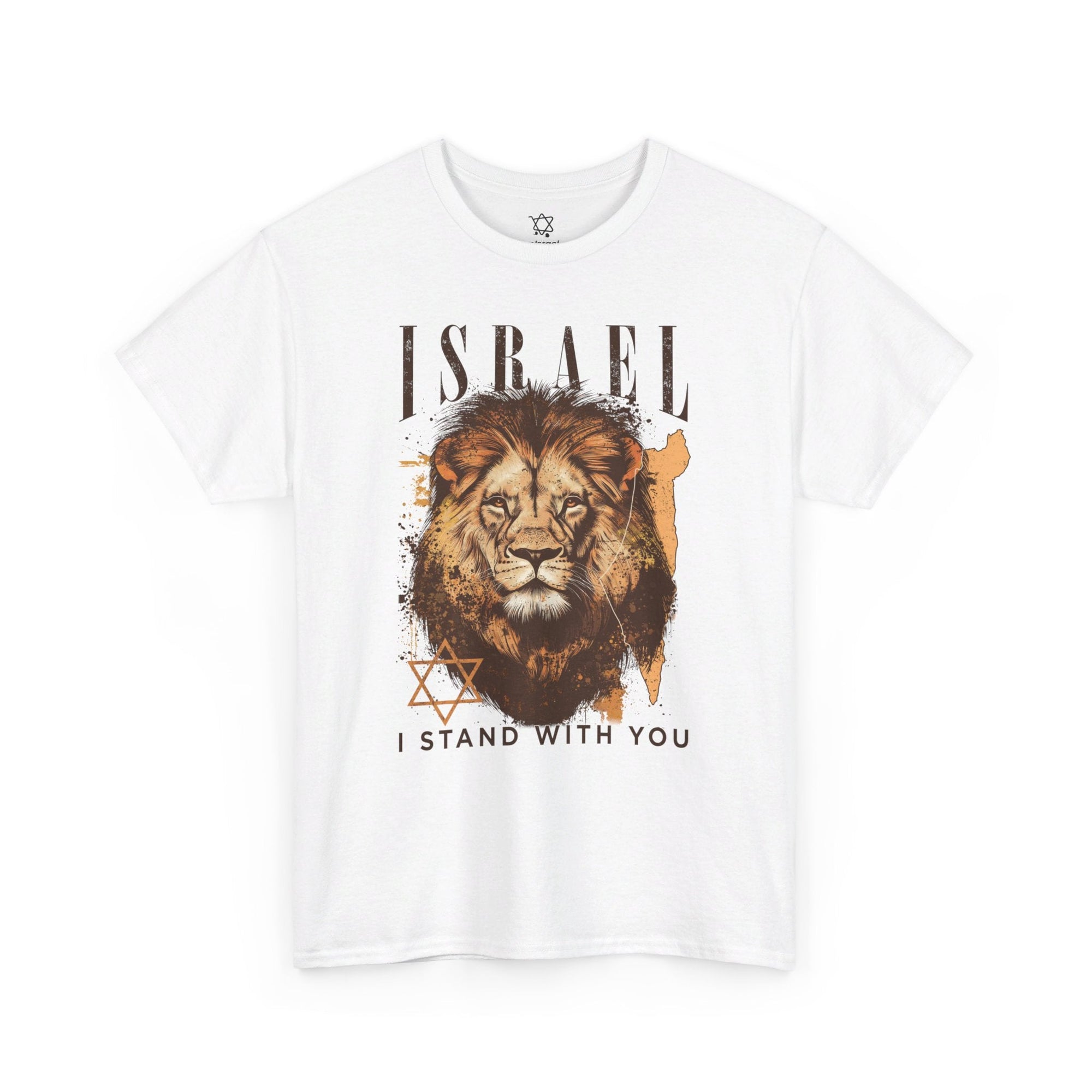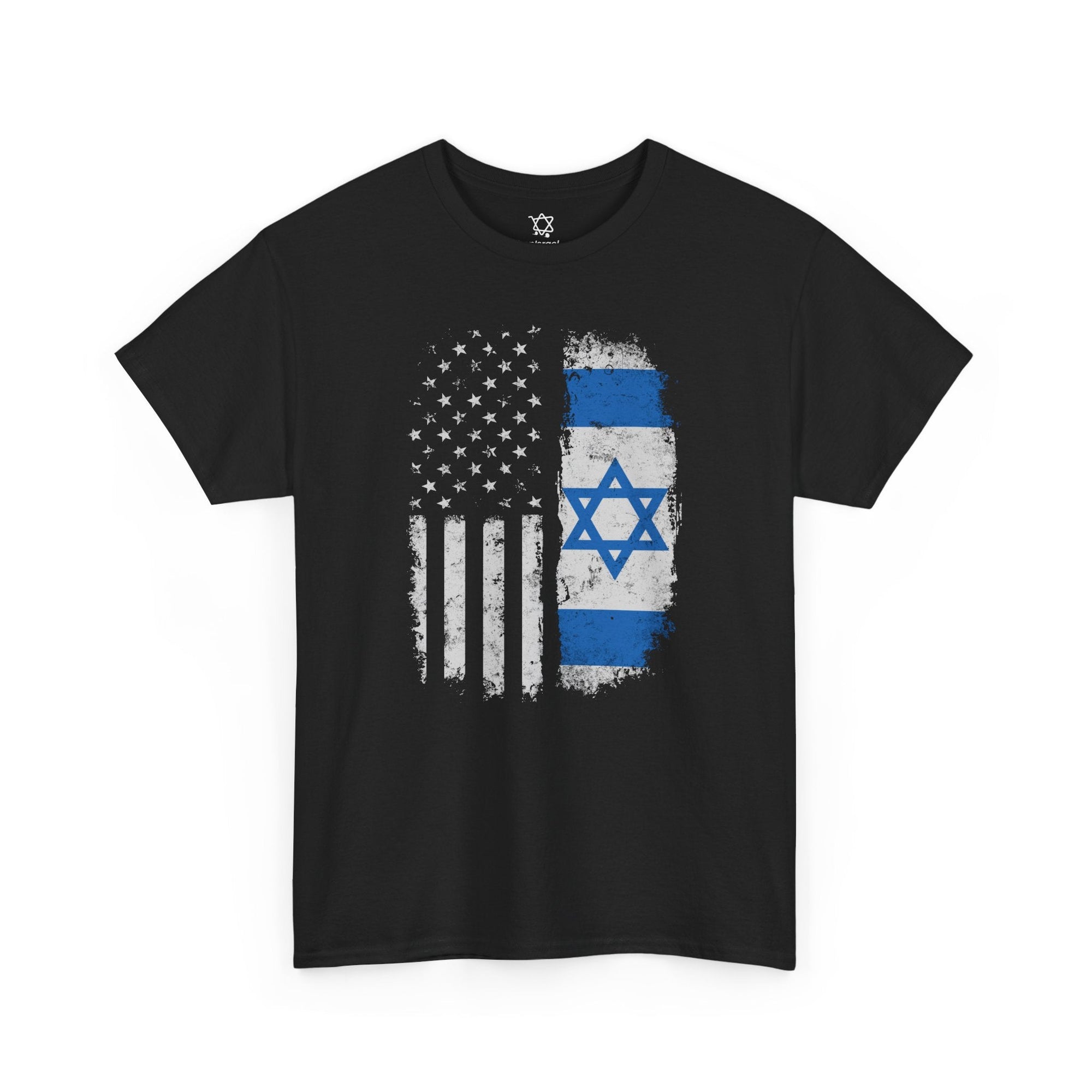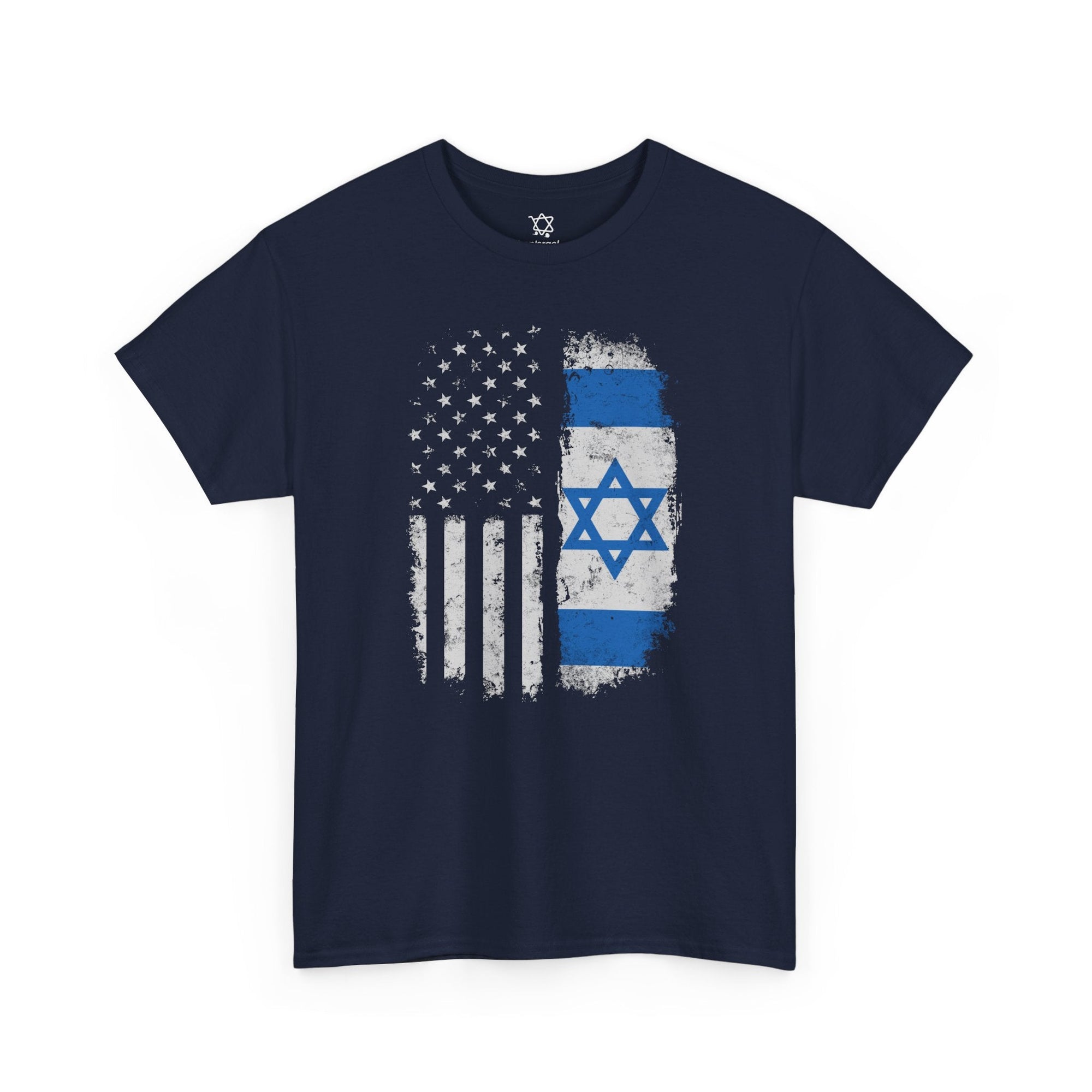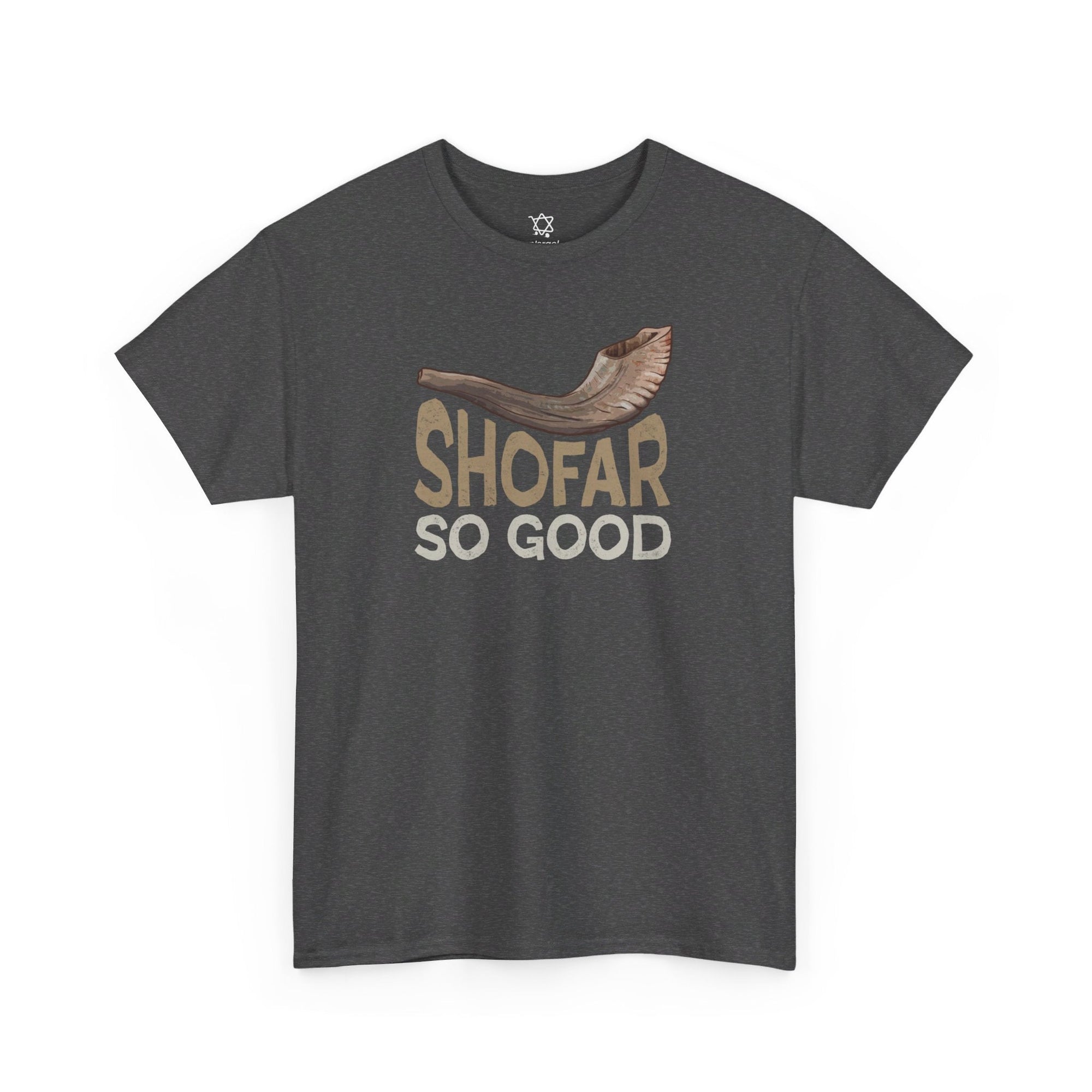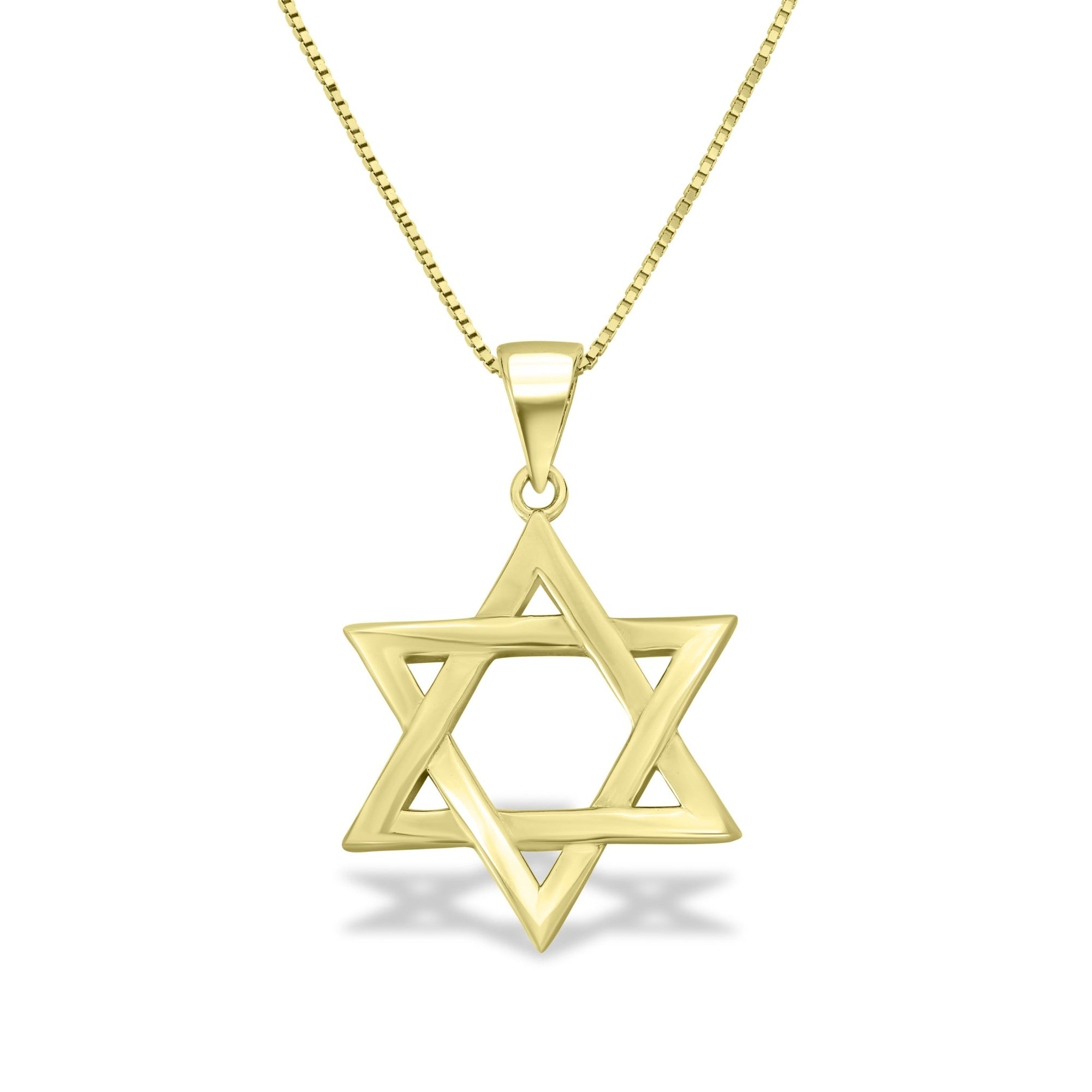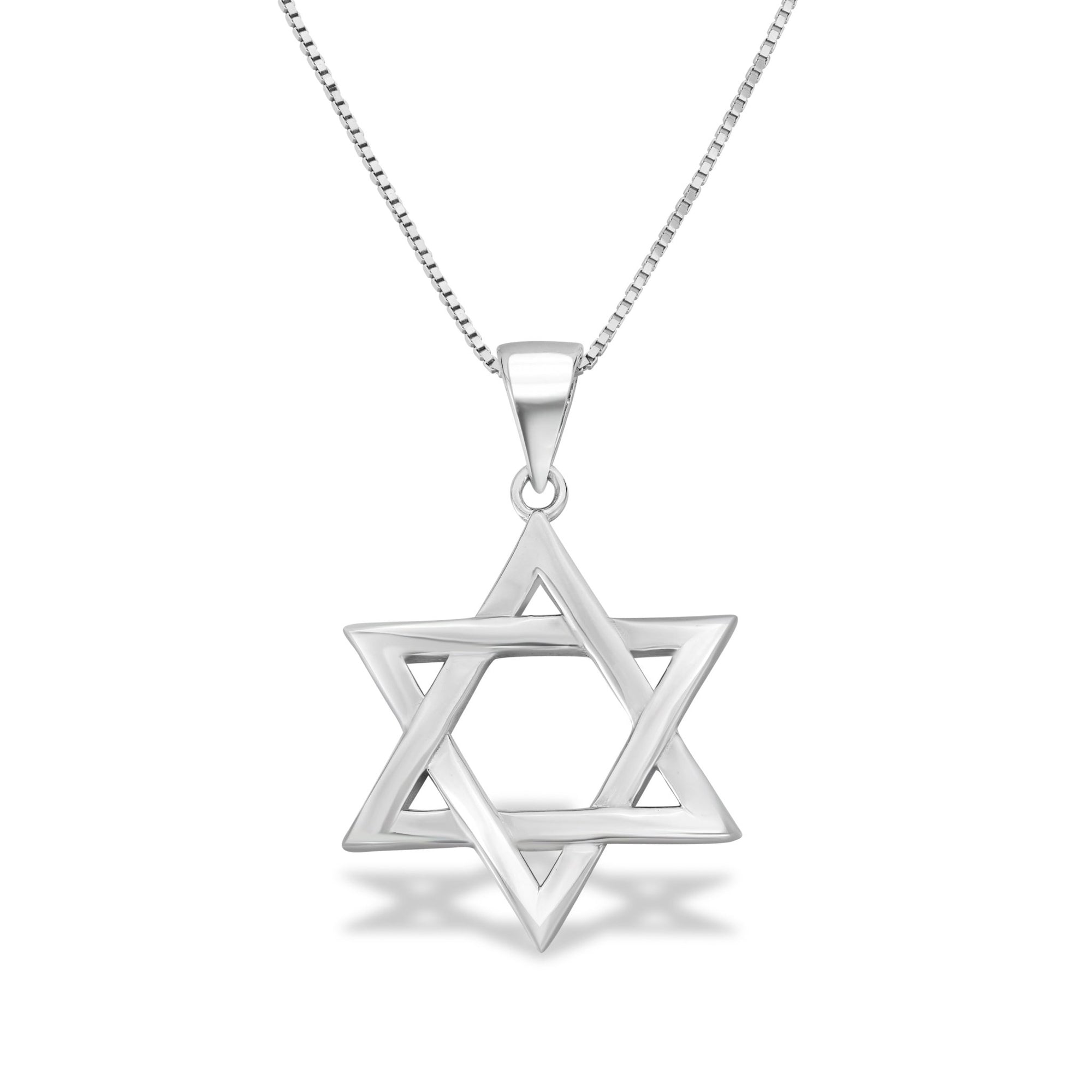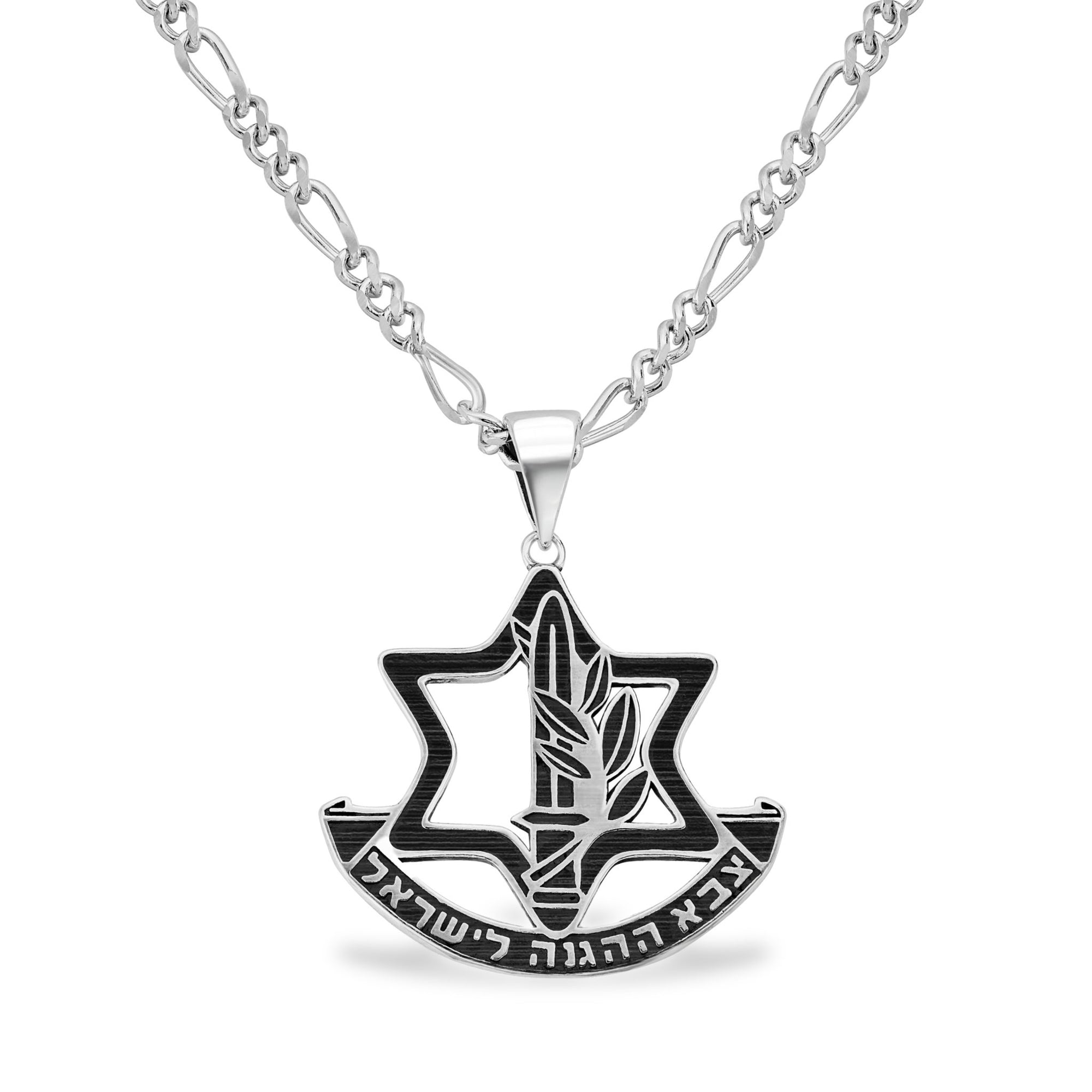


Short answer: Yes. Zionist-themed clothing, from Star of David jewelry to shirts reading "Am Yisrael Chai," has been a real and well-documented way for Israelis and diaspora Jews to express pride, hope, and solidarity since October 7, 2023. What has changed by 2026 is what some of these symbols mean. The hostage crisis that produced the yellow ribbon and "Bring Them Home" designs is over: the last living hostages came home under the October 2025 ceasefire, and the remains of the final hostage, police officer Ran Gvili, were returned on January 26, 2026. That imagery is now worn as memorial and remembrance rather than active appeal, while Star of David and Hebrew-pride pieces remain an everyday, ongoing expression of Jewish and Israeli identity.
Where this style of clothing actually comes from
Zionist-themed fashion did not start in 2023. It traces back to Maskit, Israel's first fashion house, founded in 1954 by social activist Ruth Dayan. Maskit built its identity on real embroidery traditions drawn from Yemenite, Bulgarian, Bedouin, Druze, and other immigrant artisan communities. The label closed in 1994 and was revived under designer Sharon Tal starting in 2014, and it remains the documented origin point for the idea that Israeli fashion can carry heritage and identity, not just decoration.
The second, much larger wave came after October 7, 2023. In the weeks following the Hamas attack, the Hostages and Missing Families Forum introduced the yellow ribbon as a symbol calling for the release of the roughly 251 people taken captive, deliberately echoing the yellow ribbons used during the 1979-1981 Iran hostage crisis. Around the same time, demand for Star of David and other Judaica jewelry and clothing surged among diaspora Jews looking for a visible way to express pride and solidarity. UK retailer Nelken Jewellers reported roughly a 300 percent jump in demand for Magen David and chai pieces, and New York designer Rachie Shnay reported demand rising roughly sixfold. The symbol reached mainstream visibility in February 2024, when singer Montana Tucker wore a corset gown with an oversized "Bring Them Home" yellow ribbon at the Grammy Awards, following an earlier appearance of the symbol at the January 2024 Golden Globes.
What these symbols mean in 2026
It matters to get the current chapter right. The crisis that drove the yellow ribbon and "Bring Them Home" iconography has closed. Under the ceasefire announced in October 2025, the last living hostages held in Gaza were released, and many people who had worn yellow ribbons and dog tags since 2023 began retiring or repurposing those items into personal memorials. On January 26, 2026, the remains of Ran Gvili, a 24-year-old police officer killed on October 7, 2023 and the last of the 251 people taken captive that day to be recovered, were found and returned to Israel, formally closing the hostage crisis. He was buried in his hometown of Meitar shortly after.
That does not mean the clothing disappears, it means its role shifts. Yellow ribbon and dog tag pieces are now worn as remembrance of what the country lived through, not as an active campaign for people still held. Star of David necklaces, Israeli flag pieces, and Hebrew-slogan apparel are unaffected by that shift; they continue in ongoing use as everyday expressions of Jewish identity and connection to Israel, the same role heritage-craft pieces have played going back to Maskit.
Finding a piece that fits how you want to wear it
If you want something rooted in that ongoing tradition of Jewish pride rather than a single news cycle, a piece like the Shalom Star of David Necklace sits squarely in the everyday-identity category this article describes, simple, wearable, and not tied to any one moment. Shop Israel's Star of David Jewelry collection has more options in that same spirit.
Related
Fashion and Peace: How Zionist Messages Shape Clothing
Zionist Fashion Trends That Inspire Hope and Unity
Jewelry Designs That Reflect Israeli Culture and Heritage
Last updated August 2026.