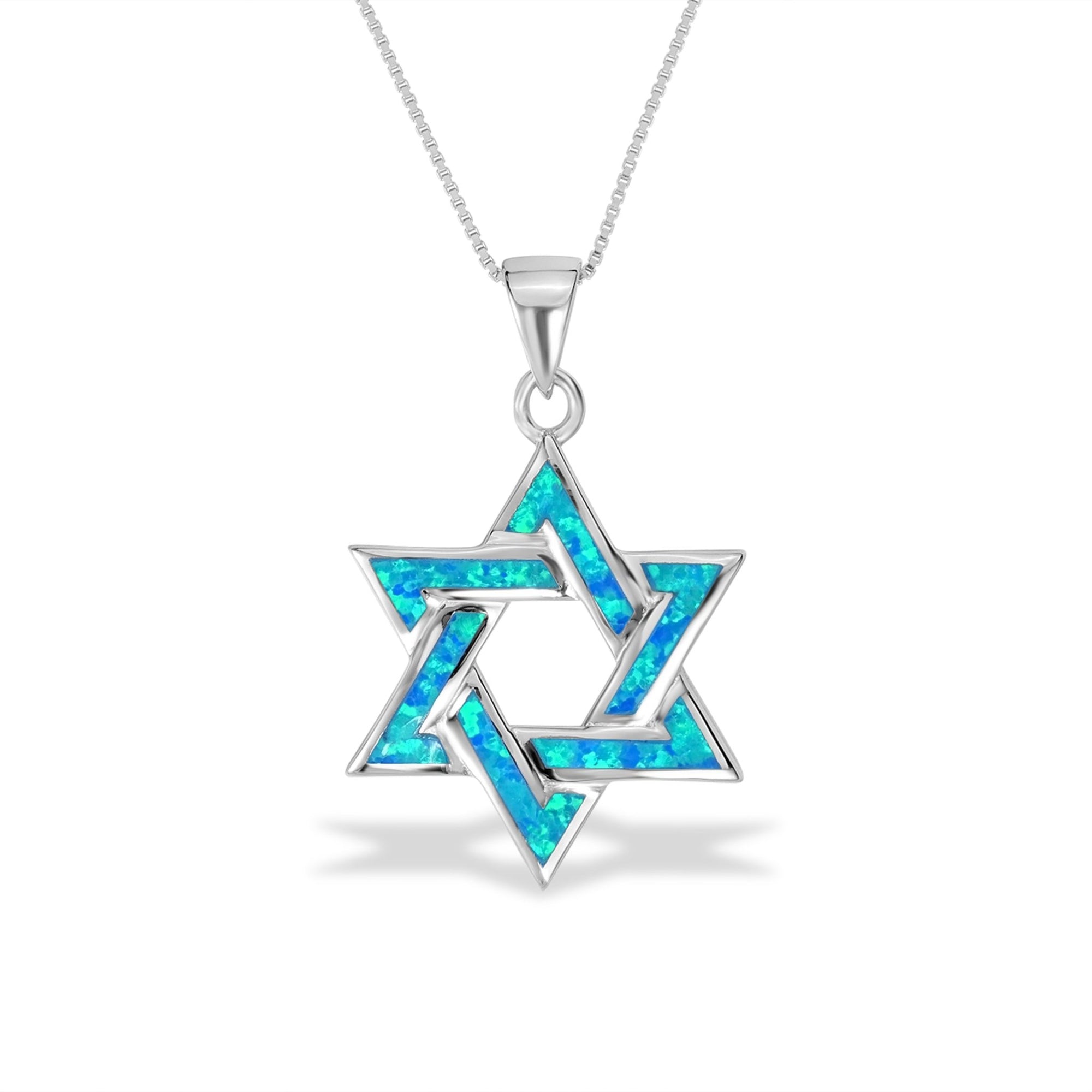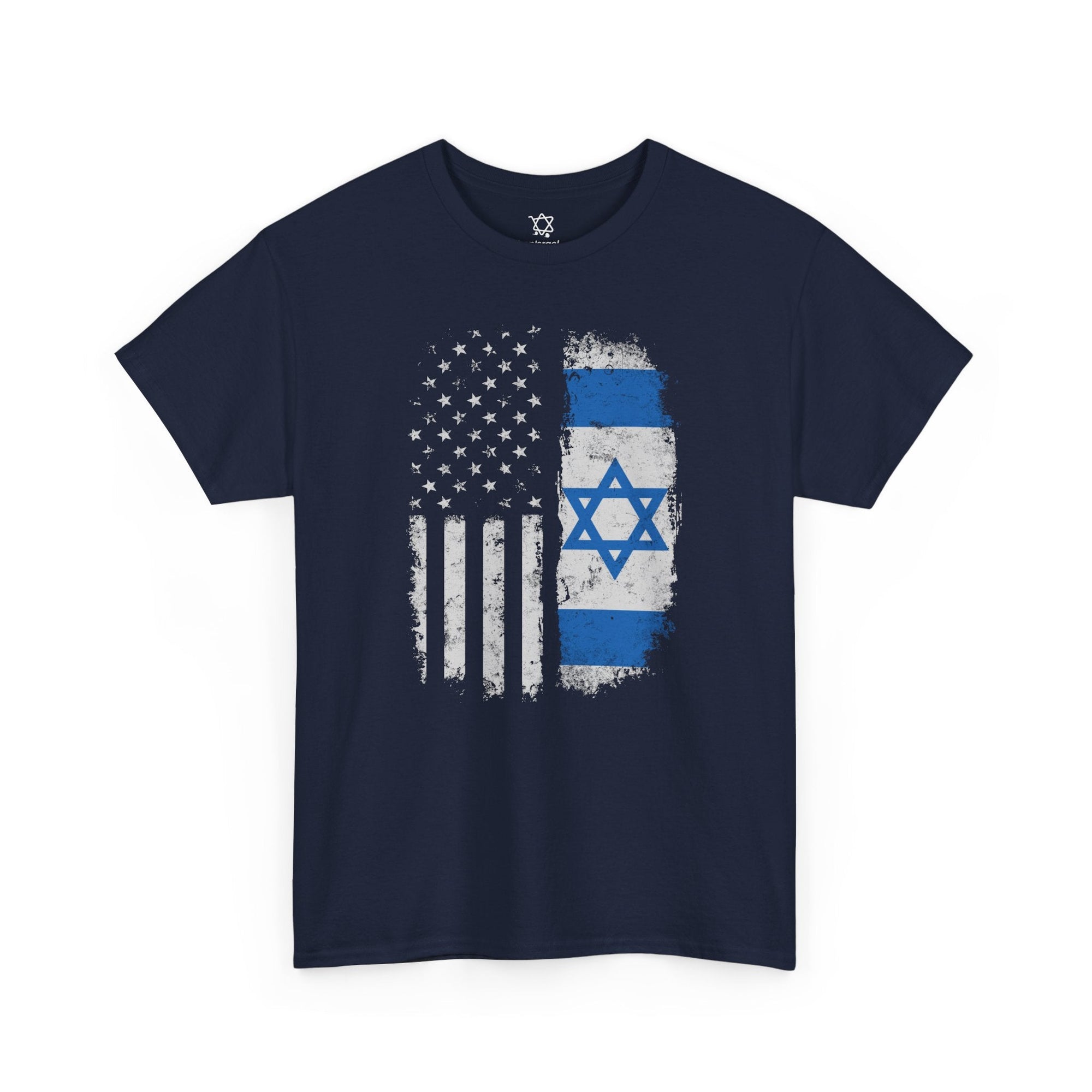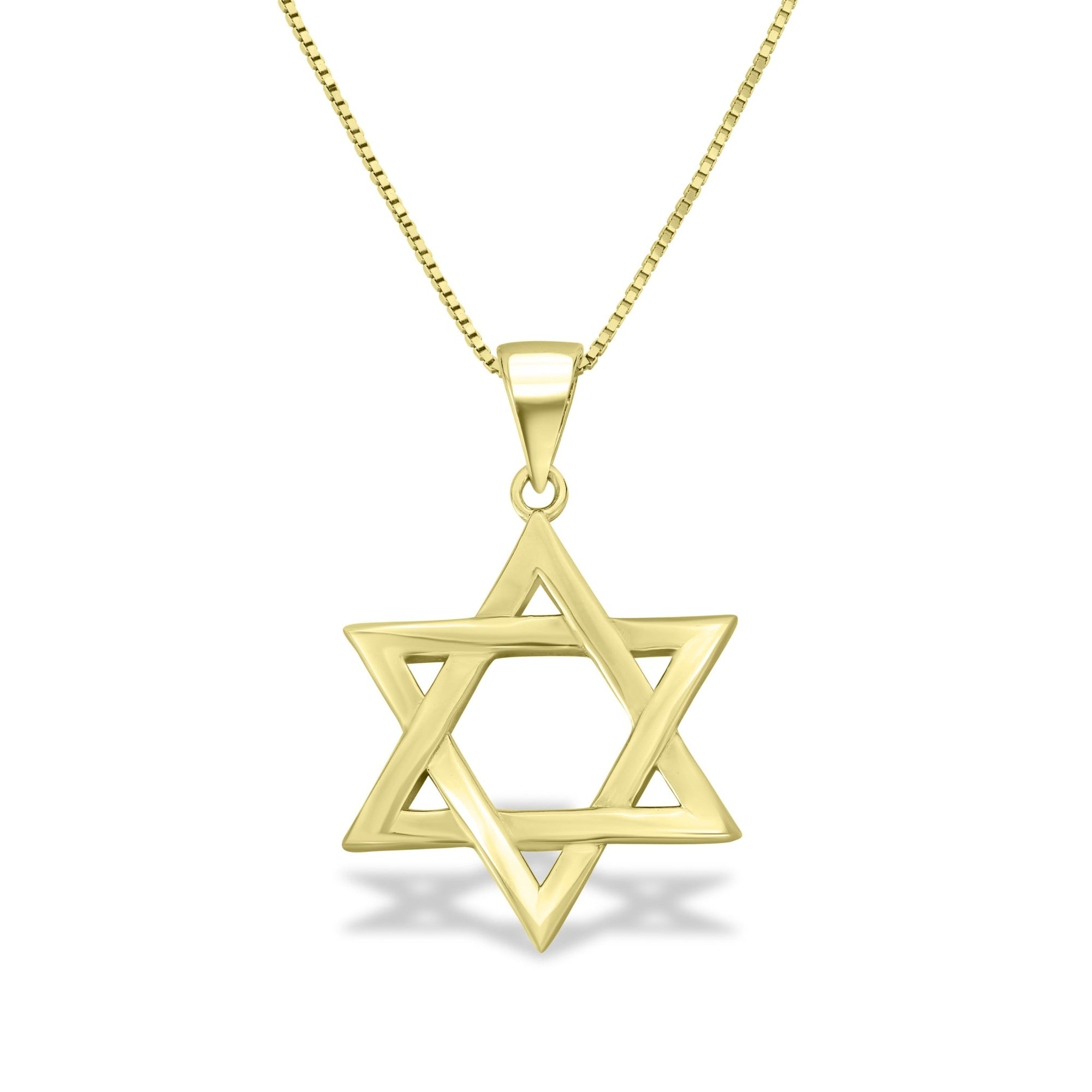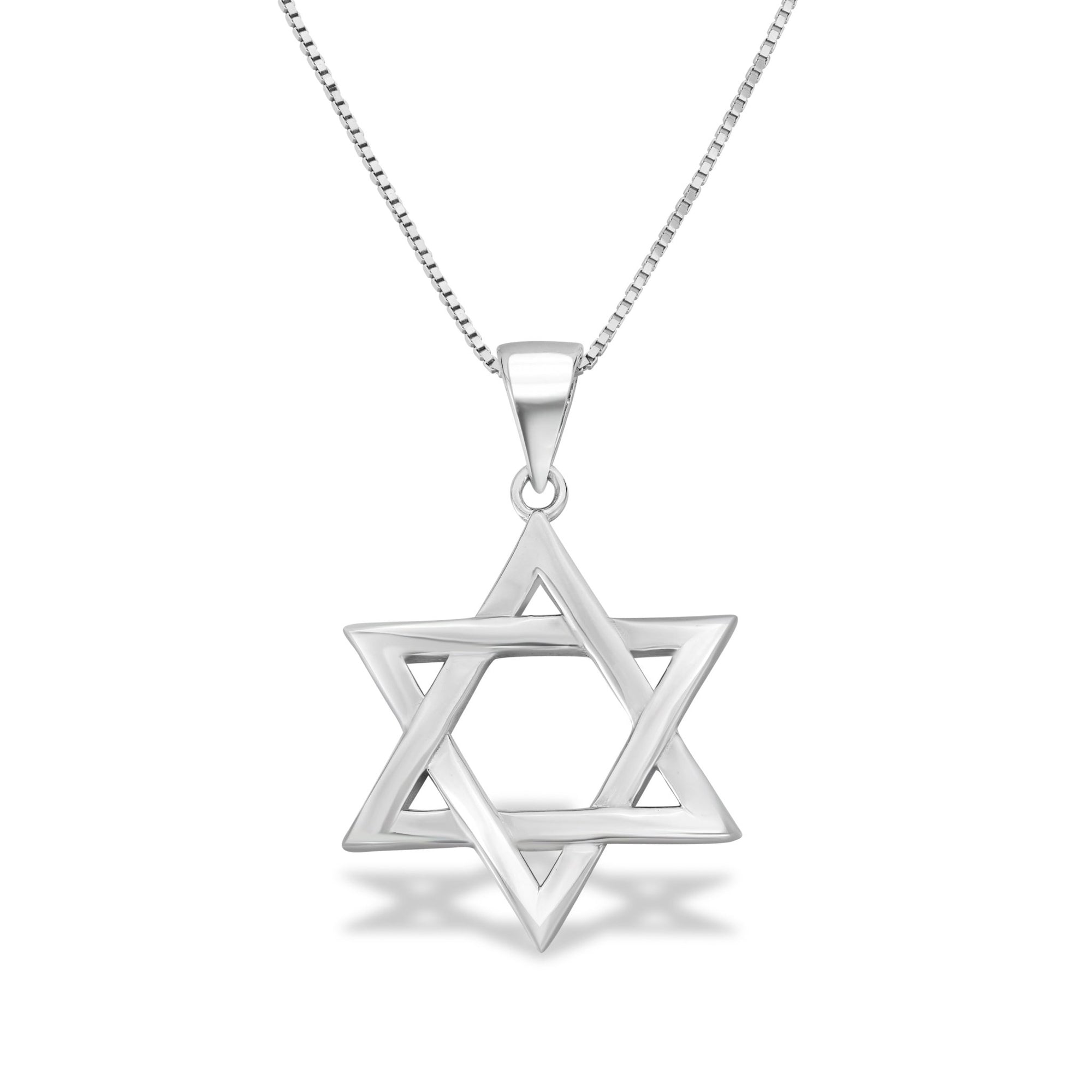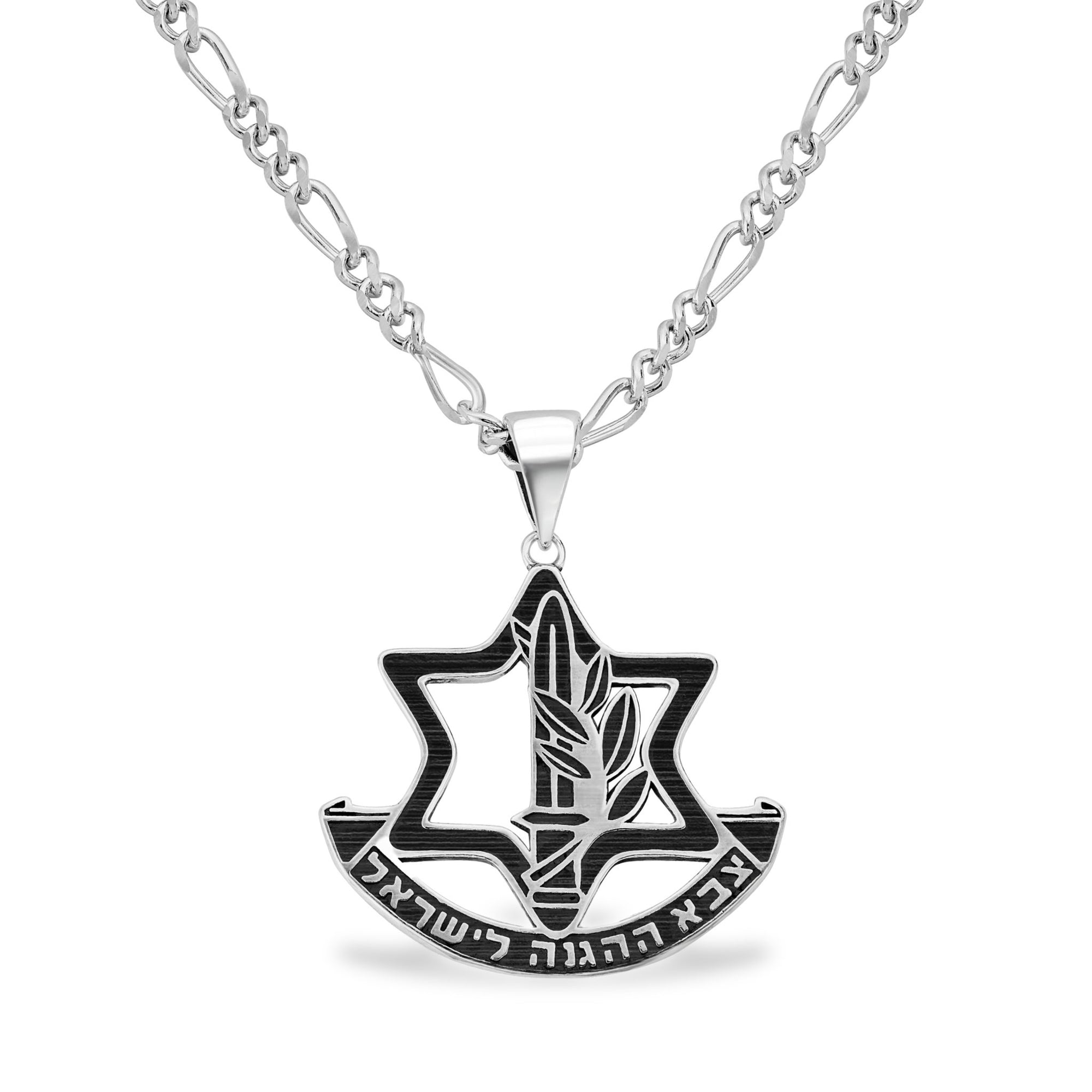


Short answer: "Zionist fashion" is not a person or a single brand, it is a real, well-documented pattern in Israeli and diaspora Jewish clothing since October 7, 2023. Designers and public figures moved from raw grief (Stars of David, hostage names, yellow ribbons) toward quieter resilience, and by 2025, toward motifs of peace and hope, doves, olive branches, healing hearts, as the war wound down and the hostages came home.
From Grief to Resilience: How the Trend Started
Fashion researcher Liraz Cohen Mordechai, who tracks the movement under the project "Fashionating by Liri," describes it unfolding in phases. In late 2023 and through 2024, clothing carried raw solidarity and mourning: the names of victims and hostages, Stars of David, yellow ribbons. By 2025, the mood shifted toward quieter resilience, and eventually toward peace, as the war wound down (Hadassah Magazine, November 6, 2025).
Several high-visibility moments carried the trend into pop culture. In March 2024, Israeli influencer Hofit Golan wore a white gown by bridal designer Yaniv Persy to a 2024 red-carpet event, printed with the names of October 7 victims and hostages, Stars of David, and the words "Am Yisrael Chai," paired with a shawl blending tallit and keffiyeh elements. That same month, designer Lizzy Savetsky wore a Star of David corset (originally designed by Israeli designer Galit Levi) to the UJA-Federation of New York Generosity Gala as a statement of Jewish and Israeli pride. Two months later, at the Eurovision Song Contest final, singer Eden Golan performed in a gown by Alon Livne and stylist Itay Bezaleli, its wrapped straps evoking bandages and wounds, widely read as a symbol of Israeli society's trauma and resilience.
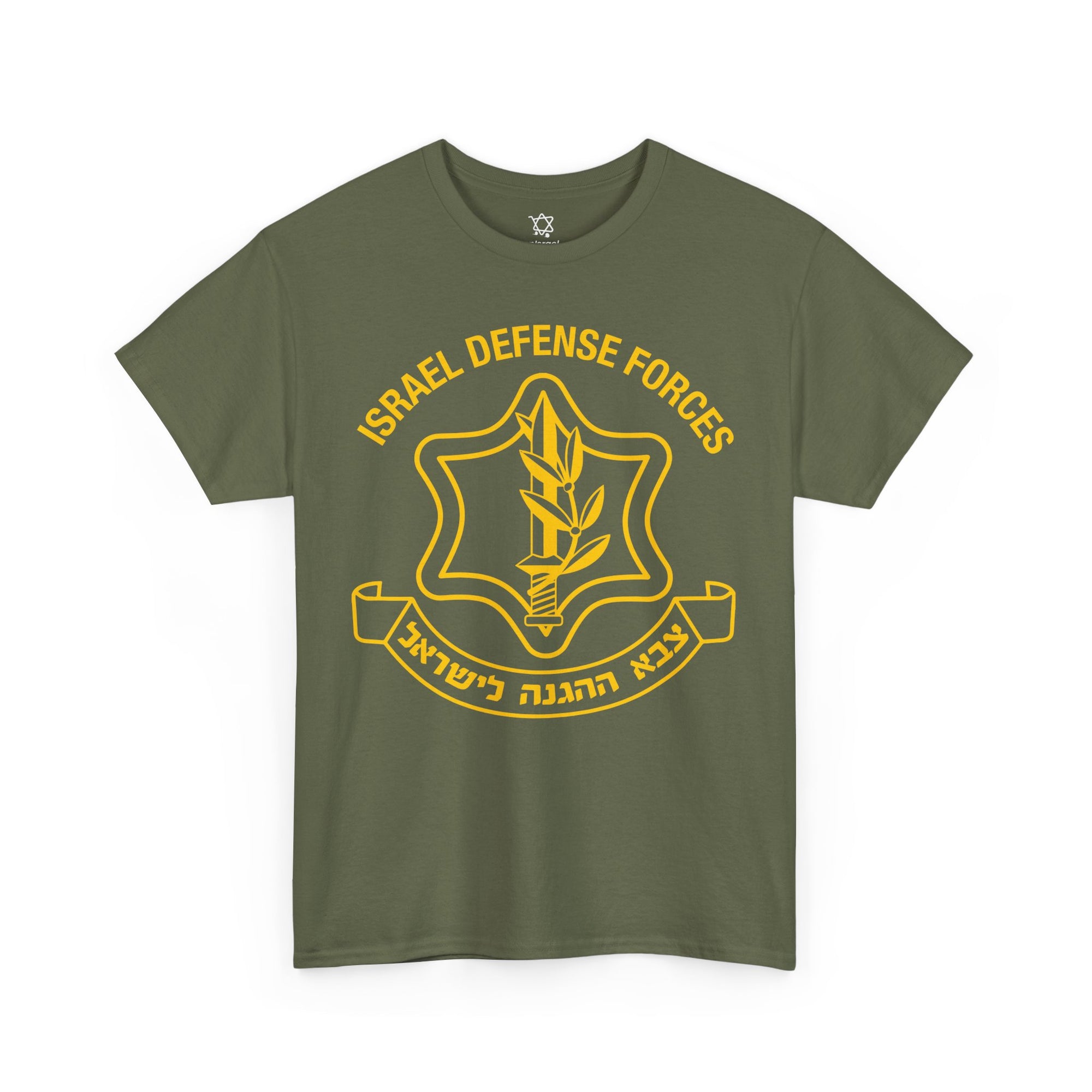
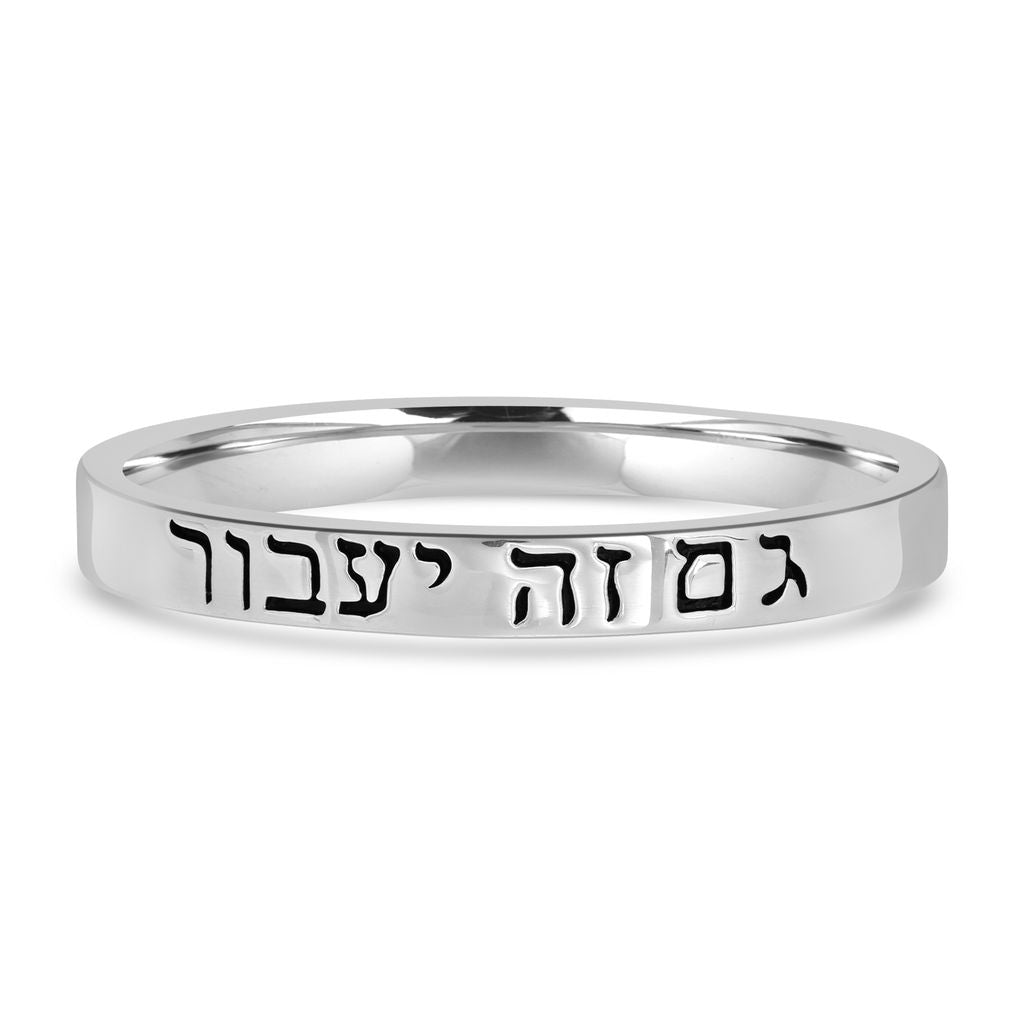
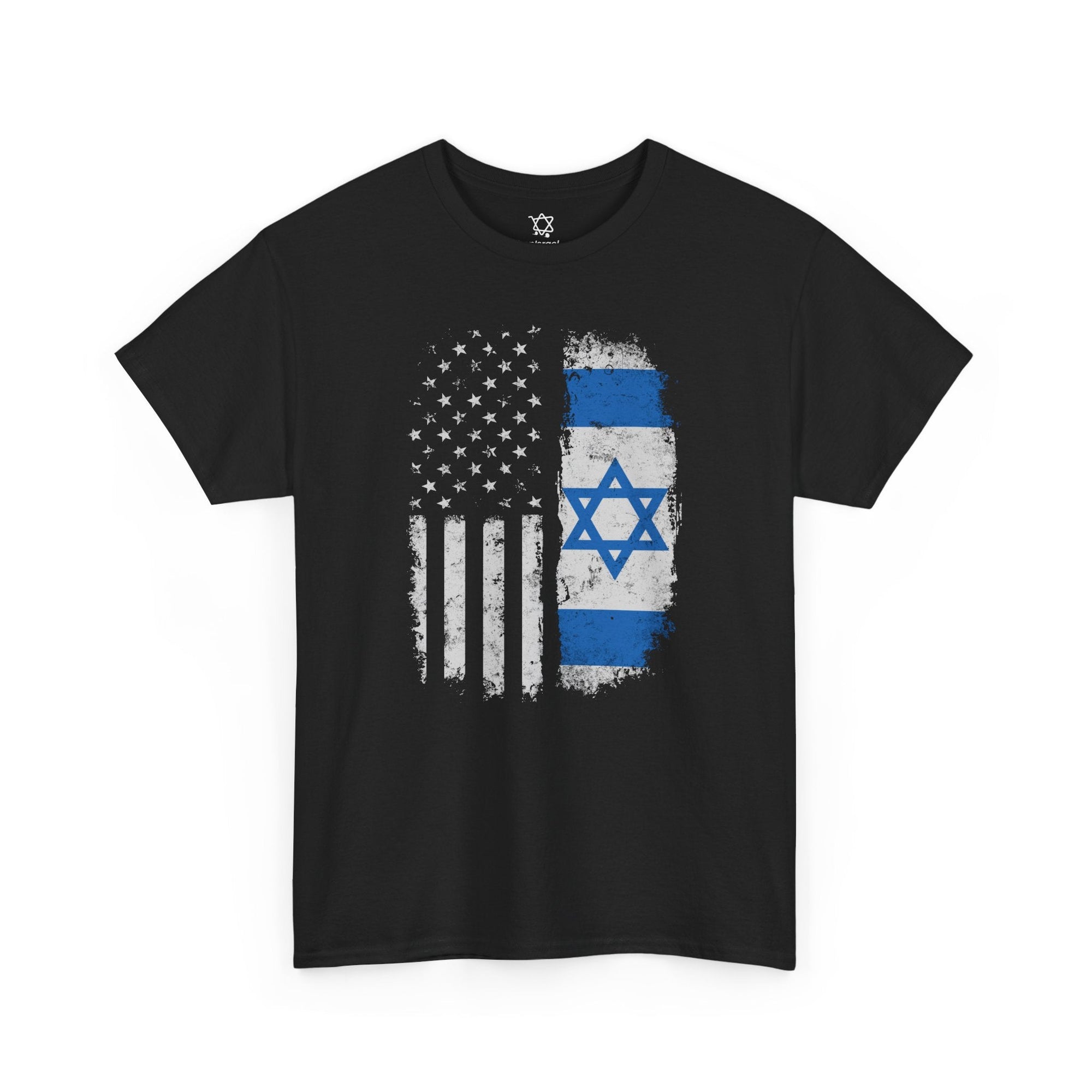
Everyday pieces followed the same arc: t-shirts and hoodies reading "Am Yisrael Chai" ("The people of Israel live"), and hostage dog-tag necklaces popularized by marketing executive Tamir Raicher. Interestingly, this is not the first time clothing has carried meaning across the Jewish-Israeli story: in the pre-state British Mandate period, some early Jewish settlers in Palestine adopted the keffiyeh as regional dress, seeing it as part of an authentic local lifestyle rather than a specific political statement, according to a Wikipedia summary of the garment's history.
The Yellow Ribbon: A Symbol That Changed Meaning
No single item traces the arc of this trend more clearly than the yellow ribbon. After October 7, 2023, it became an urgent, active appeal for the return of hostages held in Gaza. In late April 2025, freed hostage Noa Argamani wore a yellow gown designed by Eli Tala, sewn in three days, to the TIME100 Gala in New York, a deliberate hostage-awareness statement made while her partner, Avinatan Or, was still held (JNS; Israel Hayom).
That changed with the October 2025 ceasefire. The last living hostages returned to Israel in mid-October 2025, and The Jerusalem Post documented Jewish communities and individuals beginning to remove their yellow ribbon pins, some keeping them as keepsakes, some repurposing them into memorial displays, such as one mounted on a synagogue's Torah cover. The remains of the final deceased hostage, Ran Gvili, came home in January 2026, closing out the recovery effort entirely. Today, yellow ribbon fashion reads as remembrance rather than an active campaign.
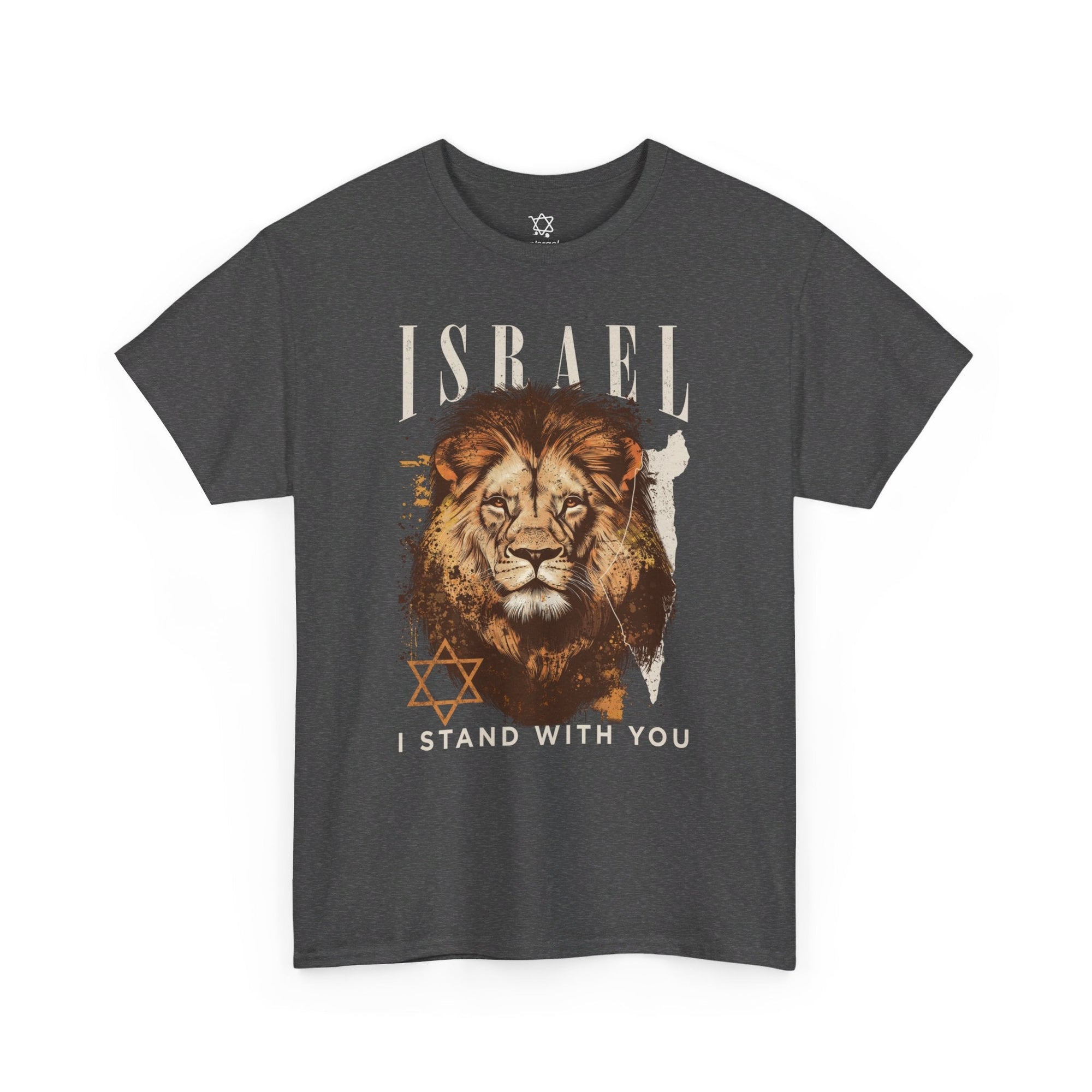
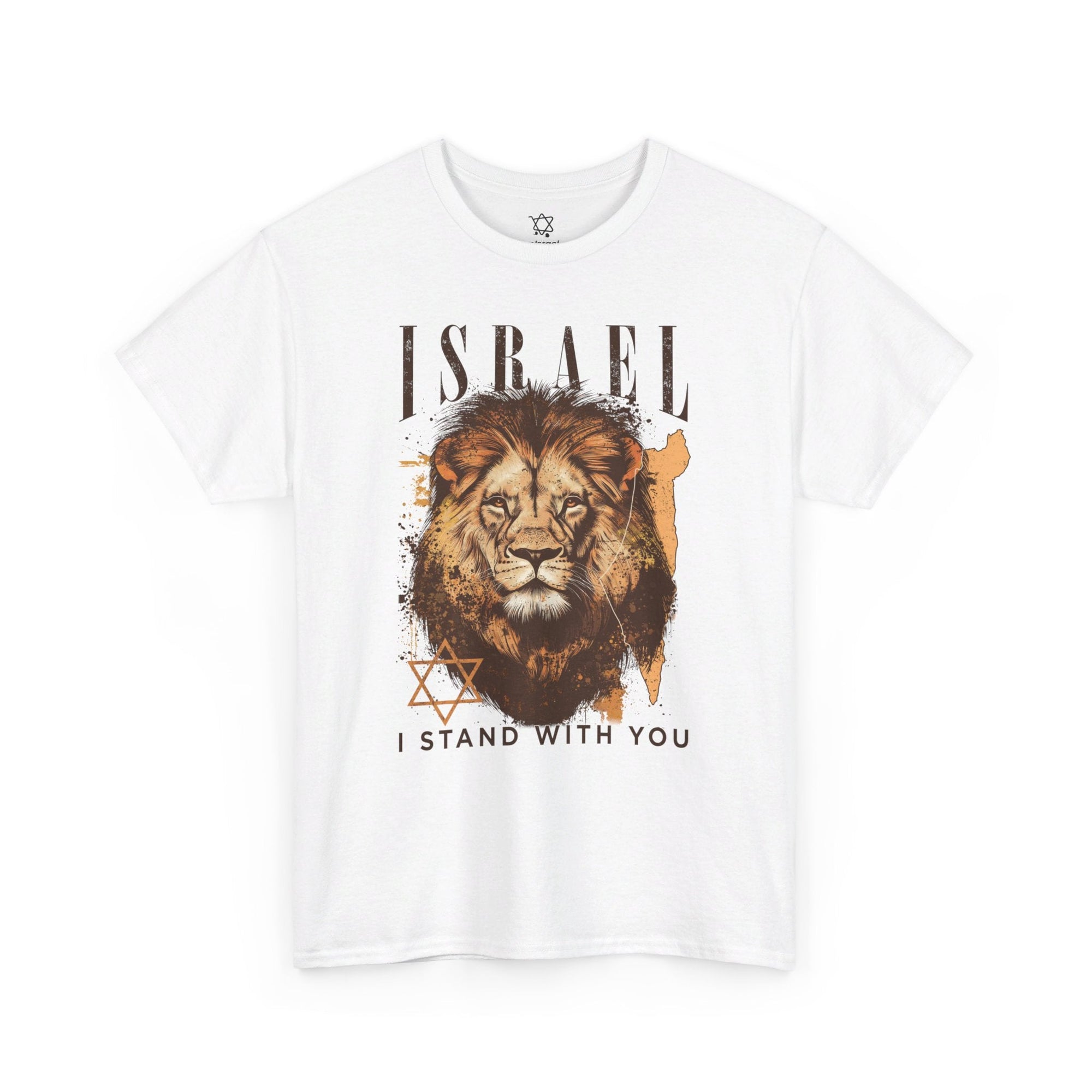
The fashion followed that shift. Tel Aviv label Stella and Lori released its "Lavi of Zion" t-shirt in summer 2025, a lion with a crack in its heart and a yellow ribbon tied to its tail, marking a turn toward healing rather than mourning. That October, timed to the ceasefire, the same label launched a "Time for Peace" line featuring embroidered doves holding olive branches (Hadassah Magazine).
Wearing the Story Today
What began as an urgent, grief-driven wave of clothing has settled into something steadier: pieces that let people carry Jewish and Israeli identity, and now hope, with them day to day. That thread runs through Shop Israel's own Am Yisrael Chai collection, where the same words that appeared on protest tees and red-carpet gowns show up on everyday apparel meant for exactly this kind of quiet, ongoing statement.
Related
- Fashion and Peace: How Zionist Messages Shape Clothing
- Zionist Fashion Statements Promoting Unity and Peace
- Designs in Zionist Clothing Promoting Harmony and Hope
Last updated August 2026.