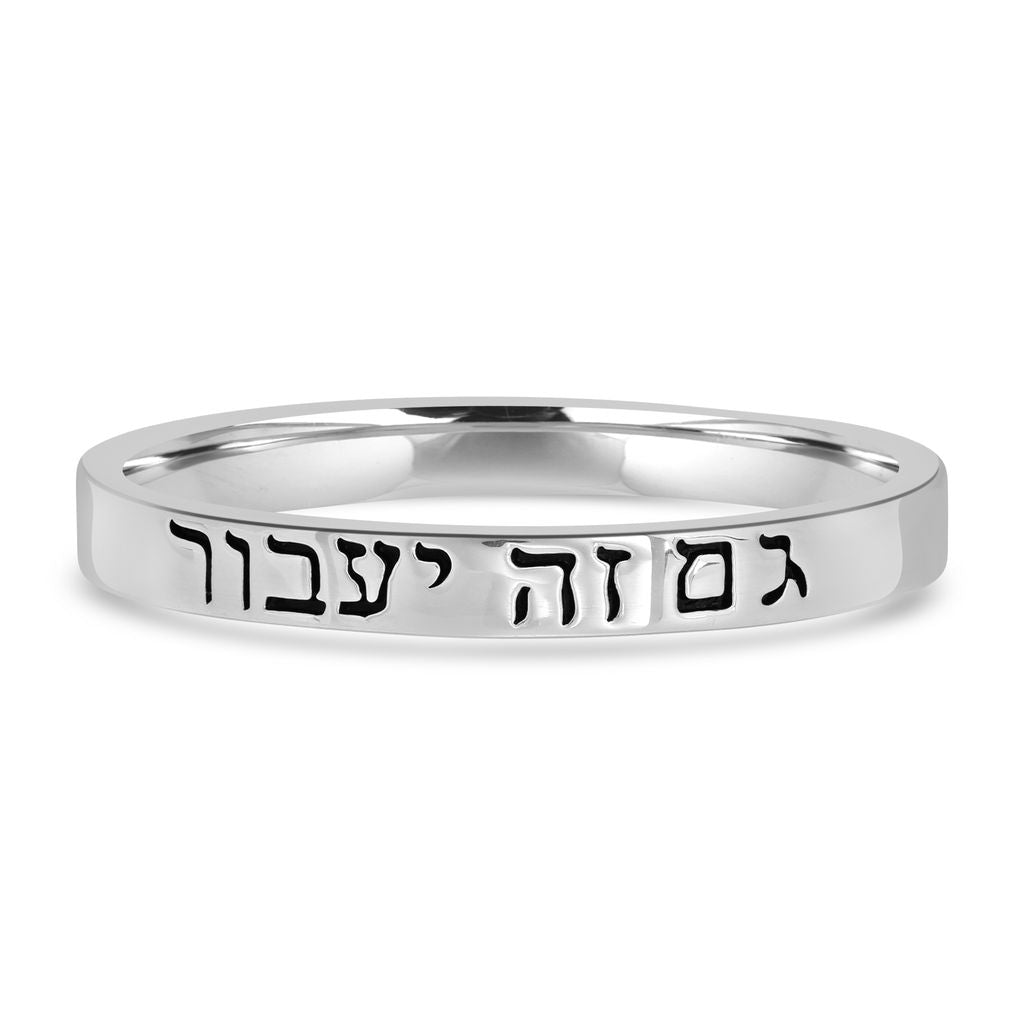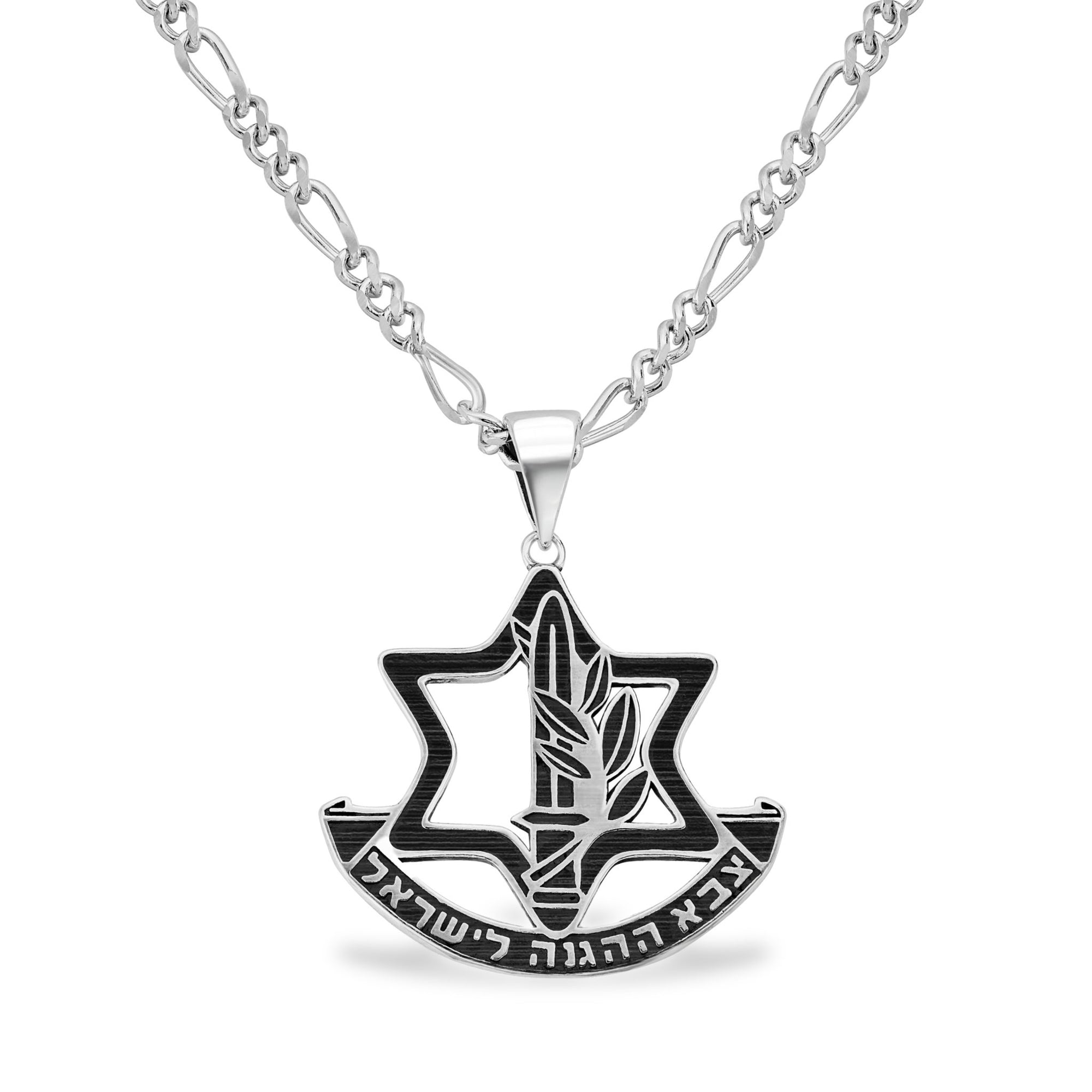


Short answer: Israeli jewelry design is not tied to one designer or one moment, it is a living craft tradition built from several verified strands: ancient regional goldsmithing, Yemenite Jewish silversmithing, the Bezalel Academy's early-20th-century fusion of Ottoman, European, and Yemenite styles, and modernist design ideas that took hold in Tel Aviv in the 1930s. Symbols like the Hamsa and the Star of David are genuinely ancient and widely used, though the Hamsa belongs to a shared Middle Eastern tradition rather than to one faith alone.
Where the craft actually comes from
The archaeological record backs up the idea that jewelry-making in this region goes back thousands of years. Around 1100 BCE, a hoard of gold, silver, and carnelian jewelry, including moon-shaped earrings and a piece decorated with molded wild goats, was buried at Tel Megiddo in northern Israel, likely belonging to a Canaanite woman. Researchers believe some of that metal originated in Egypt, which points to trade networks moving materials into the region even in antiquity, according to research reported by Phys.org.
The craft that Israelis practice today, though, owes more to a specific 20th-century story: Yemenite Jewish silversmithing. Jewish families in Yemen specialized in silver filigree for generations, and when nearly the entire Jewish community of Yemen, including almost all of its silversmiths, emigrated to Israel during the 1949-1950 airlift known as Operation Magic Carpet, that craft came with them and took root in the new state. Israel is now described by Judaica-focused sources as the only place in the world where this traditional Yemenite filigree style is still produced, per Judaica Webstore and +972 Magazine.
The Bezalel fusion and its lasting style
That Yemenite craft did not stay separate from the rest of the country's design world. In 1906, Boris Schatz founded the Bezalel Academy of Arts and Design in Jerusalem, named for the biblical craftsman Bezalel ben Uri. In 1908 the school opened a Filigree Silver Department that gave a leading role to Yemenite silversmiths and deliberately blended their techniques with Ottoman and European influences. The Israel Museum in Jerusalem confirms this is the origin point of what is still called "Bezalel style" jewelry, a look that continues to define much of Israeli metalwork today.
A separate but related thread runs through Tel Aviv more broadly. Architects trained in the Bauhaus tradition fled Nazi Germany in the 1930s and brought International Style design principles with them, shaping the city's modernist character so thoroughly that UNESCO named Tel Aviv's "White City" a World Heritage Site in 2003. That influence is well documented for architecture and design culture generally; its direct impact on jewelry specifically is less firmly sourced, so it is fair to say Bauhaus shaped the design atmosphere Israeli artisans work within, without overstating a one-to-one jewelry lineage.
Symbols that carry the weight
Two motifs show up constantly in Israeli-made jewelry, and both have real history behind them. The Hamsa, a hand-shaped amulet meant to ward off the "evil eye," has been traced to imagery on Israelite tombs dating back to the 8th century BCE, making it one of the oldest protective symbols still used in the region today, according to the Jewish Women's Archive and Judaica Webstore. It is worth noting the Hamsa is not exclusively Jewish: it has also been used historically by Muslim communities across the Middle East and North Africa, sometimes called the Hand of Fatima alongside the Hand of Miriam. That shared history is part of what makes it such a recognizable regional symbol rather than a narrow one.
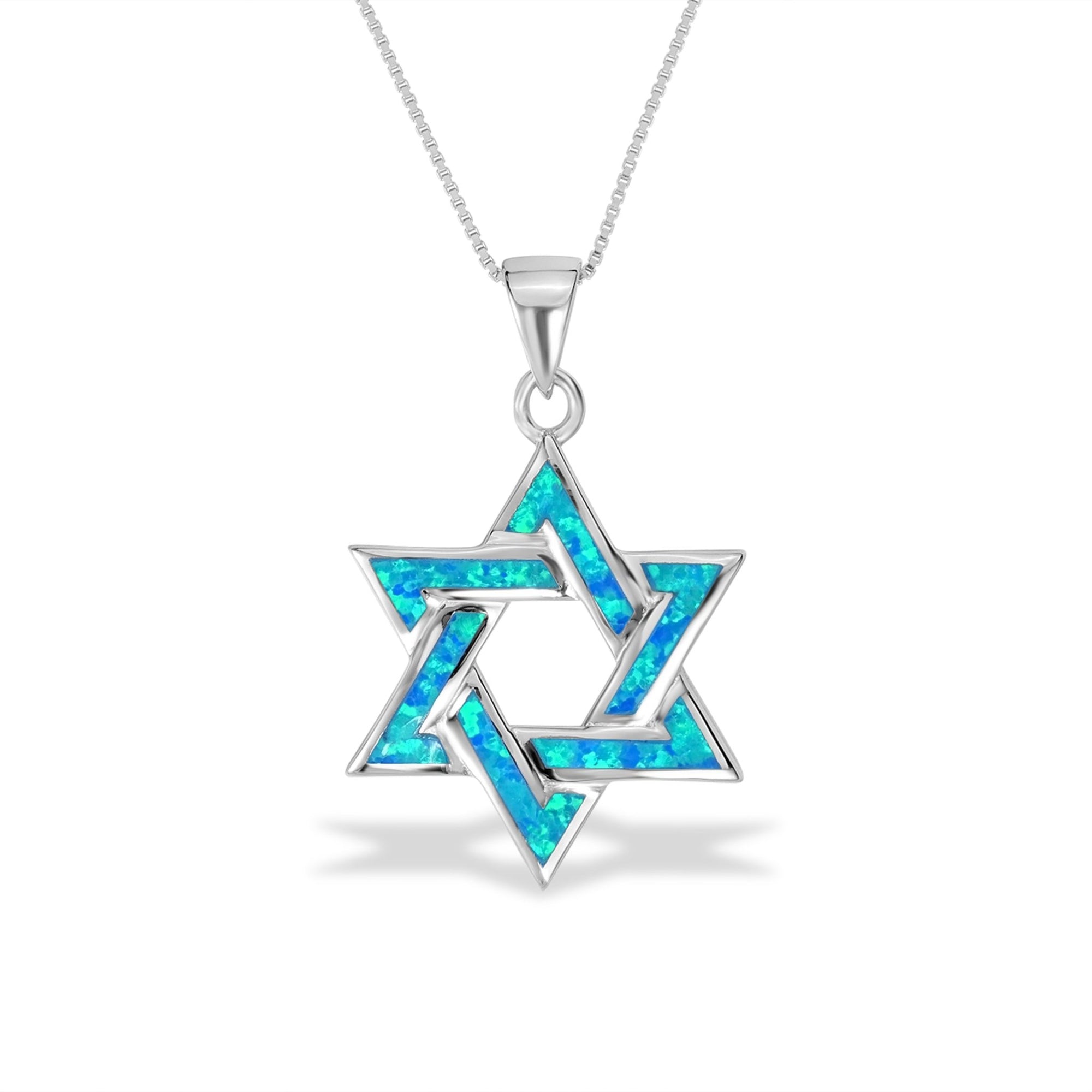
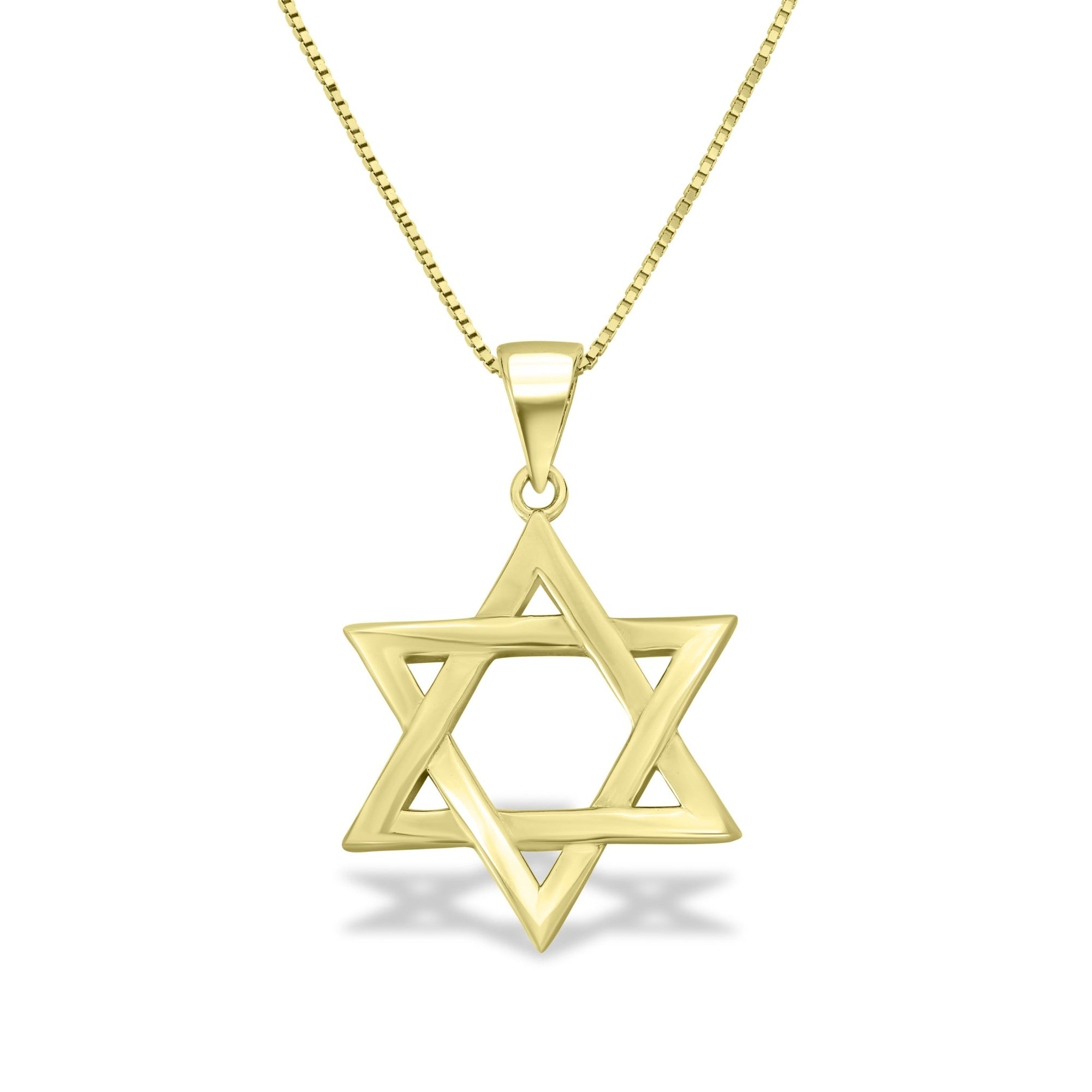
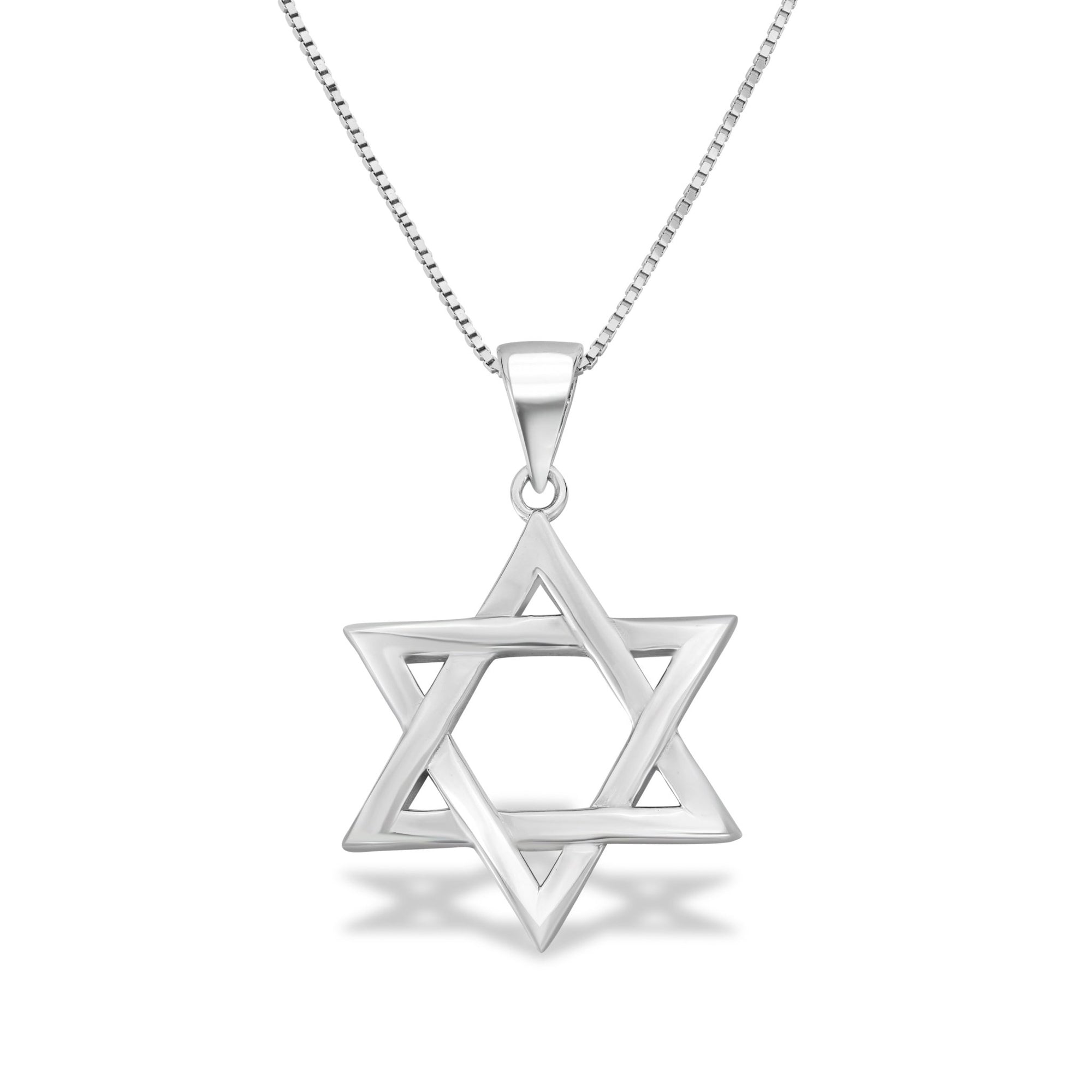
The Star of David carries a more straightforward role as a marker of Jewish identity, and it appears constantly in Israeli jewelry as a clean, geometric way to wear that identity openly. A well-made Star of David necklace draws on that same long tradition of wearable Jewish symbols that Israeli craftsmen have refined for generations.
Bringing that heritage into your own jewelry box
What ties all of this together is that Israeli jewelry design was never one style handed down whole. It is Canaanite-era metalwork, Yemenite filigree carried to Israel by families who rebuilt their craft there, a Jerusalem academy that fused East and West on purpose, and symbols people have worn for identity and protection for millennia. Shop Israel's Hamsa jewelry collection and Star of David jewelry collection both draw directly on that history, and every purchase supports small businesses connected to Israel.
Related
Culturally inspired jewelry design from Israeli artists
Israeli cultural symbols popular in handmade jewelry
Interpretations of the Star of David in modern jewelry artistry
Last updated August 2026.