

Short answer: The idea that Israeli jewelry "tells a story" through craftsmanship holds up. The clearest documented thread runs from the Torah's account of the High Priest's breastplate through Yemenite Jewish silversmiths who shaped the early Bezalel Academy's workshops and then arrived in Israel almost as a body during Operation Magic Carpet, carrying centuries of filigree and granulation technique with them. Modern Israel also became home to one of the world's great diamond trading centers. The symbols on the jewelry, the hamsa and the Star of David chief among them, are old, specific, and still worn with meaning today.
Where the story actually begins
Jewish ceremonial jewelry has a documented starting point in the Torah itself. Exodus 28 and 39 describe the Hoshen, the High Priest's breastplate: a woven garment set with twelve precious stones, one for each tribe of Israel, worn over the ephod (Chabad.org's summary of the Choshen lays out the text in detail). It is not a claim that modern Israeli jewelers trace an unbroken manufacturing line back to the Temple. It is a precedent: the idea that a piece of jewelry can be built to represent a people, not just decorate a person, is baked into the earliest Jewish sources.
The more traceable craft history starts almost three thousand years later, in Jerusalem. In 1906, painter and sculptor Boris Schatz founded the Bezalel School of Arts and Crafts, later the Bezalel Academy of Arts and Design, with workshops that produced decorative silver objects and jewelry from the start (per Wikipedia's Bezalel Academy entry). Bezalel's silver workshops drew heavily on Yemenite Jewish silversmiths, whose filigree and granulation techniques had been practiced as a near-exclusive Jewish trade in Yemen for centuries (Wikipedia's Yemenite silversmithing entry, corroborated by the Judaica Webstore Blog's history of the craft). That combination, Bezalel's design ambitions and a Yemenite technical tradition that already existed, is the most solidly documented origin of what people now think of as classic Israeli silver jewelry.
Immigration, the diamond trade, and the symbols that lasted
The Yemenite silversmithing tradition did not just influence Bezalel from a distance. Between June 1949 and September 1950, nearly the entire Jewish community of Yemen, including virtually every remaining Yemenite silversmith, was airlifted to Israel in Operation Magic Carpet, bringing the craft into the country in full (Wikipedia's Yemenite silversmithing and Yemenite Jews in Israel entries). Pieces from that lineage now sit in the Israel Museum, the Met, and the British Museum. Separately, Israel built a very different but equally real jewelry-adjacent industry: the Israel Diamond Exchange, formally established in 1951 and later based in Ramat Gan, grew into what industry sources describe as the world's largest diamond trading complex (Wikipedia's Israel Diamond Exchange entry, corroborated by MGS Refining's industry blog).
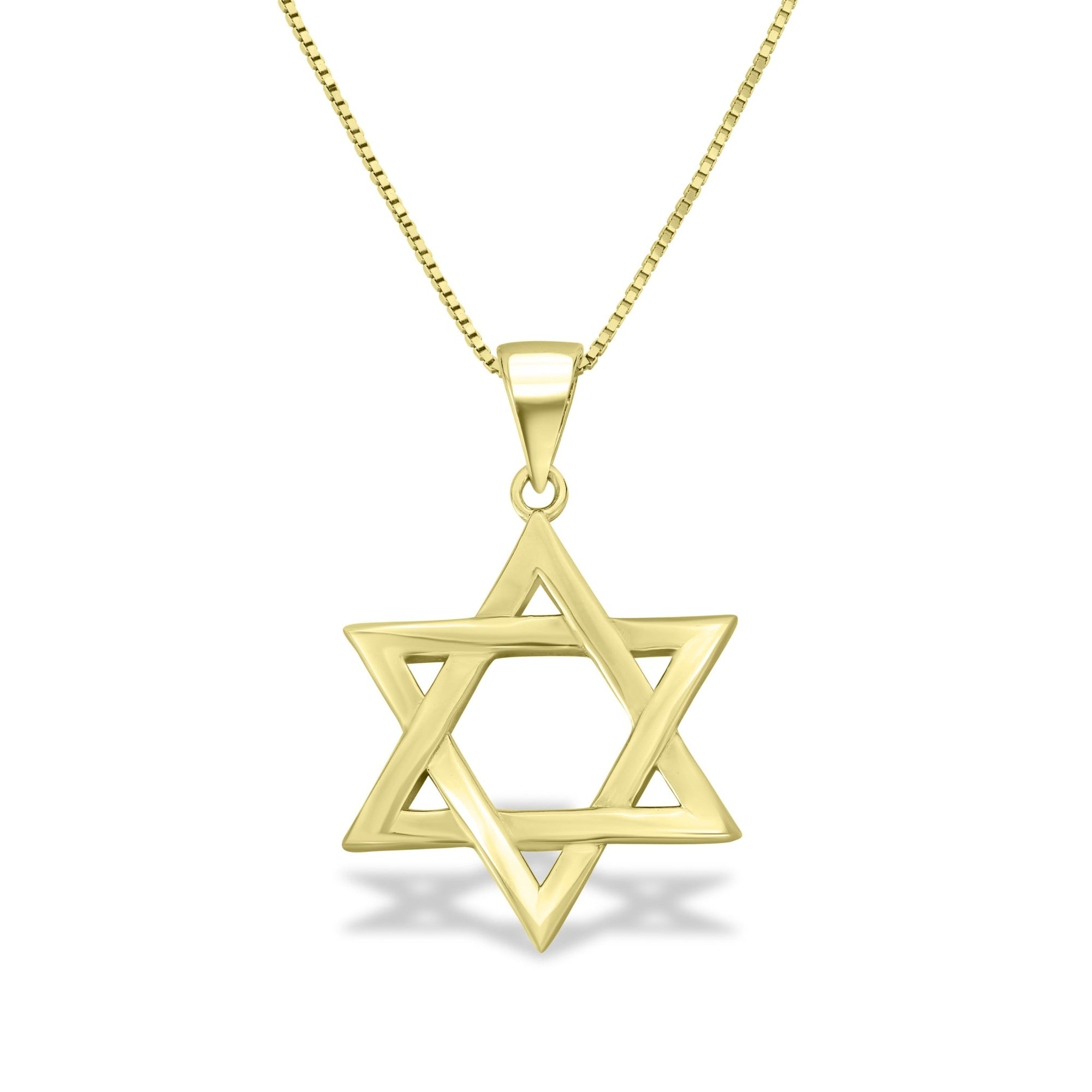
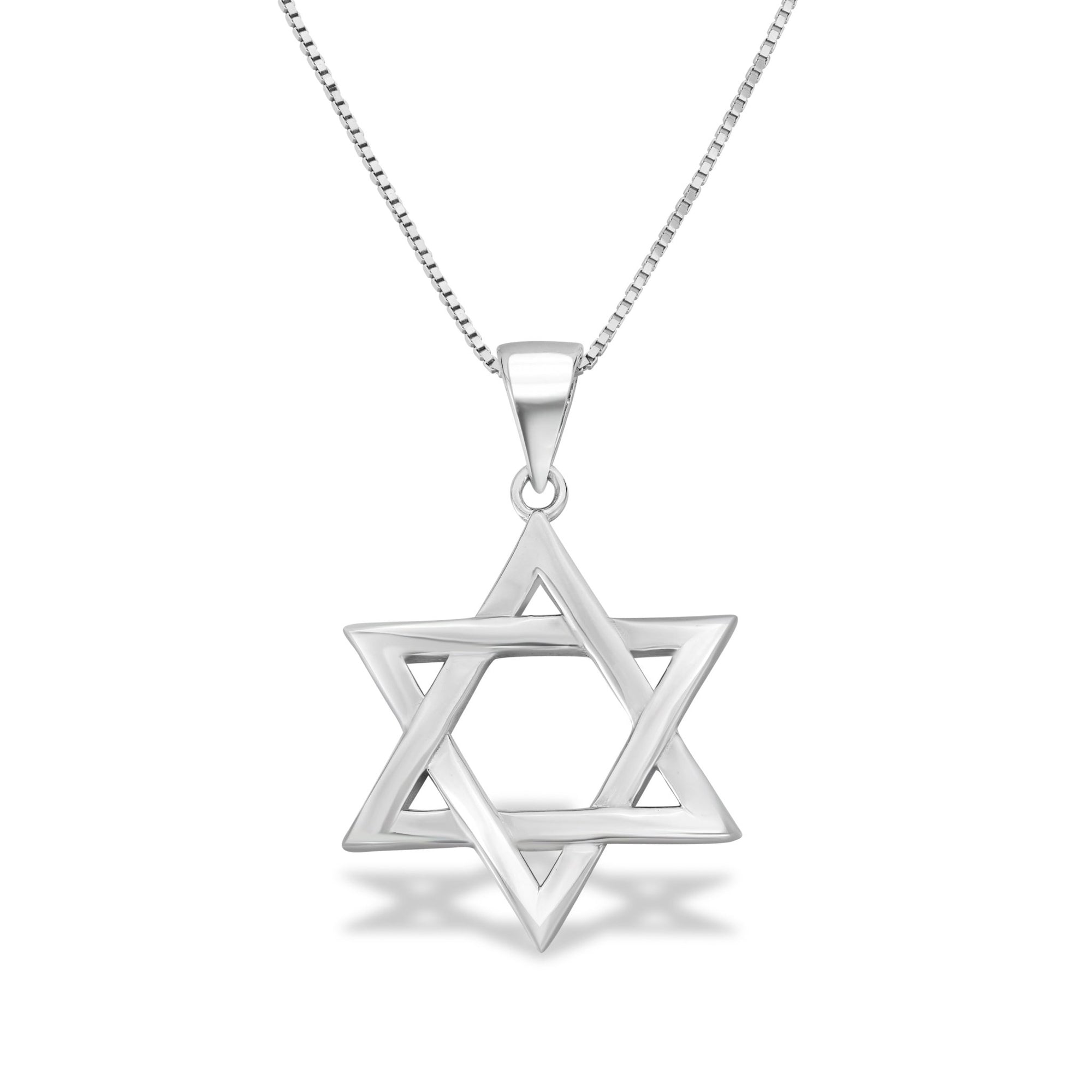
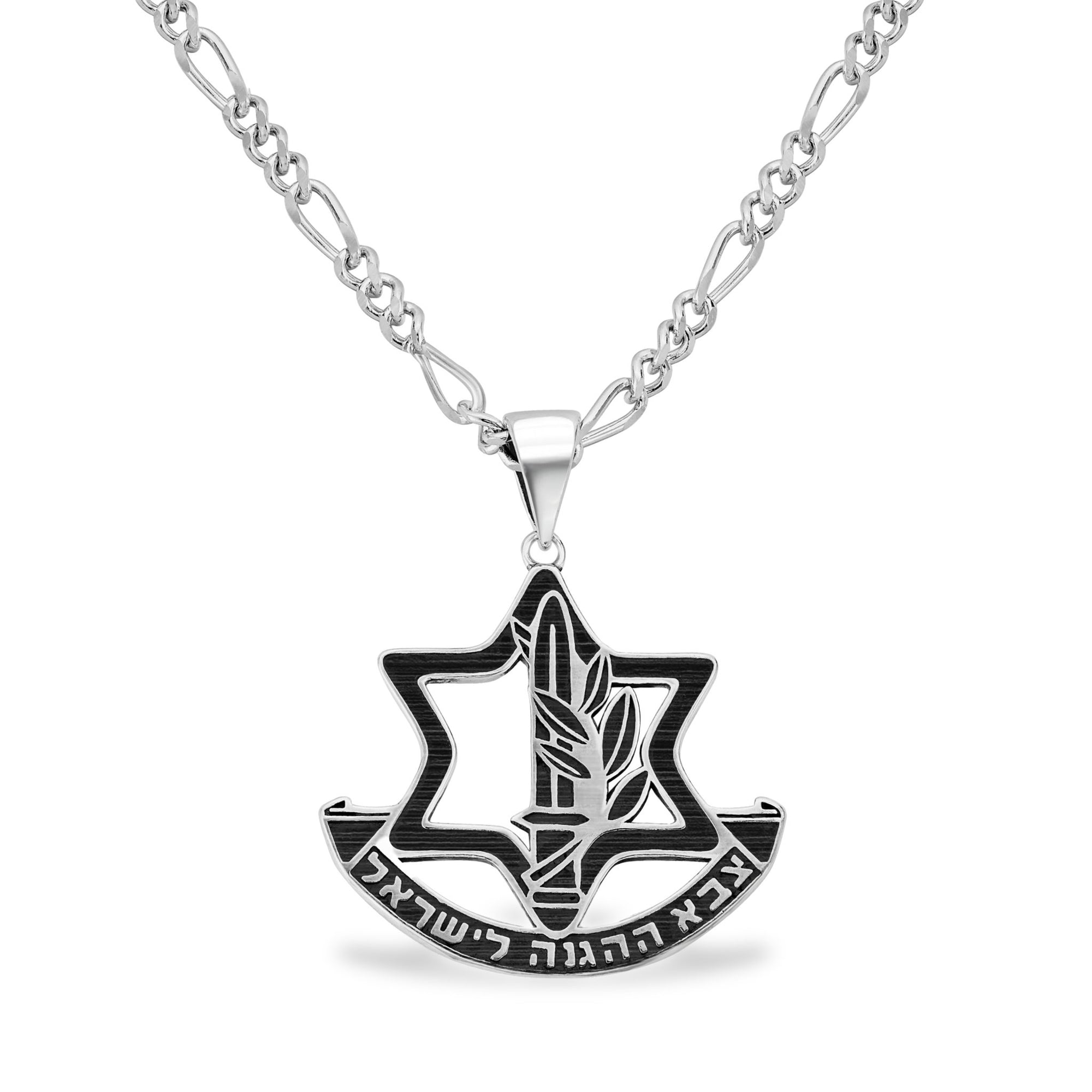
On top of the metalwork, the motifs themselves carry old, specific meanings. The hamsa, an open hand whose name comes from the Arabic word for "five," is one of the oldest attested Jewish protective symbols, with imagery found on ancient Israelite tombs dating back roughly to the 8th century BCE (Judaica Webstore Blog's history of the hamsa). It remains a common motif in Israeli jewelry today, worn alongside the Star of David, both religiously and simply as an expression of identity. It's worth noting, too, that some Israeli jewelry made in the wake of October 7, 2023, such as military-style "Bring Them Home" dog tag necklaces, has shifted meaning: since the October 2025 ceasefire and the January 2026 return of the last hostage's remains, those pieces now function as memorial jewelry, not markers of an active campaign.
Wearing that history today
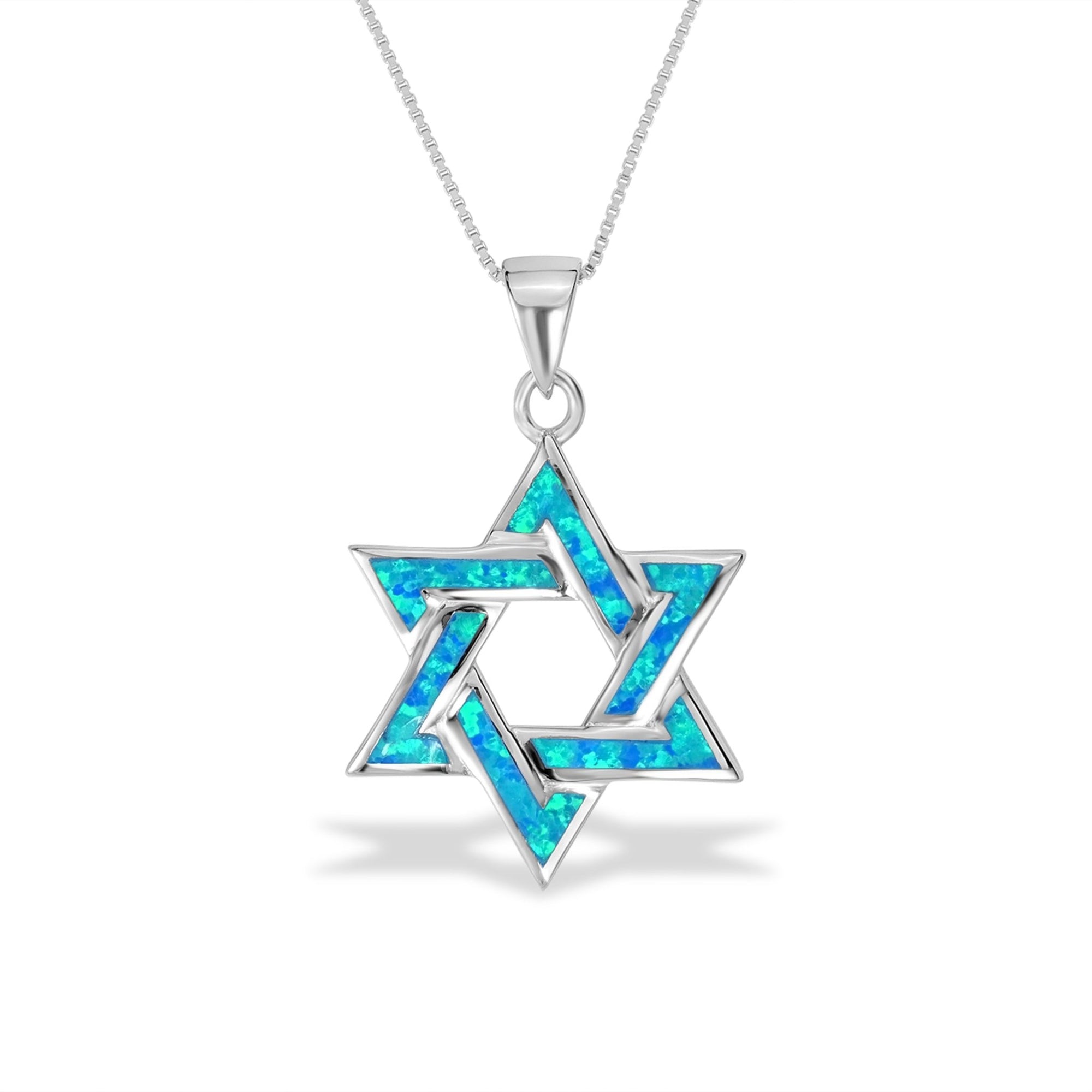
All of this, the breastplate's precedent of jewelry-as-representation, the Yemenite filigree tradition, the hamsa's long protective history, is why a Star of David necklace or a hamsa piece reads as more than an accessory. Shop Israel's hamsa jewelry collection and pieces like the Shalom Star of David necklace draw on exactly those motifs, giving people a way to wear a piece of that craft story rather than just describe it.
Related
Jewelry Designs That Reflect Israeli Culture and Heritage
Israeli Cultural Symbols Popular in Handmade Jewelry
The Influence of Israeli Culture on Today's Jewelry Trends
Last updated August 2026.