

Short answer: Israeli culture shapes today's jewelry trends through three durable, verifiable strands: the 1906 founding of the Bezalel Academy in Jerusalem, which fused European design training with Yemenite Jewish silversmithing; the 1949-50 mass immigration of Yemenite Jews, who brought centuries-old filigree techniques still practiced in Israel today; and Israel's structural weight in the global diamond trade through the Ramat Gan exchange. Most immediately, the October 7, 2023 Hamas attack triggered a documented worldwide surge in demand for Star of David and other Jewish-identity jewelry, much of it Israeli-designed or Israeli-made.
Where Israel's jewelry traditions actually come from
The story does not start with a vague notion of "ancient craft." It starts with a specific institution: the Bezalel Academy of Arts and Design, founded in Jerusalem in 1906 by Boris Schatz. Its silver and metalwork workshops, which produced decorative objects including jewelry, were largely carried out by Yemenite Jewish silversmiths, since metalsmithing had long been a traditional Jewish trade in Yemen. That combination, European art-school training layered onto Middle Eastern craftsmanship, set the template for an emerging Israeli design vocabulary from the very start of organized Israeli design education.
The technique itself has an even more specific origin point. In 1949 and 1950, almost the entire Jewish community of Yemen emigrated to Israel. Because Yemenite tribes had specialized in silversmithing for generations, and because most families could not bring their tools with them, this migration transplanted filigree jewelry-making directly into Israel. The delicate, twisted-wire filigree work sold today as "traditional Israeli jewelry" was massively expanded and popularized by that wave of immigration, building on a tradition Bezalel had already begun with Yemenite silversmiths from 1908, rather than descending from a generic ancient inheritance. It is still practiced by aging masters and their trained successors.
Israel's outsized role in the global jewelry trade
Israel's influence on jewelry is not only aesthetic. The Israel Diamond Exchange was formally established in Tel Aviv in 1951, and its permanent complex, the Shimshon Building in Ramat Gan, opened in 1968. That exchange grew into the world's largest diamond trading bourse, with an estimated 40 to 50 percent of the world's diamonds passing through it at some point. That gives Israel real economic weight in the global jewelry supply chain, separate from any question of design style.
On the design side, contemporary Tel Aviv studios carry the aesthetic forward. ARTEMER, founded in 2011 by designers Tomer and Tanya, is part of a wave of Israeli studios known for distinctive stone cuts and a minimalist, Middle-Eastern-inflected look that now represents Israel internationally in fine jewelry. Many current pieces also lean on Eilat stone, a naturally banded blue-green mineral found only near the city of Eilat in southern Israel and recognized as the country's national gemstone, since no equivalent deposit exists anywhere else in the world.
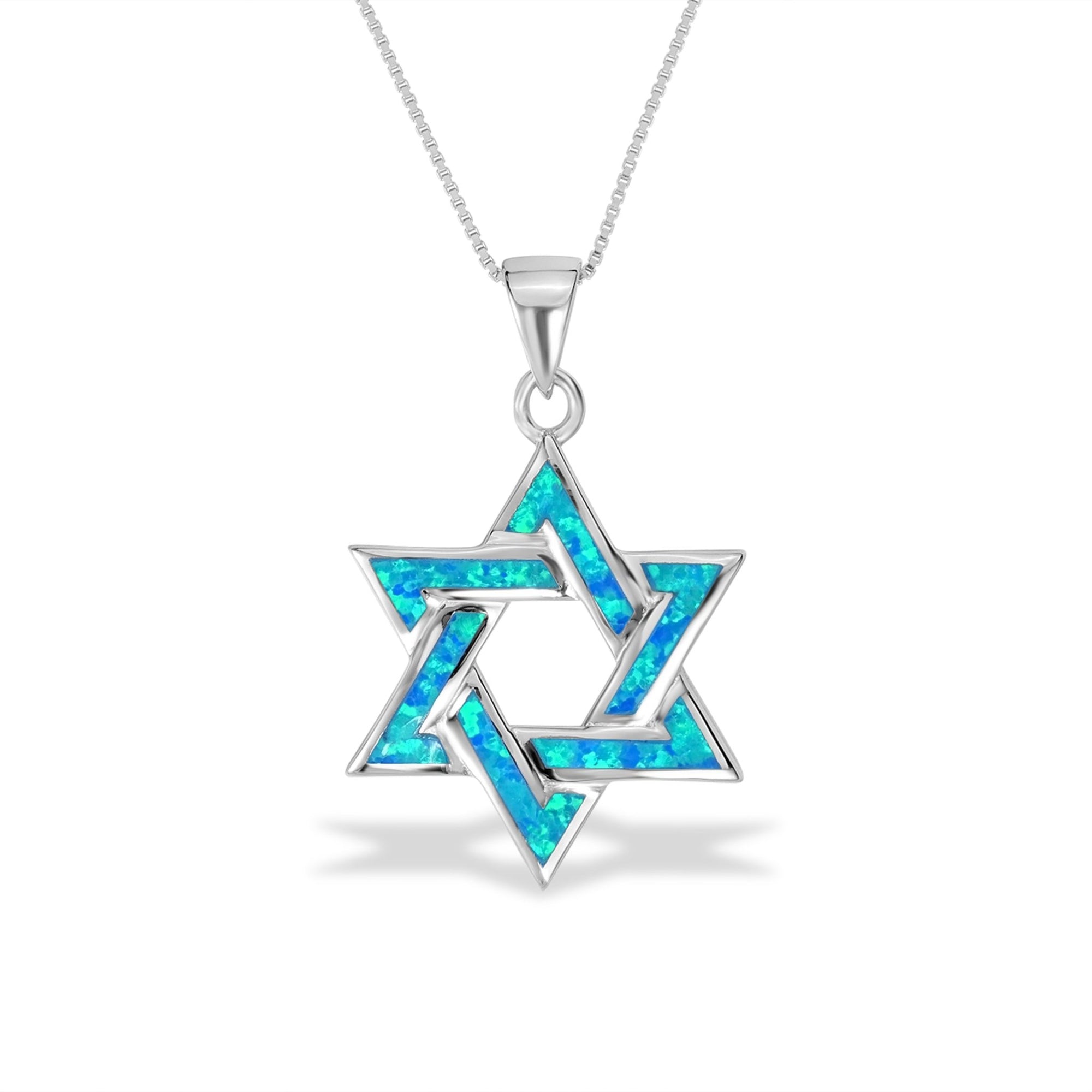
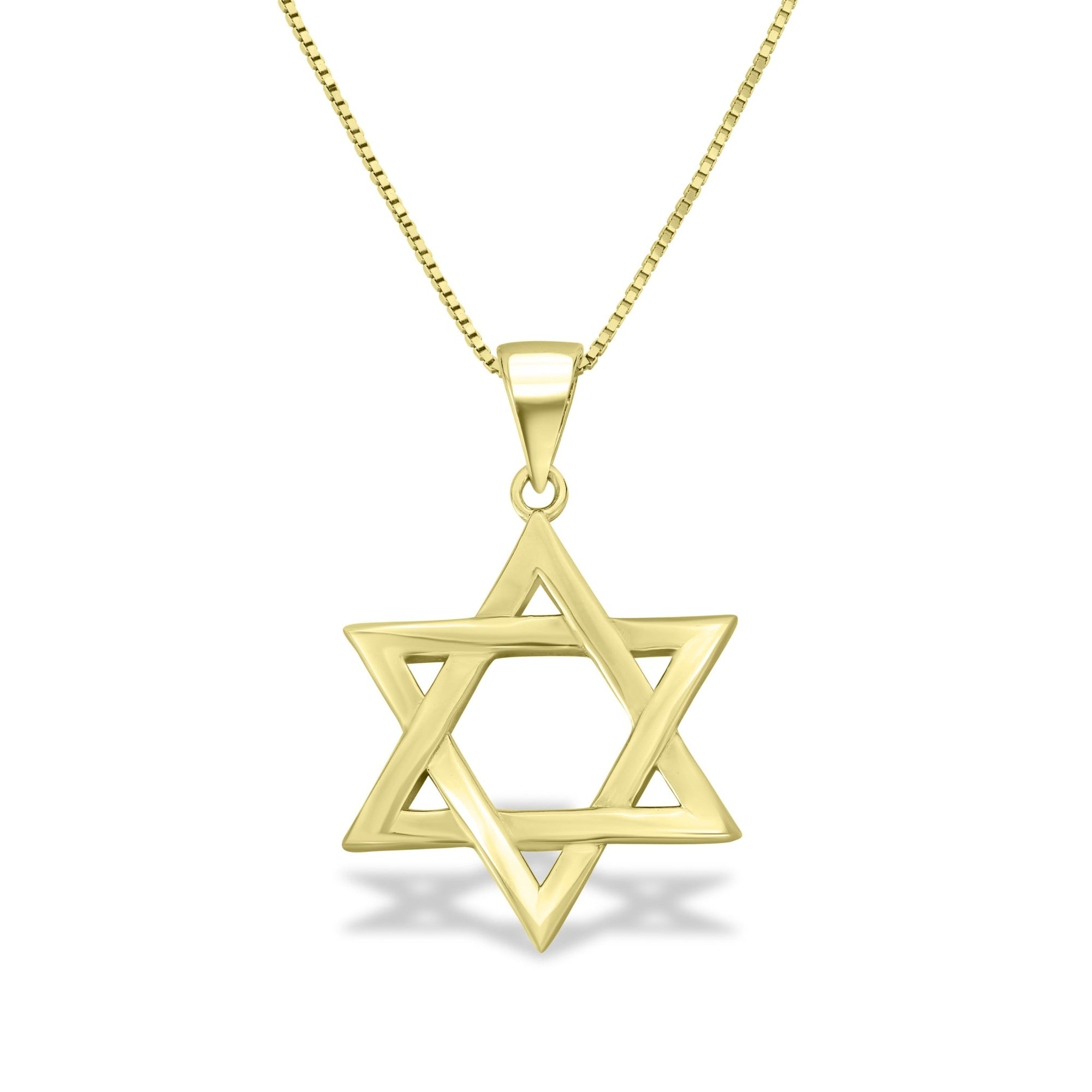
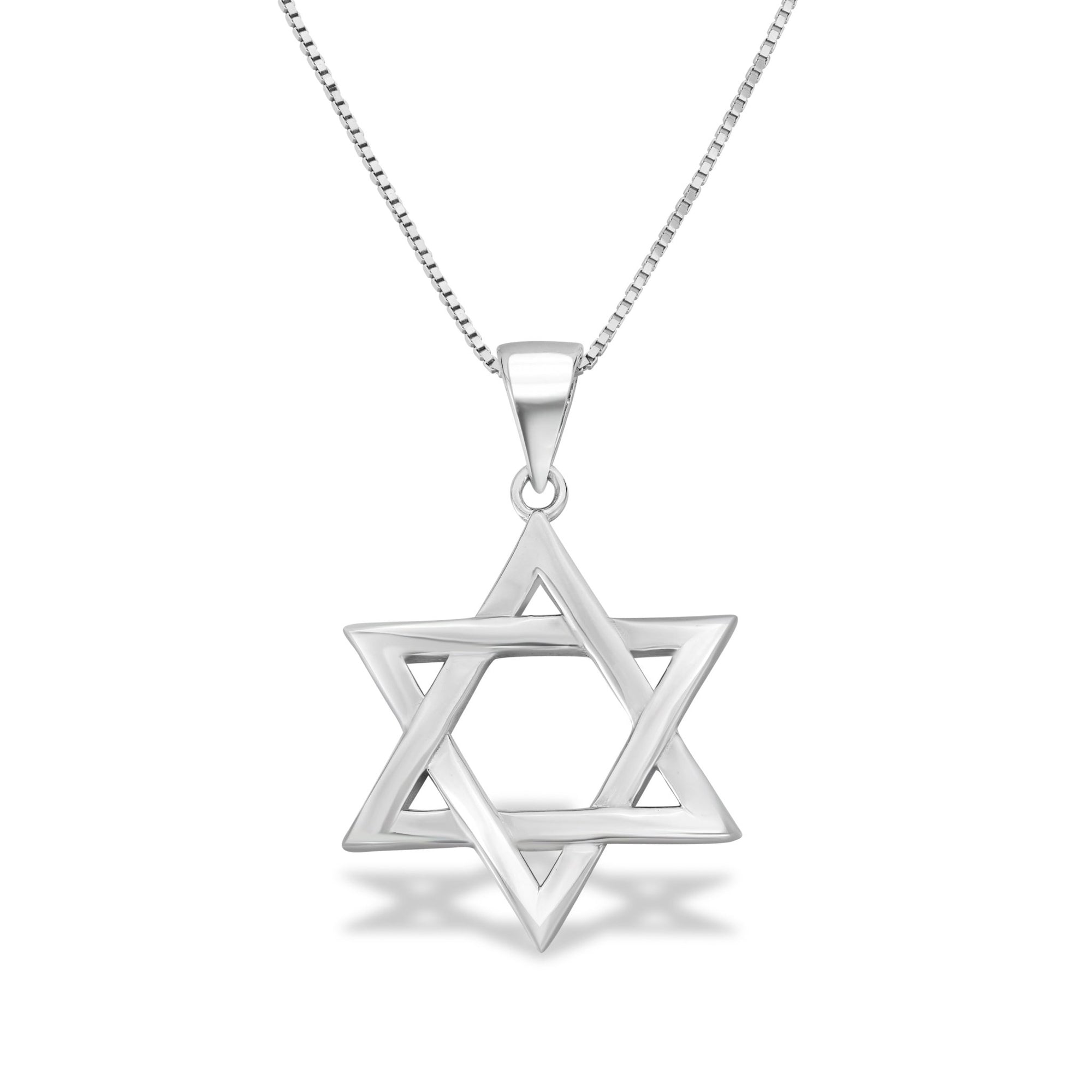
The most immediate driver of "today's" trend, though, is current events. Following the Hamas attack on Israel on October 7, 2023, demand for Star of David (Magen David) jewelry surged worldwide as a marker of Jewish identity and solidarity with Israel. UK retailer Nelken Jewellers reported, in October 2023, roughly a 300 percent increase in demand for Magen David and chai pendants, and outlets covering the trend note that much of the Judaica jewelry driving it is manufactured in Israel by Israeli artisans. Those figures are retailer-reported rather than independently audited, but the direction is corroborated across multiple outlets covering Jewish life and the war's aftermath.
Carrying that heritage into what you wear
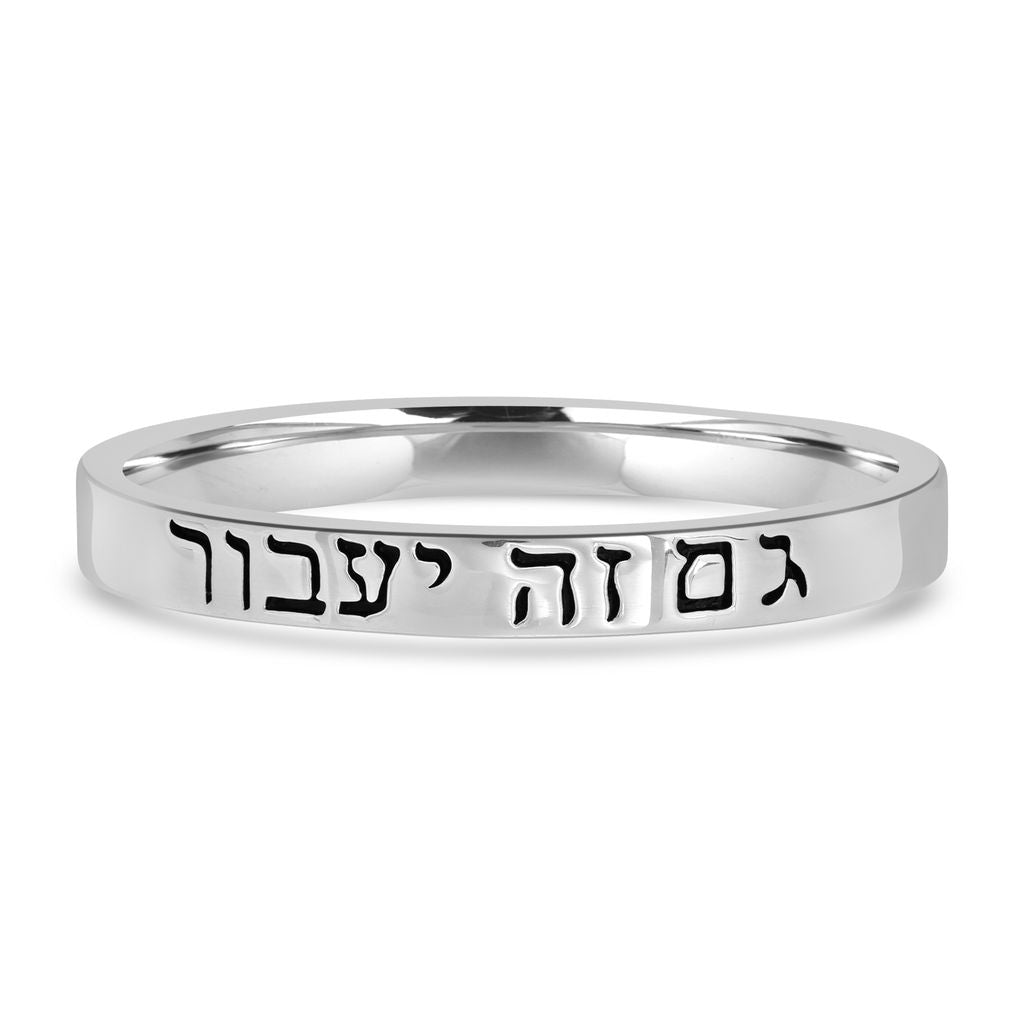
Whether the appeal is the Yemenite filigree tradition, the Eilat stone, or the renewed meaning behind the Star of David since October 2023, the through-line is the same: jewelry as a quiet, wearable statement of Jewish identity and connection to Israel. Our Star of David jewelry collection includes the Shalom Star of David Necklace, a simple way to carry that same symbol that jewelers worldwide have reported rising demand for since 2023.
Related
- Jewelry Designs That Reflect Israeli Culture and Heritage
- Crafting Jewelry Inspired by Israel's Rich Cultural Heritage
- Interpretations of the Star of David in Modern Jewelry Artistry
Last updated August 2026.