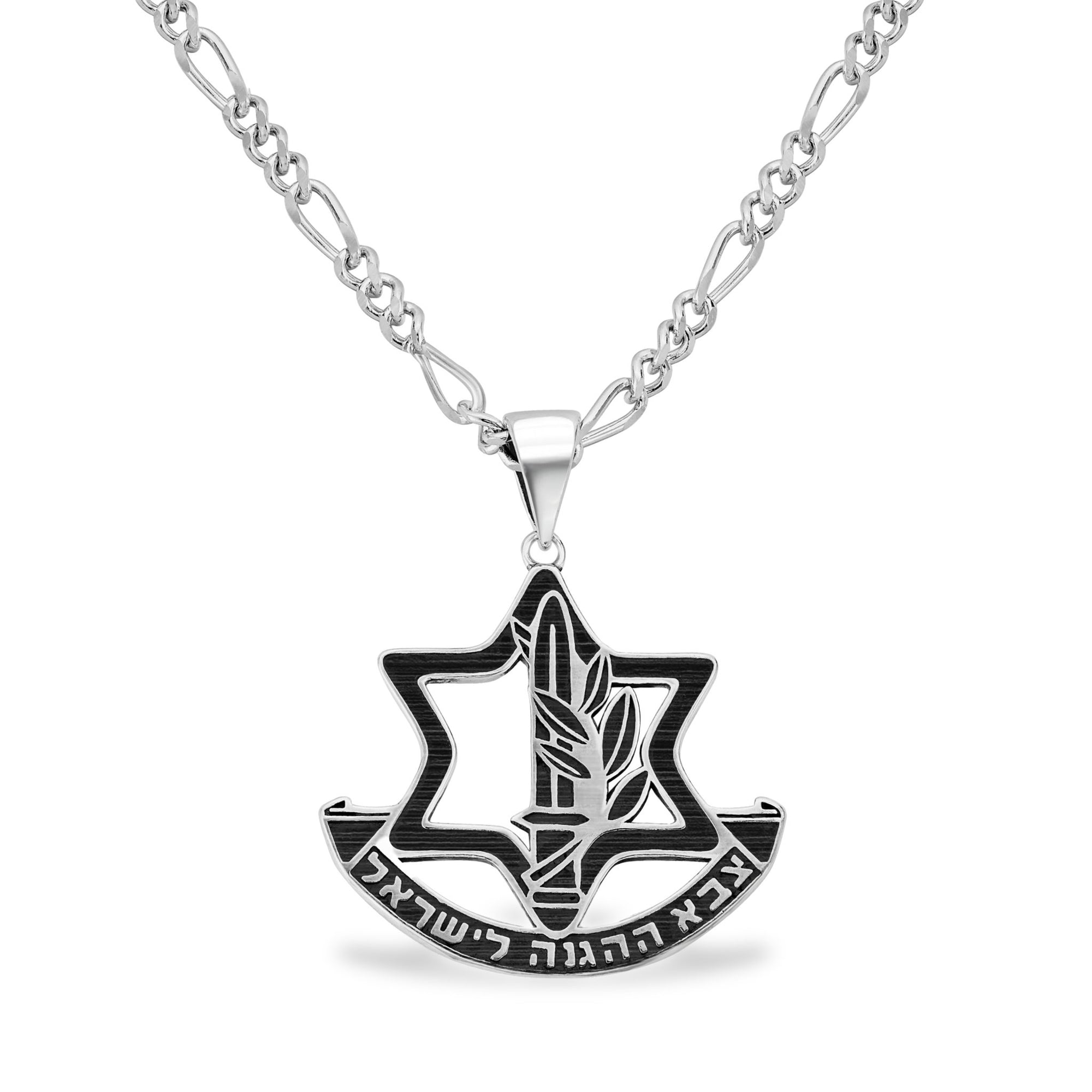


Short answer: Israeli-inspired jewelry draws on a small, well-documented set of symbols, the Star of David, Chai, Hamsa, Tree of Life, and pomegranate motifs, each with genuine historical or religious roots, often set in Eilat stone (Israel's official national gemstone) or worked in sterling silver and 14kt/18kt gold. The meanings behind these pieces are not marketing invention; they come from centuries of documented Jewish tradition, which is exactly why the jewelry carries weight beyond its look.
Why these symbols keep showing up in Israeli jewelry
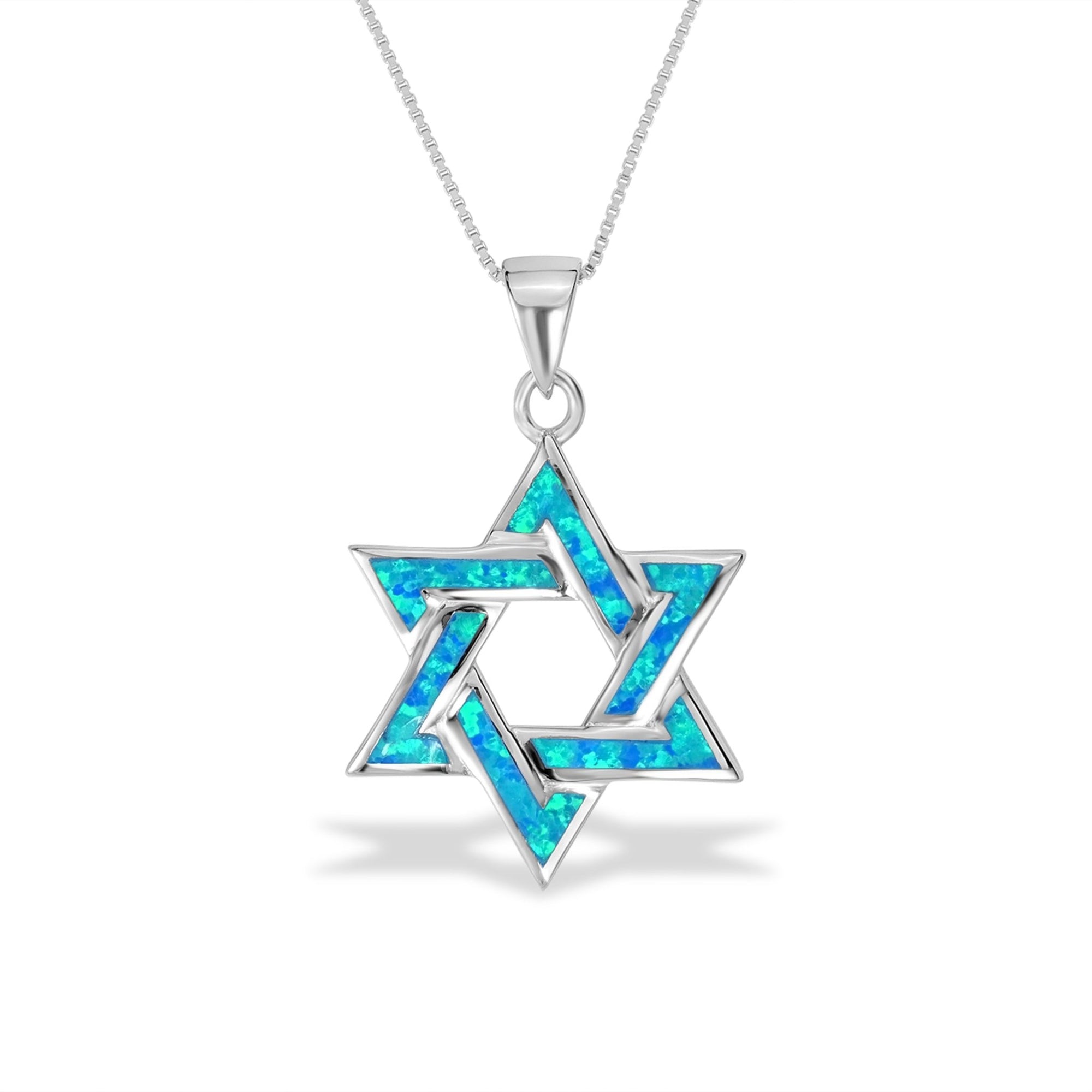
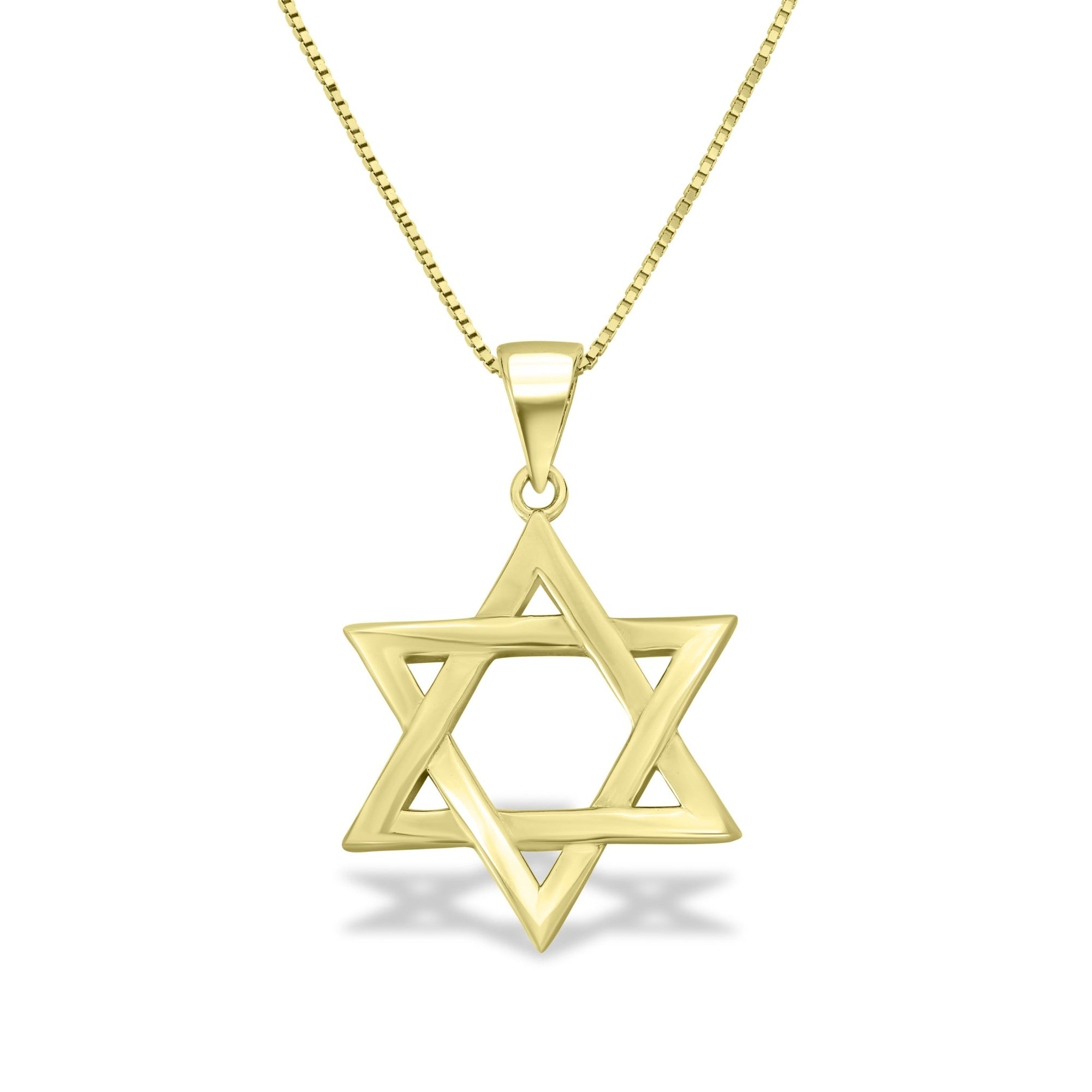
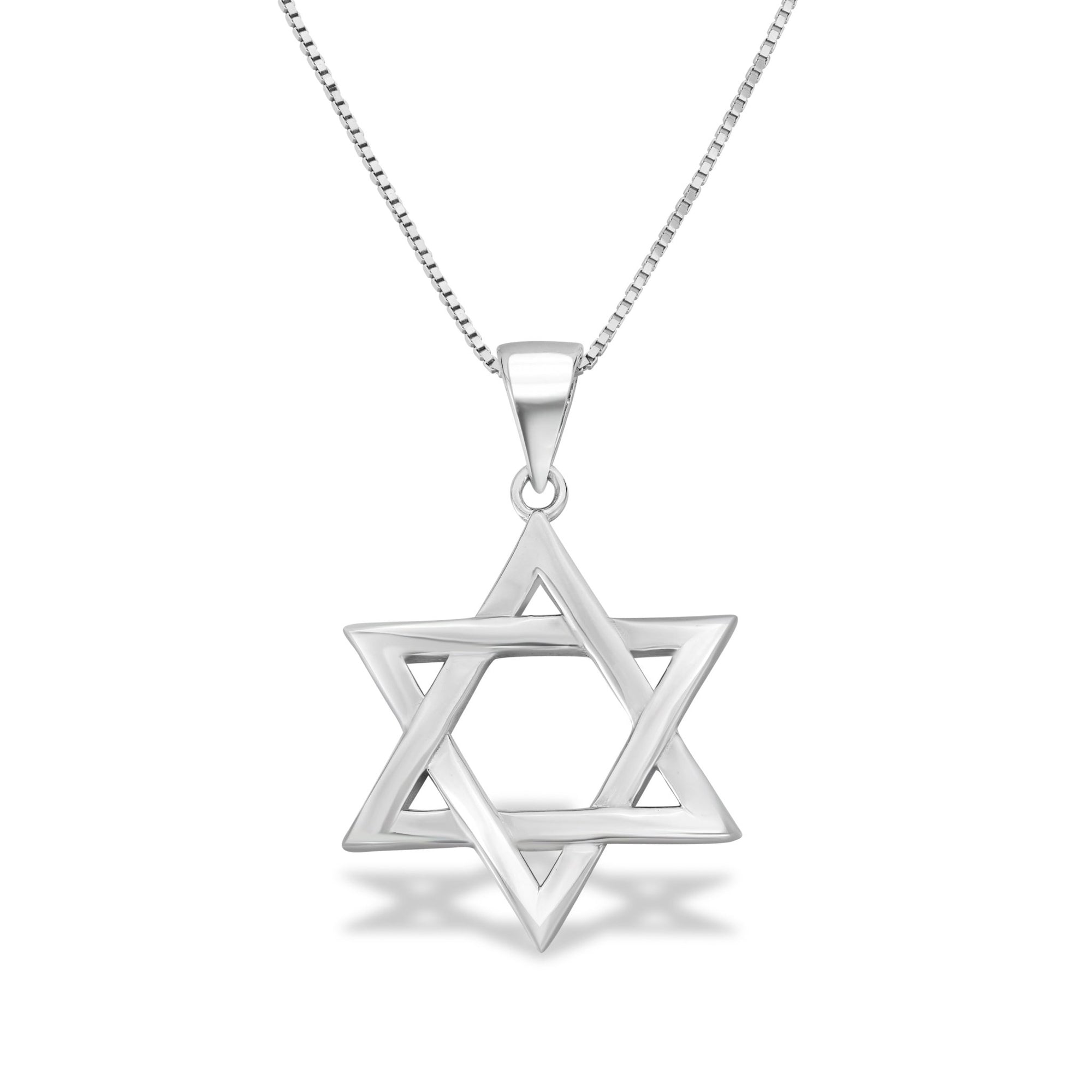
Walk through any collection of Israeli-inspired jewelry and the same handful of shapes recur, and there is a reason for that. The Star of David (Magen David) became the central symbol on the Zionist flag at the First Zionist Congress in 1897, though its association with Jewish identity dates back further, to 17th-century Prague, before spreading across Europe in the 1800s. It later marked the graves of Jewish soldiers in World War I and now sits on Israel's national flag, which is part of why it remains the single most recognizable emblem of Jewish identity and unity in jewelry today.
Chai, the Hebrew word for "life" spelled with the letters chet and yud, became a popular jewelry motif in Eastern Europe around the 18th century, according to My Jewish Learning. Because chet equals 8 and yud equals 10 in Hebrew numerology, chai also stands for the number 18, which is why 18 shows up so often as a meaningful multiple for charitable gifts in Jewish tradition. A necklace or pendant reading "chai" is really carrying that whole layered history in two letters.
The Hamsa, an open-hand amulet, may be the oldest of the group. Its name comes from the Semitic root for "five," and its imagery has been documented on ancient Israelite tombs dating back to the 8th century BCE, per the Judaica Webstore blog and the Israeli Center of Judaica. In Jewish tradition it is linked to the five books of the Torah and sometimes called the Hand of Miriam, and it is believed to guard the wearer against the Evil Eye and negative energy, a belief that has clearly outlasted the ancient tombs it first appeared on.
What the Tree of Life and pomegranate motifs actually mean
The Tree of Life motif carries more than decorative intent. In Kabbalistic (Jewish mystical) thought, it represents a diagram of ten or eleven spheres, called sefirot, connected by twenty-two paths, each representing an aspect of the divine and a stage of spiritual ascent, according to the entry on the Tree of Life in Kabbalah. As a piece of jewelry, it is meant to signal growth, connection, and spiritual grounding, not just a stylized tree.
The pomegranate is another recurring figure in Jewish art, appearing everywhere from Torah-scroll finials to modern rings and pendants. It is one of the seven species of the Land of Israel named in Deuteronomy, and it has long been associated with abundance, fertility, and righteousness, per Wikipedia's entry on the pomegranate's cultural significance. The popular claim that a pomegranate contains exactly 613 seeds, matching the 613 mitzvot in Jewish law, is a beloved and widely repeated tradition, but it is not a botanically verified count since actual seed numbers vary fruit to fruit. It is worth knowing as a legend, not quoting as fact.
Materials matter too. Sterling silver and 14kt or 18kt gold are standard jewelry-industry choices, nothing unusual there, but Eilat stone is genuinely distinctive to Israel. It is a blue-green blend of copper minerals, malachite, azurite, turquoise, pseudomalachite, and chrysocolla, historically mined near the city of Eilat, and it holds the official status of Israel's national stone, sometimes called the King Solomon stone, per Wikipedia's entry on Eilat stone. Mining of Eilat stone has ended, so pieces made with genuine older stock are scarcer than the newer reproductions now on the market, which is a detail worth knowing if you are choosing a gift meant to feel one of a kind.
Choosing a piece that carries meaning, not just style
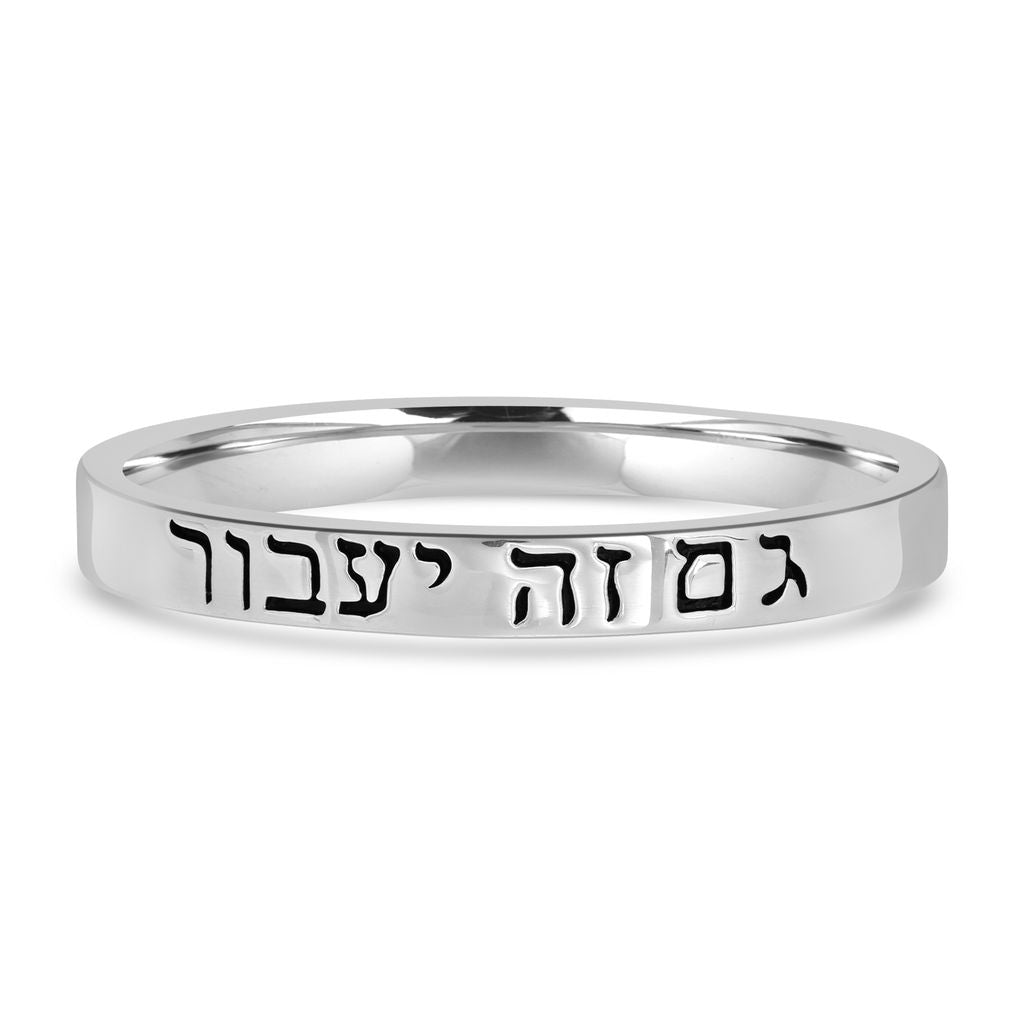
Once you know what each symbol represents, picking a piece stops being about which shape looks best and starts being about which story you want to wear or give. A Star of David speaks to identity and belonging. A Chai pendant speaks to life itself, and often to the number 18 tucked inside it. A Hamsa is a piece meant to protect. If you want something rooted in Israel's own landscape rather than a purely symbolic shape, look for jewelry set with Eilat stone. Shop Israel's jewish symbols jewelry collection groups these motifs together, which makes it easier to compare a Star of David necklace against a Hamsa or Tree of Life piece side by side before deciding which meaning fits the person you're buying for, including yourself.
Jewelry rooted in these traditions is generally described as crafted using techniques tied to Israel's centuries-old silver and goldsmithing centers, including Jerusalem, which has long been a hub for Judaica and jewelry craft. That is a fair general statement about the region's history rather than a claim about any one specific workshop or artisan, and it is worth keeping that distinction in mind if a seller gets more specific than that about where a particular piece was made.
Related
Symbolism Behind Israeli Jewelry Designs You Should Know
6 Unique Jewelry Designs Inspired by Israeli Culture and Symbols
Top Israel-Themed Jewelry Pieces for Everyday Style
Last updated July 2026.