

Short answer: The symbols most associated with Israeli handmade jewelry, the Star of David, the Hamsa, Chai, the Menorah, and Eilat stone, are all real and well documented, each carrying centuries of verifiable history rather than vague folklore. The Star of David became the centerpiece of Israel's national flag on October 28, 1948, and the seven-branched Menorah became the country's official state emblem on February 10, 1949. The Hamsa is older still, a protective hand symbol shared across Middle Eastern, Jewish, and Muslim tradition, and Eilat stone is a genuine copper-mineral gemstone mined only near Eilat's Timna Valley.
The Star of David: from ancient shape to national symbol
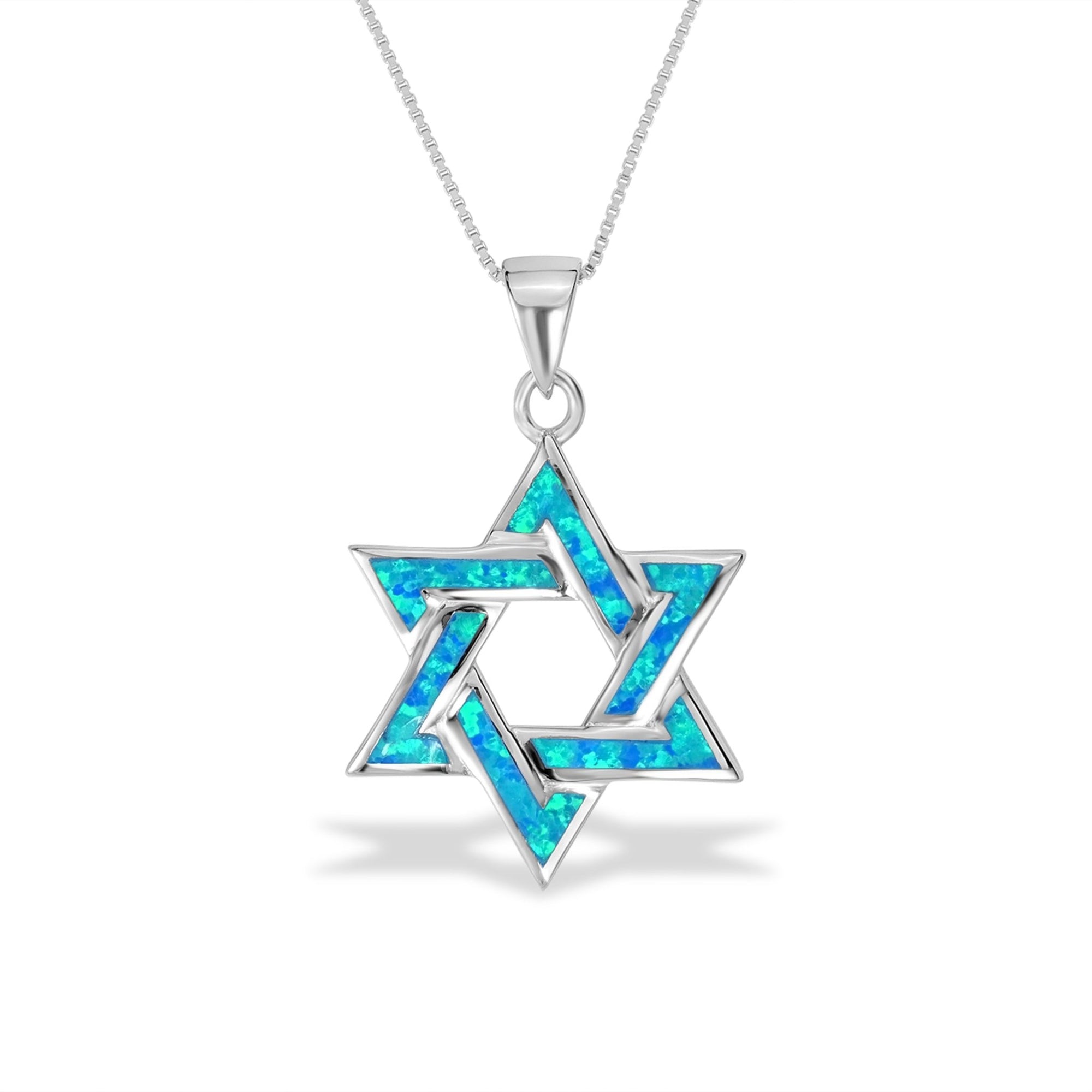
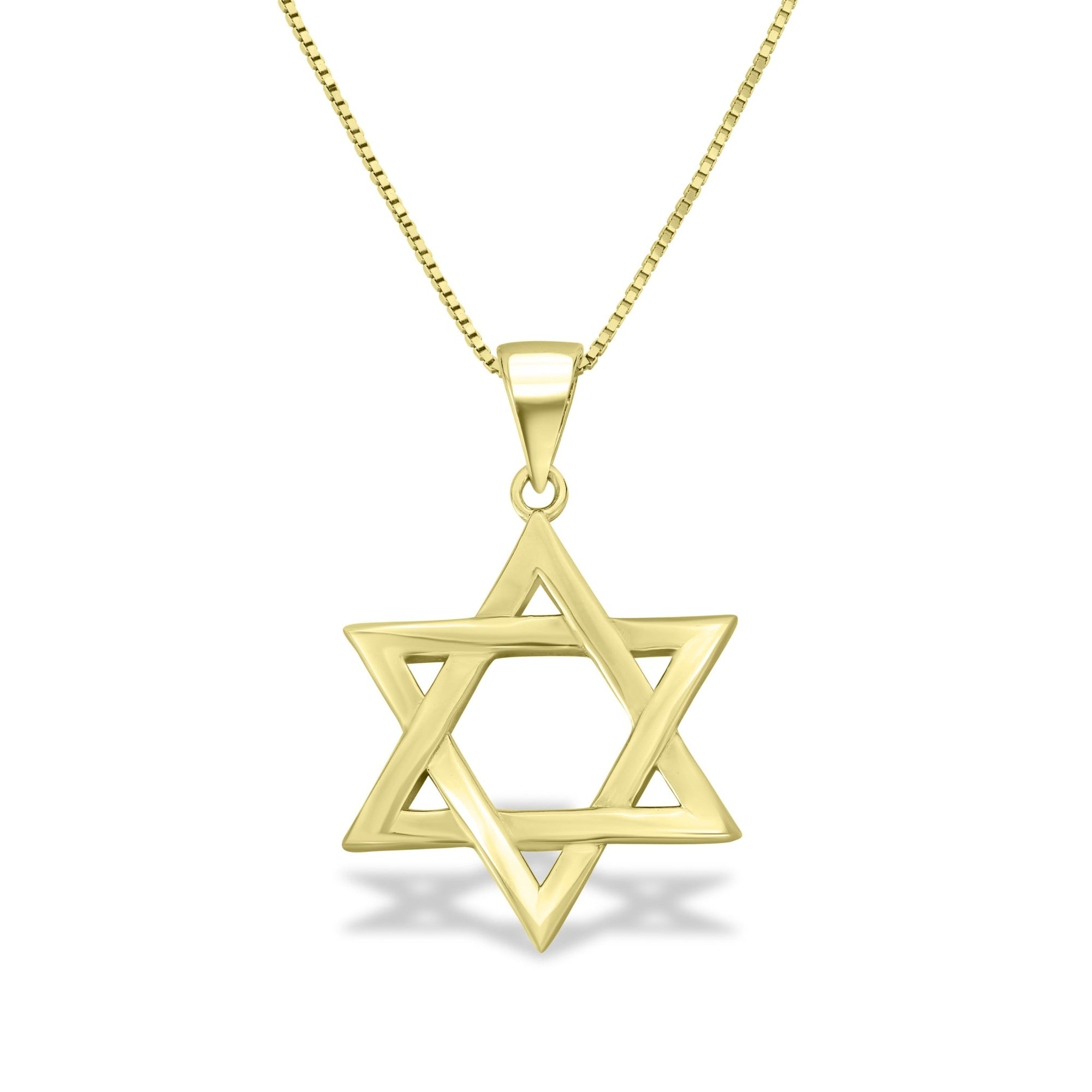
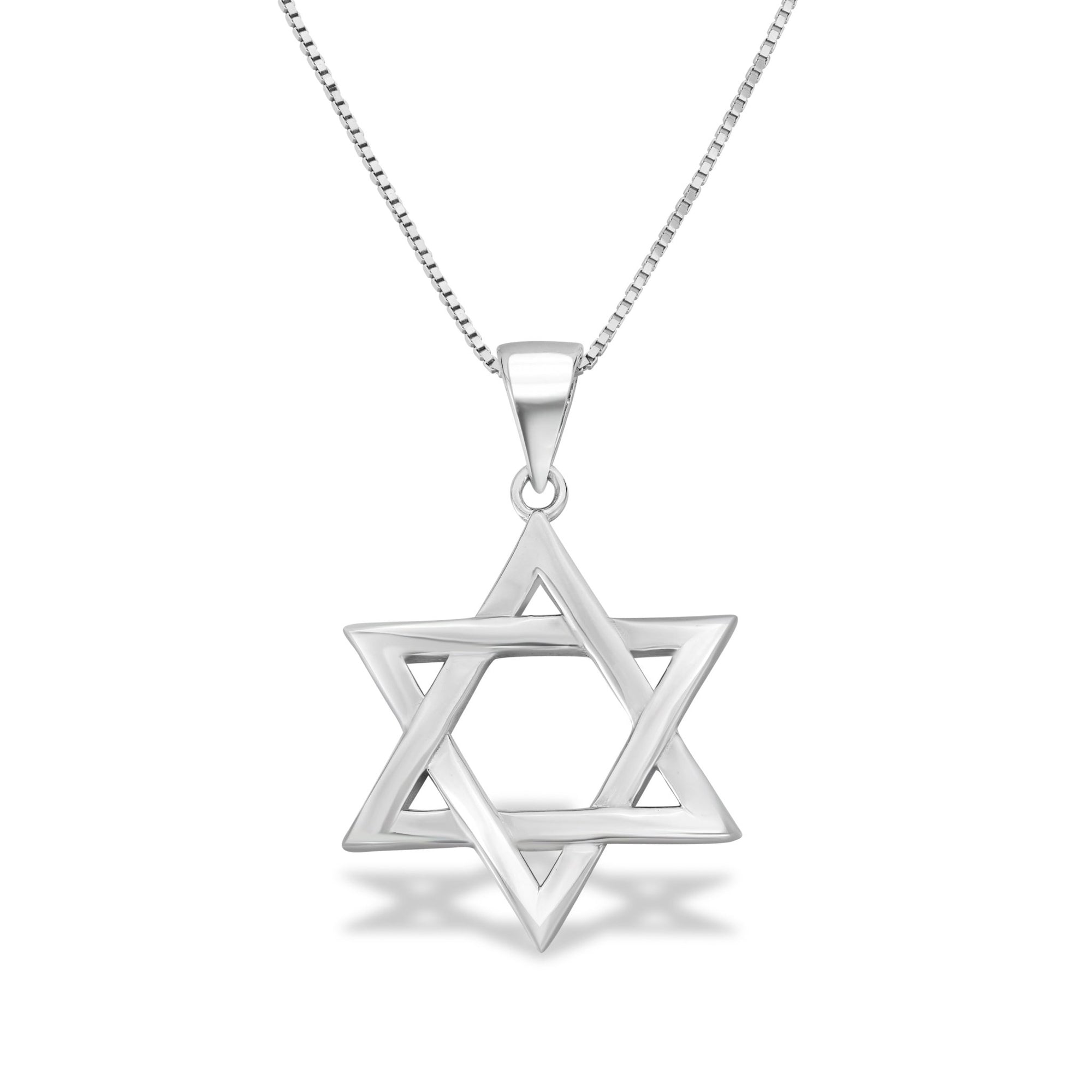
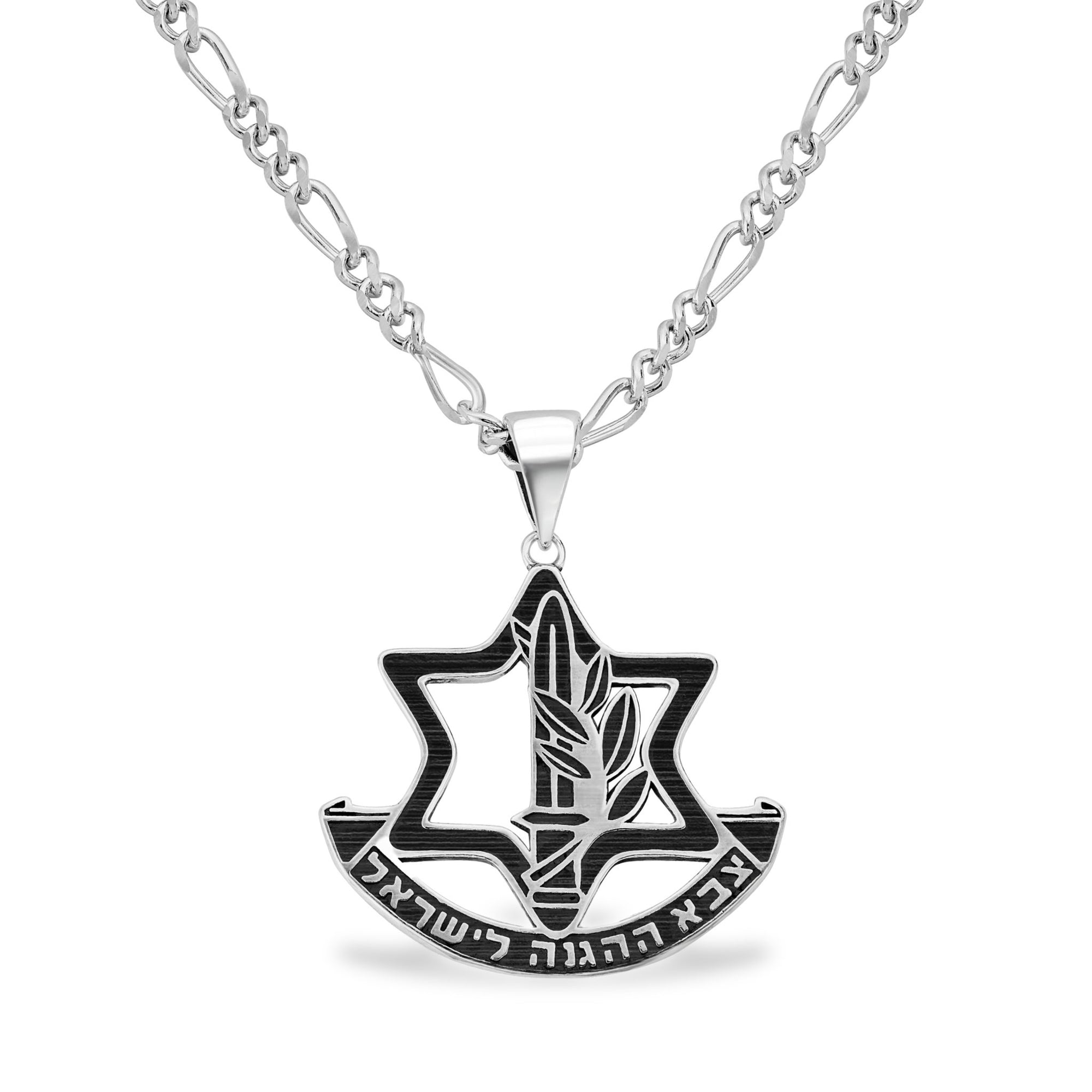
The six-pointed star shape itself is older than Judaism. The oldest undisputed hexagram found on a Jewish artifact appears on a seal from the 7th century BCE, but at that point it carried no special religious meaning; other Bronze Age civilizations used the same shape decoratively. The name "Magen David" (Shield of David) appears in the mid-12th century, when the Karaite scholar Judah Hadassi mentioned it in "Eshkol Ha-Kofer," dated to 1148. Medieval Jewish mystics began attaching protective significance to the star around this period. It became a formal emblem of Jewish national identity much later, adopted as the central symbol of the Zionist movement at the First Zionist Congress in 1897, and then written into law when the flag of the State of Israel, a blue Star of David between two blue stripes on white, was officially adopted on October 28, 1948, about five and a half months after independence was declared.
The Menorah, the Hamsa, and Chai
The Menorah has an even more official pedigree: the Provisional Council of State adopted the seven-branched Menorah, flanked by olive branches, as Israel's state emblem on February 10, 1949 (11 Shevat 5709), following a public design competition won by brothers Gabriel and Maxim Shamir. The design was modeled on the Menorah relief carved into Rome's Arch of Titus.
The Hamsa tells a different kind of story. It is not an originally or exclusively Jewish symbol. This open-hand motif, meant to ward off the evil eye, traces back some 3,800 years, with hand-shaped protective amulets in Mesopotamia from around 1800 BCE and later use in Carthage, and it has long been shared across Jewish, Muslim, and other Mediterranean communities (sometimes called the Hand of Miriam in Jewish contexts). Its adoption into Jewish and Israeli jewelry is a real and long-standing tradition, just not an invention exclusive to it.
Chai, the Hebrew word for "life," works differently: its meaning comes from gematria, the Hebrew system where letters carry numeric value. The letters chet (8) and yud (10) add up to 18, which is why Jewish gifts and charitable donations are so often given in multiples of 18.
Eilat stone: a genuinely scarce Israeli material
Beyond symbols, one material in this category has real geographic and historical weight: Eilat stone, a blue-green mixture of copper minerals (malachite, azurite, chrysocolla, and turquoise) found only near Eilat's Timna Valley. Commercial mining began in the early 1950s, shortly after the state's founding, and ceased in 1976. That means jewelry made with Eilat stone today draws on finite, historical reserves rather than an ongoing supply, which is part of why it is recognized as Israel's national gemstone.
Wearing these symbols today
These histories are exactly why pieces built around them carry more than decoration. A Star of David necklace connects a wearer to a symbol that moved from medieval mysticism to the flag flown over the State of Israel, and Shop Israel's Star of David jewelry collection offers several ways to carry that history in sterling silver and gold.
Related
Jewelry Designs That Reflect Israeli Culture and Heritage
The Influence of Israeli Culture on Today's Jewelry Trends
Interpretations of the Star of David in Modern Jewelry Artistry
Last updated August 2026.