

Short answer: Jewish and Israeli-inspired jewelry centers on a handful of well-documented symbols, the Star of David (Magen David), Chai, Hamsa, and the mezuzah pendant, each with a real, traceable history rather than a single unbroken ancient tradition. Interest in this category has measurably risen since October 7, 2023, as many Jews sought visible, wearable ways to show identity and solidarity, and Israel's own artisan lineage (Yemenite filigree, the Bezalel Academy) gives the "Israeli-made" framing genuine grounding.
What each symbol actually means
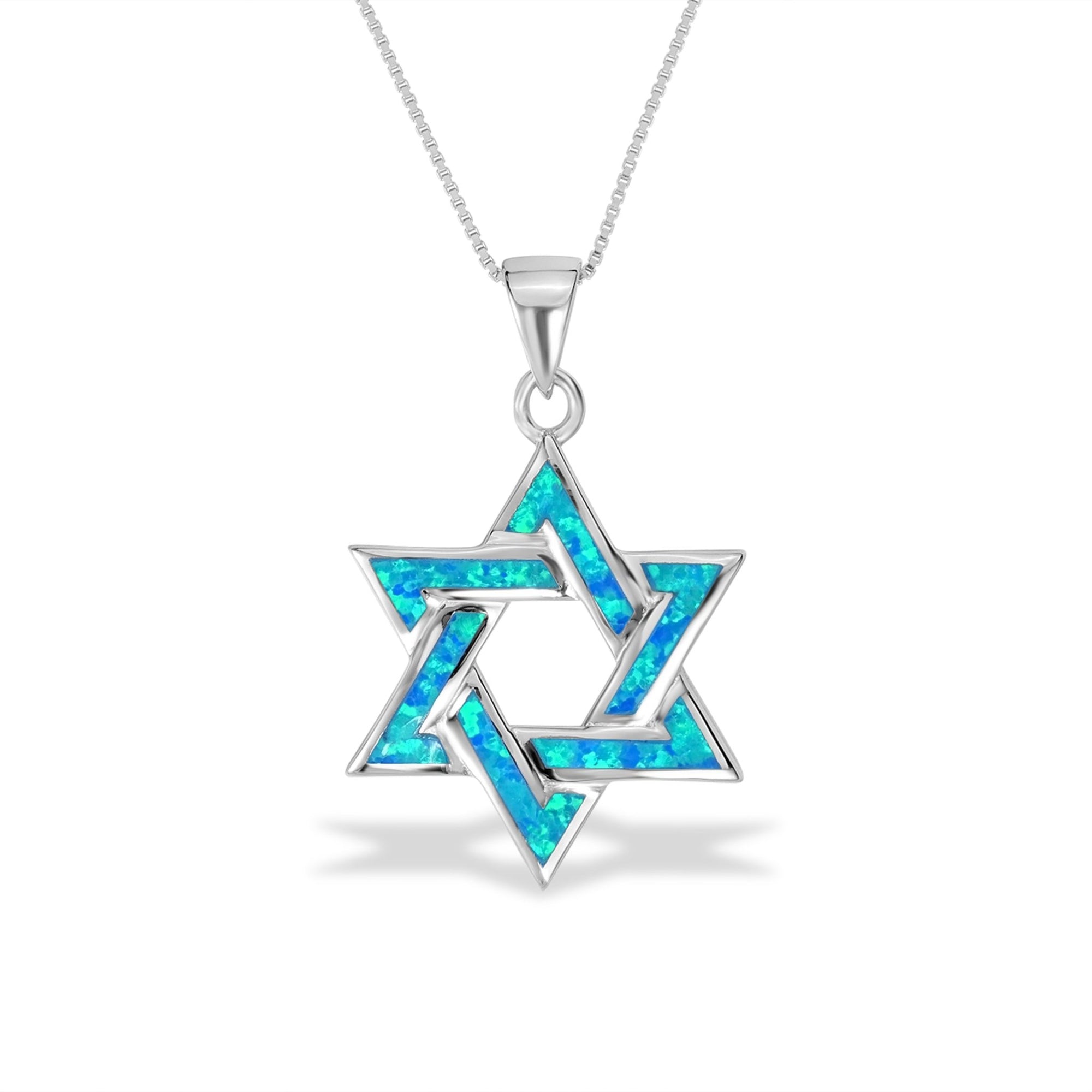
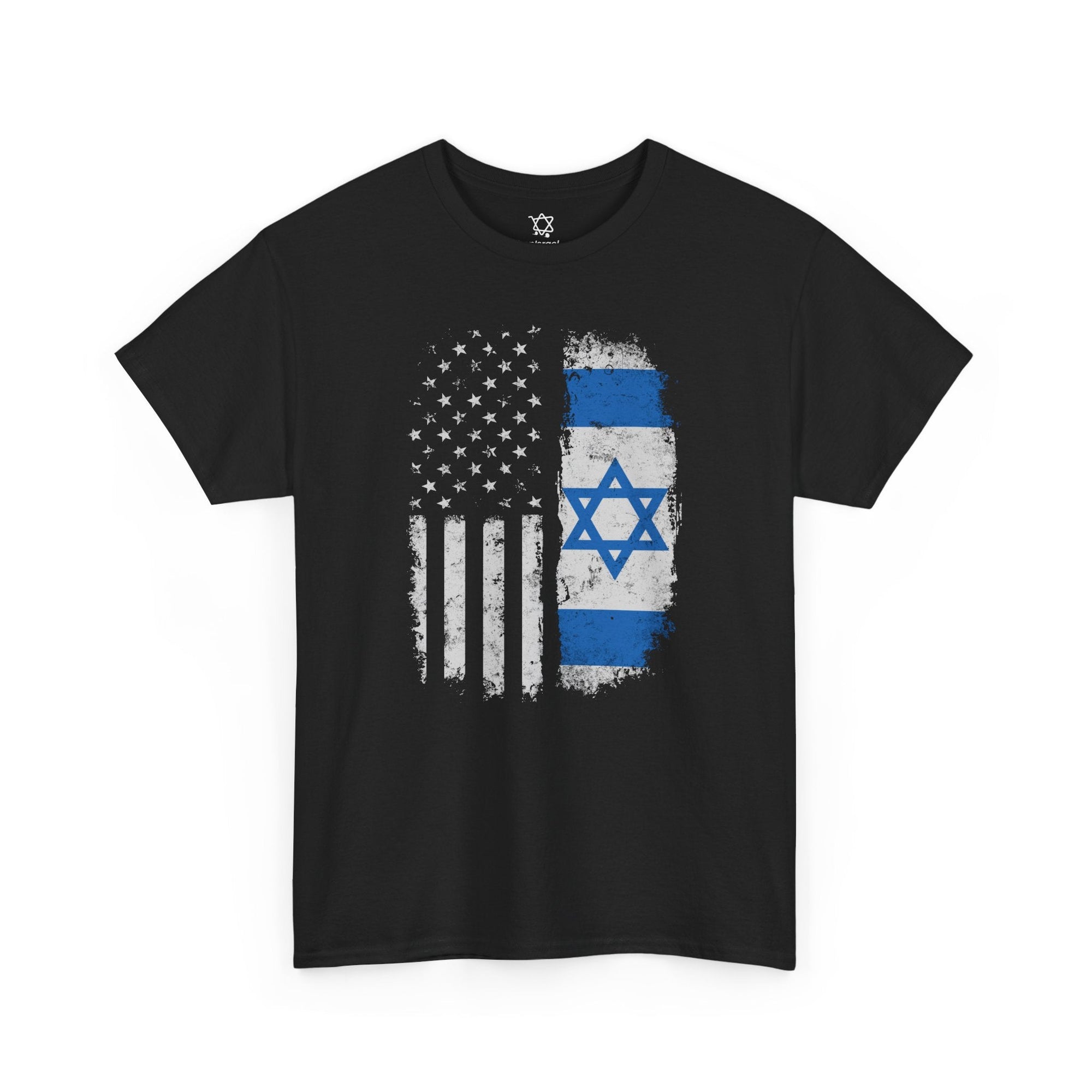
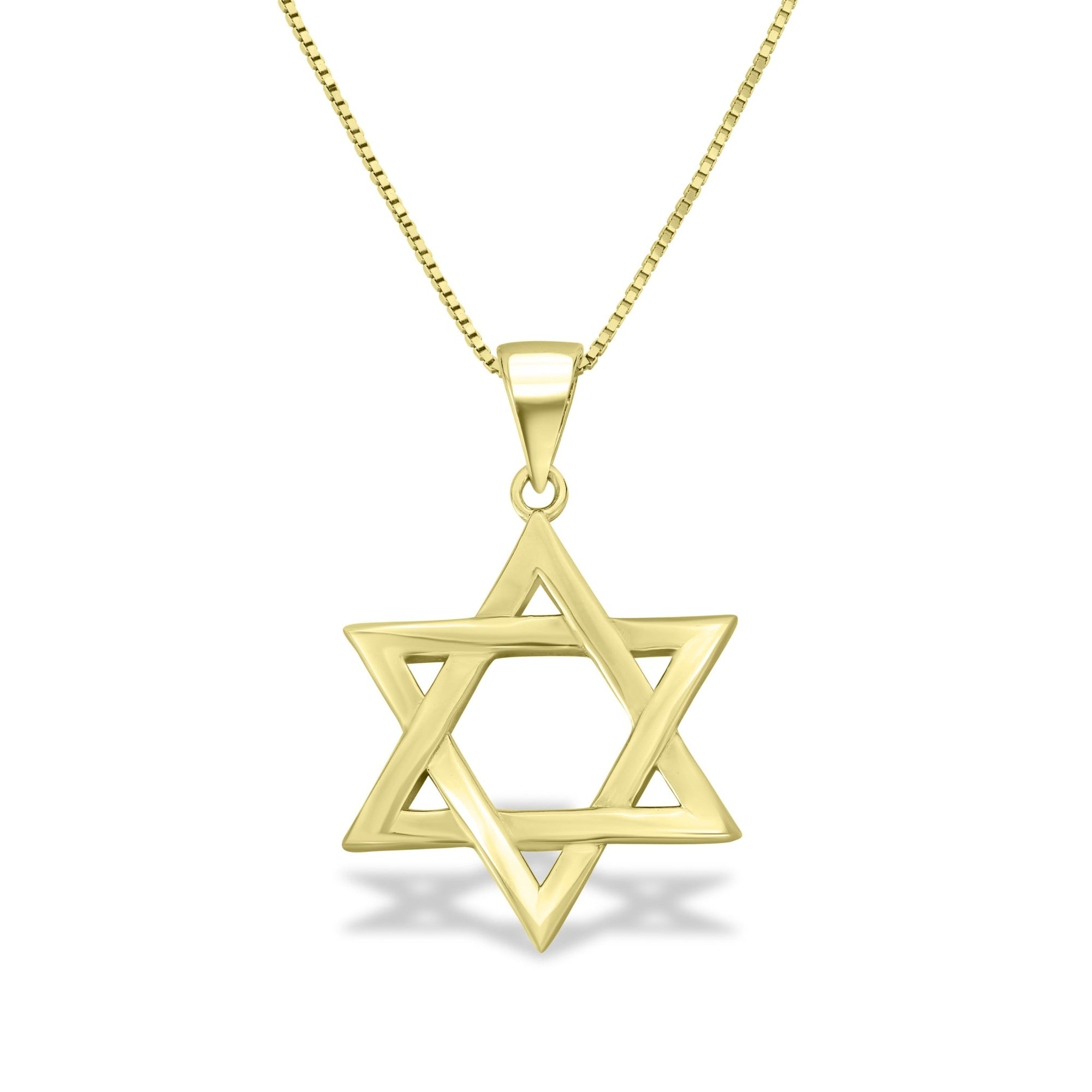
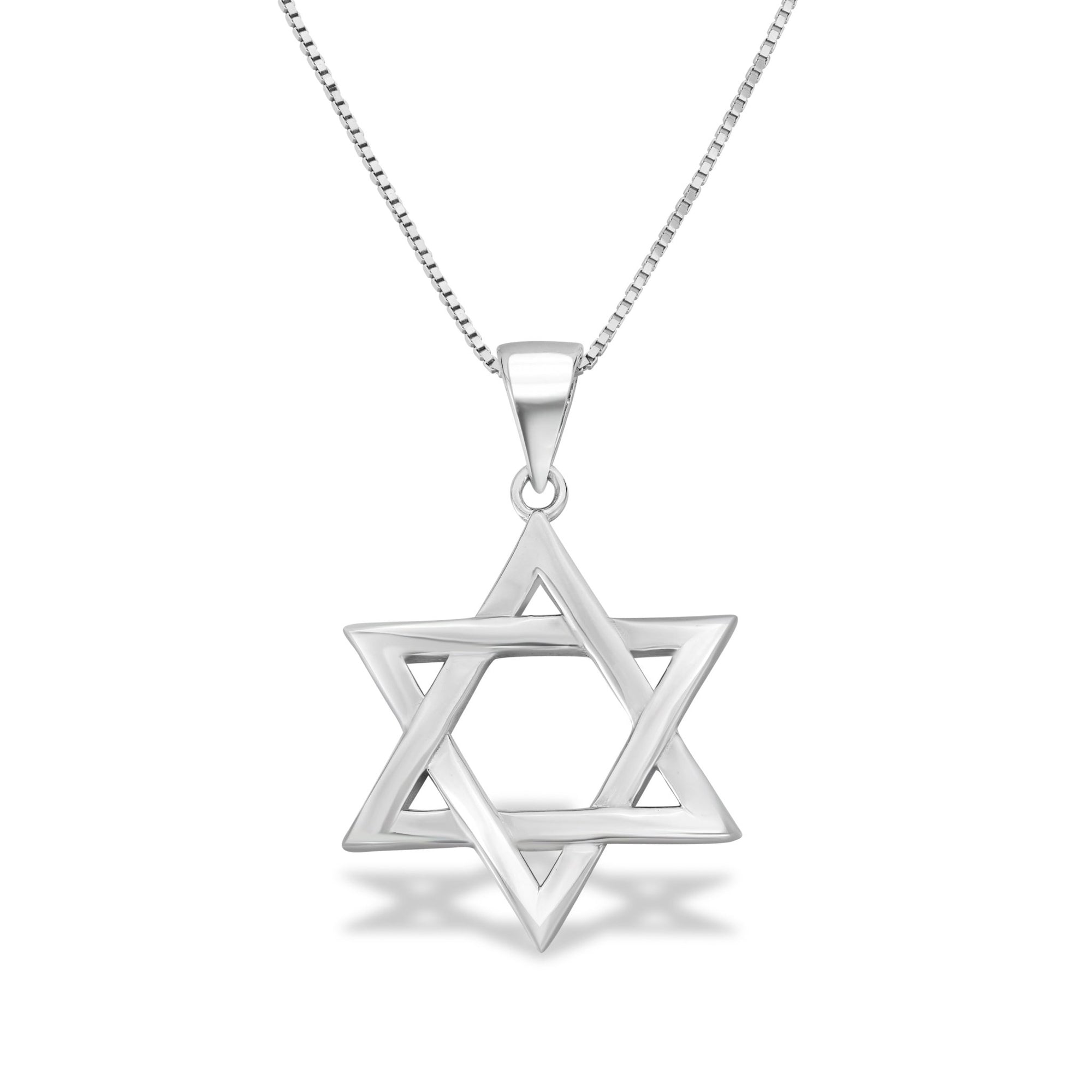
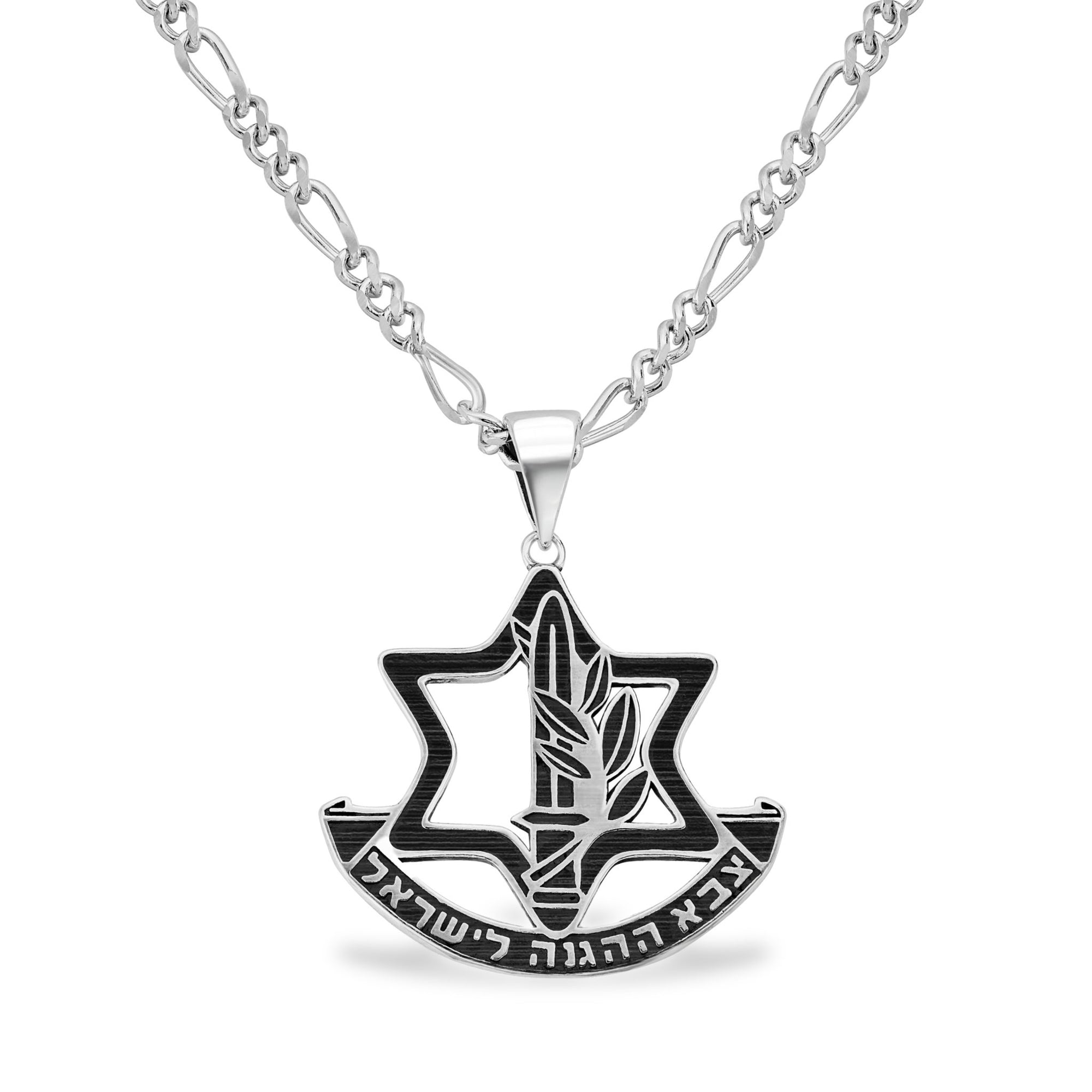
The Star of David is the symbol most people picture first, but its Jewish association is more recent than most assume. It became linked to Jewish communities in Europe in 1354, when Charles IV granted Prague's Jewish community its own flag bearing the symbol, the "flag of King David," and from the 17th century onward it spread as the accepted communal emblem across many other European Jewish communities, not in the biblical era (Wikipedia, corroborated by the Jewish Virtual Library). It later took on a painful chapter, forced onto Jews as a badge under Nazi rule, before the 1897 First Zionist Congress in Basel adopted it for its flag, a choice that carried through to the State of Israel's flag in 1948. Today's six-pointed pendants carry both that history and a forward-looking identity, protective and hopeful rather than solemn.
Chai, spelled with the Hebrew letters chet and yud and numerically equal to 18, means "life." It entered common use as Jewish jewelry in roughly 18th-century Eastern Europe and remains one of the most recognized Jewish symbols, often layered with a Star of David or Hamsa (My Jewish Learning).
The Hamsa, a palm-shaped amulet whose name comes from the Arabic word for "five," is genuinely ancient, tracing back to Mesopotamia, but it is shared across Jewish, Muslim, and other Middle Eastern and North African traditions rather than a symbol unique to one faith. Among Jews it is often called the "hand of God" or "hand of Miriam" and worn against the "evil eye" (Reform Judaism; Jewish Women's Archive). That shared history is part of what makes it feel so universal on a charm bracelet or pendant.
Mezuzah pendants are worth a clear-eyed note: they are decorative replicas of the case affixed to a doorpost, not functional mezuzahs. A kosher mezuzah requires a handwritten scroll that cannot practically be worn on the body, so the necklace version is a symbolic nod to the mitzvah, not a substitute for it (Chabad.org). Worn that way, with clear eyes about what it is, it is still a meaningful, personal piece.
Why this jewelry has a real artisan lineage, and why it is trending now
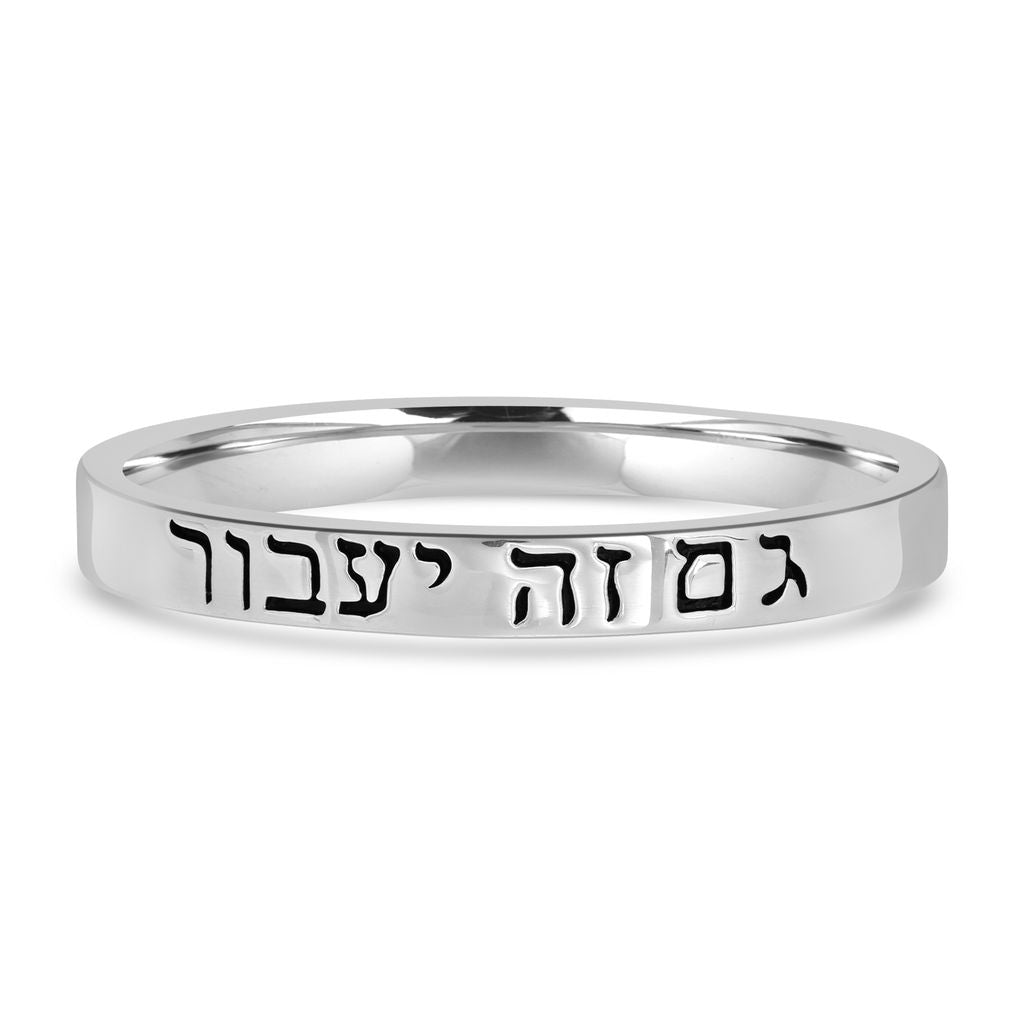
The "made with Israeli craft" framing is not marketing gloss when it is tied to the right history. Yemenite Jewish silversmiths, many of whom immigrated to the Land of Israel in the late 1800s and early 1900s, brought a filigree tradition that Boris Schatz formalized when he founded the Bezalel Academy of Arts and Design in Jerusalem in 1906, opening its Filigree Silver Department in 1908 (Judaica Webstore). That lineage, delicate metal wirework shaped by hand, is a specific, sourceable technique, not a generic claim about all Jewish jewelry.
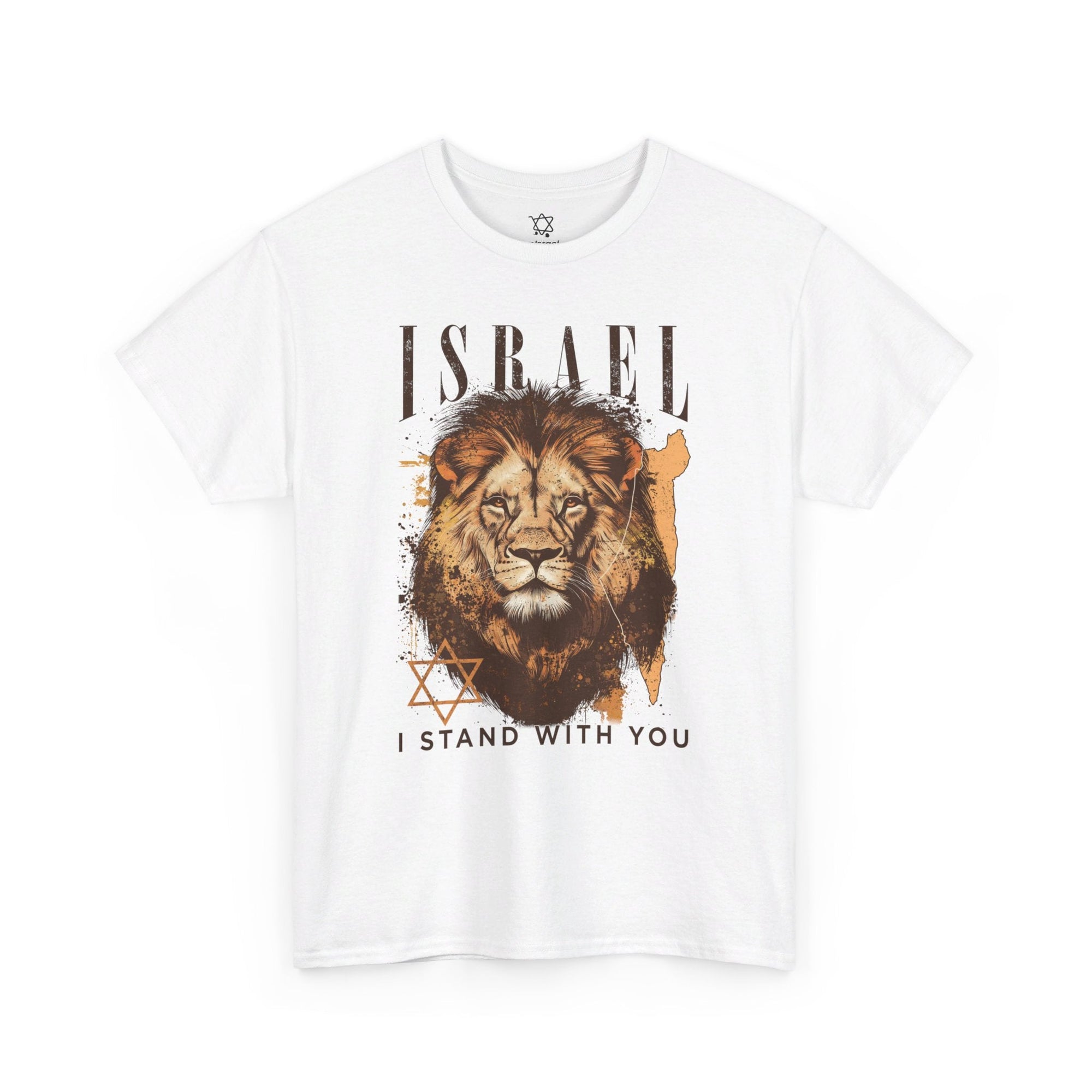
The category also has a current, concrete news hook. Judaica retailers across the US, including Shalom House in Woodland Hills, California, Modern Mensch, and Rosenblum's World of Judaica in Skokie, Illinois, reported a documented sales surge in Star of David necklaces, Chai pendants, and mezuzahs after the October 7, 2023 attacks, as shoppers looked for visible ways to express Jewish identity and stand with Israel (Jewish Insider). That momentum has held into 2026, showing up in gift-guide searches and everyday styling, not just holiday spikes.
Choosing a piece that fits the story you want to tell
Once you know what each symbol actually says, picking a piece gets easier: a Chai pendant if the gift is about life and resilience, a Hamsa if it is about protection and shared heritage, a Star of David if it is about Jewish and Israeli identity worn plainly. Our Star of David jewelry collection carries that last option in a range of finishes, from delicate pendants to statement rings, and pairs naturally with a Hamsa or Chai piece for anyone building a small, meaningful collection rather than a single showpiece.
Related
- Symbolism Behind Israeli Jewelry Designs You Should Know
- 8 Beautiful Jewelry Pieces Inspired by Israeli Culture and Symbols
- The Influence of Israeli Culture on Today's Jewelry Trends
Last updated July 2026.