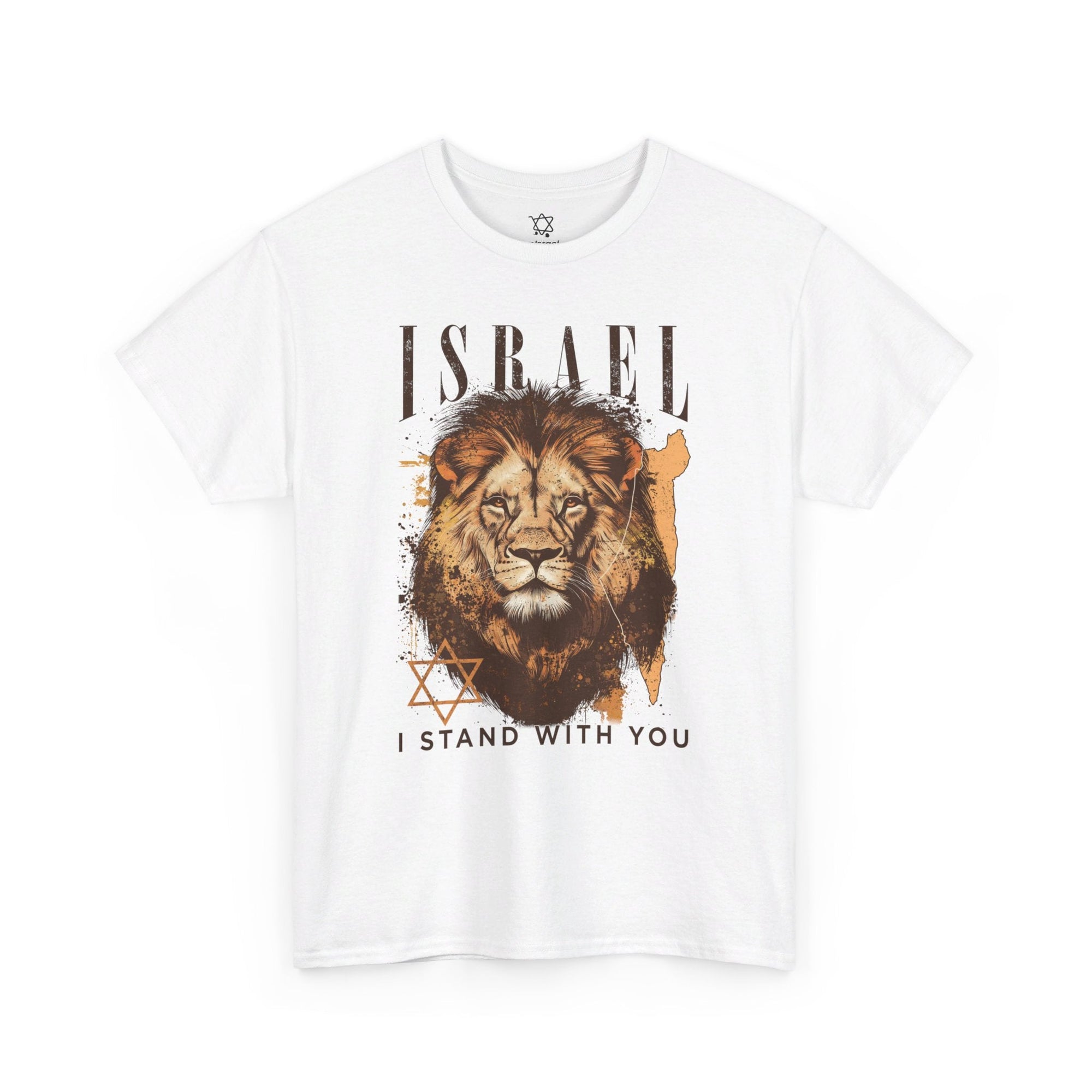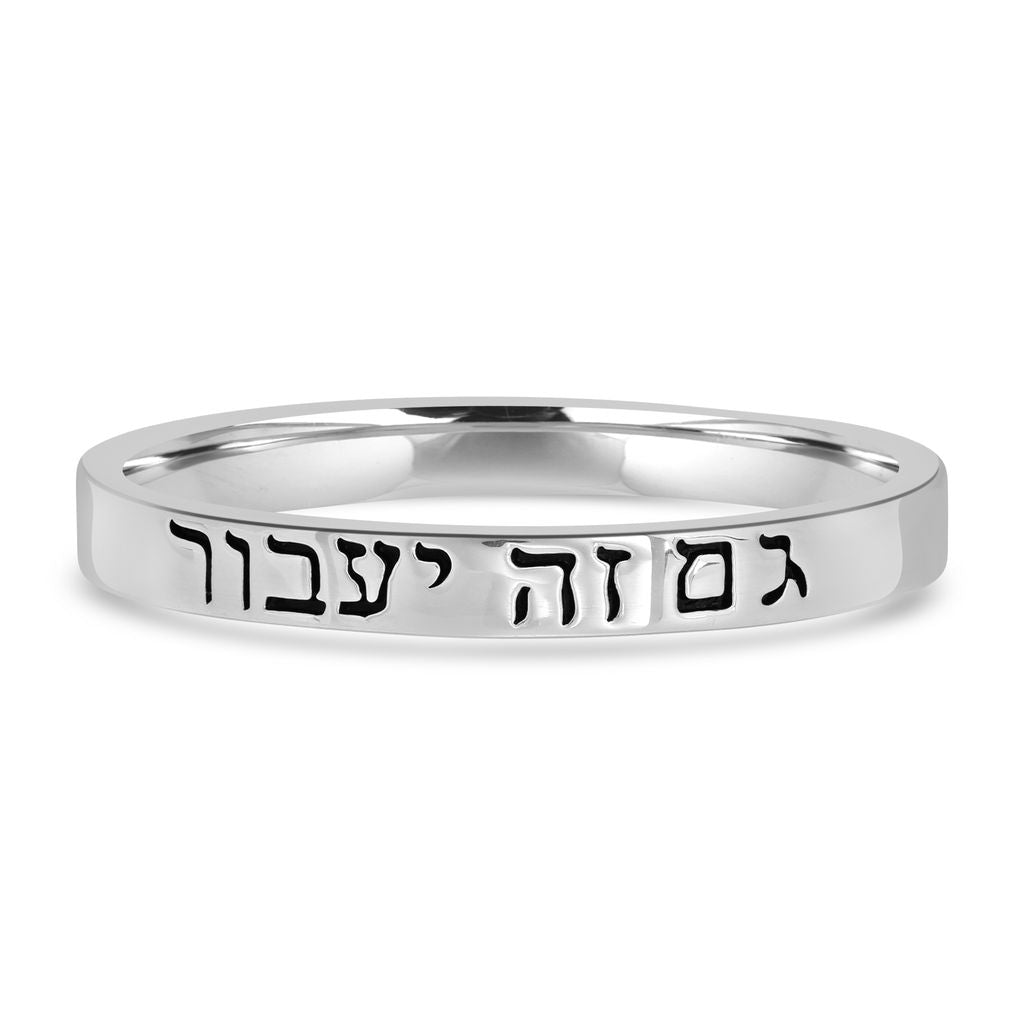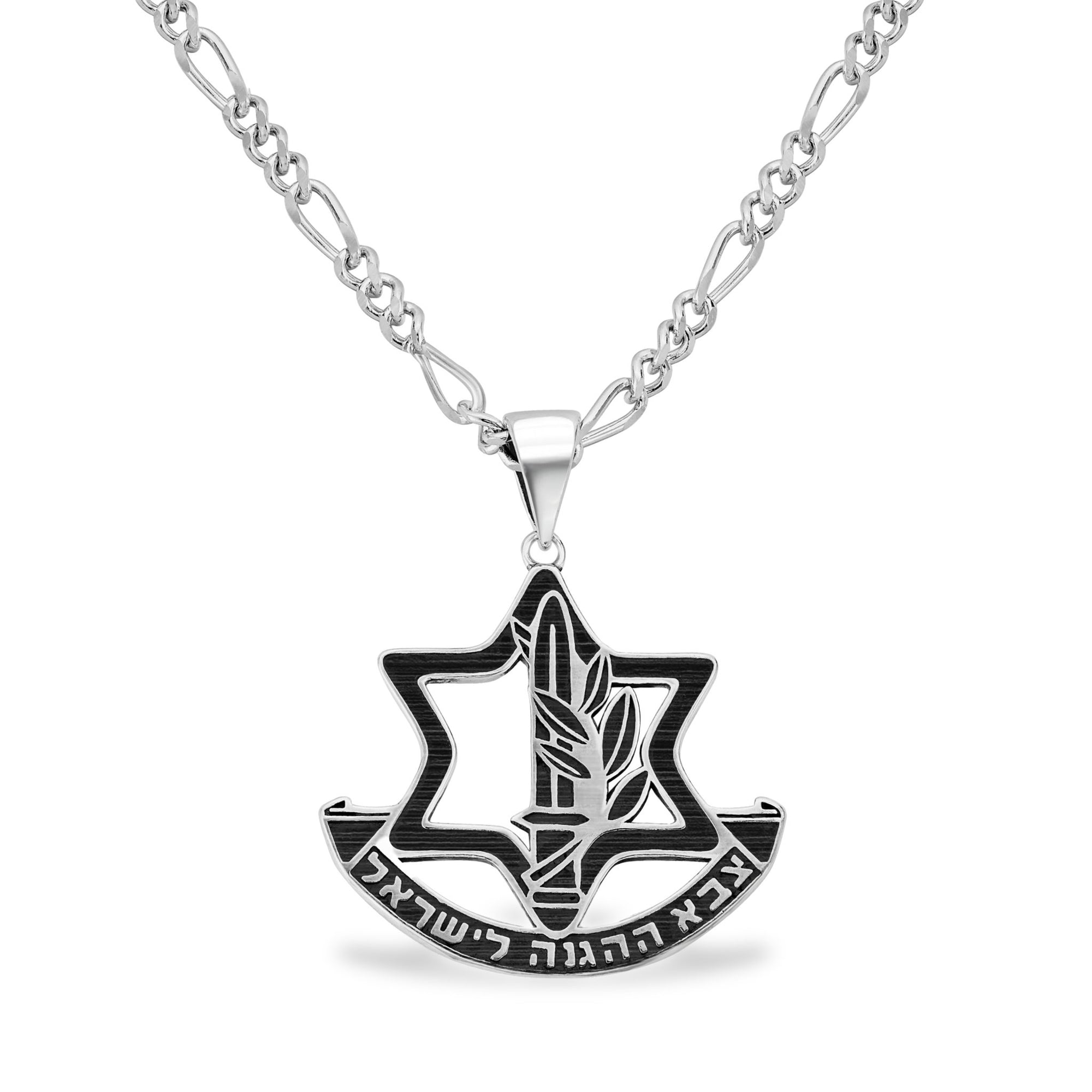


Short answer: Yes, real connections were made through Israel merchandise, and the pattern is well documented, not folklore. After October 7, 2023, jewelry designers converted Star of David sales into direct charitable transfers, and hand-printed dog tags became a recognizable signal that let strangers find each other on the street, at school pickup, and at community events. Both mechanisms are confirmed by independent, on-record reporting.
When a necklace purchase became a shared act of support
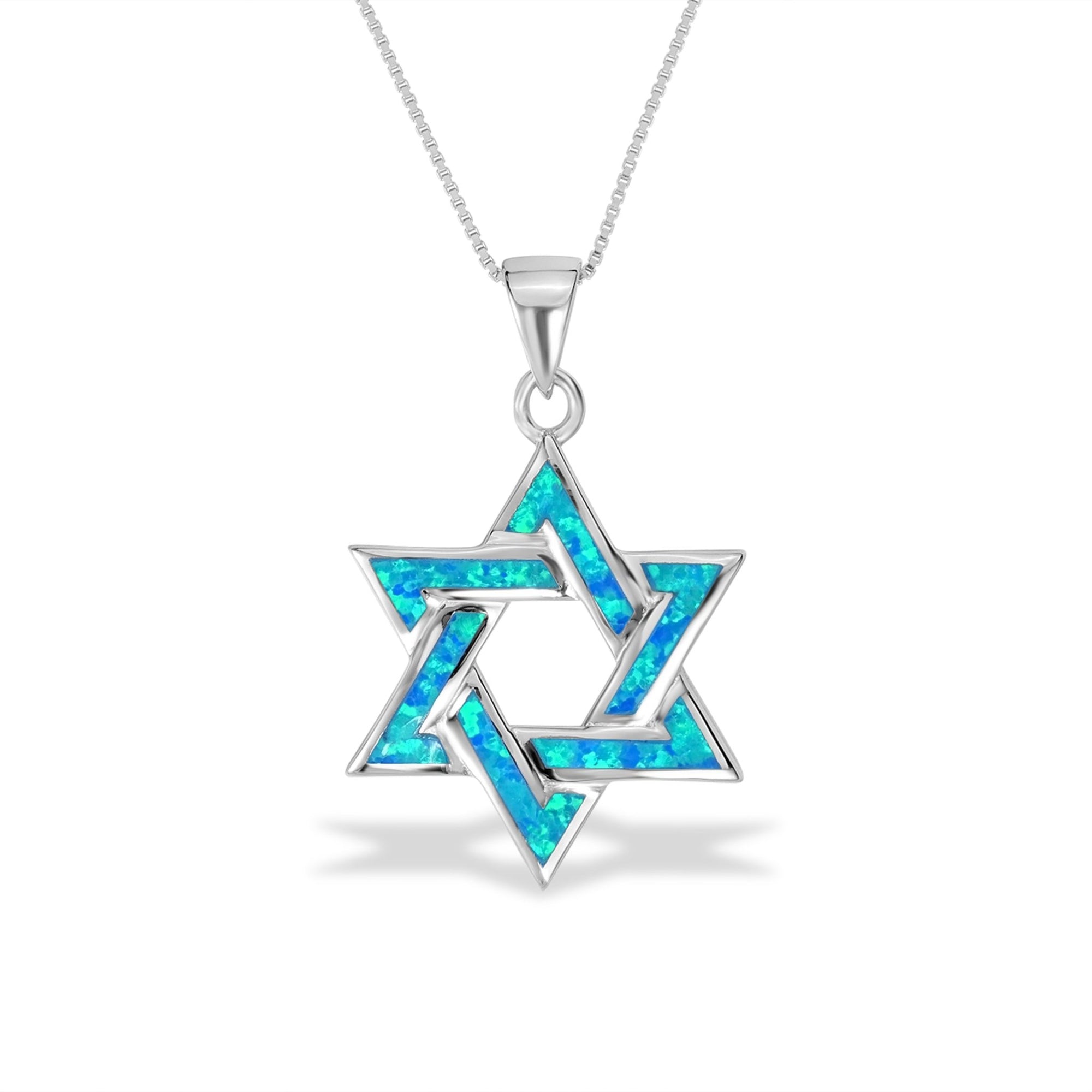
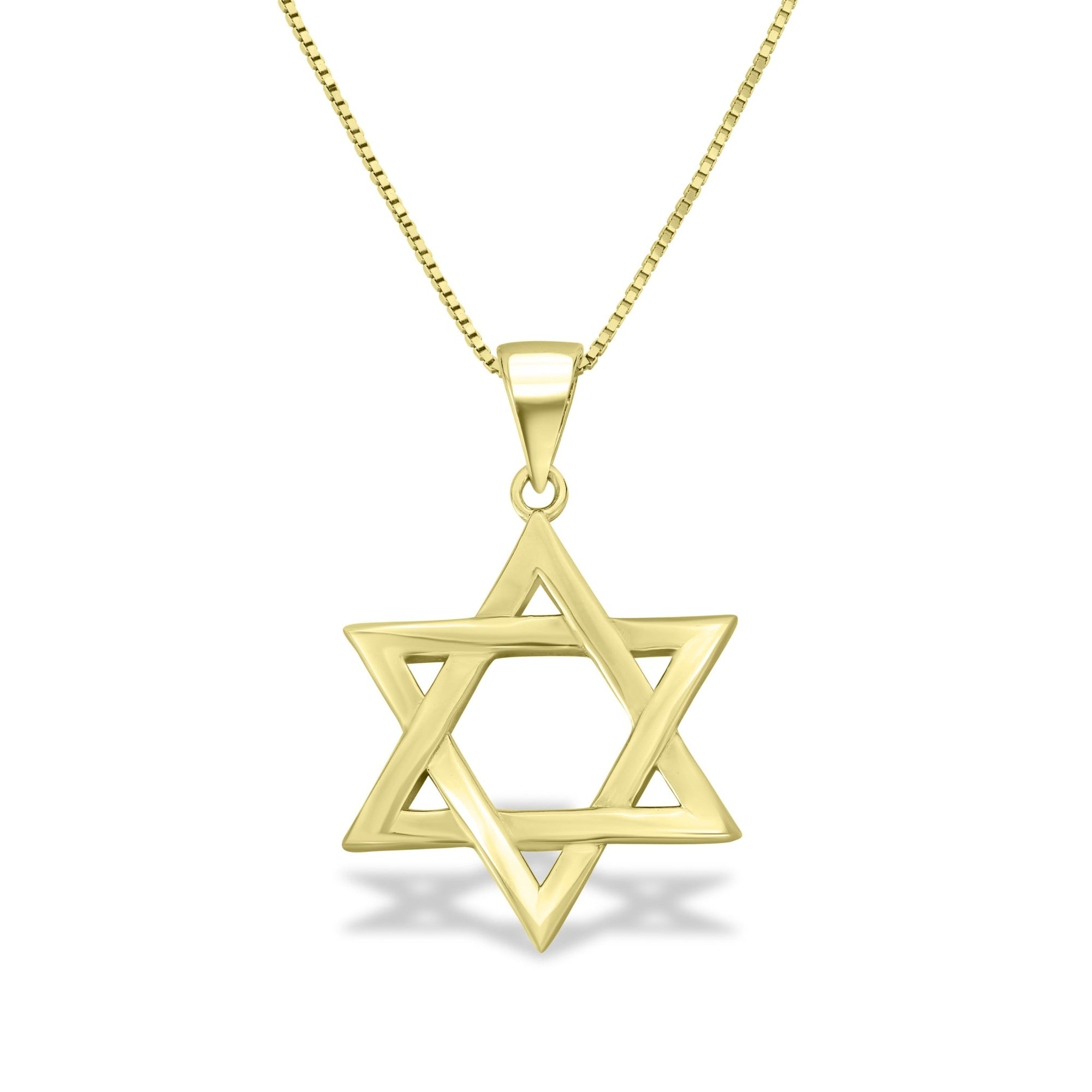
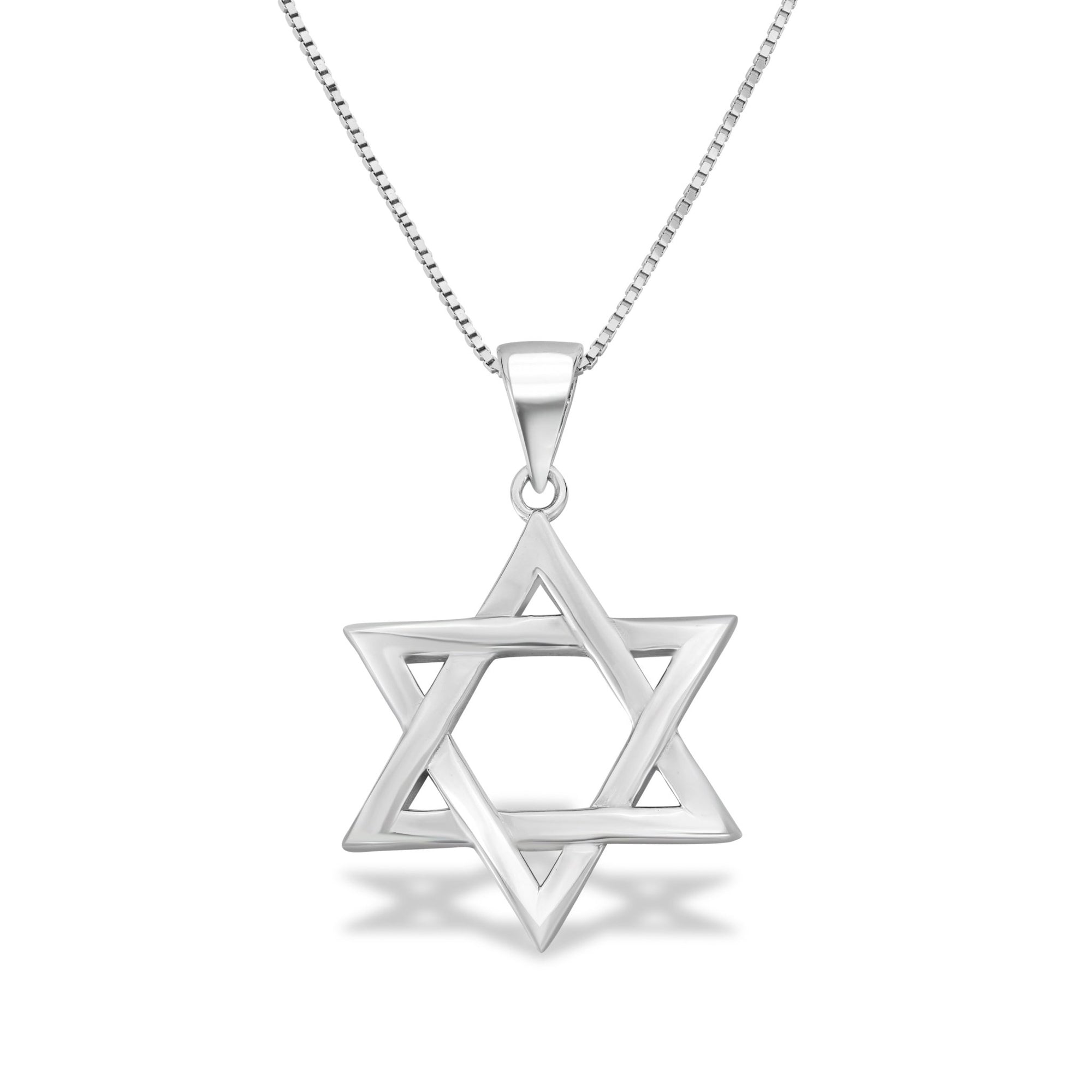
In the days right after October 7, 2023, several jewelry designers turned their Star of David pieces into fundraising vehicles, and buyers responded fast. On October 10, 2023, designer Stephanie Gottlieb announced her brand would donate 100% of that day's profits from eight Star of David necklace styles to United Jewish Appeal (UJA). The response was immediate: $70,000 in sales in a single day, according to Glossy, which covered the wave of Jewish jewelry designers mobilizing their businesses that week. Two days later, EF Collection, led by designer Emily Faith Strauss, pledged 100% of October proceeds from its Star of David and Hebrew "Mom" necklaces to Magen David Adom, Israel's national emergency medical service, ultimately raising $65,000 from those pieces (Glossy).
What makes these moments count as real connection stories, rather than just sales spikes, is the shared intent behind them. Buyers were not simply choosing jewelry, they were choosing to be part of a collective response, wearing a Star of David and knowing thousands of other people made the identical choice on the identical day, for the identical cause.
Dog tags that let strangers recognize each other
The dog-tag story starts even smaller and more personal. Software developer Avi Smith of Southfield, Michigan, whose son was serving as a Lone Soldier, began hand-printing dog tags bearing individual hostages' names and the phrase "Acheinu Kol Beit Yisrael" using a home dye-sublimation press, inspired by Vietnam-era POW/MIA bracelets, according to the Detroit Jewish News. Requests soon came in from Jewish day schools, including Hillel Torah in Chicago, and the tags spread from one household project into a recognizable symbol worn across cities.
The connection part of the story is concrete. On November 20, 2023, Avi's sister, Rachel Volkowitz, described using one of his dog tags to strike up a conversation with a stranger who was arranging empty chairs at a hostage-awareness display in Chicago, telling her about the tags her brother had made that students in several cities were now wearing (Detroit Jewish News). That kind of moment, a shared object opening a conversation between two people who had never met, is exactly the pattern this topic points to.
By roughly 100 days after the hostages were taken, "Bring them home now" dog tags had become a common sight across Israel, Reuters reported via The Jerusalem Post. Wearers described the tags as something that let strangers recognize and bond with one another on sight. Digital marketer Shayna Roth, 36, of Modi'in, put it plainly: wearing it made her feel that "no matter where you go, no matter who you meet or talk to, we're all a nation, undivided." The Japan Times independently corroborated the same reporting.
What these symbols mean now
The hostage crisis that drove much of this trend has since resolved. The remaining living hostages were released under the ceasefire that took effect in October 2025, and the remains of the final hostage, police officer Ran Gvili, who was killed on October 7, 2023 while defending Kibbutz Alumim, were recovered from Gaza and returned to Israel on January 26, 2026, the Times of Israel reported. He was buried days later in his hometown of Meitar, closing the chapter that "Bring Them Home" merchandise had spent more than two years memorializing.
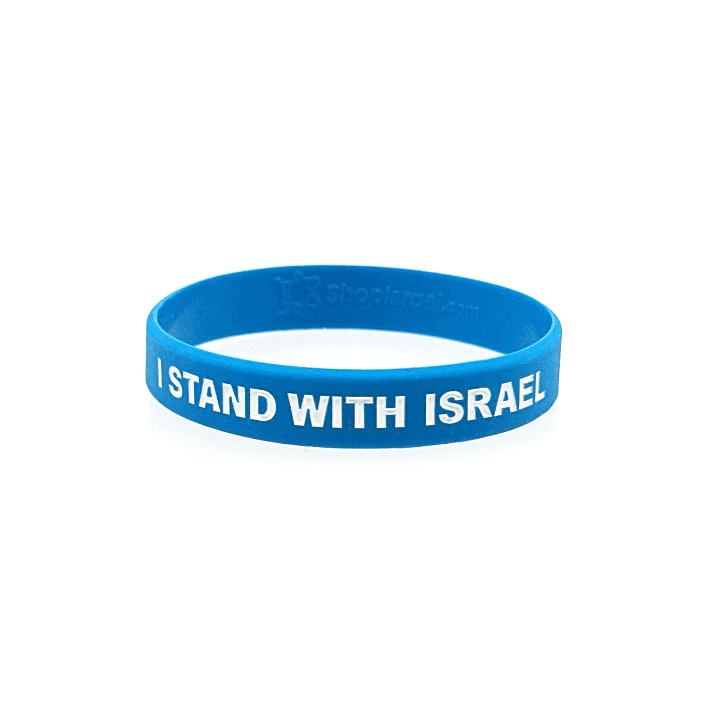
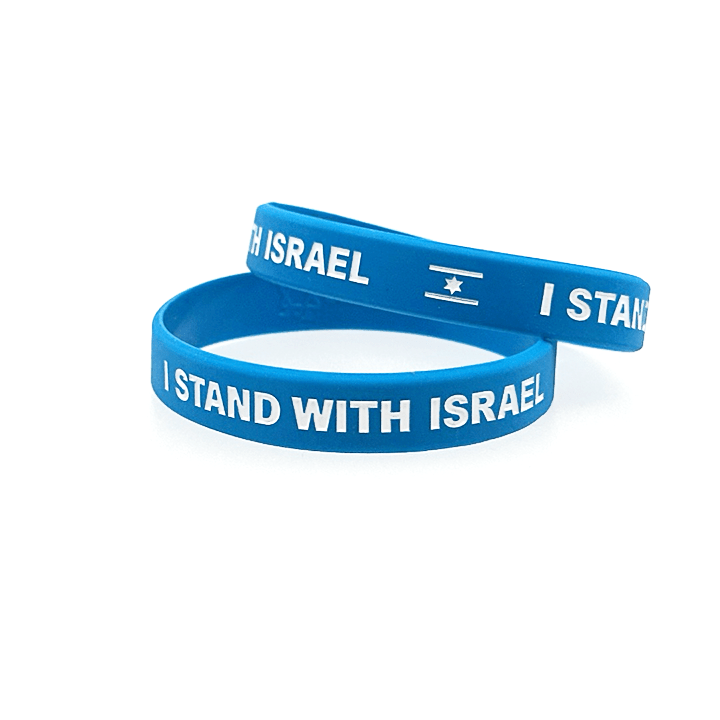
That means the symbols now function as commemoration rather than active appeal, and that shift is part of the story too. A Star of David necklace, a mezuzah, or an I Stand With Israel bracelet still does the same work it always did: it marks identity, it opens conversations, and it lets people recognize each other in a crowd. The occasion for wearing it has simply moved from urgent appeal to lasting remembrance and pride.
Wear the connection
If a piece of jewelry once helped a stranger find a friend, it can do the same for you today. Browse our Star of David jewelry collection for pieces designed to be worn daily, as a quiet signal of identity and solidarity that others will recognize.
Related
Testimonials: How Israel Merchandise Builds Community Bonds
Real-Life Testimonials About Israel Merchandise
Customer Experiences Highlighting Israel-Inspired Products
Last updated August 2026.