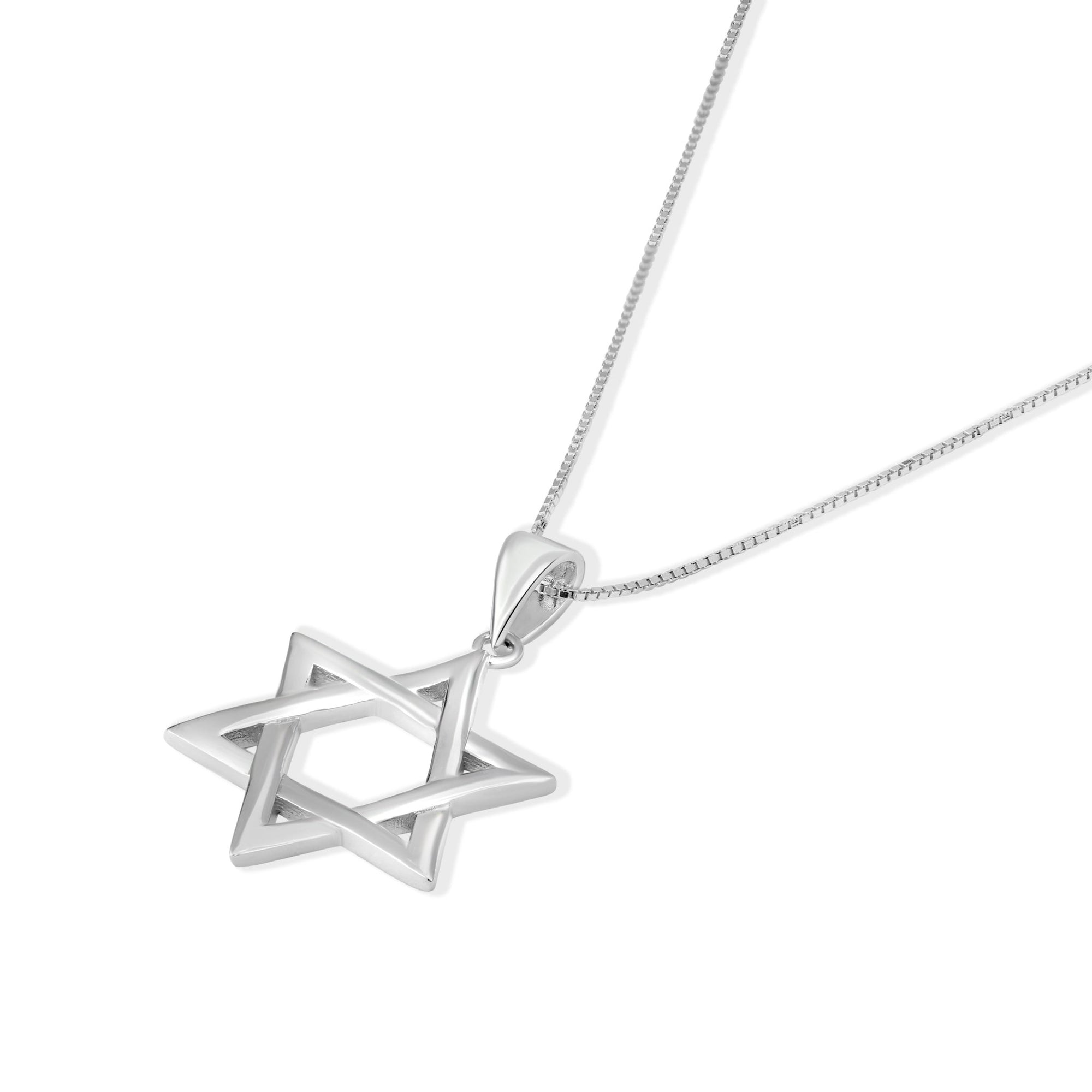


Short answer: "Jewelry designs inspired by Israeli culture and traditions" is not a person or a single event, it's a design category. It refers to pieces that draw on Jewish and Israeli symbols (the Star of David, the hamsa, the pomegranate), materials unique to the region (Eilat stone, Roman glass, Jerusalem stone), and a craft lineage carried into modern Israel by specific immigrant communities, most notably Yemenite silversmiths.
The symbols behind the pieces
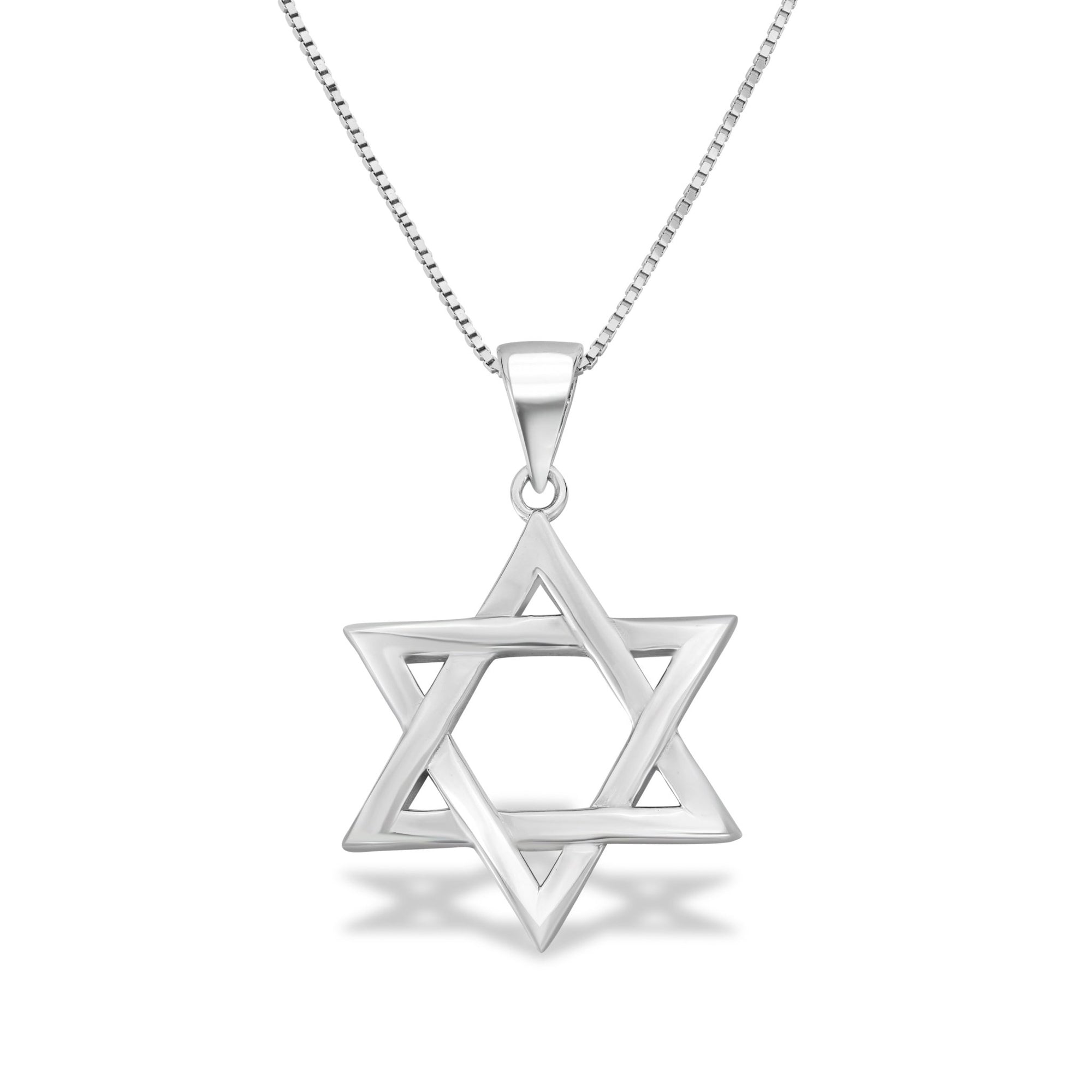
Three motifs show up again and again in Israeli-inspired jewelry, and each one carries real history rather than decoration for its own sake. The Star of David (Magen David) is the most widely recognized Jewish symbol, tied to protection and to Jewish and Israeli national identity. The hamsa, an open-hand amulet, is one of the oldest Jewish protective symbols; imagery of the hand appears on Israelite tombs dating back to the 8th century BCE, and in Jewish tradition it is sometimes called the Hand of Miriam. The pomegranate, meanwhile, references one of the seven biblical species associated with the Land of Israel and is linked to abundance and blessing. None of these are marketing inventions. They are symbols with documented roots, which is part of why they keep reappearing across generations of Israeli design rather than fading as a trend.
Materials and craft lineage that make it distinctly Israeli
What separates Israeli-inspired jewelry from generic Star of David pendants sold anywhere is the material and the hands behind it. Eilat stone, a blue-green mix of malachite, azurite, chrysocolla and turquoise, was identified and named in the 1950s after the southern Israeli city and is mined at the ancient Timna Valley copper site nearby. It is popularly called Israel's national stone. Its folklore connection runs deeper than most people realize: in 2013, Israeli archaeologists carbon-dated organic remains from the Timna copper-mining operations to the 10th century BCE, the era traditionally associated with King Solomon, which lends some support to the old association between the stone and Solomon's legendary wealth. Roman glass, ancient glass fragments recovered from sites in the region, is another material specific to the area, later cut and set into modern pieces.
The technique behind much of what people call "traditional" Israeli silver jewelry traces to a specific community. Jewish Yemenite silversmith families began immigrating to the Land of Israel from around 1880 onward, bringing a filigree silverworking tradition that predated the state itself. When Lithuanian-born artist Boris Schatz founded the Bezalel Academy of Arts and Design in Jerusalem in 1906, the school trained designers in a European decorative style, but the intricate metalwork itself was largely executed by these Yemenite craftsmen. That combination, European design training layered onto an existing Yemenite filigree tradition, is frequently cited as the technical backbone of what is now recognized as classic Israeli silver jewelry.
What the yellow ribbon motif means today
More recently, a newer design element entered the category. Following the Hamas-led attack and hostage-taking of October 7, 2023, yellow ribbon motifs and "Bring Them Home" jewelry became a widely worn design, produced in sterling silver, stainless steel and enamel. That crisis is now resolved: the remains of Ran Gvili, the last of the 251 people taken captive that day, were located in Gaza and returned to Israel on January 26, 2026, and he was buried in Meitar shortly after. Jewelry carrying the yellow ribbon today functions as a memorial and commemorative design, marking what the country and its hostages went through, rather than as part of an active campaign.
Wearing the story
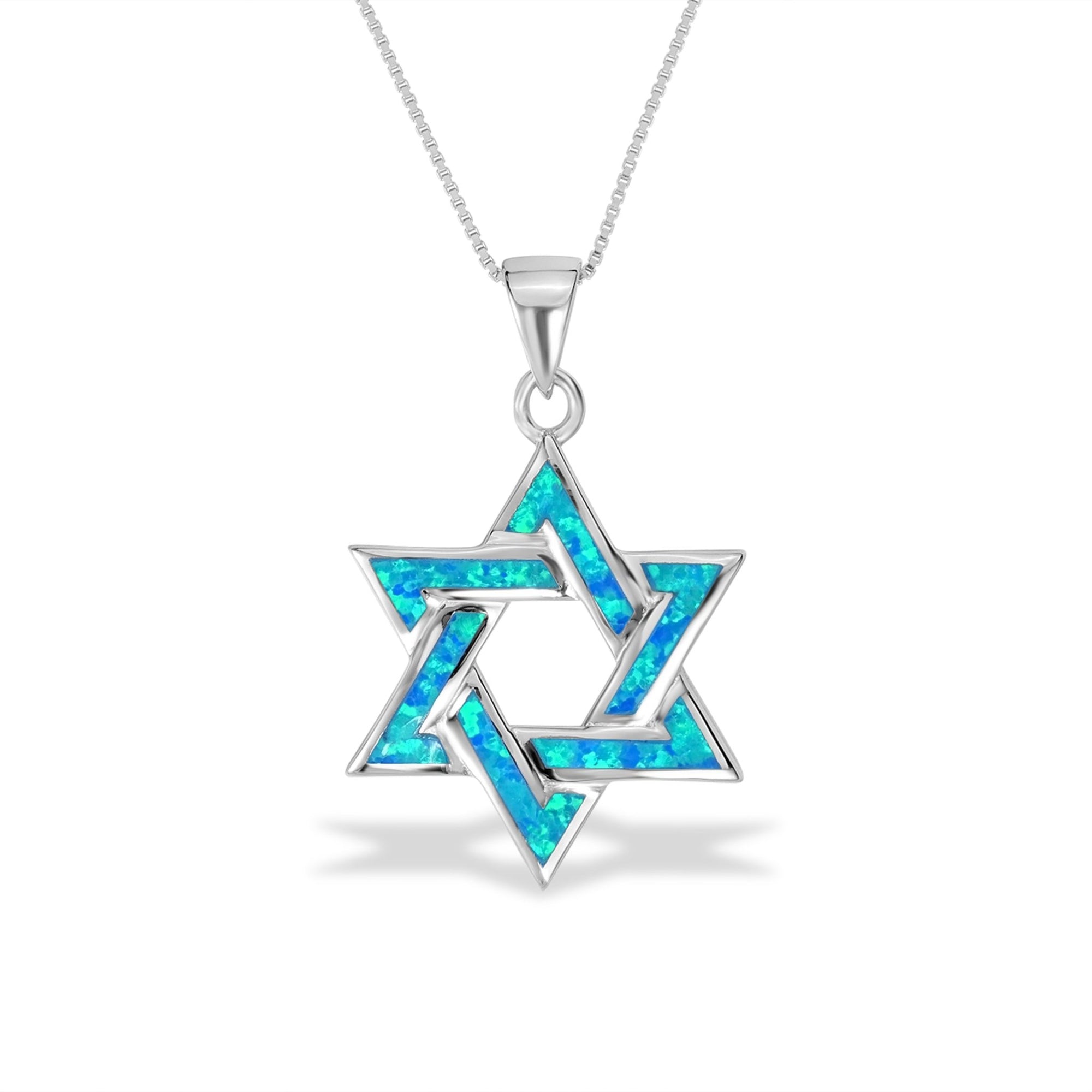
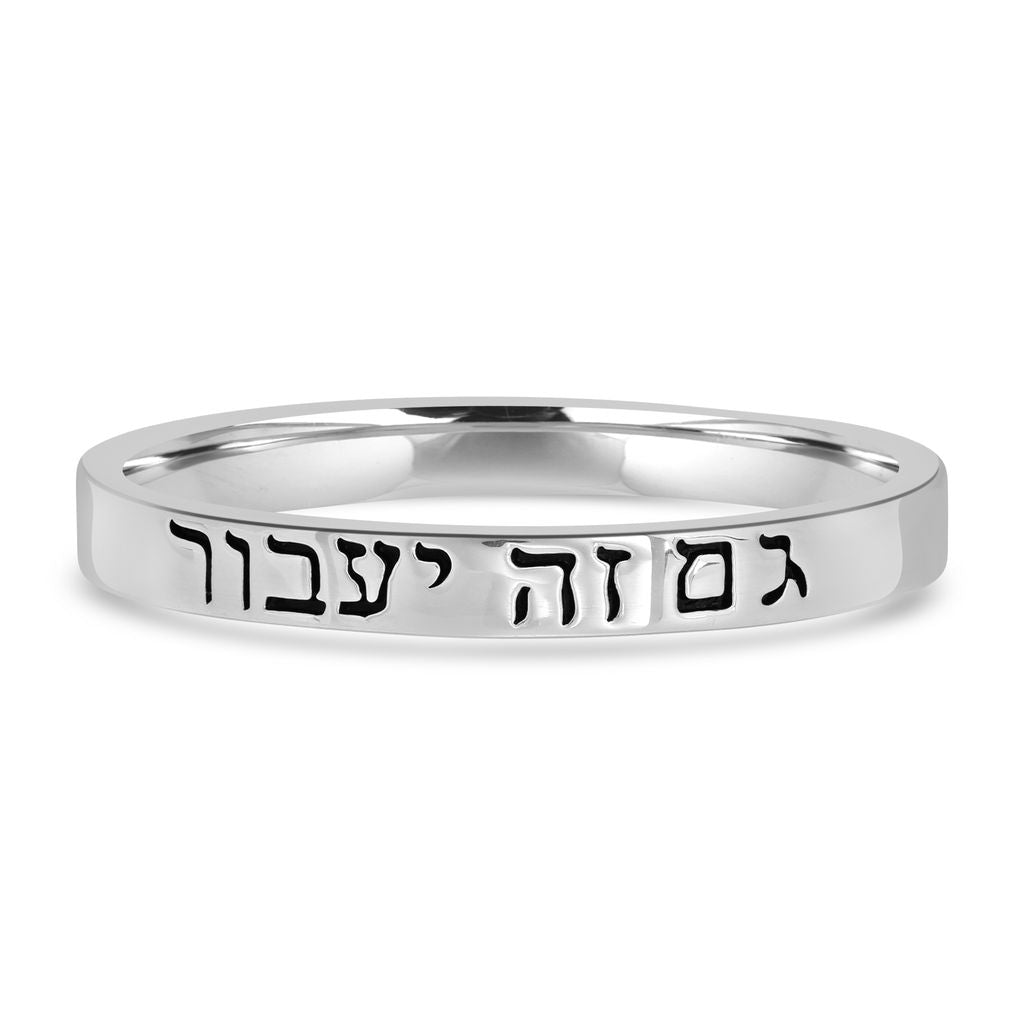
Whether it is a hamsa passed down for its protective meaning, a pendant set with Eilat stone tied to Timna's ancient mines, or a Star of David rendered in silver, Israeli-inspired jewelry gives people a way to carry a piece of that history with them. If you want to see how that symbol translates into a modern everyday piece, our Shalom Star of David Necklace from the Star of David jewelry collection is a straightforward starting point.
Related
Israeli Cultural Symbols Popular in Handmade Jewelry
The Evolution of Star of David in Contemporary Jewelry Design
Jewelry That Tells the Israeli Story Through Craftsmanship
Last updated August 2026.