

Short answer: As of July 2026, "Israeli fashion" describes a real and well-documented design tradition that moved from the austere, egalitarian work clothes of the early kibbutz and immigrant-absorption years (khaki, the floppy tembel hat, simple sandals) to an internationally recognized industry. Its founding institutions are historically verifiable: Maskit, Israel's first fashion house, was created in 1954 by Ruth Dayan to give new immigrants work and to preserve Yemenite and Bedouin craft, and Gottex swimwear was founded in 1956 by Holocaust survivor Lea Gottlieb. Today the field runs through leading schools (Shenkar, Bezalel) and designers such as Alon Livne, who dressed Beyonce and showed at Paris Fashion Week. Separately, "Israel-inspired" or Jewish-identity apparel (Star of David, Hebrew slogans, IDF-style pieces) is a distinct consumer category, though specific slogan claims like "Made in Jerusalem" as a movement are not well documented.
Israeli fashion, decade by decade
- 1954: Ruth Dayan founded Maskit, Israel's first fashion house, as a Ministry of Labor project to employ new immigrants. Head designer Fini Leitersdorf blended European tailoring with Yemenite embroidery and Bedouin-inspired motifs, per Wikipedia's Maskit entry.
- 1956: Lea Gottlieb, a Hungarian-born Holocaust survivor, founded Gottex swimwear in Tel Aviv, using colors drawn from the Israeli landscape. It became a leading swimwear exporter worn by Princess Diana and Elizabeth Taylor, according to Wikipedia's Gottex entry.
- 1994: Maskit ceased operations after four decades (Wikipedia).
- 2013: Beyonce commissioned Israeli designer Alon Livne to create outfits for her Mrs. Carter Show World Tour, and his ready-to-wear has also been worn by Lady Gaga, as reported by Wikipedia and Cleveland Jewish News.
- 2013: Maskit was revived under new owners Nir and Sharon Tal, with backing from industrialist Stef Wertheimer, reintroducing its ethnic-craft-rooted ready-to-wear (Wikipedia).
- 2016: Alon Livne's spring/summer 2017 collection was presented at Paris Fashion Week, described as the first time an Israeli brand was scheduled there, per Wikipedia and Modem Online.
- February 5, 2021: Ruth Dayan, Maskit's founder and a lifelong social activist, died at her Tel Aviv home at age 103, as reported by The Times of Israel and JNS.
- 2021: Shenkar's fashion program was ranked among leading fashion schools internationally (top-tier in Business of Fashion, named by Forbes among innovative fashion departments), reflecting a design-school pipeline that produced 3D-printing pioneers like Danit Peleg and Noa Raviv, per Shenkar College.
From kibbutz work clothes to a global design industry
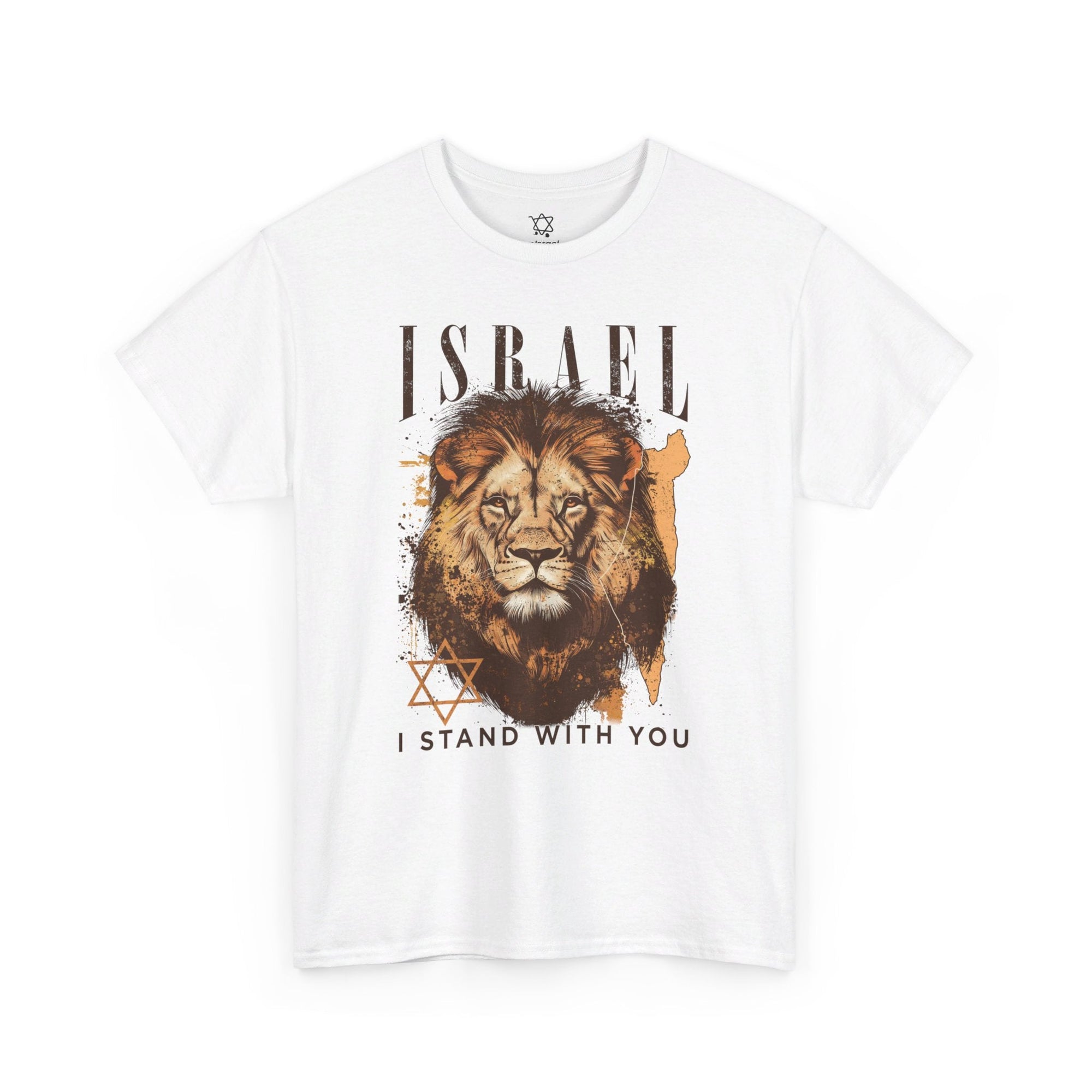
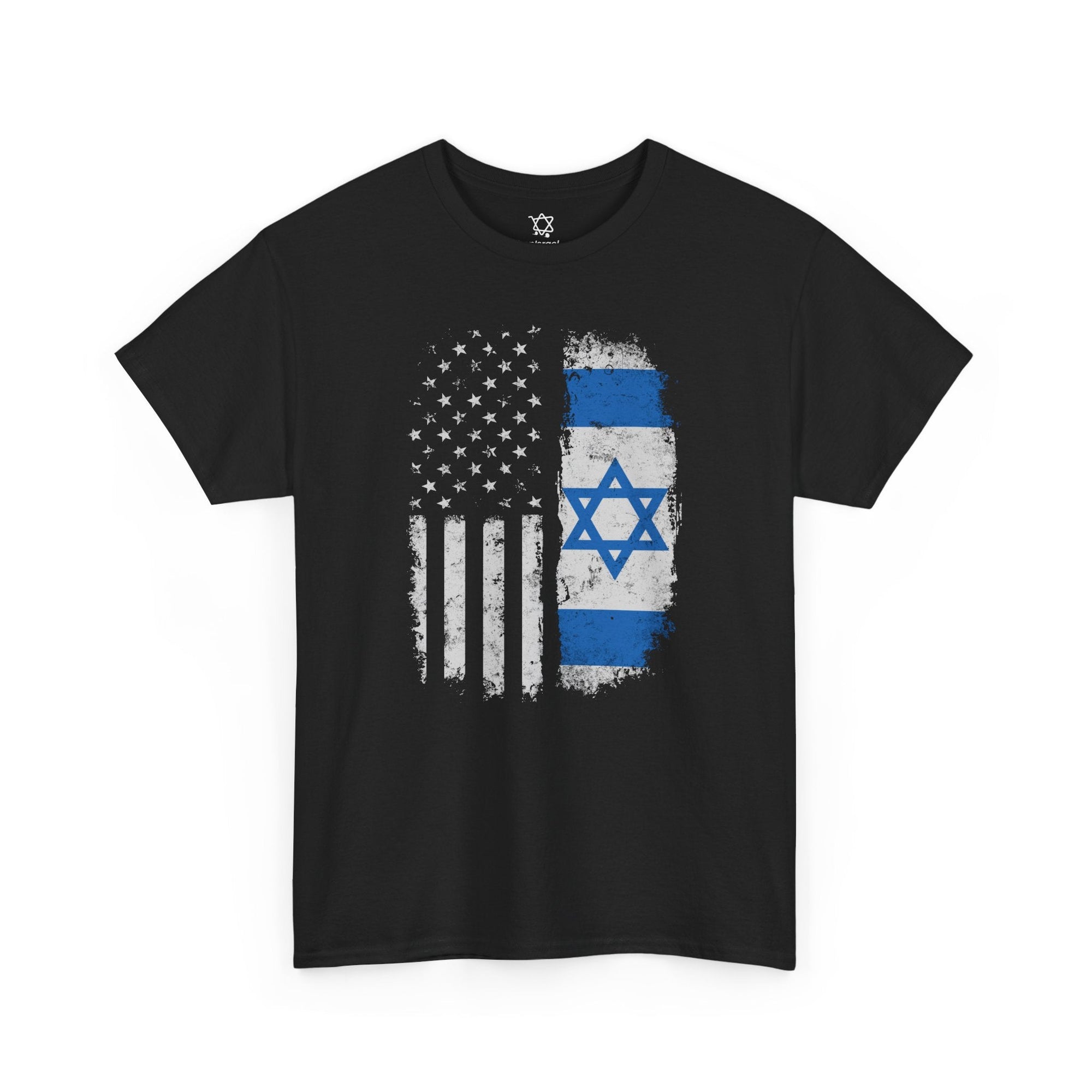
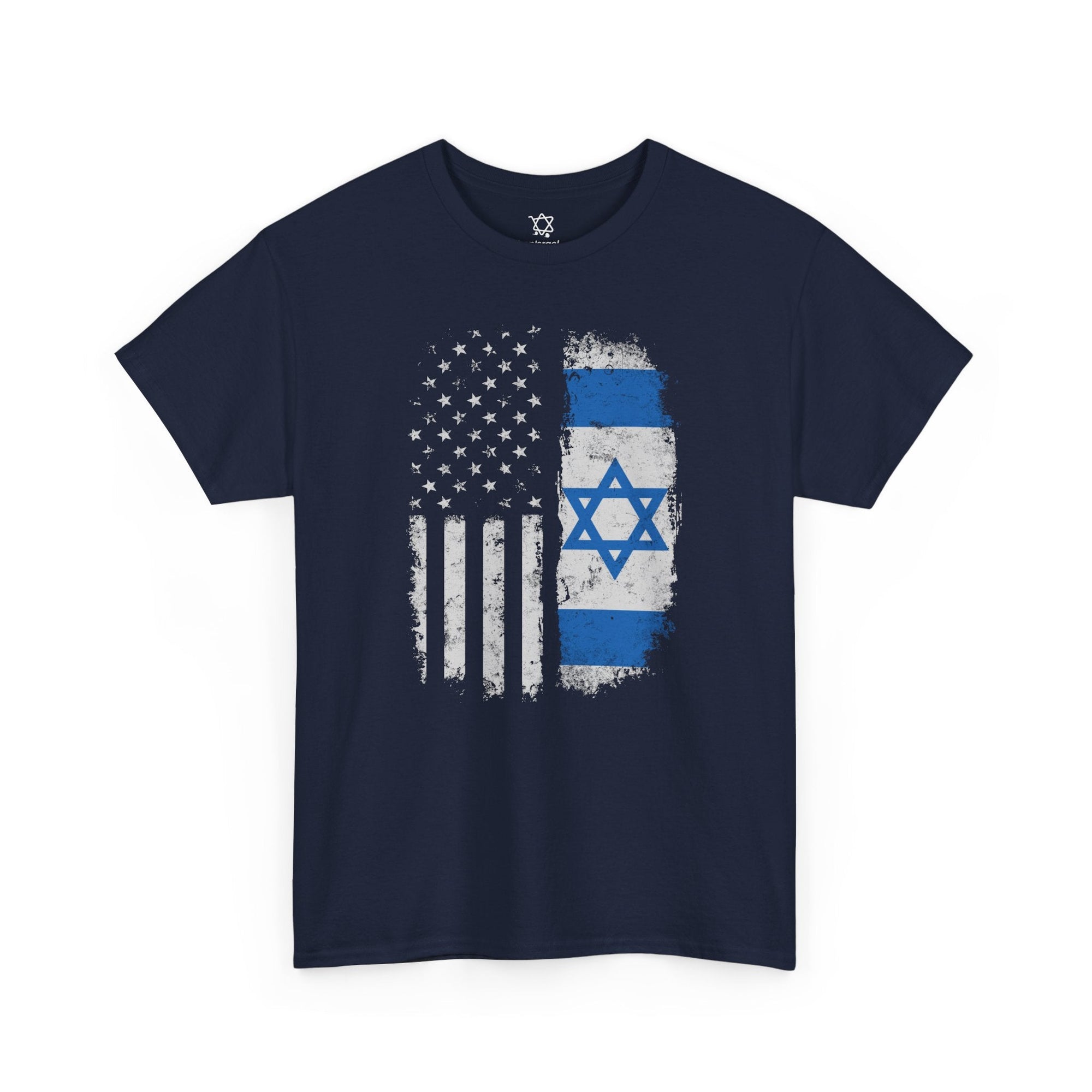
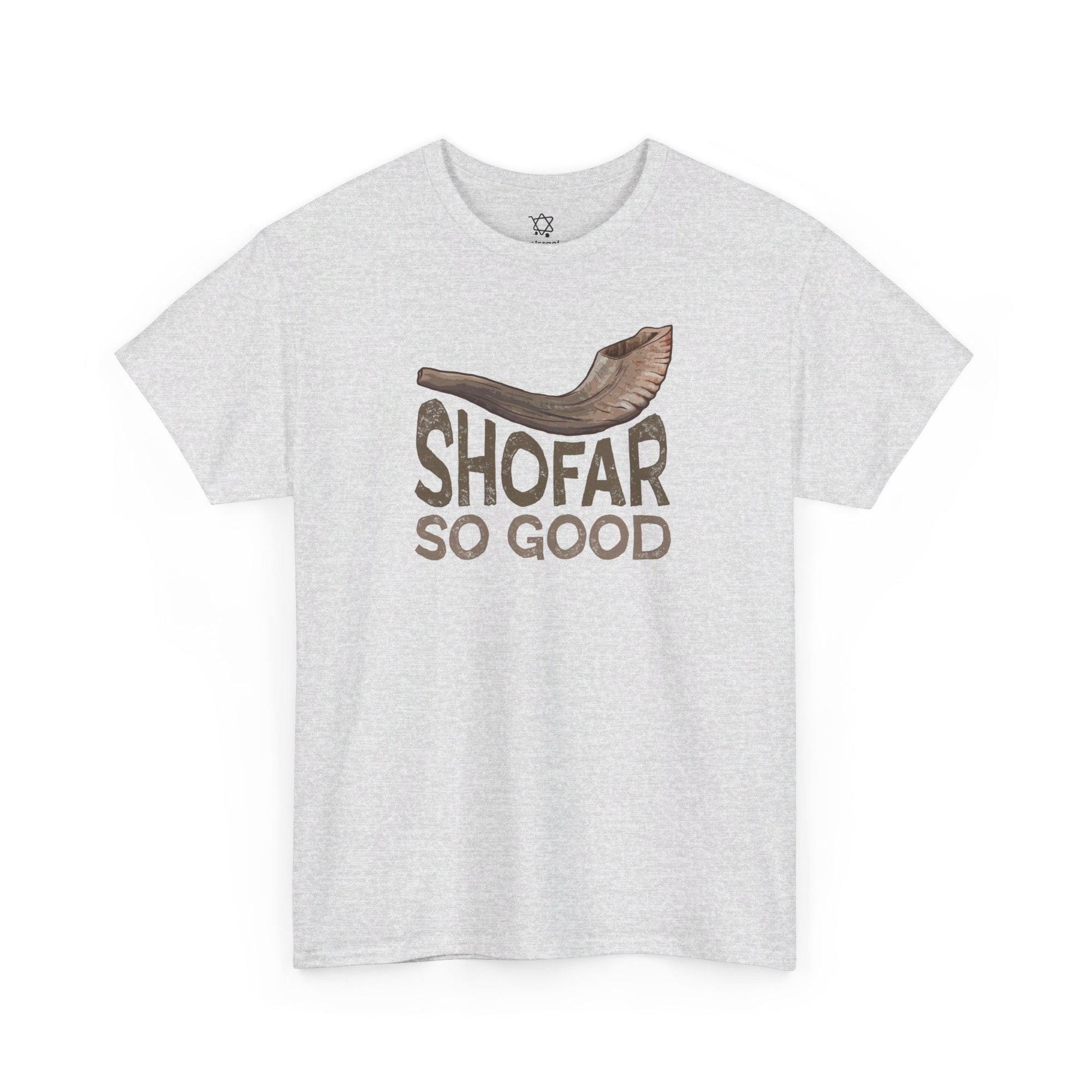
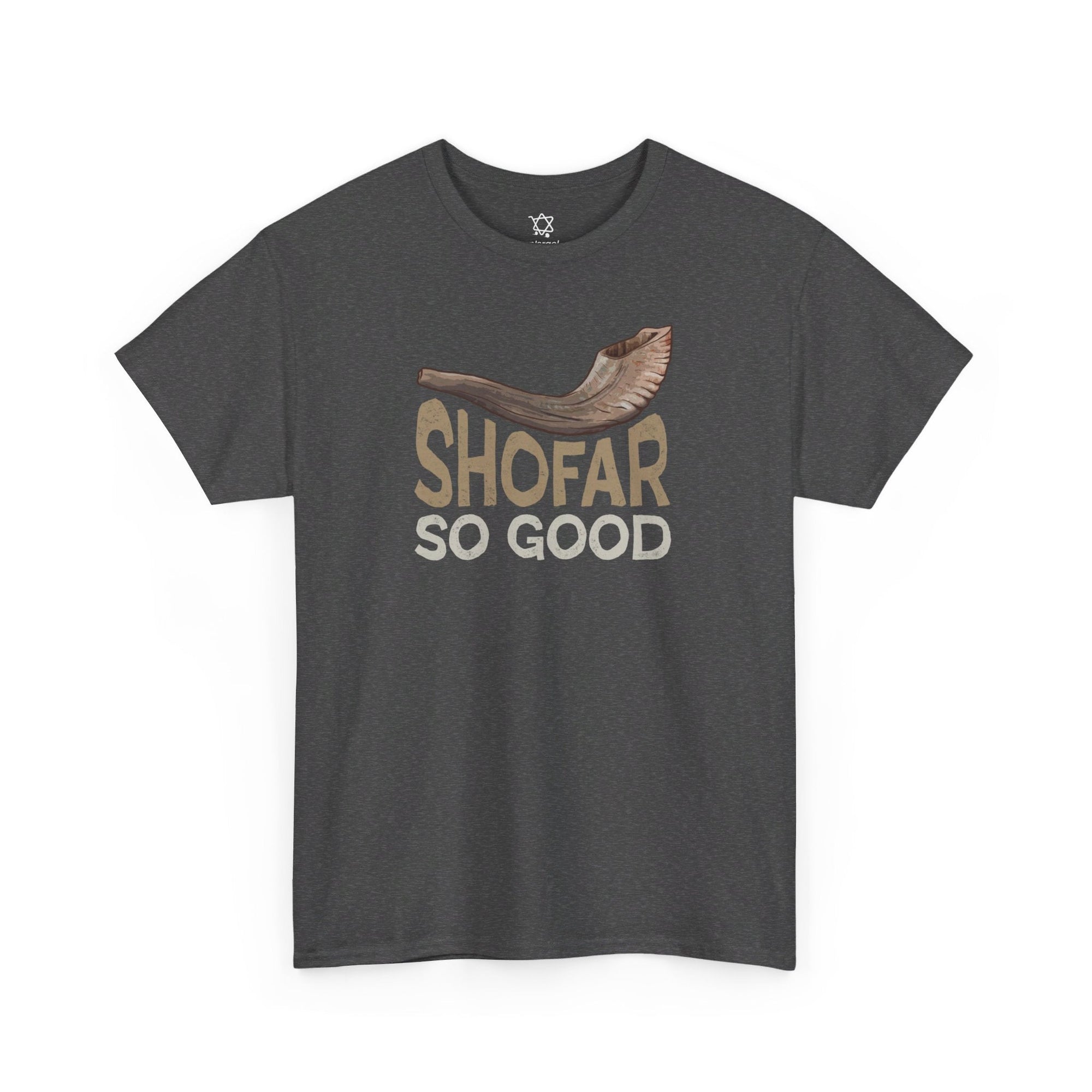
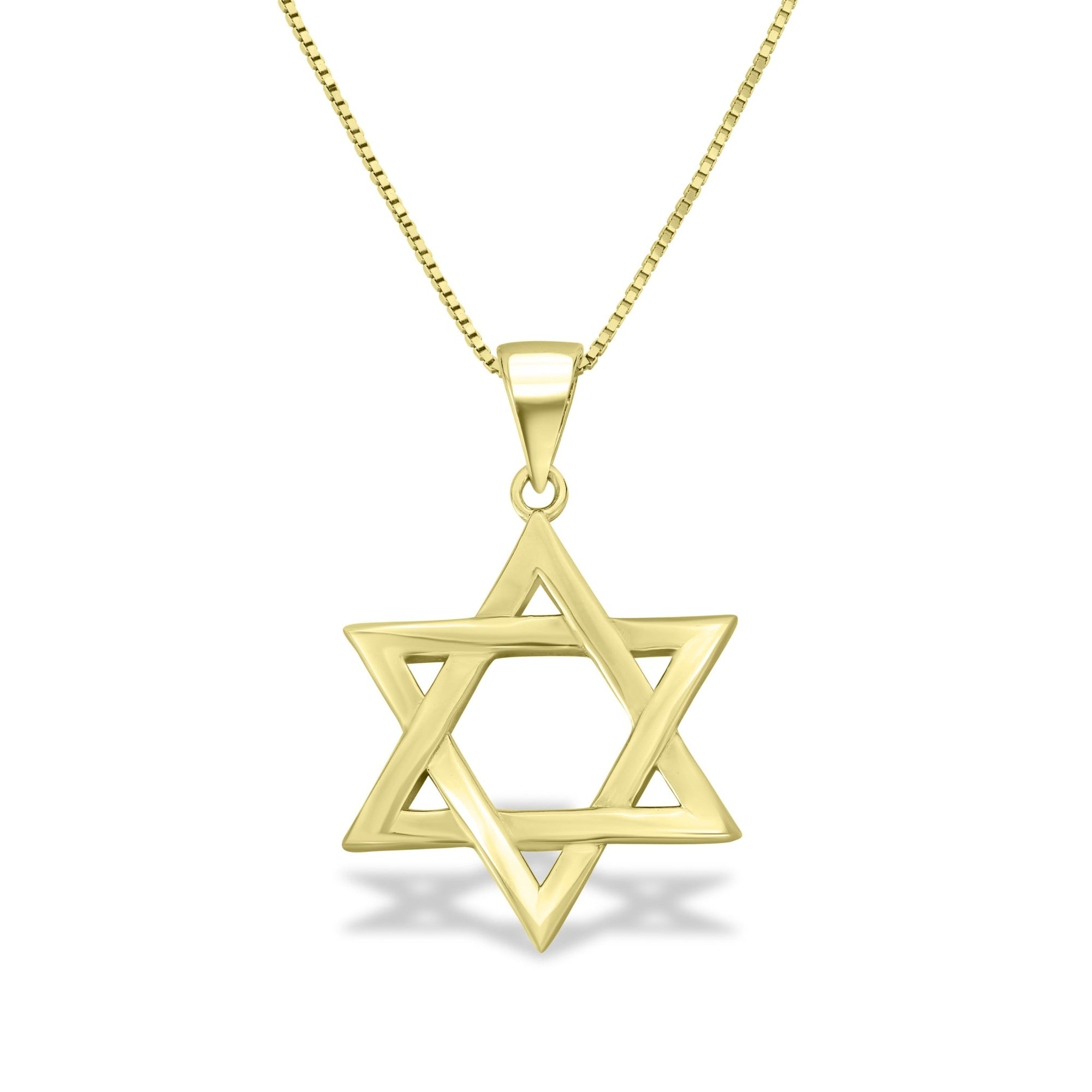
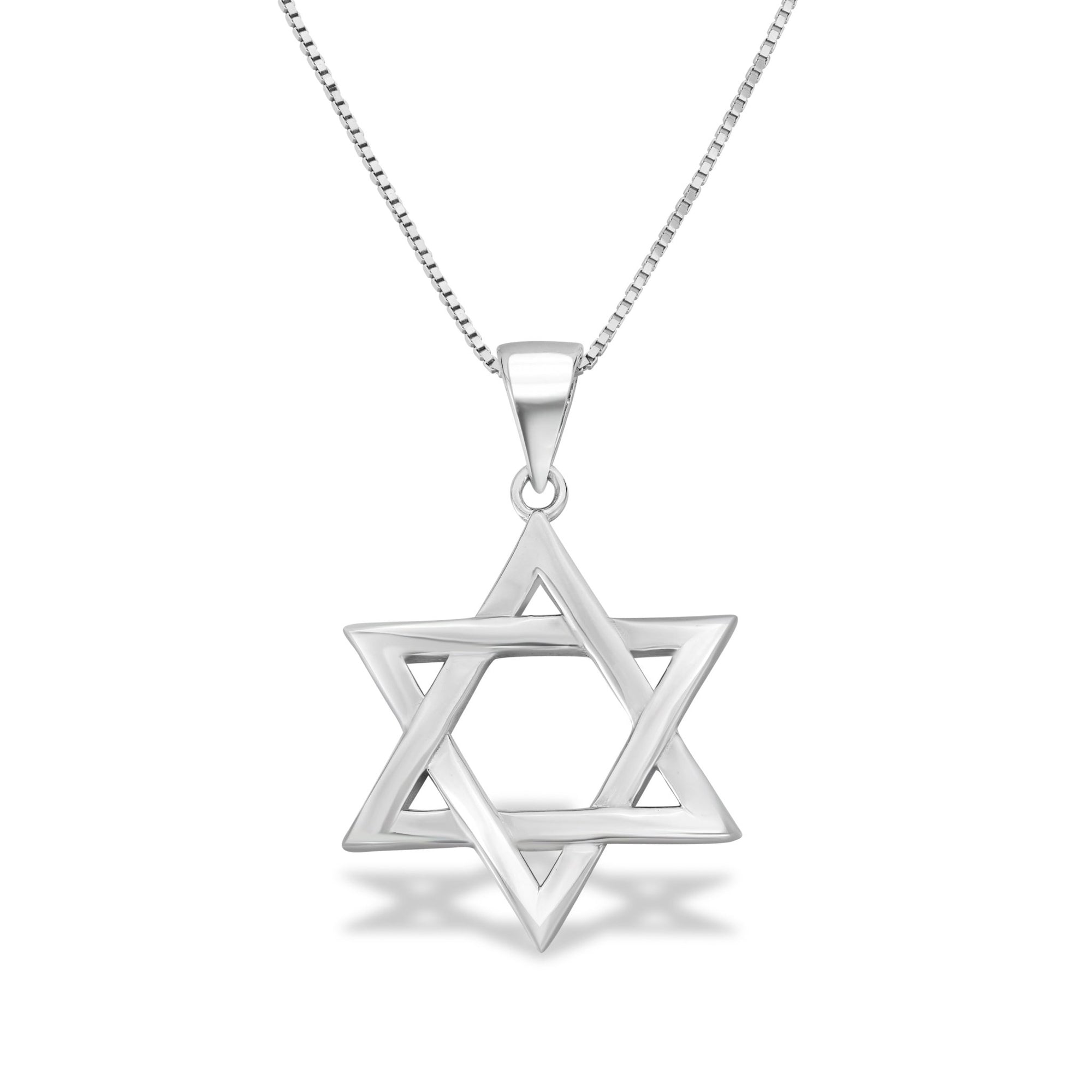
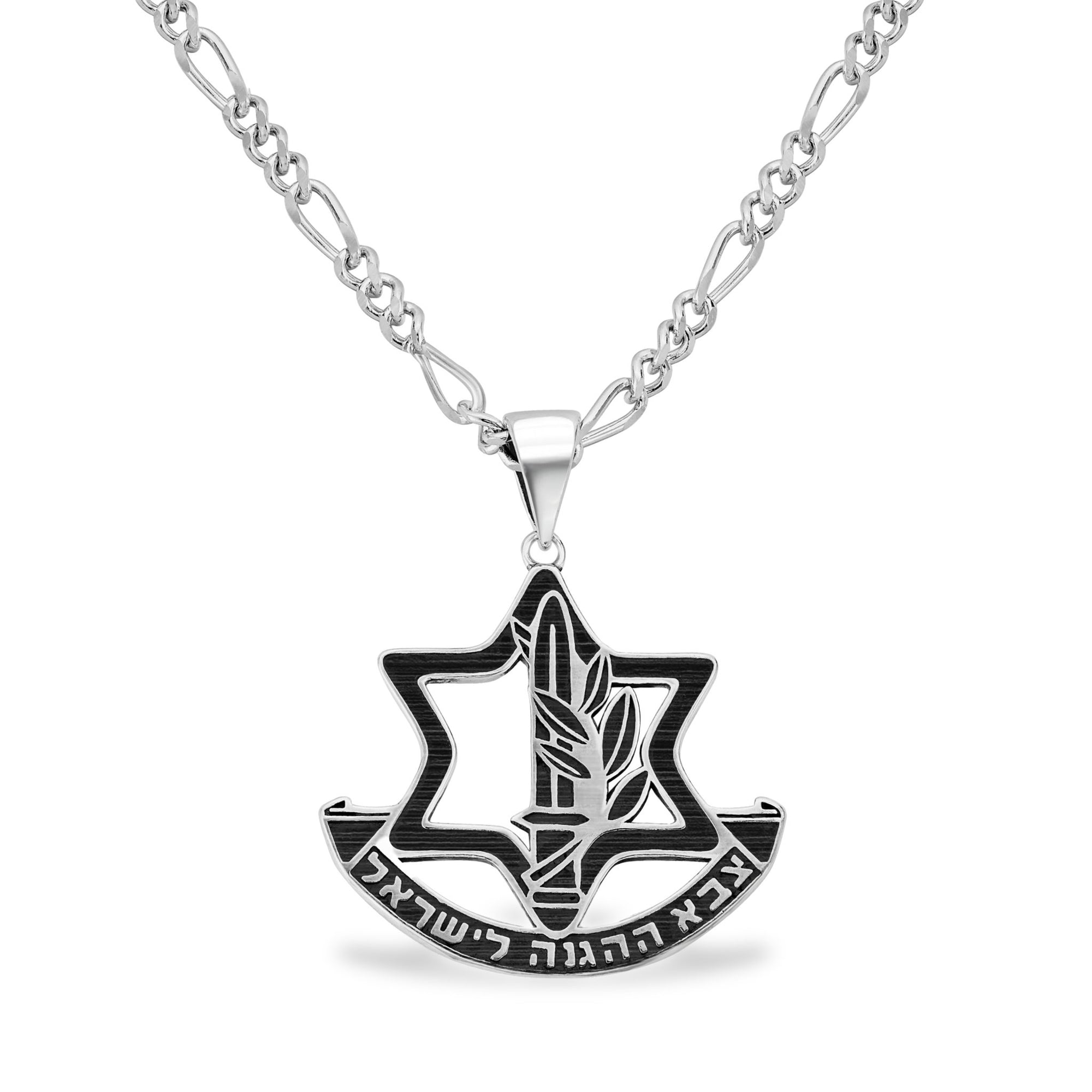
Early Zionist and kibbutz culture treated fashion with suspicion, associating adornment with class distinction. Members wore patched pants, plain buttoned shirts, simple sandals, and the tembel hat, which became a national symbol. It is worth correcting a common misreading: that austerity was driven by egalitarian, anti-bourgeois ideology, not religious modesty. The pivot to a design industry came through immigrant absorption rather than luxury. Ruth Dayan discovered that new arrivals from Yemen, North Africa, and postwar Europe carried weaving and embroidery skills, and Maskit (1954) turned those crafts into exportable fashion that reached Vogue, Bergdorf Goodman, Neiman Marcus, and Saks. Gottex (1956) did the same for swimwear. Maskit's influence was specifically Yemenite embroidery and Bedouin-inspired tones, not a generic blend. Today Shenkar College and Bezalel Academy anchor the scene, with alumni spanning couture and 3D-printed garments. Separately, "Israel-inspired" identity apparel (the Star of David, Hebrew lettering, and IDF-style pieces) is a genuine consumer category, distinct from the couture tradition, and it is the sense most relevant to a pro-Israel shopper.
The bottom line
Israeli fashion is a genuine, sourceable story: from kibbutz-era work clothes and the tembel hat, to immigrant-craft fashion houses (Maskit in 1954, Gottex in 1956), to today's design schools and global designers like Alon Livne. What is documented is the throughline itself: egalitarian work clothes, then immigrant-craft couture that reached Vogue and Bergdorf Goodman, then a global design-school pipeline running through Shenkar and Bezalel. Looser claims circulate online, but the sourced backbone of this history holds up on its own without them.
Wear the tradition, support Israel directly
You do not need a Paris runway to carry a piece of this story. The identity side of Israeli fashion, the Star of David pendants, Hebrew lettering, and IDF-style pieces, lives on in everyday apparel you can wear with pride. Our Israel apparel collection brings that heritage into your closet, from Hebrew-script tees to designs that echo the blue-and-white the founders wore. Every purchase is a simple, direct way to stand with Israel and let your wardrobe say where you stand.
Related
Last updated July 2026. We update this guide as the record changes.