

Short answer: A shofar is a ram's horn (or, in the Yemenite tradition, a kudu horn) blown daily through the month of Elul and on Rosh Hashanah and Yom Kippur, and shopping for one, or for the accessories around it, comes down to one key distinction: is this piece meant to be blown, or meant to be displayed? That single question shapes almost everything worth knowing before buying a shofar or shofar-related gift for the 2026 High Holidays.
Where the shofar comes from, and why the horn matters
The shofar's role in Jewish tradition traces back to the revelation at Mount Sinai, where its blast from the cloud is described as making the Israelites tremble (Wikipedia: Shofar). That founding moment is why the shofar carries such weight as a sound of awakening rather than simple ceremony. From there, custom developed the instrument's use every weekday morning through Elul, the month leading into Rosh Hashanah, as a call to reflection before the new year (Wikipedia).
Not every horn qualifies. A kosher shofar can be made from the horn of nearly any animal in the Bovidae family, with one notable exception: cow horn is excluded, because it is solid bone rather than a hollow sheath and cannot be worked into an instrument (Wikipedia; My Jewish Learning). Ram's horn is the traditional choice, recalling the ram substituted for Isaac in the Akeidah story, while kudu horn, prized for its long spiral and deep tone, is used especially in Yemenite communities. Interestingly, blowing a shofar does not require the source animal to have undergone ritual slaughter; the mitzvah is hearing the sound, not eating the animal, so "kosher shofar" functions more as familiar shorthand for a ritually valid horn than as a formal kashrut term.
The detail most gift guides miss: decorative versus functional
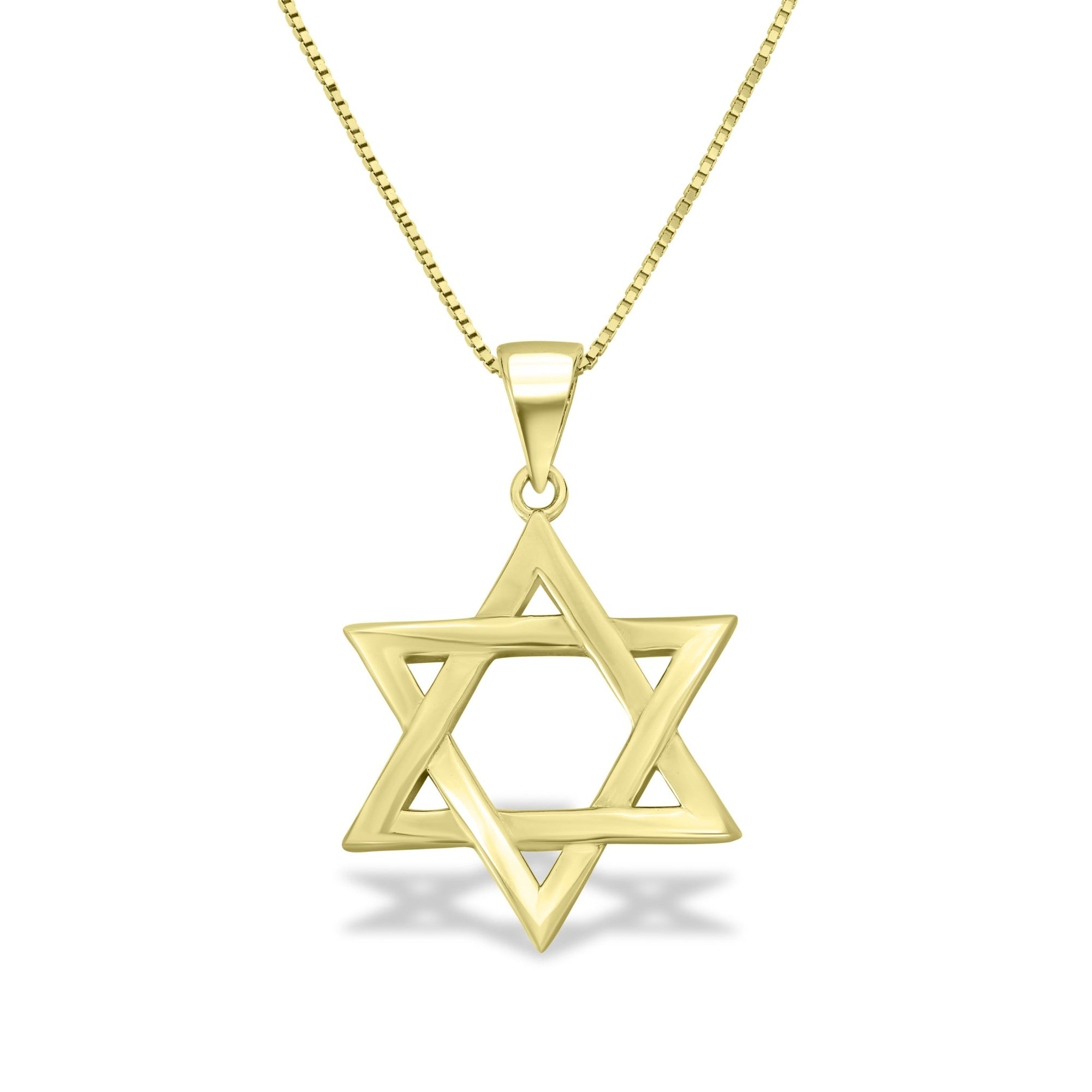
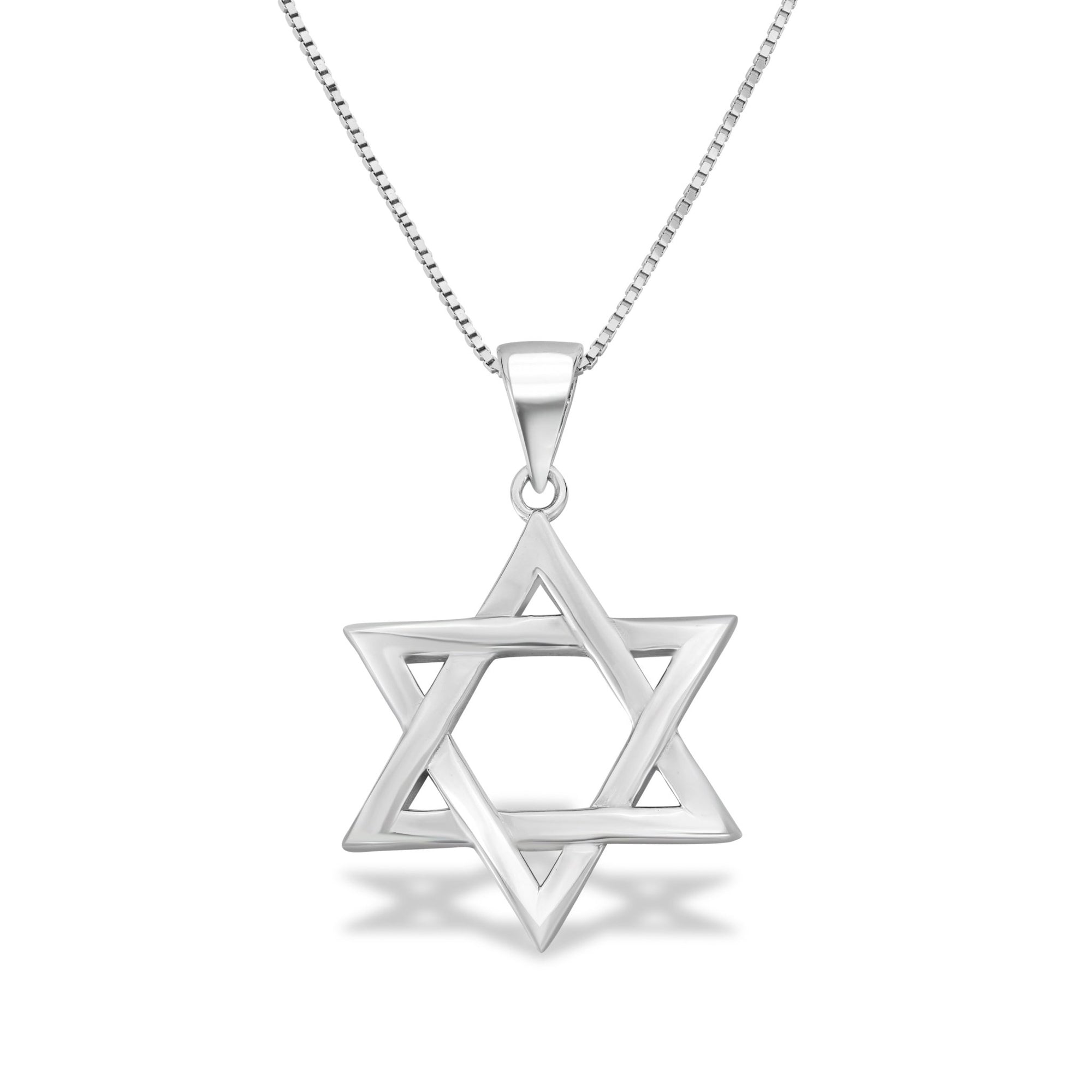
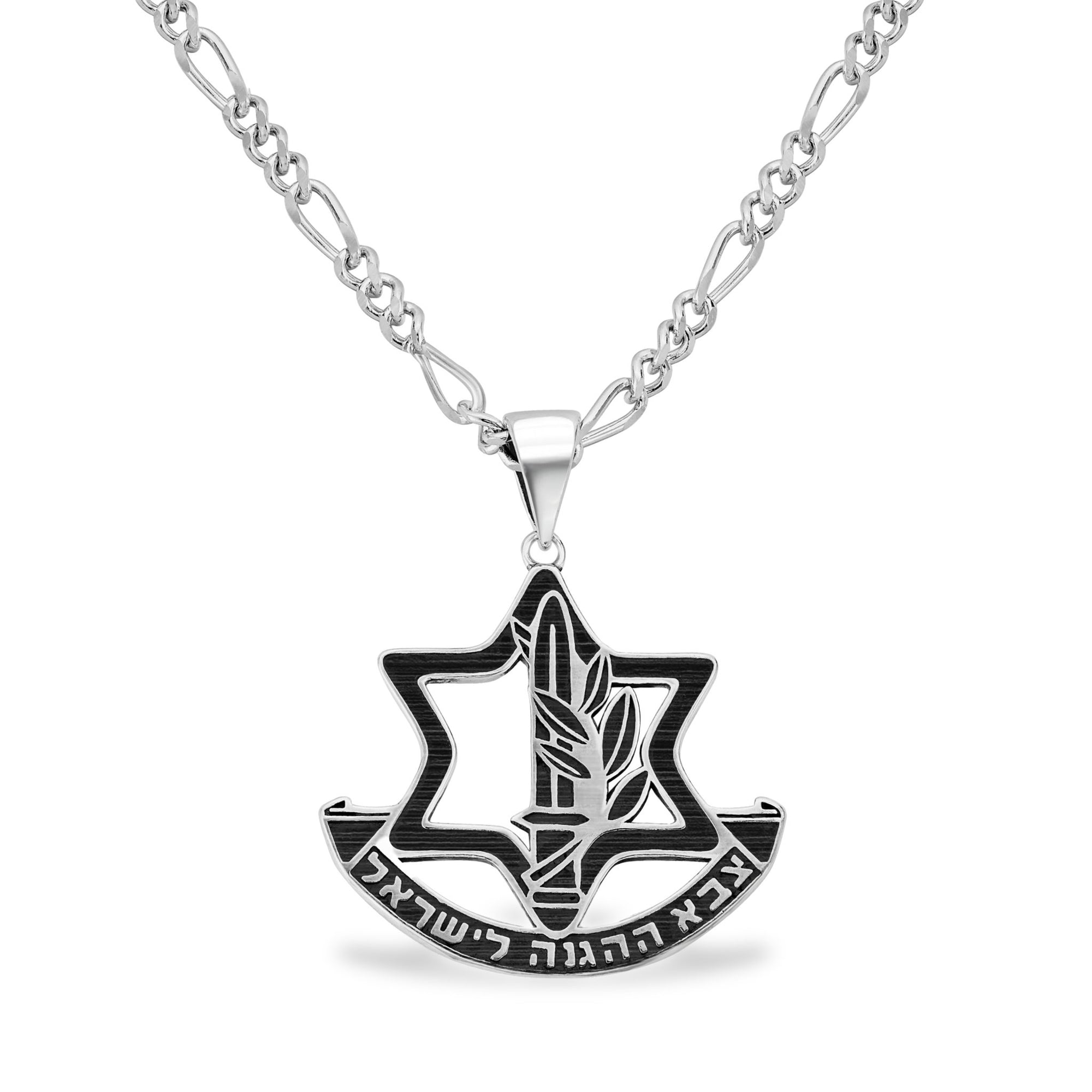
Here is the part worth knowing before you buy: carving is permitted on a shofar, and Sephardi shofars often feature a carved, trumpet-like mouthpiece without issue. But silver-plating a shofar across part of its length, a popular way to dress up a piece for display, actually invalidates it for ritual use (Wikipedia). That means a beautifully finished, silver-banded shofar sitting in a shop window may be a stunning mantel piece, but it is not the one to hand someone who plans to actually blow it on Rosh Hashanah morning. When shopping for 2026, it is worth asking directly whether a piece is intended for sounding or for display, and treating "must-have accessories" as falling into two honest categories: things that support an actual, functional shofar (a carrying case, a cleaning cloth, a stand for home use) and things that celebrate the symbol itself (wall art, apparel, jewelry, mugs) without claiming ritual status.
That distinction also solves a common shopping mistake: buying a heavily decorated, silver-accented shofar as a "gift for the rabbi" or a bar mitzvah present when the recipient actually wants to blow it. A plain horn, or one with only carving and no metal plating, is the safer choice for anyone who intends to use it rather than admire it.
Building a shofar-season gift list around the calendar
Timing gives this shopping season its shape. Rosh Hashanah 5787 runs from sundown Friday, September 11, 2026 through nightfall Sunday, September 13, 2026, and Yom Kippur follows shortly after, from sundown Sunday, September 20 through nightfall Monday, September 21, 2026, traditionally closed with a single long blast known as the tekiah gedolah (Hebcal). That roughly ten-day arc, from the last mornings of Elul through the final shofar blast of Yom Kippur, is the natural frame for a gift guide: something to mark the start of the season, something to use during it, and something to remember it by afterward.
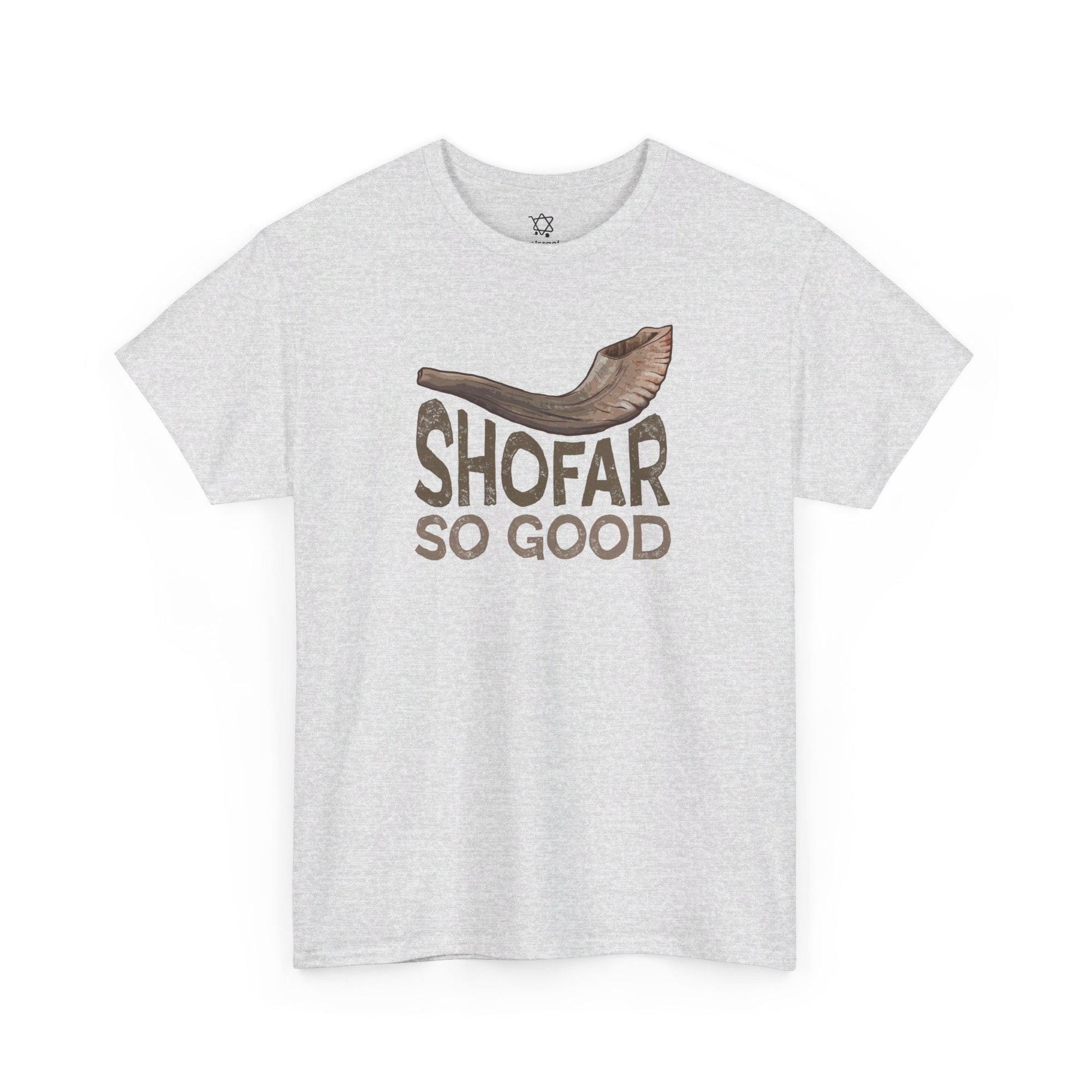
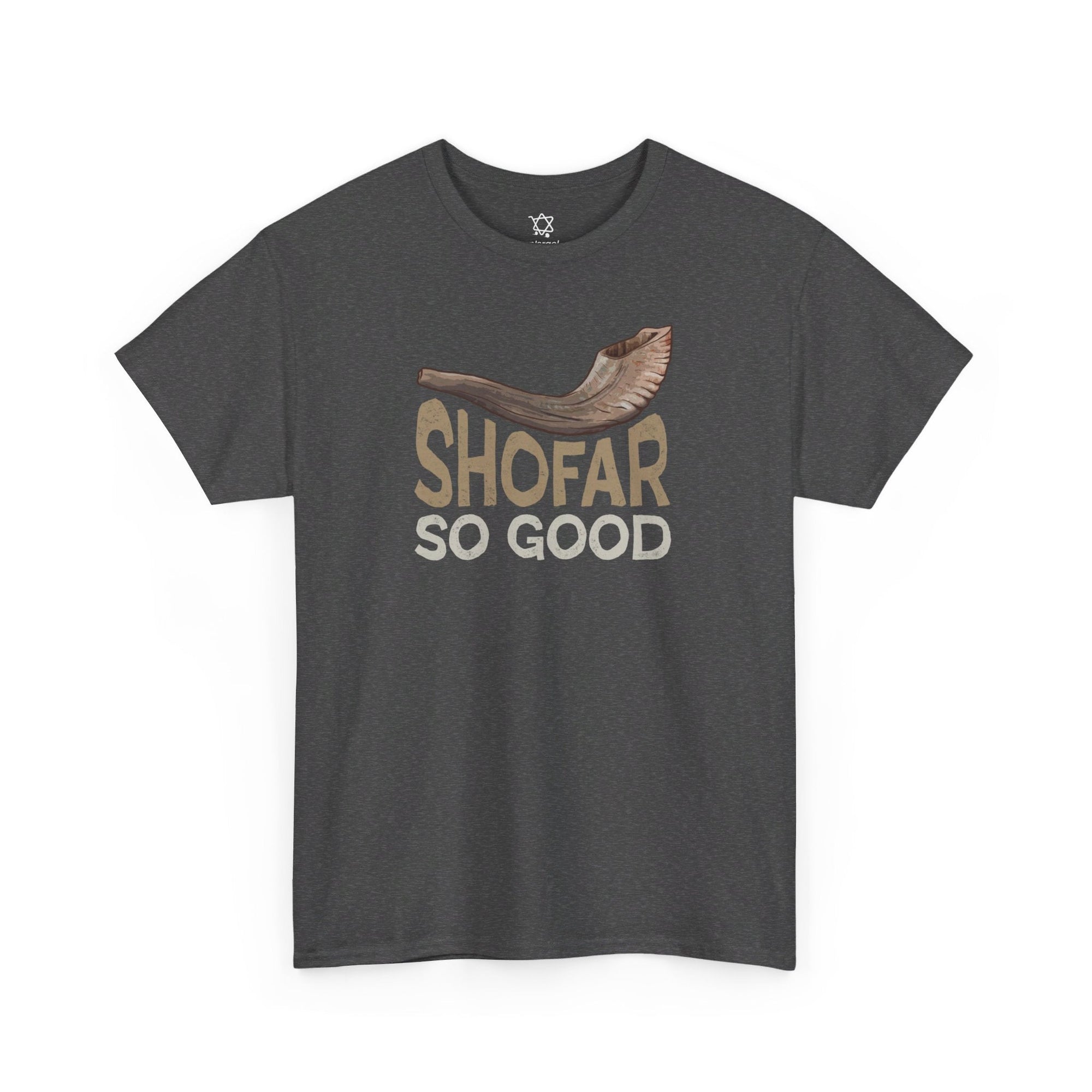
For shoppers who are not sourcing a functional shofar itself but want to mark the holiday in a meaningful, wearable, or giftable way, Shop Israel's Rosh Hashanah gift collection is built around exactly that season, with pieces that celebrate the holiday's symbols (the shofar among them) without overstating what any single item is or is not certified to do. It is a straightforward way to round out a High Holiday gift list once the shofar question itself has been sorted out.
Related
- All You Need to Know About the Shofar and Related Goods
- The Evolution of Shofar-Inspired Fashion and Merchandise
- 7 Must-Have Holiday-Themed Israel Merchandise Items for Jewish Celebrations
Last updated July 2026.