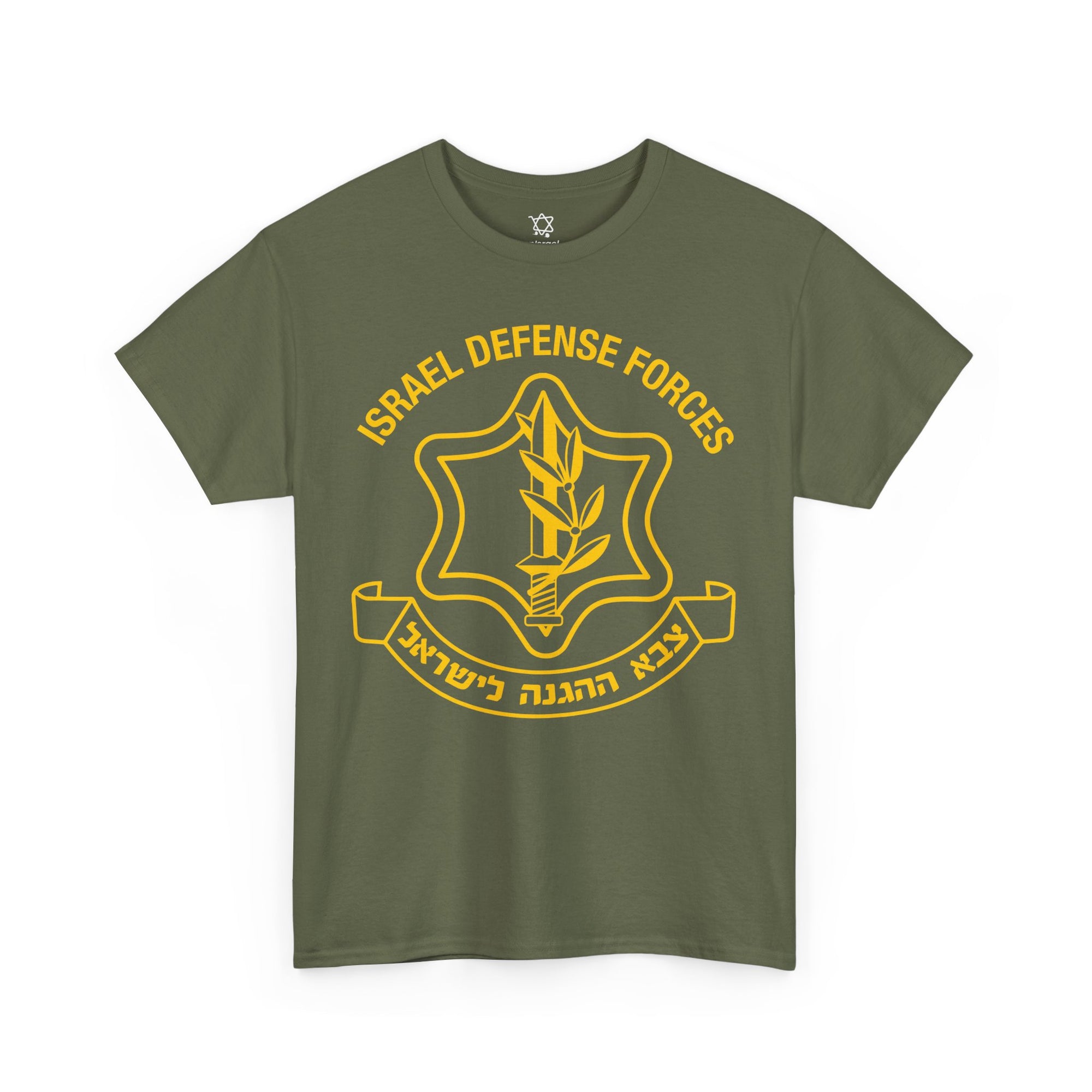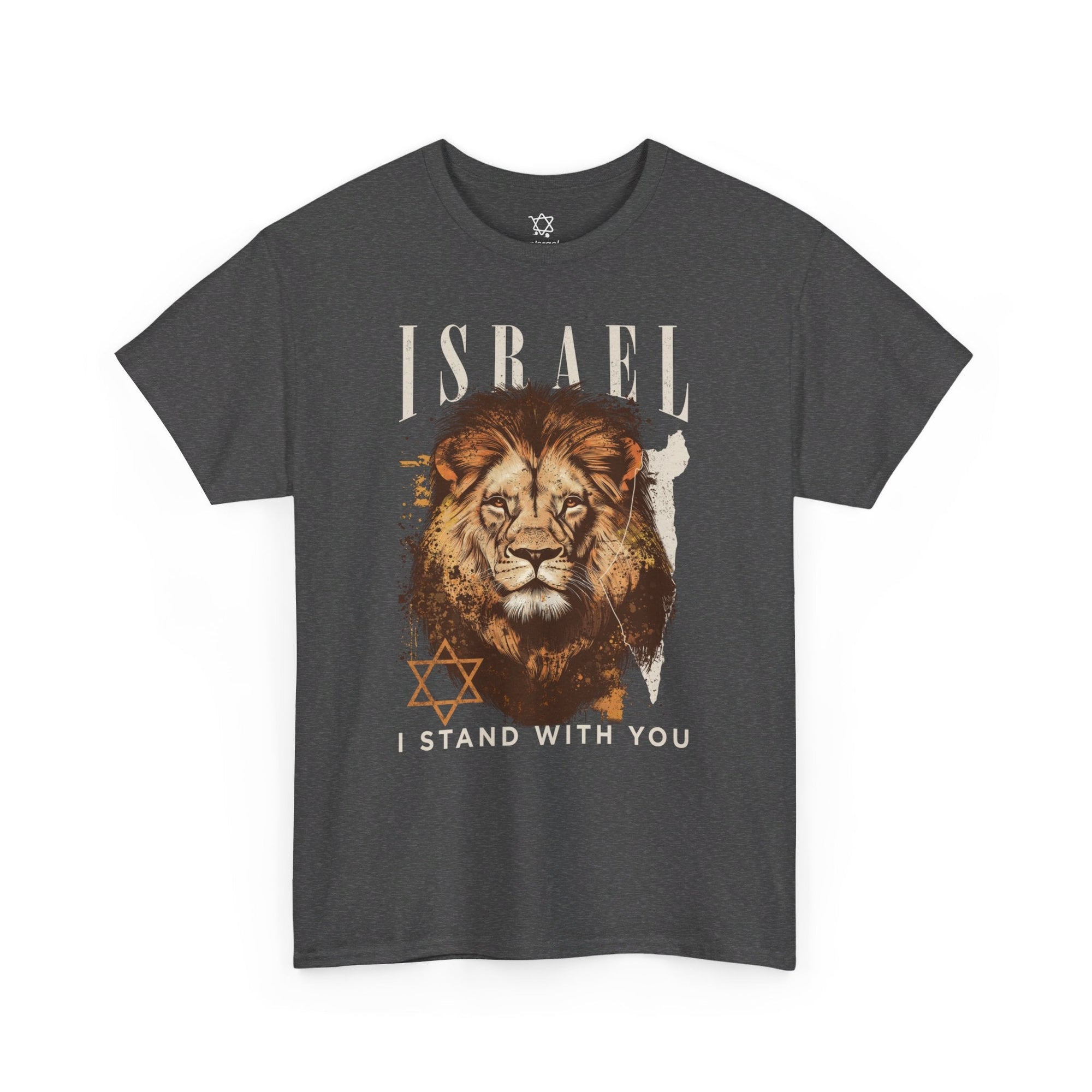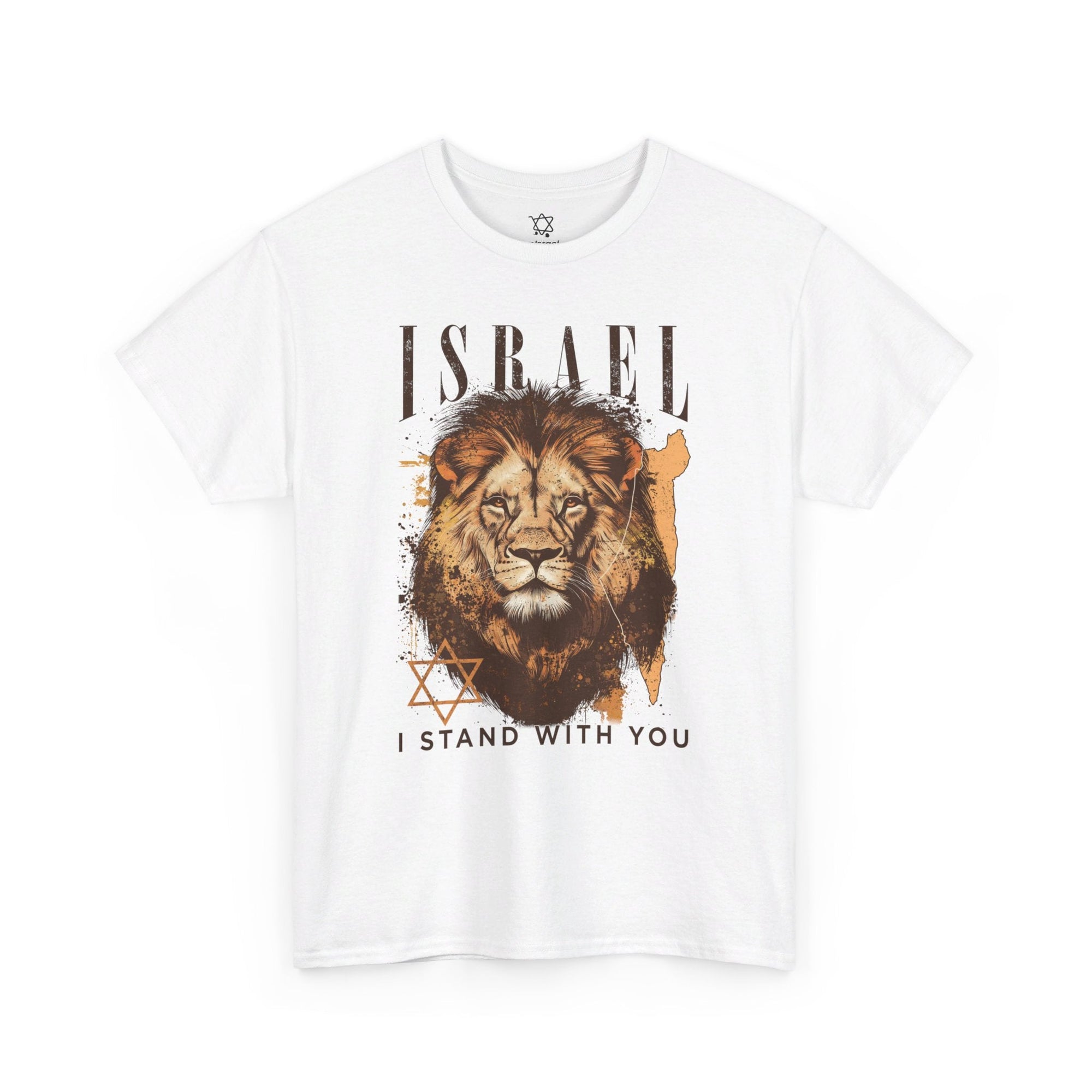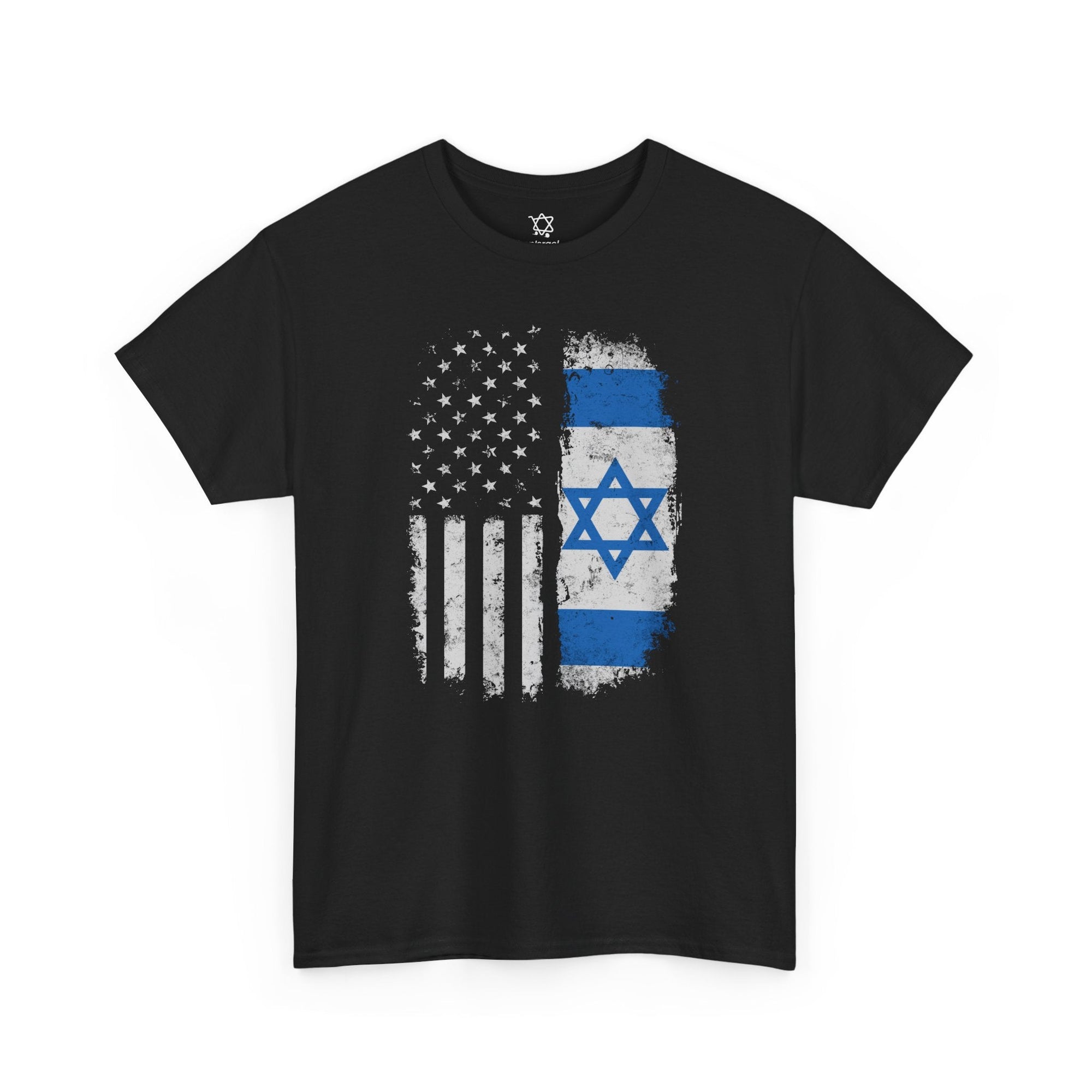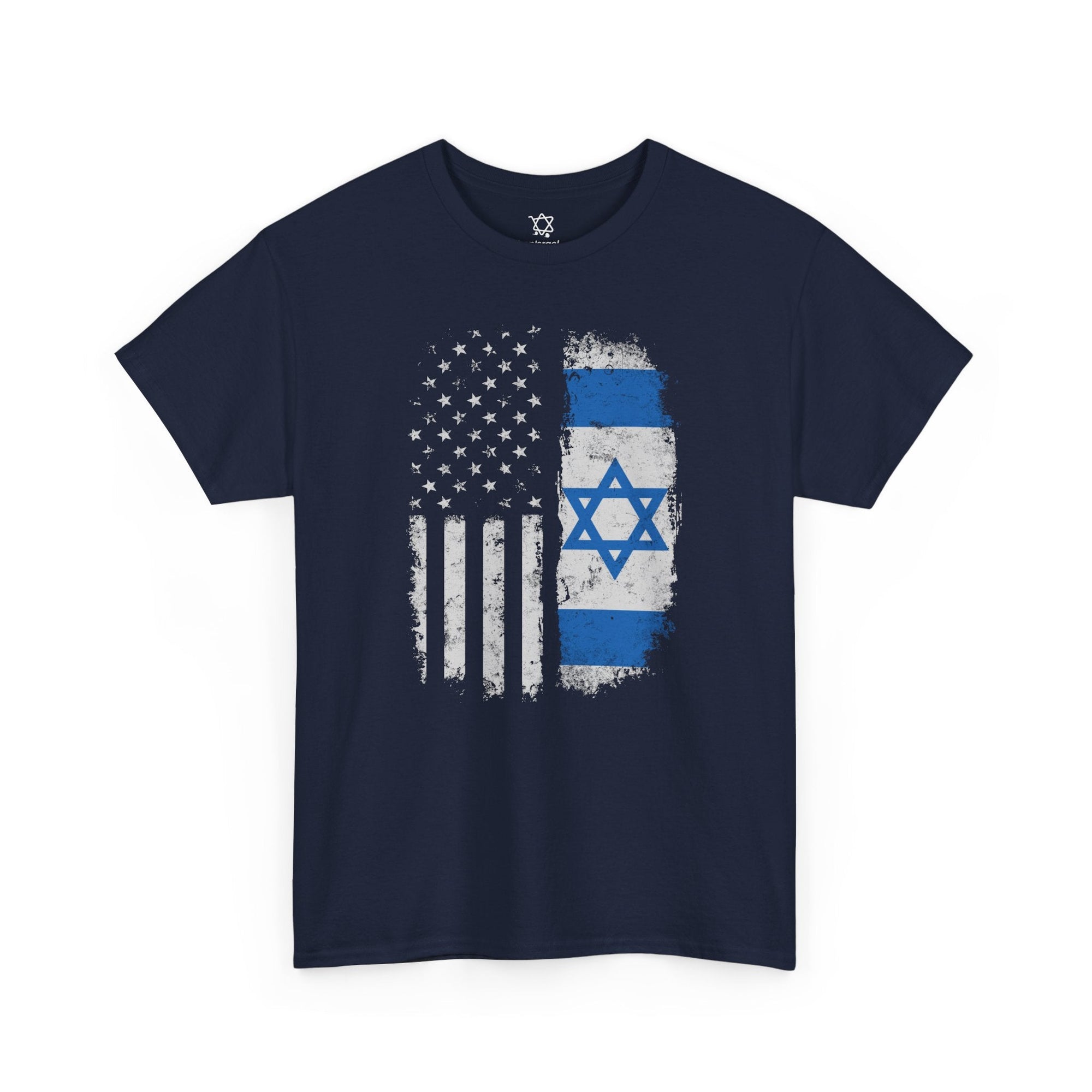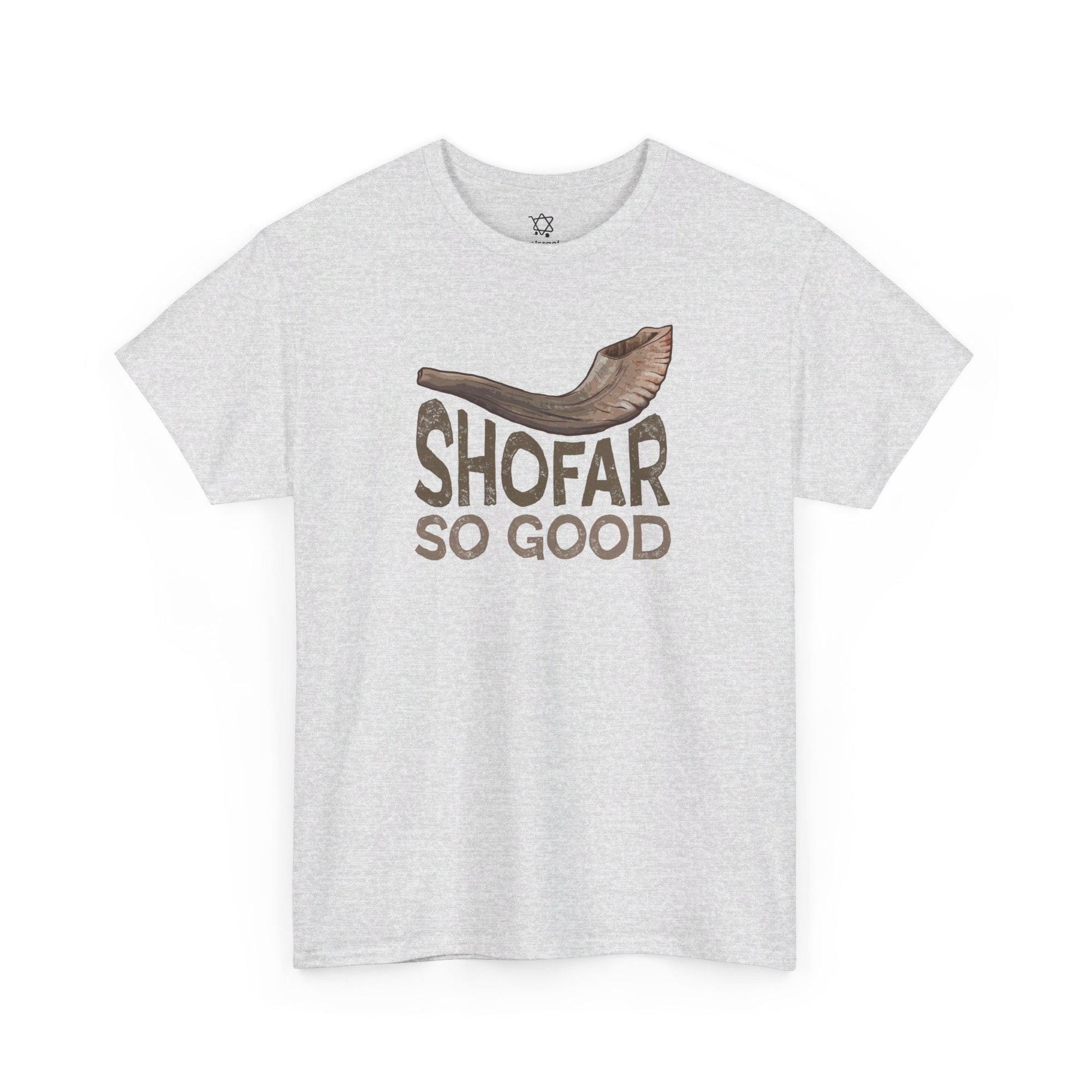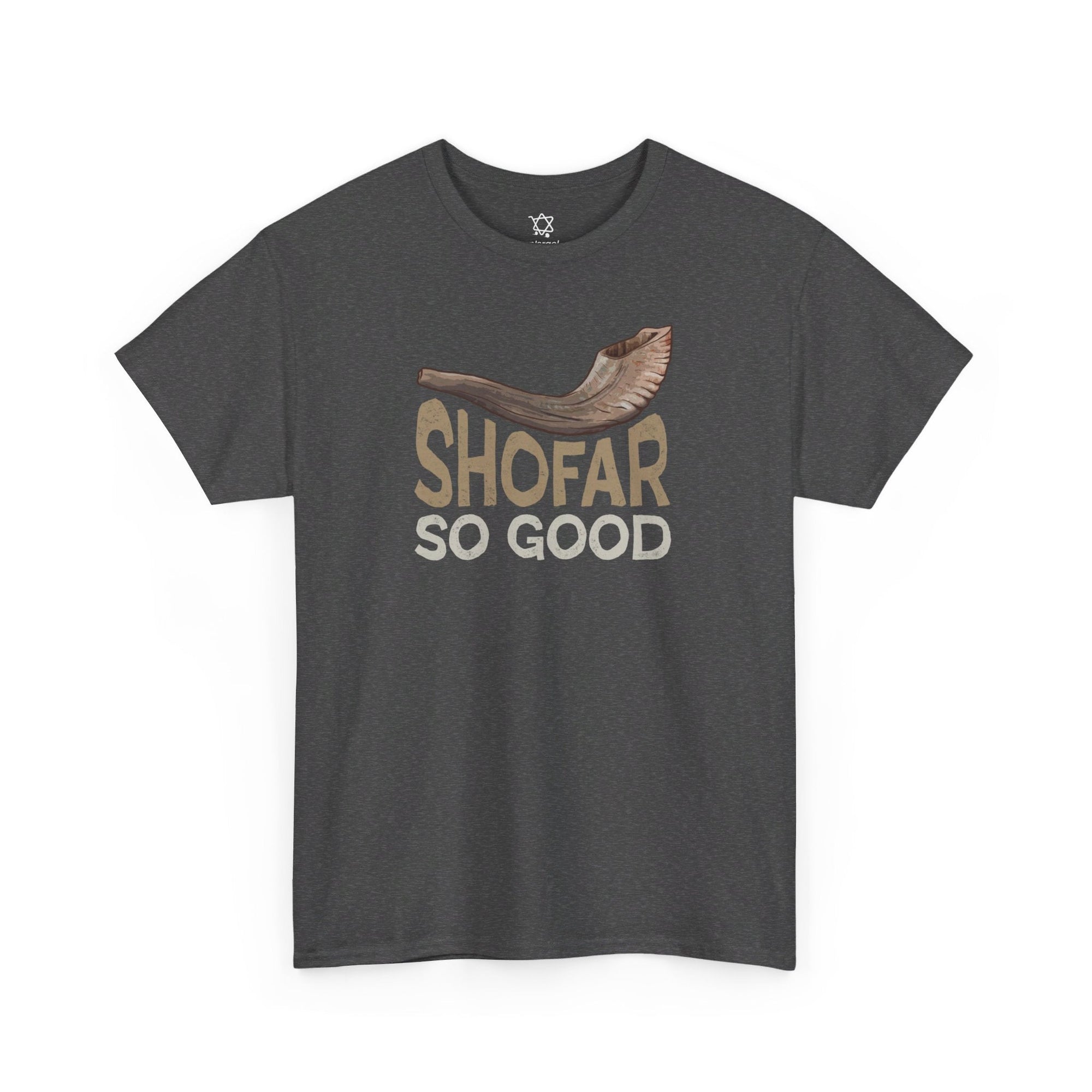


Short answer: Israel-inspired fashion in 2026 blends recognizable Jewish symbols, the Star of David, chai, and hamsa, with everyday streetwear and jewelry, and demand for these pieces has grown sharply and stayed strong since the October 7, 2023 attacks. What started as a wave of solidarity buying has become a lasting style category, showing up in real retail sales data and on the runway at a revived Tel Aviv Fashion Week.
A trend that grew out of solidarity, not just style
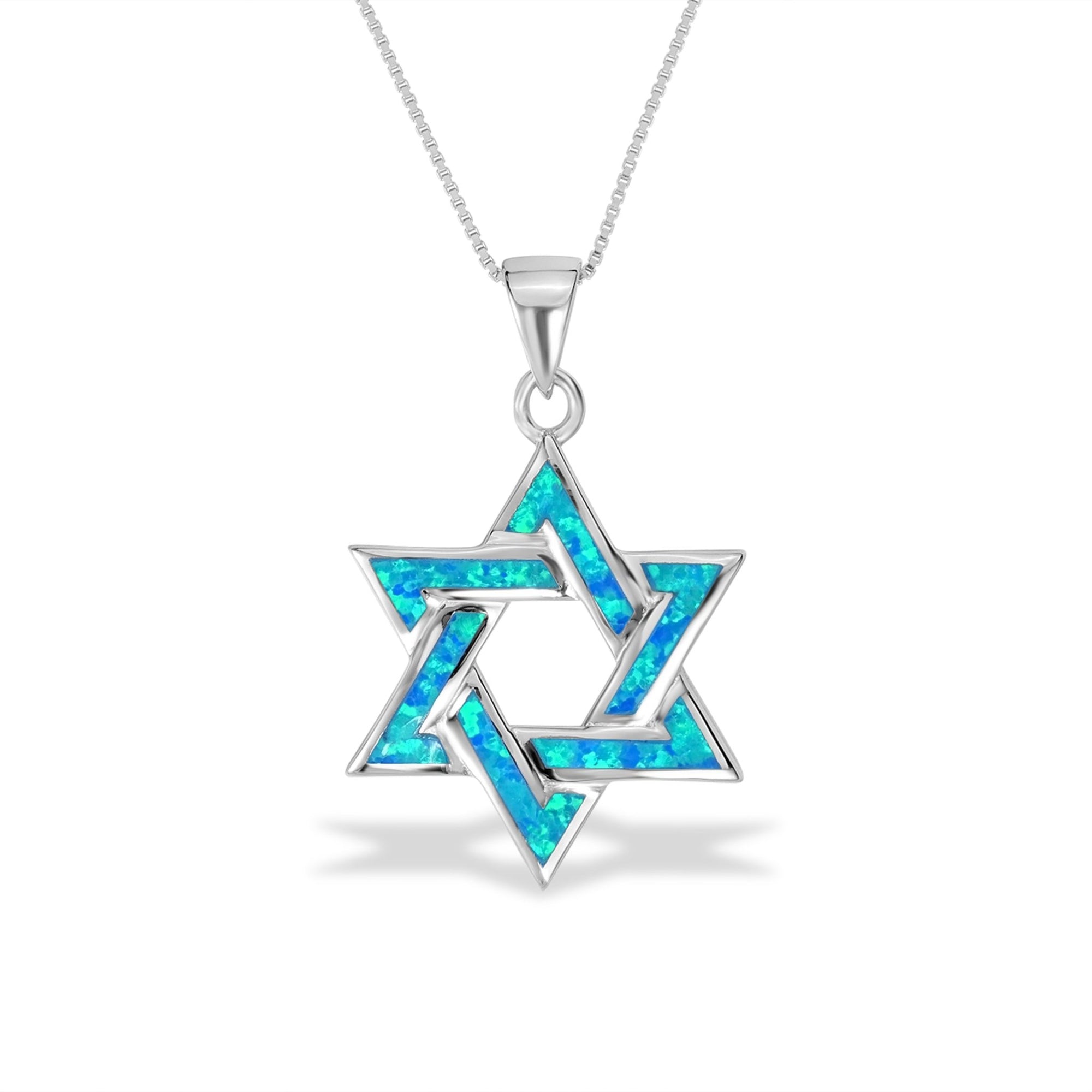
The clearest evidence for this trend is not a marketing claim, it is sales data. After the October 7, 2023 Hamas attacks on Israel, demand for Star of David and other Jewish-identity jewelry rose sharply across the US and UK, worn as a visible show of solidarity and pride rather than fear, according to The Jewish Chronicle. UK jeweler Aurum + Grey reported a 600% increase in Star of David pendant sales, and D&M Cohen Jewellers in Temple Fortune, north London, saw a 300% jump in chai and Magen David necklace sales in the months after October 7. A separate Borehamwood jeweler, Nelken Jewellers, reported a similar 300% rise in demand for the same pieces. A new "Stars of Strength" necklace line sold 100 units within 24 hours and raised more than £10,000 for an Israel-linked charity, a pattern independently confirmed by Jewish News UK.
That surge has not faded into a passing moment. Two years later, the category has matured into its own corner of the fashion world. Tel Aviv Fashion Week returned after a two-year hiatus, running October 26 to 30, 2025, with 28 runway shows from Israeli designers including Vivi Bellaish, Alon Livne, and Alembika. Founder Moti Reif described the event as a platform for "hope, culture, and vision," per The Jerusalem Post, a signal that Israeli fashion is being recognized as a genuine design scene, not only a solidarity purchase.
What the symbols actually mean
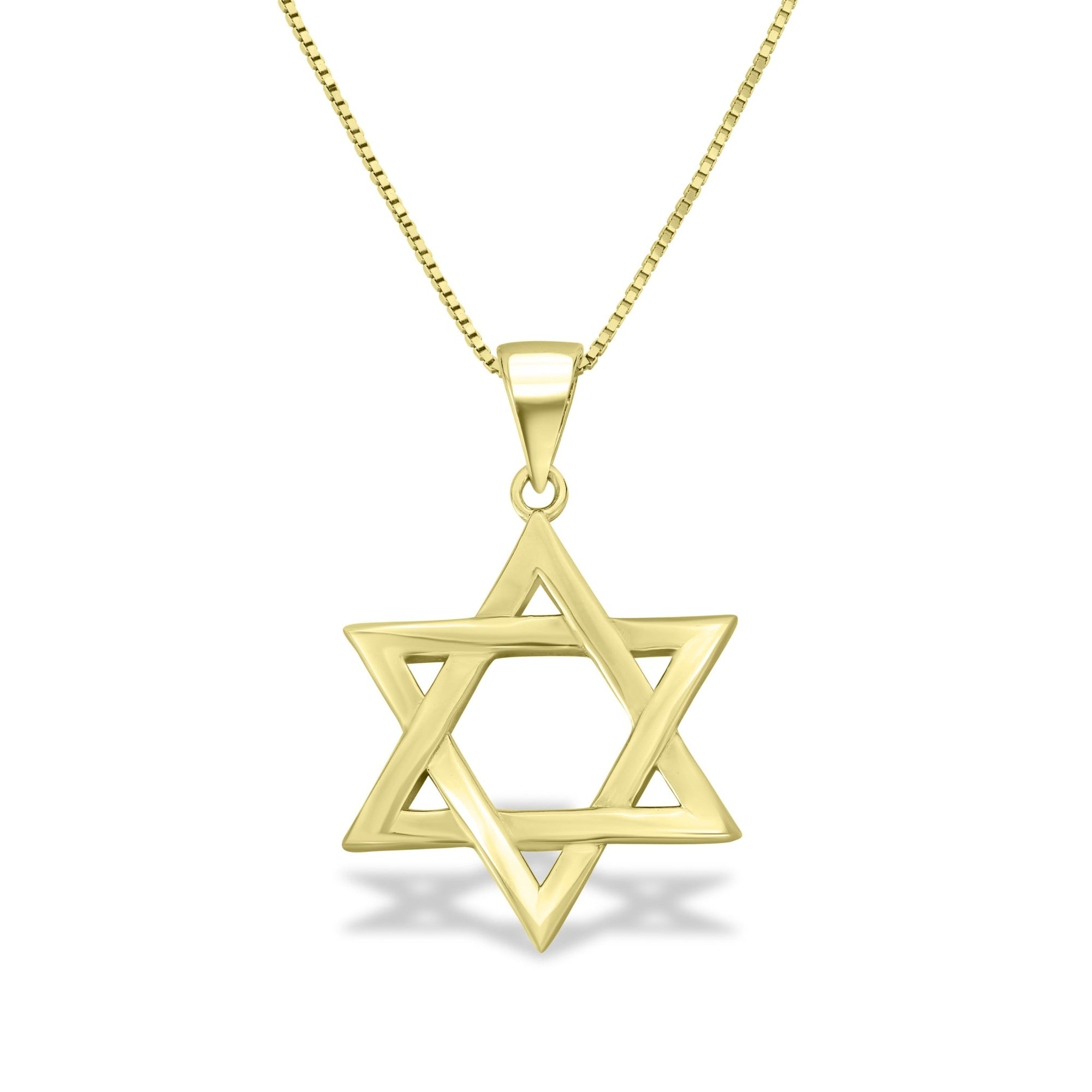
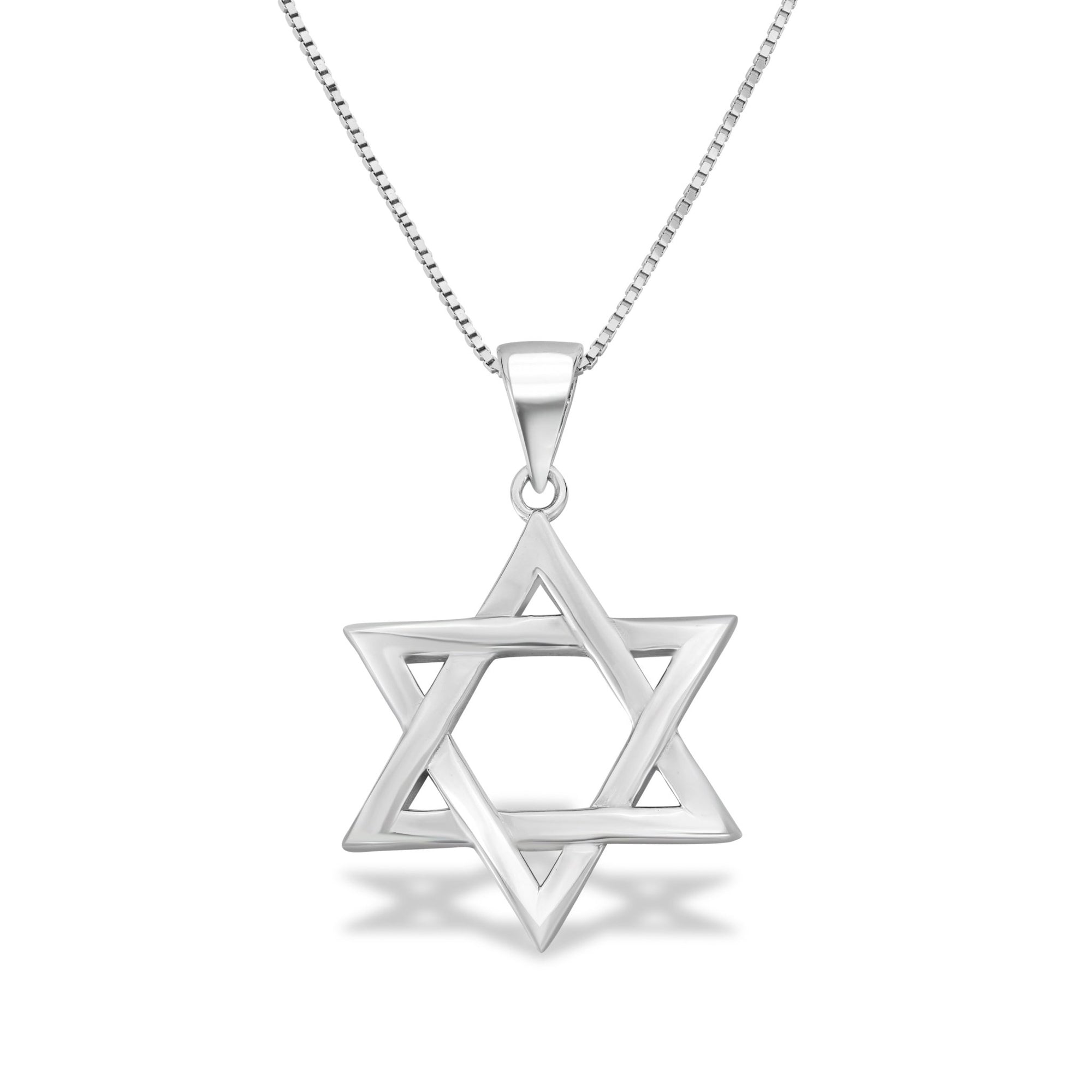
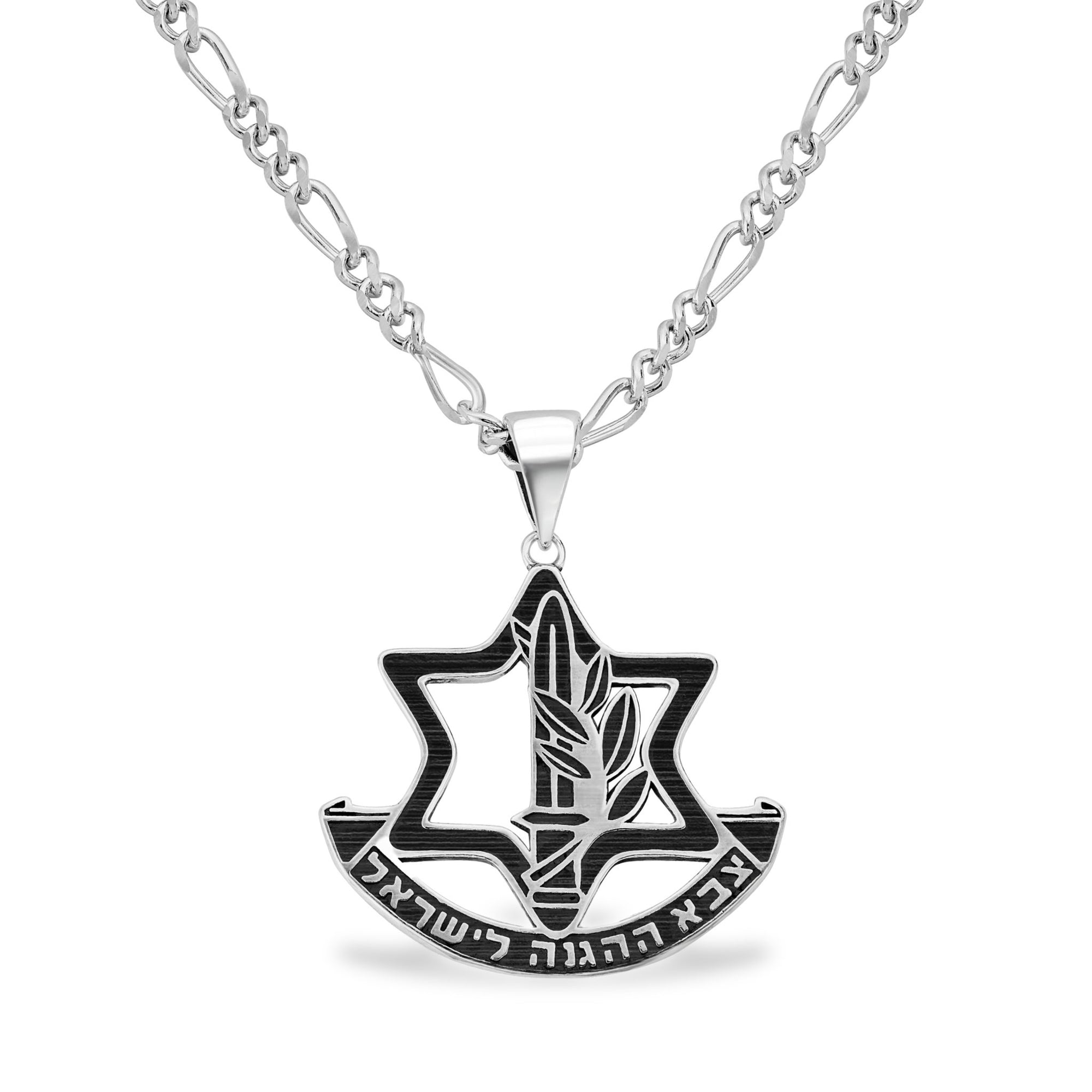
Part of what makes these pieces feel meaningful rather than generic is that each symbol carries real history. The Star of David (Magen David, or "Shield of David") is formed from two interlocking triangles; its six points are traditionally read as representing God's presence in every direction. It became the central emblem of Jewish identity especially from the 19th century onward, according to Rafael Jewelry, and today it functions as a way to signal heritage, pride, and connection to Israel at a glance.
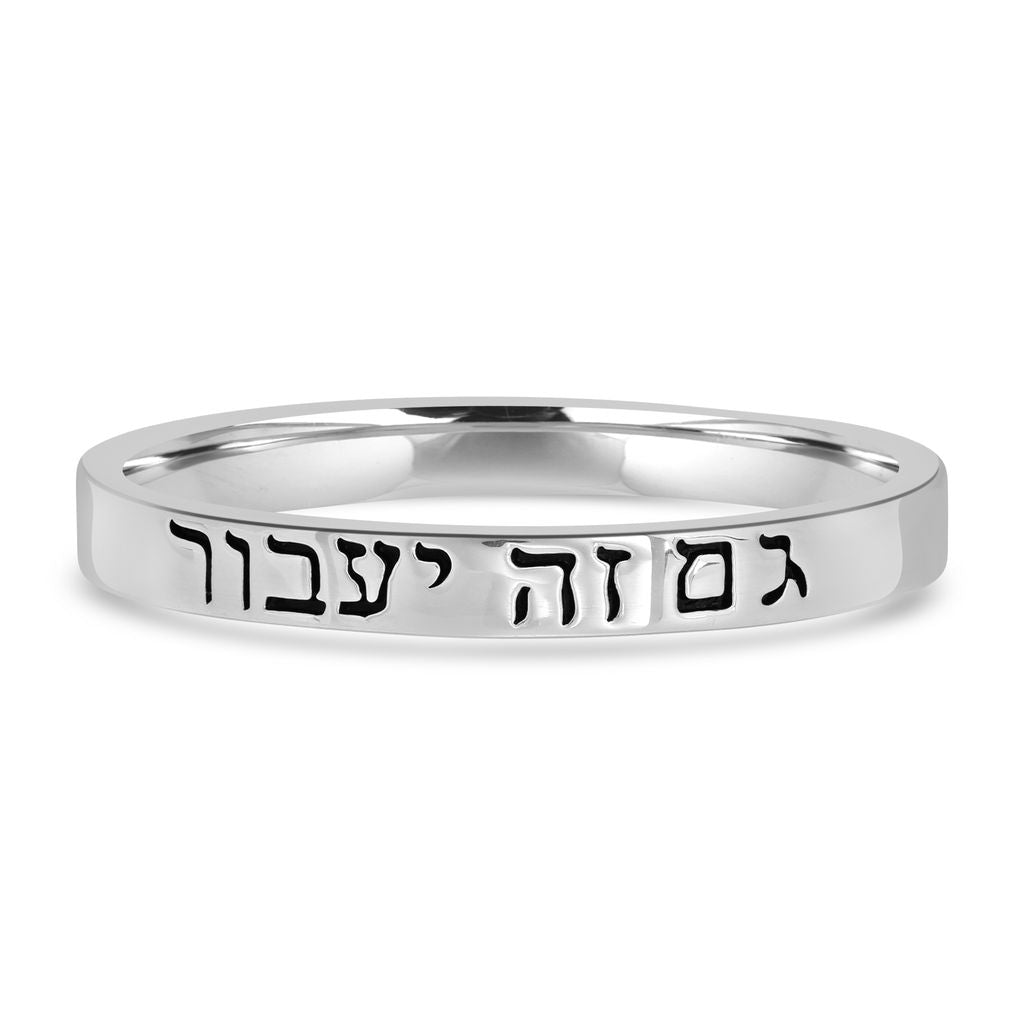
"Chai" (חי), the Hebrew word for "life," is spelled with the letters chet and yud and is one of the oldest and most common symbols in Jewish jewelry, tracing back to at least medieval Spain, per My Jewish Learning. Its numerical value is 18, which is why gifts and charitable donations are so often given in multiples of 18, a small detail that gift-givers can use intentionally.
The hamsa, an open-palm design, comes from the Arabic word "khamsa," meaning five, and is worn across Judaism, Islam, and other faiths as protection against the "evil eye." A downward-facing hamsa, the most common form on pendants, is associated with inviting in kindness and good fortune, according to Faruzo. Knowing the story behind a piece is often what turns it from decoration into something worth wearing every day.
Where the designers are taking it next
Beyond the jewelry counter, Israeli designers are folding heritage into contemporary silhouettes in a few distinct lanes. Chana Marelus, based in Tel Aviv, specializes in modest bridal and evening wear that blends Orthodox-influenced silhouettes with current tailoring. On the sustainability side, designer Dana Cohen's "Worn Again" collection is built from salvaged textile waste, shredding and felting discarded knits into new, monochromatic fabric, an approach that has since carried into later collections shown at Tel Aviv Fashion Week and exhibited at the Israel Museum. Together these approaches show a fashion scene that is combining identity, craft, and resourcefulness rather than leaning on any single formula.
Building the everyday version of the look
Most people are not shopping a runway collection, they are looking for a piece they can wear daily that says something true about who they are. That is the gap the best Israel-inspired jewelry and apparel fills: a Star of David necklace for the office, a chai pendant layered under a t-shirt, or a hamsa charm on a bracelet that quietly carries centuries of meaning. Shop Israel's Star of David jewelry collection gathers exactly this kind of everyday piece, from delicate pendants to rings, so the symbolism above translates into something you can actually put on and wear.
Related
- Symbolism Behind Israeli Jewelry Designs You Should Know
- Israel-Themed Fashion Trends You Should Watch This Year
- Incorporating Israel-Themed Accessories Into Your Daily Look
Last updated July 2026.