

Short answer: "Celebrating Israeli Culture through Handcrafted Jewelry" is not a person or a single event, it is a living tradition: handmade Jewish and Israeli jewelry rooted in biblical symbolism and carried forward by immigrant artisan communities, chiefly Yemenite and Moroccan Jewish silversmiths along with Russian Jewish craftspeople. Since October 7, 2023, pieces like the Star of David and yellow-ribbon jewelry took on new meaning as expressions of solidarity, and with the hostage crisis now concluded, that chapter has shifted from active campaign to memorial.
Where the tradition comes from
The clearest biblical touchstone for Israeli jewelry design is the Hoshen, the High Priest's breastplate described in the Book of Exodus: a rectangular garment set with twelve precious stones, each inscribed with the name of one of the twelve tribes of Israel, worn by the Kohen Gadol during Temple service (Chabad.org). That image recurs constantly in modern Judaica and jewelry design, though it functions as a source of inspiration and symbolism rather than an unbroken craft lineage from ancient times to today.
The documented modern story is one of immigration and craft transmission. Jerusalem's Bezalel School of Arts and Crafts, founded in 1906, built a Filigree Silver Department in 1908 around Yemenite Jewish silversmiths, who had been bringing intricate filigree and stone-setting techniques into the country since the late nineteenth century (Derfner Judaica Museum). Israel is today the only place in the world where those specific traditional Yemenite silversmithing methods are still actively practiced (Judaica Webstore Blog).
A blended immigrant craft heritage
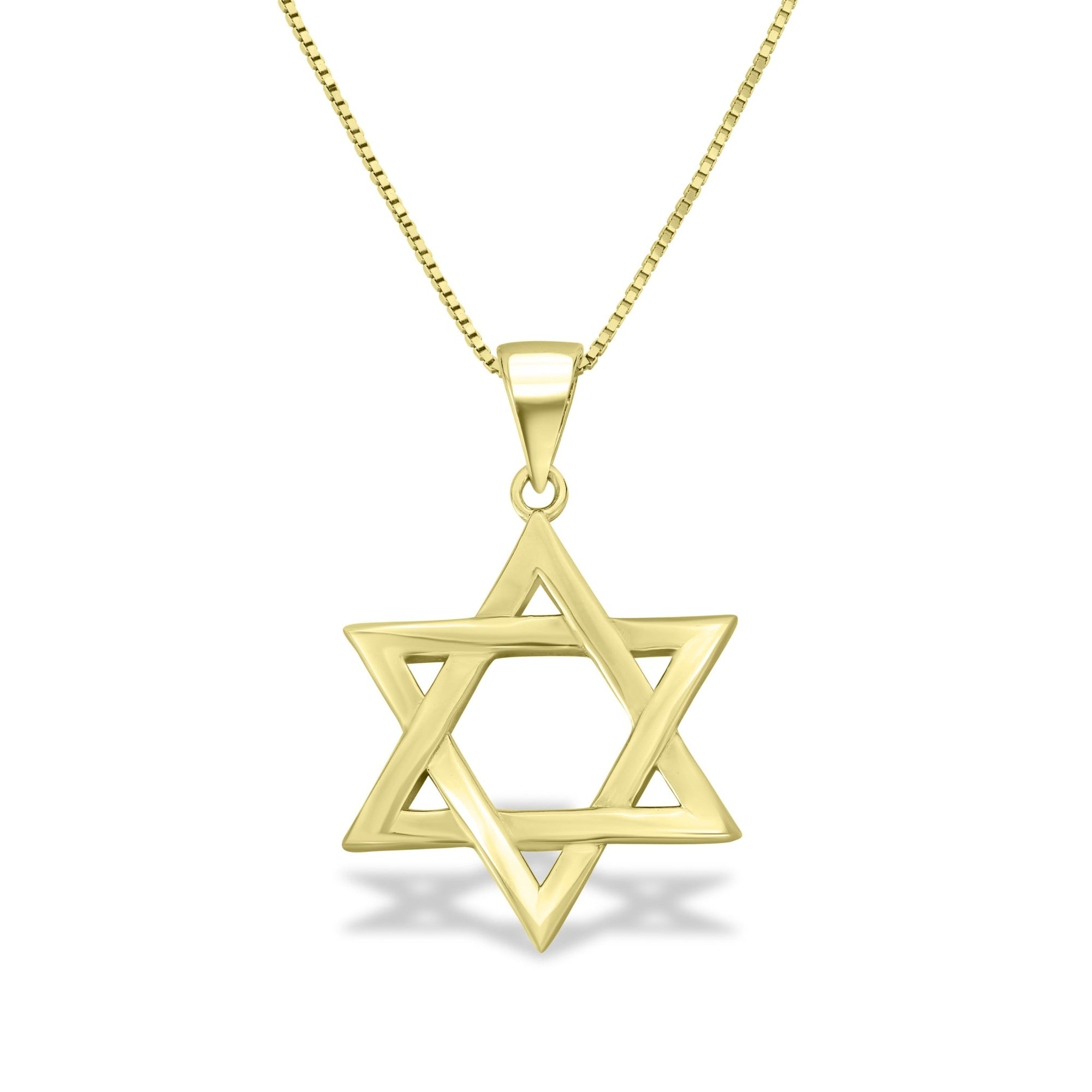
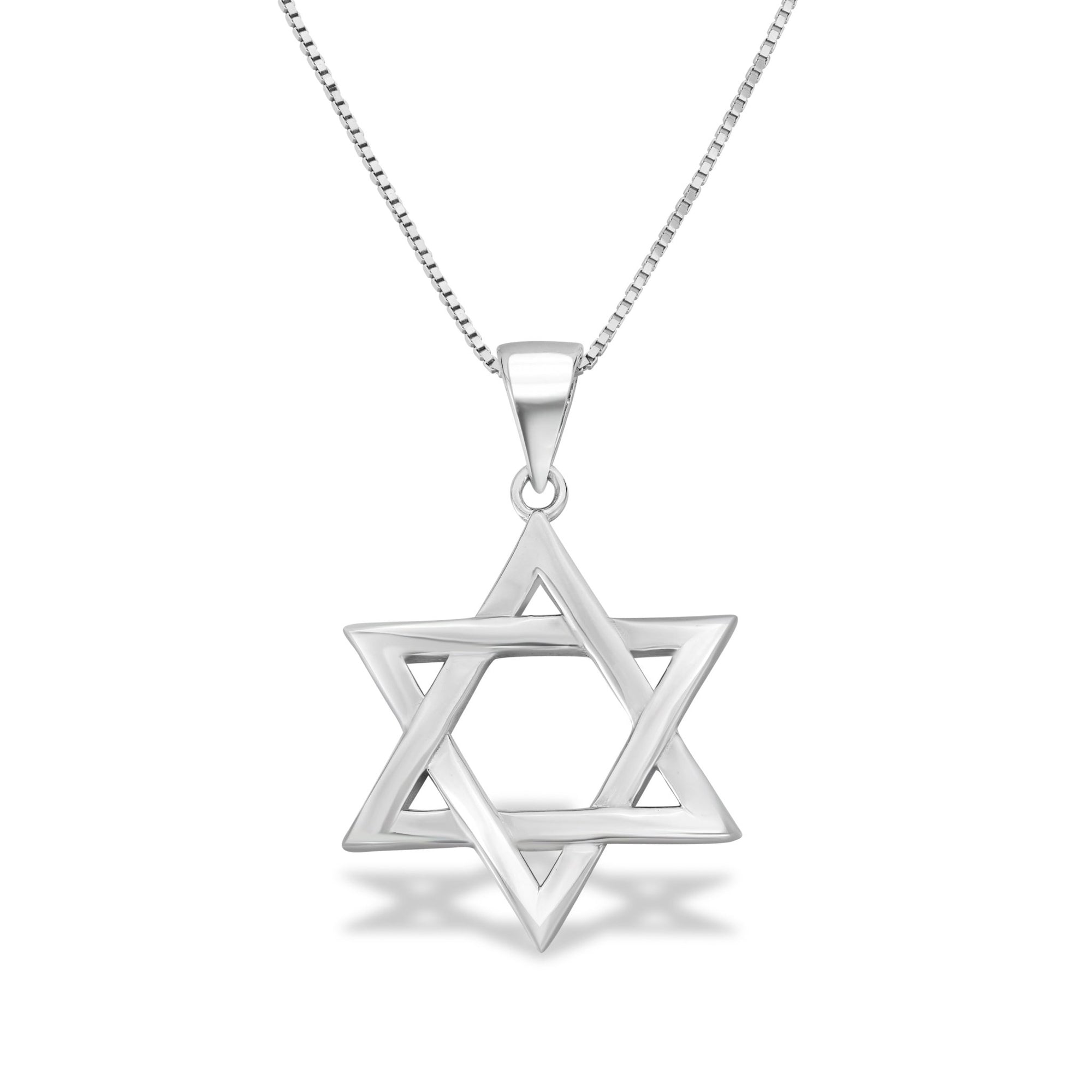
A parallel thread runs through Moroccan Jewish silversmiths, who for generations held a near-monopoly on filigree work in Morocco. As roughly 250,000 Moroccan Jews emigrated in the mid-twentieth century, many mostly to Israel, they carried that craft heritage with them, and it continues to shape Israeli jewelry making today (MyTindy; Little Moroccan Things). Russian Jewish immigrants, particularly through the large waves of Soviet and post-Soviet aliyah, added their own decorative and metalworking sensibilities to the mix, contributing to what is a genuinely blended, immigrant-built craft tradition. Central Jewish symbols recur across it: the Star of David (Magen David), the hamsa, an open-hand protective symbol shared across Middle Eastern cultures and not exclusive to Judaism, and chai, the Hebrew word for "life."
Those symbols took on heightened resonance after the October 7, 2023 Hamas attack, when demand for Star of David and other Jewish-identity jewelry spiked sharply. The California retailer Jewelry Judaica reported sales up 450 percent in the following two months, 85 percent of it Star of David pieces, per the Forward, with several brands directing proceeds to Israeli relief organizations (Glossy; Forward). Yellow ribbons and "Bring Them Home" dog-tag necklaces became a widely worn form of that solidarity through 2024 and into 2025. That chapter now has a clear endpoint: the October 2025 ceasefire brought home the last living hostages, and by January 2026 the remains of the final hostage had also been returned (The Jerusalem Post). Many wearers have since retired their yellow-ribbon pins, though with mixed feelings, some preserving them as keepsakes or attaching them to Torah covers as memorials rather than setting them aside entirely.
Bringing that heritage into everyday jewelry
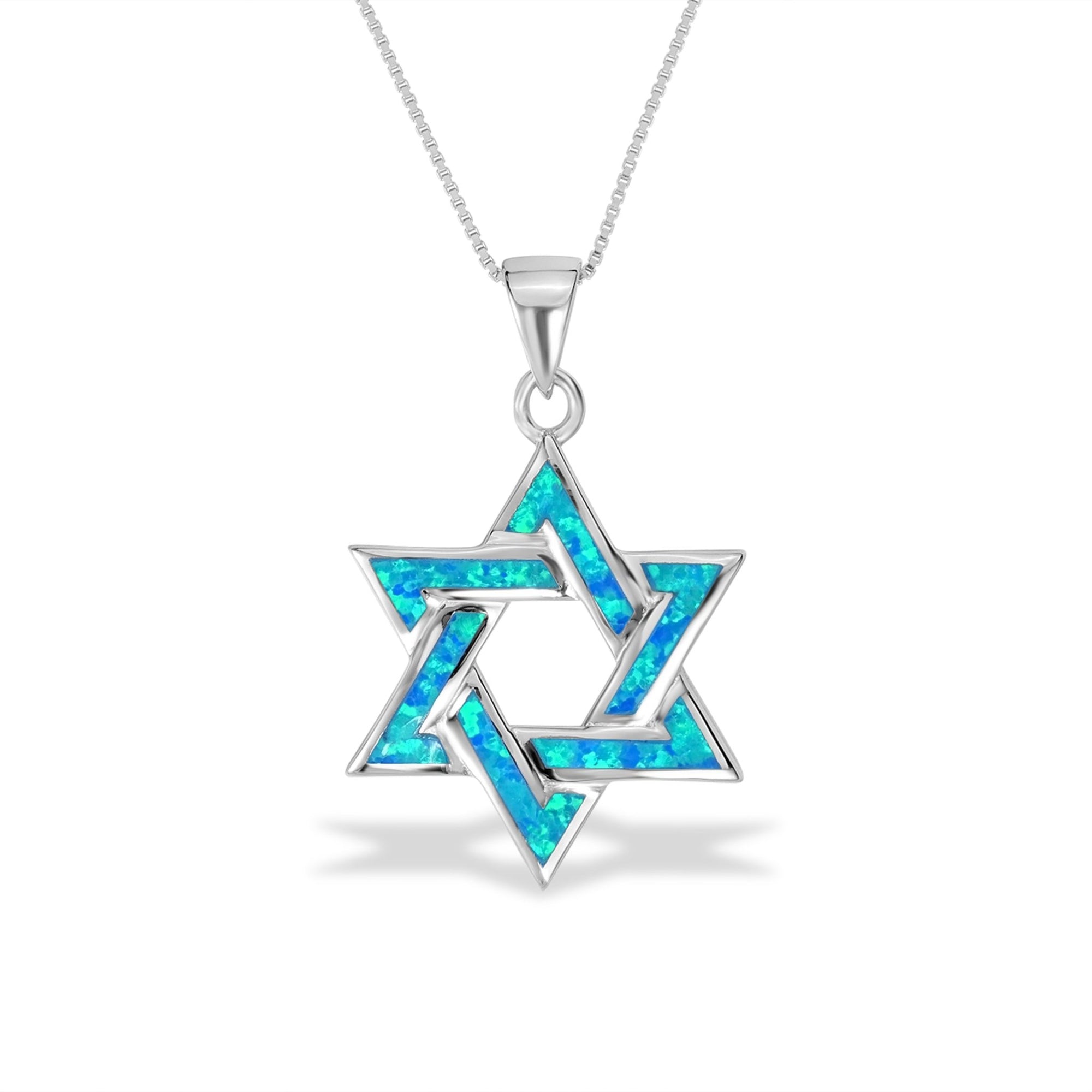
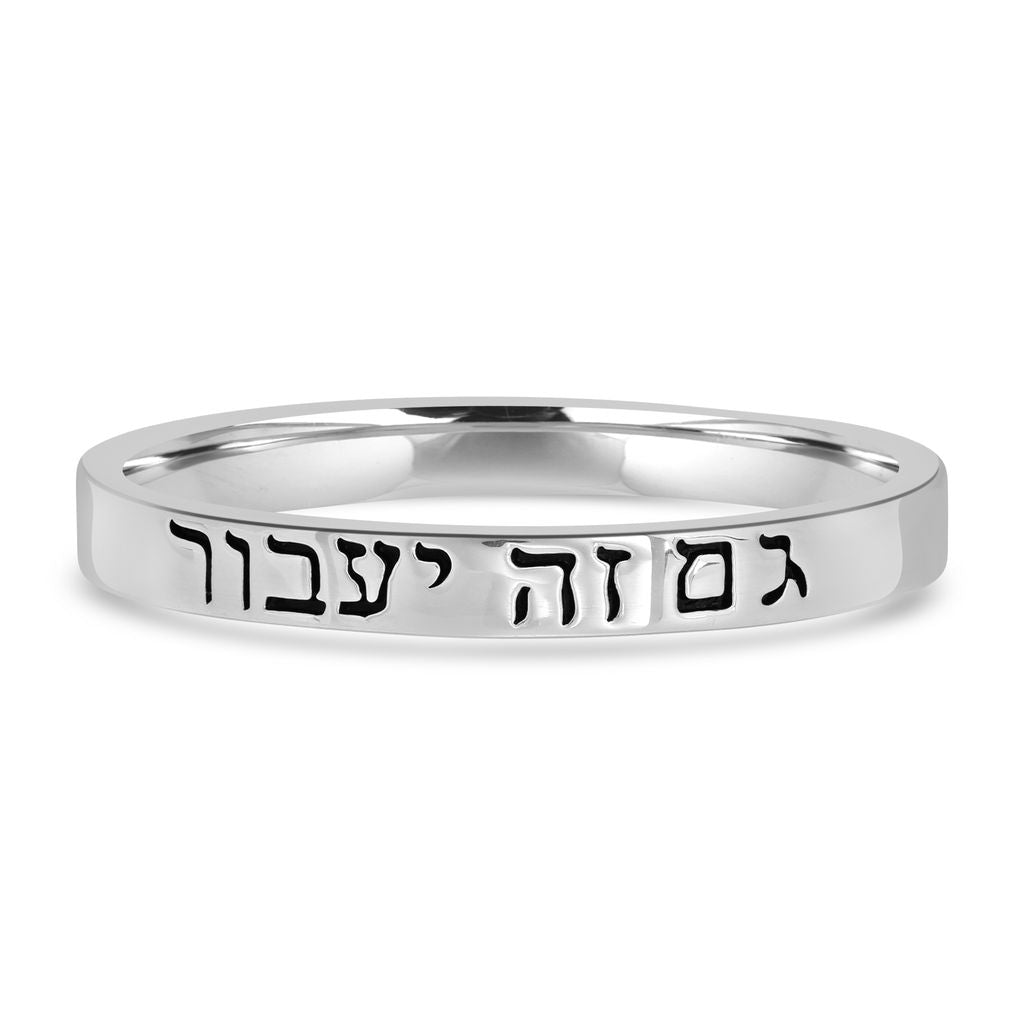
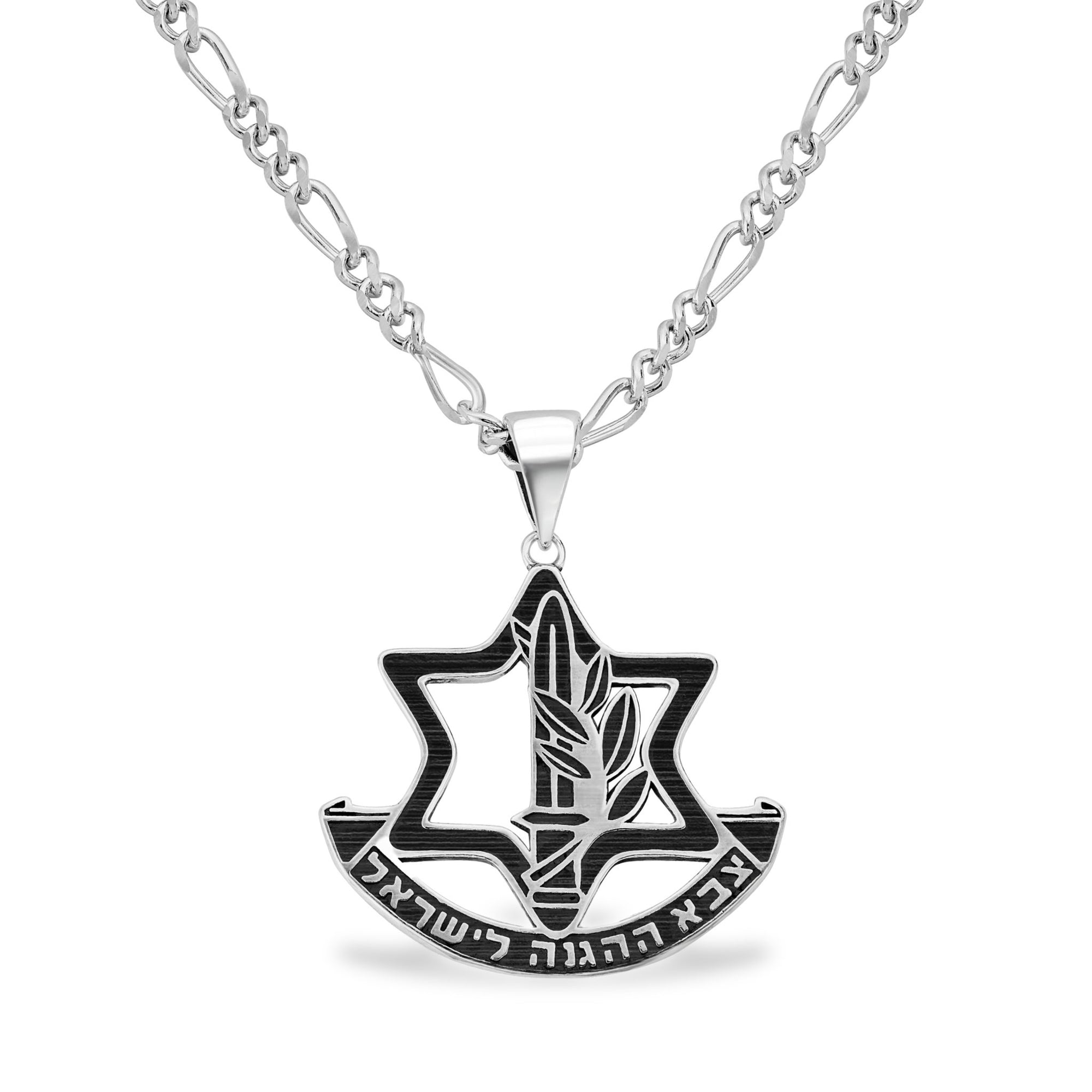
That same immigrant-craft lineage and symbolism, the Star of David, the hamsa, the Hoshen's twelve-stone imagery, shows up in wearable pieces designed for daily life rather than museum cases. The Star of David jewelry collection carries that symbolism forward in everyday pieces, including the Shalom Star of David Necklace, for anyone who wants to carry a piece of that heritage rather than just read about it.
Related
Jewelry Designs That Reflect Israeli Culture and HeritageCrafting Jewelry Inspired by Israel's Rich Cultural Heritage
Israeli Cultural Symbols Popular in Handmade Jewelry
Last updated August 2026.