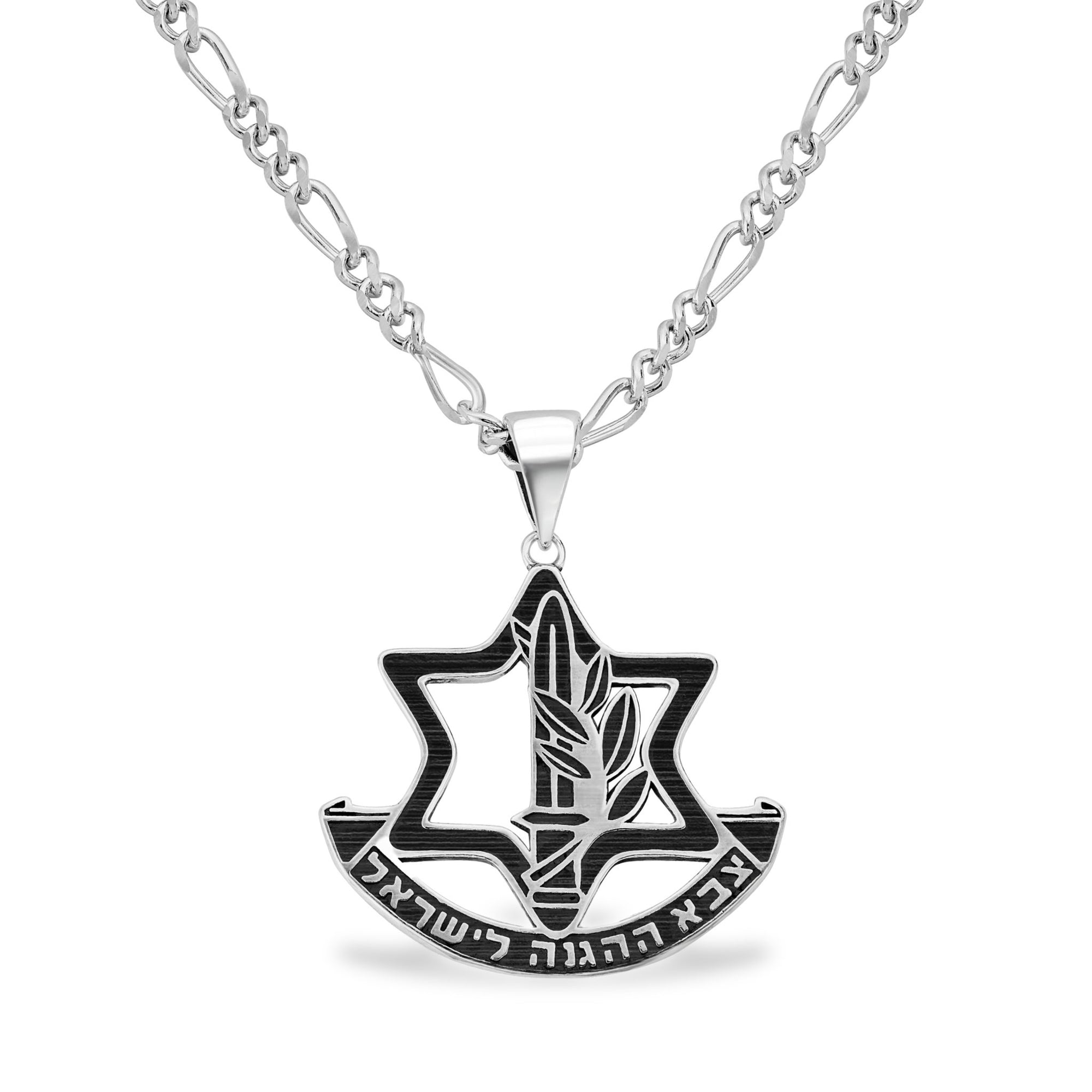


Short answer: Israeli jewelry design draws on two layered sources: biblical and Judaic symbolism (the Star of David, Hamsa, Chai, Mezuzah, and the twelve-stone Choshen breastplate) and historic craft traditions carried into the country by Jewish immigrants, most notably the Yemenite filigree and granulation silversmithing that arrived during the 1949-50 mass immigration and survives today almost nowhere else.
The symbols behind the craft
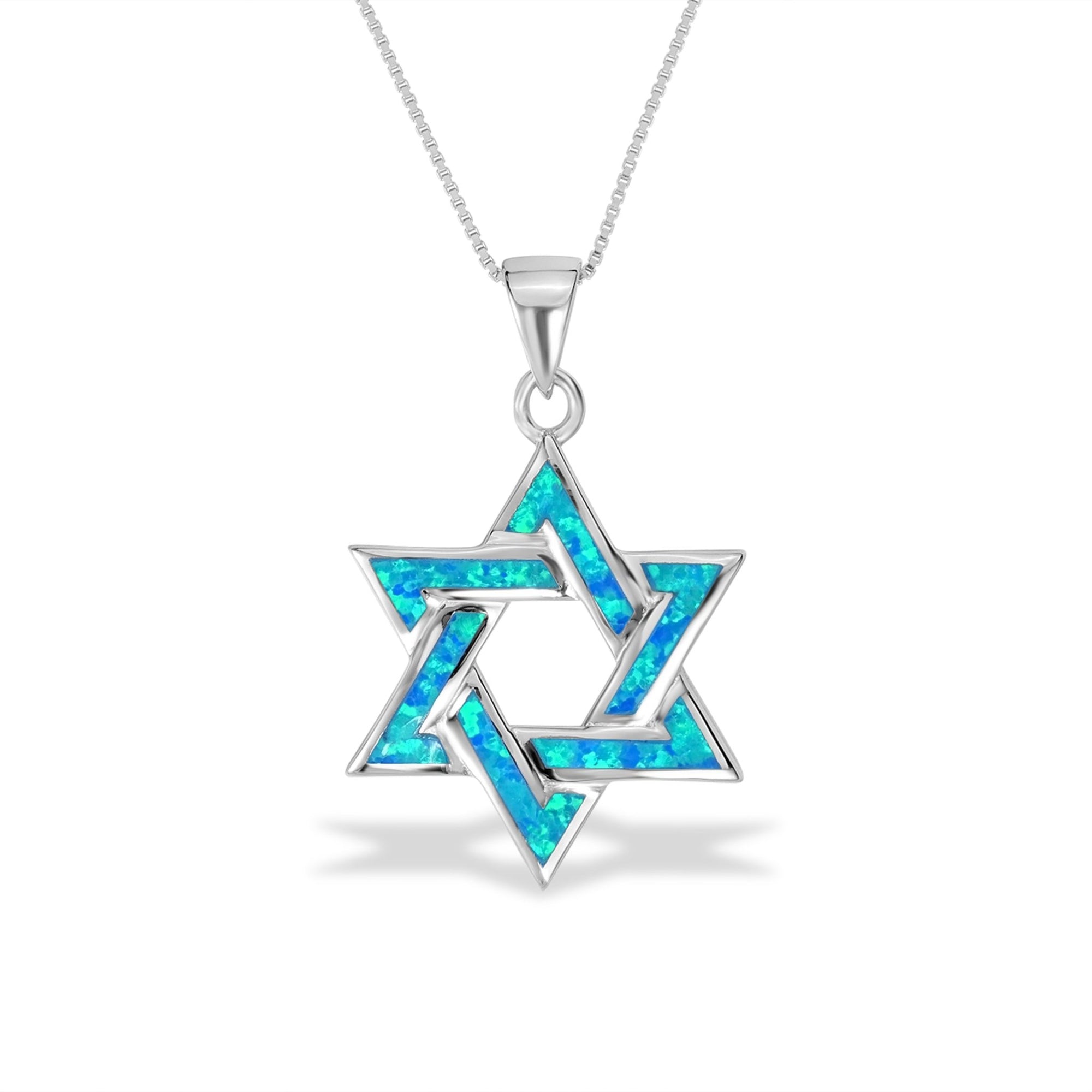
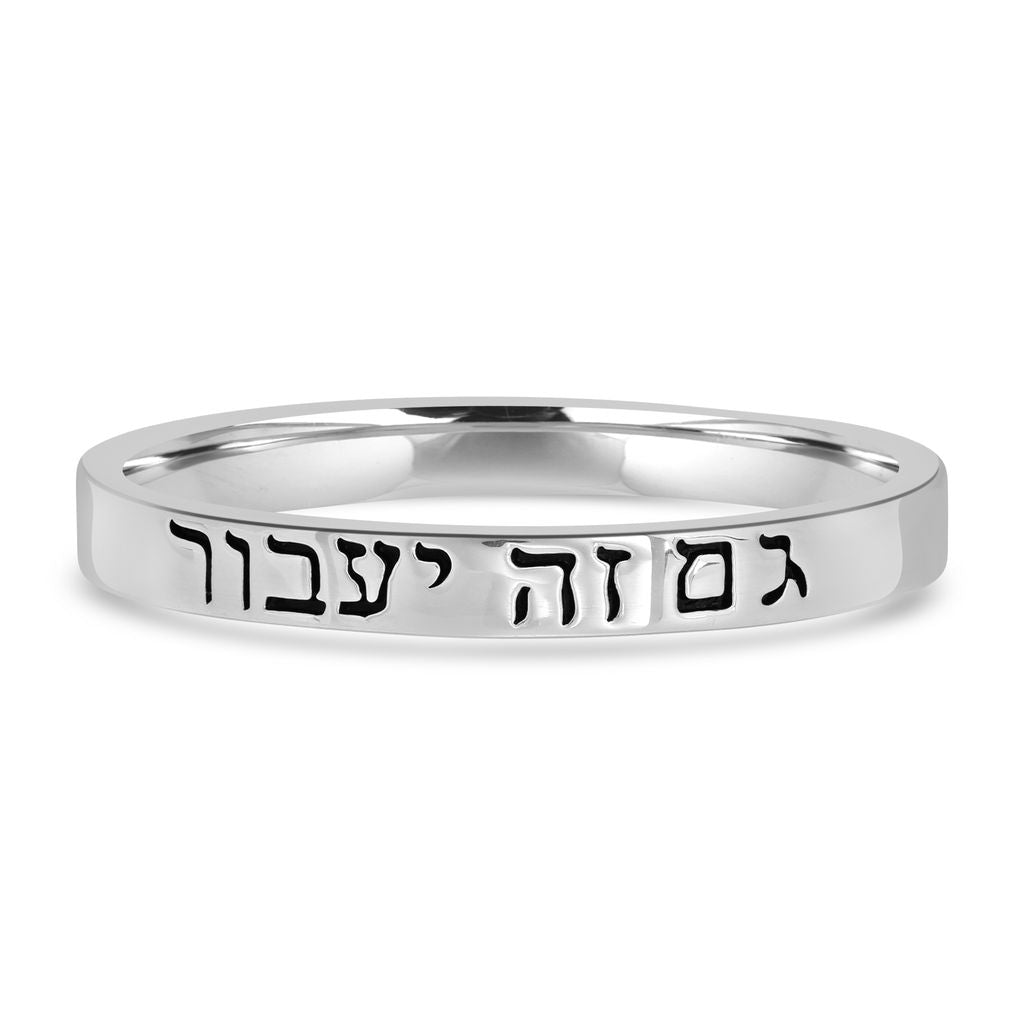
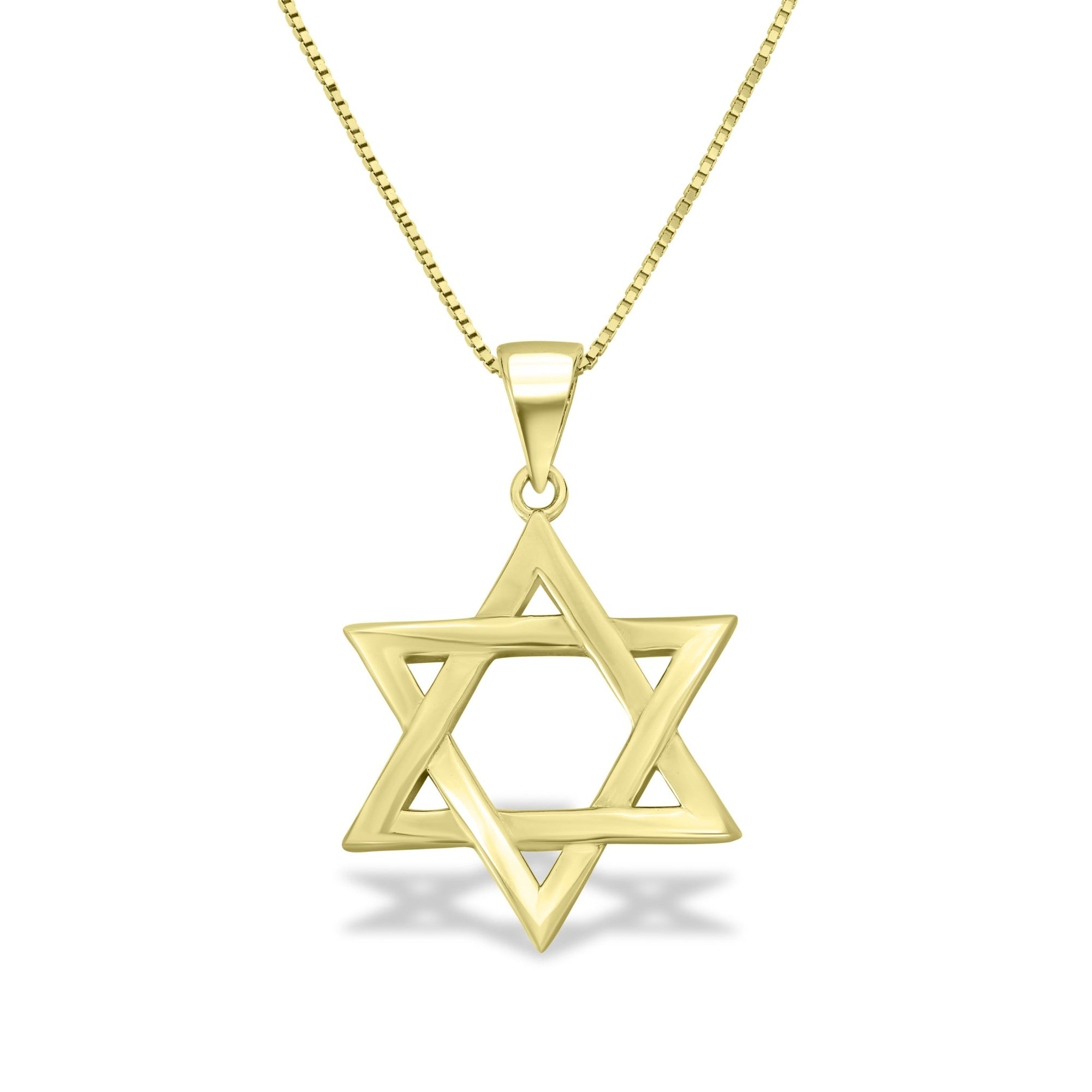
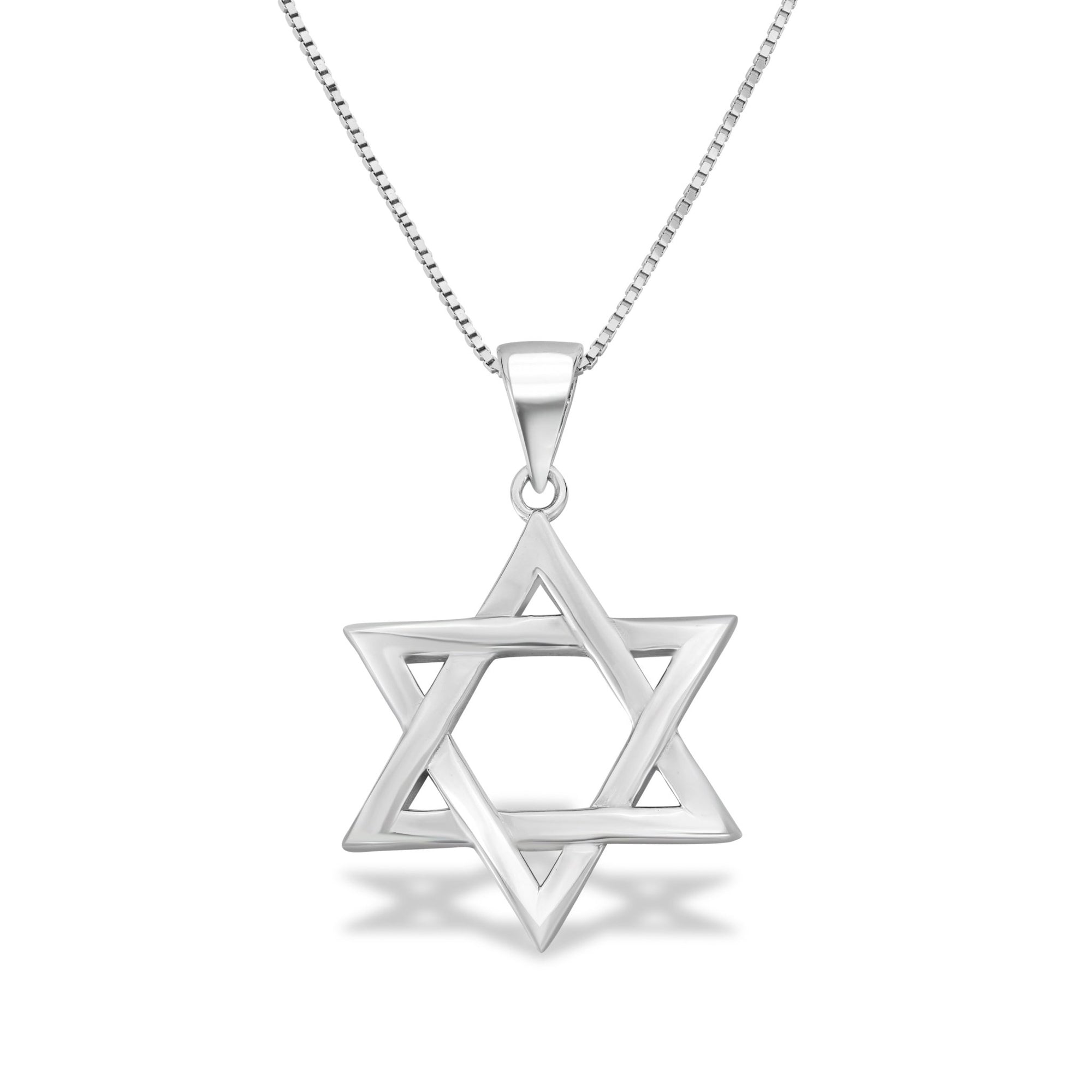
Much of what reads as distinctly "Israeli" in a piece of jewelry traces back to biblical and traditional sources rather than modern design trends. The Star of David (Magen David) marks Jewish identity. The Chai letters spell out the word for "life." The Hamsa hand is worn as a symbol of protection. The Mezuzah scroll motif references the parchment placed on Jewish doorposts. The Choshen, the priestly breastplate described in Jewish tradition, carried twelve stones representing the twelve tribes of Israel, and that image still shows up in contemporary pieces set with multiple gemstones. Olive branches and pomegranates round out the vocabulary, drawn from the land itself and from Hebrew scripture, standing for peace and fertility. According to Judaica Webstore's rundown of these designs, this symbol set is what gives Israeli jewelry its recognizable identity, whatever the specific technique used to render it.
A craft that nearly vanished
The technique most closely tied to Israeli jewelry heritage is Yemenite silversmithing, built on the signature styles of two rival silversmith dynasties. The bawsani style, named for master Harun Bawsani, is known for fine filigree, where silver wire is twisted and soldered into lacework patterns. The badihi style, named for Yahya Badihi, is known for granulation, where tiny silver beads are fused onto a surface to form texture and detail. This craft did not originate in Israel. It came with the sayegh, the traditional silversmith families of Yemen's Jewish community, who emigrated almost in full during Operation Magic Carpet in 1949 and 1950. The generation that followed increasingly moved out of the craft as Israel industrialized, according to Judaica Webstore's history of the craft, a detail corroborated by artisan accounts at Yemenite-Art.com. That history compounds an already narrow craft: Judaica Webstore describes Israel today as the only place in the world where artisans still practice traditional Yemenite silversmithing, and notes the tradition is now carried by a relatively small number of practitioners. It is not the only immigrant influence on the field. Ogham Jewellery notes that Israeli jewelry trends of the 1930s already blended Western design style with the oriental craftsmanship that large-scale Jewish immigration from Islamic countries brought with it in that era, part of what shaped a distinct national design idiom well before the Yemenite wave of the late 1940s.
Where the story shows up in what's sold today
This heritage framing is not just history, it is actively used in the jewelry market. JTV's Artisan Collection of Israel, for example, markets sterling silver pieces built around these same faith symbols, some set with Roman glass sourced from Israel and described by the retailer as more than 2,000 years old, alongside gold-over-silver and mother-of-pearl detailing. JTV published a 2023 explainer video for the collection describing it as inspired by faith, Israeli symbols, and handcrafted Middle Eastern technique, a reminder that the same story: ancient symbolism plus a craft lineage traced to specific immigrant communities, is still what heritage-driven jewelry brands lean on today. If you want a simpler, everyday way to carry that same symbolism, Shop Israel's Star of David jewelry collection works from the same core symbol set, without requiring a deep dive into filigree technique to appreciate what it represents.
Bring the heritage home
You do not need a museum piece to wear a bit of this story. Shop Israel's Shalom Star of David Necklace puts the same Magen David symbolism described above into an everyday piece, and the wider Hamsa jewelry collection covers the protection symbol referenced throughout this history. Both make a straightforward way to keep these traditions visible day to day.
Related
Israeli Cultural Symbols Popular in Handmade Jewelry The Influence of Israeli Culture on Today's Jewelry Trends Culturally Inspired Jewelry Design from Israeli ArtistsLast updated August 2026.