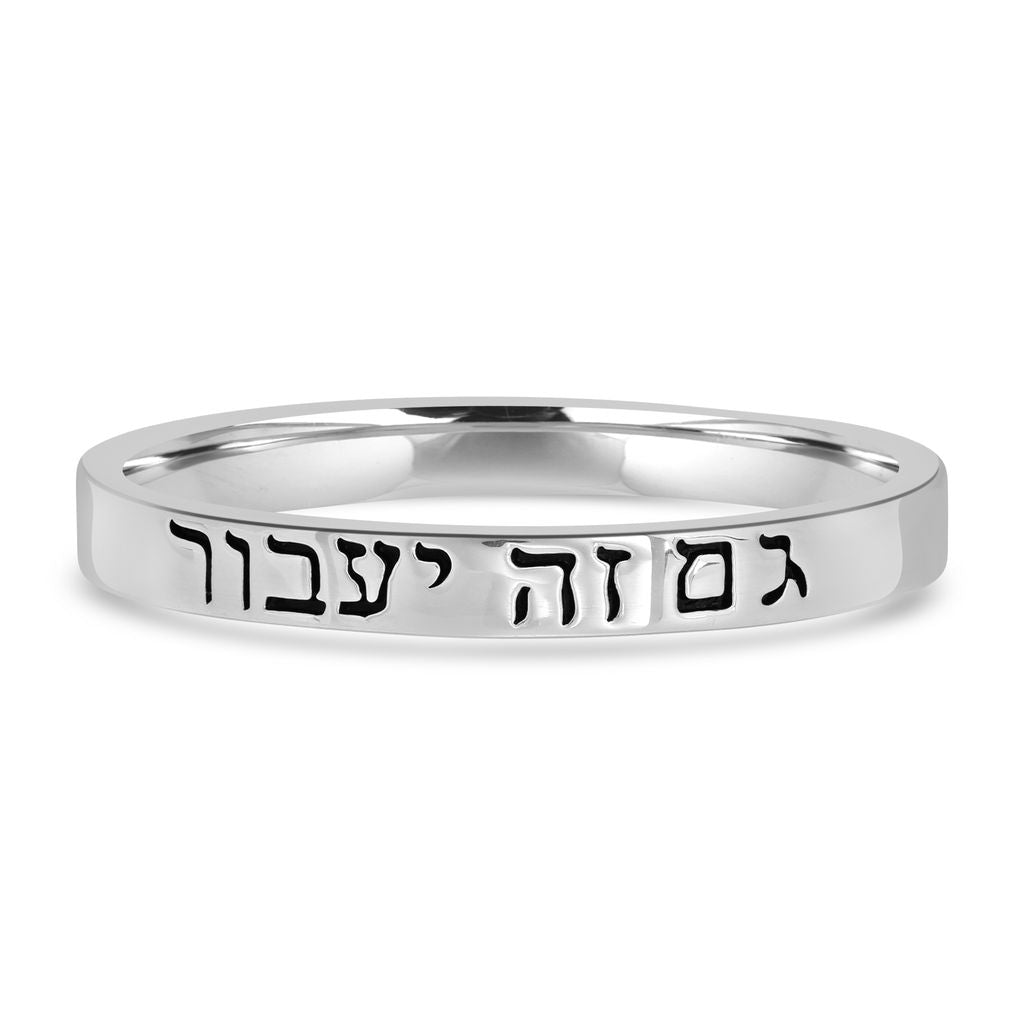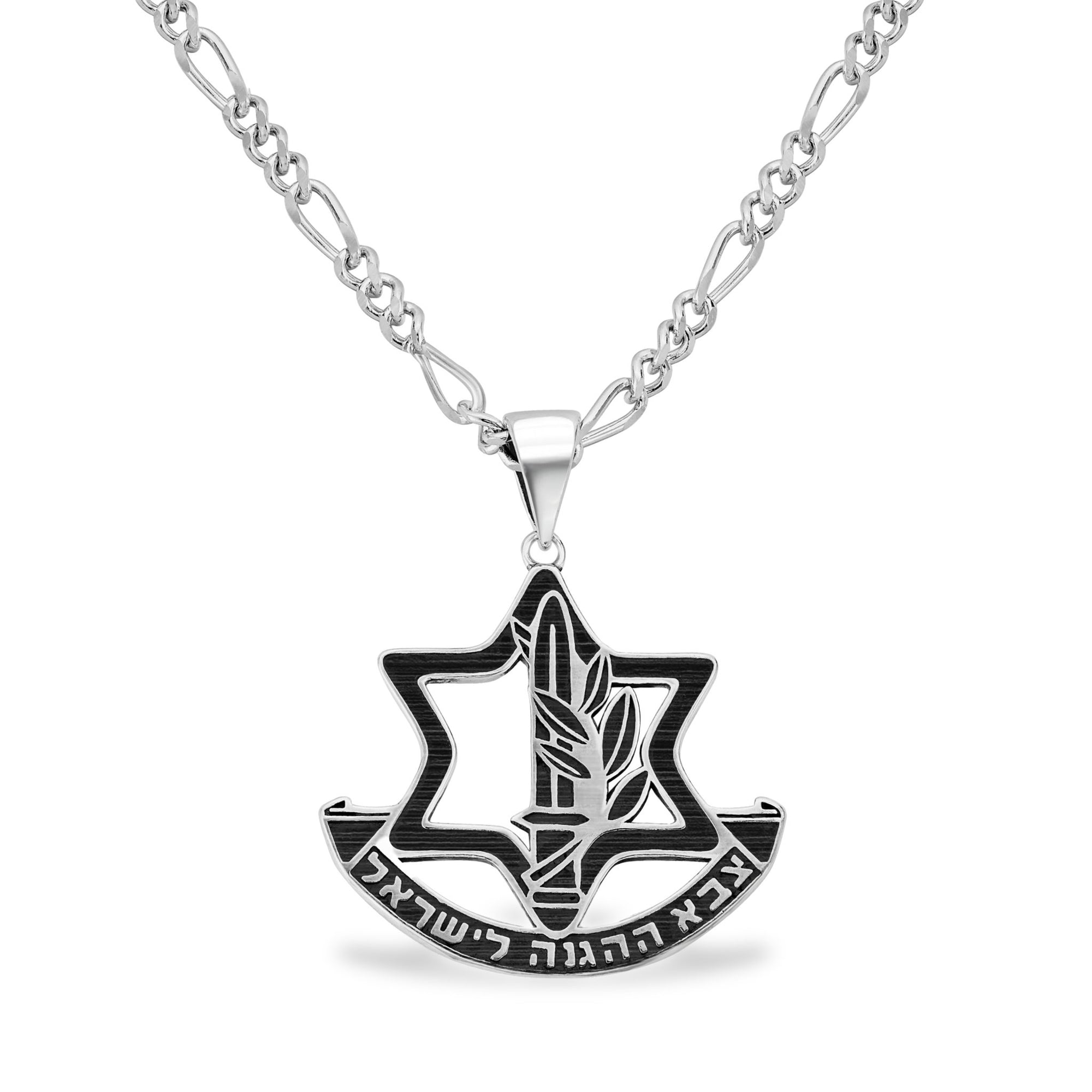


Short answer: Culturally inspired jewelry design from Israeli artists is not a person or a single event, it is a living craft category. Israeli jewelry designers work primarily in sterling silver, gold, and gold filled metals, and they draw on three overlapping sources: materials that come out of the ground in Israel (Roman glass, Jerusalem stone, Eilat stone), a shared vocabulary of Jewish and national symbols (Star of David, Hamsa, Chai, Tree of Life, Pomegranate, Lion of Judah, the Western Wall), and craft techniques carried in by immigrant communities, most notably Yemenite filigree and granulation silversmithing. Formal training runs through Bezalel Academy of Arts and Design in Jerusalem, which has turned out internationally known designers.
Materials with a history: Roman glass, Jerusalem stone, and the kalanit
A lot of what makes this jewelry distinctive is where the raw material comes from. Roman glass pieces sold by Israeli artisans are made from actual glass fragments excavated at archaeological sites in Israel, dating back roughly 2,000 years to when the region was a major Roman era glass producing center. The mineral rich soil and centuries of burial give the glass its iridescent, weathered patina, which is why no two pieces look alike. Jerusalem stone, the pale limestone quarried around the city and used in its architecture for millennia, shows up the same way, as a wearable piece of the place itself.
Motif matters as much as material. One recurring image in Israeli jewelry is the anemone coronaria, known in Hebrew as the kalanit, a red wildflower that carpets Israel's hills in late winter. It was declared Israel's national flower on November 25, 2013, after an online public poll run by the Society for the Protection of Nature in Israel together with Ynet, where it won 28 percent of the vote ahead of the cyclamen and the purple iris. It is a fairly recent official designation, but the flower had already been a folk symbol long before the vote made it formal, which is part of why designers reach for it so often.
Technique carried across a migration: Yemenite filigree
Beyond materials and motifs, some of what defines Israeli jewelry is a technique that survived an entire community's relocation. Between 1949 and 1950, nearly the whole Jewish community of Yemen, including its silversmiths, emigrated to Israel, largely through the airlift known as Operation Magic Carpet. They brought with them two specialized styles named for individual master silversmiths: bawsani filigree, after Harun Bawsani, and badihi granulation, after Yahya Badihi, techniques Yemenite Jewish craftsmen had refined for centuries. Israel remains the main centre where these particular Yemenite silversmithing techniques are still practiced, though formal teaching of the filigree tradition at Bezalel itself lapsed decades ago. Pieces built this way, delicate twisted wirework or clusters of tiny soldered silver beads, are as much a record of that migration as they are ornaments.
Formal jewelry education in Israel centers on Bezalel Academy of Arts and Design in Jerusalem, whose Jewelry and Fashion BFA department explicitly builds its curriculum on what the school describes as local artisanship and time honored crafts such as Judaica and embroidery, merged with contemporary technique. The department has produced designers with real international standing, including Attai Chen, Itay Noy, and Shirley Bar-Amotz, and Bezalel-affiliated graduates continue to pick up recognition, including the Andy Prize 2.0, Bezalel's own in-house award for craft excellence. The tradition is active, not a museum piece.
Bringing that heritage into a piece you can wear
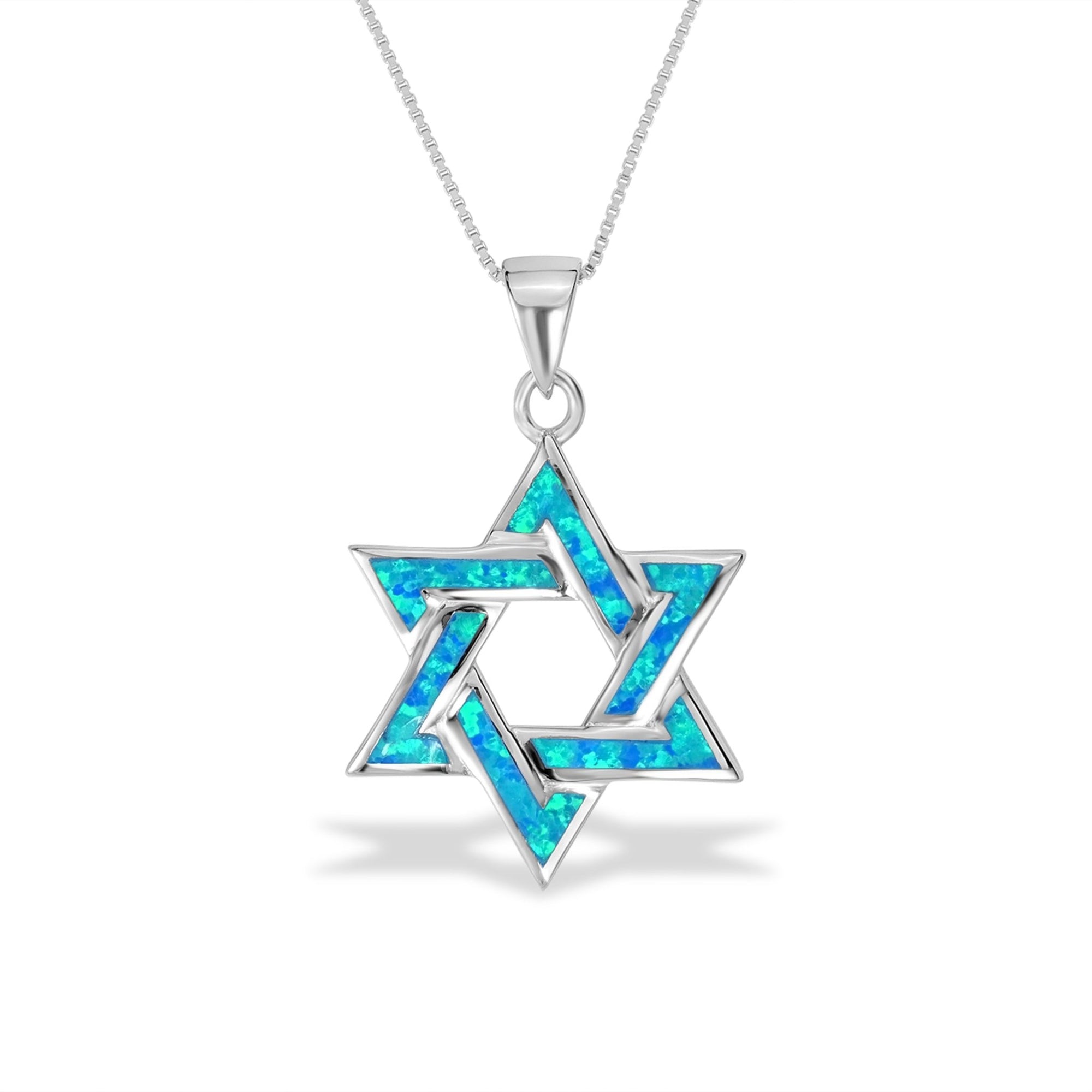
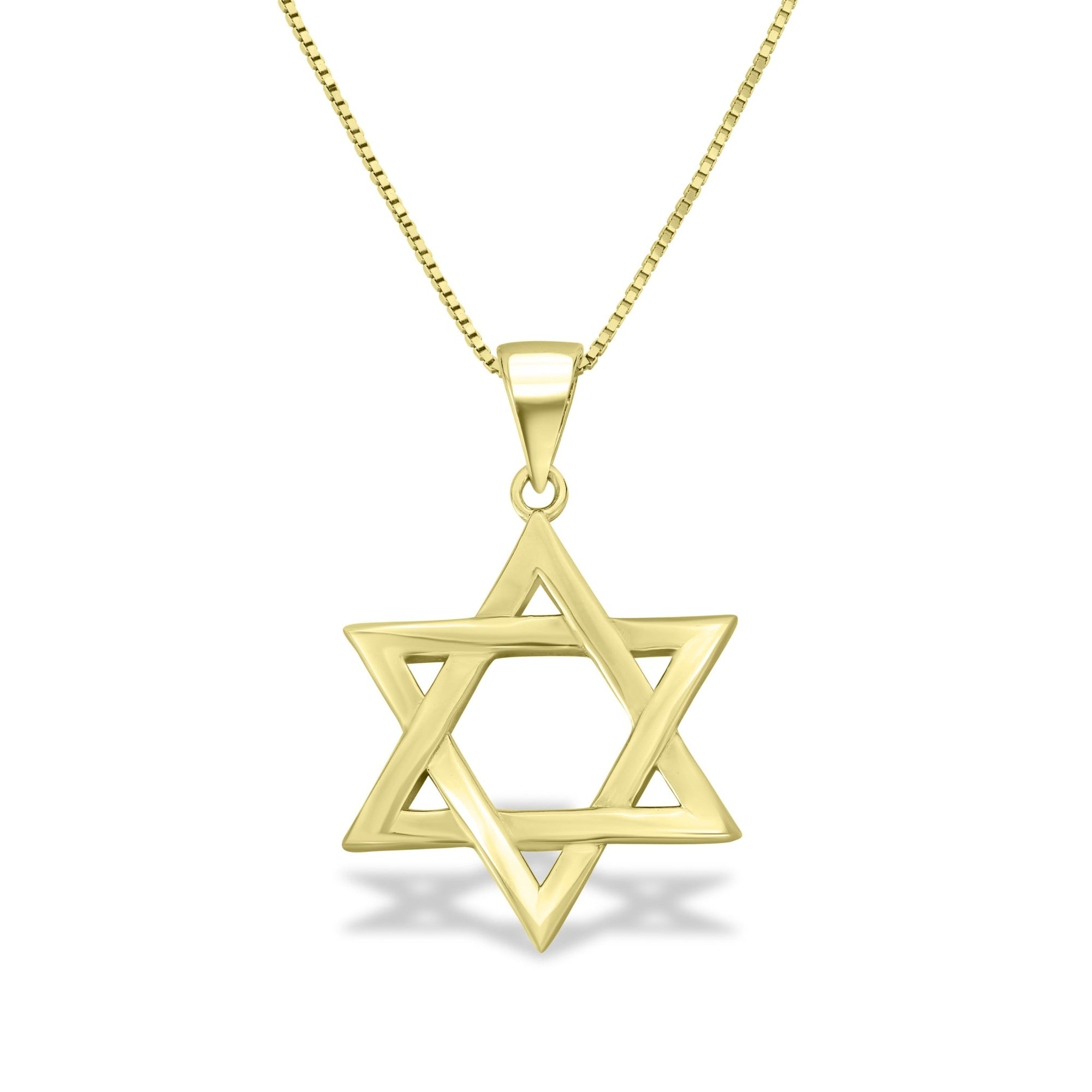
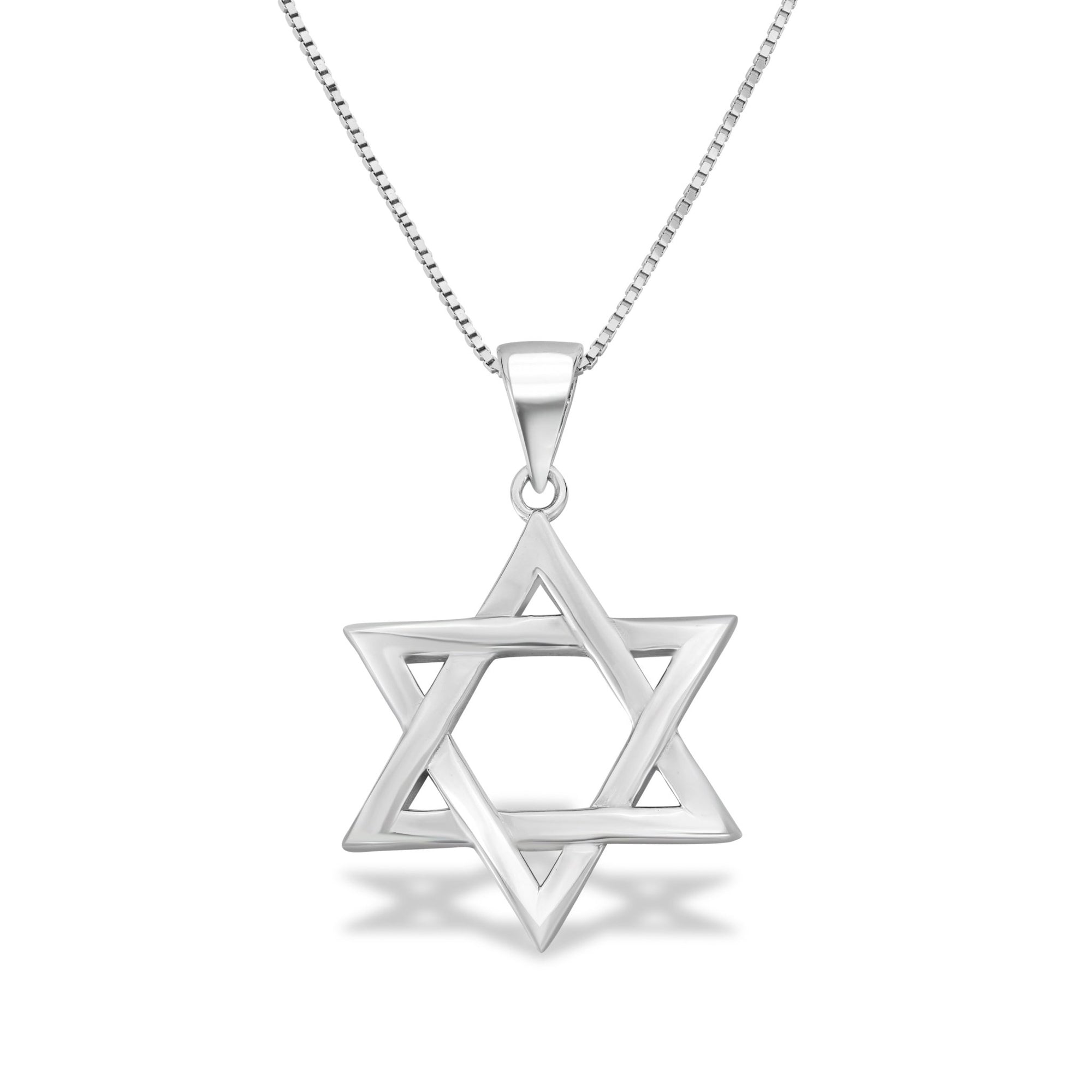
The symbols that run through this craft, the Star of David chief among them, are also the everyday shorthand people reach for when they want jewelry that says something about where their heart is. If you want a piece built around that symbol rather than a full archaeological or filigree collectible, our Star of David jewelry collection is a straightforward starting point, and the Shalom Star of David necklace is a good example of the same symbolic language done simply, in a piece meant for daily wear rather than display.
Related
Israeli cultural symbols popular in handmade jewelry
Jewelry designs that reflect Israeli culture and heritage
The influence of Israeli culture on today's jewelry trends
Last updated August 2026.