

Short answer: Israeli jewelry carries real cultural weight, it draws on symbols that predate the state itself, on a specific and well-documented craft lineage brought to Israel by Yemenite Jewish silversmiths, and on a contemporary design scene that is still actively evolving. It is not generic "Judaica," it is a living craft tradition with a traceable history.
Symbols with centuries of meaning
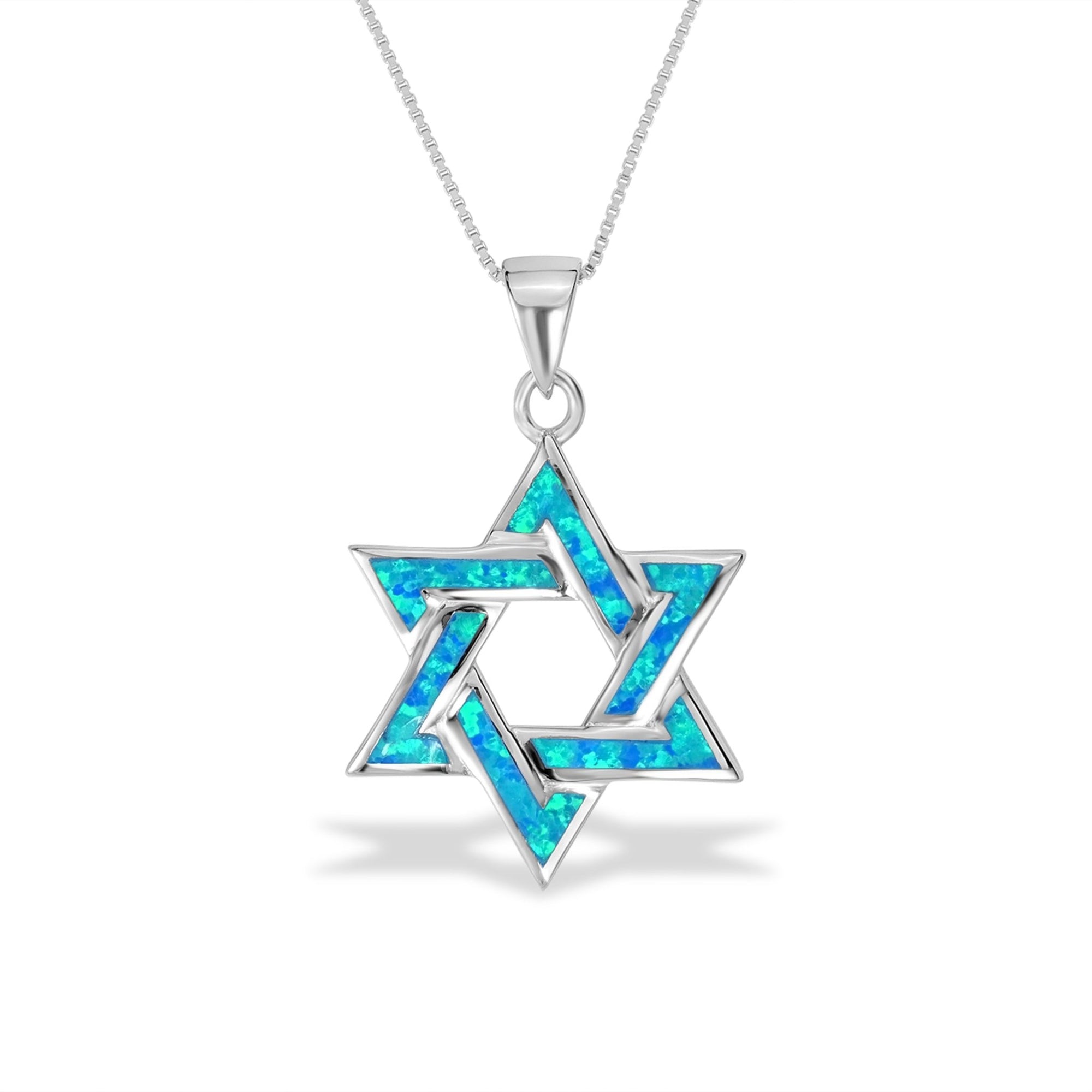
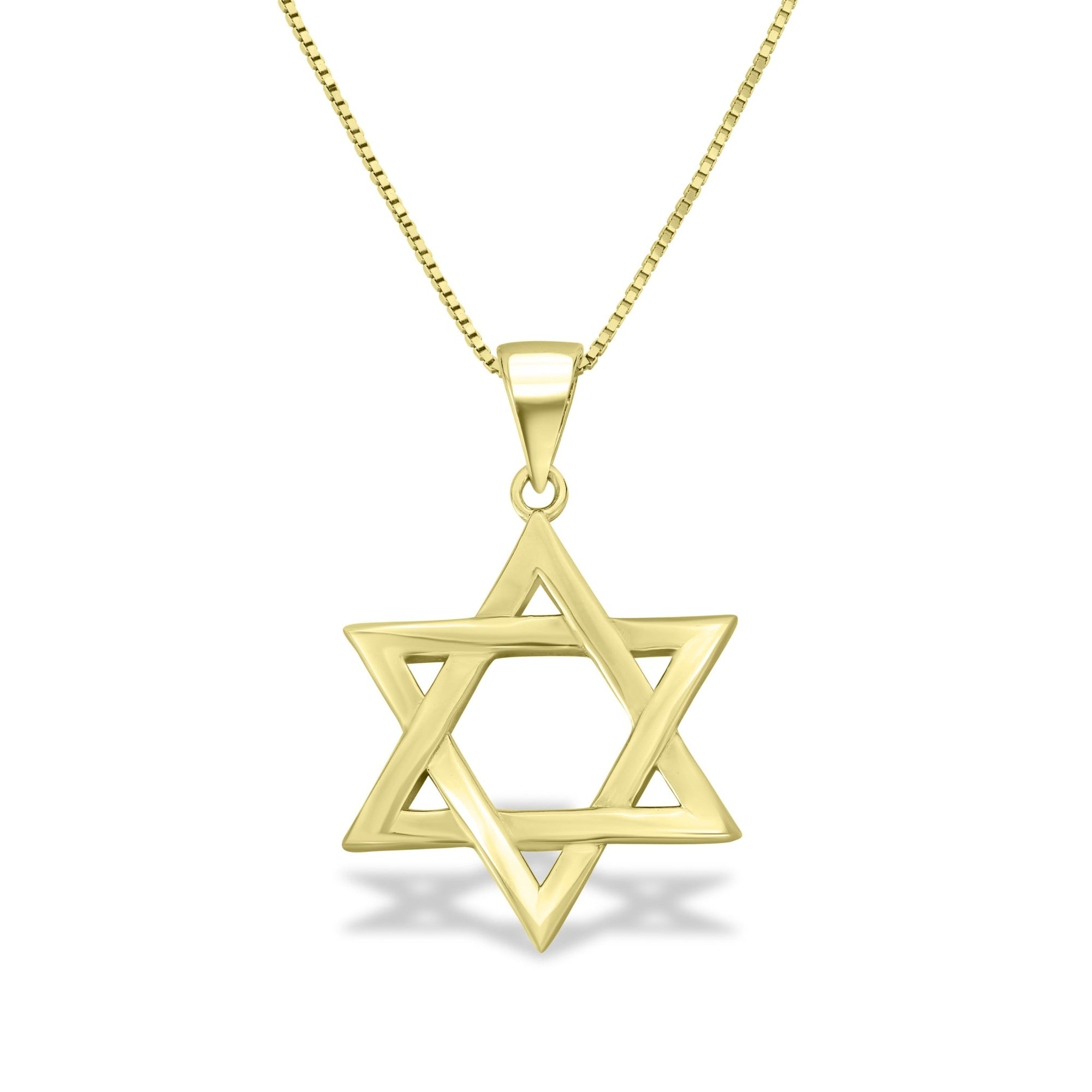
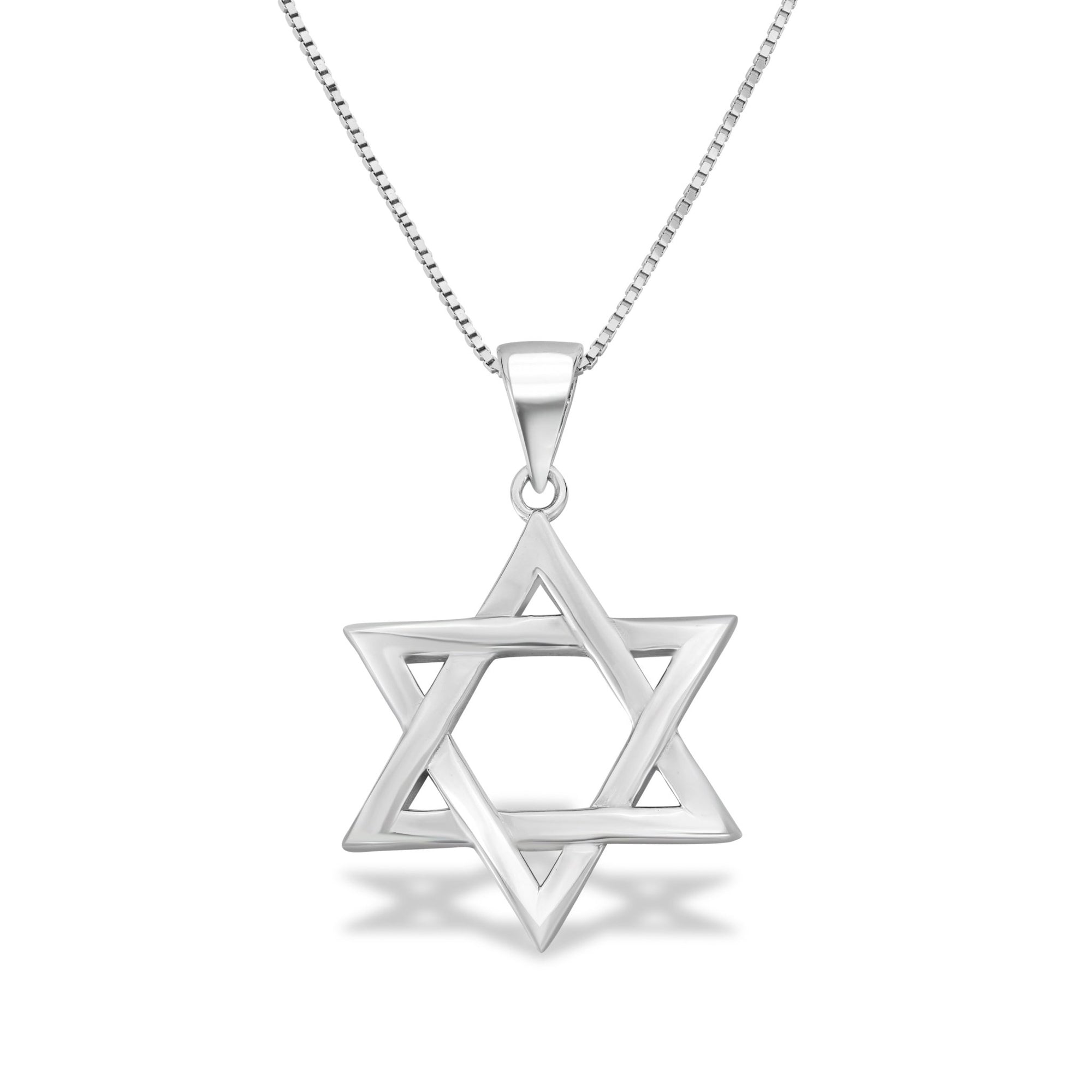
Two motifs anchor most Israeli jewelry: the Star of David (Magen David) and the Hamsa. The Star of David became a formal marker of Jewish national identity in 1897, when it was adopted as the symbol of the Zionist movement at the First Zionist Congress in Basel, a choice that later carried through to the Israeli flag. The Hamsa, an open-hand motif found across the Middle East and North Africa, has a distinct Jewish reading tied to Miriam, sister of Moses and Aaron, and Jewish versions of the symbol commonly work in Hebrew letters like Shin or Chai, or a small Star of David set into the palm. Neither symbol is decorative shorthand, both carry a genuine lineage that predates modern Israeli jewelry making by decades or centuries.
A craft tradition with a real origin story
The technical backbone of Israeli jewelry making traces to a specific historical event. Yemen's Jewish community had produced silver filigree work for centuries, and when nearly the entire community immigrated to Israel during Operation Magic Carpet in 1949 and 1950, its silversmiths carried that filigree tradition with them. Ben-Zion David, whose Jaffa workshop opened in 1987, is among the silversmiths who kept the technique alive, and pieces from that lineage are now held by the Israel Museum in Jerusalem. Formal training for jewelers and metalworkers in Israel goes back further still, to the Bezalel School of Arts and Crafts, founded in Jerusalem in 1906 by Boris Schatz and known today as the Bezalel Academy of Arts and Design. Generations of Israeli jewelers and Judaica designers trained there, which is part of why Israeli metalwork reads as a continuous craft tradition rather than a modern invention.
Where the design scene stands now
That tradition keeps producing new work. Contemporary Israeli jewelers mix the old techniques, filigree, granulation, enameling, with newer tools like 3D printing and laser cutting. Inbar Avneri, trained in Shenkar's jewelry design department, won the best contemporary jewelry design prize at a young-designers competition in Milan, a sign that the current Israeli scene has real reach beyond its home market. Contemporary Israeli designers work in that same space, treating Israeli and Jewish symbolism as material for genuinely new pieces rather than repeating fixed templates. One note on framing that matters for anyone shopping this category in 2026: yellow-ribbon and "Bring Them Home" pieces, once tied to the campaign for the hostages taken on October 7, 2023, are now memorial jewelry. The last hostage, Master Sgt. Ran Gvili, was returned to Israel in January 2026 and buried in his hometown of Meitar, so those pieces today mark remembrance, not an open cause.
Bringing that craft into everyday wear
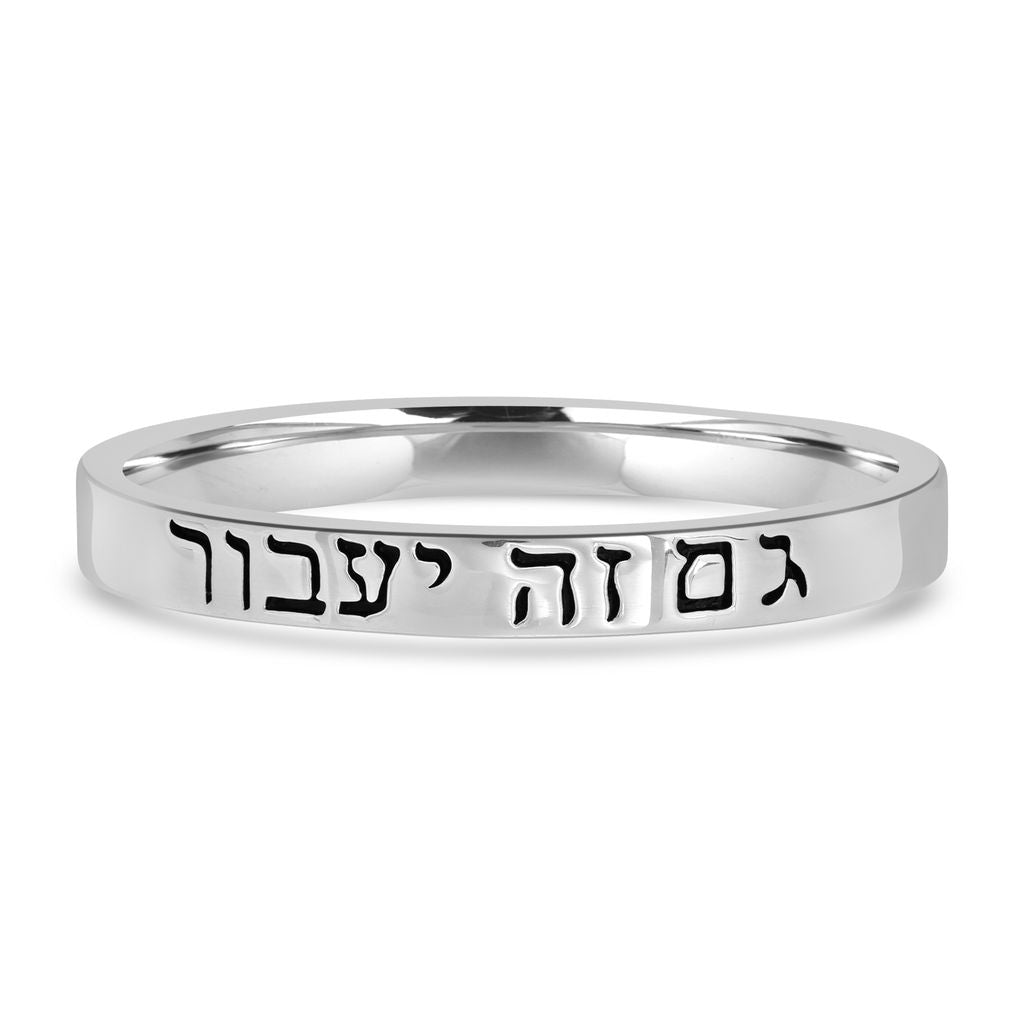
If you want a piece that carries this history rather than just referencing it, Shop Israel's Star of David jewelry collection is a straightforward place to start, it puts the same symbol adopted in 1897 into a piece you can wear daily. For gifting or building out a small collection, the Hamsa jewelry and Jewish symbols jewelry collections cover the range, from simple pendants to pieces that pair the Hamsa with Hebrew lettering in the Jewish tradition described above.
Related
Crafting Jewelry Inspired by Israel's Rich Cultural Heritage
Israeli Cultural Symbols Popular in Handmade Jewelry
Culturally Inspired Jewelry Design From Israeli Artists
Last updated August 2026.