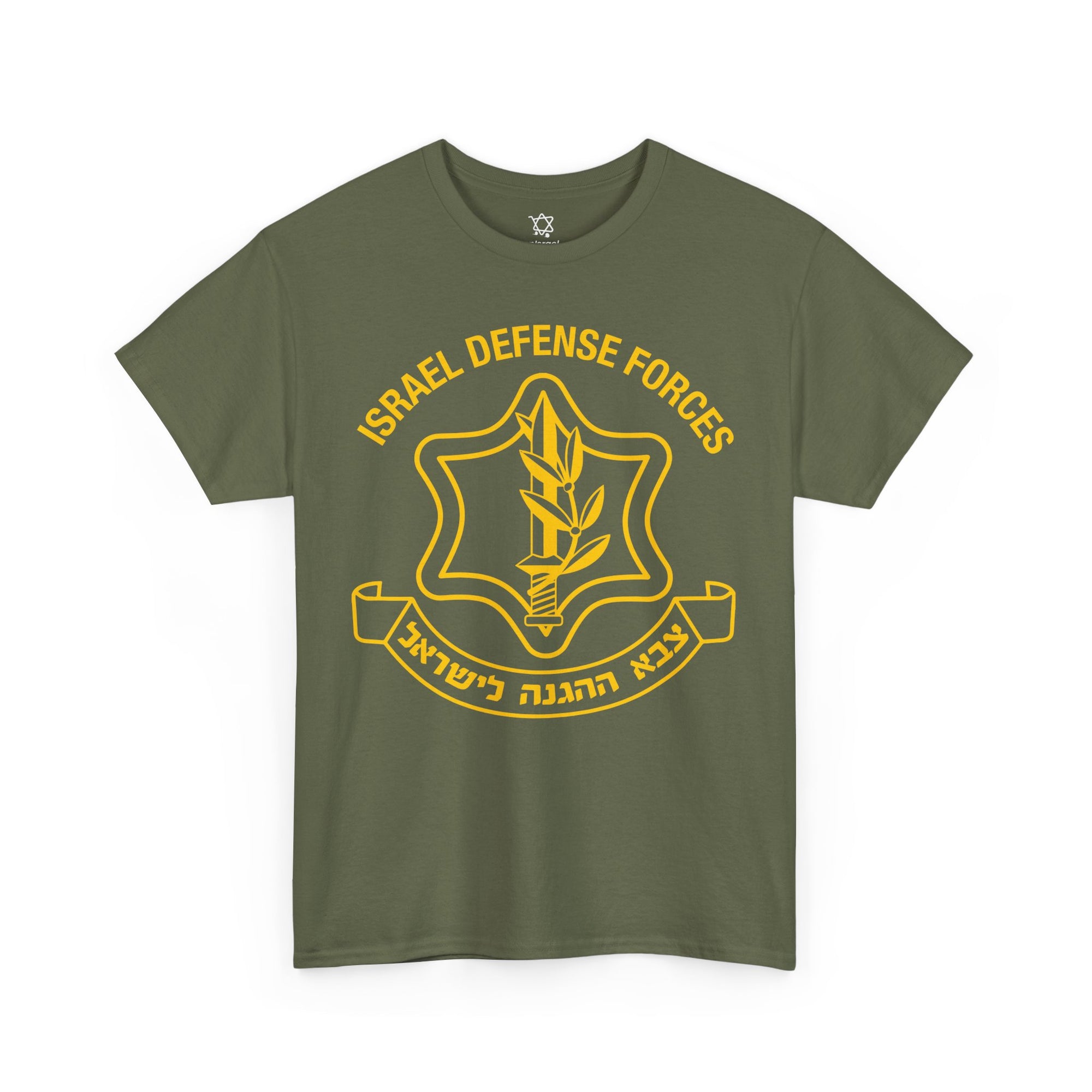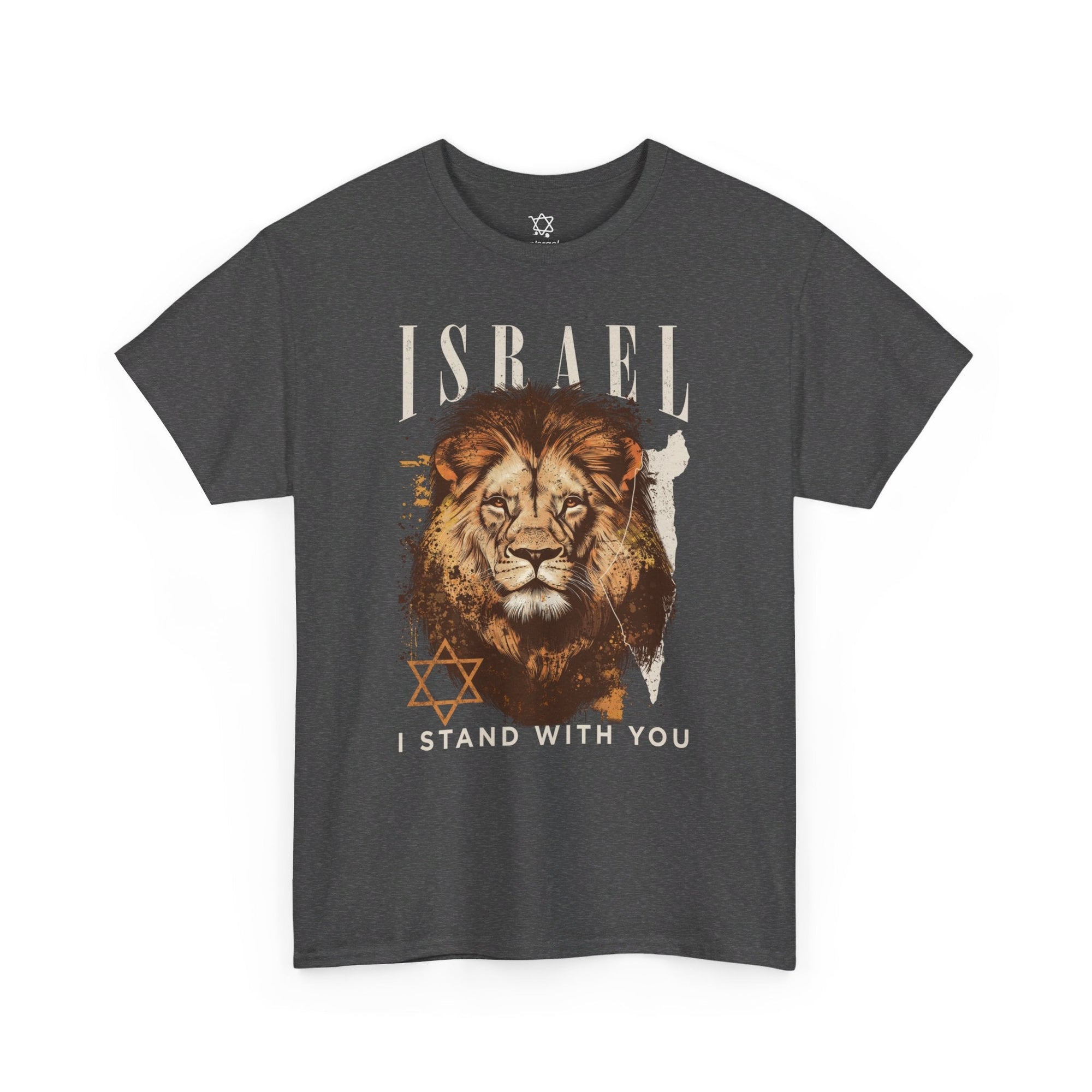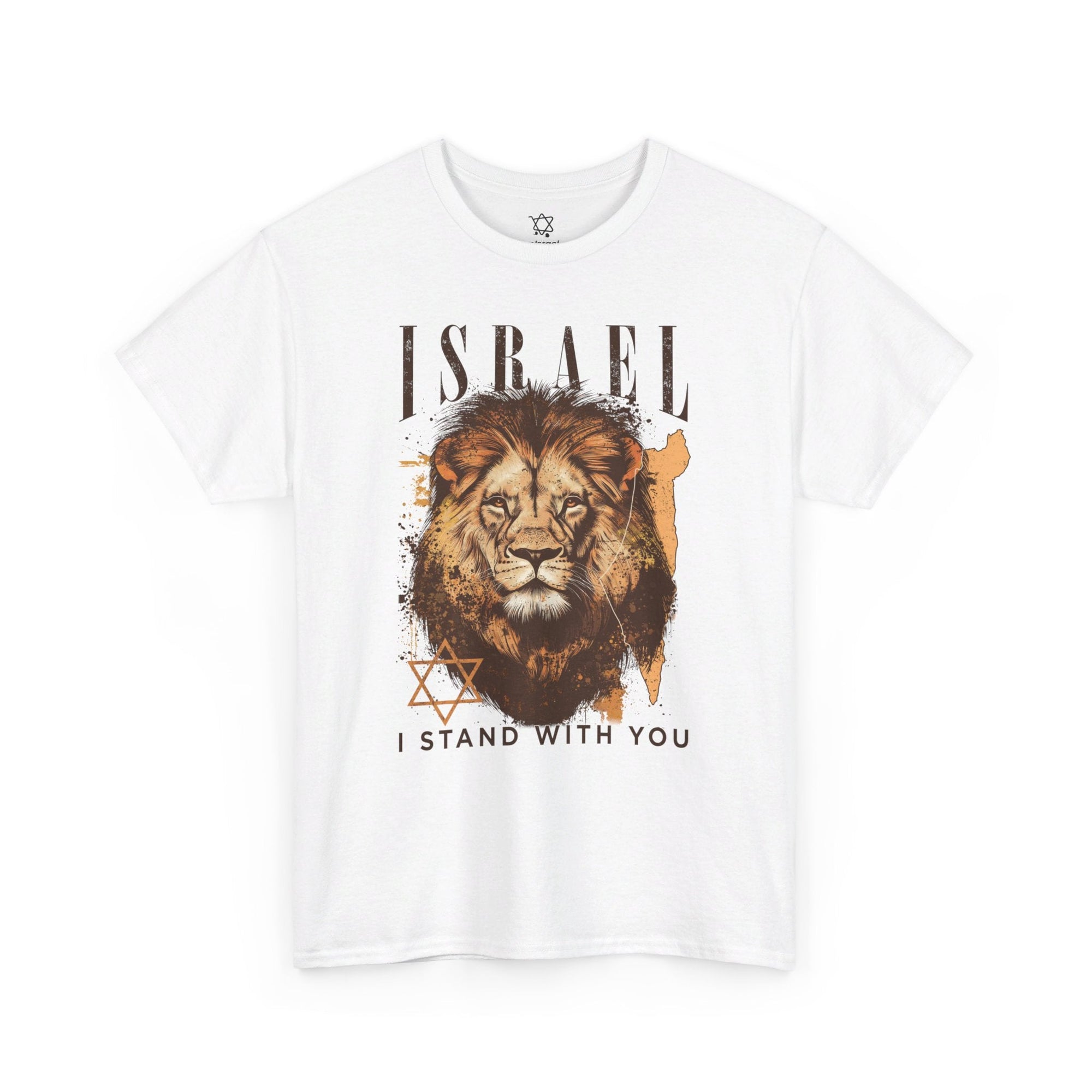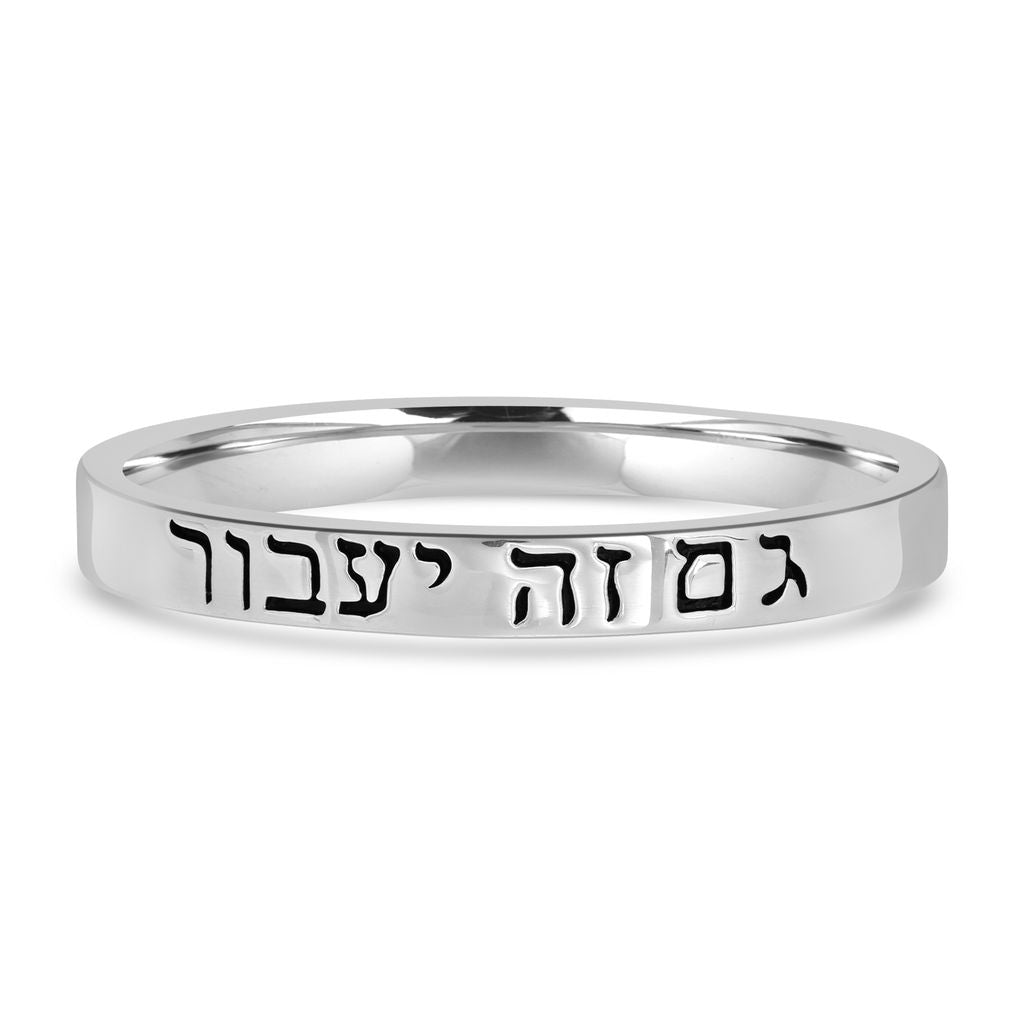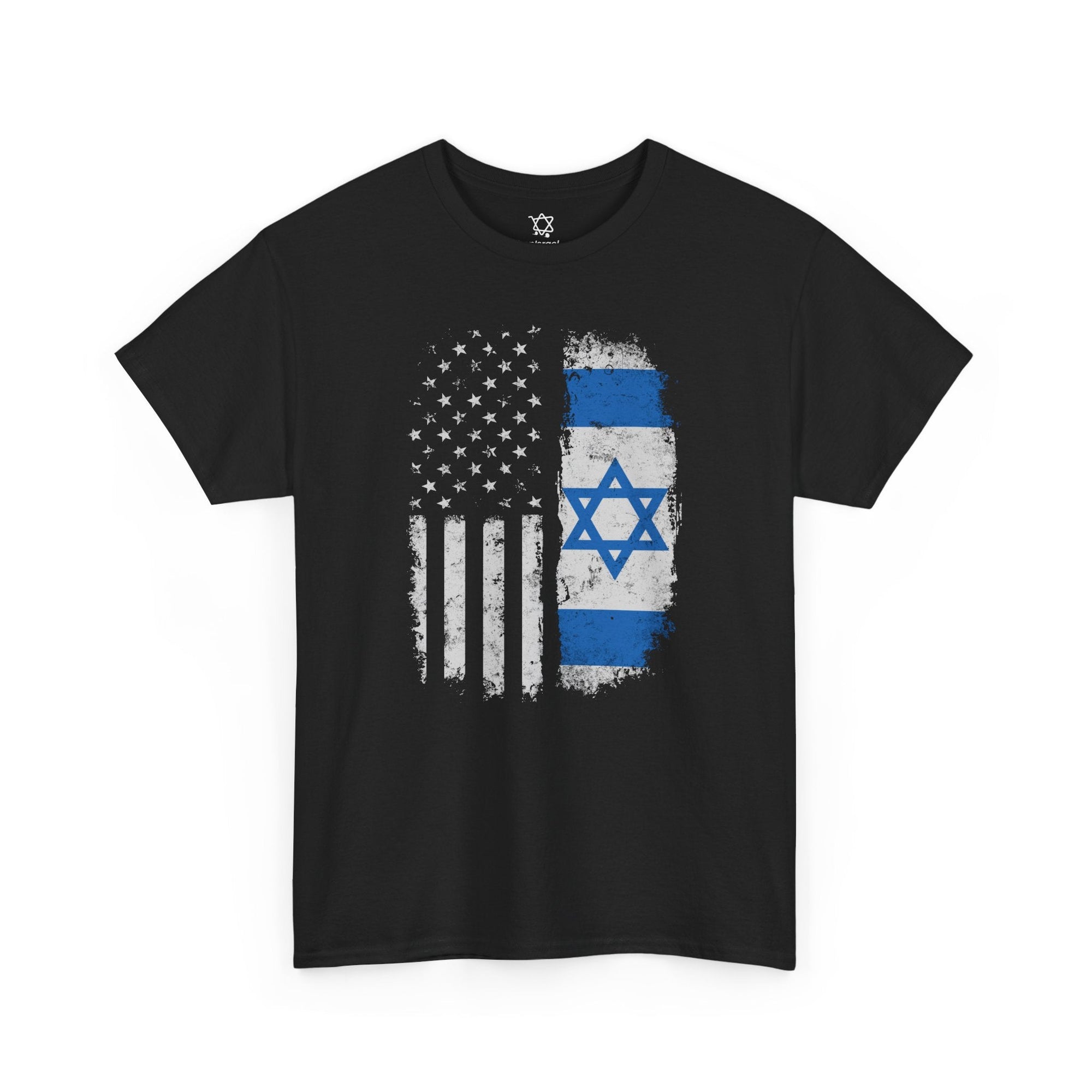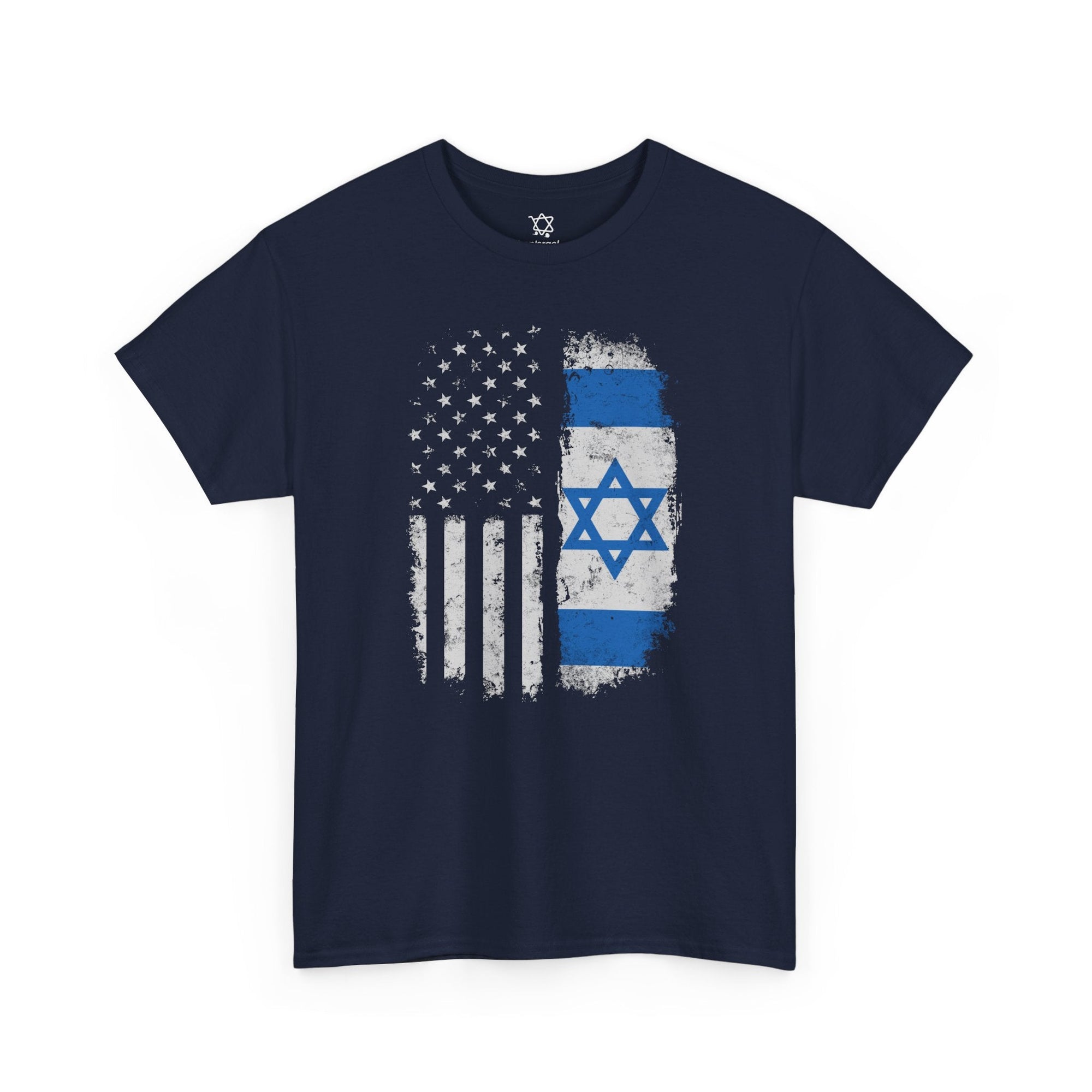


Short answer: Israel-themed fashion in 2026 is defined by three real, verifiable threads: enduring Judaica symbols like the Star of David and Hamsa that carry genuine historical weight, homegrown Israeli labels building on a swimwear and ready-to-wear tradition that dates back decades, and a runway culture at Tel Aviv Fashion Week that is explicit about resilience and support for Israeli designers rather than pure aesthetics. Hostage-solidarity jewelry that became common after October 7, 2023 is now evolving into pieces of gratitude and remembrance, not disappearing.
Where the symbolism comes from
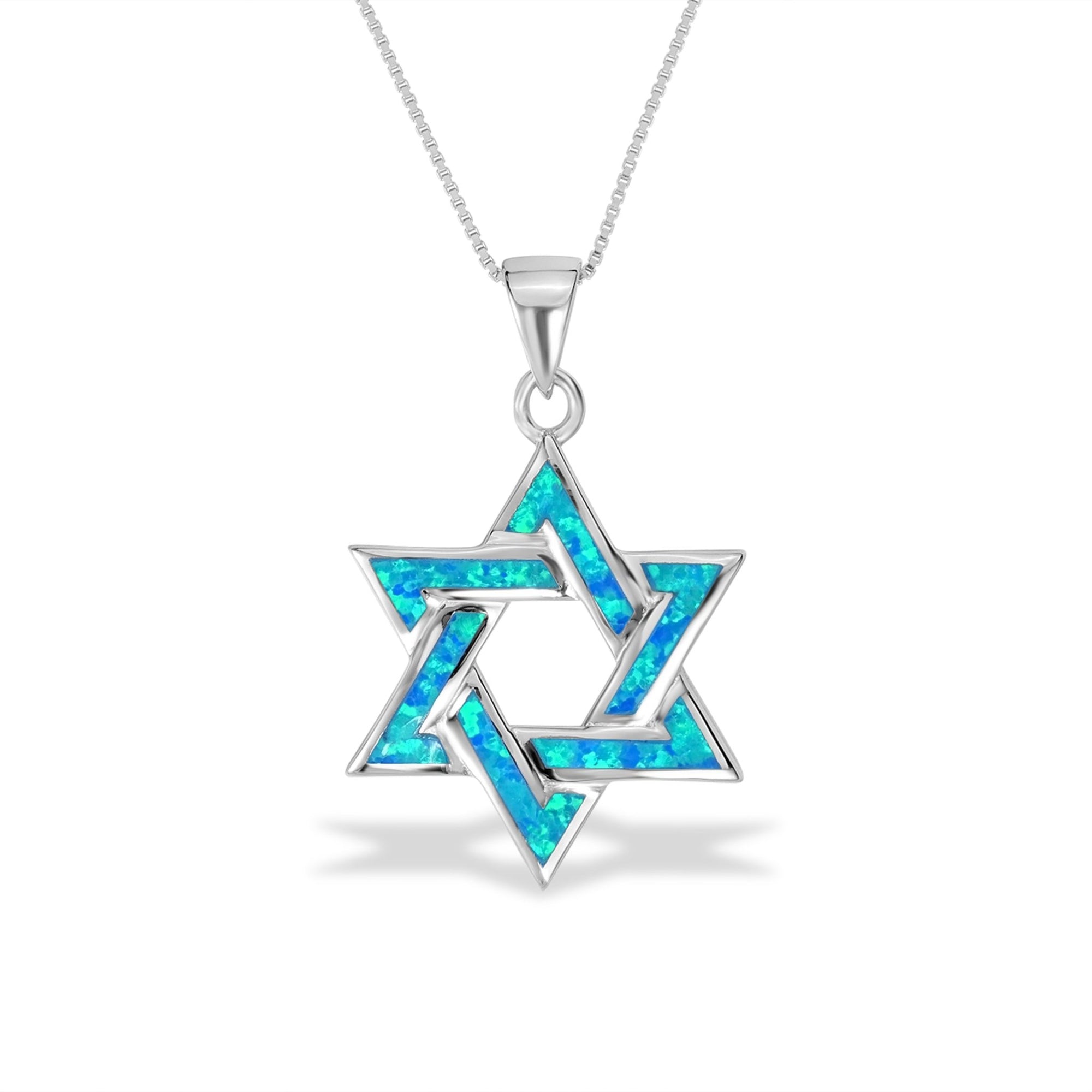
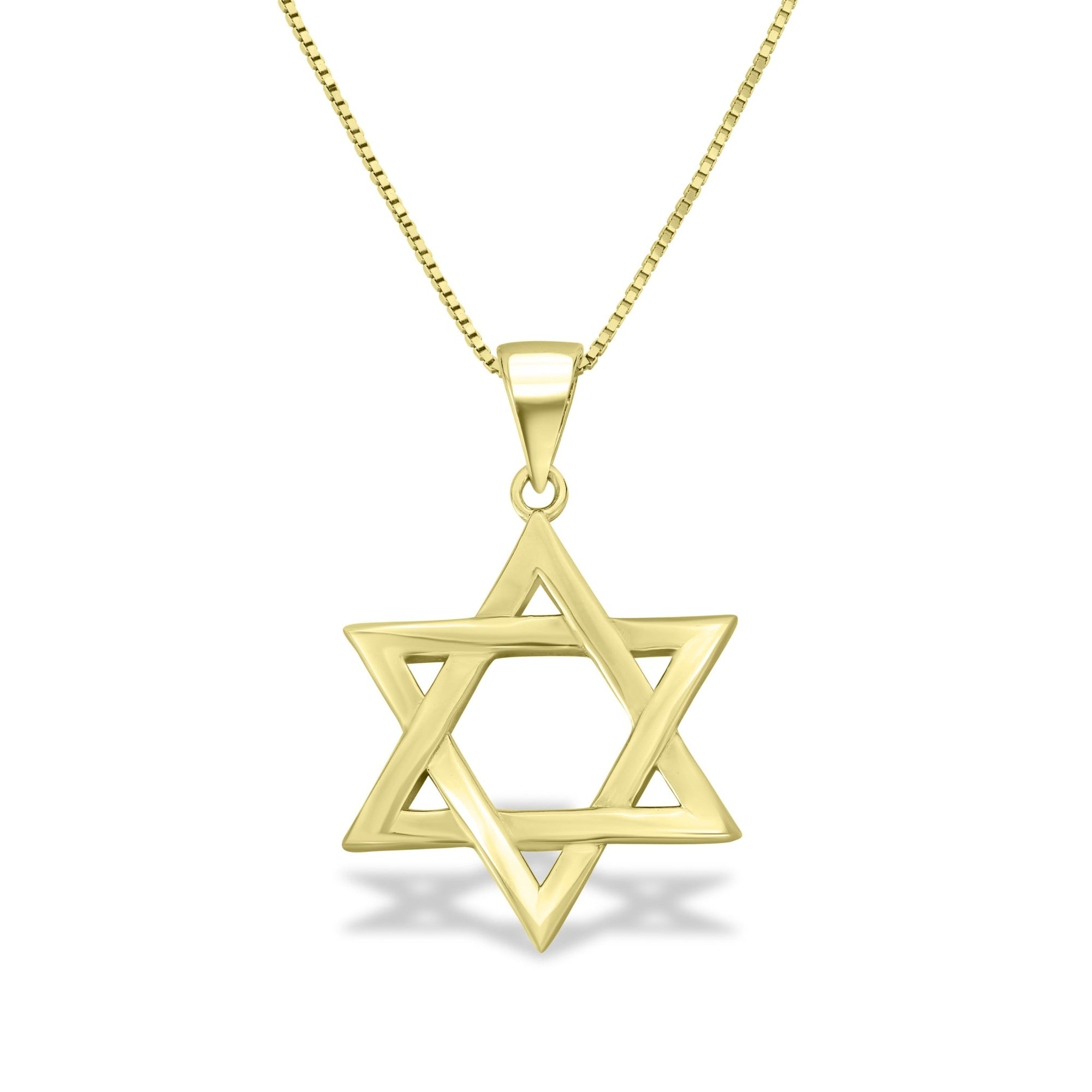
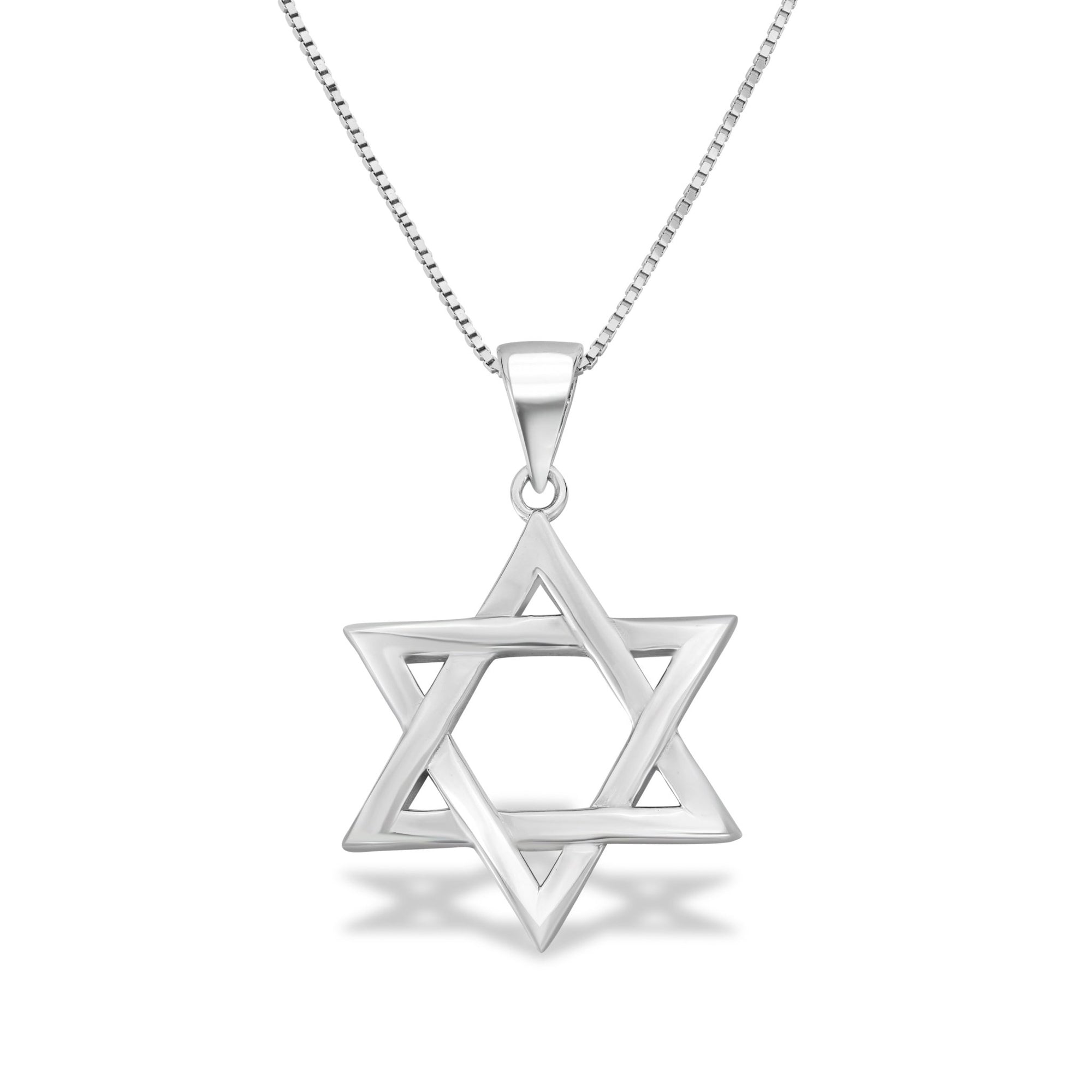
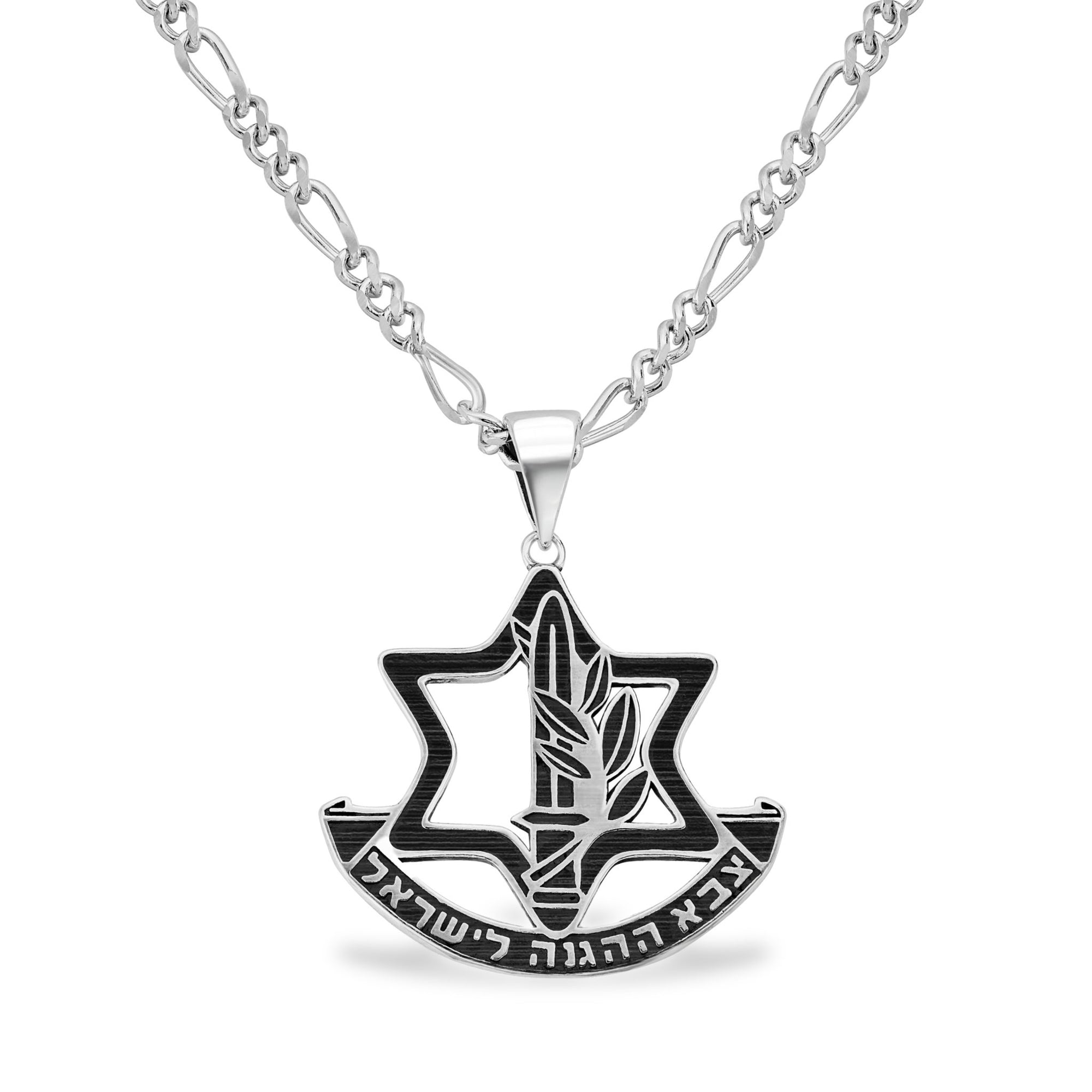
The two motifs that anchor most Israel-themed jewelry are not marketing inventions. The Star of David, or Magen David, became the internationally recognized emblem of Jewish identity after the First Zionist Congress adopted the hexagram as a movement symbol in 1897, a shift documented on its own Wikipedia history. The Hamsa, the open-palm design that shows up on necklaces and wall art alike, was adopted early by Sephardic Jewish communities as protection against the "evil eye." Because both symbols have a real, explainable backstory, they hold up better as gifts than vague "cultural" language, buyers can point to what the piece actually means.
On the apparel side, Israel has a documented commercial fashion history that predates the current news cycle. Lea Gottlieb founded the swimwear label Gottex in Tel Aviv in 1956, building it around, in her words, "the aqua of the Mediterranean, the golden yellow of the desert." By 1993 it was the top swimsuit import to the United States, per Gottex's history. That legacy carries forward today in a live cluster of Israeli swimwear and ready-to-wear brands, including Zohara, Noa Swimwear, Marsea Modest, and Ugly Duckling, that the Times of Israel has covered as part of the country's ongoing fashion export identity.
What's happening on the runway right now
Tel Aviv Fashion Week is the clearest evidence that Israeli fashion in 2026 is not separable from current events, and it is not trying to be. The event went on a wartime hiatus and returned for its 15th edition on October 26, 2025, opening with former hostage Eli Sharabi and relatives of freed and murdered captives walking the runway in white. Producer Motty Reif staged more than 100 designers across 26 shows, explicitly framed around supporting Israeli designers and offering a note of optimism after a difficult two and a half years.
Individual designers have made similar statements internationally. Israeli-American designer Kobi Halperin closed his first solo New York Fashion Week show in February 2024 with an instrumental version of Hatikvah, Israel's national anthem, a finale that drew over 160,000 social media views and put Jewish identity plainly at the center of a mainstream runway moment. Earlier, at Tel Aviv Fashion Week in March 2023, the label House of Jaffa presented a genderless resort collection featuring sequined camels and hamsas, a concrete example of the design experimentation happening alongside the more overtly political moments.
The most emotionally significant current trend involves jewelry rather than runway wear. Yellow ribbons and "Bring Them Home" dog tag necklaces bearing hostages' names became, in the words of the Jewish Telegraphic Agency, "ubiquitous" items of wearable solidarity across Jewish communities worldwide after October 7, 2023. As the last living hostages were freed under a ceasefire in October 2025, JTA reported that many Jews began retiring their dog tags and ribbons "with gratitude and grief." Others, including Rabbi Yael Ridberg, said they would keep wearing theirs until the remaining deceased hostages in Gaza are returned. The pattern worth understanding is that this jewelry is shifting from a crisis marker toward a piece of memorial and gratitude, not vanishing from wardrobes altogether.
Choosing a piece that will still mean something in a year
For a gift shopper, the takeaway from all of this is fairly simple: symbols with real history tend to age better than trend pieces tied to a single news cycle. A Star of David necklace or ring draws on more than a century of continuous meaning, which is why it works as an everyday piece as much as a gift for a holiday or milestone. Shop Israel's Star of David jewelry collection carries that symbolism across rings, necklaces, and stud earrings in a range of finishes, so a shopper can match the piece to whoever it's for, whether that's a bat mitzvah gift, a wedding present, or something to wear daily as a quiet expression of Jewish identity and support for Israel.
Related
- Symbolism Behind Israeli Jewelry Designs You Should Know
- Israel-Themed Fashion Trends You Should Watch This Year
- Current Trends in Israel-Themed Clothing and Fashion
Last updated July 2026.