

Short answer: Dead Sea skincare works because Dead Sea water and mud are unusually rich in magnesium, calcium, potassium, and bromide. The water is roughly ten times saltier than the ocean, and unlike ocean salt (which is mostly sodium chloride), Dead Sea salt is dominated by magnesium chloride. A controlled 2005 dermatology study found that soaking dry, atopic skin in a magnesium-rich Dead Sea salt solution improved the skin barrier, boosted hydration, and reduced roughness and redness. That makes these salts and muds a well-supported choice for hydration and for calming irritated, flaky skin, though phrases like "detoxification" and a fixed "21 minerals" count are marketing language rather than proven clinical facts.
What makes Dead Sea water and mud different
The Dead Sea is a terminal, landlocked lake on the border of Israel and Jordan, and its shore sits about 439 meters (1,443 feet) below sea level, the lowest land elevation on Earth. Water flows in from the Jordan River but leaves only by evaporation, so minerals have concentrated for millennia. The result is a salinity of roughly 34 percent, about 9.6 times as salty as the ocean, according to the Encyclopedia entry on the Dead Sea.
The chemistry is genuinely distinct, and that is the real reason the products get attention. Ocean salt is about 85 percent sodium chloride. Dead Sea salt, by contrast, is dominated by magnesium chloride (about 50 percent), with significant calcium and potassium chloride, and the water holds the highest bromide concentration of any water on Earth (Dead Sea; Dead Sea salt). So when a jar of Dead Sea mud or bath salt promises "minerals," it is not marketing air. It is a measurably different mix from what you would scoop out of any sea.
The science: what those minerals do for skin
The most useful evidence comes from a controlled 2005 study by Proksch and colleagues in the International Journal of Dermatology. Volunteers with dry, atopic skin soaked one forearm in a 5 percent magnesium-rich Dead Sea salt solution for 15 minutes. Compared with plain tap water on the other arm, the mineral soak improved skin barrier function, increased hydration, and reduced roughness and redness, with no adverse effects. Researchers attributed this largely to magnesium, which binds water and supports skin-cell growth, differentiation, and barrier repair.
Beyond hydration, magnesium and bromide are associated with reduced skin inflammation, which is why the mineral profile is often recommended for irritated or inflammatory conditions. The National Psoriasis Foundation recommends Dead Sea salts for psoriasis and acne, and the region's western and southern shores (Ein Gedi and Ein Bokek) host spas built around climatotherapy, where naturally filtered sunlight and mineral bathing are long-established treatments for psoriasis (Dead Sea salt). Dead Sea mud therapy also has evidence for easing osteoarthritis pain. In plain terms, the defensible, testable benefits for a skincare routine are hydration and the soothing of dry or irritated skin, not miracle transformation.
An ancient reputation, and a few claims to take with a grain of salt
People have noticed this water for a very long time. In the 4th century BCE, Aristotle recorded that the lake was so bitter and salty that no fish could live in it, one of the earliest written notes on its unusual mineral water (History of the Dead Sea). Ancient Egyptians imported asphalt and minerals from the region, using them in mummification and, over time, in early unguents, creams, and soaps (Dead Sea salt). So the cosmetic connection is genuinely old.
That said, a few common marketing lines outrun the evidence. The round figure of "21 essential minerals" is a promotional number, not a verified scientific count; reputable sources describe the dominant ions (magnesium, calcium, potassium, and bromide) rather than a fixed tally. "Detoxification" is also not a documented skin benefit in the dermatology literature. The proven story is simpler and honestly more convincing: real minerals, better hydration, a stronger barrier, and calmer skin. That is a point of quiet Israeli pride too, since the Dead Sea anchors a globally recognized skincare and wellness industry built on a landmark you can only find here.
Bringing the Dead Sea into your routine
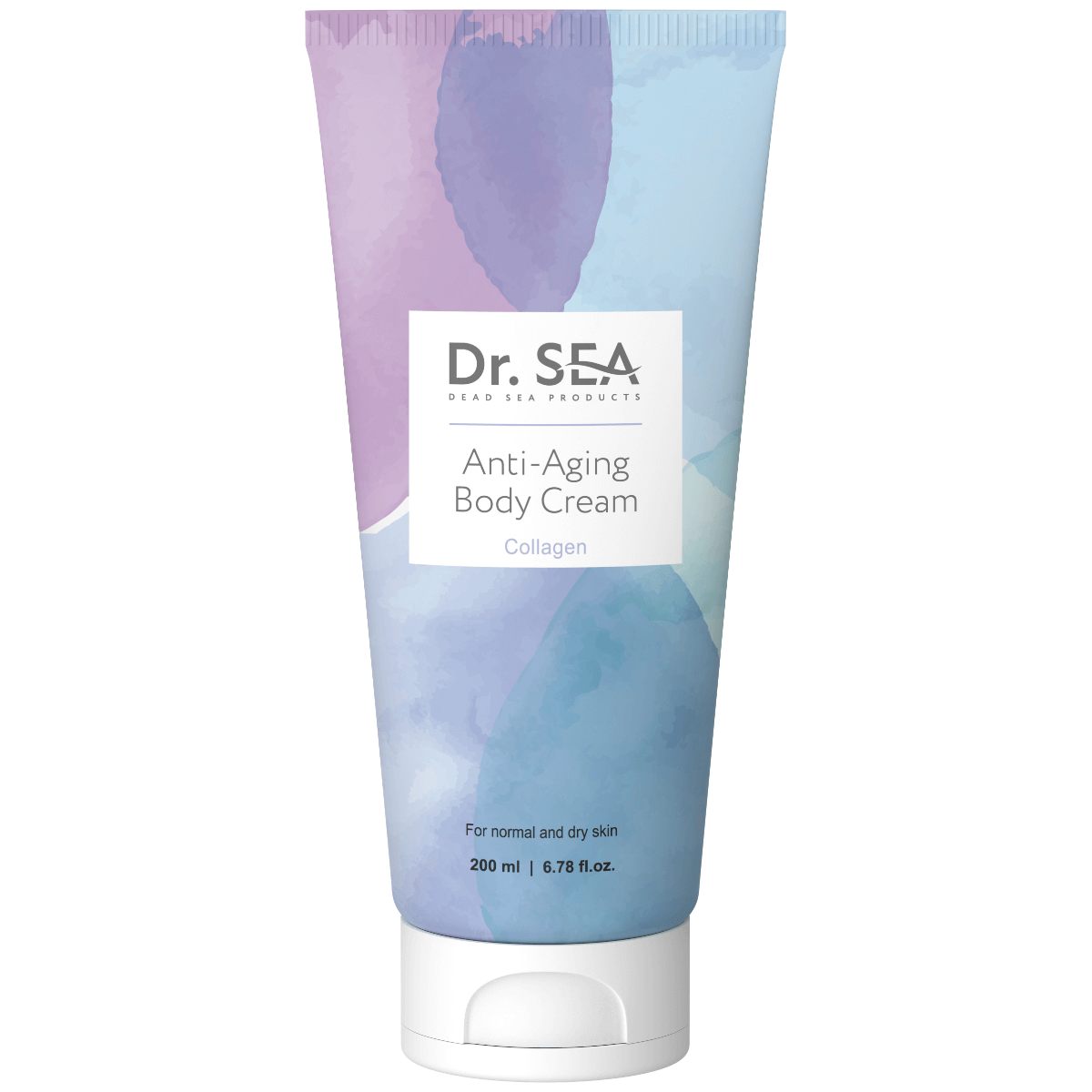
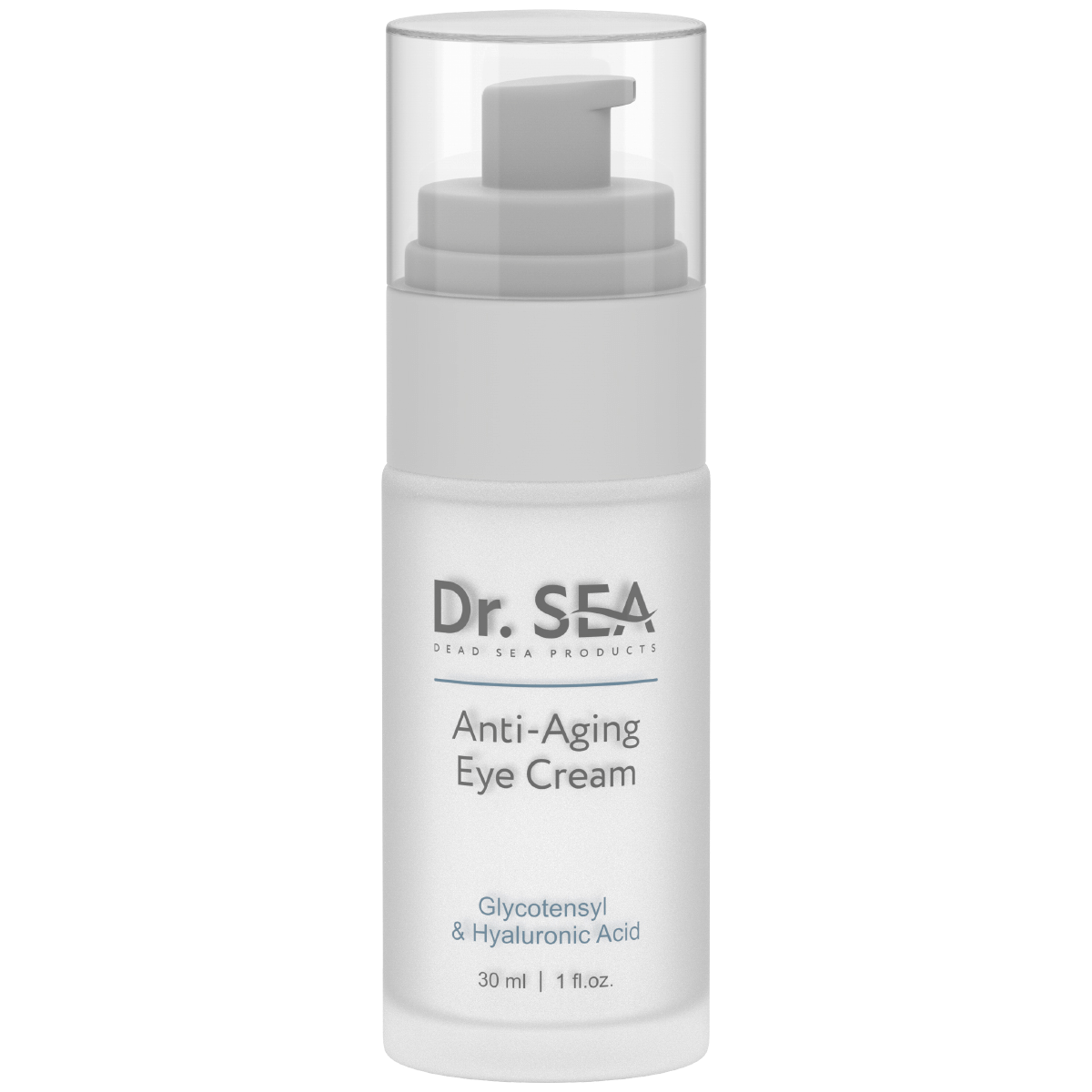
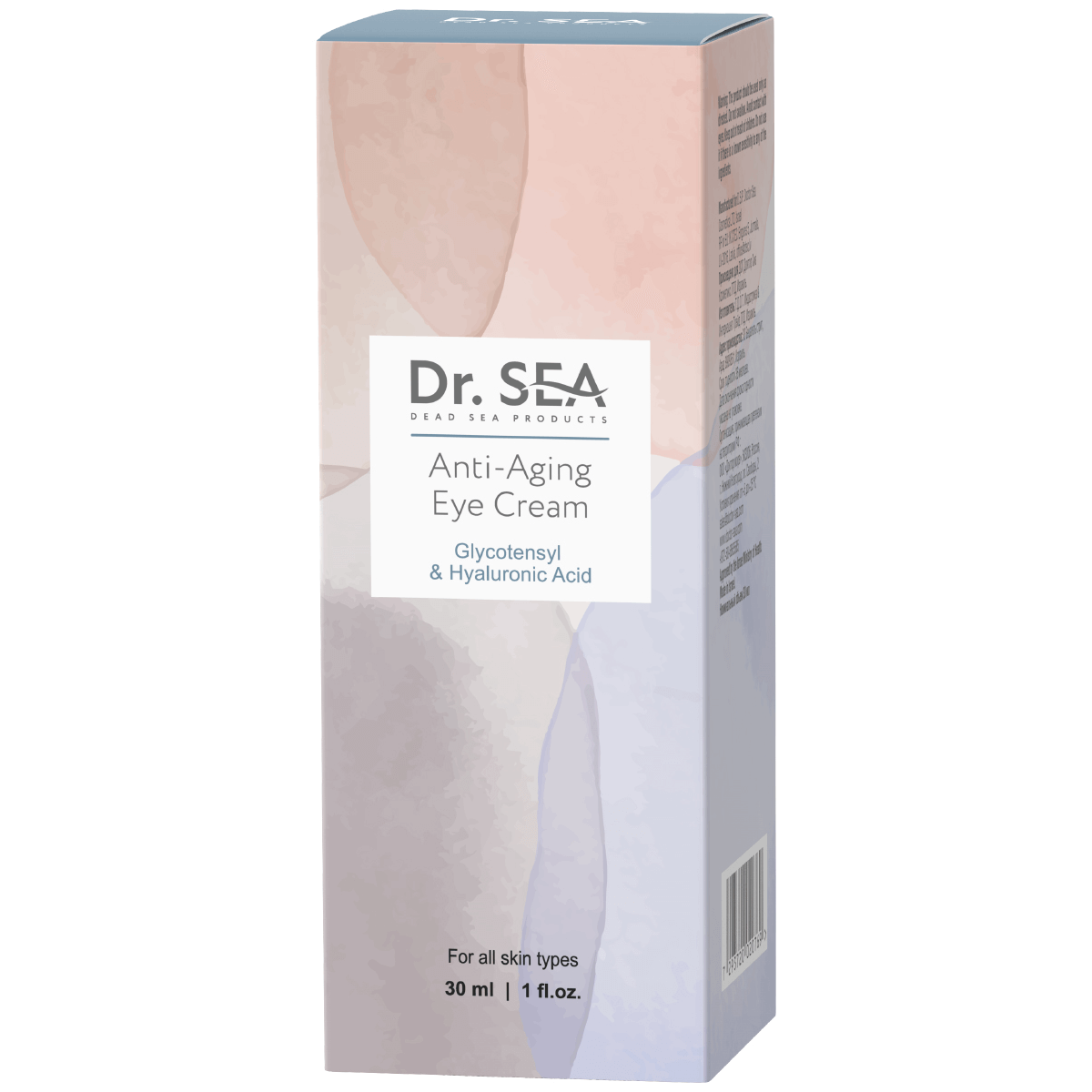
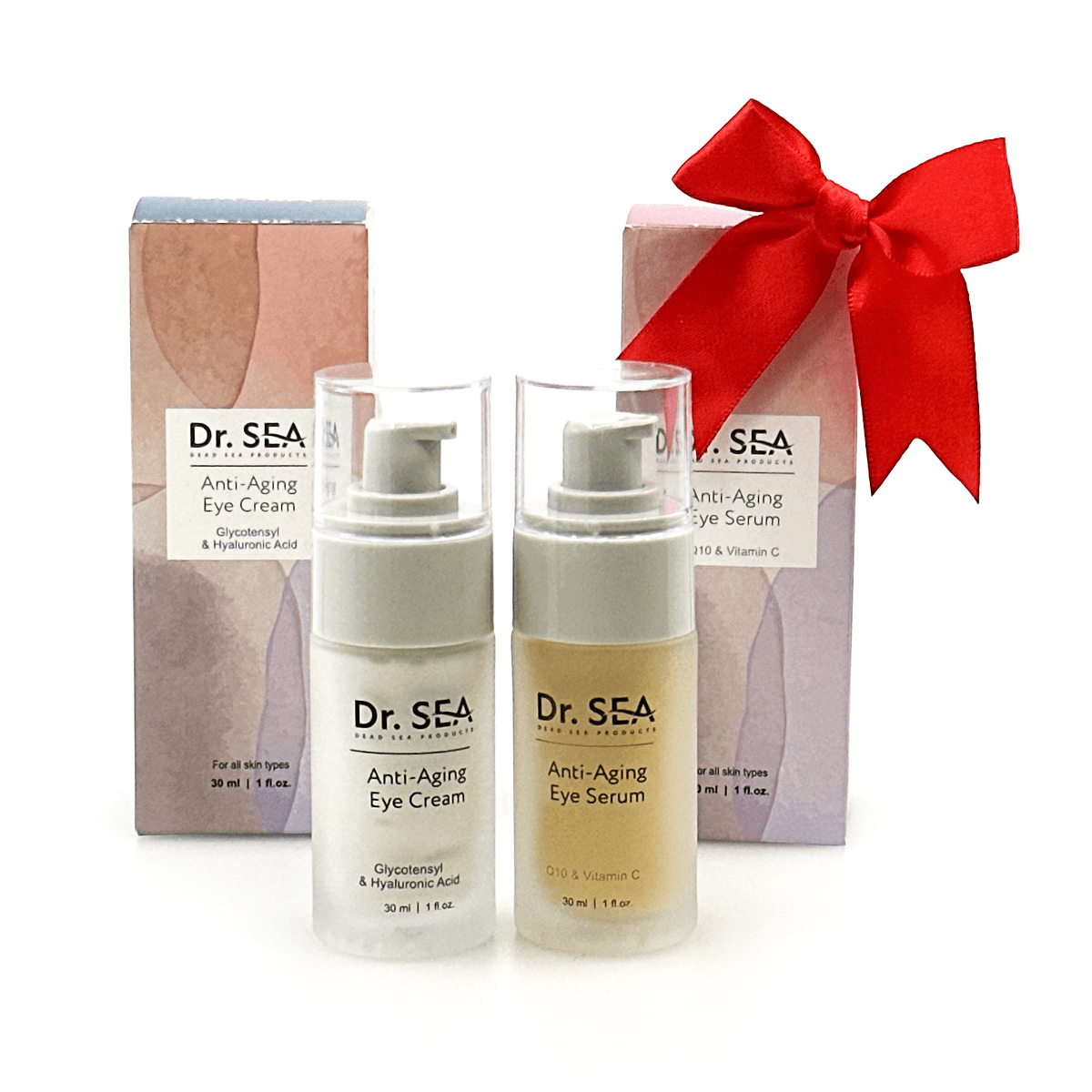
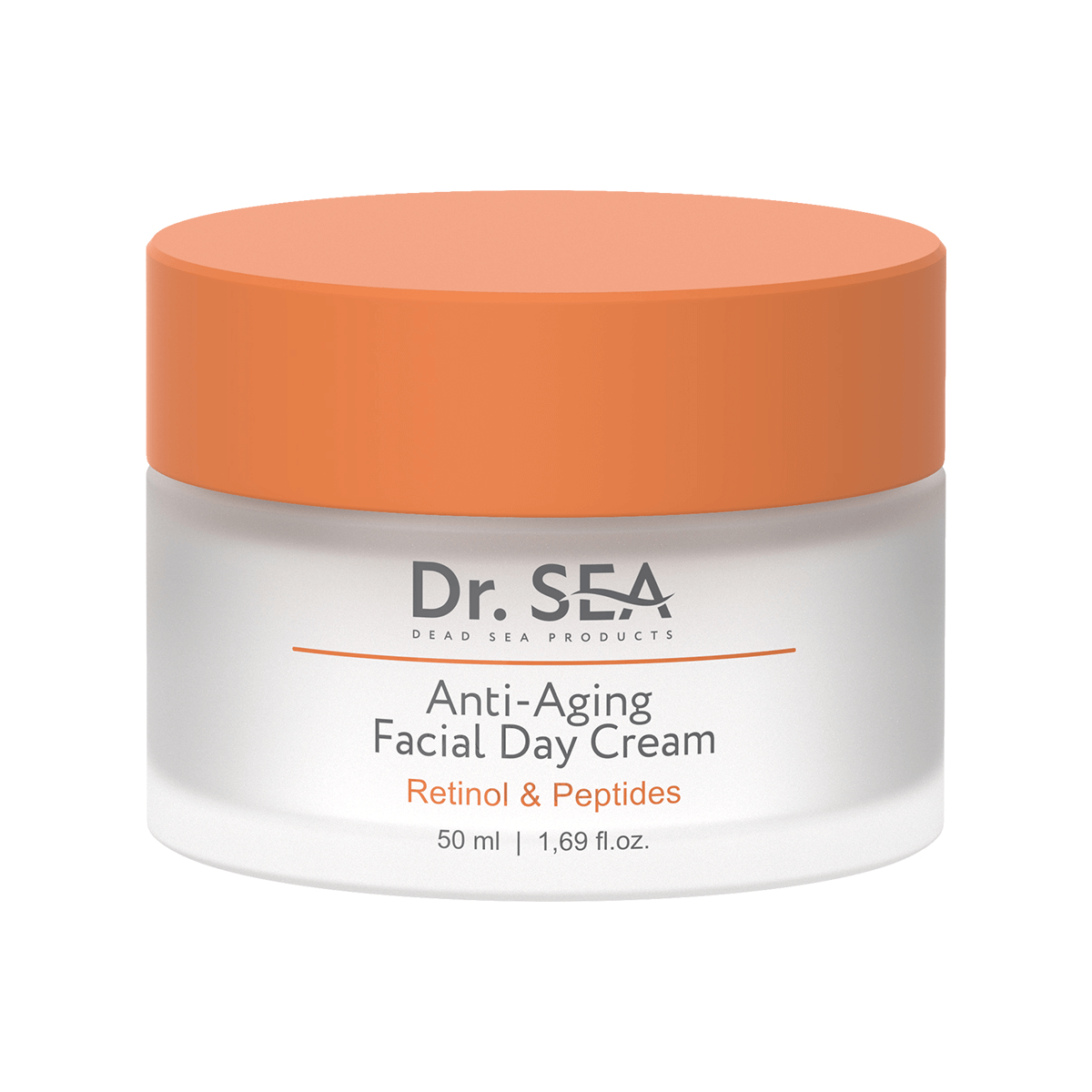
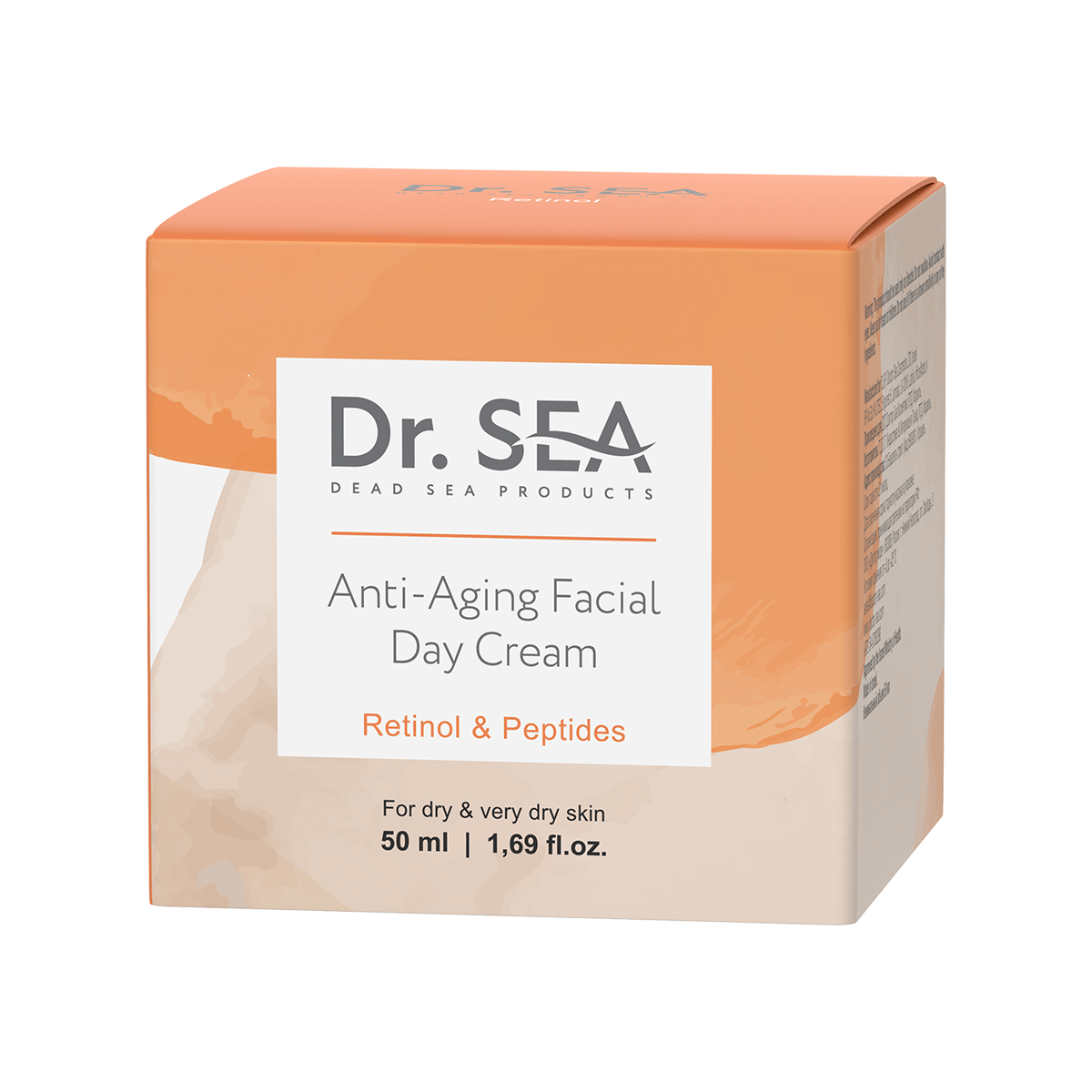
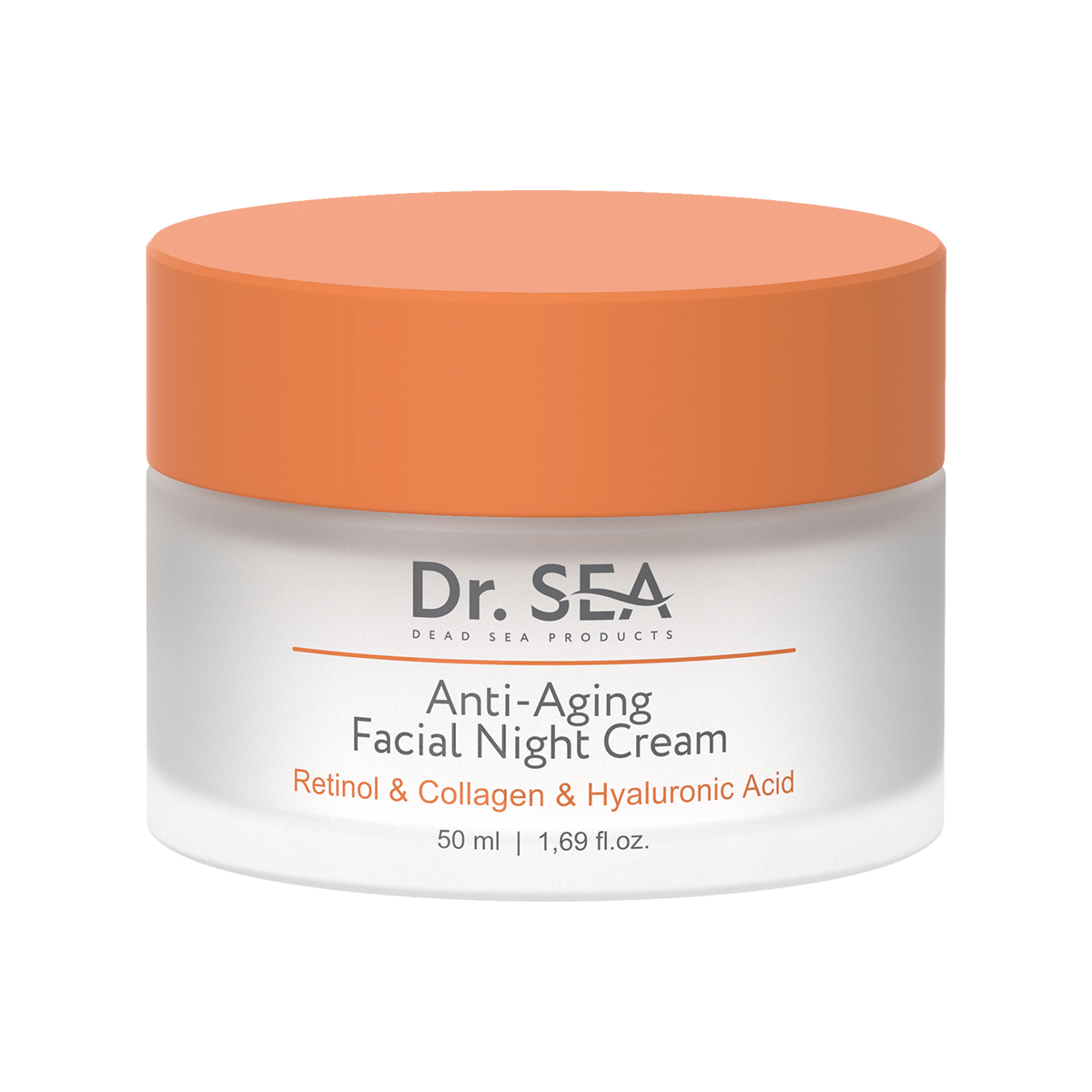
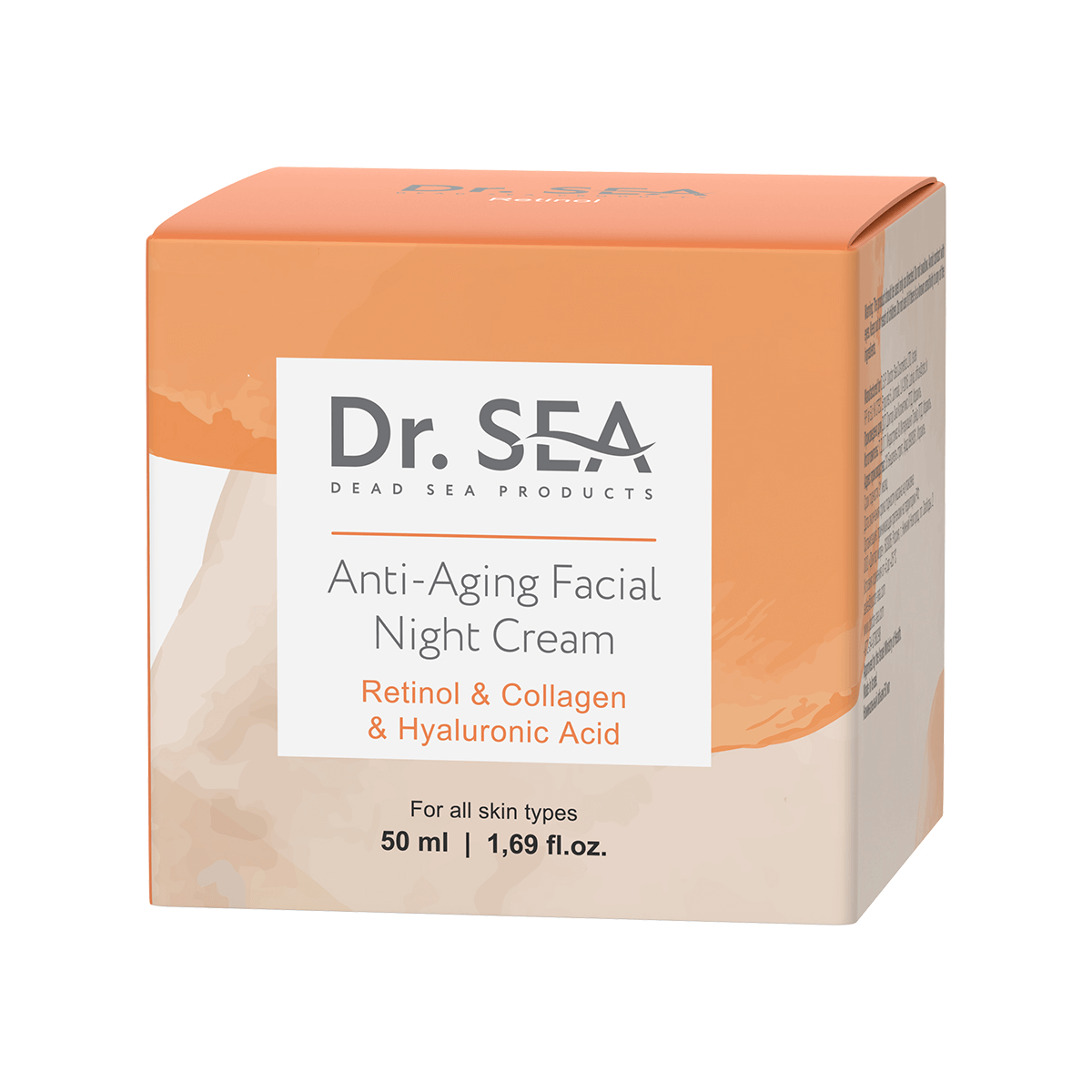
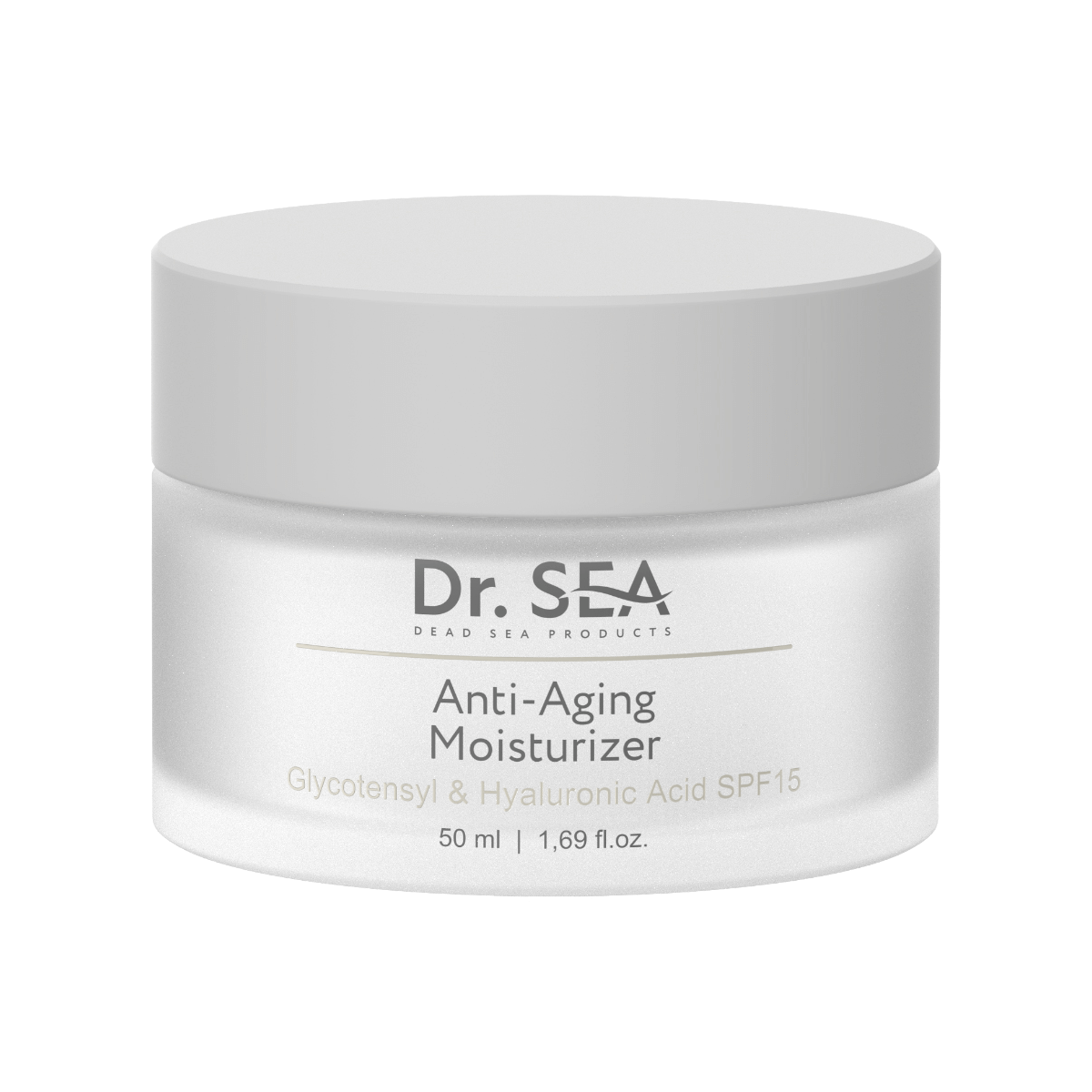
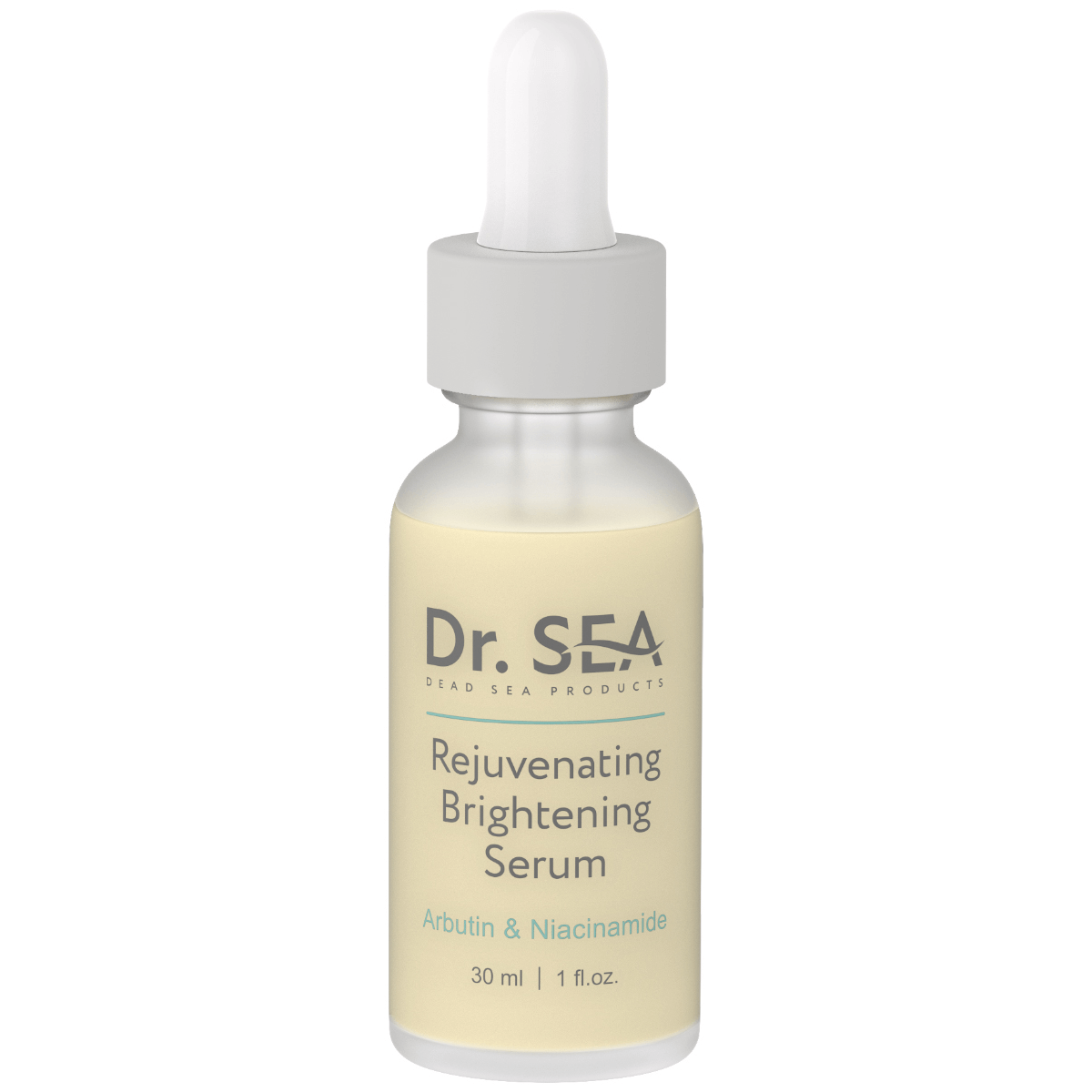
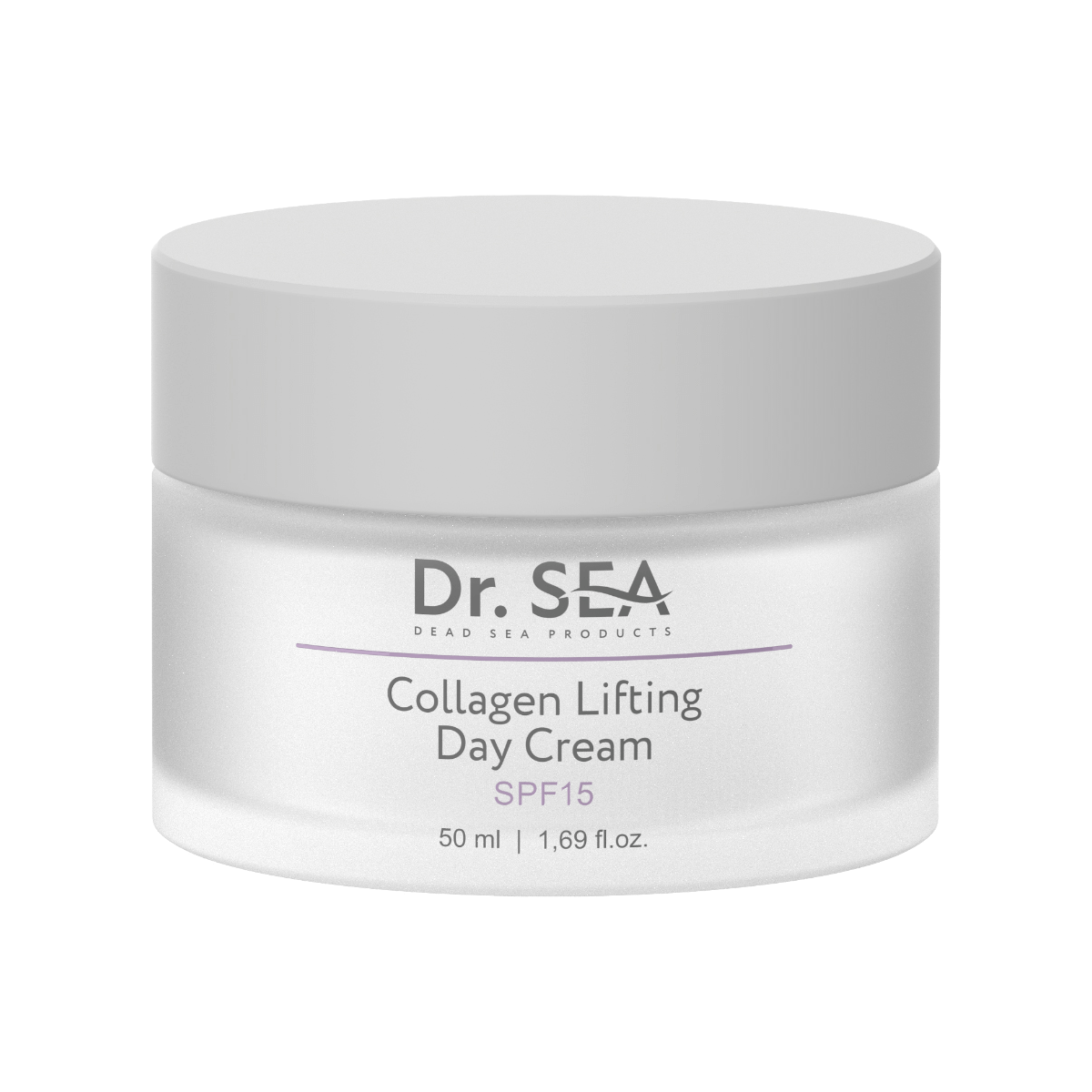
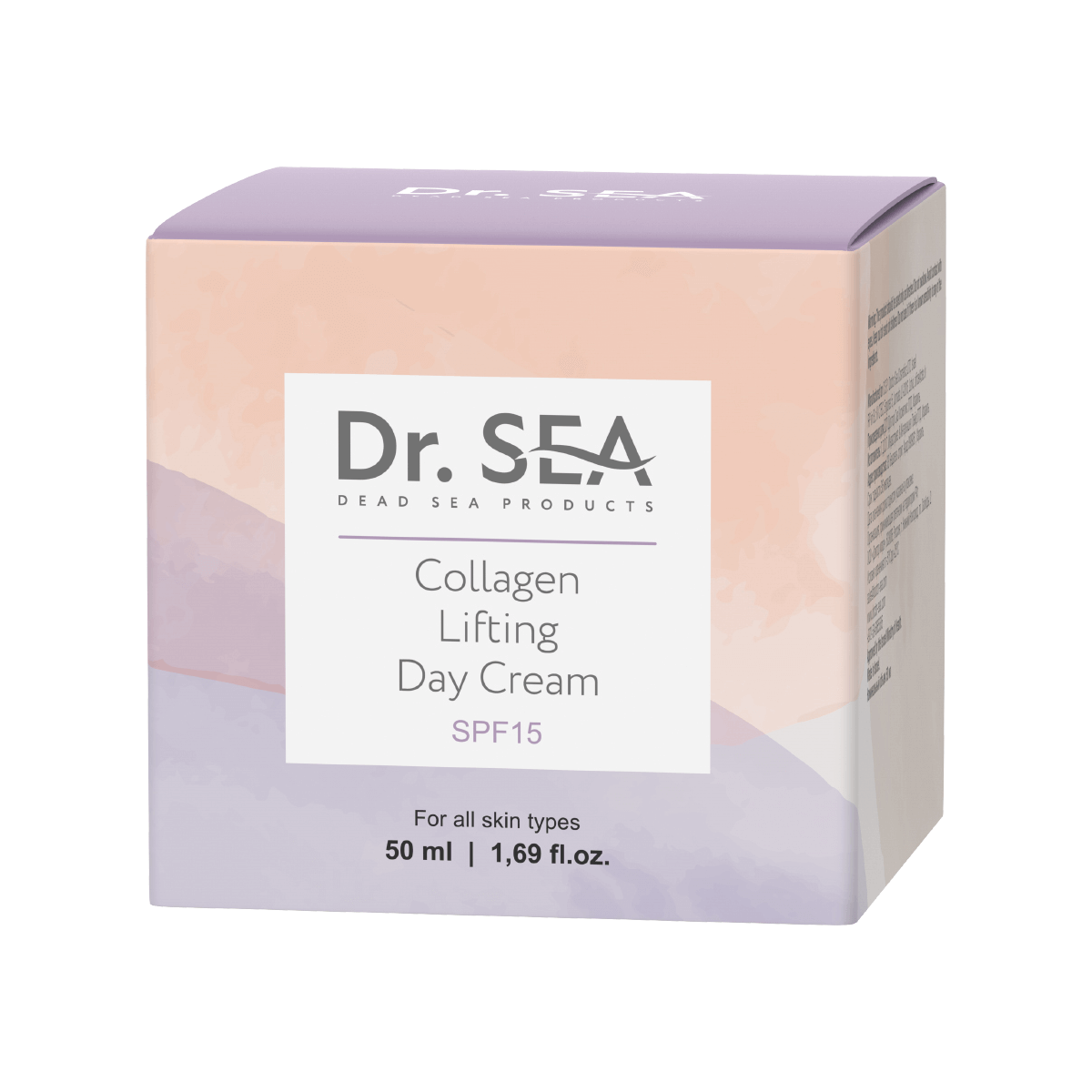
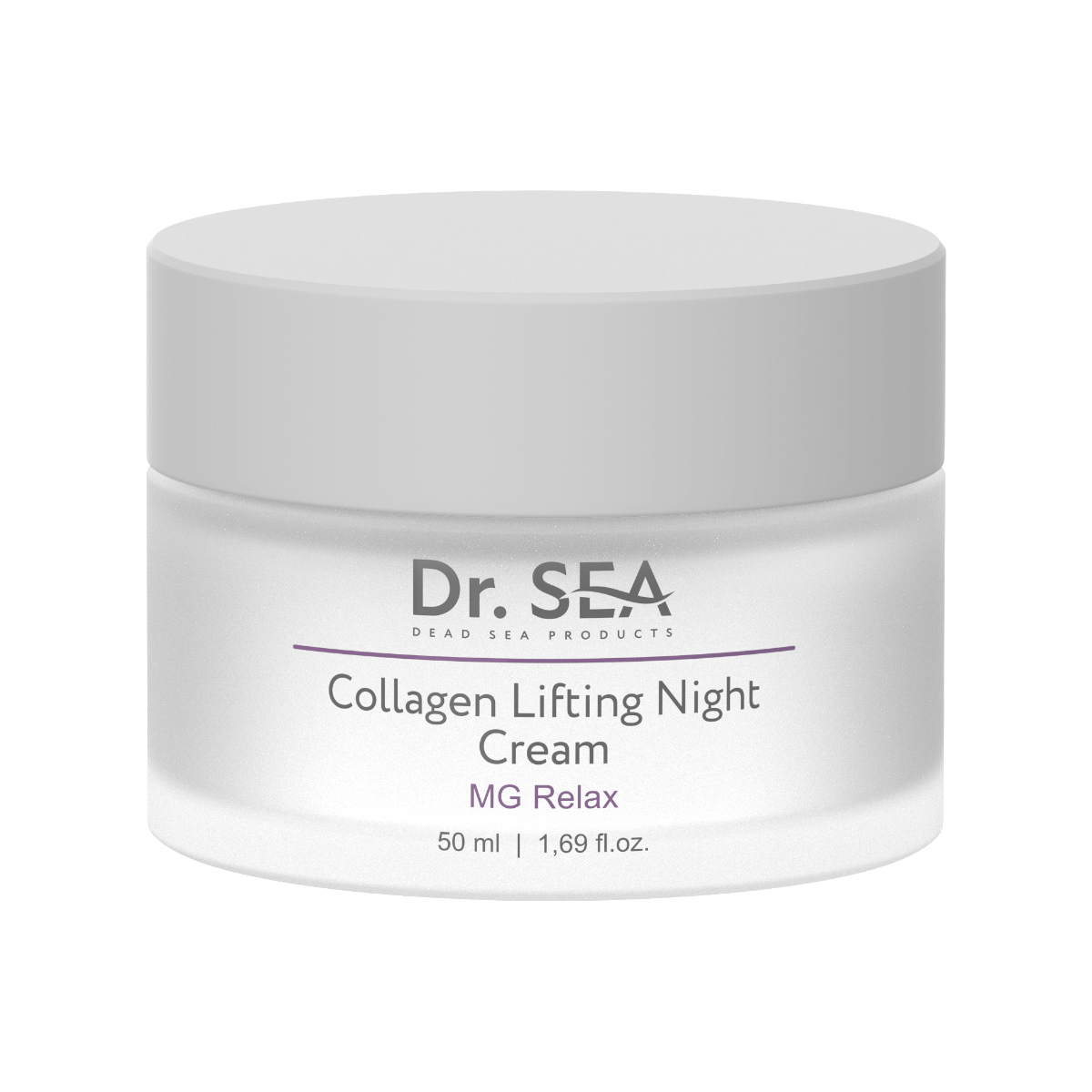
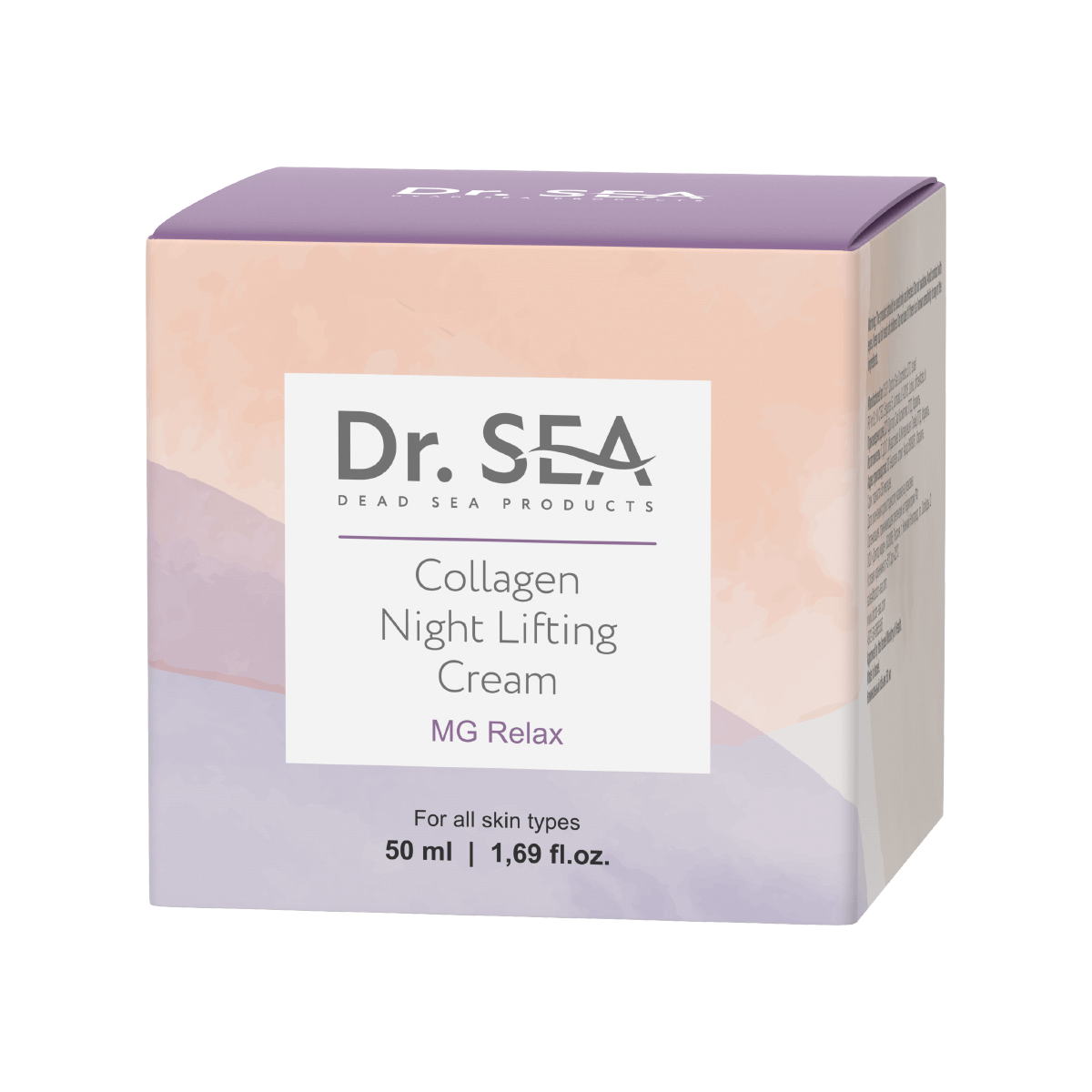
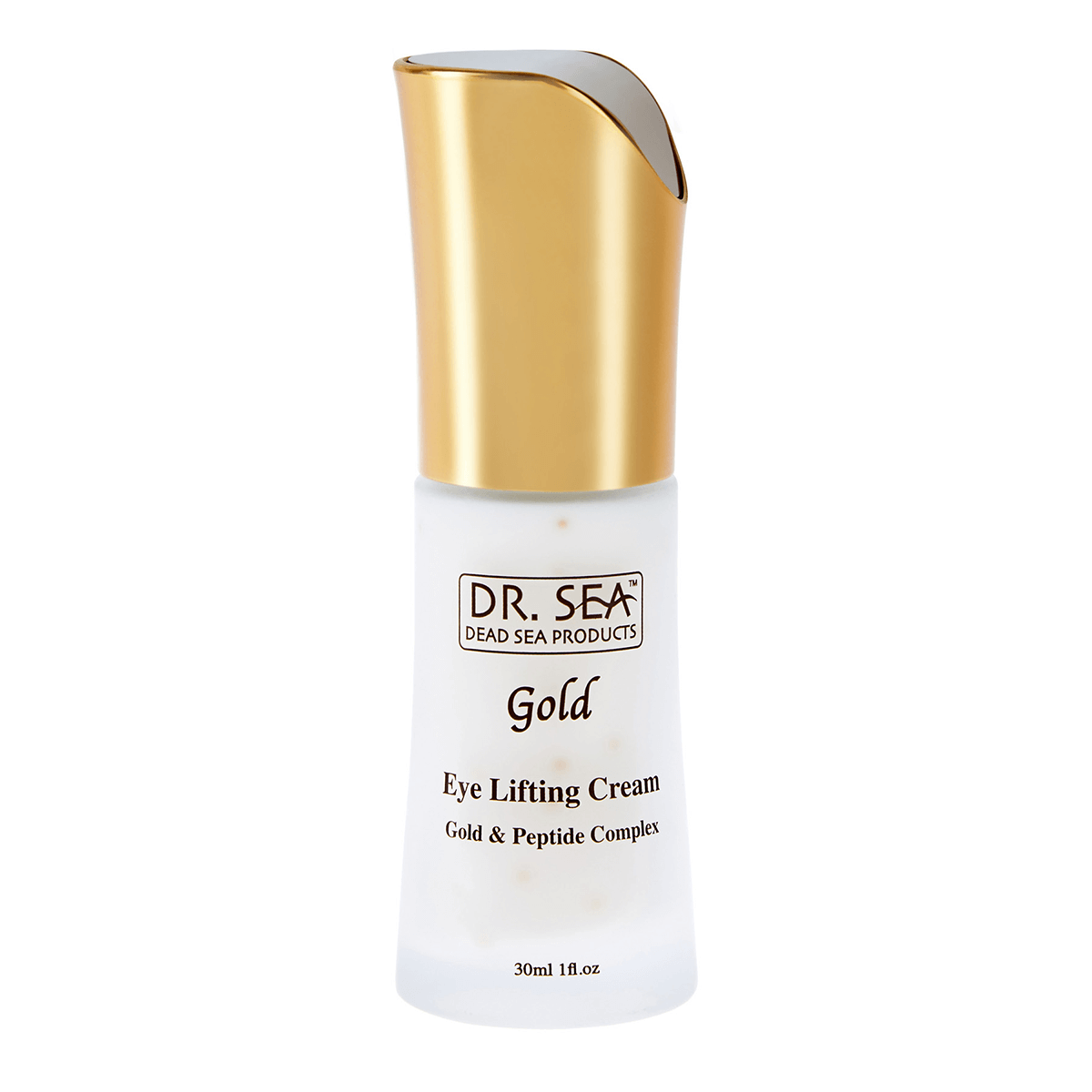
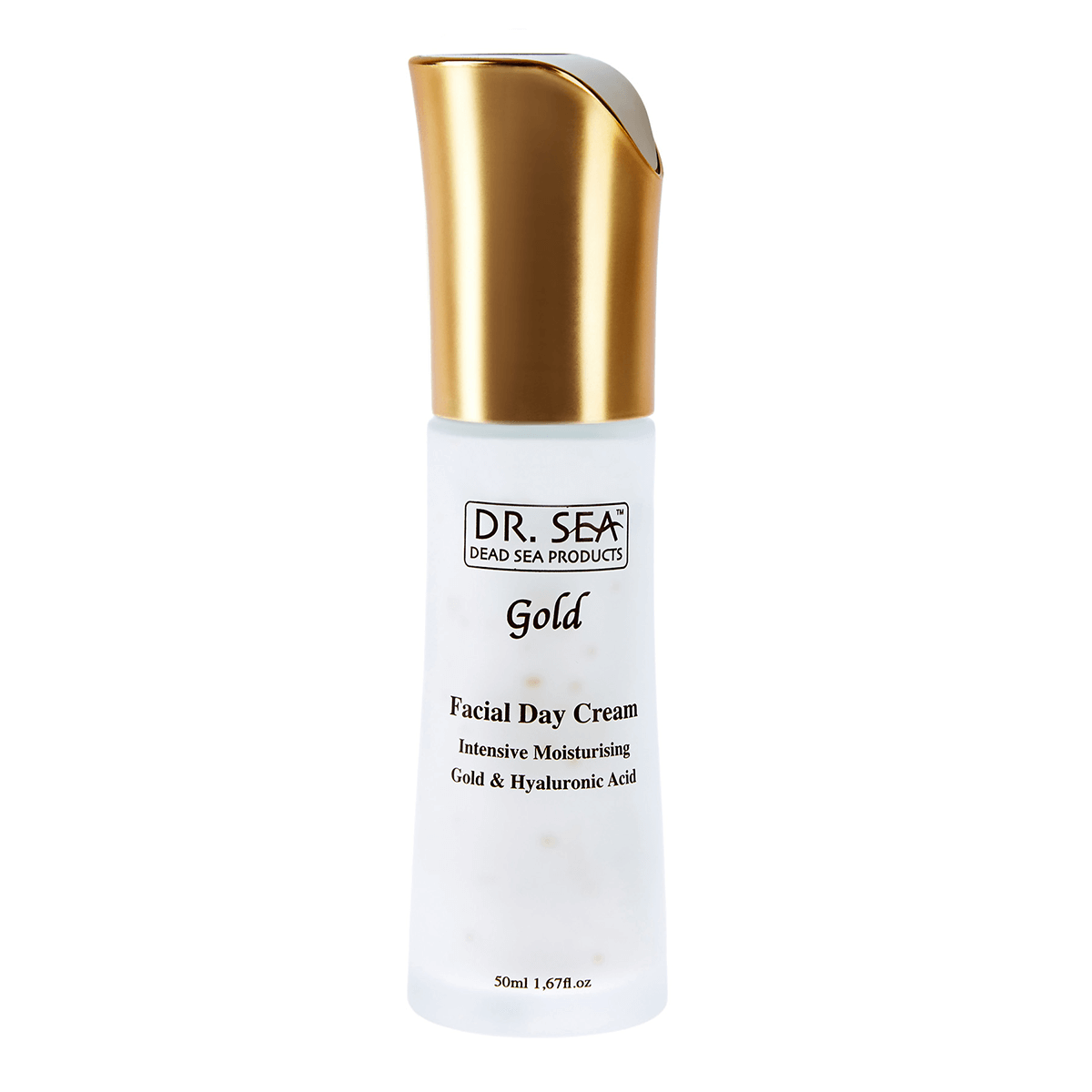
If you want to try it, start where the evidence is strongest: a mineral mud mask or bath salt to soak and soothe, and a mineral moisturizer to lock in hydration afterward. Our Dead Sea collection gathers authentic mineral mud, salt, serums, and creams sourced from the region, so you are working with the actual magnesium-dominant chemistry the research points to, not a generic "sea" label.
The bridge: Use Dead Sea products for what they reliably do. Cleanse with a mineral mud a couple of times a week to calm rough, flaky patches, then follow with a mineral moisturizer to hold in water. Keep expectations grounded in hydration and soothing, and you will get the benefit that dermatology research actually supports, straight from Israel's most famous natural landmark.
Related
- Benefits of Dead Sea skincare products from Israel
- Why Dead Sea minerals make the best skincare products
- The benefits of Dead Sea salt
Last updated July 2026.