

Short answer: The Dead Sea is a hypersaline lake in the Jordan Rift Valley, sitting at roughly 440 meters below sea level (the lowest exposed land on Earth) and shared by Israel, the West Bank, and Jordan. Its water is about 34% salt, close to ten times saltier than the ocean, and it is unusually rich in magnesium, calcium, potassium, and bromine rather than ordinary table salt. Controlled dermatology research found that bathing in magnesium-rich Dead Sea salt improved skin hydration and barrier function and reduced roughness and irritation, which is the credible basis for the region's long beauty reputation and for Israeli mineral-cosmetic brands.
What actually makes the Dead Sea different
The Dead Sea lies at the lowest point on the Earth's exposed land surface, about 440 meters below sea level, in the Jordan Rift Valley. It is bordered by Israel and the West Bank to the west and Jordan to the east, so it is not quite right to call it a lake "in Israel." The Israeli western shore is simply where the country's spas, clinics, and cosmetics industry are concentrated. That extreme depression matters for skin in an unexpected way: the thick, hazy atmosphere over the basin filters out some harmful UVB radiation, which is one reason dermatologists have used supervised sun exposure there (a treatment called photoclimatherapy) for psoriasis. (Encyclopedic overview.)
The water itself is chemically unlike ordinary seawater. Most oceans are dominated by sodium chloride, plain table salt. The Dead Sea is dominated instead by magnesium chloride, with substantial calcium and potassium chlorides and the highest bromide concentration of any body of water on Earth. Measured surface salinity reached about 34.2% in 2011, roughly 9.6 times saltier than the ocean, and that density is exactly why bathers float so effortlessly. As of 2025 the surface sits about 439.78 meters below sea level and the lake runs some 304 meters deep, making it the deepest hypersaline lake on the planet, so salty that fish and other macroscopic life cannot survive in it. (Dead Sea, encyclopedic overview.)
The science behind the skincare reputation
The mineral profile, especially magnesium, is what serious skincare claims lean on, and there is real evidence behind it. The strongest single study is Proksch and colleagues (2005) in the International Journal of Dermatology. Volunteers soaked one forearm in a 5% magnesium-rich Dead Sea salt solution and the other in tap water. The salt-bathed skin showed significantly better barrier function and hydration and less roughness and redness in areas of dry, irritated skin. The researchers attributed this to magnesium's ability to bind water in the outer skin layer (the stratum corneum) and to calm inflammation. (Proksch et al., 2005.)
That is a genuinely encouraging result, and it is the sound foundation for mineral-based moisturizing and barrier care, including the Israeli brands built around Dead Sea minerals. It is worth being precise about what it does and does not show. A controlled salt bath is not the same as any given jar of cream, and the study supports hydration, barrier, and anti-irritation benefits, not the sweeping "detox" or dramatic anti-aging promises that sometimes get attached to Dead Sea marketing. Read the mineral story as real chemistry with a solid dermatology footnote, and treat trace-element and miracle claims with a healthy dose of skepticism.
A place woven into Jewish history
The Dead Sea shore is also one of humanity's oldest documented health and heritage destinations. King Herod built desert fortresses along the western cliffs, including Masada, and the sea's natural bitumen (asphalt) was traded to ancient Egypt for use in mummification. In the caves at Qumran near the northwestern shore, shepherds and archaeologists later uncovered the Dead Sea Scrolls, tying the region to Second Temple-era Jewish life and the Essenes. It is worth knowing, too, that the sea is under real strain: its surface area has more than halved since 1930, its level has been dropping roughly a meter a year, and in November 2025 the mineral producer ICL agreed to surrender its Dead Sea mining rights as part of a state effort to regulate extraction from the shrinking lake. (Times of Israel coverage.)
Bringing Dead Sea minerals into your routine
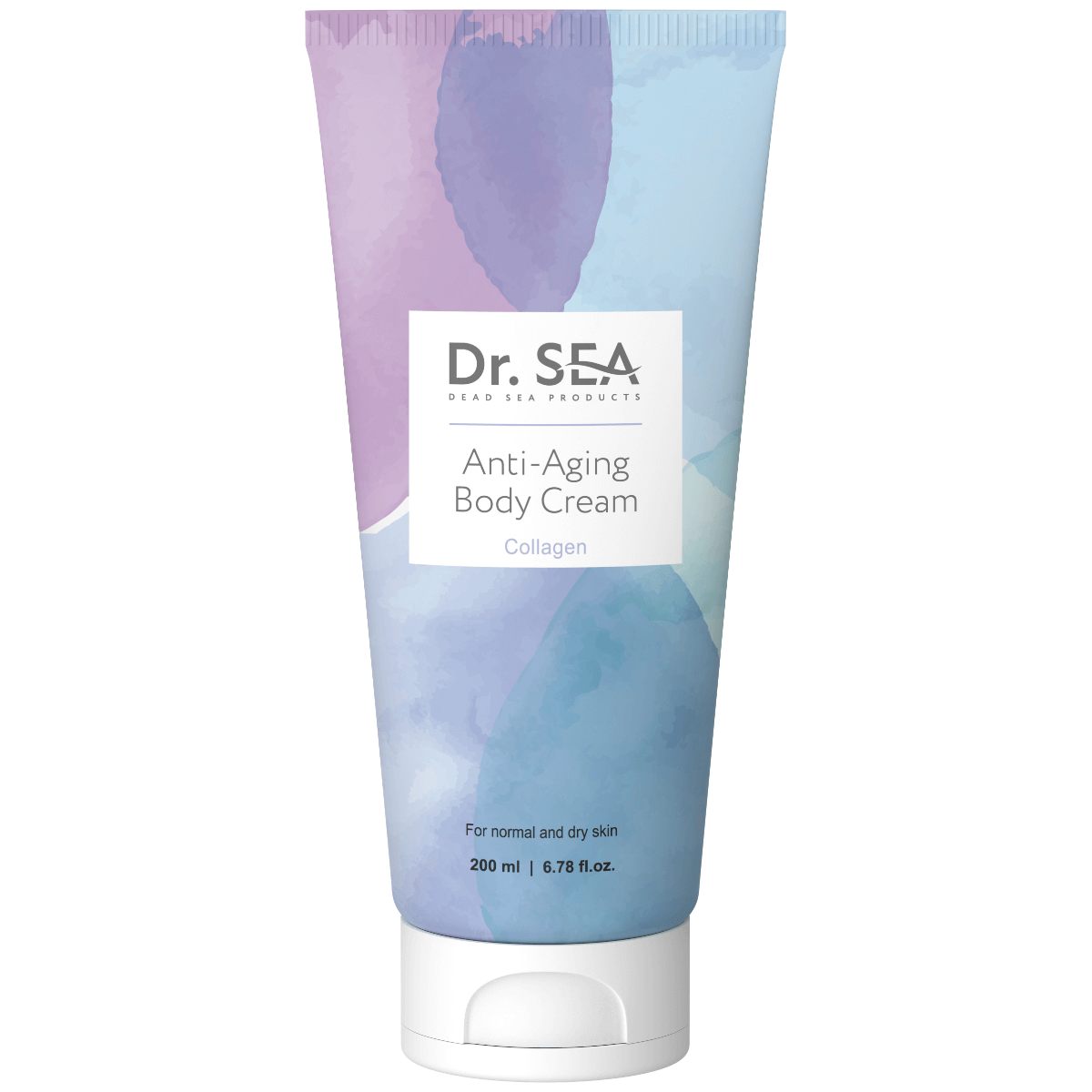
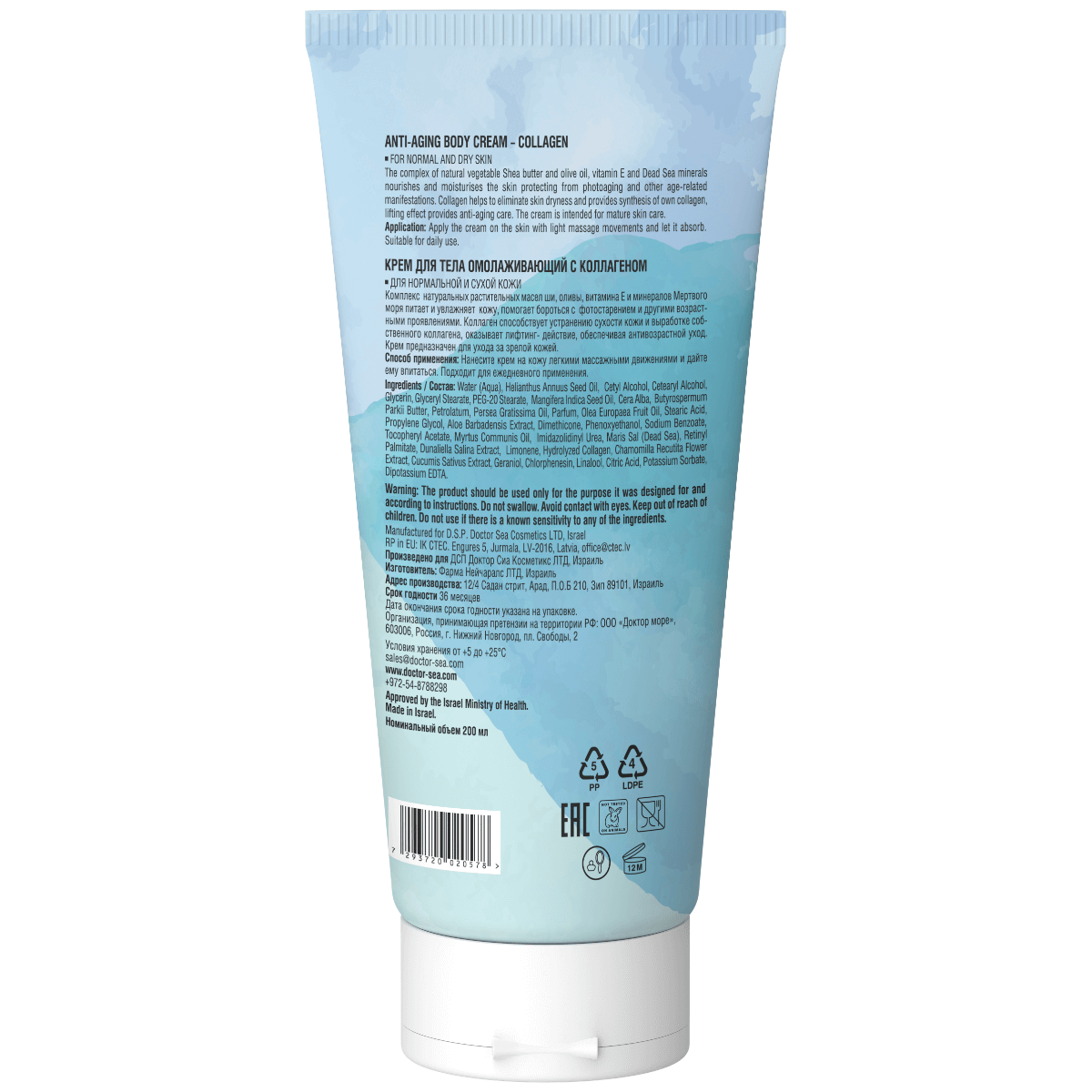
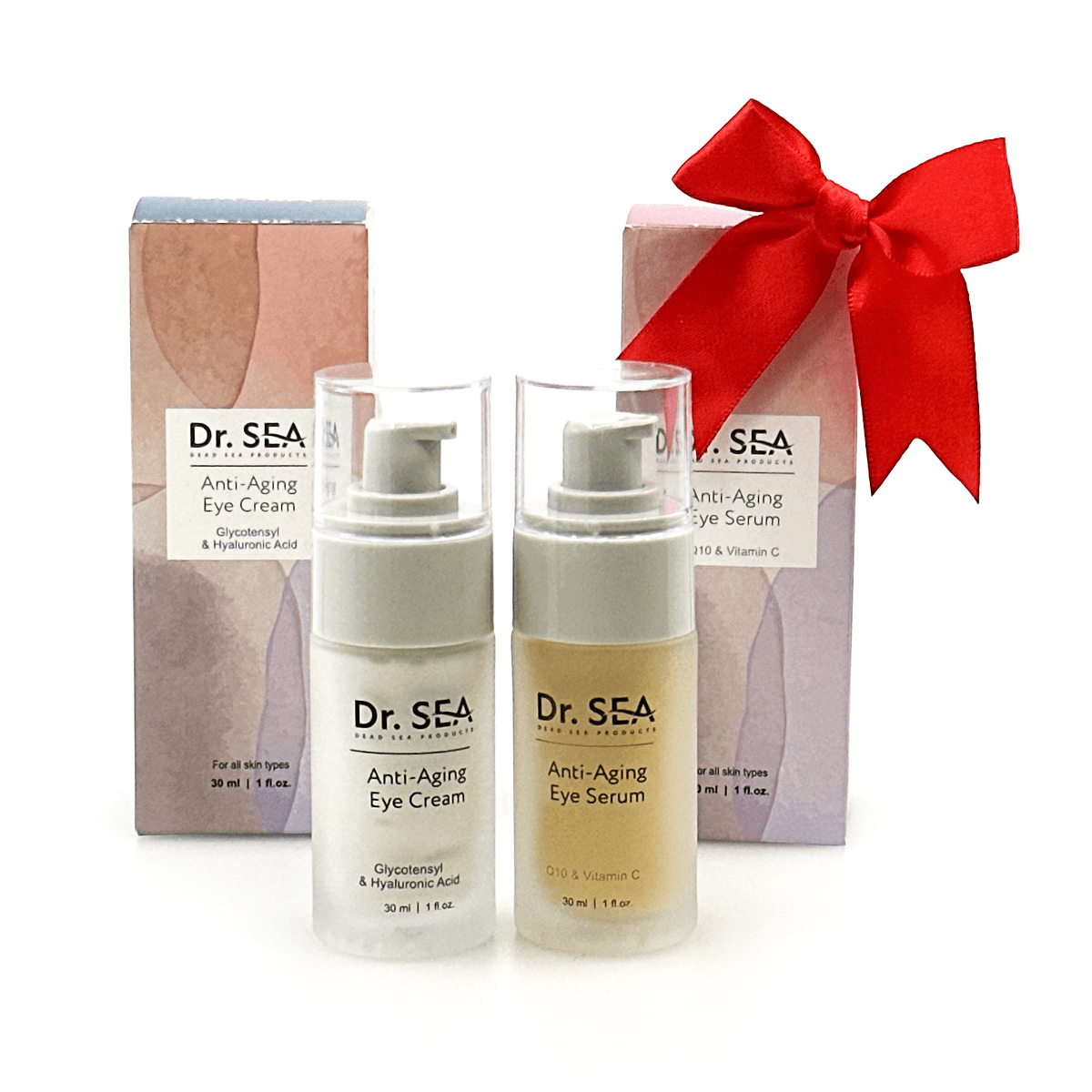
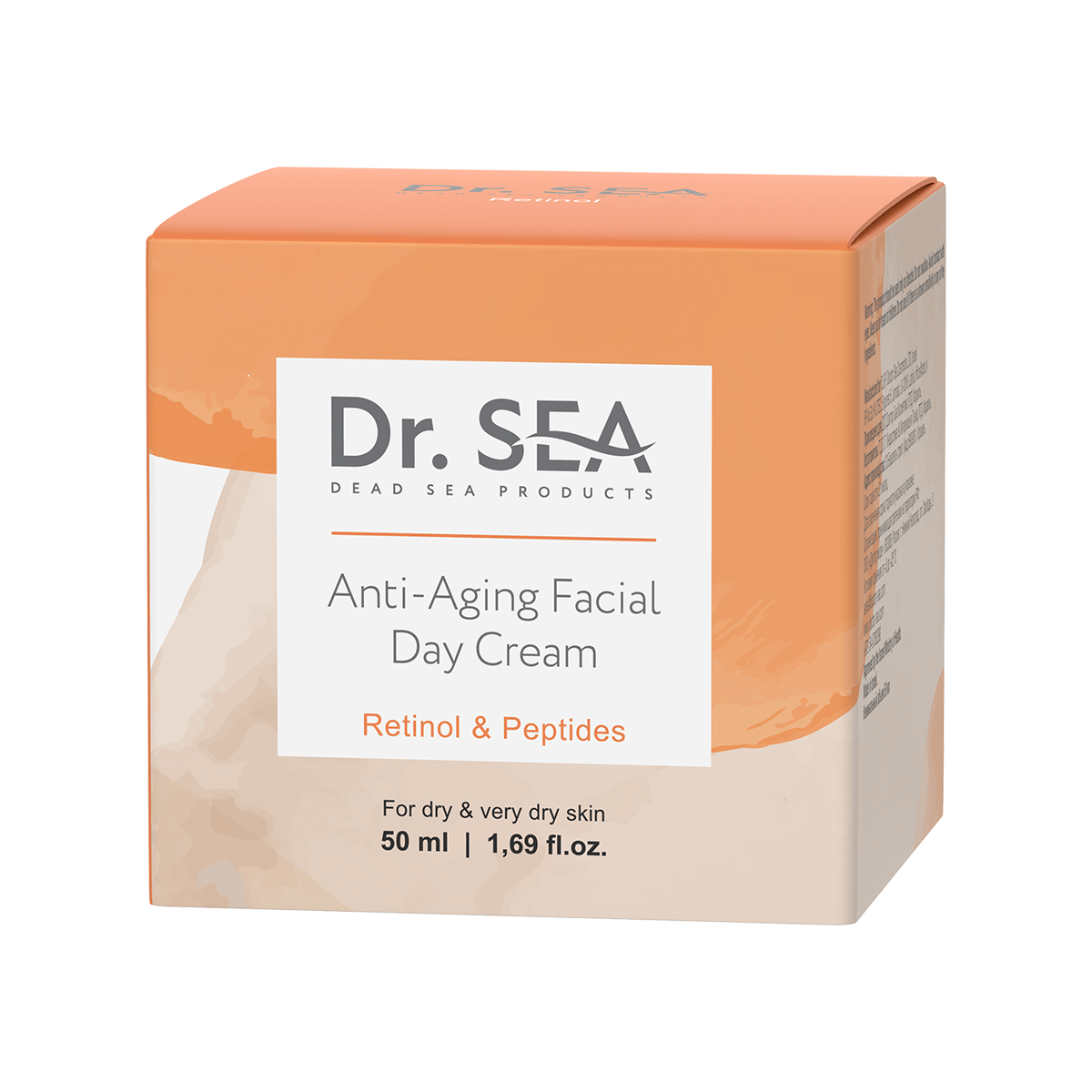
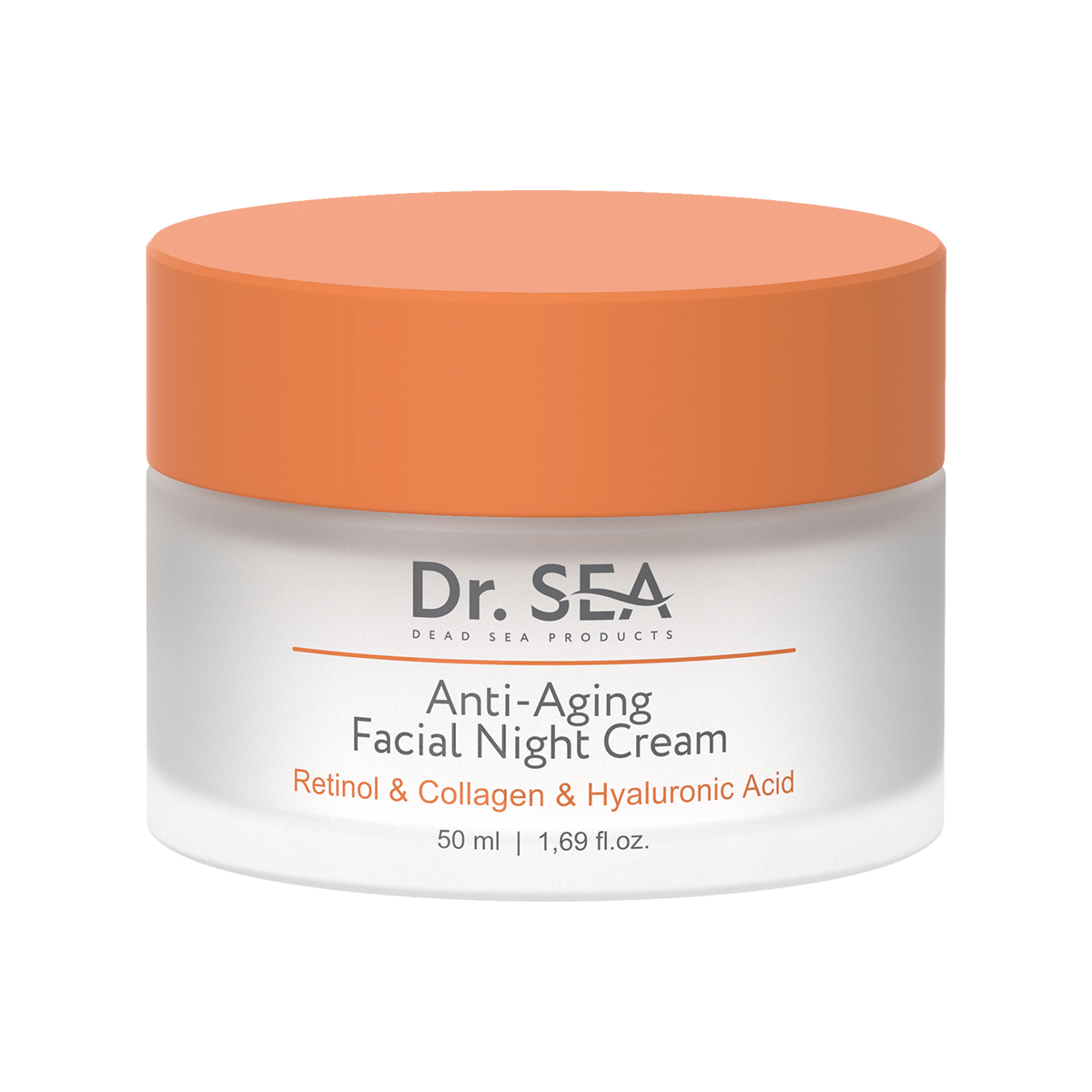
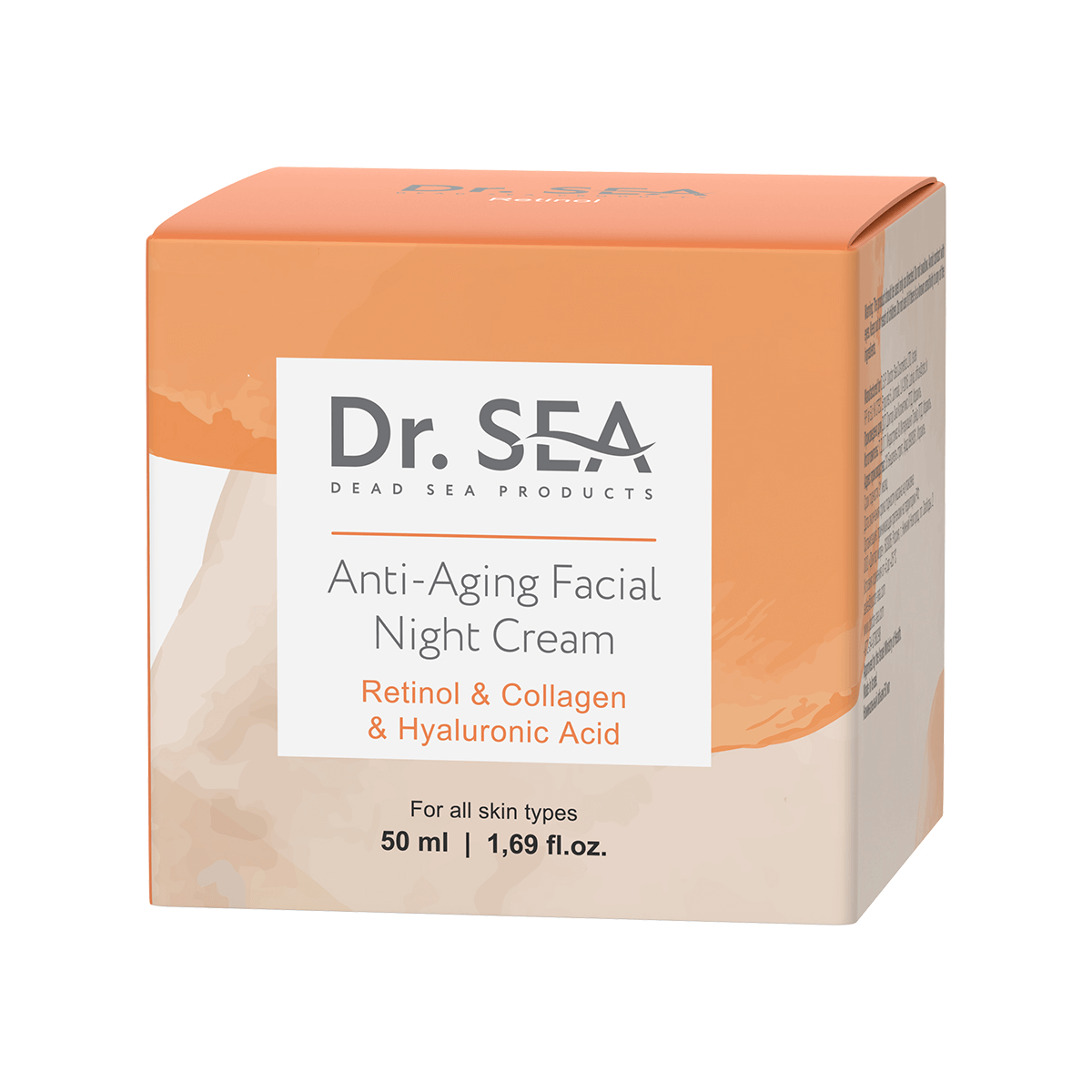
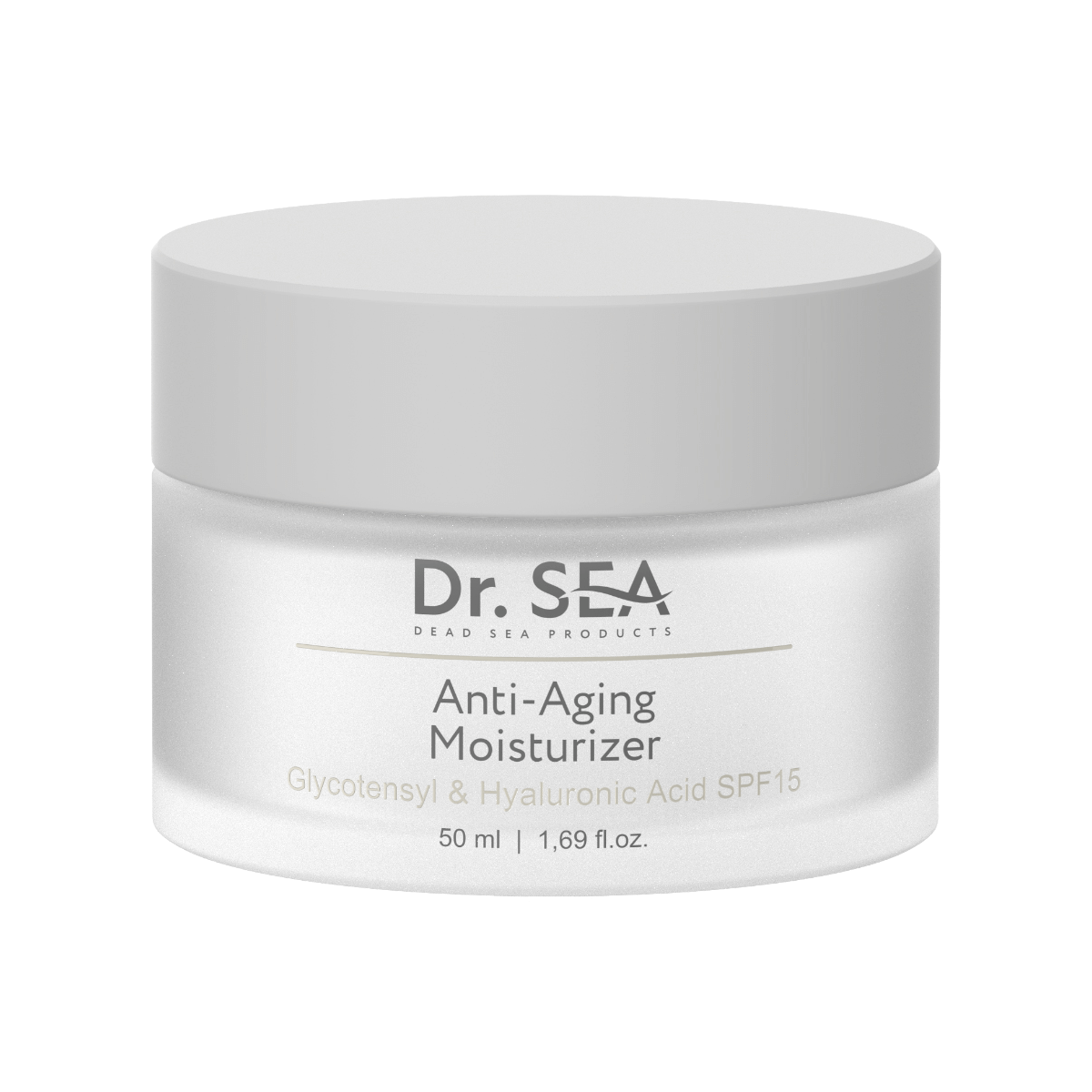
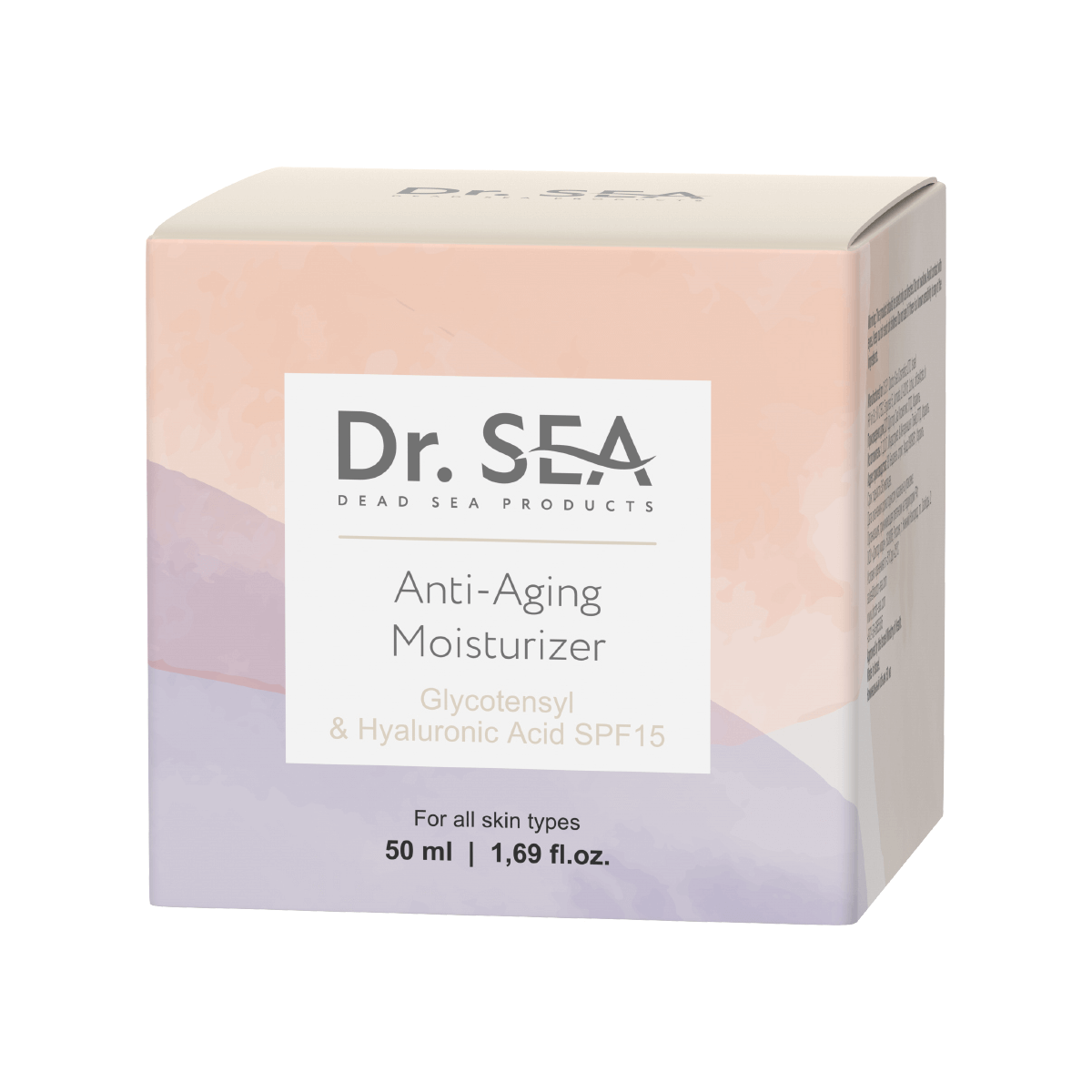
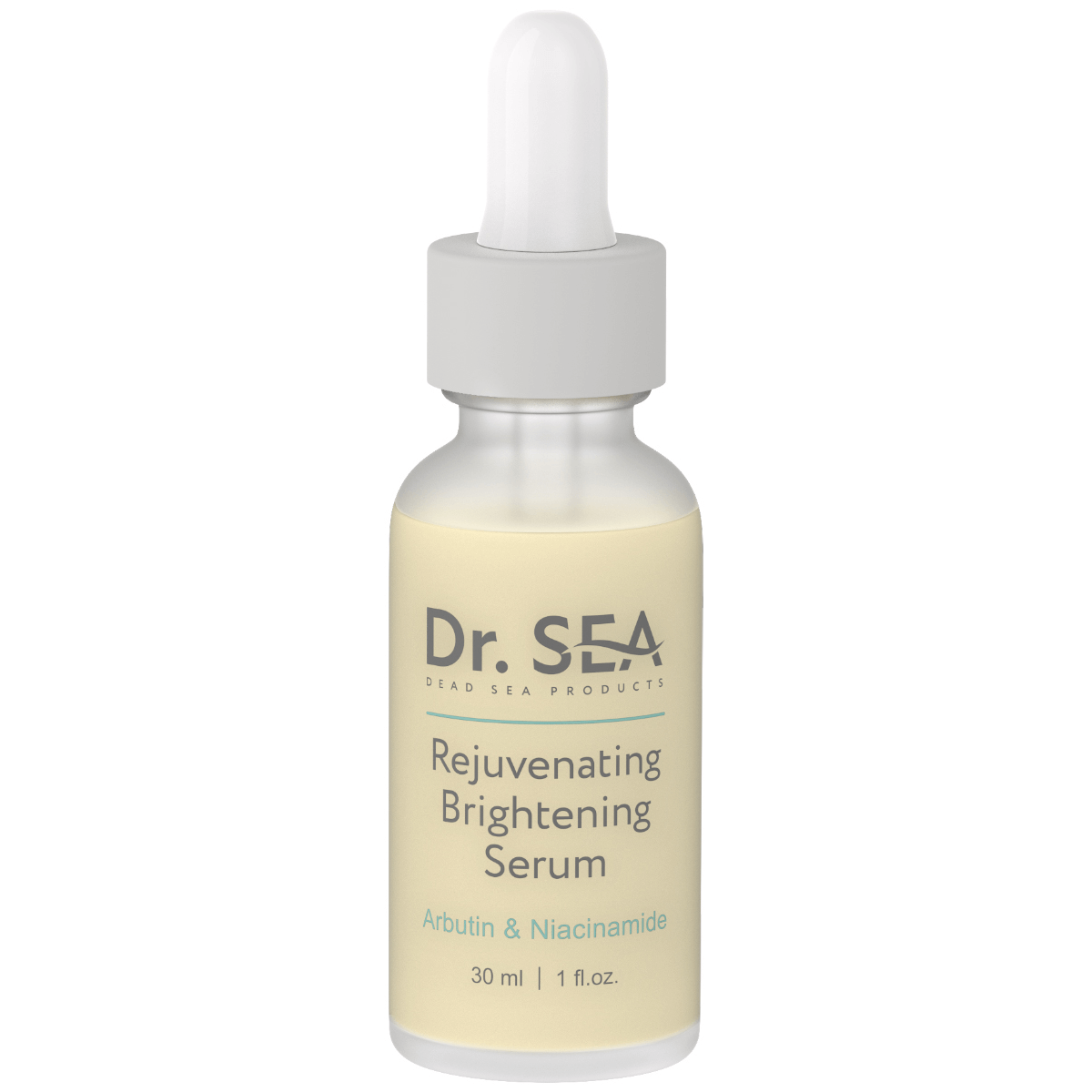
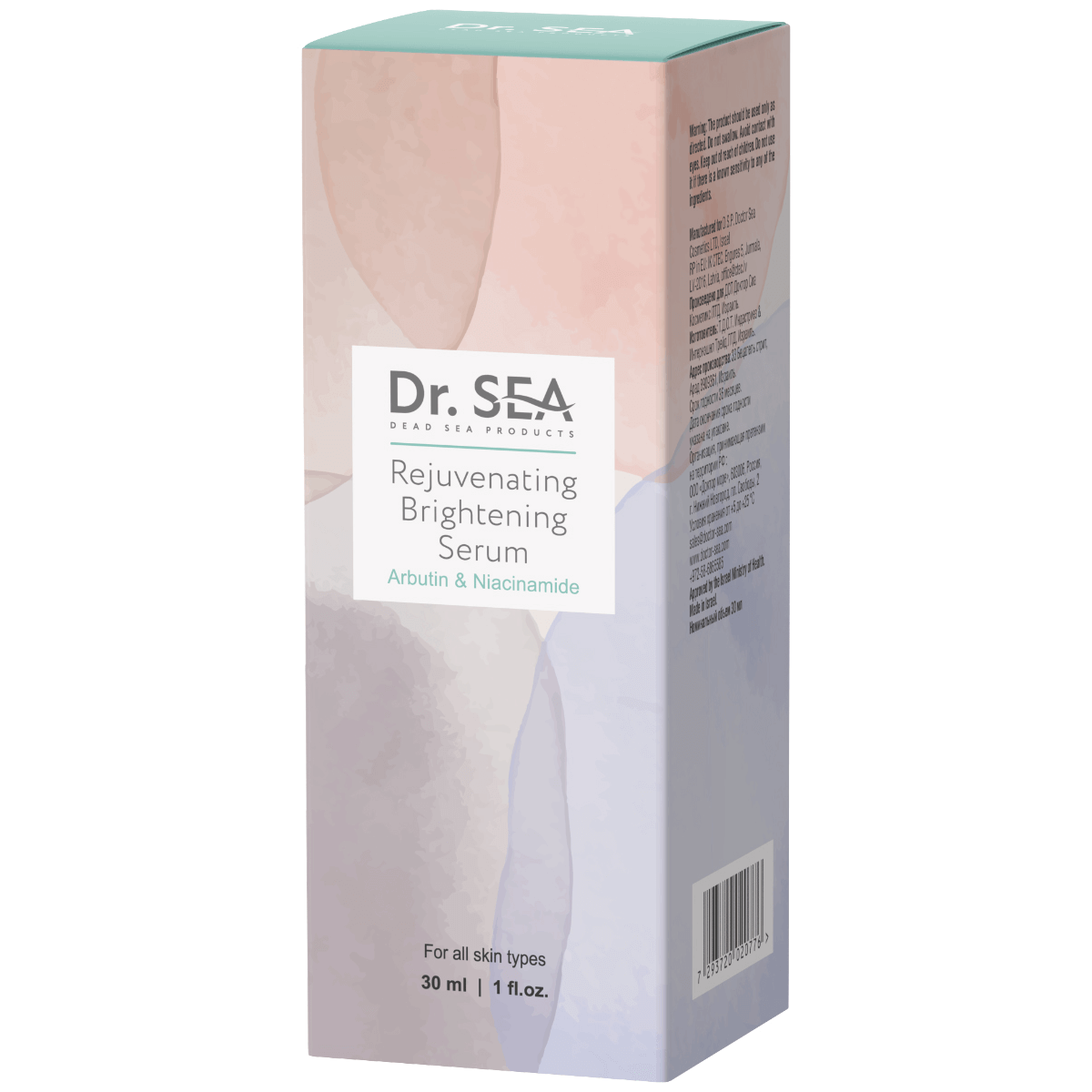
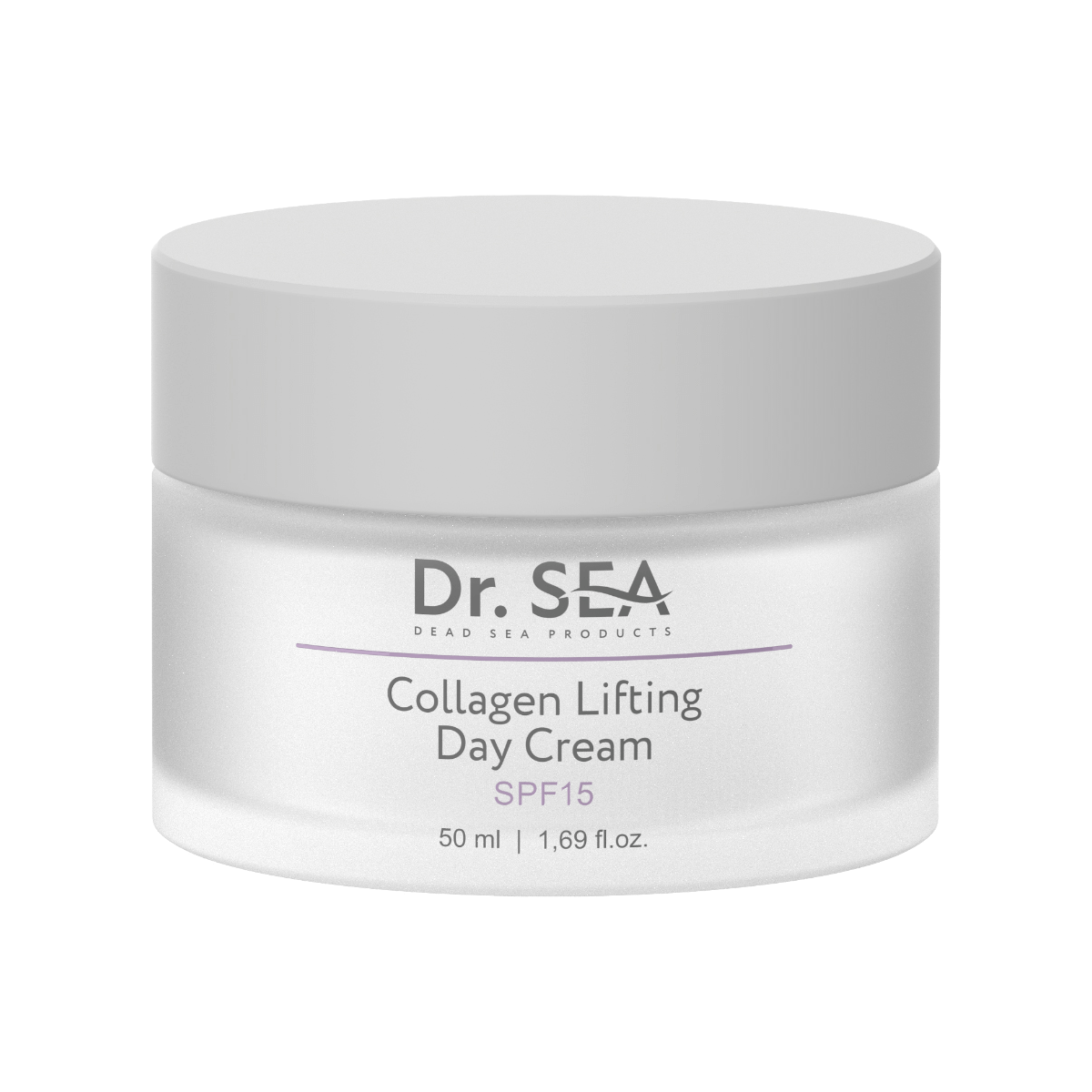
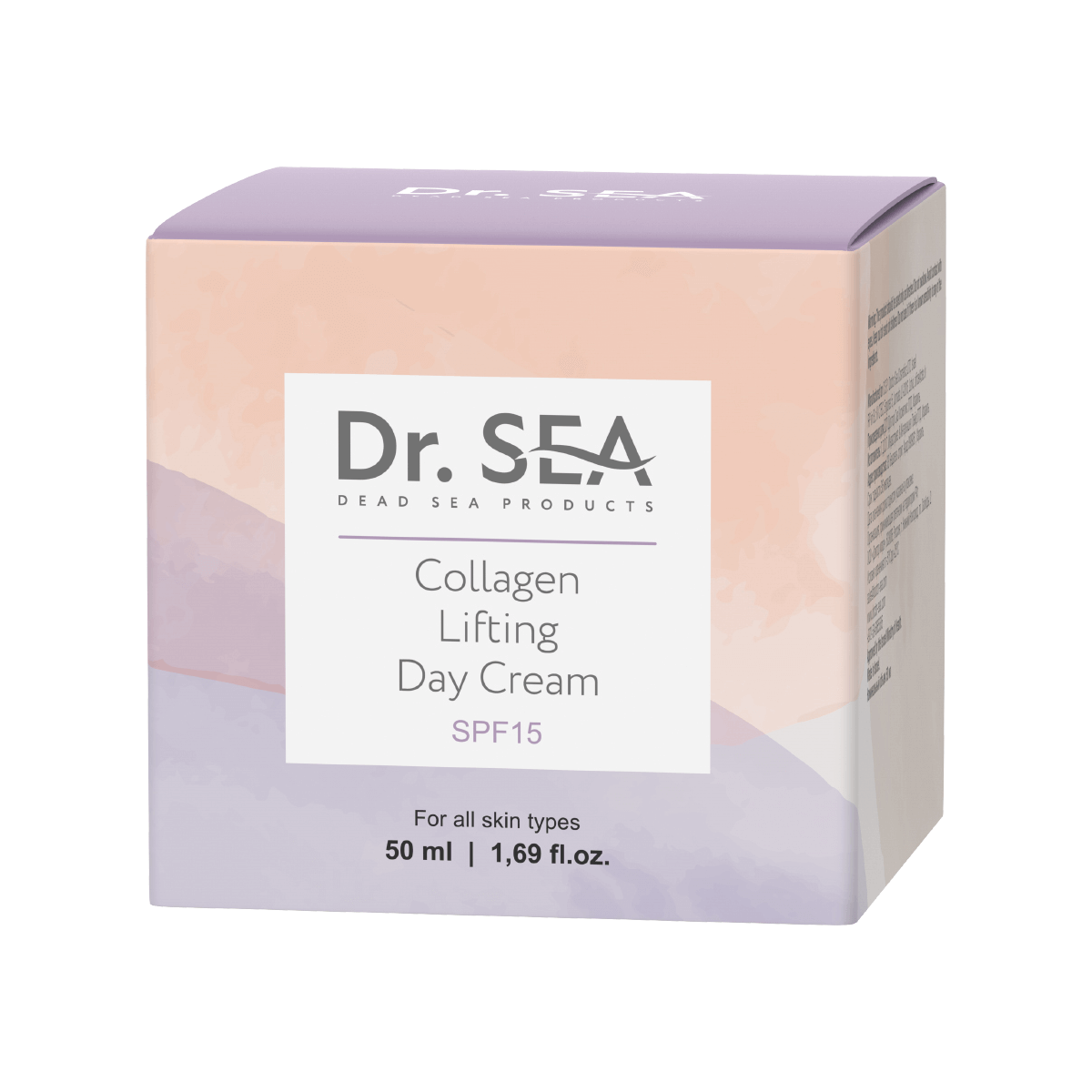
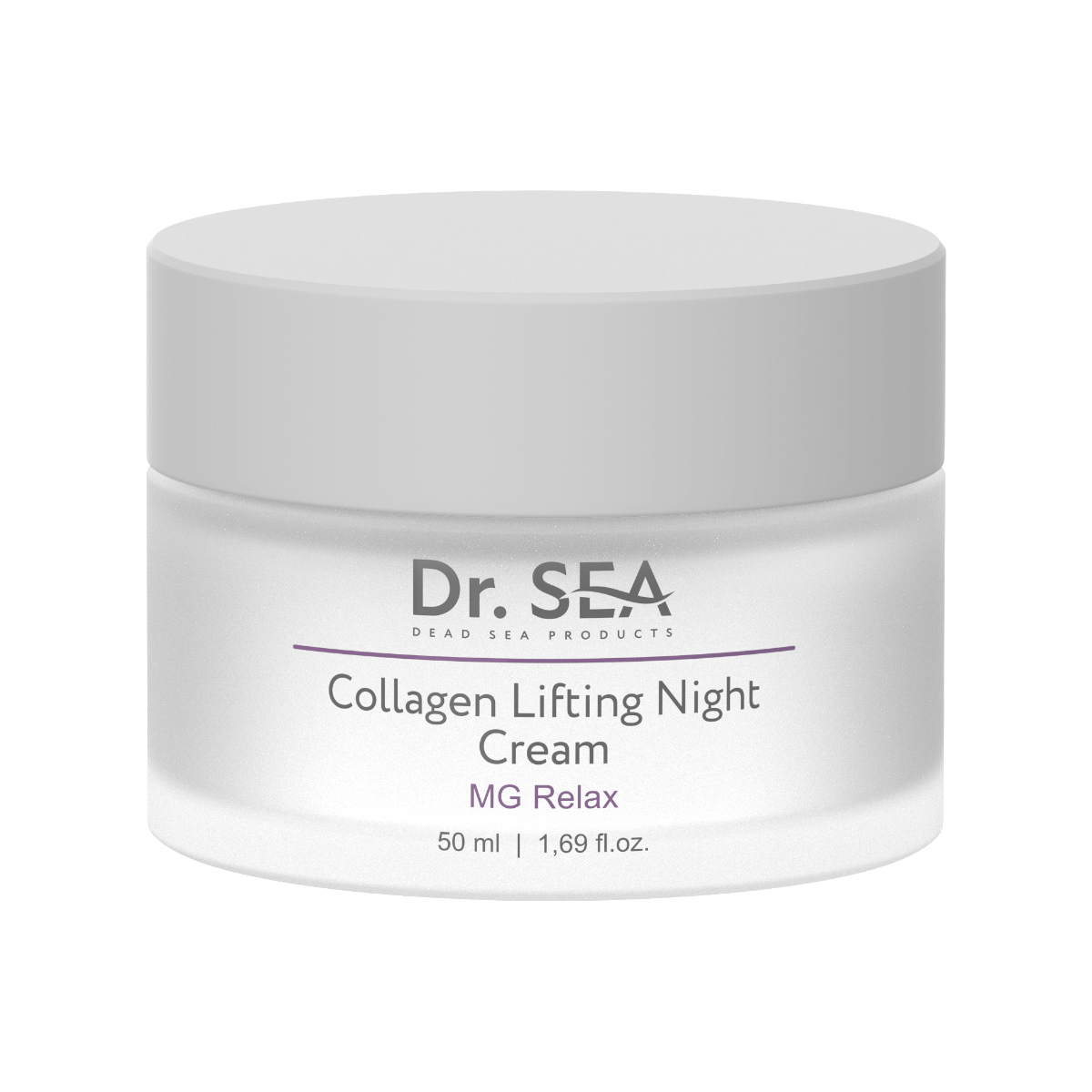
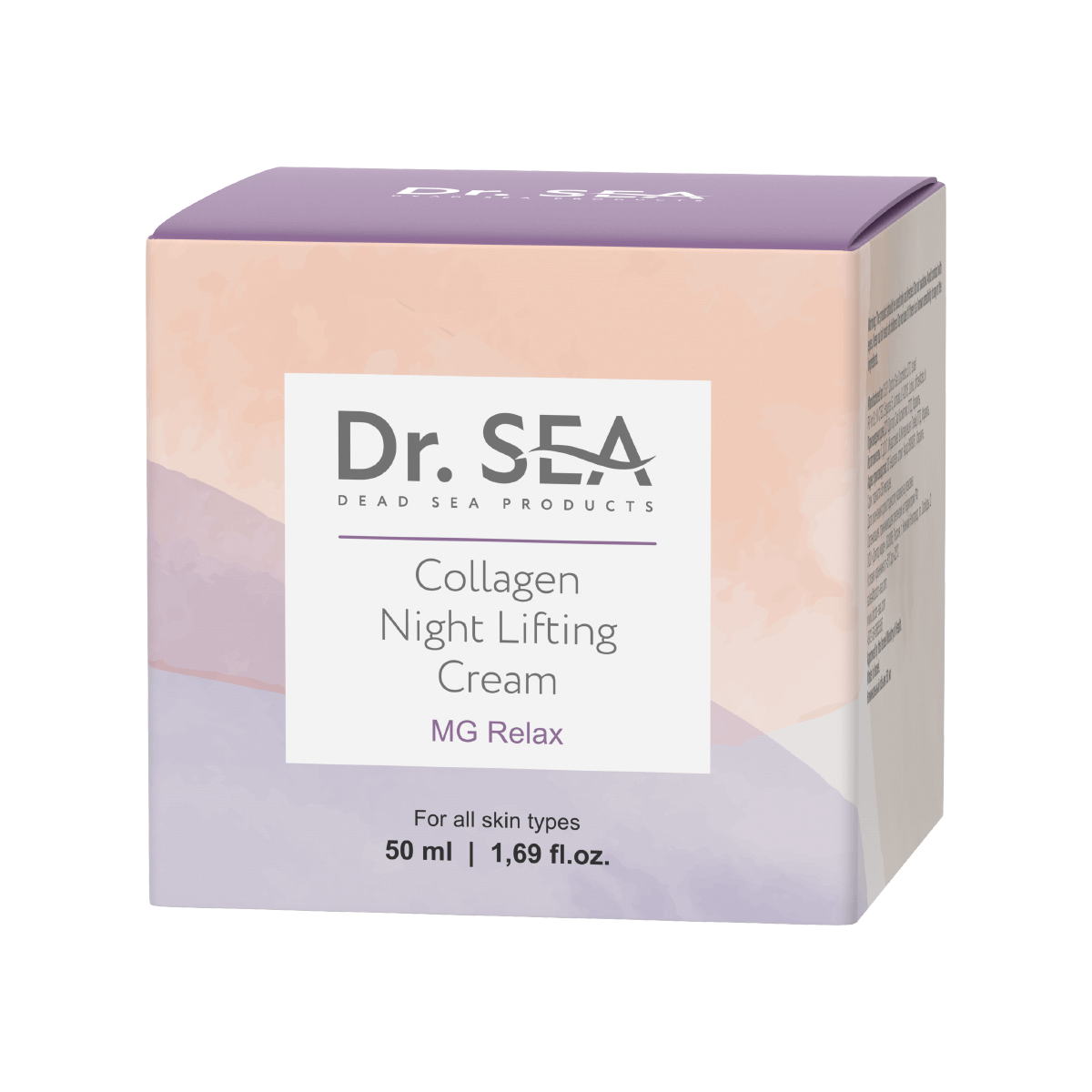
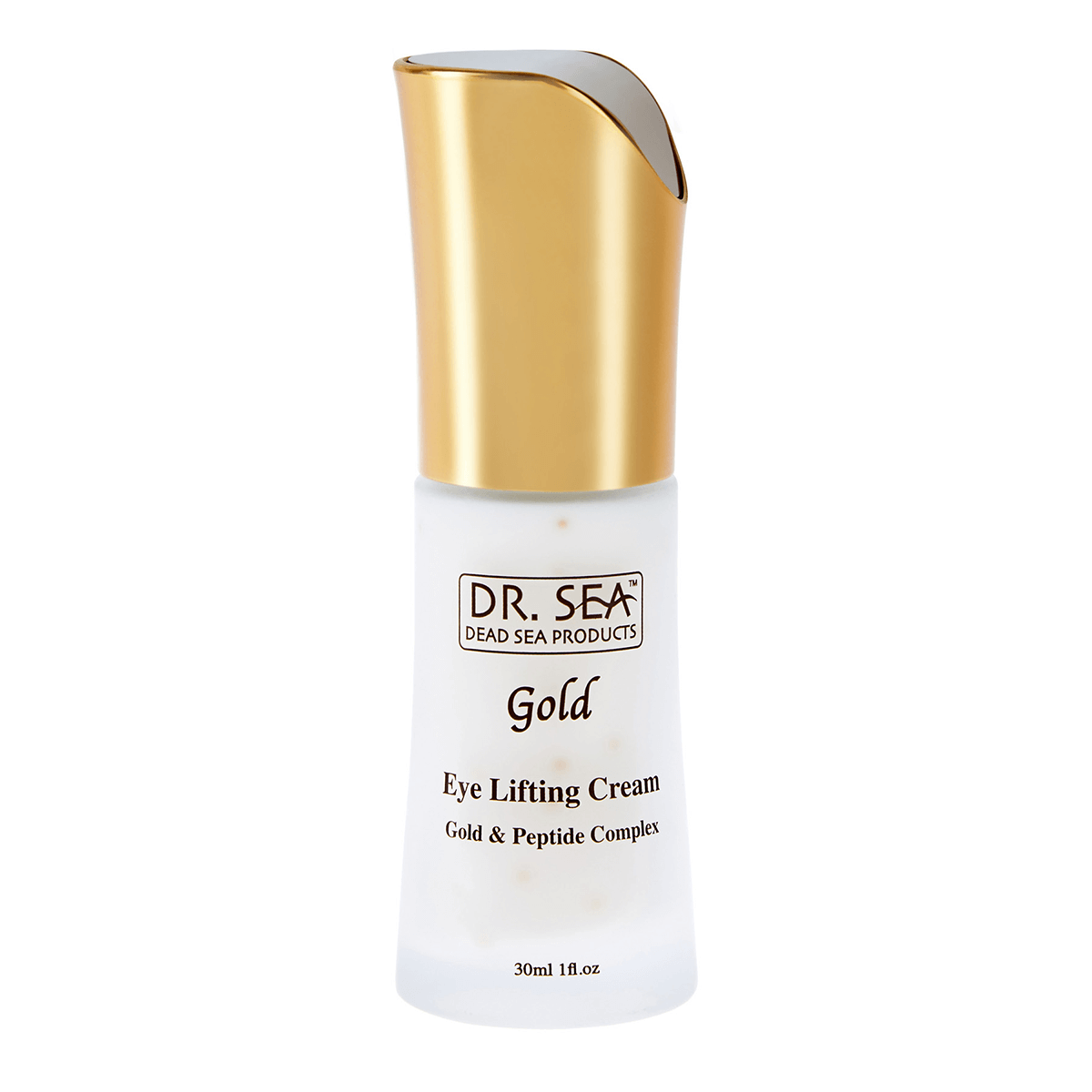
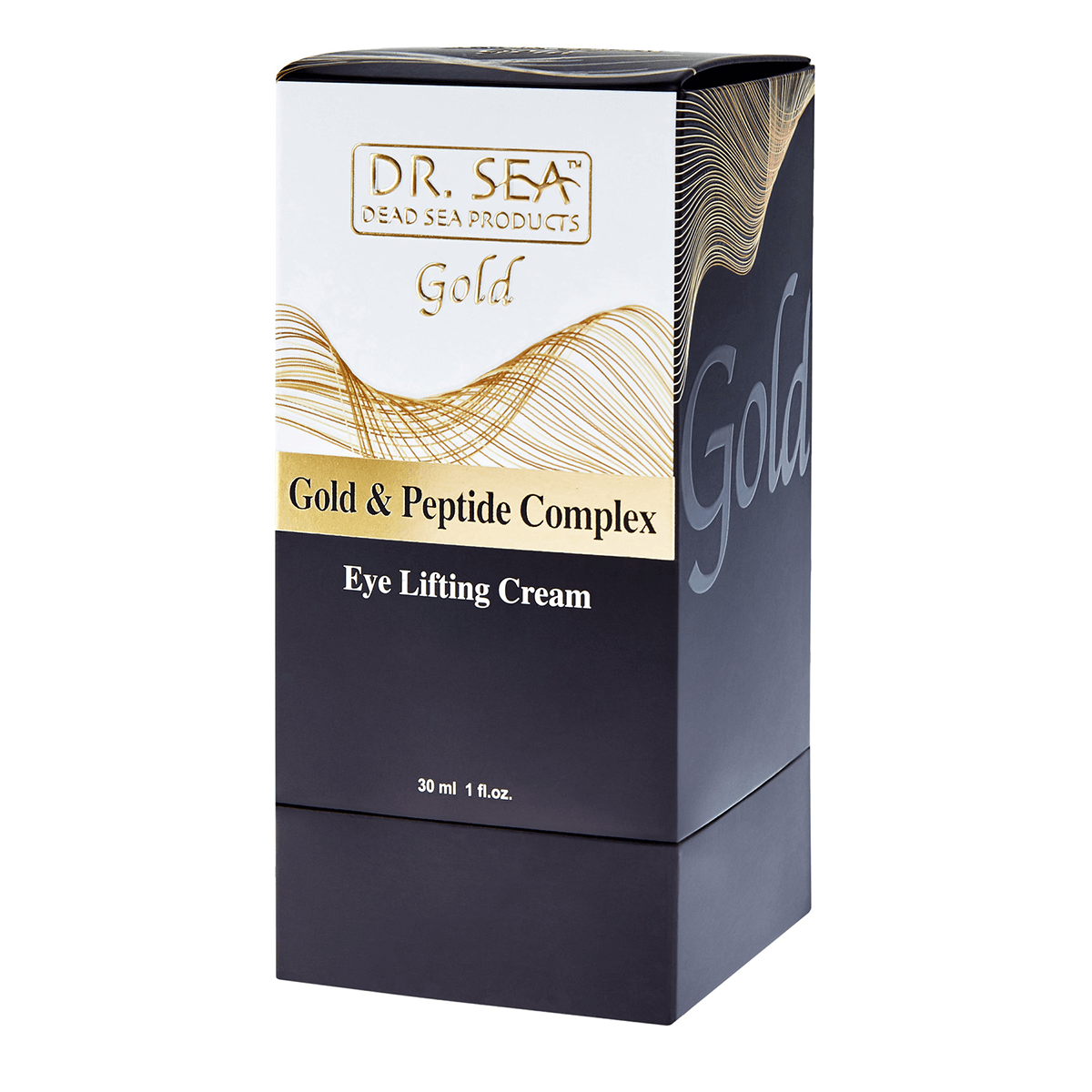
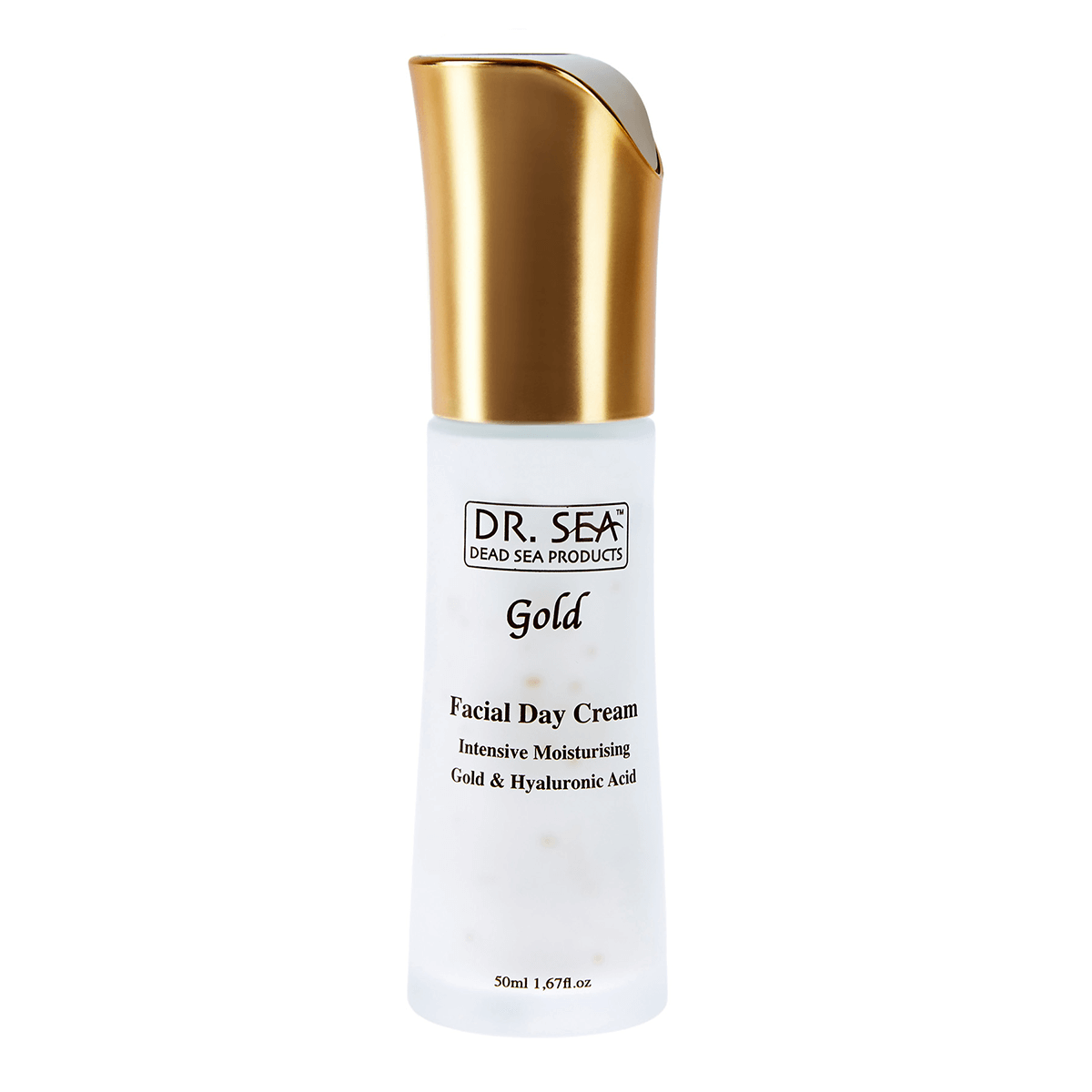
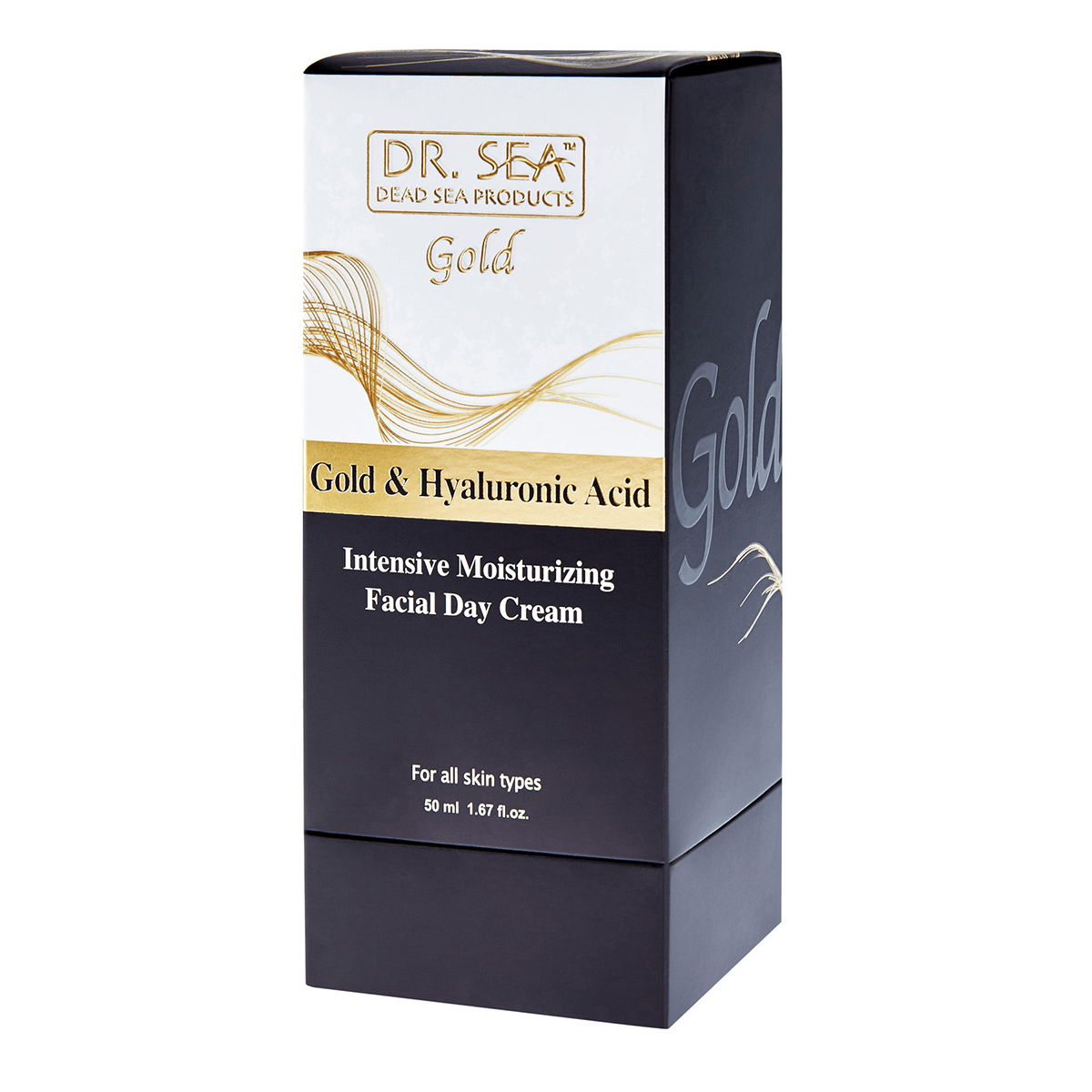
You do not have to fly to the Judean Desert to put the mineral story to work. The most defensible way to think about Dead Sea skincare is as mineral-rich moisture and barrier support: salts, muds, and formulations that carry magnesium, calcium, potassium, and bromide to your skin. Our Dead Sea collection gathers mineral mud, bath salt, serums, and moisturizers sourced from the region, so you can build a simple routine around the same minerals the research points to. Choose based on what your skin actually needs (hydration, softness, soothing) rather than on any promise of miracles, and you will be shopping the way the science supports.
Shop the Dead Sea collection: bring a piece of Israel's most famous mineral shoreline into your daily routine.
Related
- The benefits of Dead Sea salt
- Why is the Dead Sea so salty?
- Benefits of Dead Sea skincare products from Israel
Last updated July 2026.