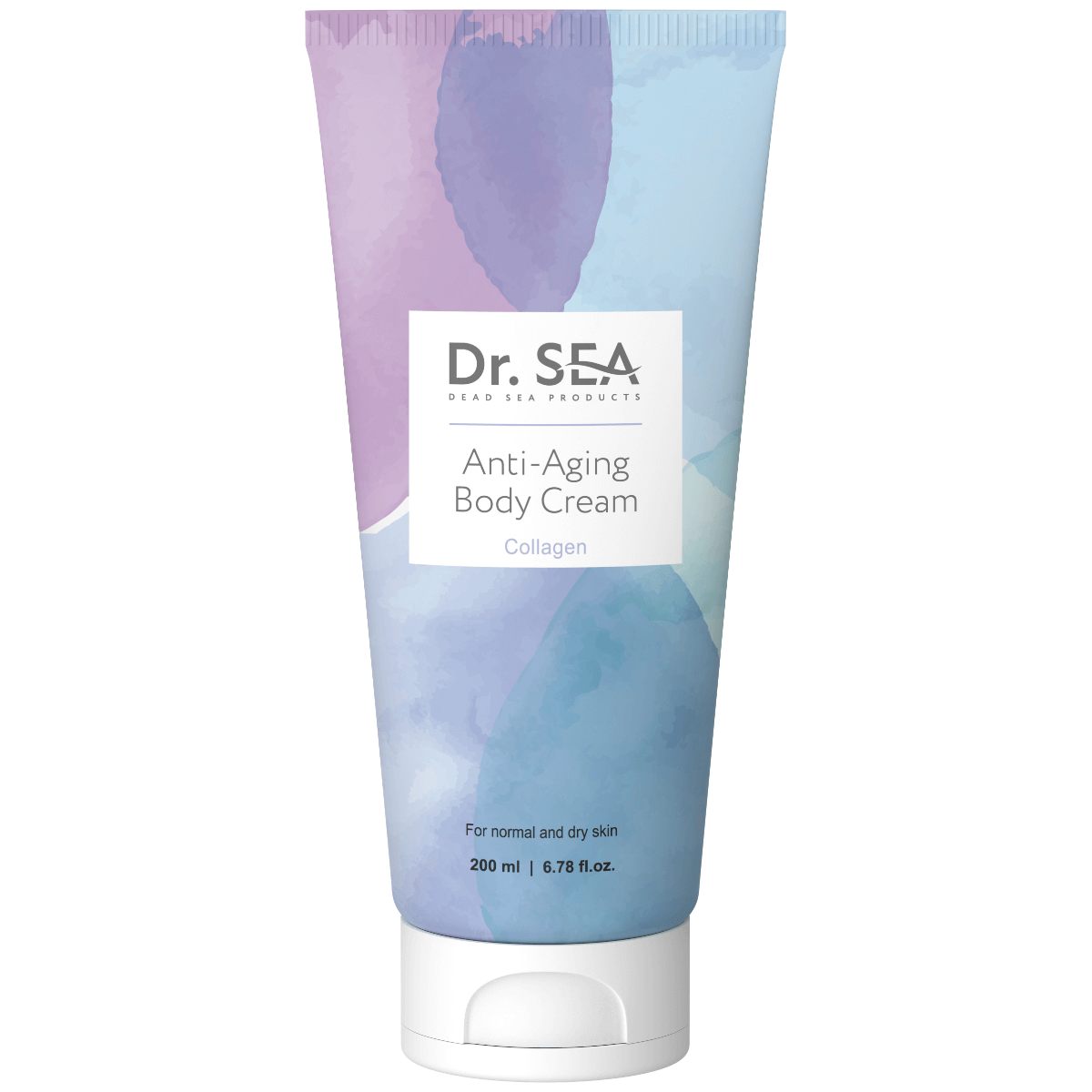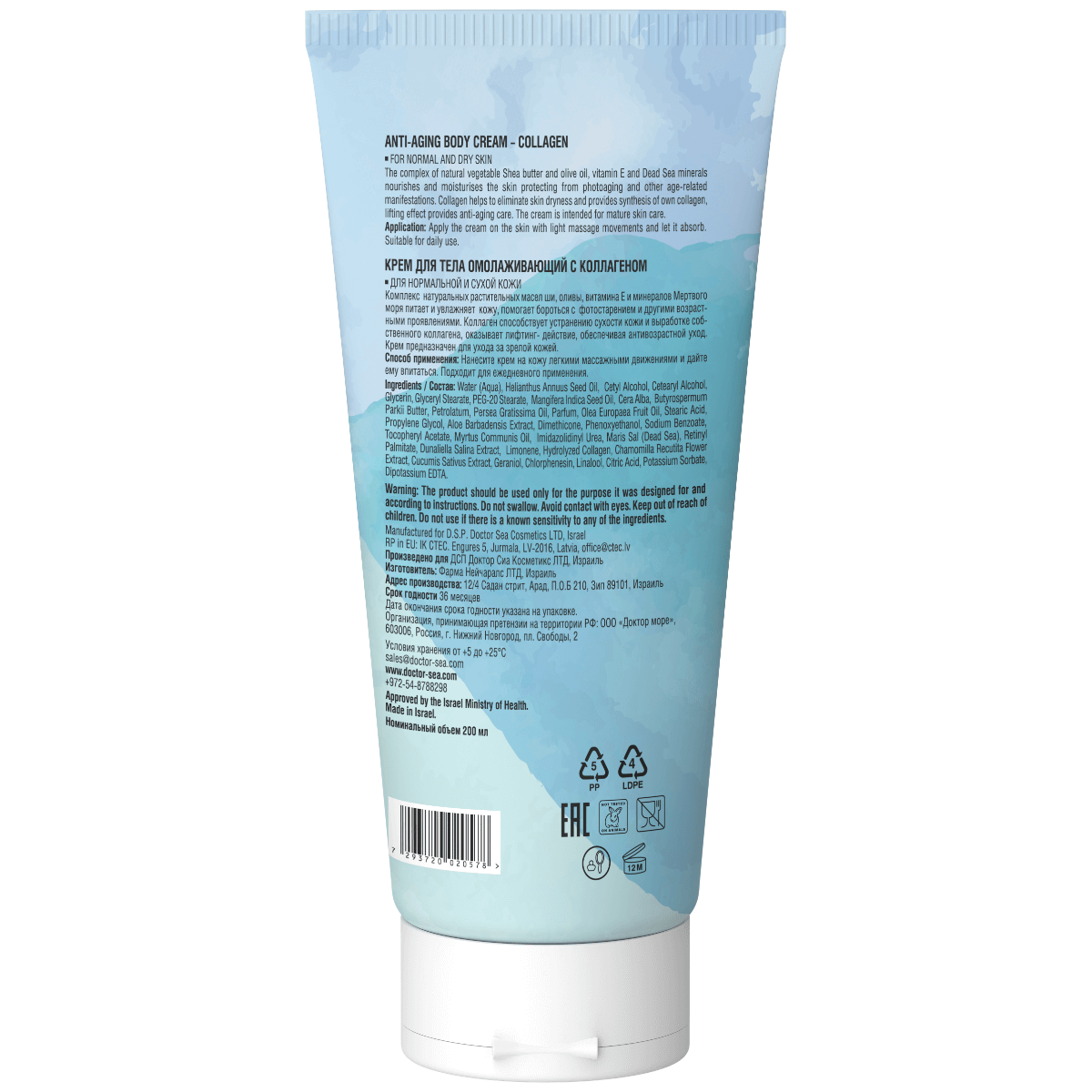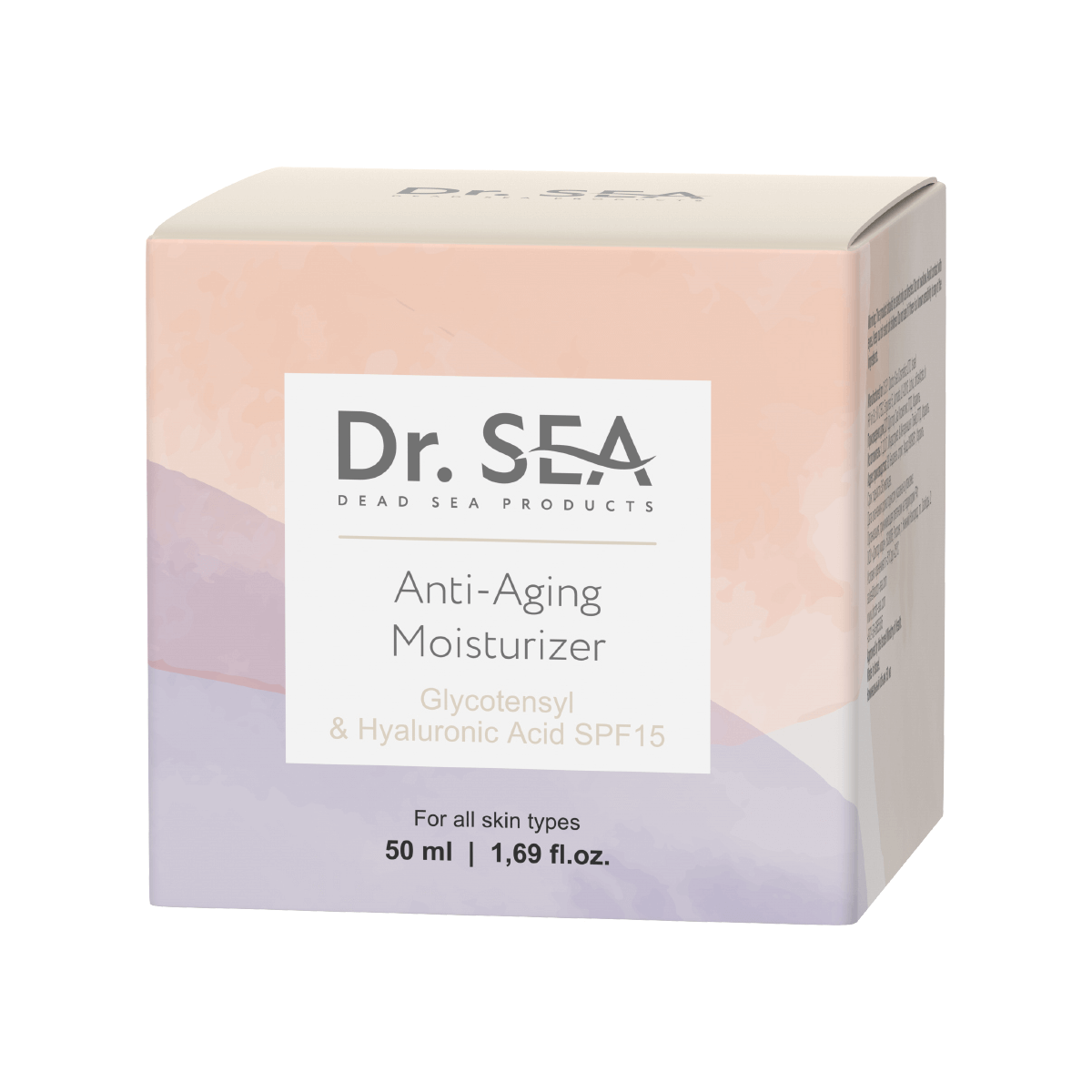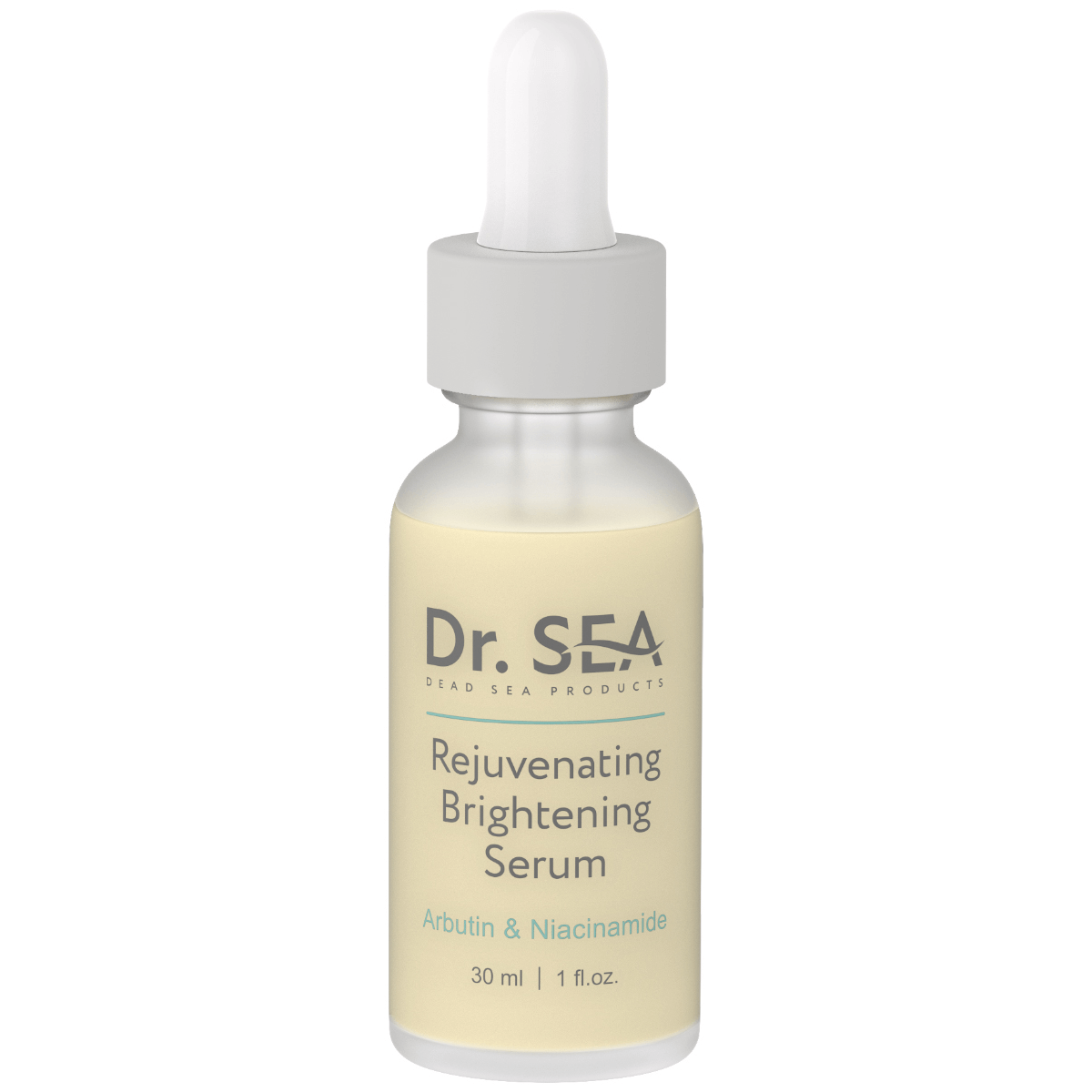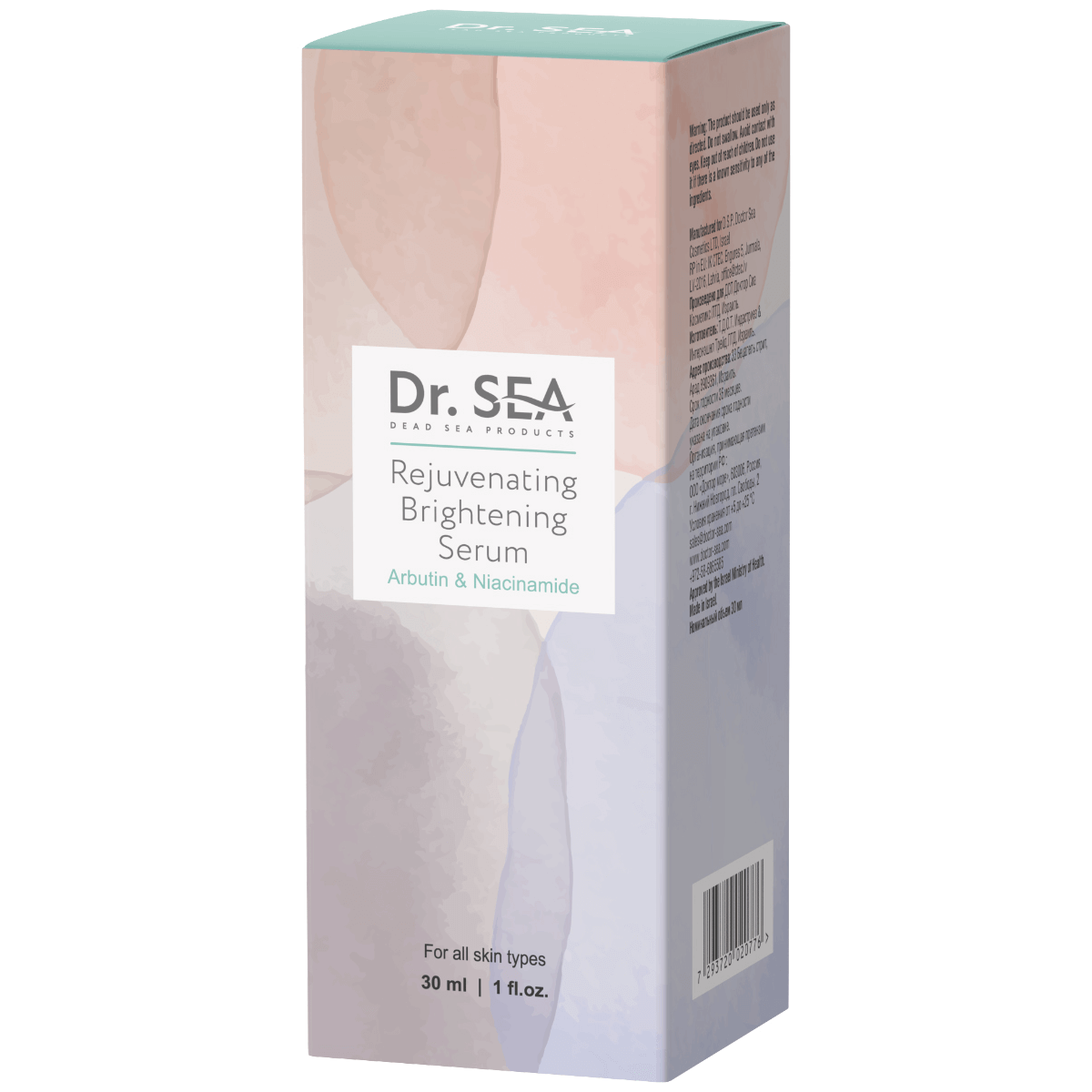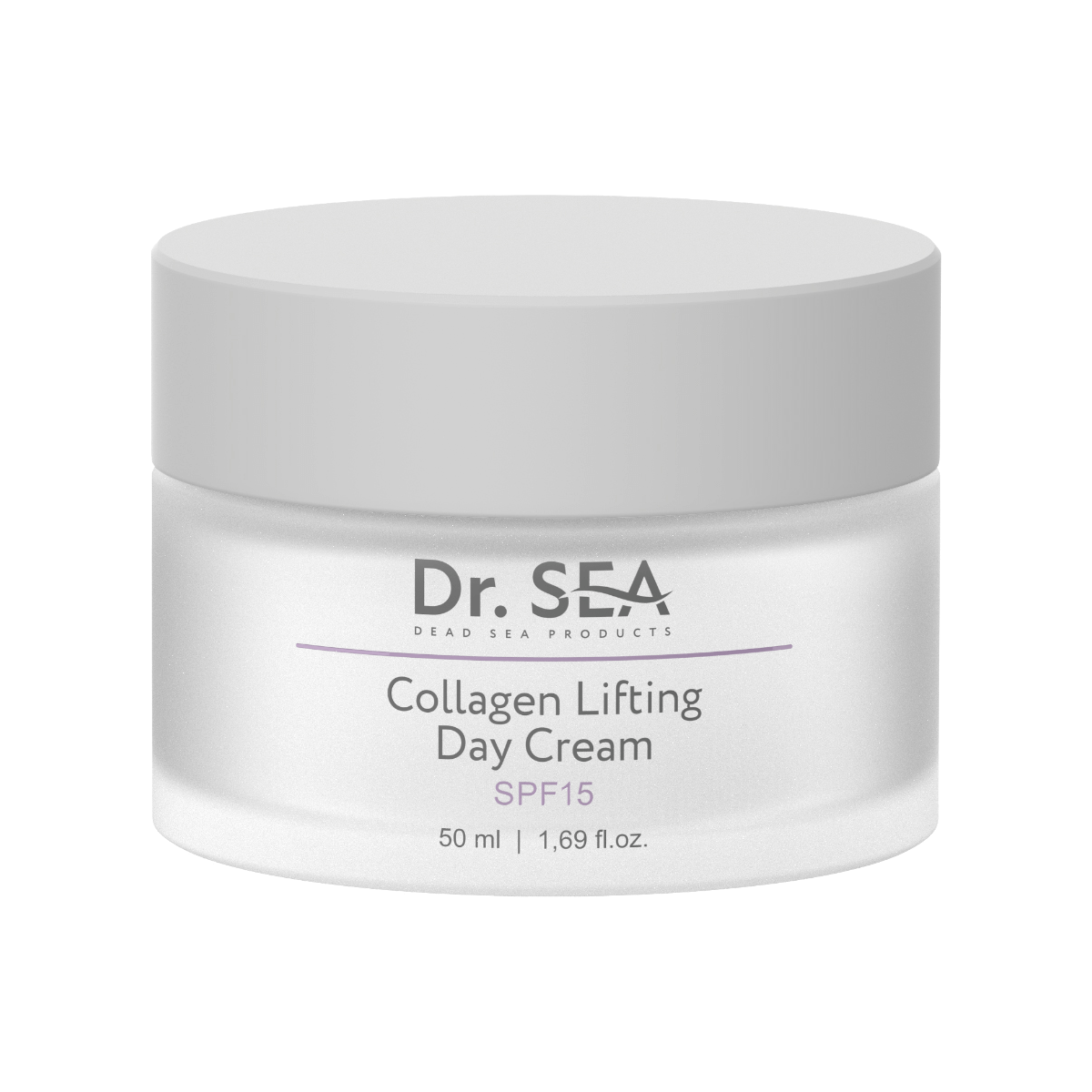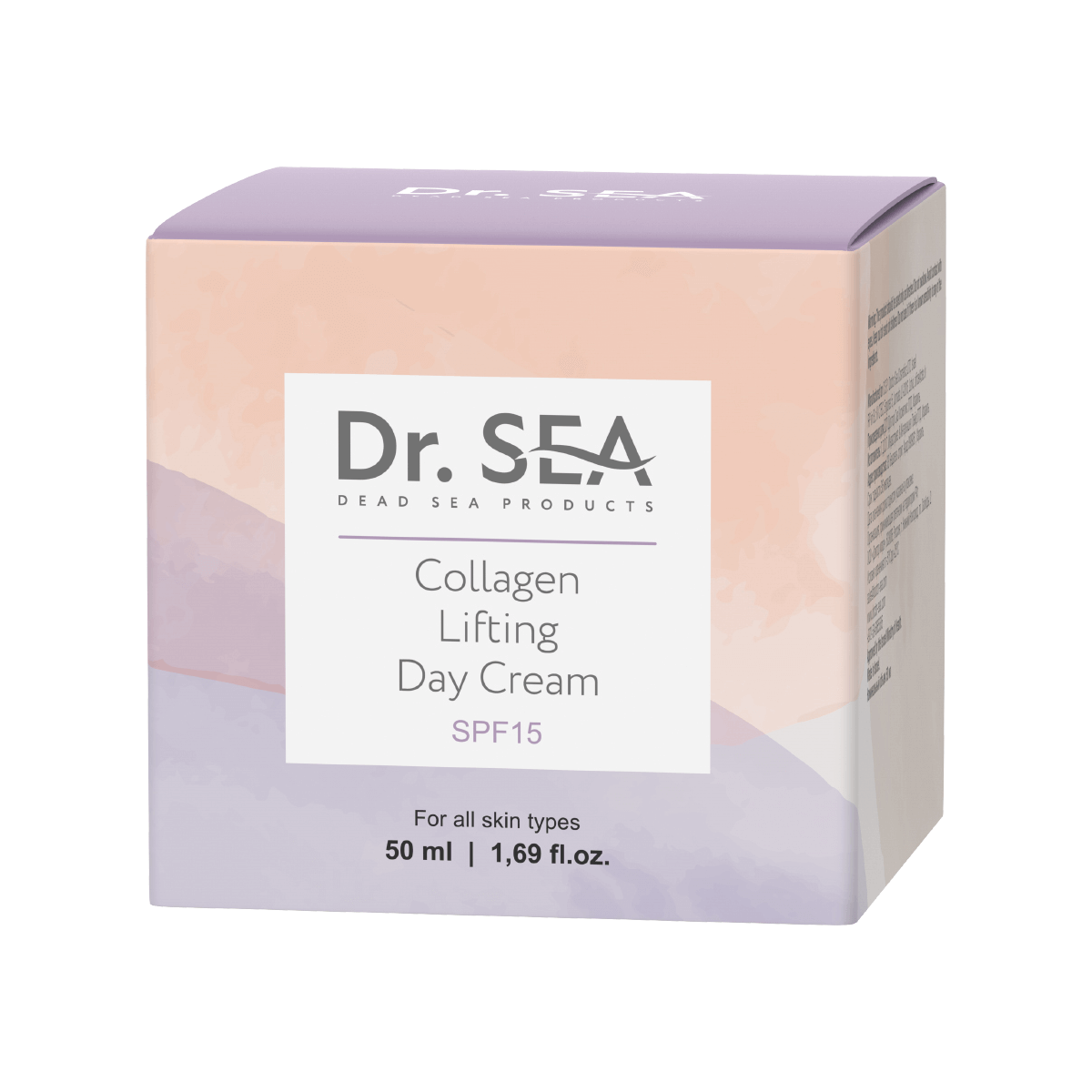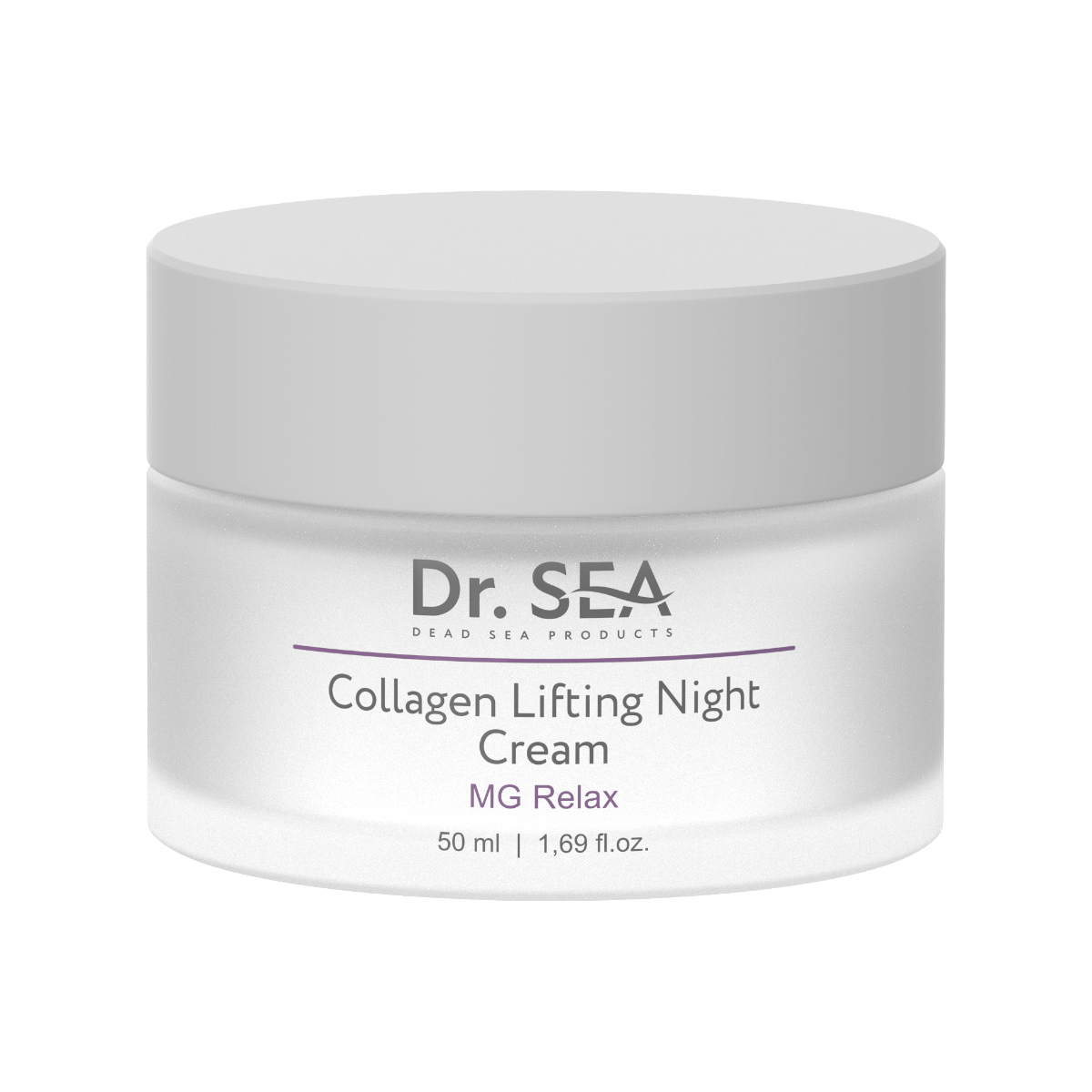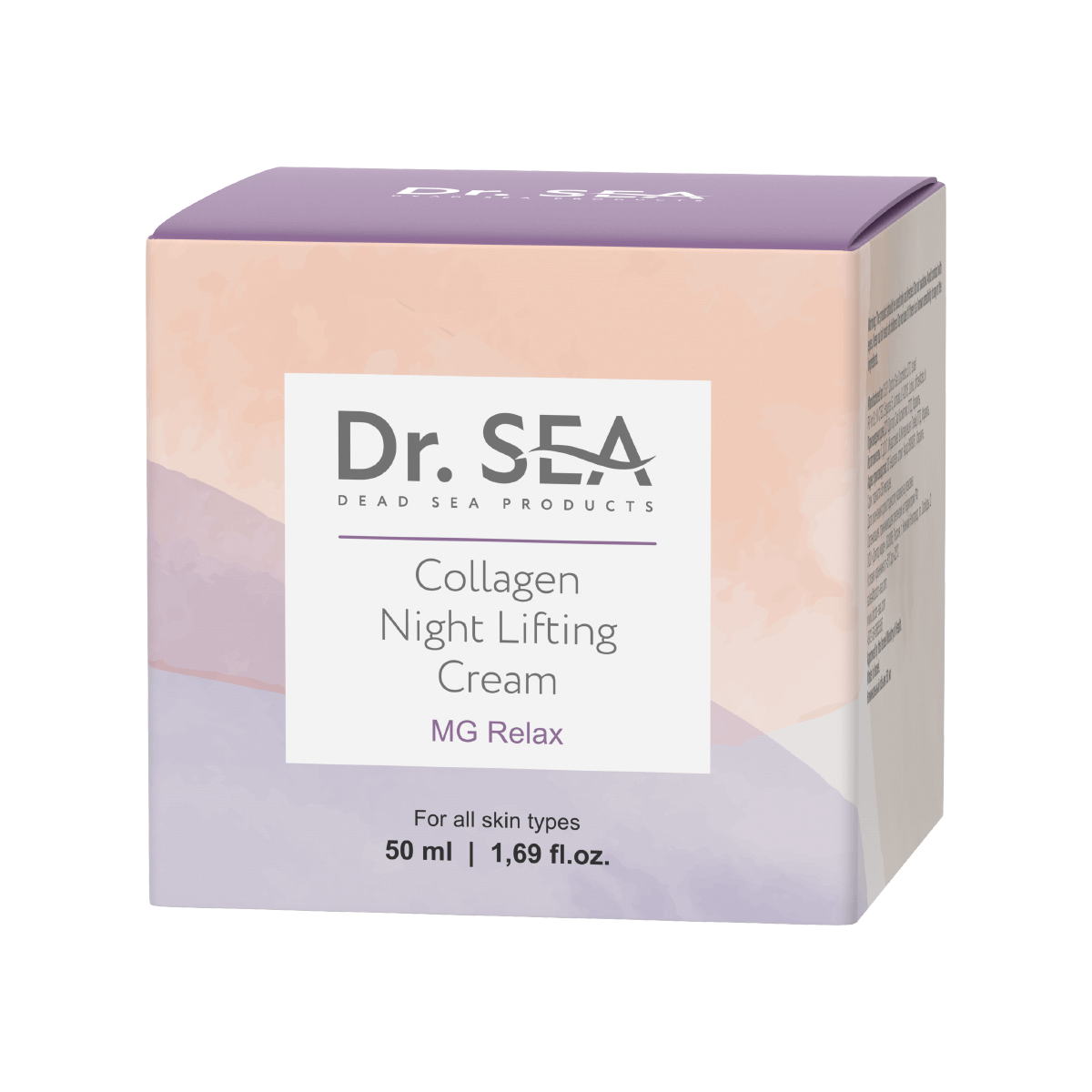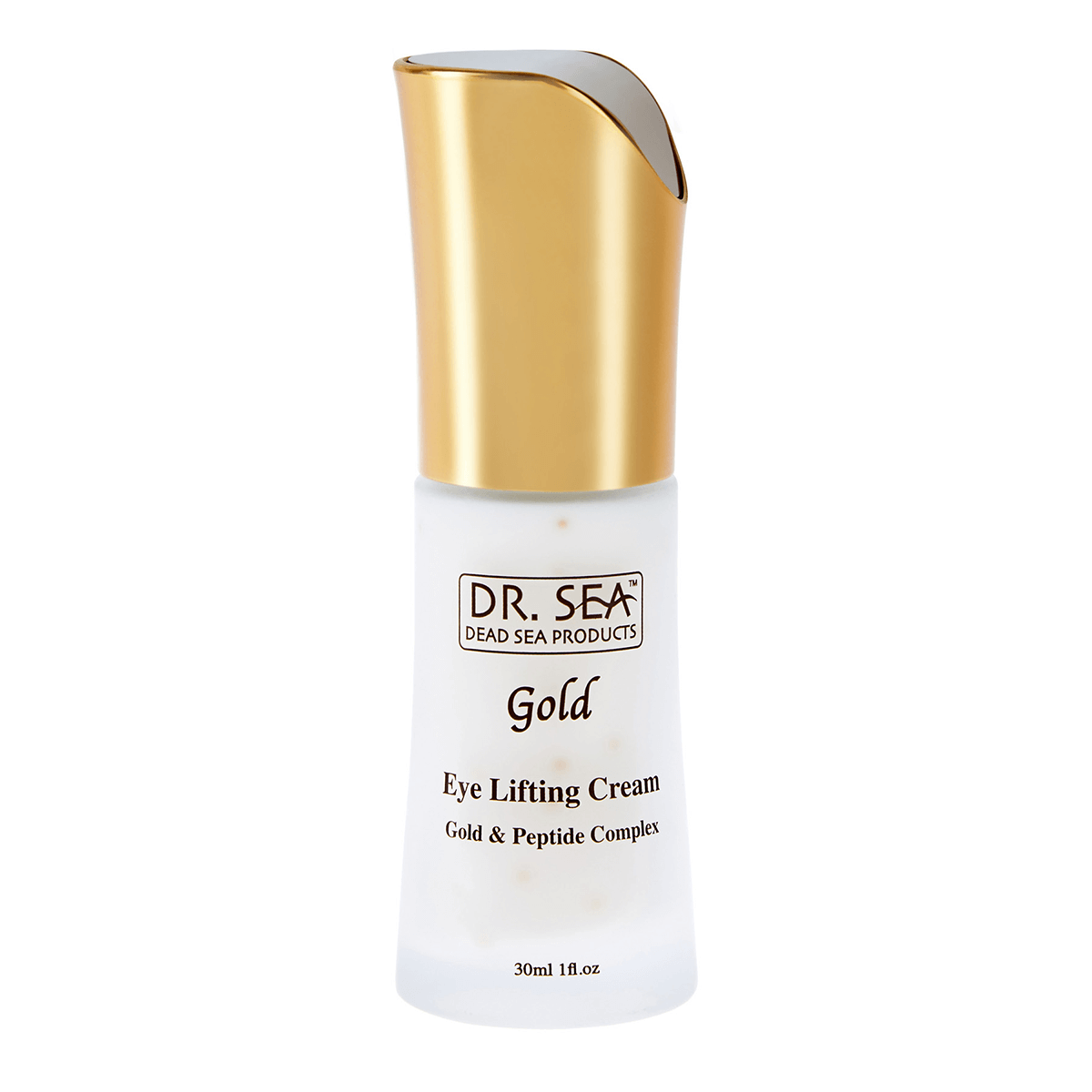


Short answer: The Dead Sea is the saltiest major body of water people actually bathe in, about 34% salt, roughly 9.6 times as salty as the ocean, and its salt is unusually rich in magnesium, calcium, and potassium plus the highest bromide concentration of any water on Earth, not the ordinary sodium chloride that leads seawater (Wikipedia). That mineral profile is the real reason a good Dead Sea product can soothe and hydrate dry, rough skin. In a 2005 clinical study, people who bathed dry atopic skin in a 5% magnesium-rich Dead Sea salt solution saw improved skin-barrier function and hydration and reduced roughness and redness (Proksch et al., 2005). So the honest headline for this category is "soothes, hydrates, supports the barrier," and that is enough of a reason to try it.
What actually makes Dead Sea salt different
The Dead Sea sits at about -439.78 meters (-1,443 feet) below sea level, the lowest land-based point on Earth, and it borders Israel, Jordan, and the West Bank (Wikipedia). Its water is roughly 34% salt (measured near 34.2% in 2011). The distinction that matters for skincare is not just how salty it is but what kind of salt it is. Where ordinary seawater is dominated by sodium chloride, the Dead Sea's dissolved salts are led by magnesium chloride (about 50.8%), then sodium chloride (30.4%), calcium chloride (14.4%), and potassium chloride (4.4%), and its bromide levels are the highest of any water on Earth (Wikipedia). That is why "Dead Sea salt" is not interchangeable with the sea salt in your kitchen. Magnesium, calcium, potassium, and bromide are the signature minerals, and a genuine Dead Sea product should lead with them rather than a generic "sea minerals" label.
What the science supports, and what it does not
Magnesium is the ingredient with real dermatologic literature behind it. In the 2005 study published in the International Journal of Dermatology, the 5% magnesium-rich Dead Sea salt soak improved barrier function and hydration and cut roughness and inflammation in dry atopic skin, which the authors linked to magnesium's role in binding water and aiding barrier repair (Proksch et al., 2005). That is a defensible, sourceable benefit.
It is worth being straight about the limits, too. Reviews of balneotherapy (mineral-salt bathing) generally rate the research as methodologically weak, and a Cochrane review found only low-quality evidence that salt bathing combined with UVB light eases psoriasis versus UVB alone (Wikipedia). Sweeping promises like "detoxify" or "promote cellular renewal into youthful skin" are marketing language, not findings. The right way to think about a Dead Sea product is as a pleasant, mineral-rich way to soothe and hydrate dry or rough skin, not a treatment that heals a condition.
A genuine Israeli heritage on the water's edge
The Dead Sea region was one of the world's first health resorts, used since antiquity, including Ein Gedi's ancient balsam production and spa use in the era of King Herod (Wikipedia). Israel built the modern Dead Sea skincare industry on the sea's western shore, which is the accurate way to place it: the sea itself touches three areas, and the Israeli cosmetics tradition (Ahava and others) sits on the Israeli side. Choosing an authentic Dead Sea product is a small, real way to connect to that heritage rather than a mystery jar of "spa minerals" from nowhere in particular.
How to choose Dead Sea beauty products worth trying
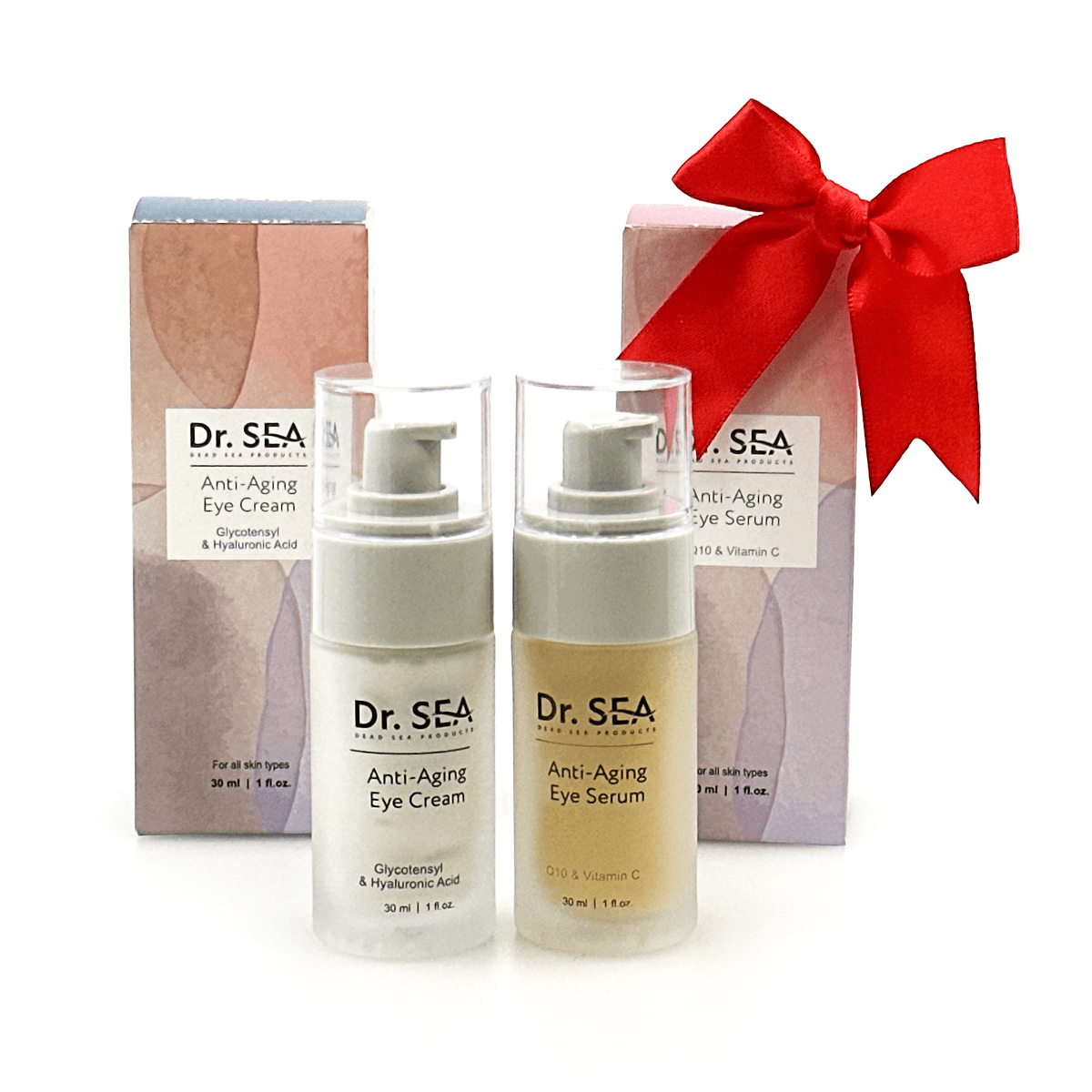
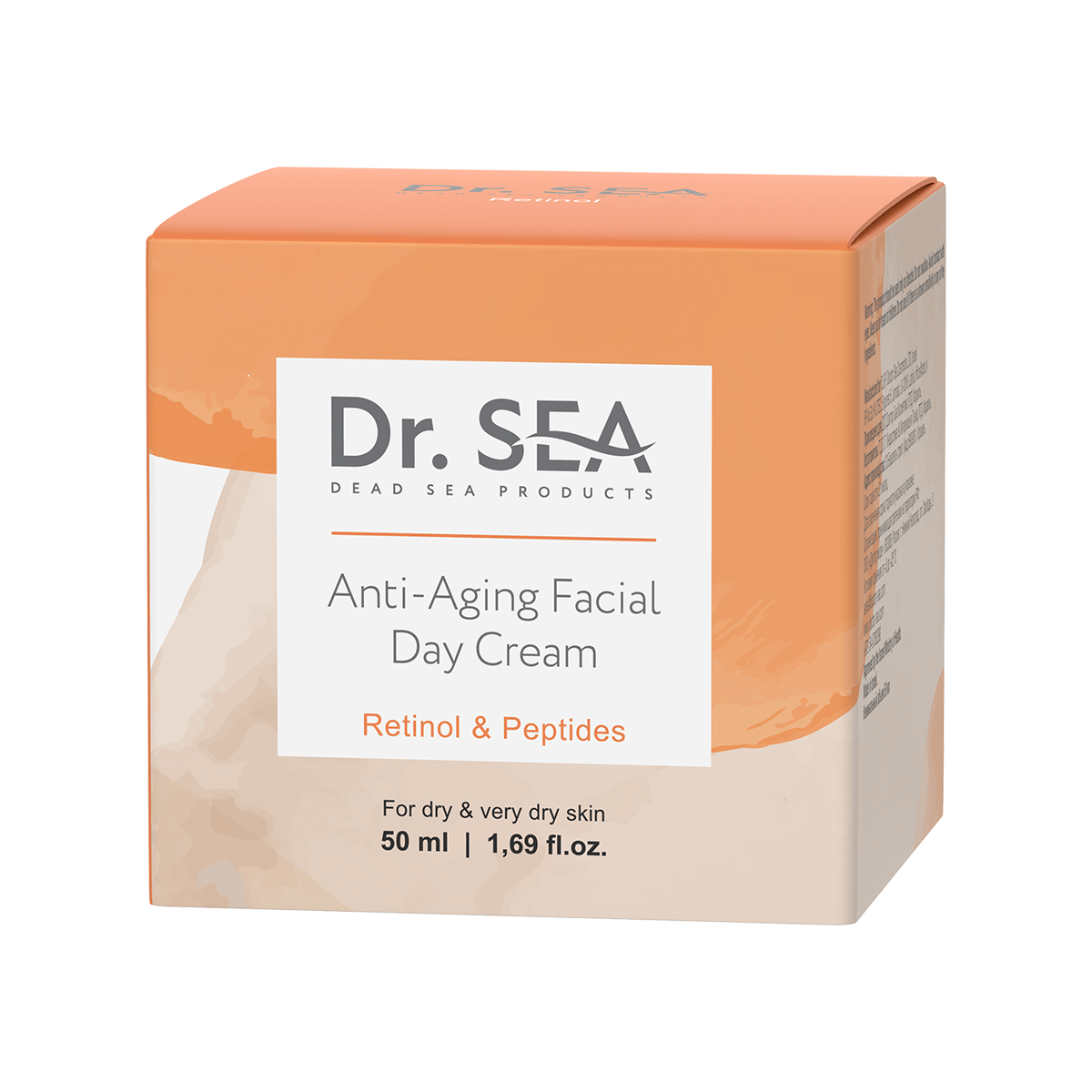
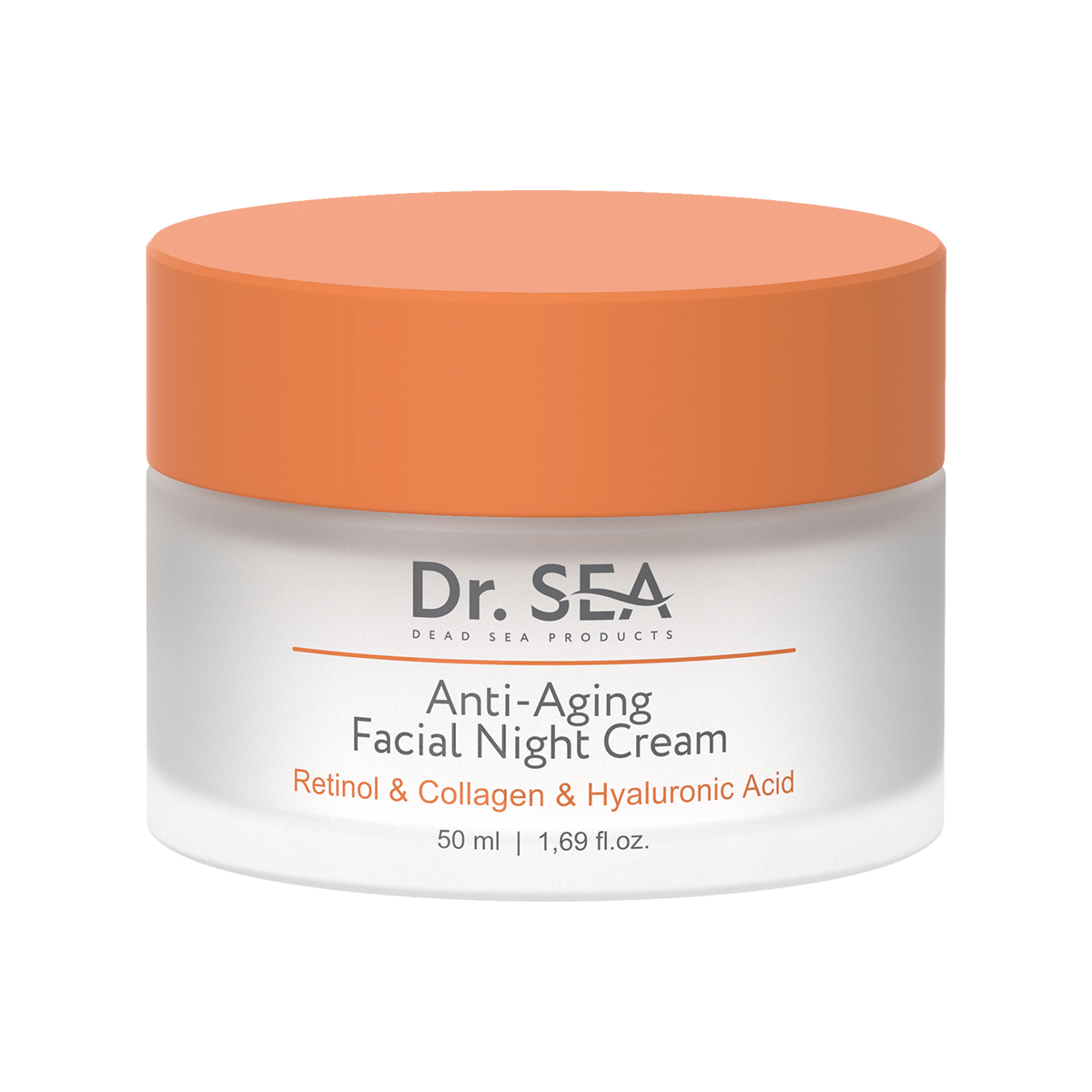
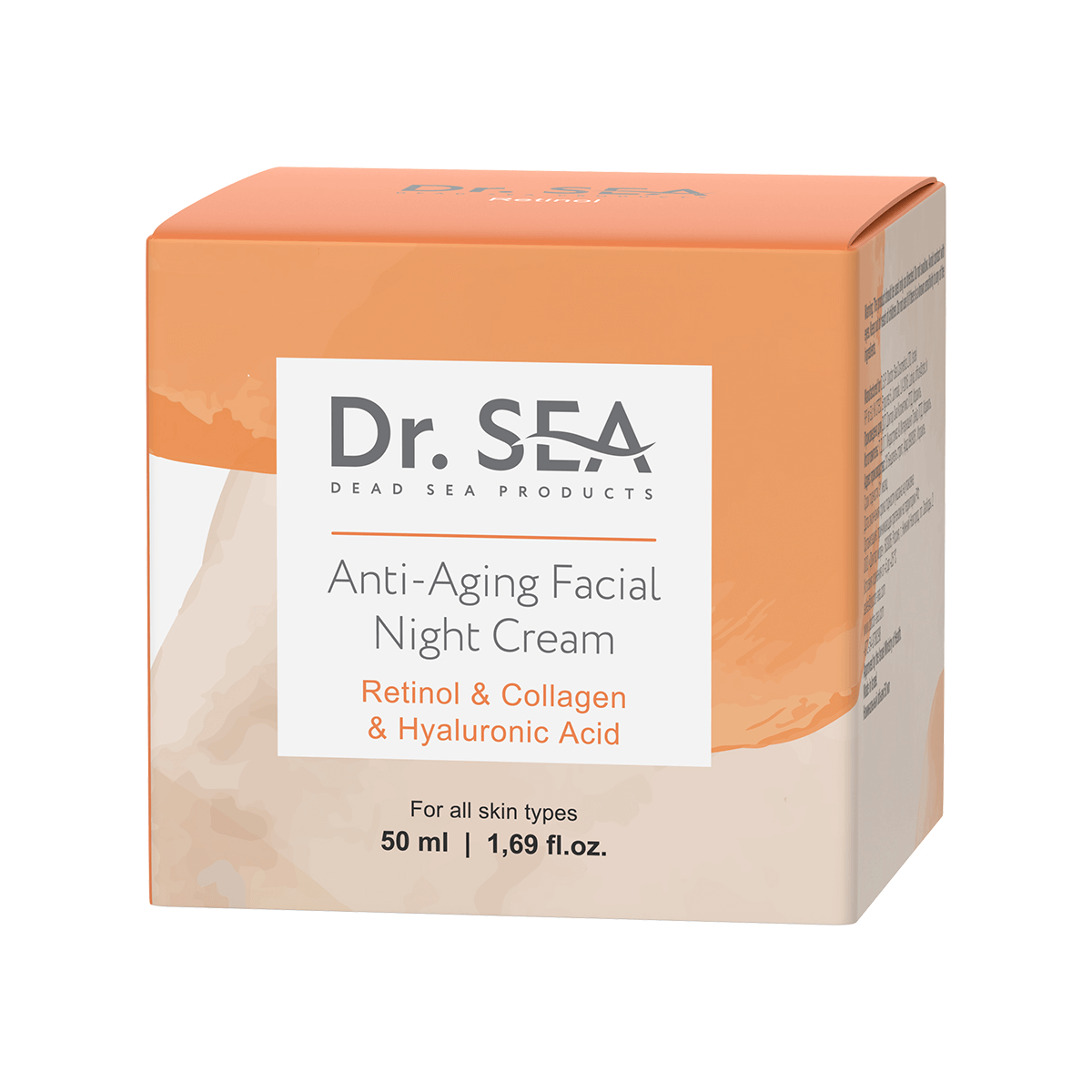
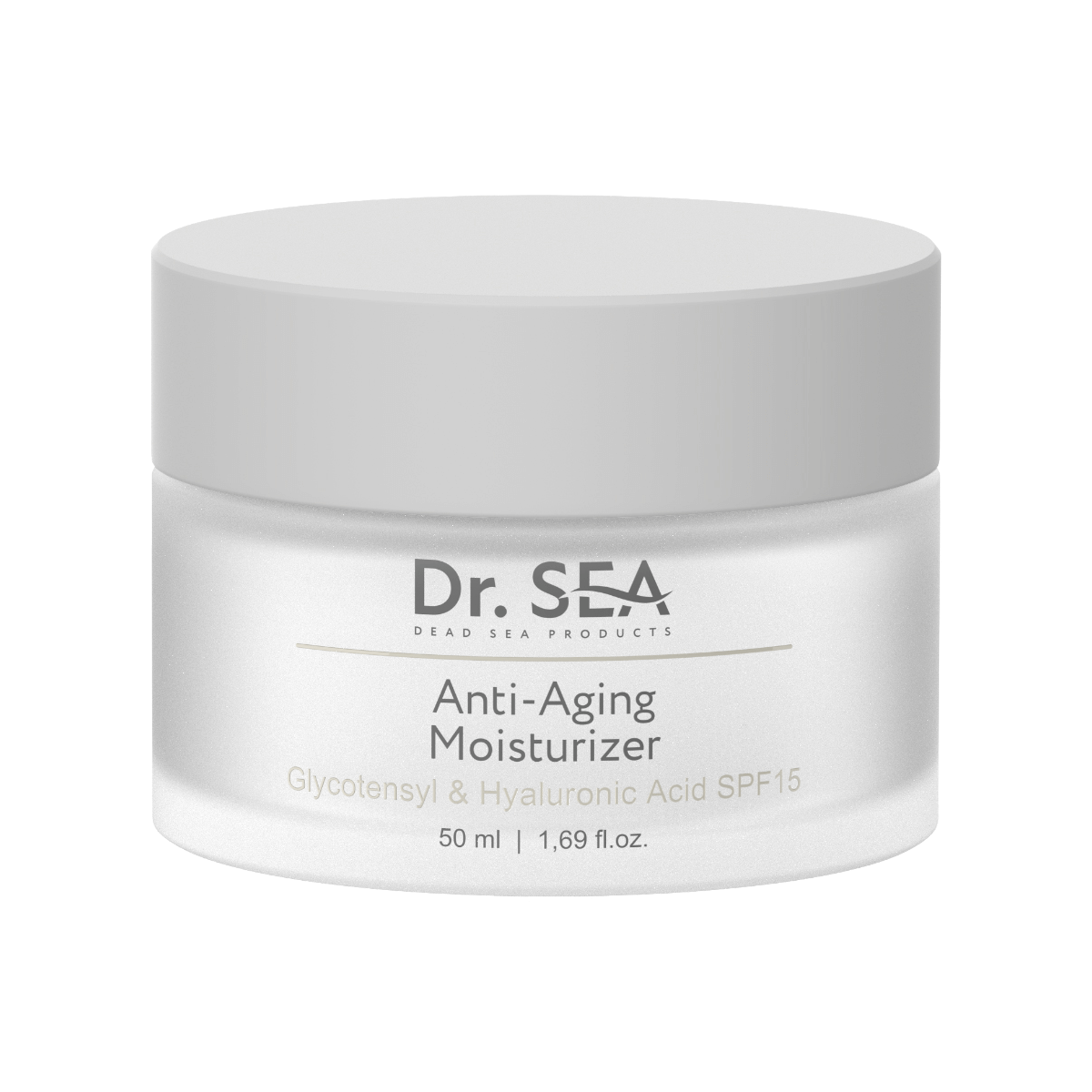
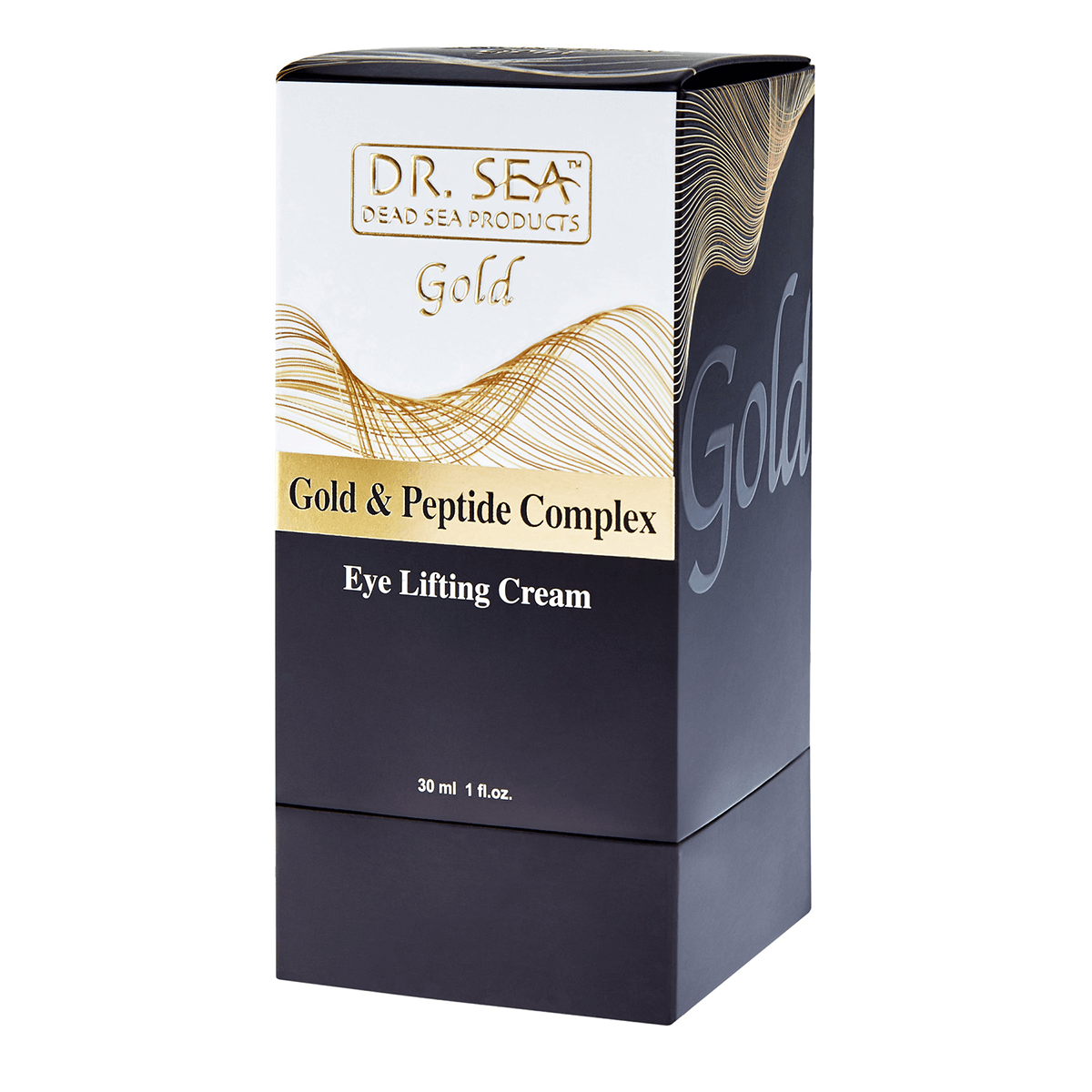
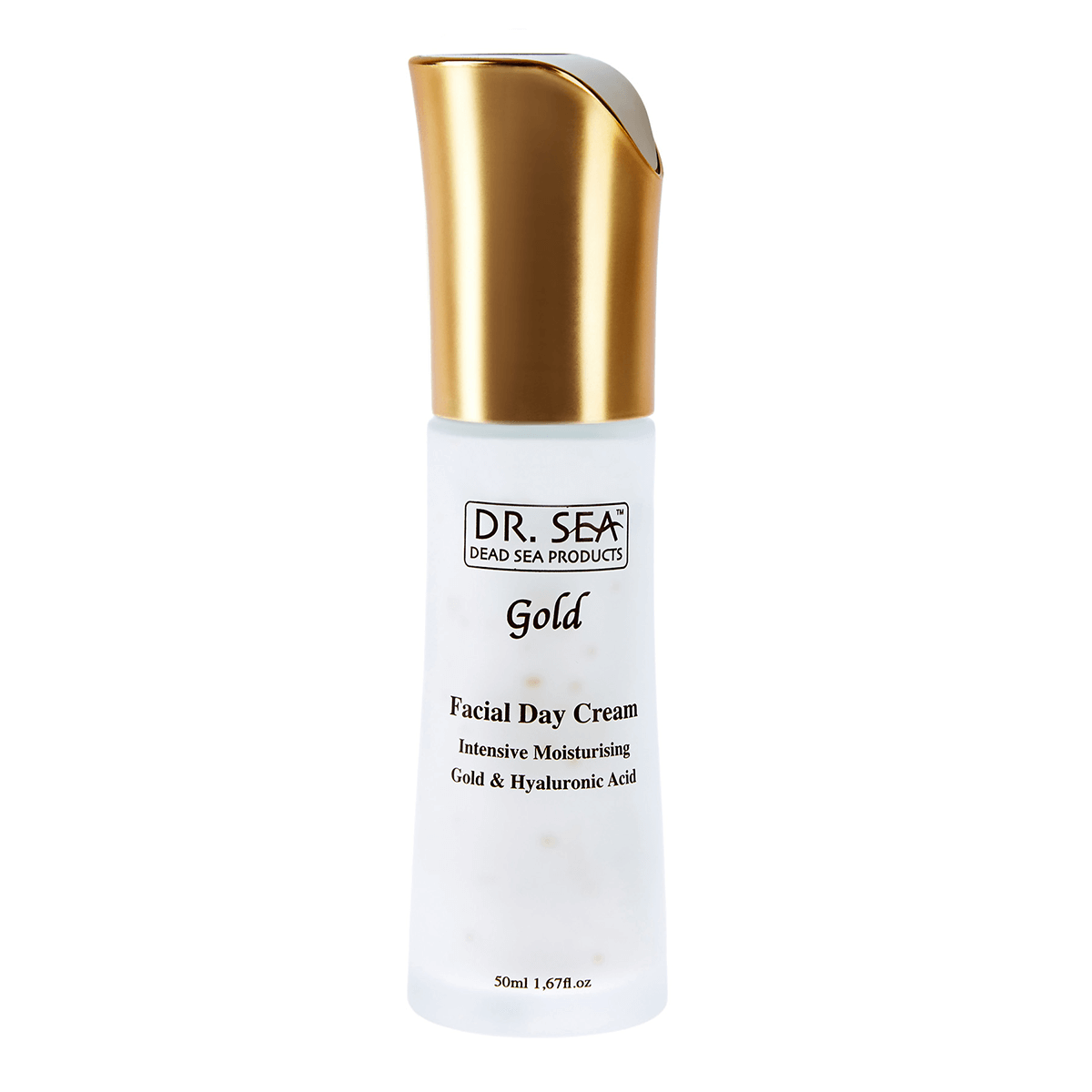
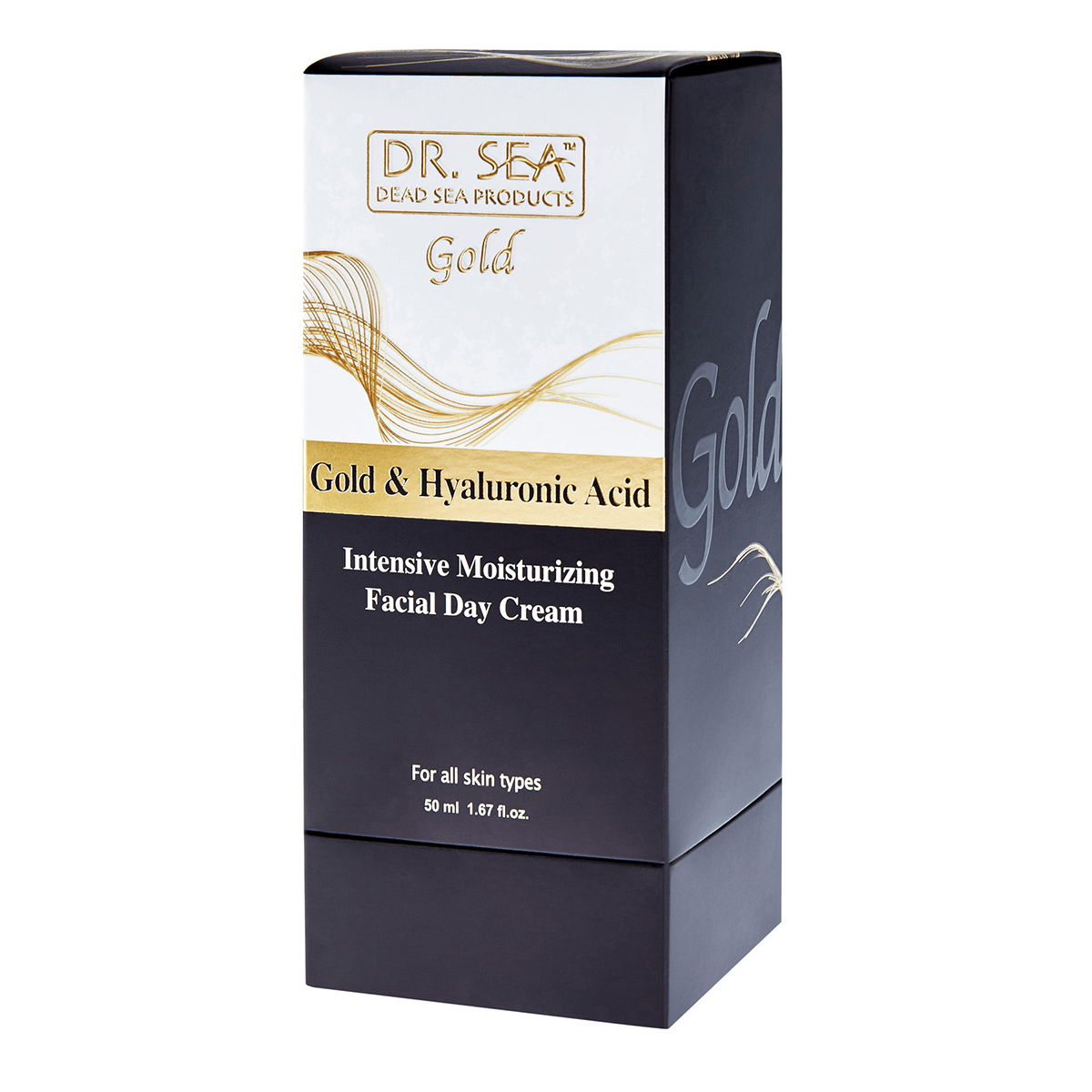
Once you know the science, the shopping gets simpler. Read the label the way a chemist would: look for products built on magnesium-, calcium-, potassium-, and bromide-rich Dead Sea salt or mud, and favor honest promises (hydration, soothing, softer skin) over dramatic medical claims. A sensible starter set is three items: a salt soak for a mineral bath, a mineral mud for an occasional treatment mask, and a daily moisturizer to lock in water on dry areas. Patch test first if your skin is sensitive, and rinse salt or mud off with lukewarm water.
You can browse a curated, Israeli-sourced range in our Dead Sea collection, which pulls together salts, muds, and creams from the sea's western shore so you are getting the real mineral profile rather than a generic sea-salt substitute. Start with one soak and one moisturizer, see how your skin responds over a couple of weeks, and build from there.
Related
- Benefits of Dead Sea salt
- Benefits of Dead Sea skincare products from Israel
- Top-rated Dead Sea beauty products you must try
Last updated July 2026.