

Short answer: The Dead Sea is one of the saltiest bodies of water on Earth (about 34% salinity, roughly 9.6 times saltier than the ocean), and its water and mud are unusually rich in magnesium, calcium, and potassium chlorides, plus the highest bromide levels of any water on the planet. Peer-reviewed research supports real, if modest, benefits for skin: bathing in magnesium-rich Dead Sea salt improves hydration and barrier function and calms roughness and inflammation, and the Dead Sea itself is an established treatment site for psoriasis and eczema. So the products that live up to the science are the hydrating, barrier-supporting, and gently exfoliating ones (mineral mud, bath salt, and mineral moisturizers), not the ones promising a detox or brand-new skin.
What makes Dead Sea minerals different
Ordinary sea salt is mostly sodium chloride, the same stuff as table salt. Dead Sea salt is a different animal. Measurements published in 2011 put the water at about 34.2% salinity, roughly 9.6 times saltier than the ocean, and its dissolved salts break down to roughly 50.8% magnesium chloride, 30.4% sodium chloride, 14.4% calcium chloride, and 4.4% potassium chloride, along with the highest bromide content of any body of water on Earth (Wikipedia: Dead Sea). That magnesium-forward profile, not the sodium, is the heart of the skincare story.
Geography adds to it. The Dead Sea sits at the lowest land point on the planet, roughly 430 to 440 meters below sea level, on the border of Israel, the West Bank, and Jordan. That extra atmosphere overhead filters part of the burning UVB while letting therapeutic wavelengths through, and the dense, oxygen-rich air is part of the draw. It is one reason the region has attracted people seeking its climate and mineral waters for thousands of years, going back to Herod the Great's shoreline palaces around 30 BCE (Wikipedia: Dead Sea).
What the science actually says about your skin
The strongest evidence is for magnesium. In a controlled clinical study, researchers had people bathe dry, atopic-prone skin in a 5% magnesium-rich Dead Sea salt solution and compared it against a plain tap-water control. The salt group showed significantly better skin barrier function and hydration, plus less roughness and redness, effects the authors attributed to magnesium binding water and supporting the skin's own repair (Proksch et al., International Journal of Dermatology, 2005).
The Dead Sea is also a recognized destination for skin conditions. Dermatology literature treats supervised sun exposure combined with mineral bathing there (climatotherapy) as a genuine remittive therapy for psoriasis, acting on both the skin surface and the immune activation behind it, and it helps atopic dermatitis too (Wikipedia: Climatotherapy). That is specialized medicine, not something you buy in a jar, but it is why the Dead Sea is taken seriously rather than dismissed as folklore.
A word on the marketing. Phrases like "detoxifies," "draws out impurities," and "regenerates skin tissue" are cosmetic framing, not clinical findings. The verified mechanisms are simpler and still worth having: water-binding hydration, barrier repair, and calmer surface inflammation. And while magnesium, calcium, and potassium are genuinely abundant here, sulfur and zinc are not the headline Dead Sea minerals some older copy implied.
Building a Dead Sea routine that earns its place
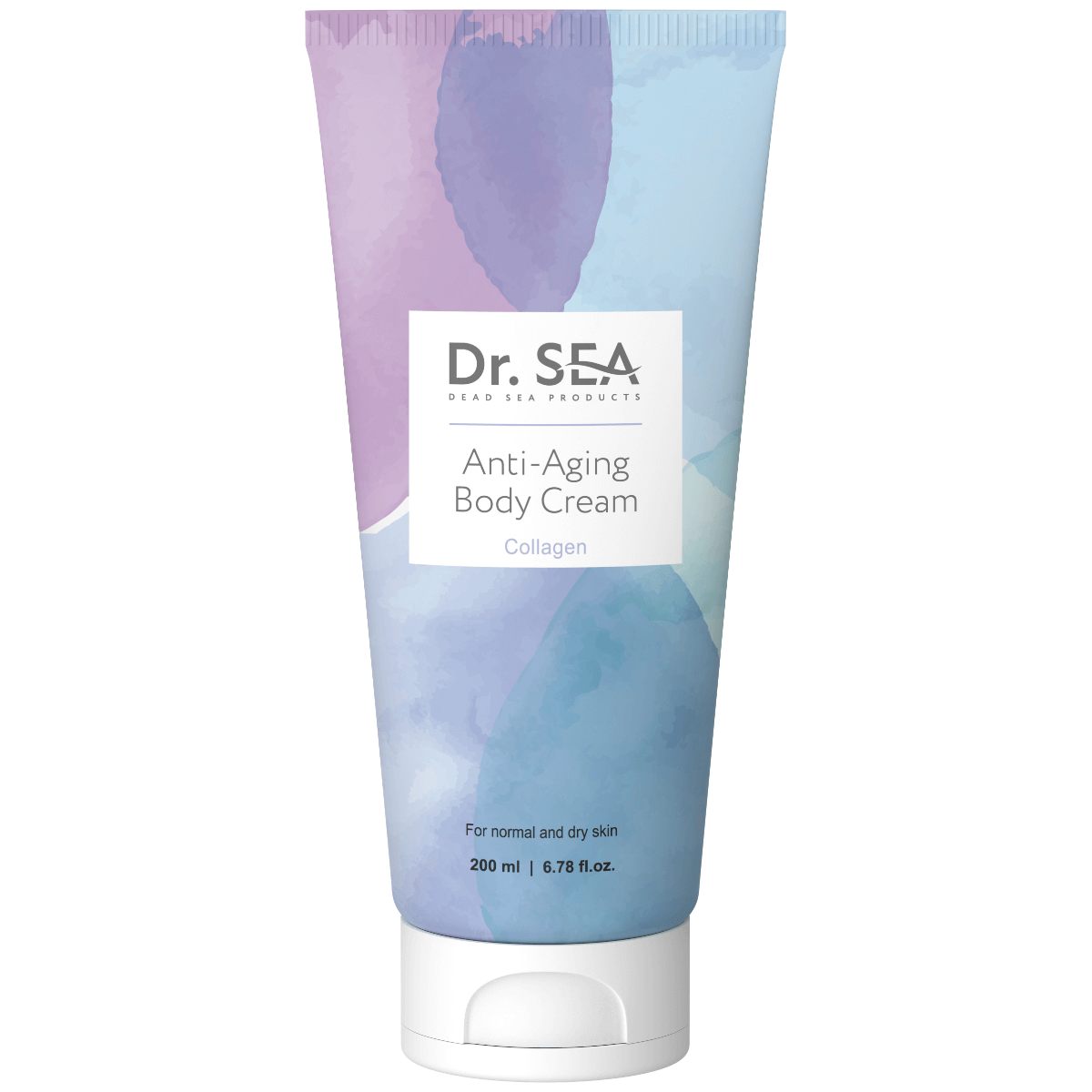
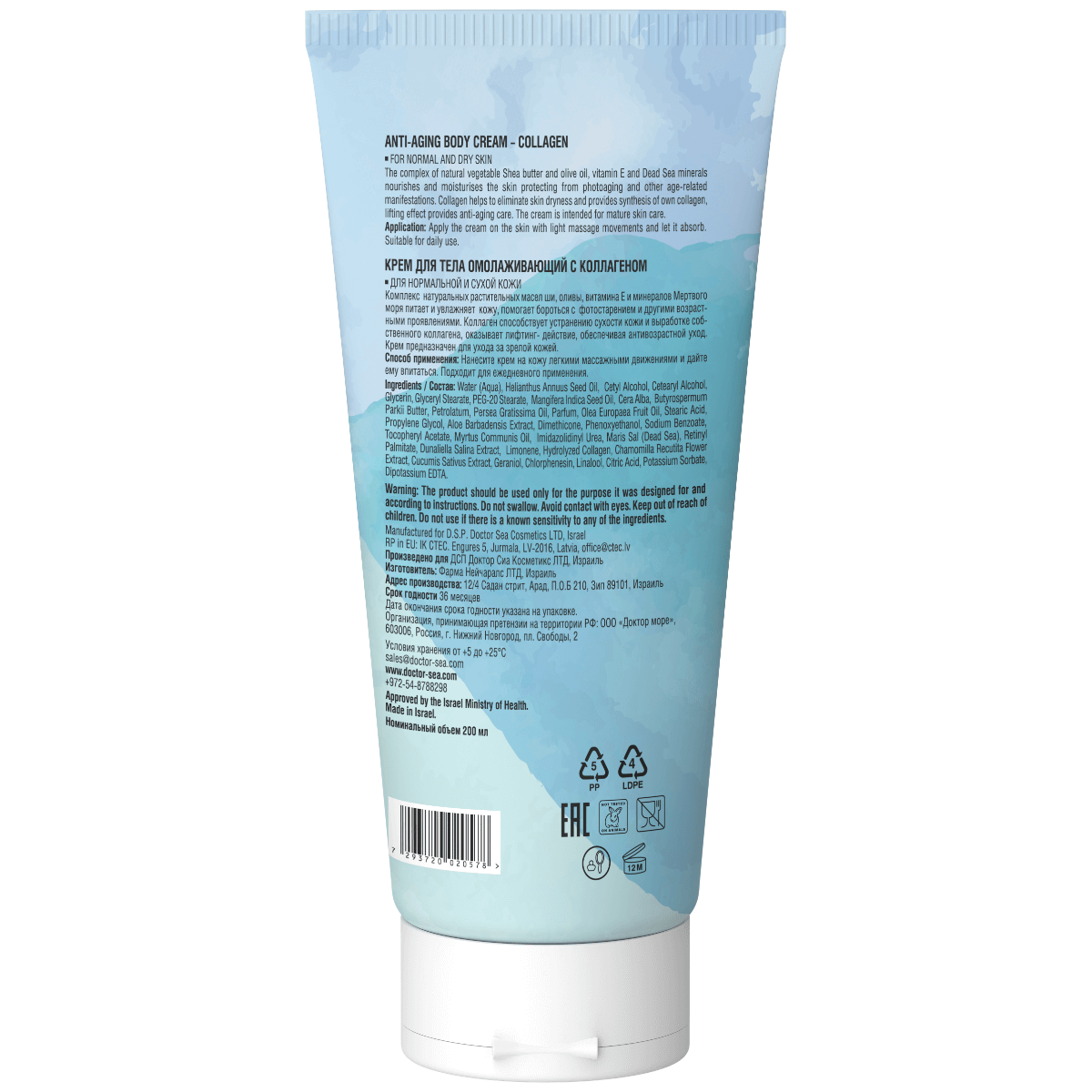
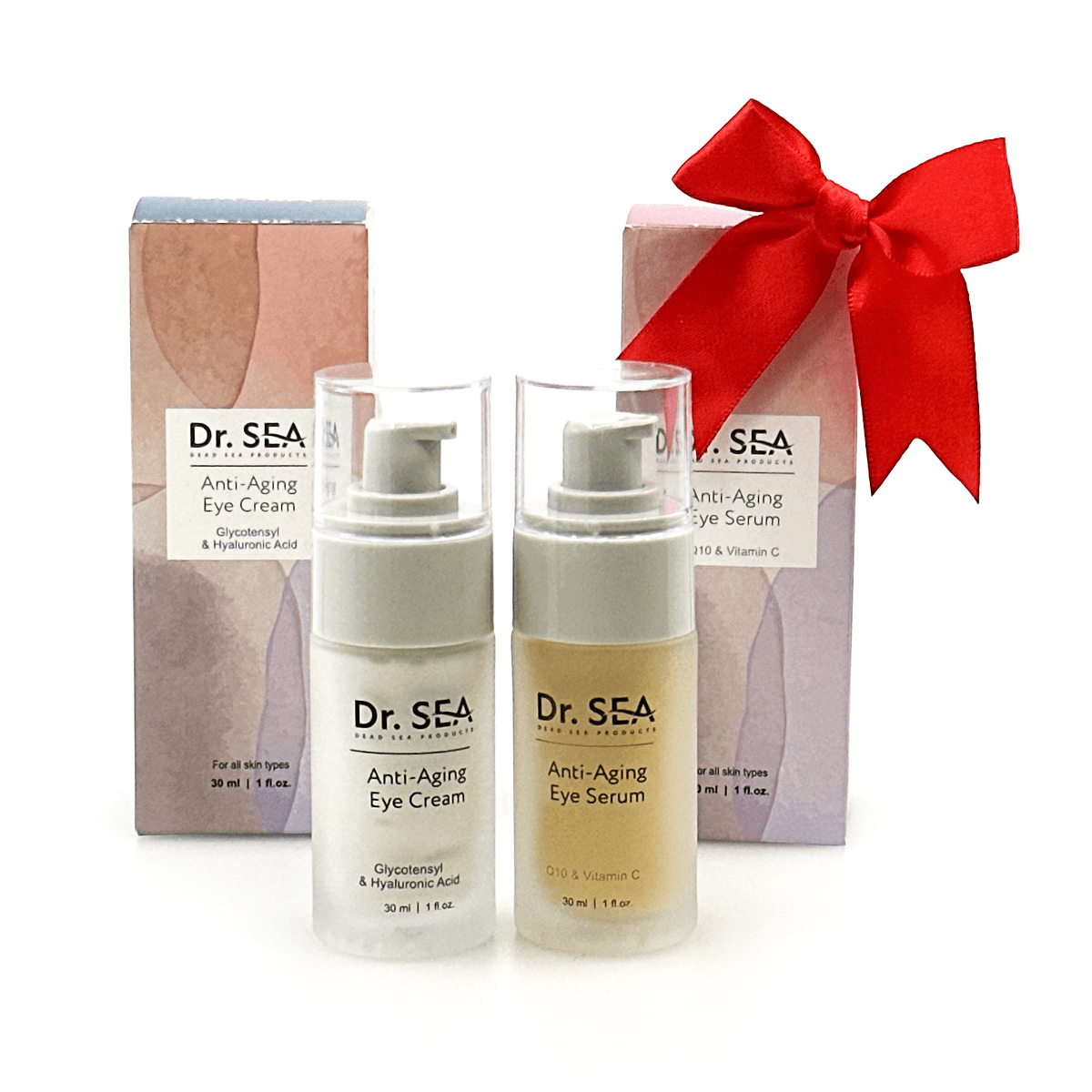
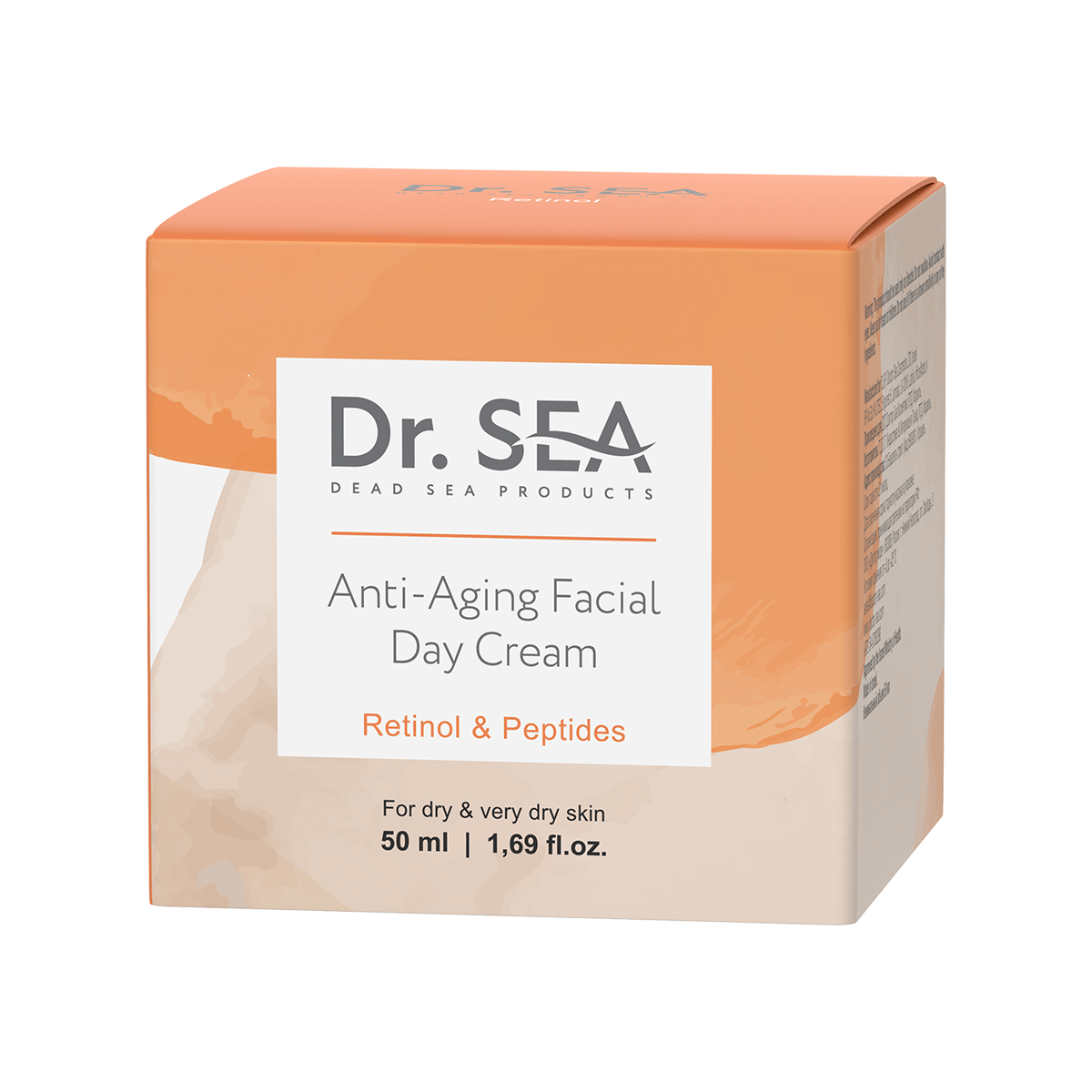
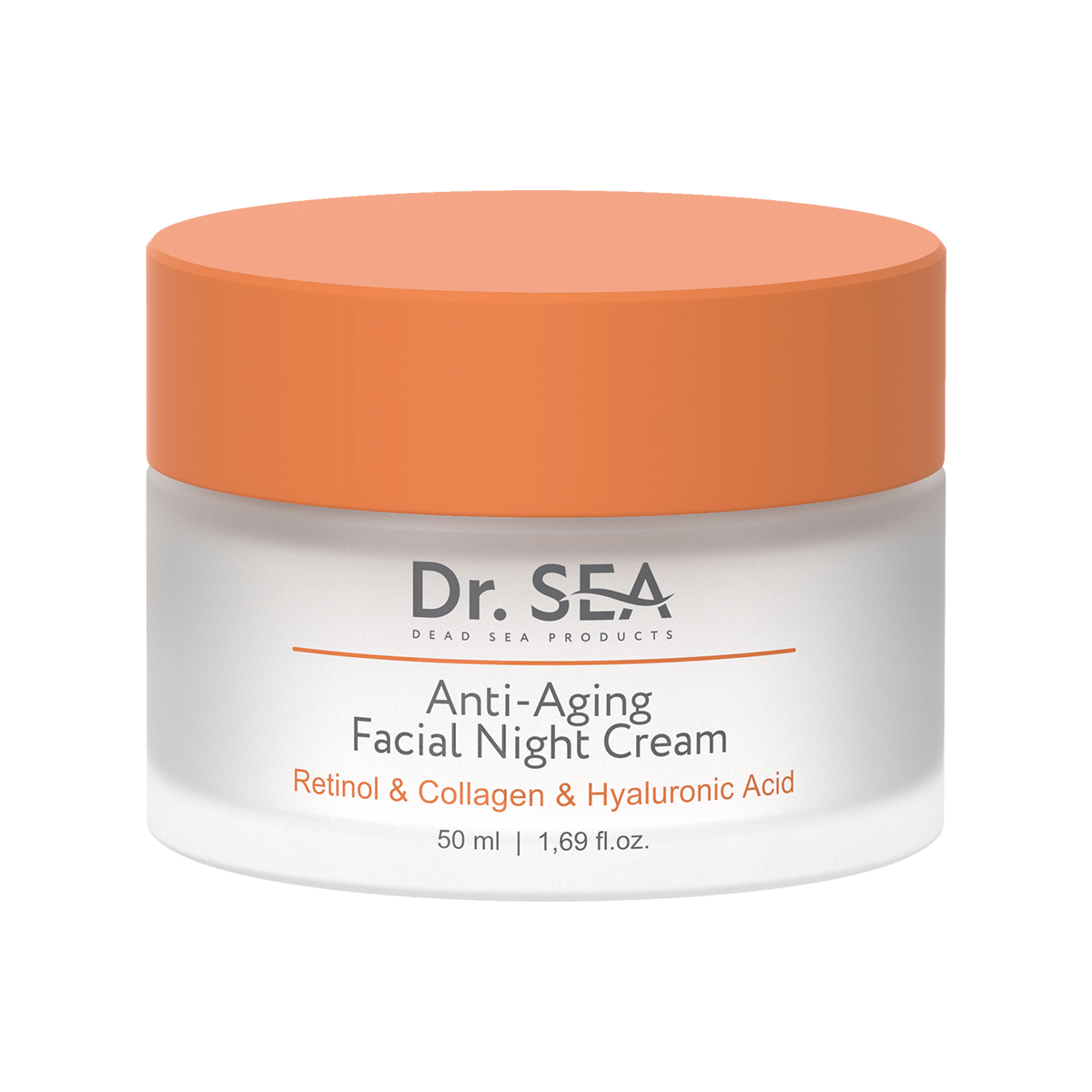
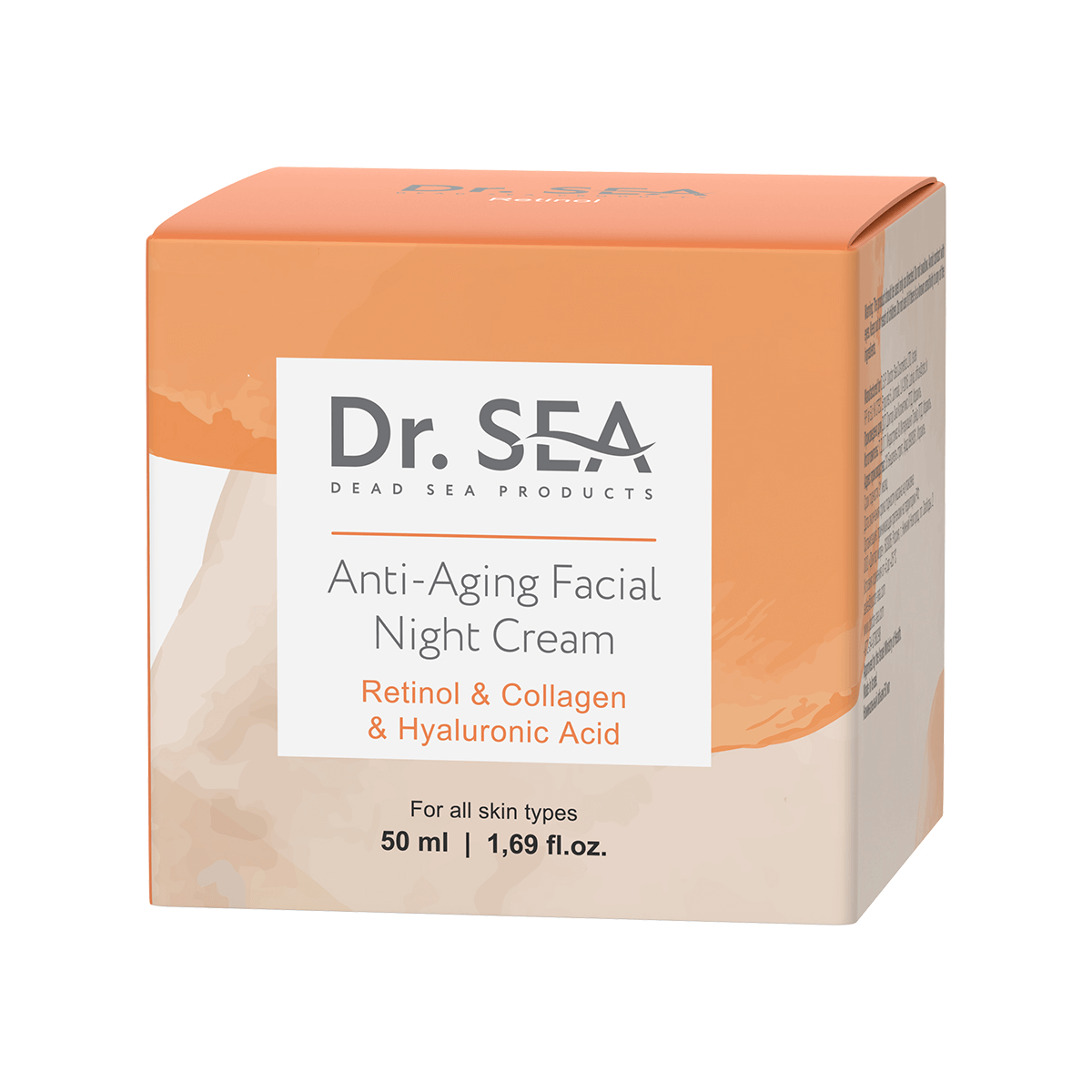
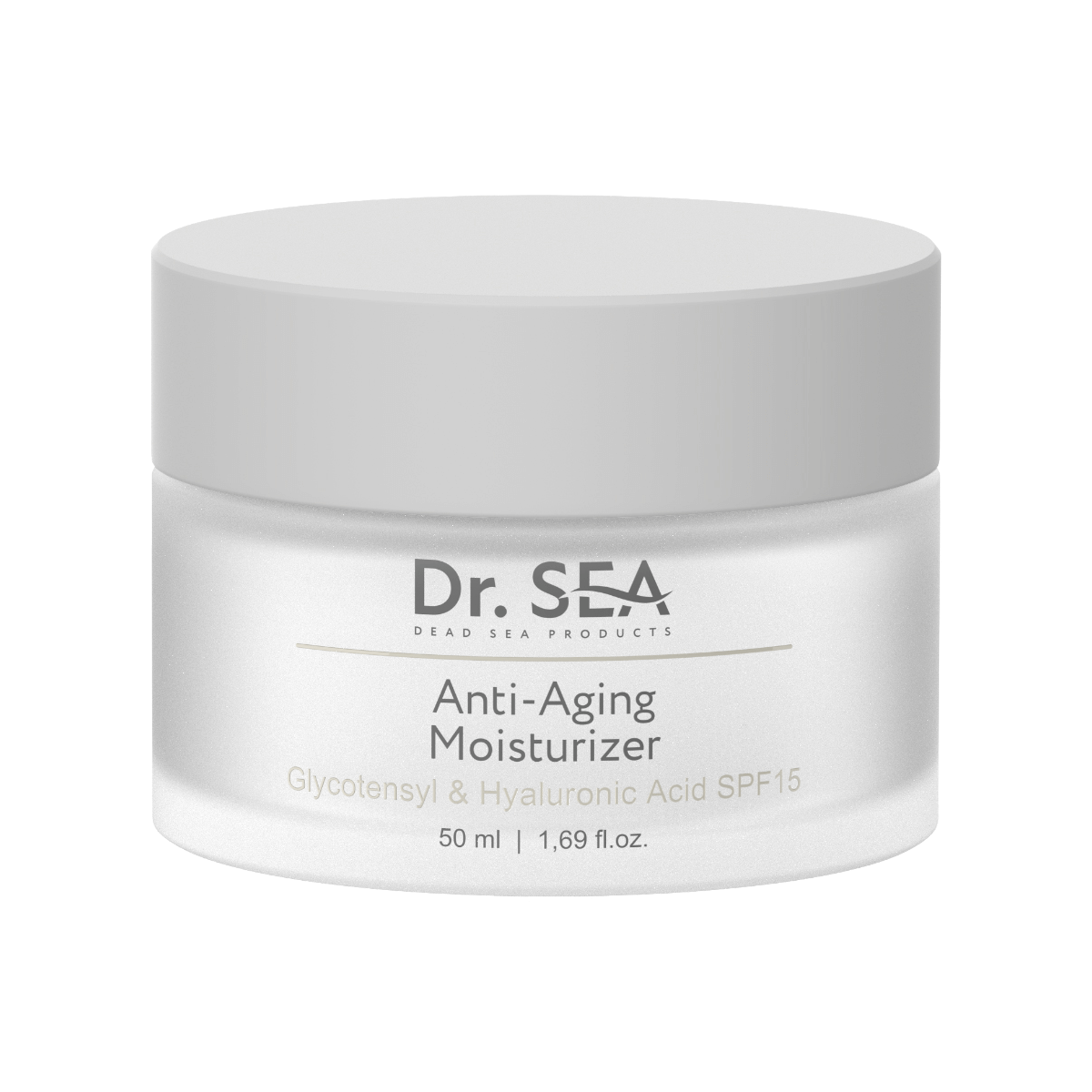
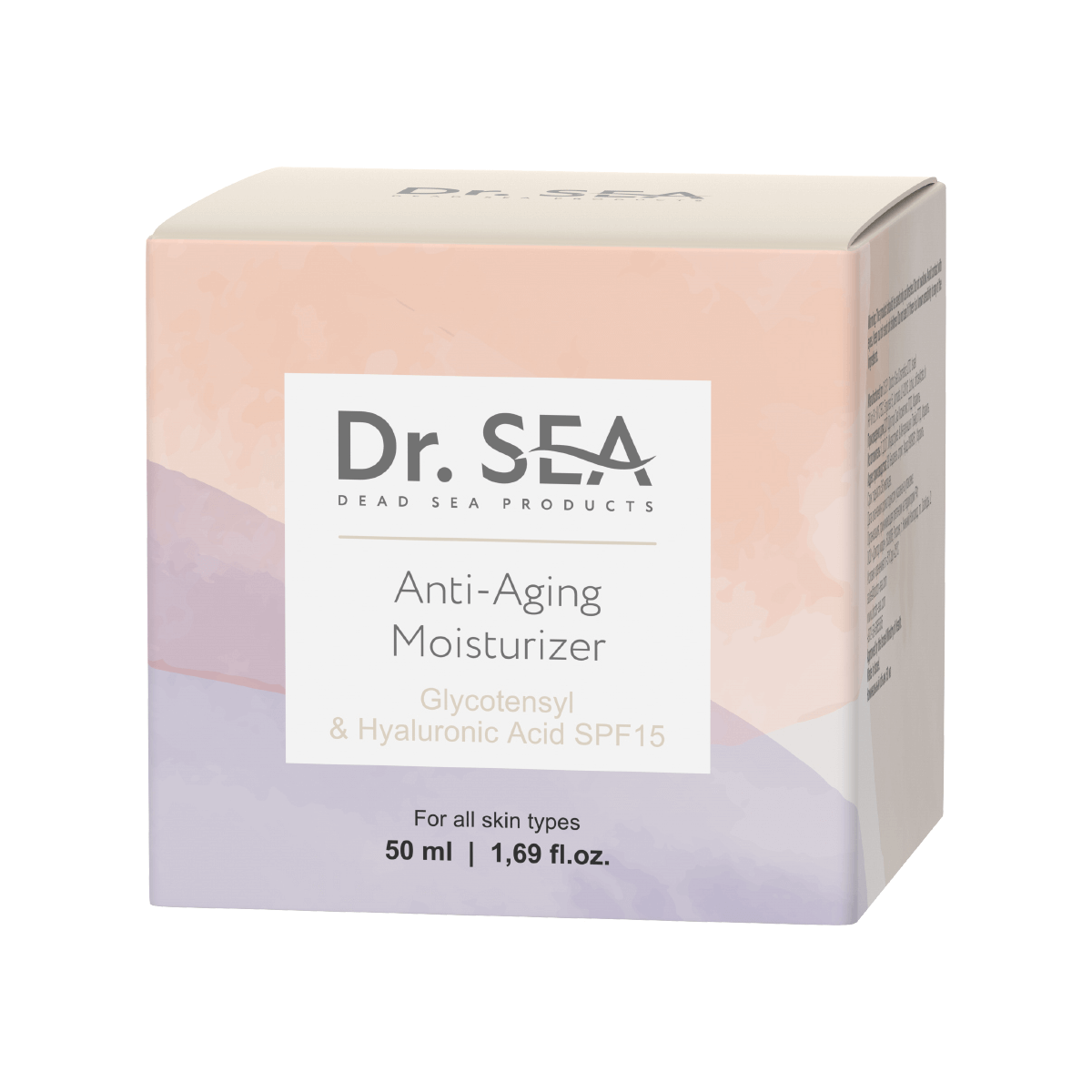
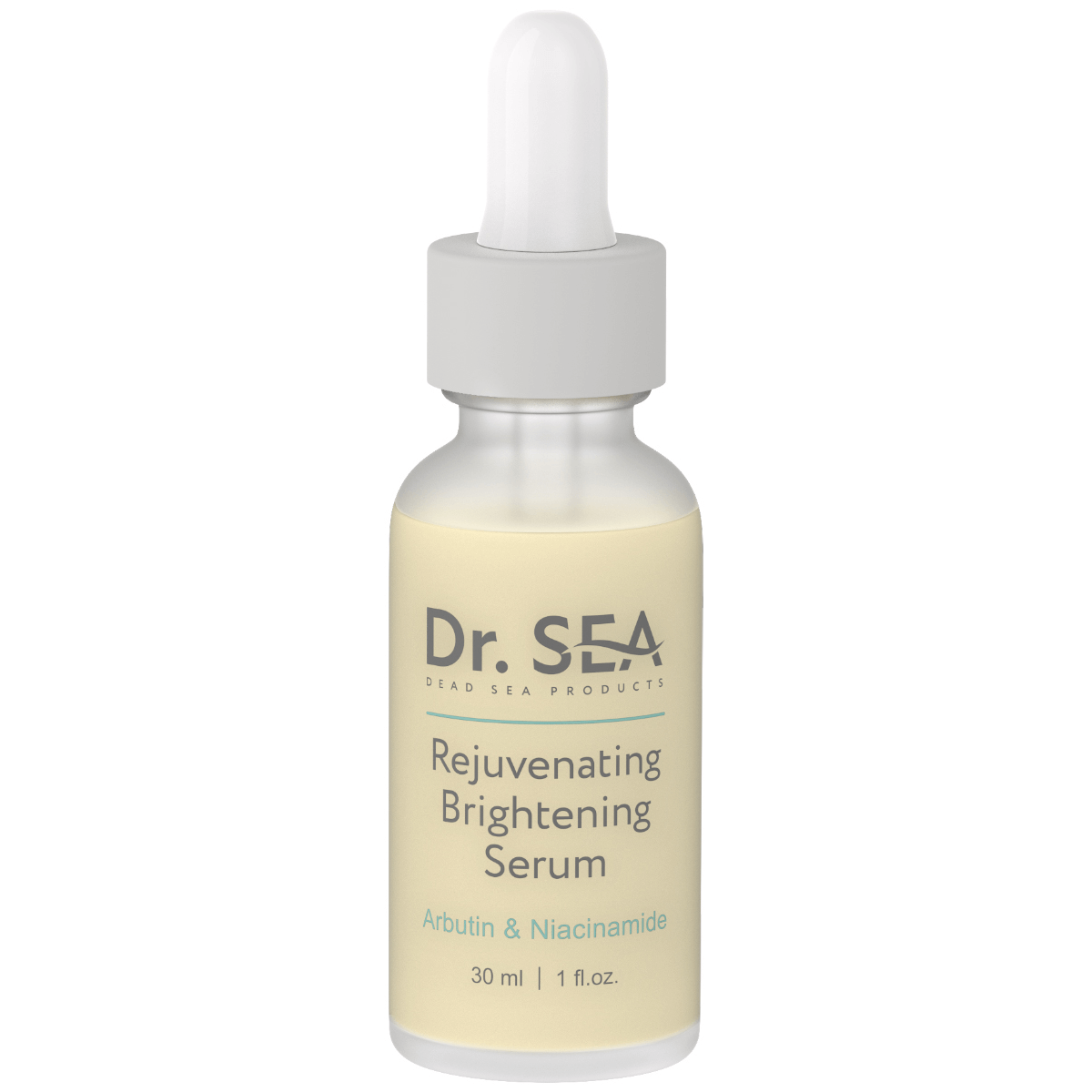
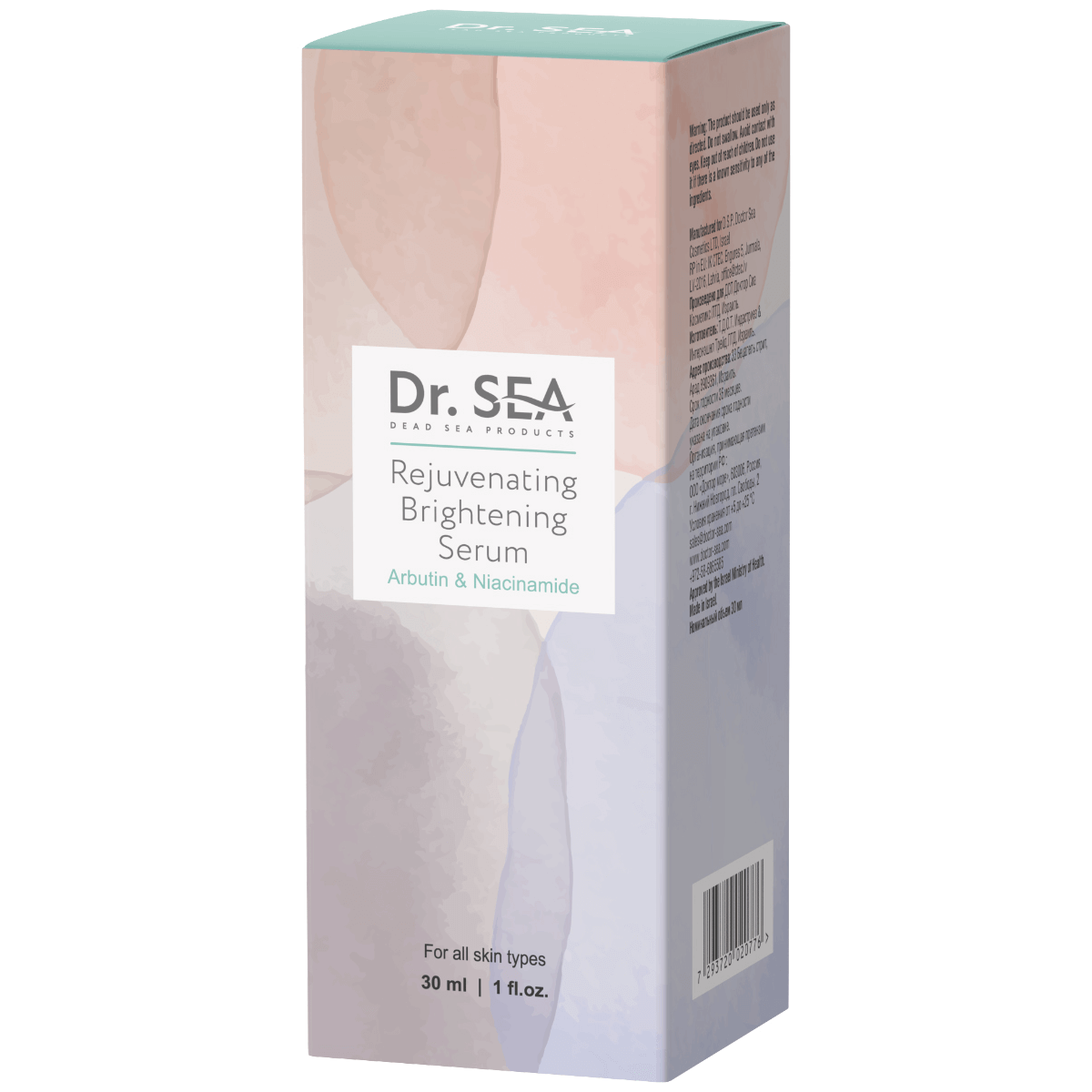
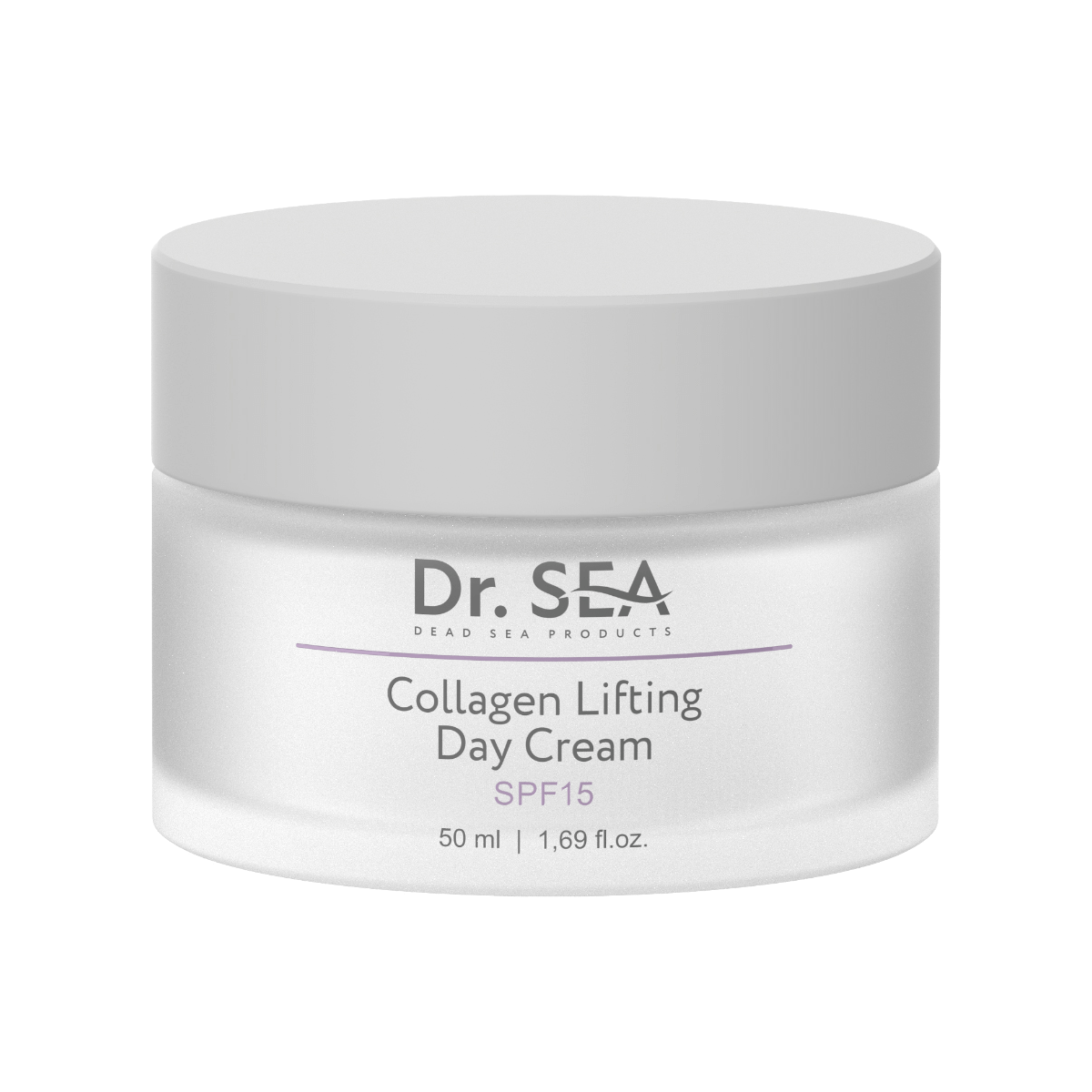
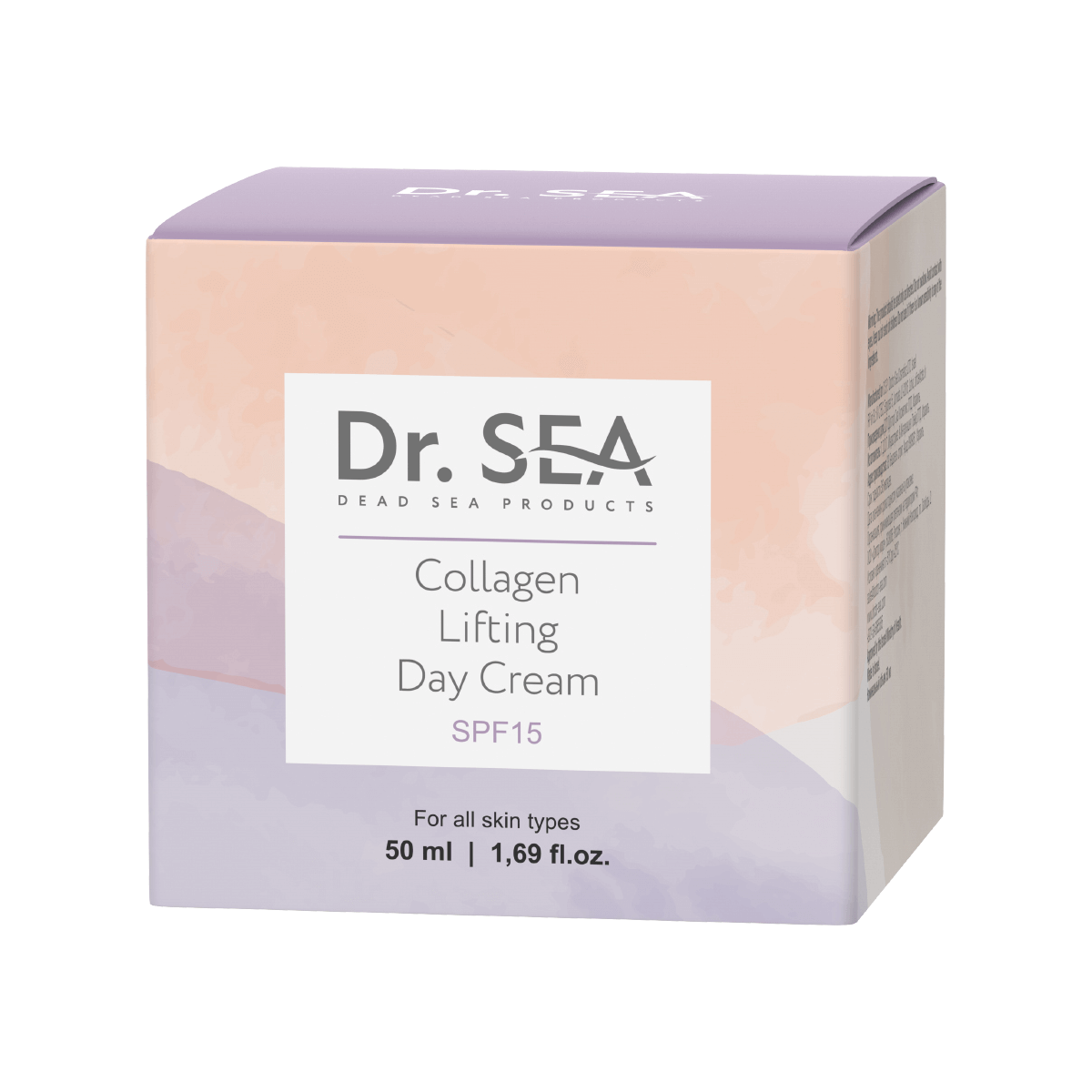
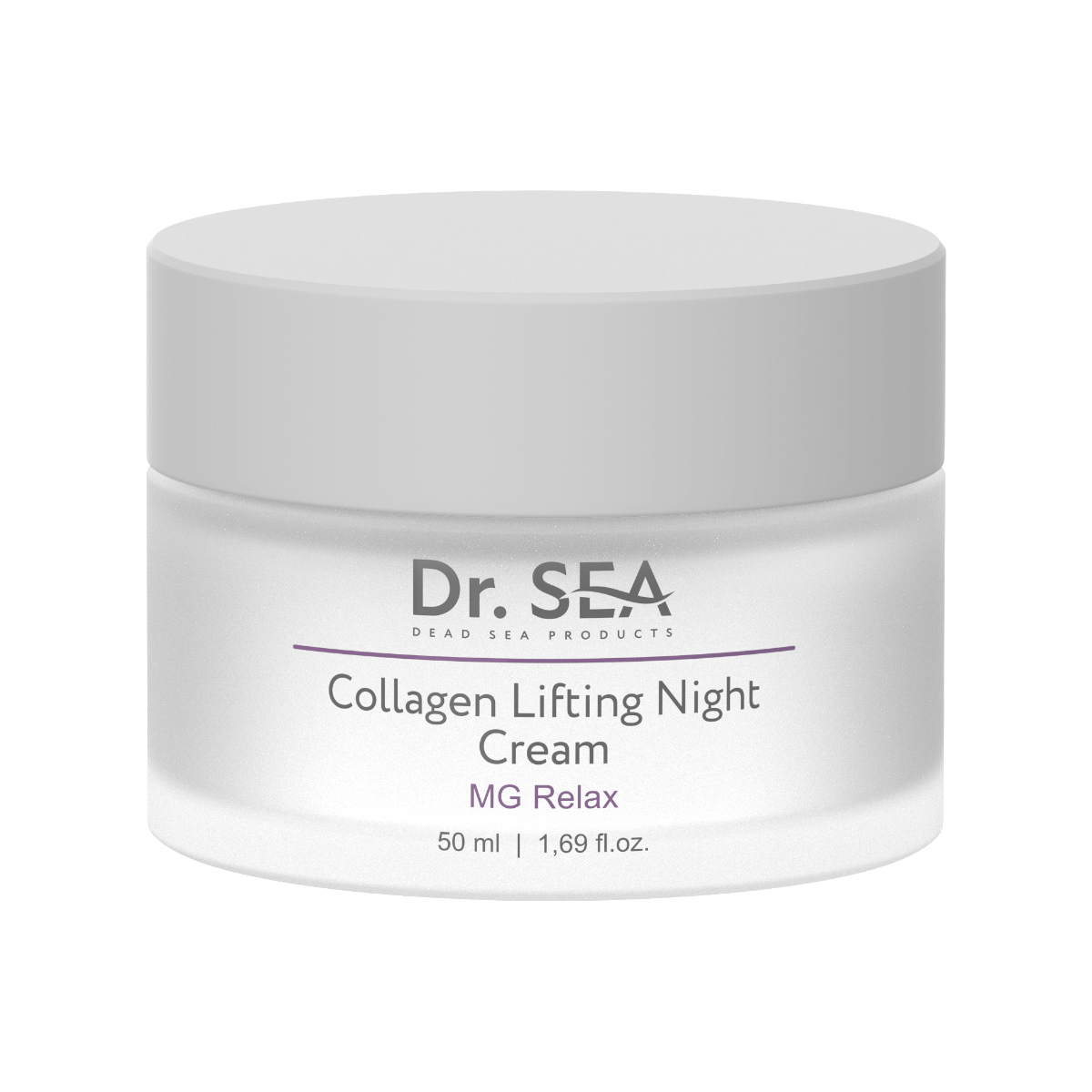
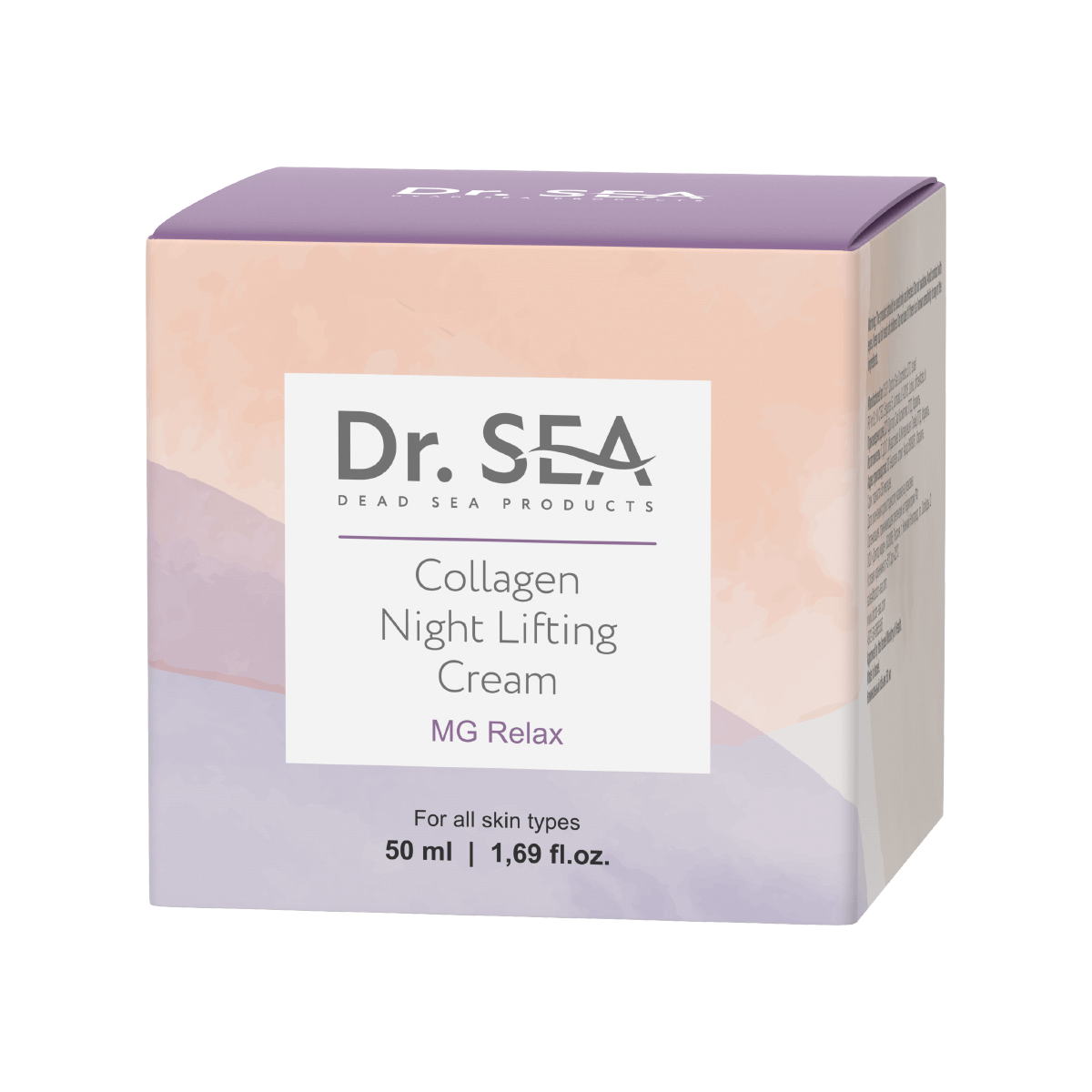
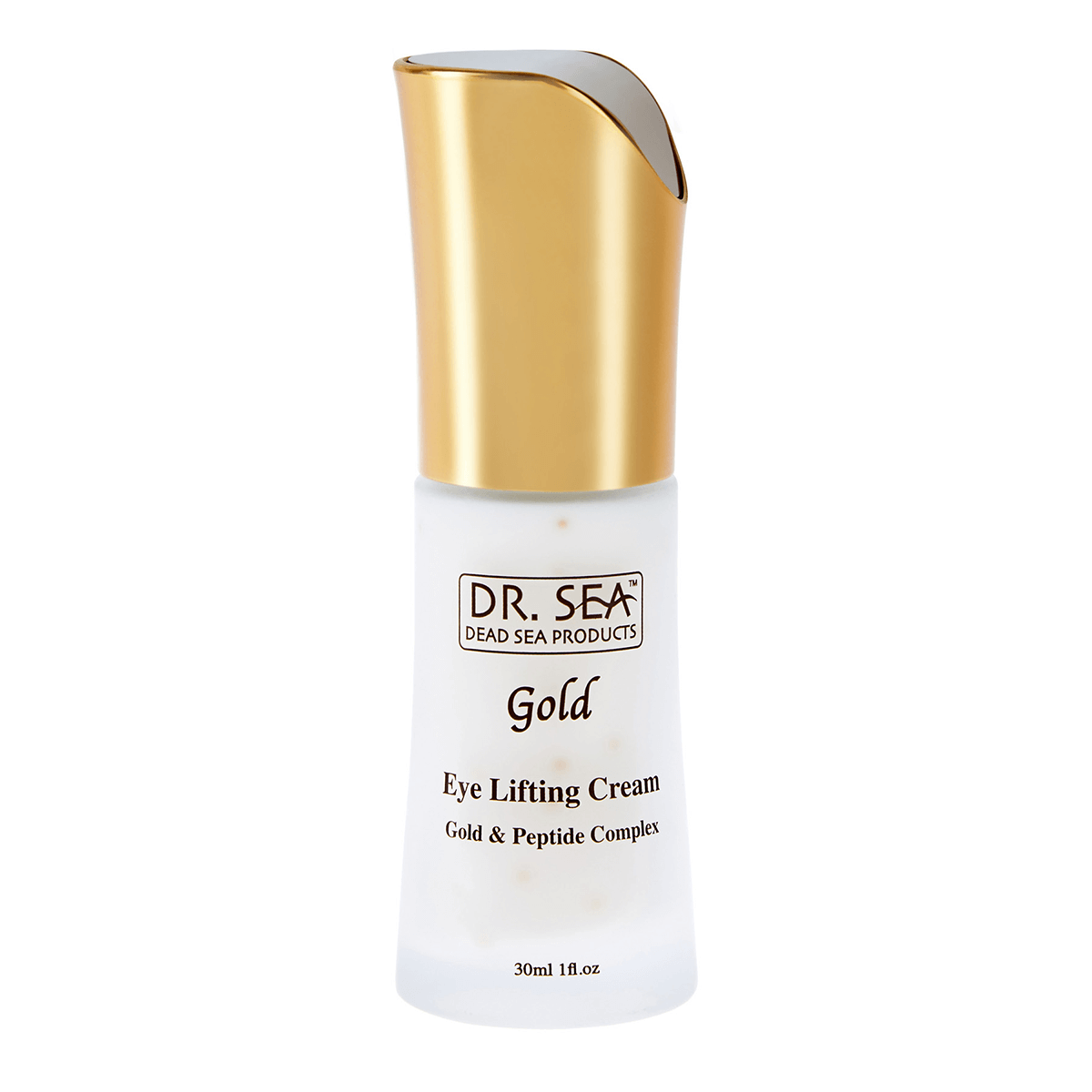
Read through that lens, a Dead Sea routine is really a small set of jobs: pull water into the skin, support the barrier, and gently lift away dry, dull flakes. A classic lineup covers about eight everyday needs, a mineral mud mask, bath salt, a daily mineral moisturizer, a concentrated serum, a night cream, a hands-and-nails cream, a body treatment, and scalp or hair mineral care. Israeli brands turned this into a whole industry: AHAVA, founded in 1988, was among the first to standardize the raw mud tourists once scooped by hand into consistent cosmetic formulas built on Dead Sea calcium, magnesium, and potassium (Wikipedia: Ahava). The best results come from consistent use on dry or easily irritated skin, and a quick patch test is always sensible.
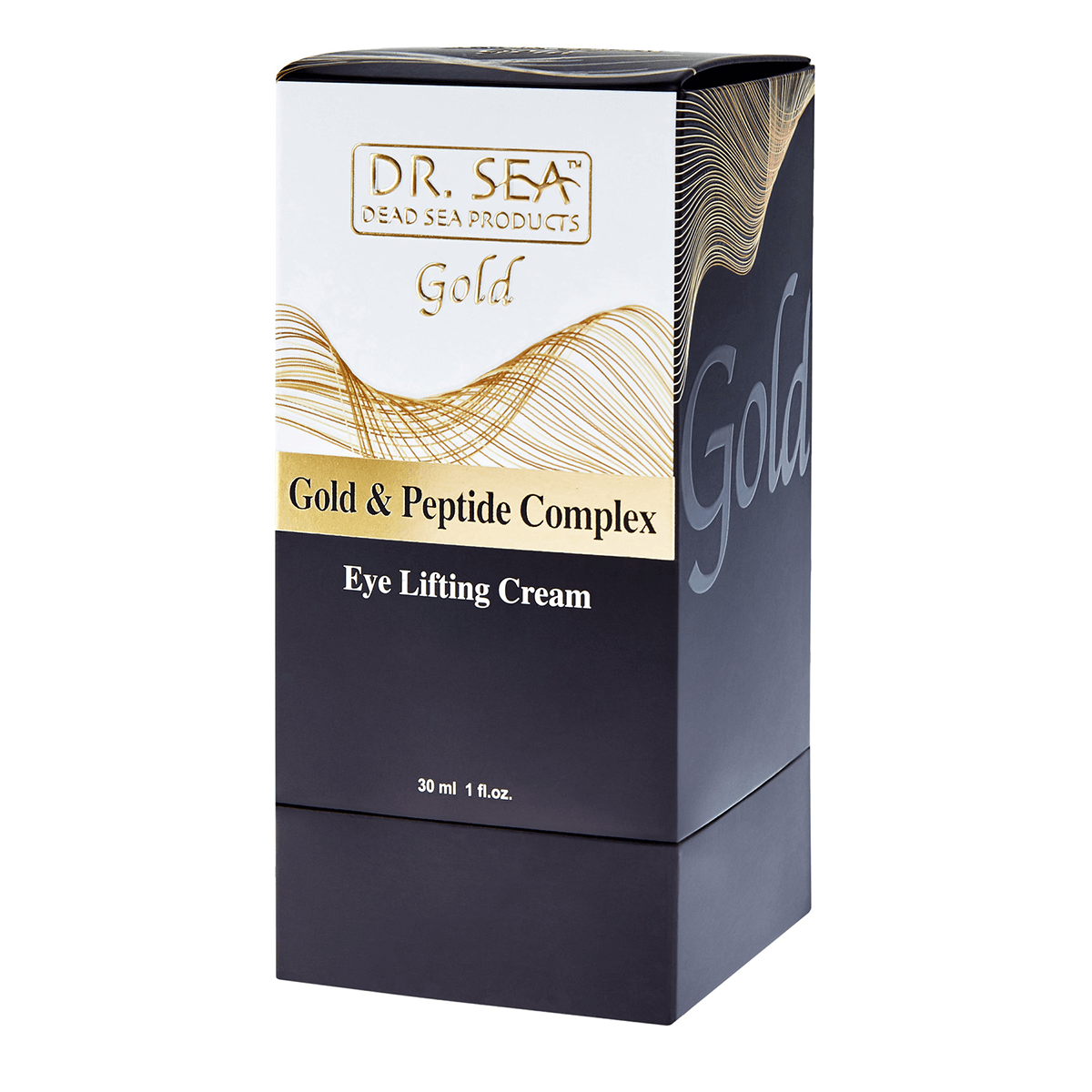
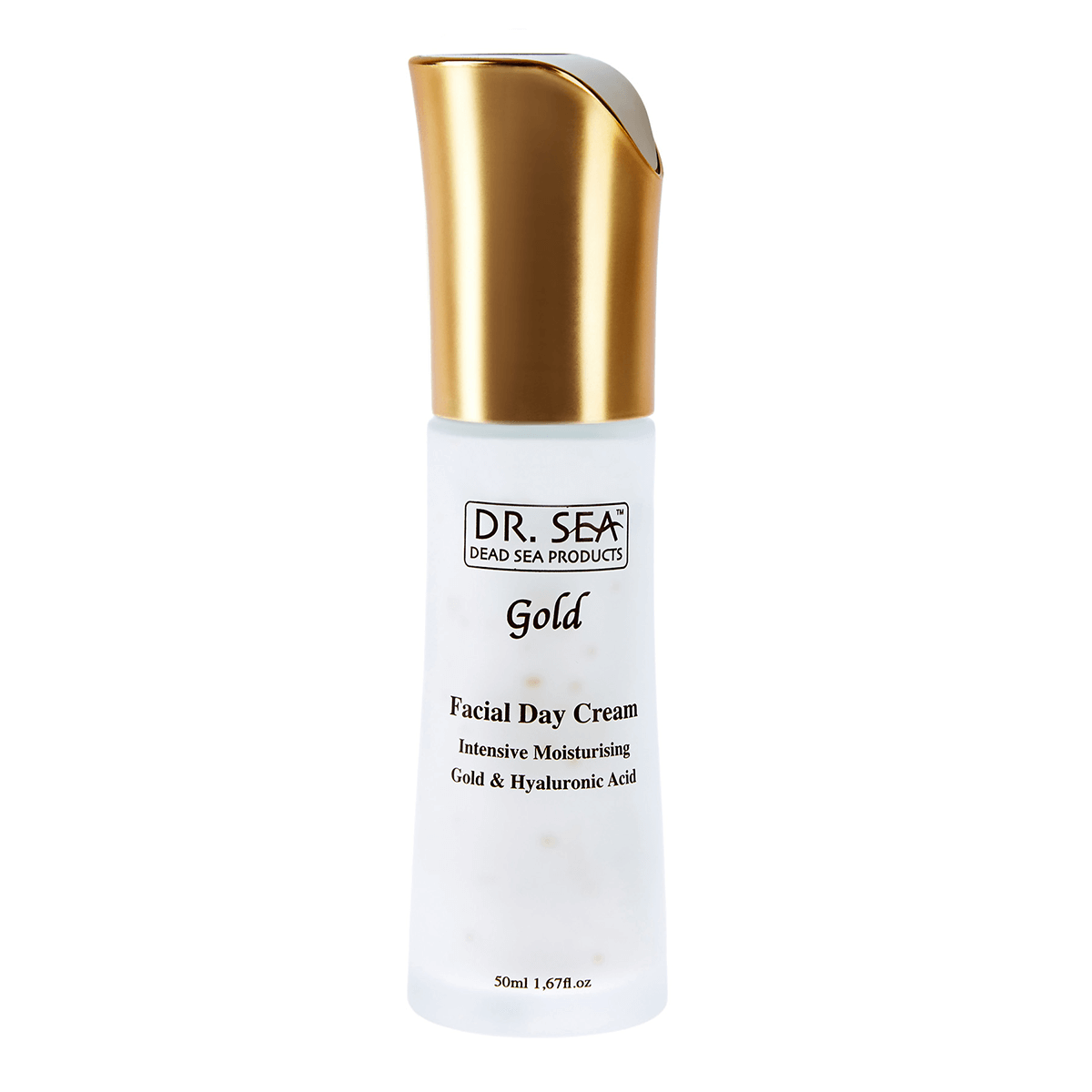
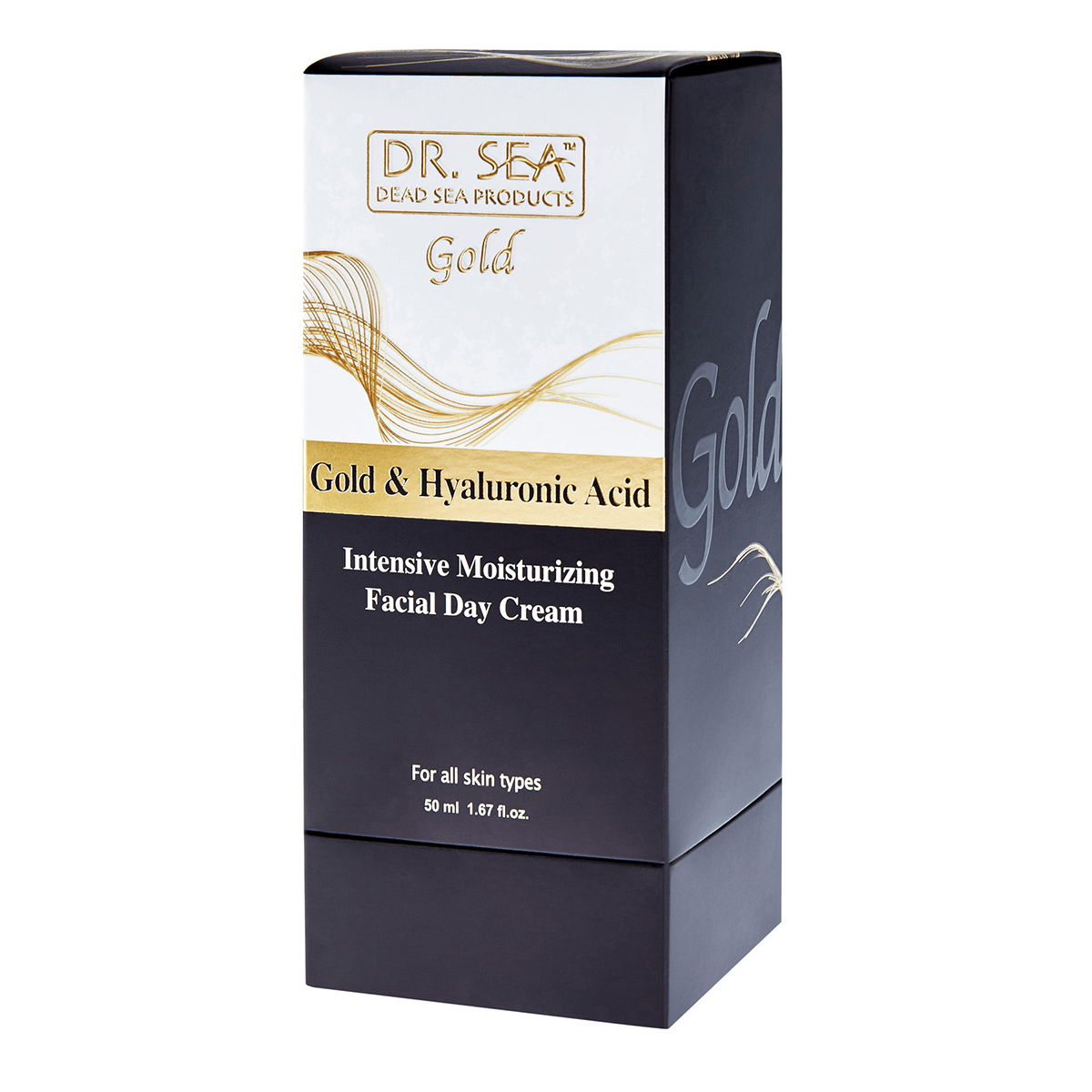
Our Dead Sea collection brings that lineup together, drawn from the minerals described above. If you want to start with one item, a Dead Sea mineral mud mask is the simplest way to feel the hydration-and-smoothing effect the research points to. Think of these as care for dry, dull, or easily irritated skin, real support rather than a cure, and a heritage Israeli craft you can keep on your shelf.
Related
- Benefits of Dead Sea salt
- Why Dead Sea minerals make the best skincare products
- Top-rated Dead Sea beauty products you must try
Last updated July 2026.