

Exploring Israeli Fashion as a Cultural and Political Messenger
Israeli fashion's story begins long before statehood, rooted in late 19th-century garments reflecting both indigenous traditions and the influences of Europe and the Middle East.
The Israel Museum's exhibition showcased how materials like local wool and imported silks carried narratives tied deeply to the land and its diverse people.
Fashion quickly became more than clothing; it embodied identity and history. For example, the kaffiyeh, a traditional Middle Eastern headscarf, symbolizes the complex cultural ties and shifting relations between Jews and Arabs.
From the 1930s onwards, Israel’s fashion industry gained global notice through brands like Gottex and Beged Or, supported by government initiatives such as the launch of Israel’s Fashion Week in 1965.
Recent years have seen designers use fashion as a platform for national expression, blending technology and traditional motifs to address themes of resilience, coexistence, and hope.
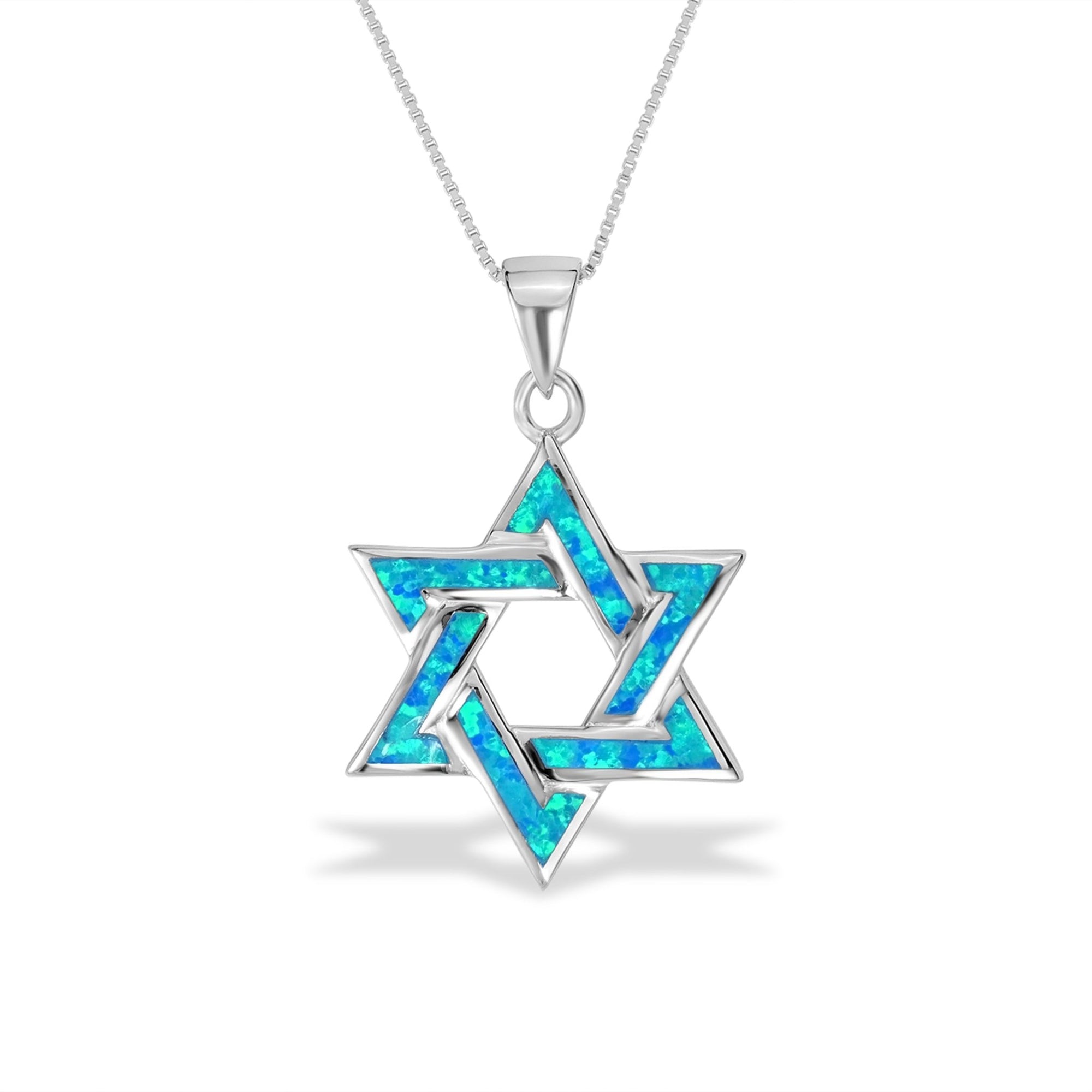
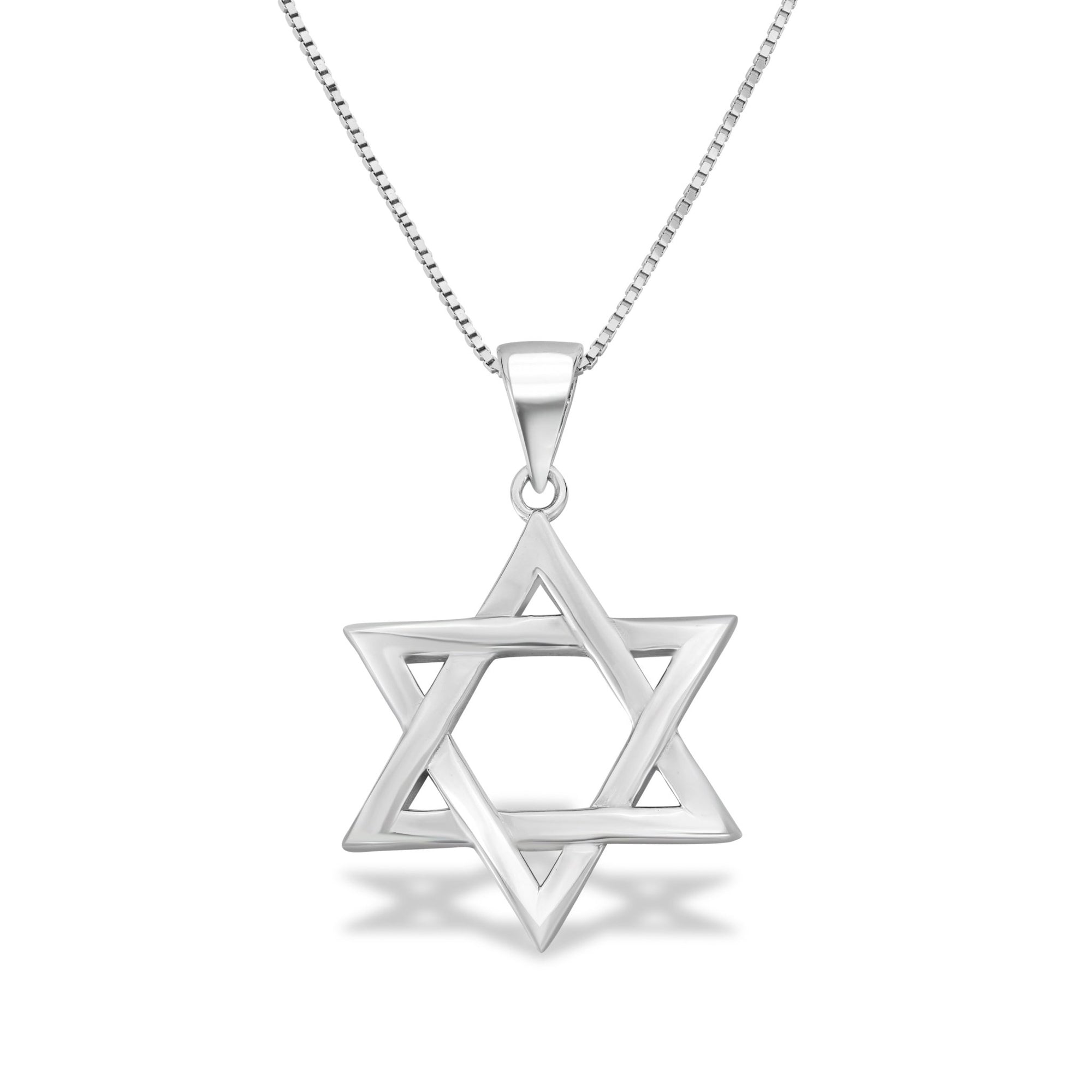
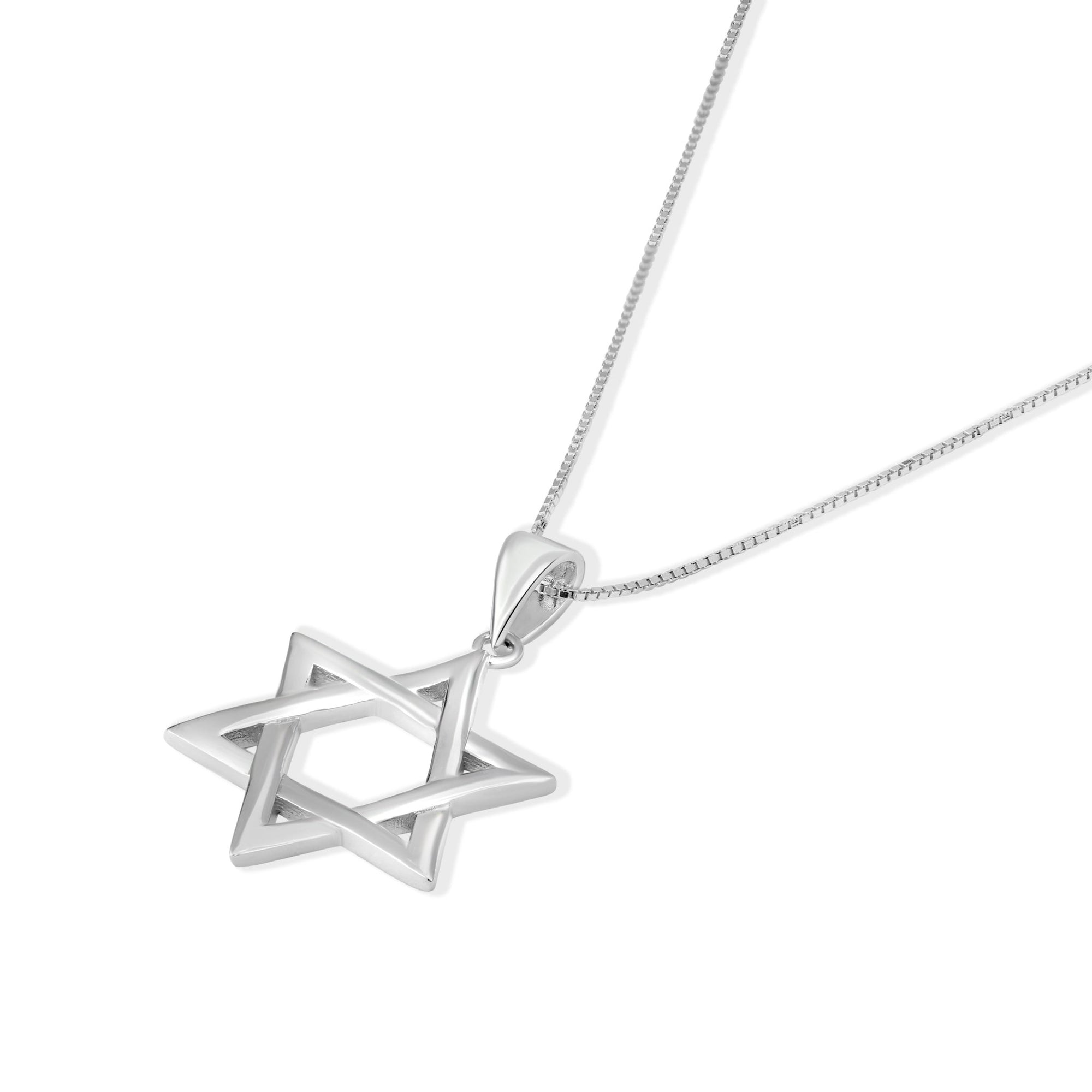
Garments worn at events like the 2024 Academy Awards and Eurovision express solidarity and remembrance, integrating symbols such as the Star of David and the tallit, underscoring prayers for peace.
In this evolving landscape, Israeli fashion not only celebrates heritage but also serves as a powerful medium advocating for Zionist pride and mutual understanding.
Historical Foundations: Israeli Fashion as a Reflection of Identity
How has Israeli dress historically expressed cultural identity?
Israeli fashion has deep roots that intertwine indigenous heritage with diverse external influences, reflecting a rich cultural tapestry. From the late 19th century, Israeli dress combined pre-Zionist styles indigenous styles with European elegance and Oriental motifs. This fusion illustrates the aspiration to forge a unique identity tied to the land yet open to global cultures.
Traditional garments often feature materials like wool sourced from local sheep, symbolizing a bond to Israel landscape-inspired fashion and agricultural past. Silk, typically imported, added layers of sophistication and international flair to these early designs. These textiles told personal and national stories, embodying the wearer’s connection to both history and modernity.
A particularly significant item is the kaffiyeh cultural significance, a Middle Eastern headscarf rooted in Arab tradition, which acquired meaningful symbolism in Israel. It serves as a visual emblem of the complex relationship and shared history between Jewish and Arab communities. Wearing or adapting the kaffiyeh today represents negotiation of identity and an acknowledgment of the intertwined cultural narratives within Israel.
Together, these elements of dress do more than clothe the body—they articulate resilience, fusion, and the vibrant local and global fashion identities of the Israeli people.
From Conflict to Couture: Israeli Fashion as a Response to War
In what ways has recent conflict influenced Israeli fashion designs?
Israeli fashion has become a poignant reflection of the nation's experiences and emotions during times of conflict. In response to the 2023 Hamas attacks, designers infused their creations with powerful symbols and messages of unity and resilience. For instance, bridal wear designer Yaniv Persy's victim tribute gown crafted a gown adorned with the names of victims, hostages, and communities affected by the violence. The gown featured Stars of David and was complemented by a shawl that uniquely combined elements of a traditional tallit and a keffiyeh, symbolizing a prayer for coexistence.
Other artists embraced subtle but powerful symbolism. The yellow ribbon—a color now synonymous with hope and the call for the safe return of hostages—became a popular motif. Industrial designer Shaul Cohen's yellow ribbon pins were produced, while marketing executive Tamir Raicher's hostage dog tag necklaces were created. This wave of creativity extended to jewelry and T-shirts emblazoned with messages of solidarity like "Together we will win" and peace-oriented slogans complemented by olive branch imagery.
Fashion continues to serve as a vessel for the Israeli spirit, blending patriotic pride with hope and resilience. Celebrities like Eden Golan wore Alon Livne's torn bandage dress at prominent events, and Noa Argamani, a former hostage, appeared in a yellow dress designed by Eli Tala, embracing the symbolism of perseverance. Through these thoughtful designs and accessories, Israeli fashion reaffirms cultural identity and communal strength amid adversity.
Symbols of Zionist Pride and Jewish Heritage in Contemporary Apparel
What symbols are commonly featured in Israeli-themed apparel to express Jewish heritage and pride?
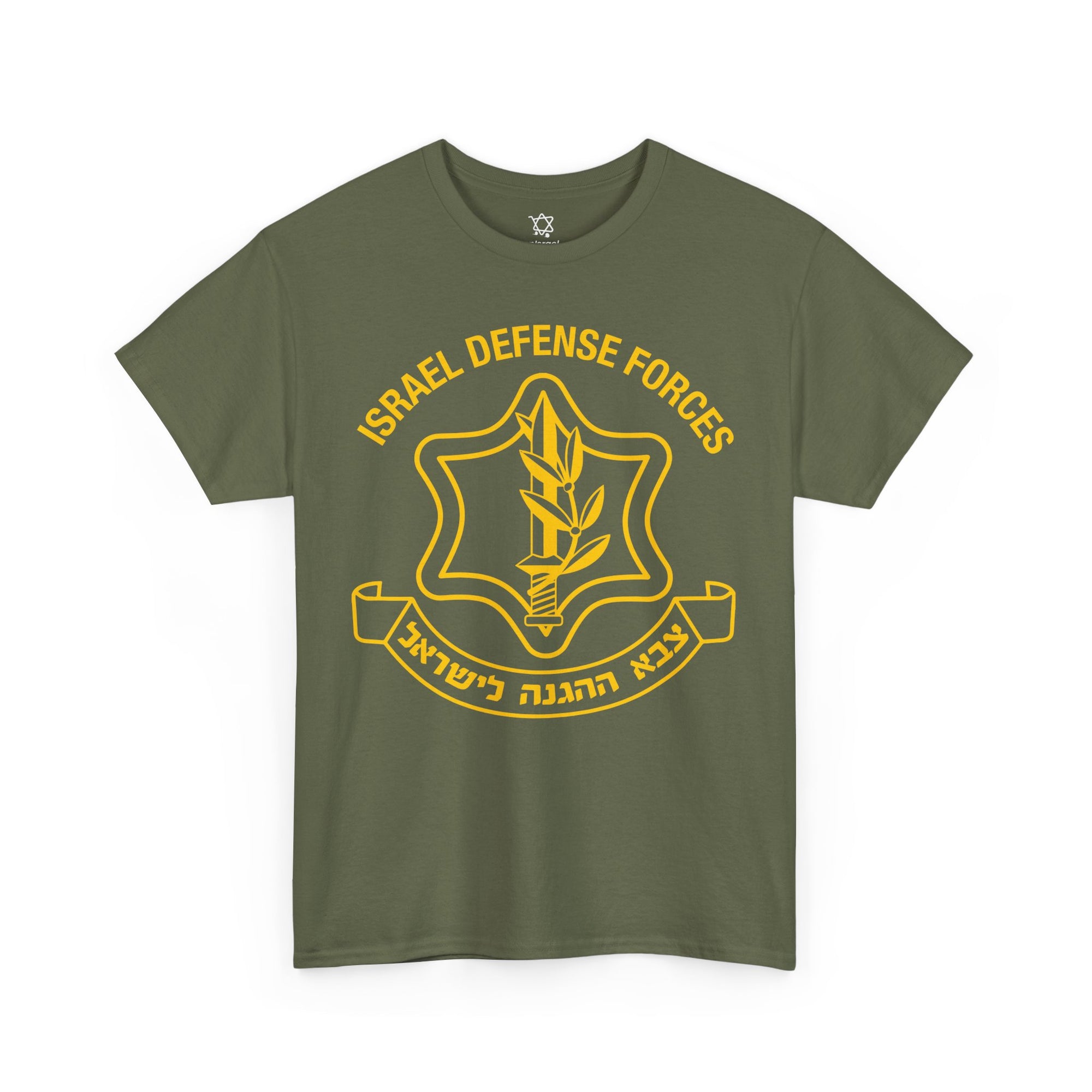
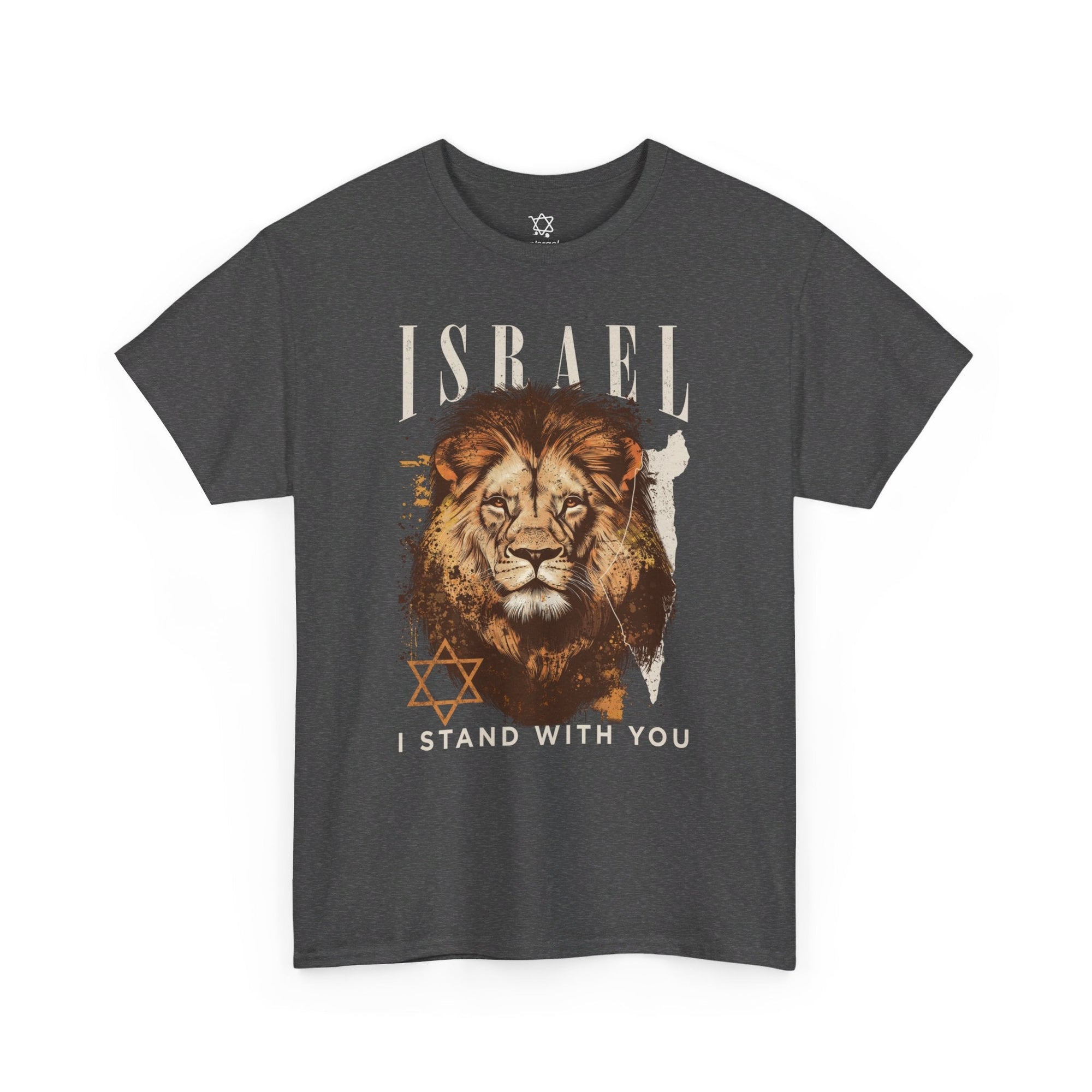
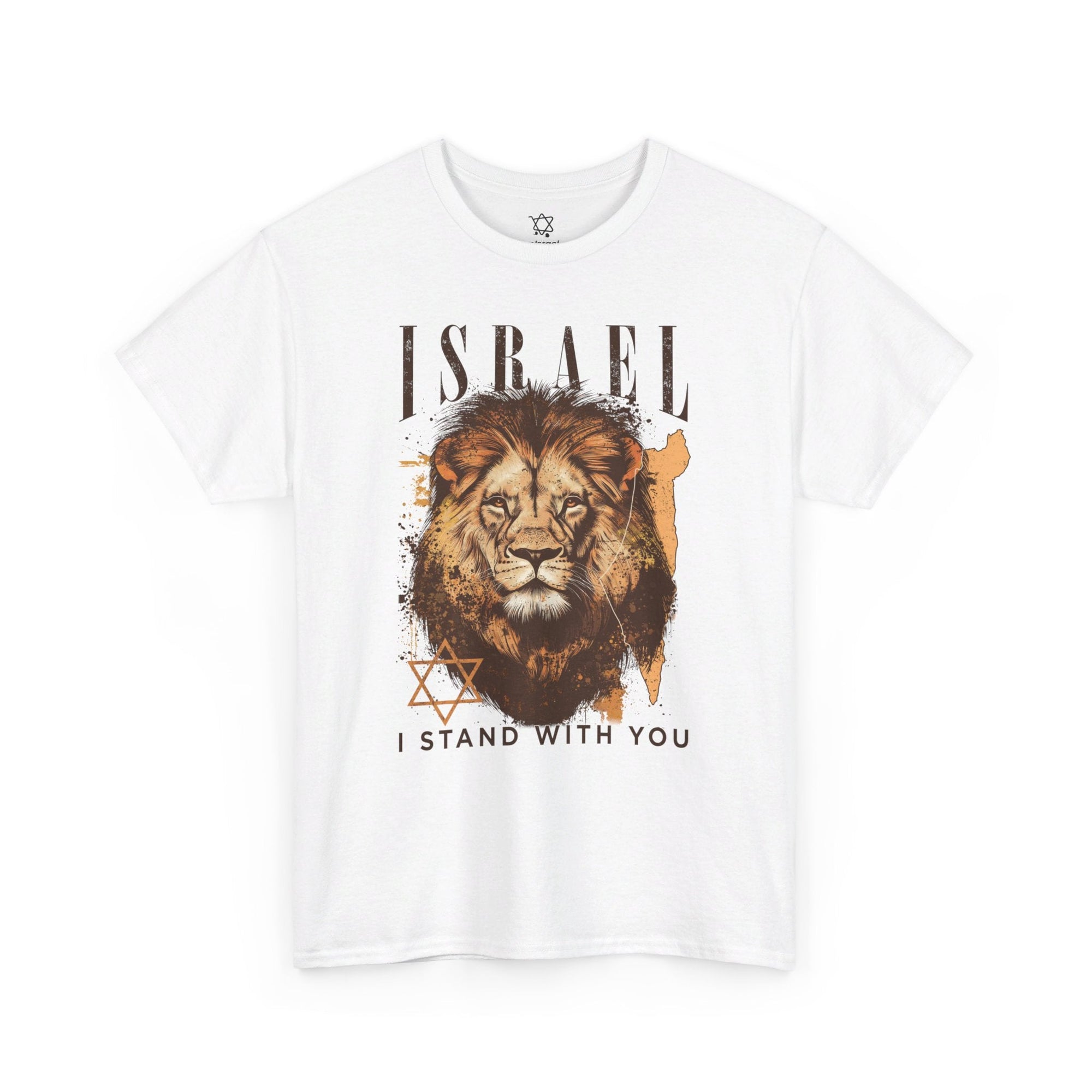
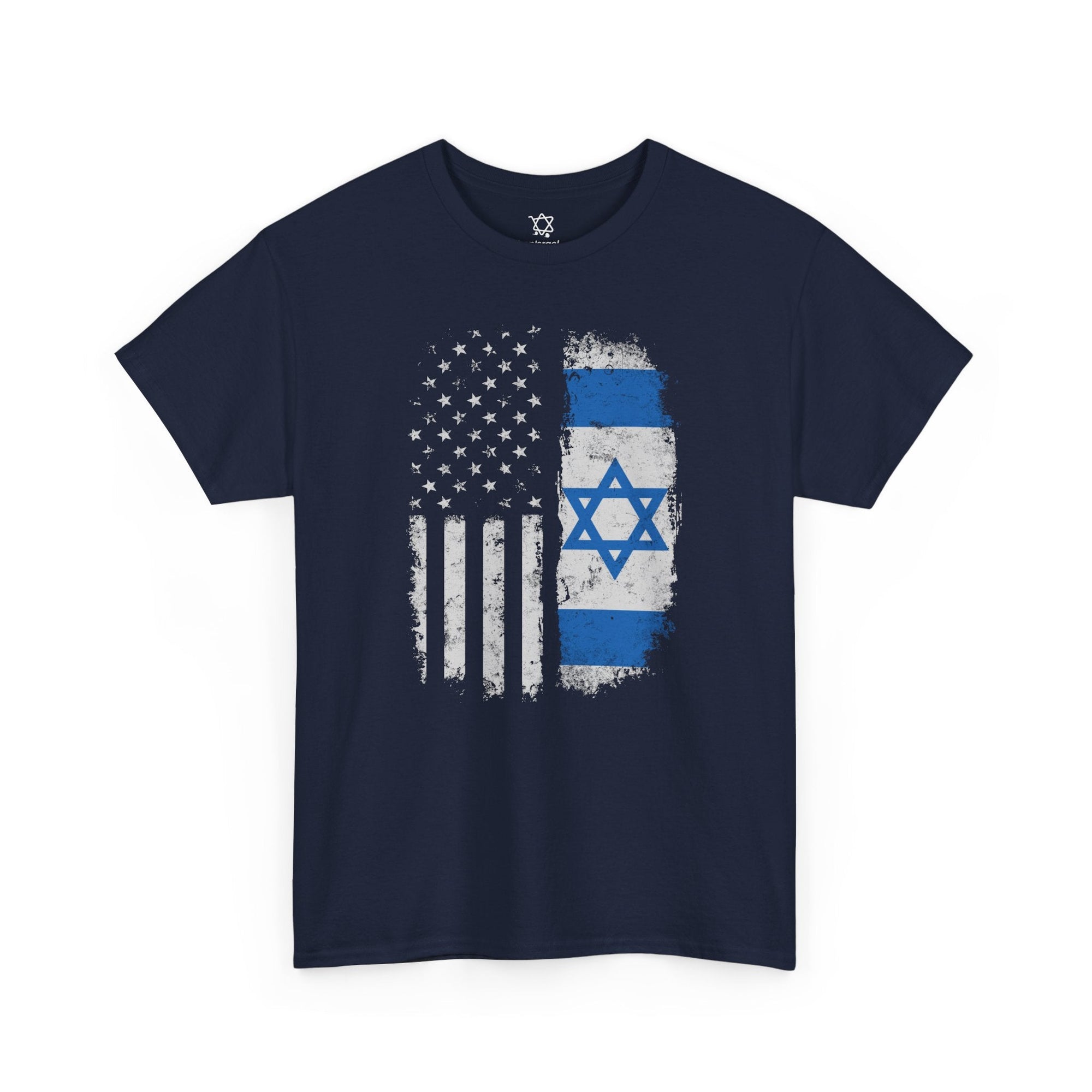
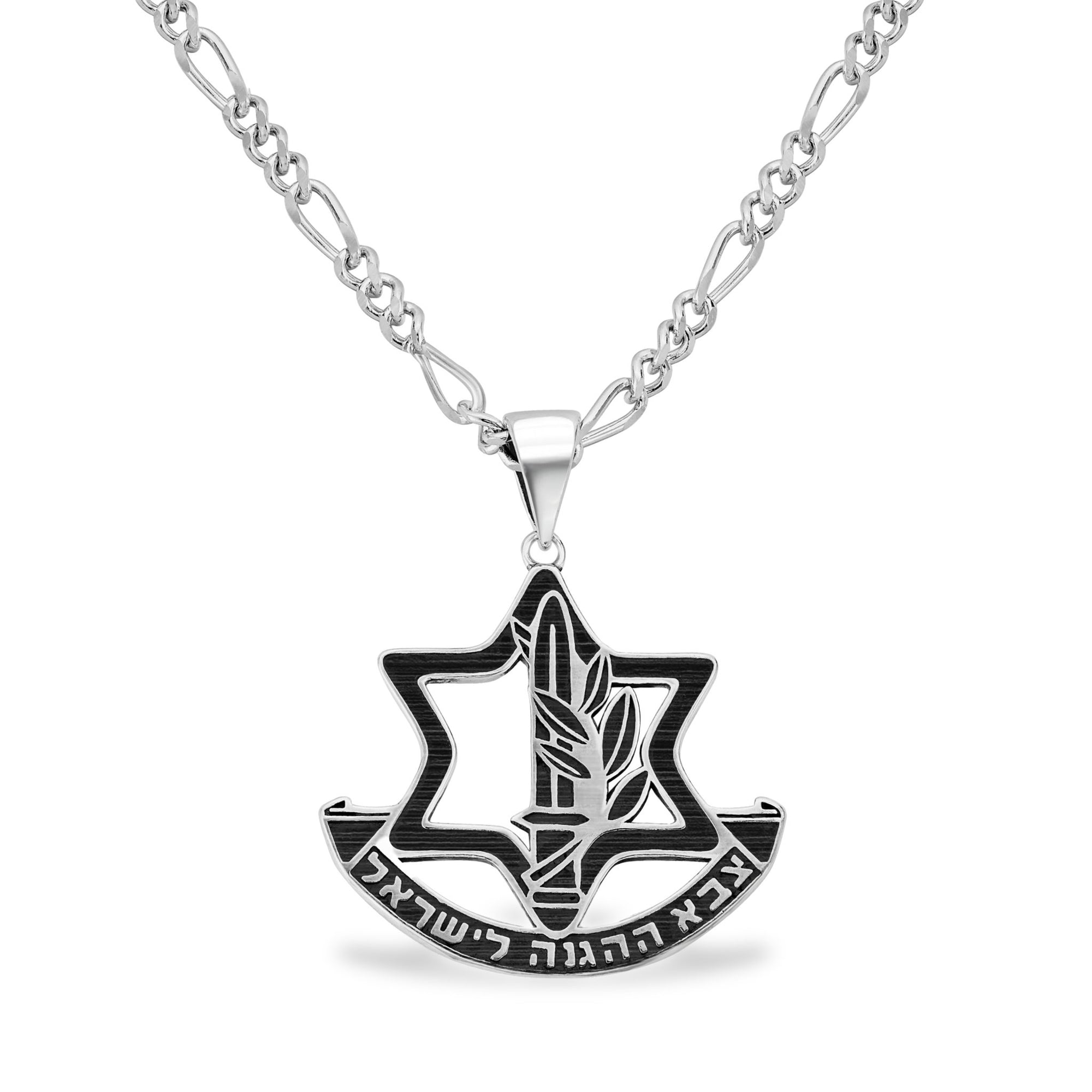
Israeli-themed apparel prominently incorporates revered Jewish symbols such as the Menorah flames, the Lion of Judah, and Hebrew script. These lasting emblems serve as powerful links to Jewish tradition and Zionist identity.
The Menorah flames, featured on garments like the Proud To Be Yehudi Hoodie, convey historical and spiritual continuity. Similarly, the Lion of Judah appears on apparel, symbolizing strength and connection to biblical heritage.
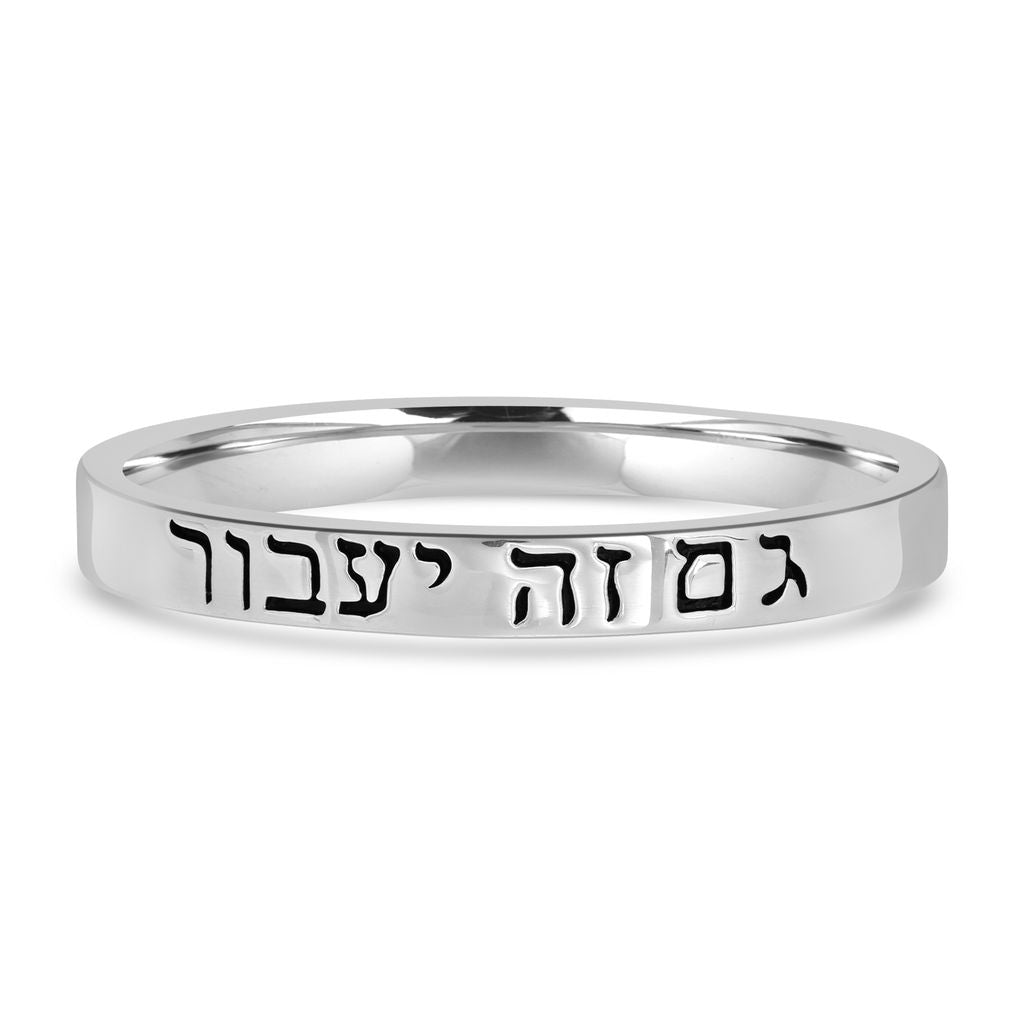
Hebrew script is used creatively in modern clothing to declare Jewish identity boldly while maintaining a stylish contemporary feel. These symbols are seamlessly combined with modern design approaches by young Israeli artists, creating pieces that resonate deeply with wearers seeking to celebrate their roots.
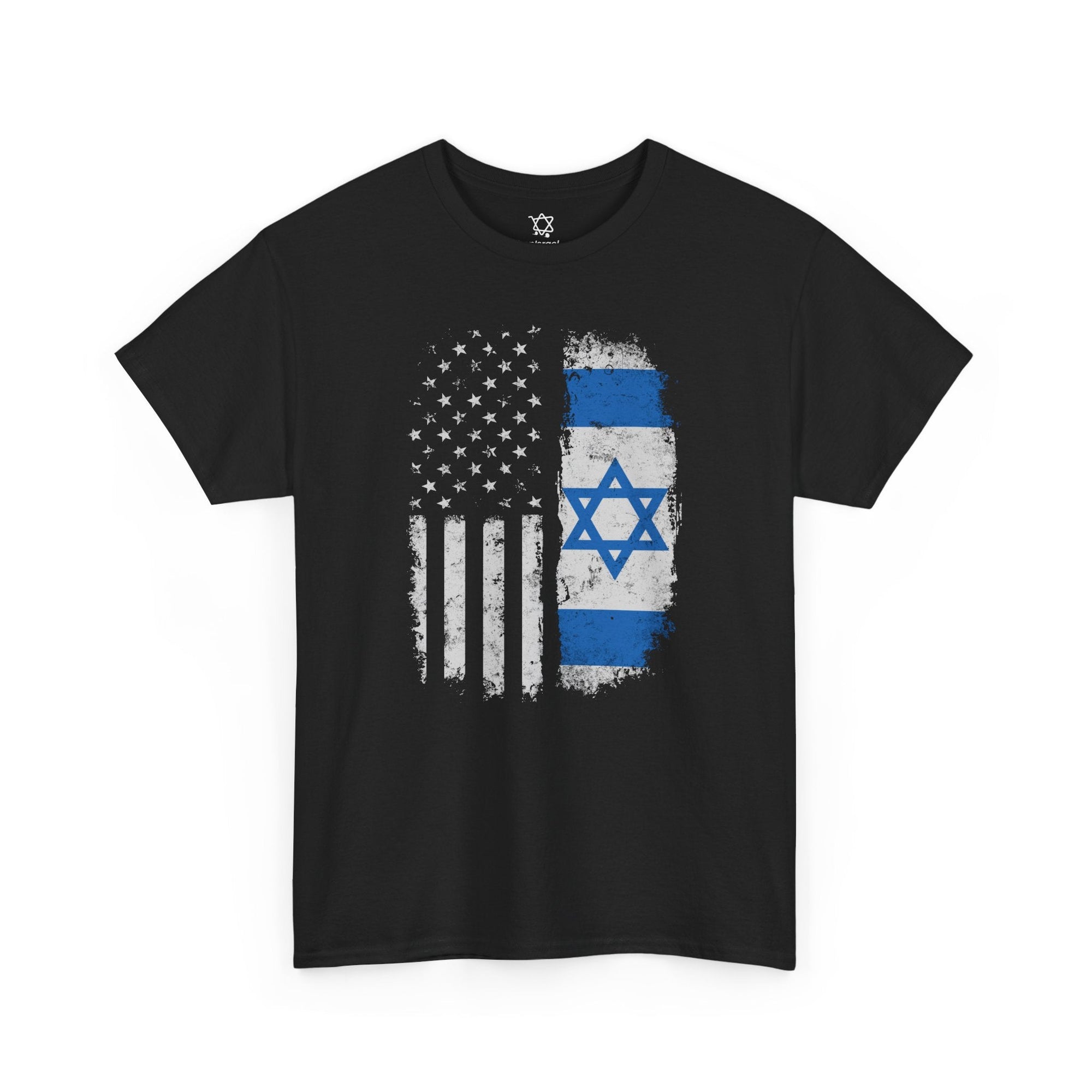
Many apparel items are embraced not only as fashion but also as wearable affirmations of cultural solidarity, faith, and national pride. Collections themed around biblical stories and iconic symbols allow diaspora communities and supporters to express their Jewish heritage clothing visibly and proudly.
This blend of tradition and current trends creates unique clothing that supports pride in Israeli identity in authentic and accessible ways, reinforcing cultural narratives through fashion.
Supporting Israeli Artisans: The Role of Local Production in Fashion
Why is local production important in Israeli-themed fashion merchandise?
Local production is vital in Israeli-themed fashion as it ensures cultural authenticity and supports the Israeli economy. Wearing apparel made and designed in Israel establishes a genuine connection between consumers and the heritage embedded in the clothing. For more insights, see Israel apparel collection.
E-commerce platforms specializing in Israeli-manufactured apparel promoting cultural authenticity
Several online platforms focus exclusively on apparel that is both made and designed in Israel. These websites offer a rich selection of clothing items that celebrate Israeli culture apparel and Jewish heritage clothing. Their aim is to authentically represent Israeli symbols, like the Lion of Judah or Hebrew lettering, while catering to a global audience of supporters and diaspora communities. Explore this further at Israel-themed apparel and Israel apparel collection.
Economic and cultural significance of purchasing locally made Israeli fashion items
Buying Israeli-manufactured apparel supports local artisans and business owners who infuse their work with national pride and cultural narratives. This cultivates an economic ecosystem where traditional skills, innovative fashion design, and Israeli symbolism thrive together. Every purchase helps sustain wages, encourages artistic growth, and strengthens pride in Jewish identity. For examples of unique items and cultural meaning, see the Proud To Be Yehudi Hoodie collection.
The impact of shopping Israeli-themed clothing on supporting the Israeli economy and heritage
By choosing clothing produced in Israel, consumers contribute directly to the vibrant local economy while endorsing a powerful message of resilience and identity. Israeli designers, ranging from young creatives crafting modern hoodies to veteran ateliers blending faith and fashion, all benefit from this support. This sustains the broader goal of cultural preservation and global recognition of Israeli artistic achievement. To understand the deeper cultural context, visit Israeli fashion exhibition 2018 and read about Israeli designers reflect national emotion.
Fashion for Peace: Messaging Through Apparel and Jewelry
How does Israeli fashion convey messages of peace and unity?
Israeli fashion powerfully communicates themes of peace and unity through carefully crafted designs steeped in symbolism and cultural identity. Designers incorporate motifs such as the olive branch—a universal emblem of peace—into T-shirts bearing hopeful slogans like 'Time for Peace'. These items act as visual calls for harmony and reconciliation amid ongoing regional challenges.
Design expressions of resilience and coexistence
Garments like the 'Lavi of Zion' T-shirt feature an embroidered lion emblem intertwined with a yellow ribbon, symbolizing strength and hope during times of adversity. The cracked heart motif speaks to the pain of conflict while affirming resilience. Similarly, shawls blending the tallit (Jewish prayer shawl) and the keffiyeh (a Middle Eastern head covering) poignantly express a yearning for coexistence and mutual respect among communities.
Fashion at the crossroads of identity and peace
This unique fusion of Jewish tradition with modern fashion reflects an Israeli society that embraces its heritage while advocating for unity. The use of Hebrew script alongside universal symbols unites wearers under the banner of 'Jewish pride in Israeli fashion' and peaceful coexistence. Through apparel and jewelry, Israeli designers transform clothing into platforms of cultural expression and hope, reminding wearers and observers alike of a collective aspiration for peace in a complex, diverse society.