

Introducing Israeli Culture Through Fashion
A Unique Blend of Tradition and Modernity
Israeli clothing beautifully intertwines ancient traditions with contemporary innovation, telling stories of faith, history, and resilience. From the practical long tunics and sandals of biblical times, which held symbolic significance, to today’s vibrant fashion scene in Tel Aviv, the attire reflects a deep connection to the land and people.
Rich Cultural and Religious Symbolism
Garments such as the tallit prayer shawl, priestly ephods, and breastplates bear colors like blue and purple, signifying holiness and royalty. Orthodox Jewish men often wear black suits and hats while women follow modest dress codes, symbolizing reverence and community identity. During Jewish festivals, clothing transforms to express spiritual meanings—white attire for Passover and Yom Kippur evokes purity, while colorful costumes celebrate Purim joy.
Fashion Inspired by the Land and Heritage
Israel’s Mediterranean climate influences clothing choices, favoring lightweight fabrics in summer and layered styles in cooler months. Military service inspires streetwear with olive greens and cargo pants that represent strength and national pride. Designers such as Maskit and Alon Livné weave cultural motifs into modern apparel, tying craftsmanship to Israeli heritage. Wearing items made in Israel, from woven scarves to handcrafted jewelry, connects wearers worldwide to the spirit and creativity of the Jewish homeland.
Traditional Jewish Clothing: Symbols of Faith and Heritage
What are some examples of traditional Jewish clothing?
Traditional Jewish clothing reflects deep religious significance and diverse cultural heritage across communities.
Ancient garments like tunics, tallit, and ceremonial attire
In ancient Israel, garments such as long tunics and sandals were common and practical for the desert climate. The tallit — a prayer shawl adorned with tzitzit (fringes) — remains central to Jewish religious life, symbolizing the commandments.
Biblical ceremonial clothing, including the ephod and breastplate worn by priests, incorporated symbolic colors: blue represented holiness, while purple signified royalty and spiritual authority.
Differences in Sephardic and Ashkenazi traditional wear
Jewish diaspora clothing influences shaped Israeli clothing traditions. Sephardic Jews favored flowing robes with colorful fabrics reflecting Mediterranean heritage. In contrast, Ashkenazi Jews traditionally wore layered garments with headscarves for women and fur hats like shtreimels for men during festivals and Sabbaths, expressing unique community identities.
Religious clothing observances among Orthodox Jews
Orthodox men clothing typically involve black suits, long coats (bekishe or kapoteh), and hats—ranging from black fedoras to shtreimels—as expressions of faith and communal belonging. Modest women's dress in Israel includes long skirts, sleeves, and head coverings such as scarves or wigs (sheitels), adhering to religious laws of tzniut (modesty).
Use of symbolic colors like blue and purple in biblical garments
Biblical garments utilized blue and purple hues to convey spiritual meaning; blue to symbolize divine commandments and purple to indicate royal dignity, reinforcing a sacred identity woven into the fabric of traditional Jewish dress.
These garments transcend mere clothing, embodying faith, identity, and centuries of Jewish heritage, uniting wearers in a shared cultural and spiritual lineage.
The Influence of Jewish Diaspora and Historical Eras on Israeli Fashion
How have Sephardic and Ashkenazi traditions shaped Israeli clothing?
Jewish diaspora communities brought rich sartorial legacies to Israel, deeply influencing its fashion identity. Sephardic Jews are known for their flowing robes and vivid, colorful fabrics, reflecting Mediterranean and Middle Eastern aesthetics. In contrast, Ashkenazi Jews favored layered garments with headscarves for women and fur hats, such as shtreimels, for men. These diverging styles merged over time, creating a vibrant blend that expresses heritage while maintaining practicality. This fusion is part of the broader Jewish diaspora clothing influences shaping Israeli fashion.
What role did the kibbutz era play in shaping Israeli casual wear?
The early 20th-century kibbutz movement prioritized communal living and egalitarian values, which strongly influenced clothing choices. The kibbutz era embraced durable and functional apparel like shorts, button-down shirts, and sturdy work boots. This practical wardrobe reflected hard work, a connection to the land, and democratic ideals, laying the groundwork for modern kibbutz era clothing styles.
How does contemporary Israeli fashion reflect its diverse Jewish heritage?
Modern Israeli fashion is a colorful fusion of the country's multifaceted Jewish heritage. Designers skillfully blend Sephardic vibrancy, Ashkenazi tradition, and kibbutz practicality with contemporary creativity. This synthesis is visible in everything from streetwear infused with military symbolism to elegant garments inspired by biblical motifs. The result is a dynamic, culturally rich style that appeals both locally and to the global diaspora community seeking to express pride through modern Israeli fashion.
Religious and Modest Fashion: Expressions of Identity and Tradition
How do people typically dress in Israel?
Clothing in Israel varies widely, reflecting the country's complex cultural and religious tapestry. In urban cities such as Tel Aviv, modern, casual attire is the norm, with many dressing in comfortable jeans, t-shirts, and sneakers. However, this contrasts with more religious areas like Jerusalem, where modesty and tradition strongly influence dress codes.
Distinct dress codes in Orthodox Jewish communities
Orthodox Jewish men often wear black suits, black hats, and sometimes long coats known as kapotes, signaling their deep commitment to religious laws and community identity. They frequently wear garments like the kippah and tzitzit as daily spiritual reminders. Women in these communities adhere to modesty standards by wearing long skirts or dresses with sleeves that cover the elbows and neckline, in addition to covering their hair with scarves or wigs.
Modesty practices (tzniut) and their diversity
The concept of tzniut, or modesty, varies across communities in Israel. Some women cover their elbows, knees, and hair rigorously, while others observe a more moderate approach, reflecting personal beliefs and varying interpretations of religious law. This diversity creates a rich mosaic of clothing styles that balance faith with individual expression.
Religious symbols incorporated into everyday clothing
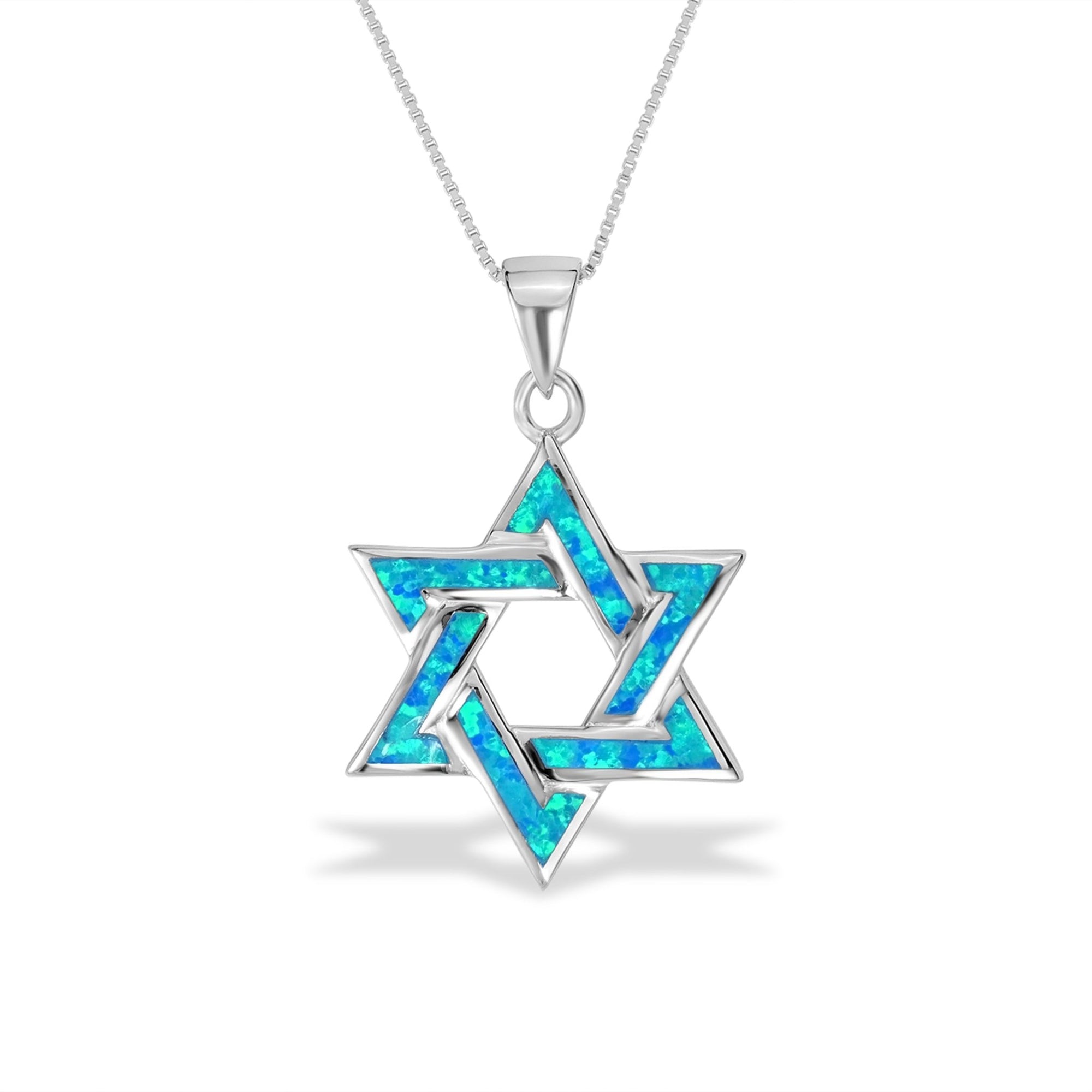
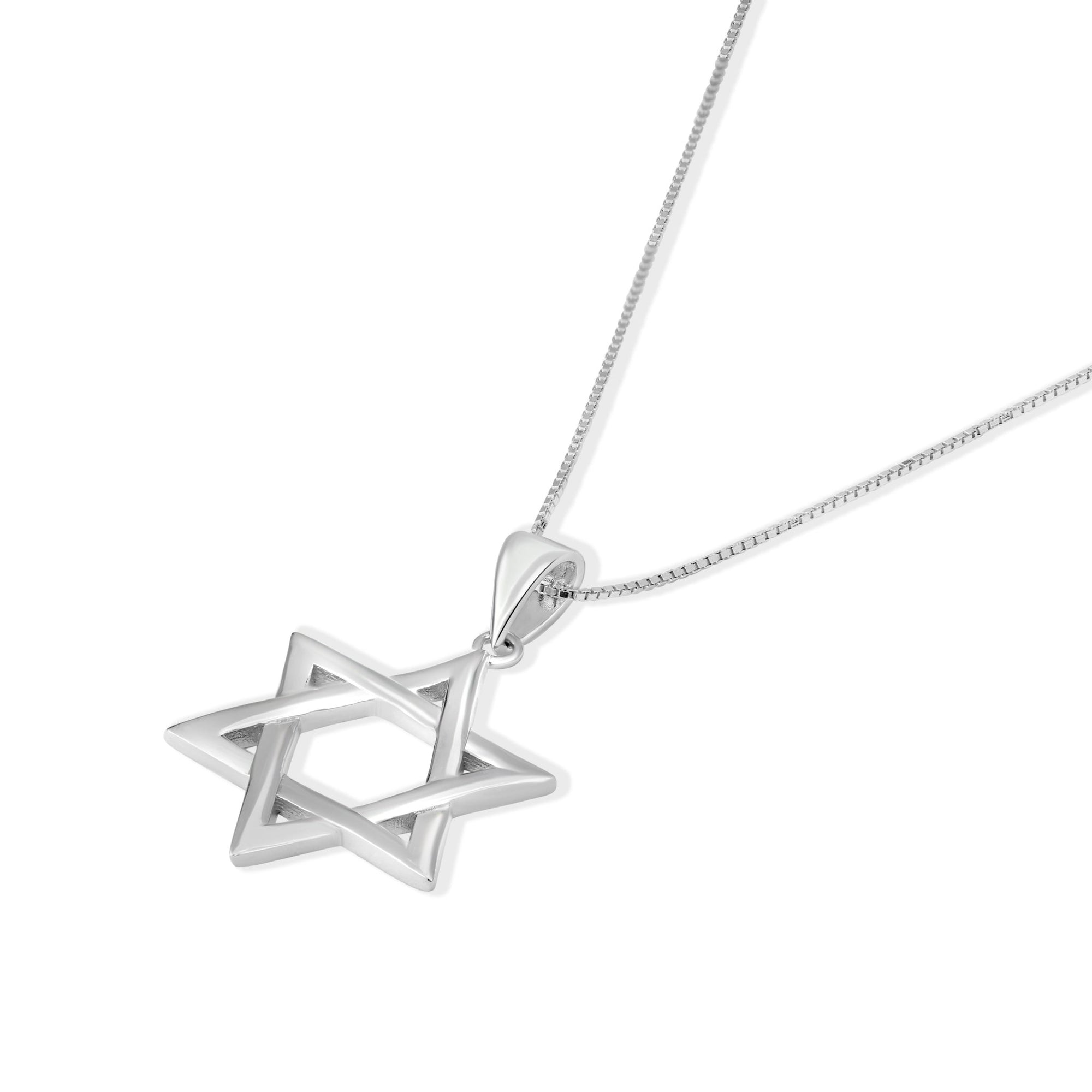
Israeli fashion often integrates subtle religious or cultural symbols into daily wear. Items like the tallit fringes (tzitzit), designs featuring the Star of David apparel, or colors historically associated with holiness like blue and purple appear in clothing and accessories. These elements enable wearers to express spiritual identity while engaging with contemporary styles.
Cultural correlation between dress and spiritual observance
In Israel, clothing often serves as a visible link between cultural heritage and spiritual life. Festival attire, such as white garments worn on Yom Kippur or the joyful costumes of Purim, underscore religious observance through dress. Everyday modest wear reflects ongoing commitment to faith, community belonging, and respect for tradition, making clothing an integral part of personal and national identity. For more on Jewish festival clothing traditions, see the linked resource.
Modern Israeli Fashion: A Vibrant Fusion of Heritage and Innovation
Who Are the Leading Contemporary Designers in Israeli Fashion?
Israel's fashion scene shines on the global stage thanks to visionary designers like Alon Livné and Noa Raviv. These innovators blend avant-garde techniques with a deep respect for cultural heritage, producing couture that captivates audiences worldwide. Another iconic name is Maskit heritage fashion house, Israel's legendary heritage fashion house, originally founded in 1954 and revived with modern flair in recent years. Maskit's collections often draw on natural desert colors and traditional craftsmanship, creating a unique fusion of history and modernity.
How Does Mediterranean Culture Influence Israeli Fashion?
Israeli fashion uniquely melds Mediterranean style with cutting-edge design. The region's vibrant natural beauty—inspired by sun-soaked landscapes and coastal hues—permeates fabric choices and color palettes. Designers incorporate traditional motifs such as pomegranates, tzitzit fringes, and biblical colors like blue and purple, giving garments a rich symbolic depth while maintaining contemporary appeal.
Why Is Tel Aviv Considered a Fashion Epicenter?
Tel Aviv serves as a hub where creativity and culture converge. The city’s effortless Mediterranean lifestyle influences local designers who are adept at balancing ease with innovation. From sun-protective fabrics suitable for Israel's warm climate to bold, modern silhouettes, Tel Aviv’s fashion reflects both practicality and aesthetic daring.
How Are Traditional Motifs Revived in Modern Israeli Streetwear and Couture?
Modern Israeli fashion often revives traditional Jewish symbols subtly embedded into streetwear and runway collections. Items featuring the Star of David apparel , Hebrew lettering like "Shalom," or military-inspired olive green cargo pants symbolizing resilience demonstrate this trend. This blend of heritage and modernity creates apparel that resonates deeply with wearers seeking to express cultural pride and spiritual connection.
What Are Some Popular Israeli Clothing Brands?
Several prominent Israeli brands stand out for their blend of style and cultural identity:
| Brand | Style Focus | Notable Features |
|---|---|---|
| Castro | Stylish casual wear | Widely available, caters to contemporary tastes |
| Golf & Co. | Trendy and affordable fashion | Strong retail presence across Israel |
| Renuar | Contemporary quality designs | Emphasizes modern aesthetics |
| Maskit | Heritage-inspired couture | Combines traditional craft with innovation |
| Fox | International style | Popular with Israeli shoppers |
| Mango | Global fashion brand | Multiple stores in Israeli cities |
These brands embody Israel's dynamic fashion environment, where cultural roots and modern trends blend seamlessly.
Sustainability and Ethical Innovation in Israeli Fashion
How does Israeli fashion embrace sustainability and ethical innovation?
Israeli fashion is increasingly recognized for its commitment to sustainability, rooted deeply in cultural values such as Tu Bishvat, the Jewish New Year of the Trees, which highlights ecological awareness and respect for nature.
Several pioneering brands lead this green movement by focusing on eco-friendly materials and ethical production methods. Tooshaya crafts clothing and accessories using natural fibers like bamboo, soy, cotton, and wool, emphasizing local and ethical production.
Shantima, founded by Alina Zilberman, promotes long-lasting, relaxed wear made from flax and linen, supporting seasonal versatility and sustainability. Danit Peleg pushes innovation further by utilizing 3D printing to reduce waste and curb overproduction.
Upcycling is also a key trend in Israeli fashion. Brands like Har creatively repurpose unused, surplus, and vintage textiles, transforming them into unique pieces that embody regeneration and respect for resources.
Masada Jeans connects sustainability to Israeli heritage by sourcing vintage denim and finishing their jeans with mineral-rich Dead Sea salt crystals, symbolizing a harmony between style, tradition, and ecology.
This blend of ethical awareness, cultural roots, and creative innovation makes Israeli sustainable fashion brands appealing to a global audience, especially among diaspora communities valuing both heritage and responsible consumption.
Military and Festival Influences on Israeli Streetwear and Celebratory Attire
How has military service influenced Israeli streetwear?
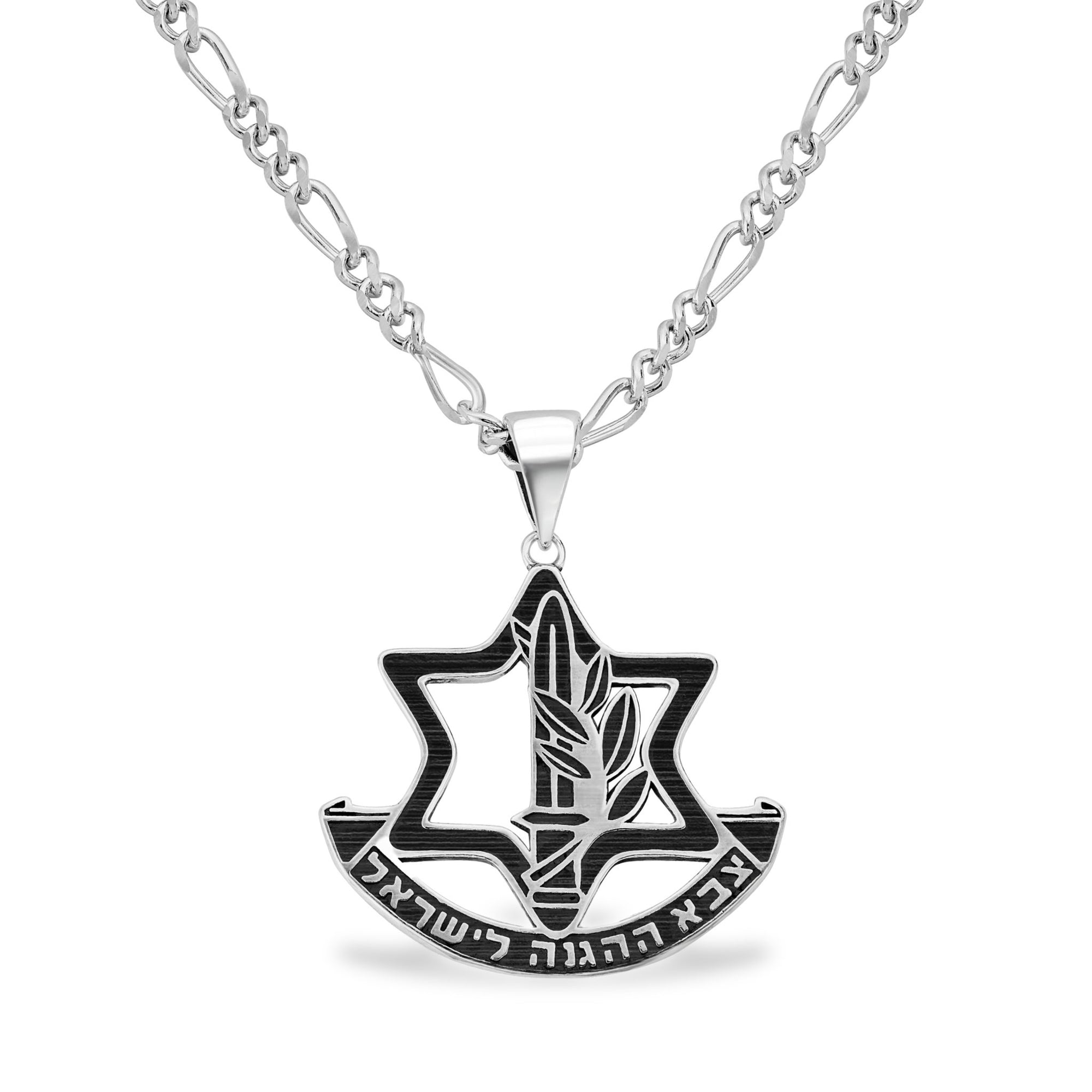
Military service deeply influences Israeli street fashion. Military-inspired items like olive green cargo pants, sturdy boots, and practical jackets are common. These pieces symbolize resilience, strength, and a shared national experience rather than aggression. Wearing such clothing honors the dedication and values upheld by the IDF-inspired apparel and expresses a sense of patriotism and unity among citizens.
What clothing symbolism is associated with major Jewish festivals?
Jewish festivals in Israel bring special attention to clothing as a form of cultural and spiritual expression. Each holiday features unique attire reflecting its meaning:
- Purim: Bright, colorful costumes are worn joyfully to celebrate the story of Esther, embodying themes of triumph and hidden identity. See more about Jewish festival clothing traditions.
- Passover: White clothing is customary, symbolizing purity and freedom as families commemorate the Exodus from Egypt.
- Yom Kippur: Many wear white as a sign of spiritual cleansing and repentance, emphasizing humility and renewal. These practices connect to modesty practices in Israel.
- Shabbat: Dressing in one’s best clothes shows respect for the day of rest and holiness, reinforcing community values and tradition.
How do colors and costumes convey spiritual and cultural messages?
Colors and garments carry deep symbolic meaning in Clothing in Israel. For instance, white commonly represents purity and renewal during sacred times. Military greens evoke strength and continuity. Festival costumes spotlight joy and communal pride. Moreover, traditional symbols such as the Star of David apparel or pomegranates often appear as motifs, binding fashion to Jewish heritage. Through clothing, Israelis express reverence for heritage, national identity, and the rhythms of Jewish life.
Israel-Themed Apparel in the Global Market: Pride and Cultural Connection
What motifs are popular in Israel-themed clothing?
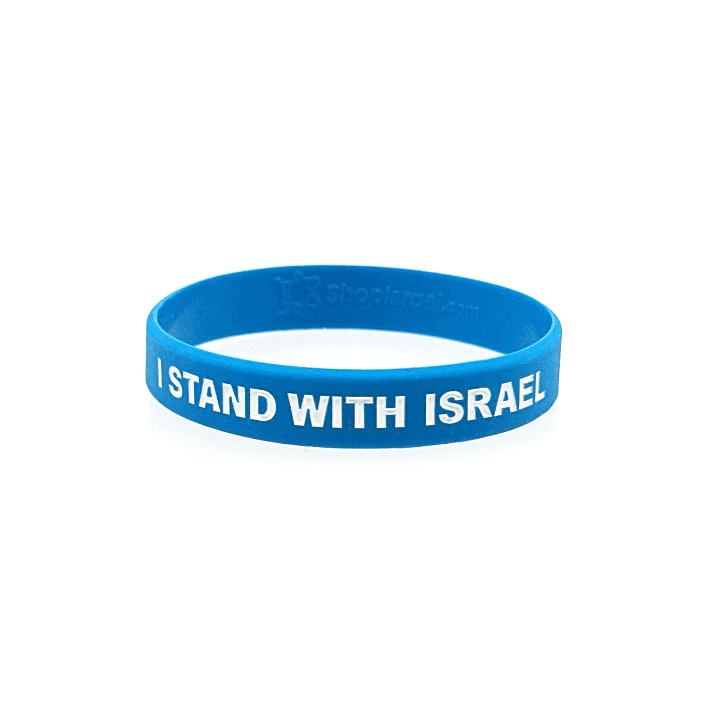
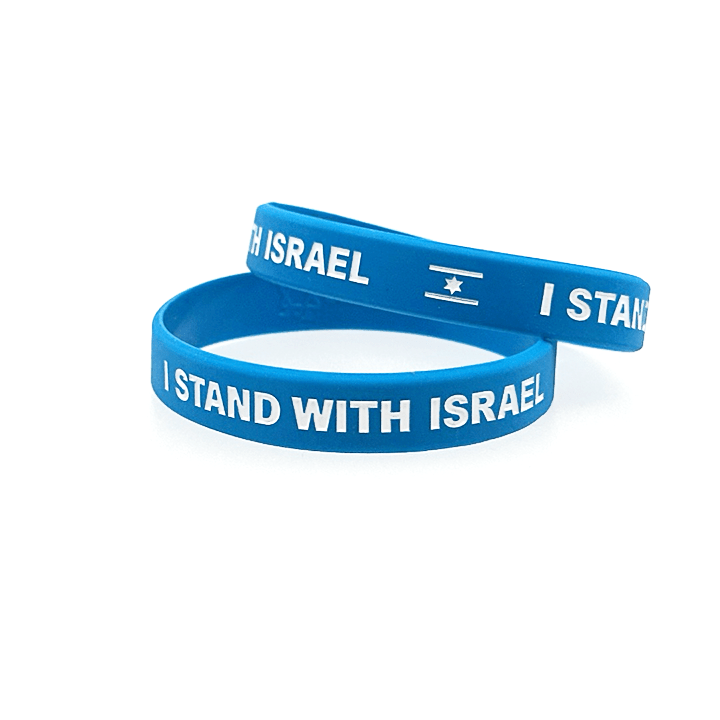
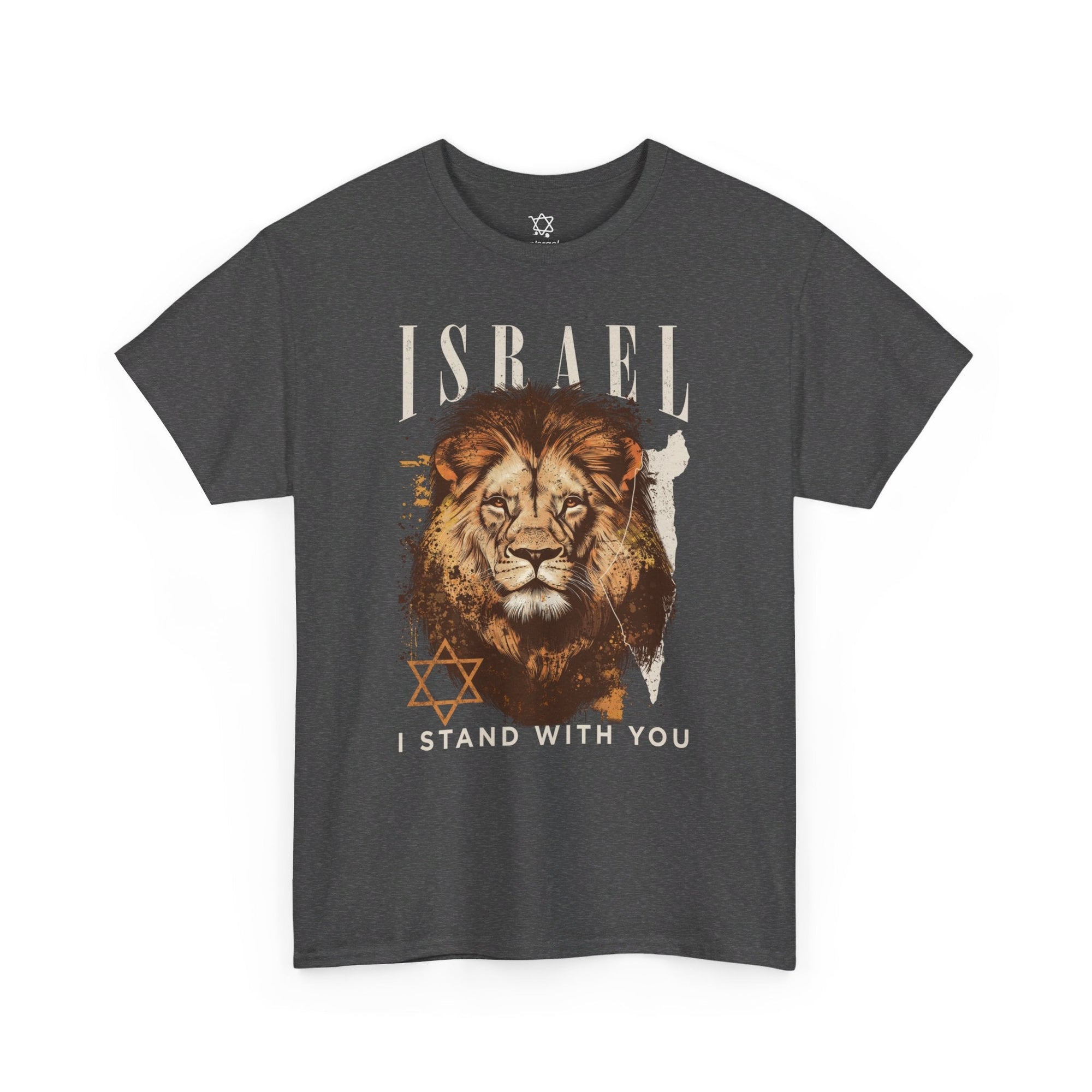
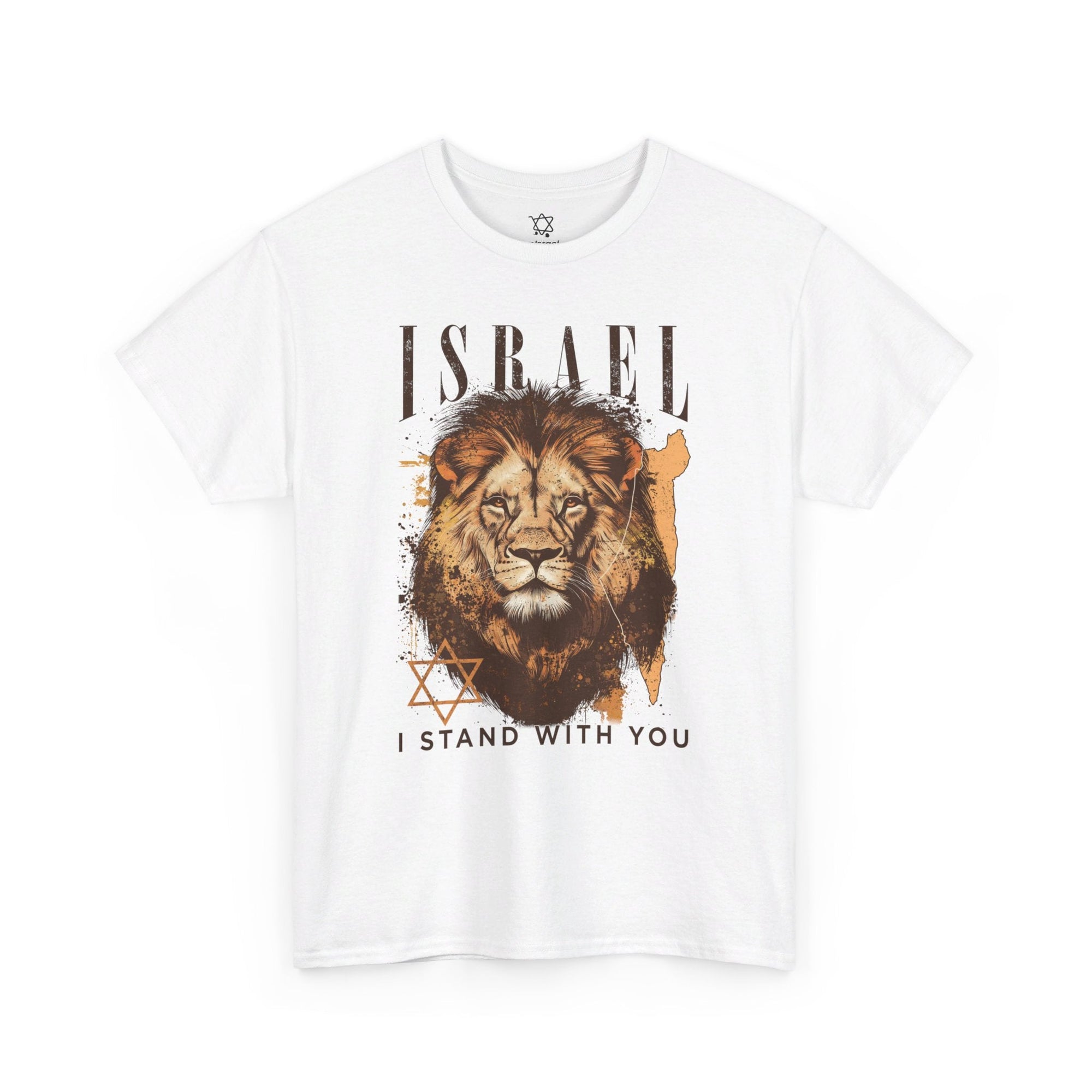
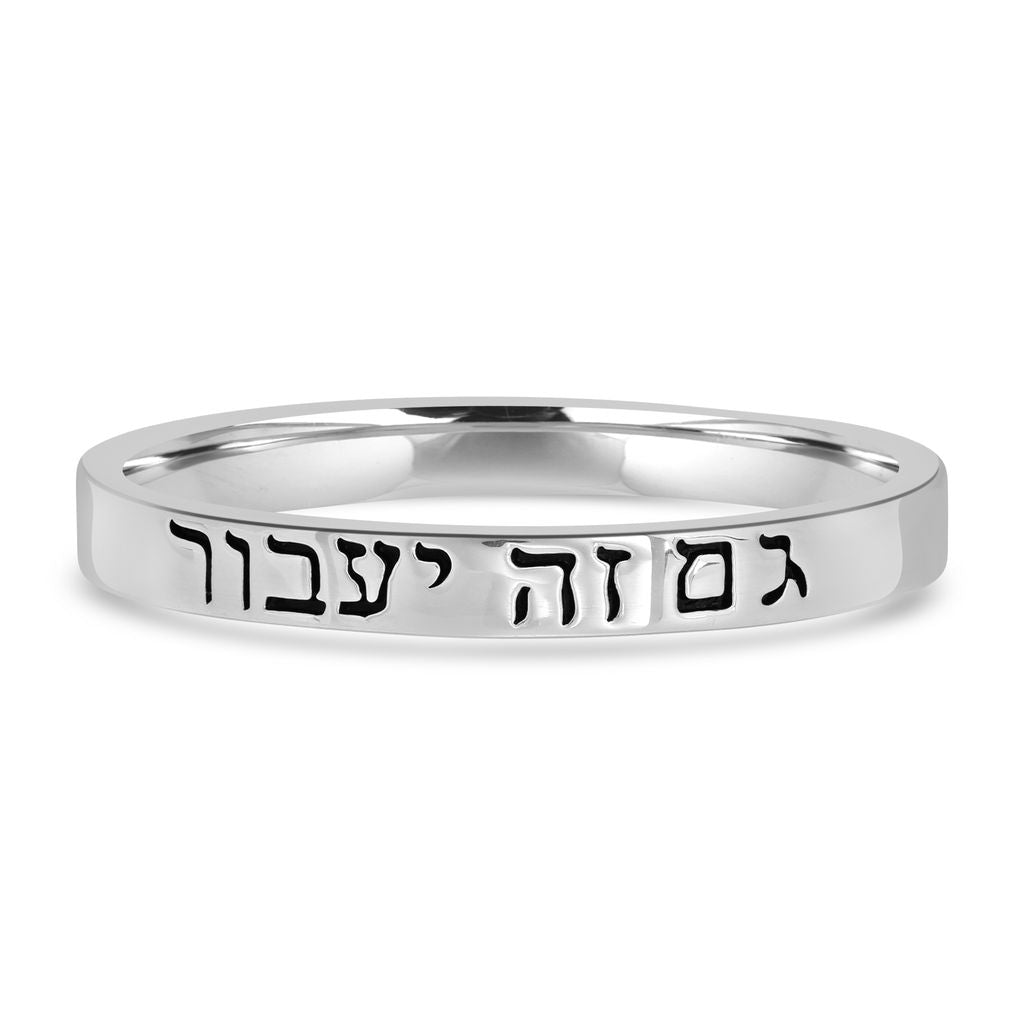
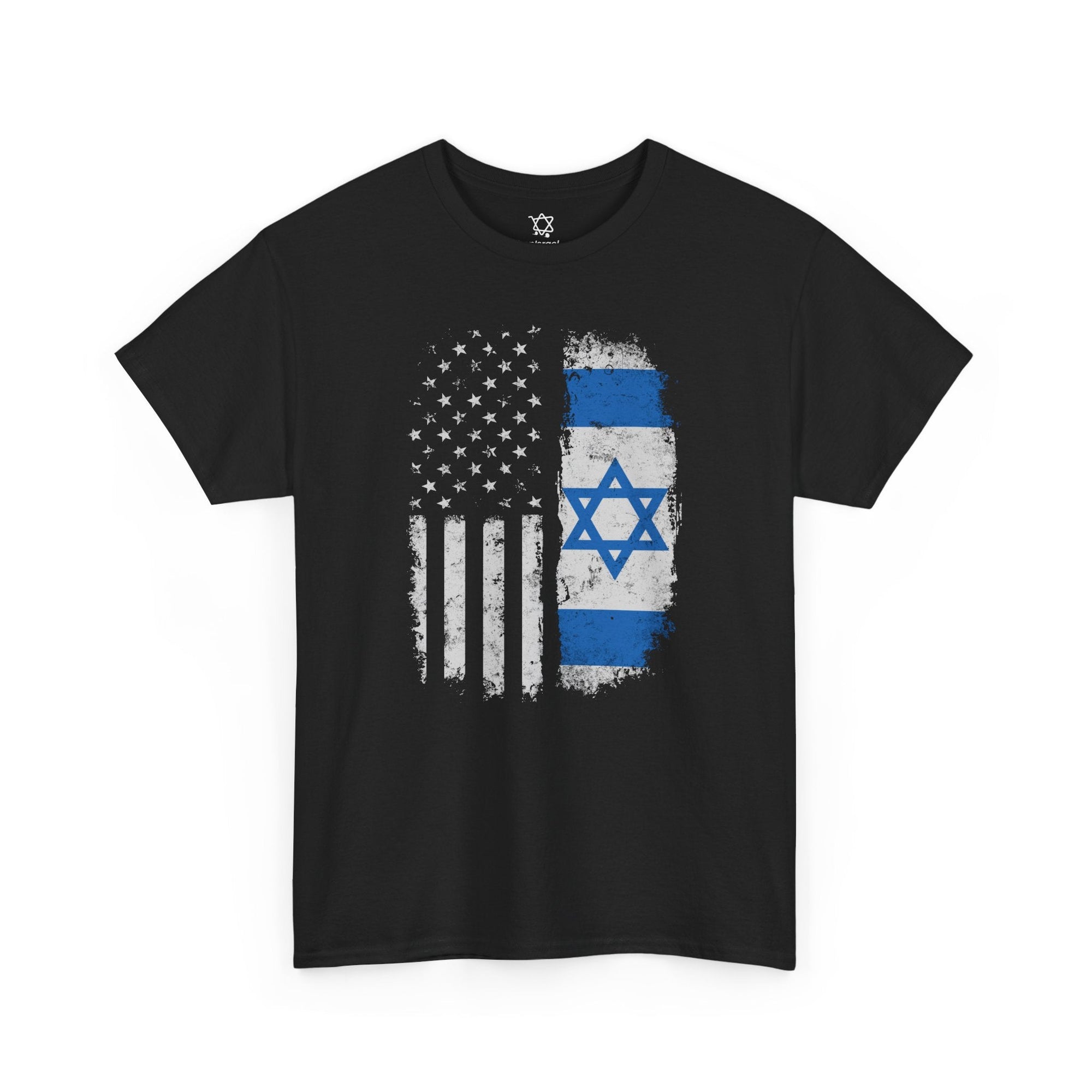
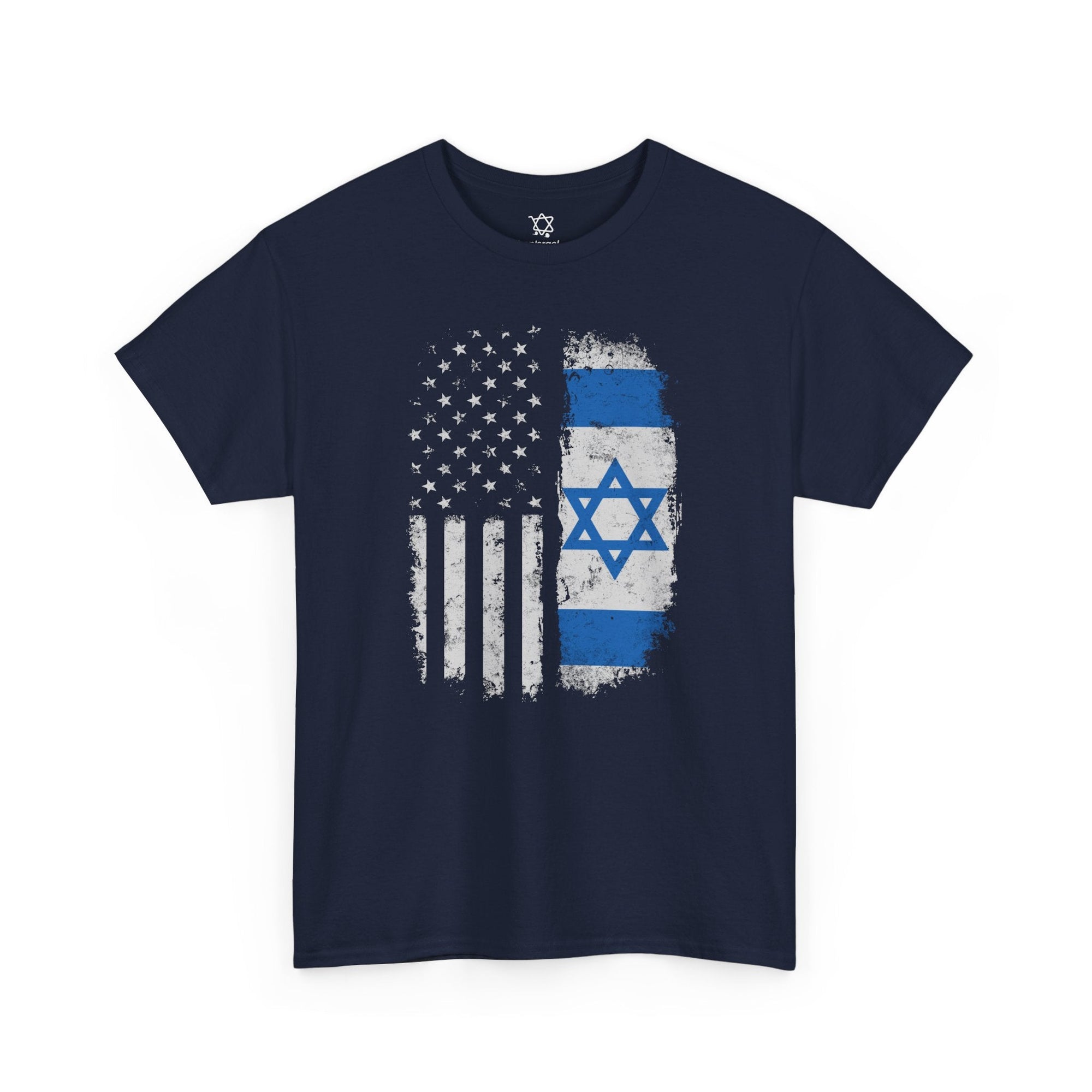
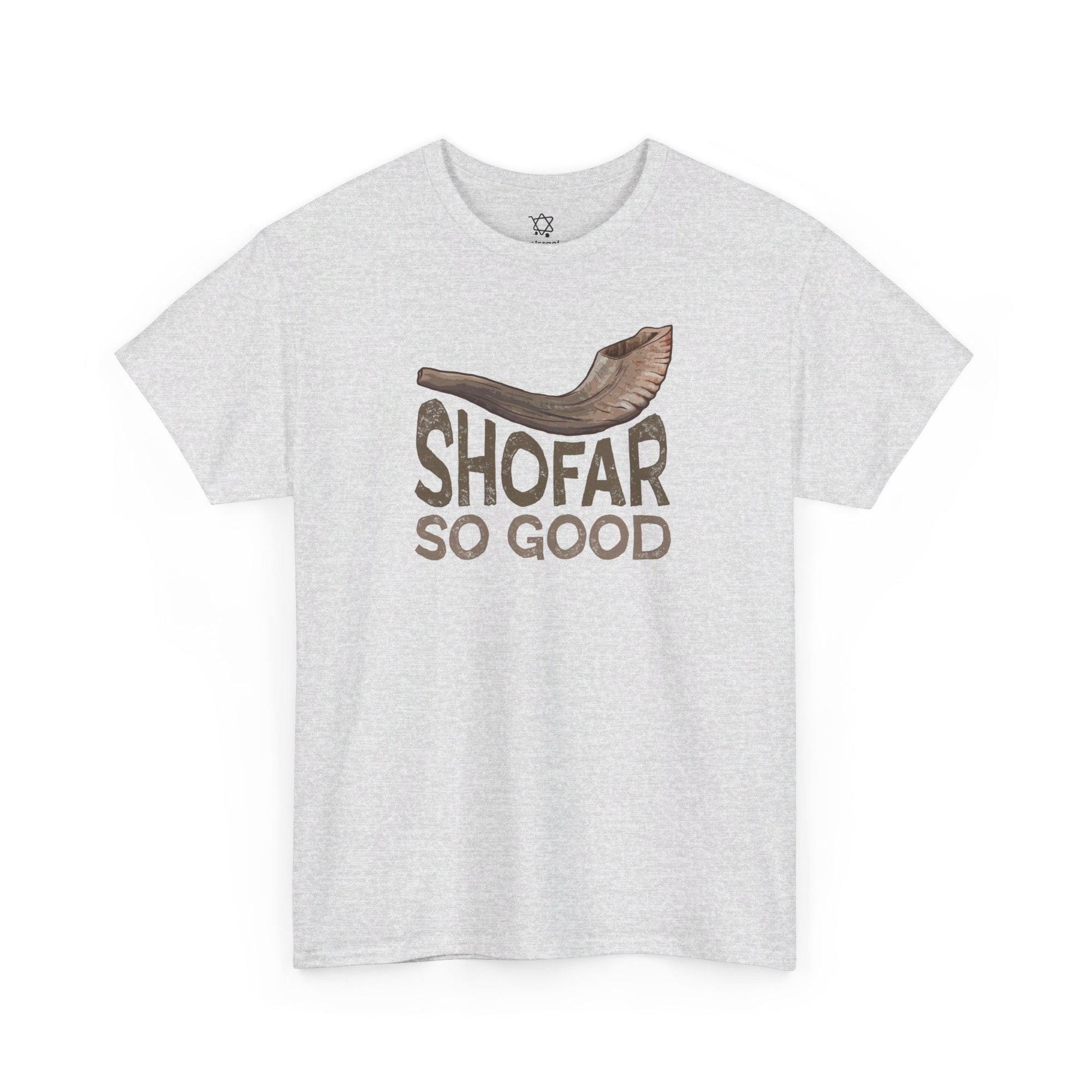
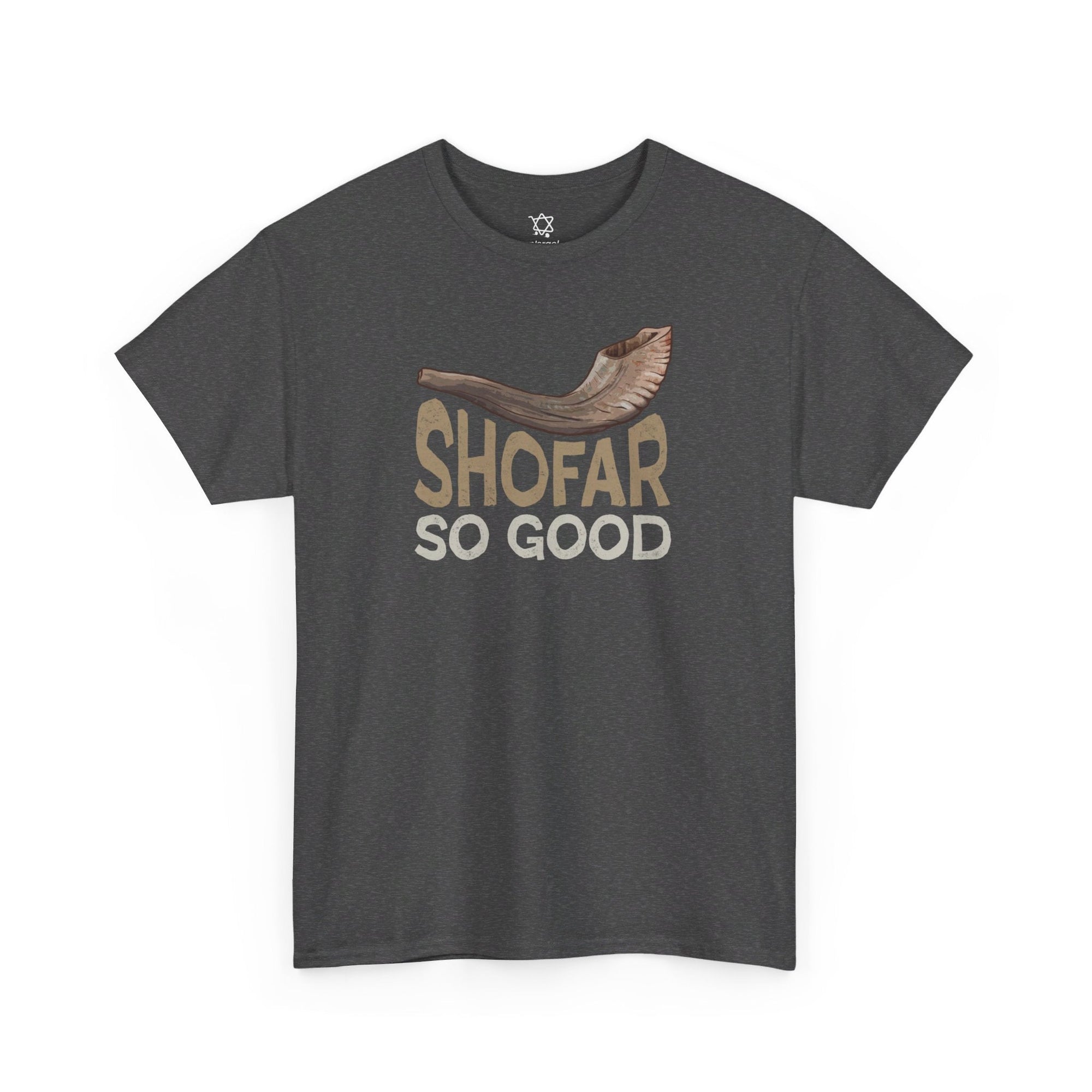
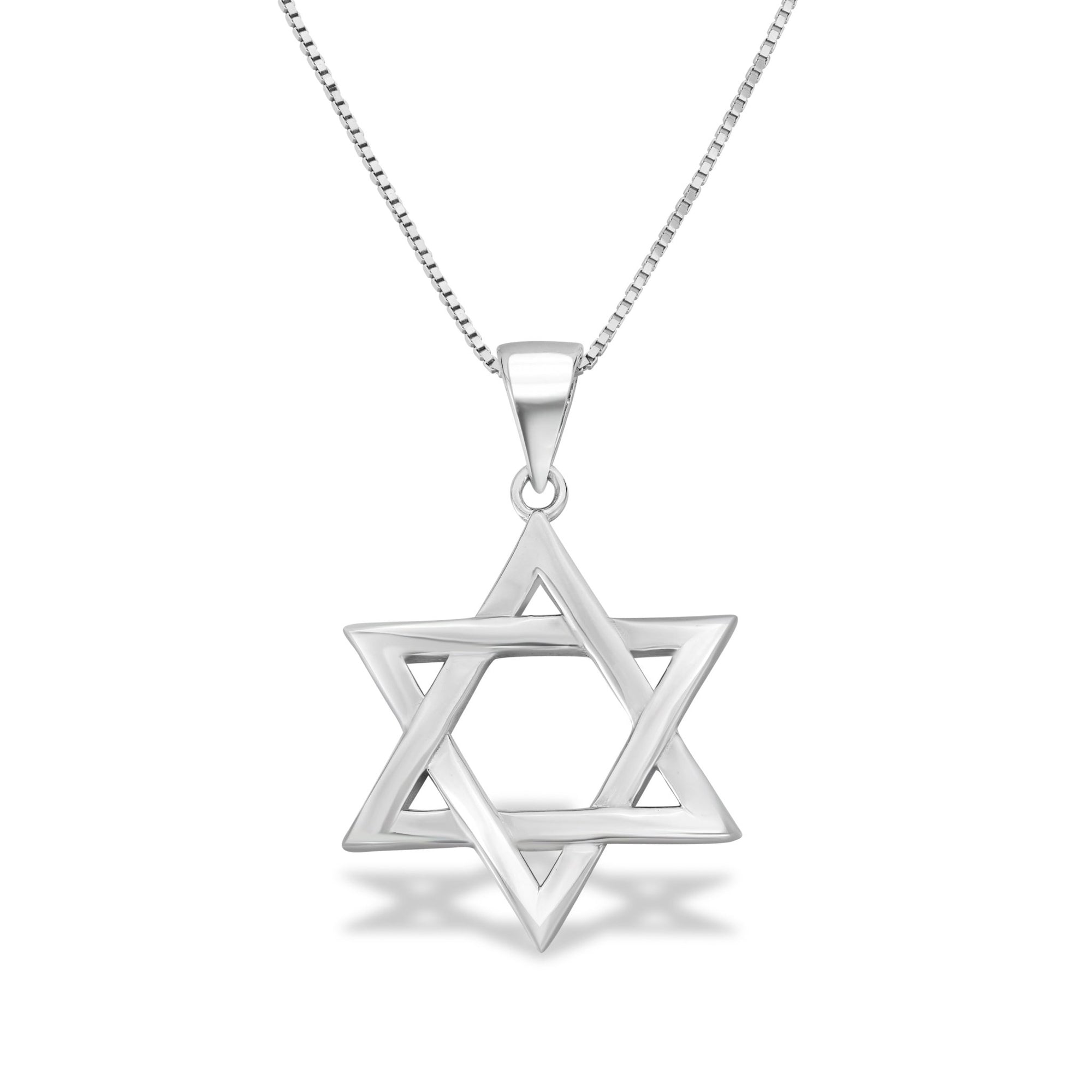
Israel-themed apparel prominently features symbols that reflect national pride and Jewish heritage. The Star of David apparel is a central motif symbolizing unity and cultural identity. Clothing often displays the Israeli flag clothing, including shirts, hoodies, and jackets, to express patriotism. Hebrew words such as "Shalom" promote peace and cultural connection, resonating deeply with wearers worldwide. These symbols appear across various items, from children's Israeli apparel with playful designs to modern Jewish garments that blend tradition with contemporary fashion.
How do handcrafted artisan products reflect Israeli culture?
Handcrafted merchandise plays a vital role in expressing cultural affinity. Scarves woven in regions like Galilee, jewelry adorned with biblical motifs such as pomegranates or tzitzit, and handcrafted bags integrate traditional craftsmanship and heritage. These artisan pieces not only feature unique designs but also carry spiritual and historical significance, creating a tangible link to Israel’s land and people. Supporting these artisans encourages pride in Israeli-made clothing and cultural identity both domestically and internationally. Popular artisanal jewelry brands include Artemer Studio jewelry, Born From Rock accessories, Chen Saymon designs, and Shlomit Ofir handmade pieces.
How is Israeli heritage represented in American and international apparel markets?
Israeli-themed fashion enjoys growing popularity in the U.S. and beyond. Platforms like Etsy showcase over a thousand women’s clothing items made in Israel, including kaftans, dresses, scarves, and jewelry infused with iconic Israeli symbols such as menorahs and the 12 Tribes of Israel. Many products incorporate organic or traditional fabrics, reflecting Jewish heritage clothing authenticity that appeals to diaspora communities and supporters worldwide. Additionally, brands emphasize accessibility with options like U.S.-based shipping and customization, enabling buyers to express solidarity and pride through apparel deeply connected to Israeli heritage.
Care and Longevity of Israel-Themed Fashion Items
Best practices for maintaining handcrafted and symbolic apparel
Israeli-made clothing and accessories often carry deep cultural significance and intricate craftsmanship. To preserve their beauty and meaning, it's essential to handle these items with care. Handwashing in cold water or using a gentle machine cycle inside out can protect delicate fabrics and embroidery from wear and tear. Avoid harsh detergents and opt for mild, pH-neutral soaps to maintain the texture and integrity of the fabrics.
Preservation of colors and fabrics reflecting cultural meaning
Colors such as blues, purples, and natural earth tones found in Clothing in Israel symbolize holiness, royalty, and connection to the land. To keep these hues vibrant, it is advisable to dry garments in the shade rather than direct sunlight, as UV rays can fade colors over time. For delicate fabrics like silk or wool frequently used in traditional and handcrafted pieces, professional cleaning or spot treatment is preferred.
Importance of care in honoring the craftsmanship and heritage
Proper maintenance isn't just about aesthetics; it honors the skilled artisans and the rich heritage woven into each item. Wearing and caring for Israeli fashion thoughtfully strengthens the connection to the land and its people. Whether it’s a handwoven Galilee scarf or a jewelry piece featuring meaningful symbols such as the Star of David apparel, or pomegranates, respectful preservation supports the ongoing legacy of Israeli culture and craftsmanship.
Jewish Influence in Global Fashion: Notable Figures and Legacy
Is Ralph Lauren a Jewish company?
Ralph Lauren, originally Ralph Lifshitz, was born in 1939 to Jewish immigrant parents from Belarus who sought refuge from persecution. Raised in the Bronx, New York, he nurtured a passion for fashion and storytelling despite lacking formal training. In 1967, he launched his career by selling handmade ties, quickly establishing a brand that would become synonymous with American style and luxury. Lauren's heritage deeply influences his storytelling through fashion, blending classic aesthetics with a rich cultural narrative.
Who are some notable Jewish female supermodels?
Jewish women have made remarkable contributions to the modeling industry with several supermodels achieving global fame. Gigi Hadid is celebrated worldwide for her work with prestigious fashion houses, bringing modern Jewish beauty and style to international runways. Bar Refaeli, hailing from Israel, is renowned for her appearances in Sports Illustrated’s Swimsuit Issue and collaborations with leading designers. Yael Shelbia has also gained widespread recognition for her captivating presence in both fashion and media. Additionally, the legacy of Jewish supermodels includes icons like Claudia Schiffer, who have graced magazine covers worldwide and influenced fashion trends significantly.
What is the impact of Jewish culture on international fashion trends?
Jewish culture has enriched the global fashion landscape through its deep-rooted heritage, symbolic storytelling, and emphasis on creativity. Designers like Ralph Lauren infuse their creations with cultural narratives that resonate across diverse audiences. Moreover, the prominence of Jewish supermodels brings representation and inspiration, marrying tradition with contemporary style. Elements such as biblical symbols, motifs from the diaspora, and Jewish craftsmanship continue to inspire modern fashion, sparking trends that celebrate heritage while embracing innovation.
| Aspect | Notable Examples | Cultural Significance |
|---|---|---|
| Designer Heritage | Ralph Lauren (Lifshitz) | Jewish immigrant roots shaping storytelling in fashion (Clothing in Israel) |
| Supermodels | Gigi Hadid, Bar Refaeli, Yael Shelbia, Claudia Schiffer | Embodiment of Jewish beauty and global representation (Women clothing made in Israel) |
| Cultural Influence in Fashion | Biblical motifs, heritage crafts | Fusion of tradition with modern trends and symbolism (Maskit heritage fashion house) |
This influential blend underscores how Jewish heritage continues to shape and inspire international fashion, resonating strongly with communities worldwide.
Embracing Israeli Culture Through Fashion: A Journey of Style and Identity
A Unique Blend of Tradition and Modernity
Israeli fashion beautifully weaves ancient traditions with contemporary trends. From biblical garments like the tallit, symbolizing commandments, to modern designs inspired by the natural hues of the desert, clothing reflects a story of faith, climate, and creativity.
Wearing Pride and Faith
Clothing in Israel expresses deep cultural pride and religious identity. Orthodox men’s black suits and women’s modest attire honor community values, while festival garments capture joy and reverence. Military-inspired streetwear symbolizes resilience and shared national experience.
Celebrate with Respect and Heart
Choosing Israeli-themed apparel, whether handcrafted scarves or symbolic jewelry, offers a meaningful connection to the land and people. Celebrate Israeli heritage by exploring these styles with admiration for their spiritual and cultural significance, fostering unity and pride across the global diaspora.