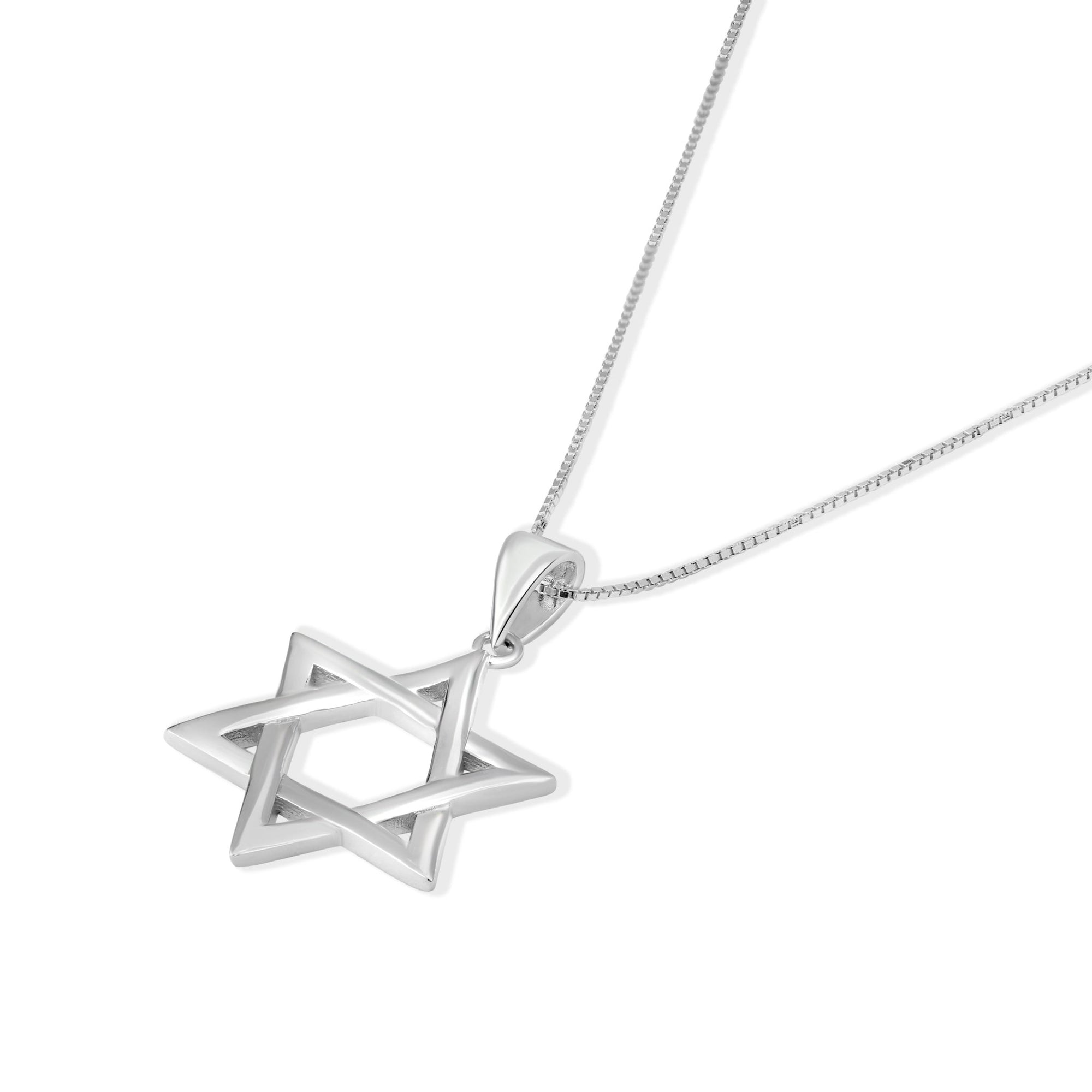


Introduction: The Shofar's Timeless Significance in Jewish Tradition
The Shofar: A Historic and Sacred Instrument
The shofar, traditionally crafted from a ram’s horn, holds a deeply rooted place in Jewish history and spirituality. Emerging from the biblical story of the Binding of Isaac, where a ram was sacrificed in place of Isaac, the shofar embodies faith, sacrifice, and divine mercy.
Its Powerful Role During Jewish Holidays
Blown during the month of Elul and prominently on Rosh Hashanah and Yom Kippur, the sound of the shofar serves as a spiritual alarm, calling the Jewish people to repentance and reflection. Its evocative blasts—tekiah, shevarim, and teruah—echo themes of awakening, judgment, and renewal, marking the Jewish New Year and the ten Days of Penitence.
A Lasting Symbol of Jewish Identity
Beyond ritual, the shofar represents the covenant between God and the Jewish people, recalling pivotal moments like the revelation at Mount Sinai and the hope for Israel’s ultimate redemption. It resonates as a timeless emblem of Jewish heritage, faith, and a collective yearning for peace and spiritual elevation worldwide.
The Shofar’s Biblical and Spiritual Roots: A Symbol of Faith and Renewal
What is the origin and religious significance of the shofar?
The shofar symbolism with Akeidat Yitzchak, a ritual instrument traditionally made from a ram's horn, holds profound biblical and spiritual significance. Its origin is deeply connected to the story of the Binding of Isaac (shofar symbolism with Akeidat Yitzchak), where a ram was sacrificed in Isaac’s place. This act of faith and divine mercy is symbolically represented by the ram’s horn, making the shofar a powerful emblem of devotion and sacrifice.
How does the shofar recall the divine revelation at Mount Sinai?
Beyond the Binding of Isaac, the shofar also serves as a living reminder of G‑d’s majestic revelation at Mount Sinai. The shofar in the Torah recounts the sounding of trumpets and horns during this seminal event, echoing a call to awaken the soul and commit fully to the covenant between G‑d and the Jewish people. Hearing the shofar's haunting blasts during the High Holidays reconnects worshippers to this spiritual awakening and divine presence.
What is the shofar’s role during Jewish High Holidays?
The shofar is central to the observance of shofar in Rosh Hashanah prayers and shofar on Yom Kippur, symbolizing the coronation of G‑d as King and the invitation to repentance. Its varied sounds—long tekiah blasts, broken shevarim, and staccato teruah—serve as spiritual calls to conscience, urging reflection on one’s deeds, humility before divine judgment, and a renewal of commitment to the path of righteousness. It is through these blasts that a community collectively awakens to mercy and hopes for redemption.
How do the shofar blasts inspire spiritual renewal?
The blasts of the shofar act as spiritual alarms, piercing the heart and mind to invite self-examination, repentance, and transformation. They remind believers of God’s judgment mingled with mercy, encouraging a return to faith and moral accountability. Historically and spiritually, the shofar's sound ushers in a season of shofar and repentance (teshuvah), renewing the soul’s connection to God and fostering hope for Israel’s deliverance and the eventual coming of the Messiah.
Through its sacred history and evocative sound, the shofar remains an enduring symbol of Jewish faith, resilience, and the timeless call to spiritual awakening and renewal.
Musical Traditions and Ritual Practices: The Sounds and Customs of the Shofar
What types of blasts are sounded on the shofar?
The shofar’s call is composed of four main blasts, each with a distinct spiritual meaning:
- Tekiah: A long, straight blast symbolizing divine sovereignty and awakening.
- Shevarim: Three medium-length broken blasts evoking a call to repentance.
- Teruah: At least nine short, staccato blasts expressing an alarm or urgent call to attention.
- Tekiah Gedolah: A very long, extended tekiah marking a climactic spiritual moment.
These sounds combine into patterns repeated during services, inspiring reflection and penitence among listeners. See more about shofar blasts during Elul, shofar blasts tekiah shevarim teruah, and Types of shofar sounds: tekiah, shevarim, teruah.
When is the shofar traditionally blown?
The shofar is sounded during the month of Elul as a daily spiritual alarm (except on Shabbat).
On Rosh Hashanah, the Jewish New Year, the shofar is integral to the synagogue service, blown after the Torah reading and during Musaf prayers. It marks the anniversary of creation and calls for repentance and renewal.
The shofar is also sounded at the conclusion of Yom Kippur, signifying spiritual sealing and renewal.
In Orthodox and Conservative communities, the shofar is never blown on Shabbat, even if Rosh Hashanah coincides with it, respecting holy day restrictions.
This tradition relates to shofar blowing customs in Elul and Rosh Hashanah, shofar during Rosh Hashana, and Shofar blowing during Rosh Hashanah and Yom Kippur.
How do cultural variations influence the shofar?
Different Jewish communities use various animal horns shaped by local tradition:
- The ram’s horn is most common, symbolizing the Binding of Isaac and divine mercy.
- The Yemenite spiral shofar, made from the greater kudu antelope’s horn, features a distinct spiral shape and sound.
- Some North African Jews used flat or straight horns during times of persecution.
Kosher laws define acceptable animal sources—horns from rams, goats, or antelopes—all reflecting rich cultural heritage within Jewish ritual.
Information on animals used for ritual shofars, Yemenite spiral shofar, kudu antelope shofar horn, and Kosher animal horns and the shofar can be found for further study.
How is the shofar used in Jewish ritual and cultural practices?
The shofar’s piercing sounds during Elul, Rosh Hashanah, and Yom Kippur serve as powerful spiritual calls. They awaken the soul, stir conscience, and invite repentance. The ritual is deeply embedded in communal worship, symbolizing divine kingship, mercy, historical memory, and messianic hope. Its varied forms honor the diversity of Jewish tradition everywhere.
Explore shofar symbolism, shofar as a call to repentance, The Mystical Resonance of the Shofar, and shofar in Jewish High Holidays for a deeper understanding of its spiritual and cultural significance.
Symbolism and Spiritual Resonance in Modern Jewish Life and Merchandise
What deep symbolic meanings does the shofar carry in Jewish tradition?
The shofar, a ram’s horn blown during key Jewish holidays like Rosh Hashanah and Yom Kippur, is much more than a ritual instrument. It stands as a profound symbol of divine sovereignty, reminding Jews of G‑d’s kingship over the universe as celebrated during the Jewish New Year. Its blasts call the faithful to humility, repentance, and spiritual awakening, encouraging deep self-reflection during the Ten Days of Repentance (Reasons for blowing the shofar on Rosh Hashanah).
How is the shofar viewed in mystical and kabbalistic traditions?
Kabbalistic teachings reveal that the shofar’s sound is linked to the divine breath of life, the same breath G‑d infused into Adam and Eve. This connection underscores the shofar’s role as a spiritual bridge between the human soul (neshama) and the divine breath (neshima). The haunting shofar blasts symbolize an awakening that resonates within one’s spiritual energy, inspiring healing, renewal, and an improved self.
In what ways does the shofar embody themes of justice, mercy, and redemption?
The shofar’s blast evokes the divine judgment scene at Mount Sinai, where the sound marks the giving of the Torah. It simultaneously calls for mercy, transforming the heavenly decree from judgment to compassion during the High Holidays. This duality reflects the balance between justice and mercy central to Jewish theology. Moreover, the shofar recalls the biblical ram offered in Isaac’s place, symbolizing faith, sacrifice, and the hope for ultimate redemption and the coming of the Messiah (shofar and Abraham and Isaac story).
How is the shofar represented in Jewish cultural identity and merchandise?
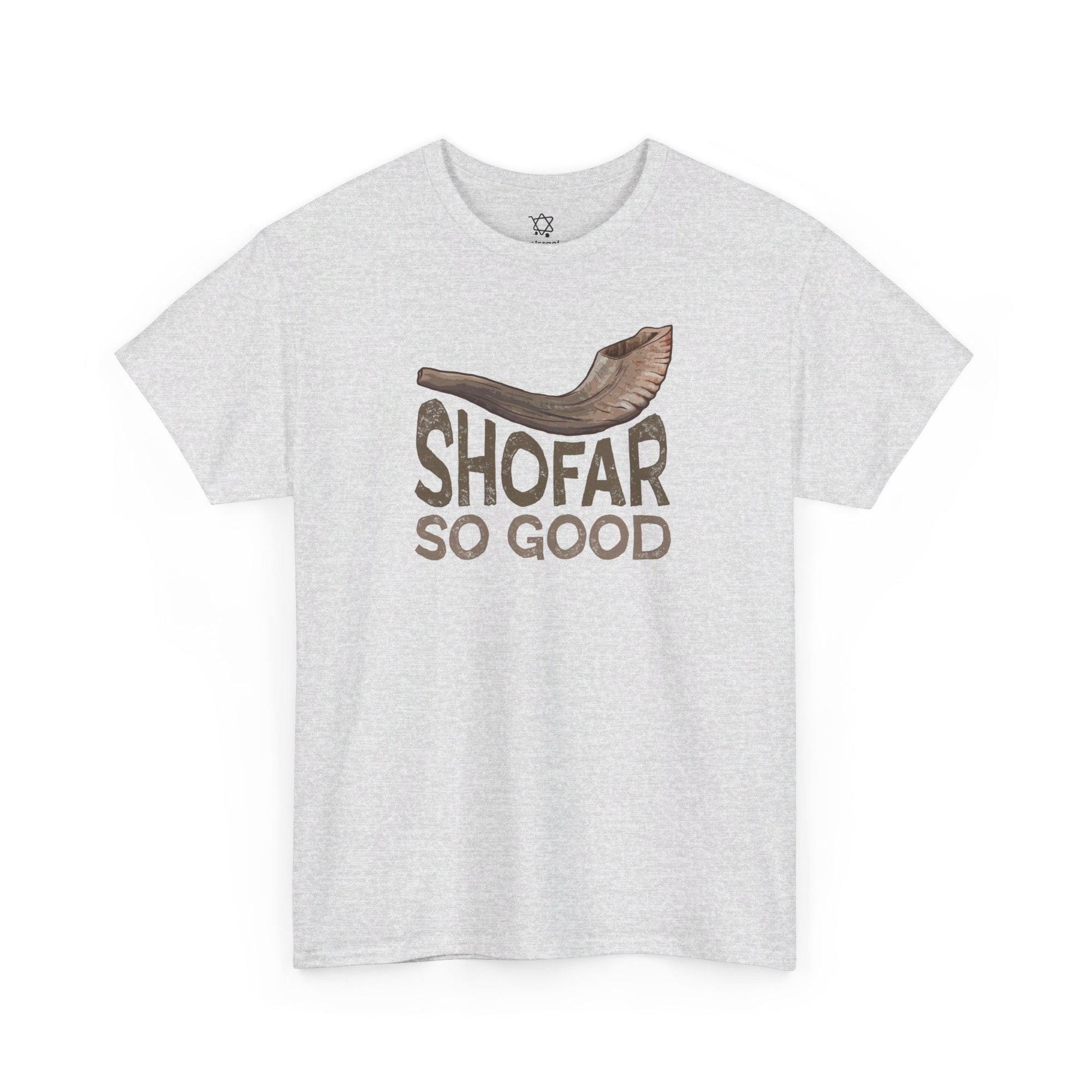
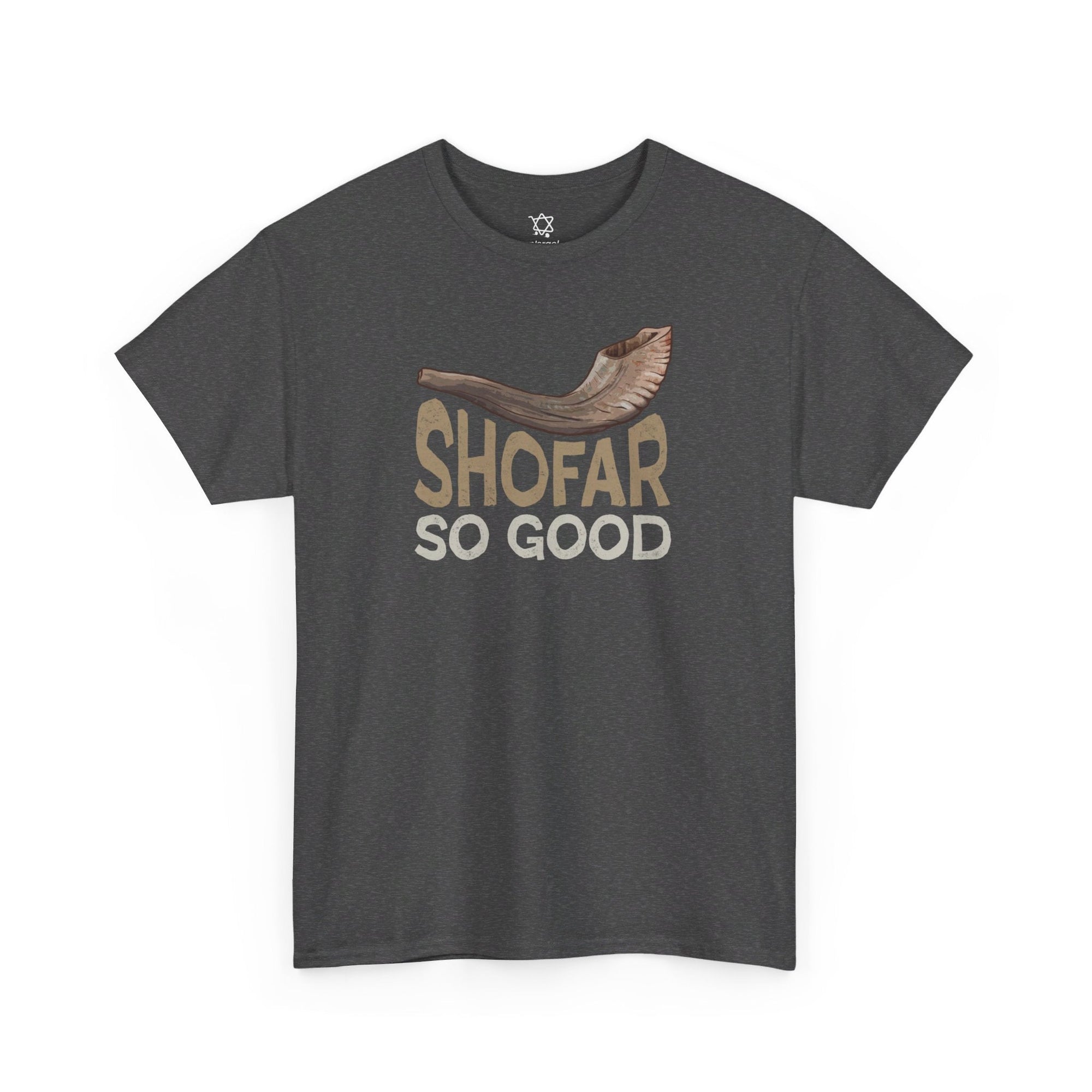
Across the Jewish diaspora, the shofar features prominently in cultural expression and merchandise, from jewelry to apparel and home décor. Wearing or displaying the shofar symbolizes solidarity with Jewish heritage and a connection to ancient traditions of faith and renewal. It is a vibrant emblem of identity that resonates with supporters and community members worldwide, serving as a tangible link to spiritual awakening and the enduring hope for the future (shofar symbolism with Akeidat Yitzchak.
| Theme | Symbolism | Spiritual Message |
|---|---|---|
| Divine Sovereignty | G‑d's kingship announced by the blast (shofar on Rosh Hashanah) | Calls for recognition and awe |
| Humility & Repentance | Acknowledging divine judgment (shofar and repentance | Inspires self-reflection |
| Mystical Breath | Connection to divine breath and life (Kabbalistic significance of shofar) | Awakens soul and spiritual growth |
| Justice & Mercy | Balance of judgment and compassion (shofar and divine judgment | Encourages moral accountability |
| Redemption & Hope | Biblical ram and messianic prophecy (shofar and Messiah | Heralds spiritual renewal |
| Cultural Identity | Symbol in jewelry, gifts, clothing (shofar symbolism with Akeidat Yitzchak | Expresses Jewish pride worldwide |
From Ancient Horns to Modern Artifacts: The Shofar’s Role in Cultural Heritage Merchandise
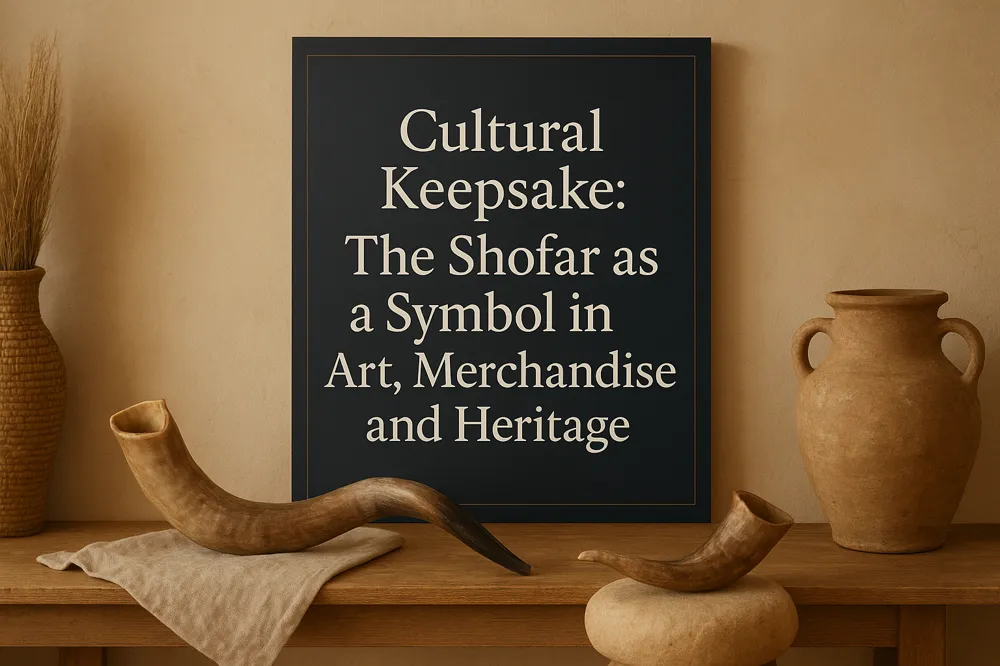
Crafting the Shofar and Its Evolution
The shofar, traditionally made from the horn of a ram or other kosher animals for shofar like antelope and goats, symbolizes deep biblical stories such as the binding of Isaac and shofar. Over centuries, artisans have refined the shaping and polishing methods, sometimes manipulating the horn's form with heat to enhance its appearance and sound quality. This careful craftsmanship preserves its sacred status while allowing for artistic variations—such as Yemenite spiral shofar made from the greater kudu—that enrich cultural expression.
Shofar in Cultural and Holiday Merchandise
The shofar plays a vital role beyond religious ritual; it has become a cultural emblem during Jewish High Holidays like shofar on Rosh Hashanah and shofar in Yom Kippur prayers. Its image and sound inspire a wide range of merchandise: from decorative holiday gifts to ritual accessories, encouraging a connection to tradition and spirituality. By incorporating the shofar into products, these items serve as tangible reminders of repentance, renewal, and divine reverence during these sacred times.
Use of the Shofar Motif in Israel-Themed and Jewish Heritage Products
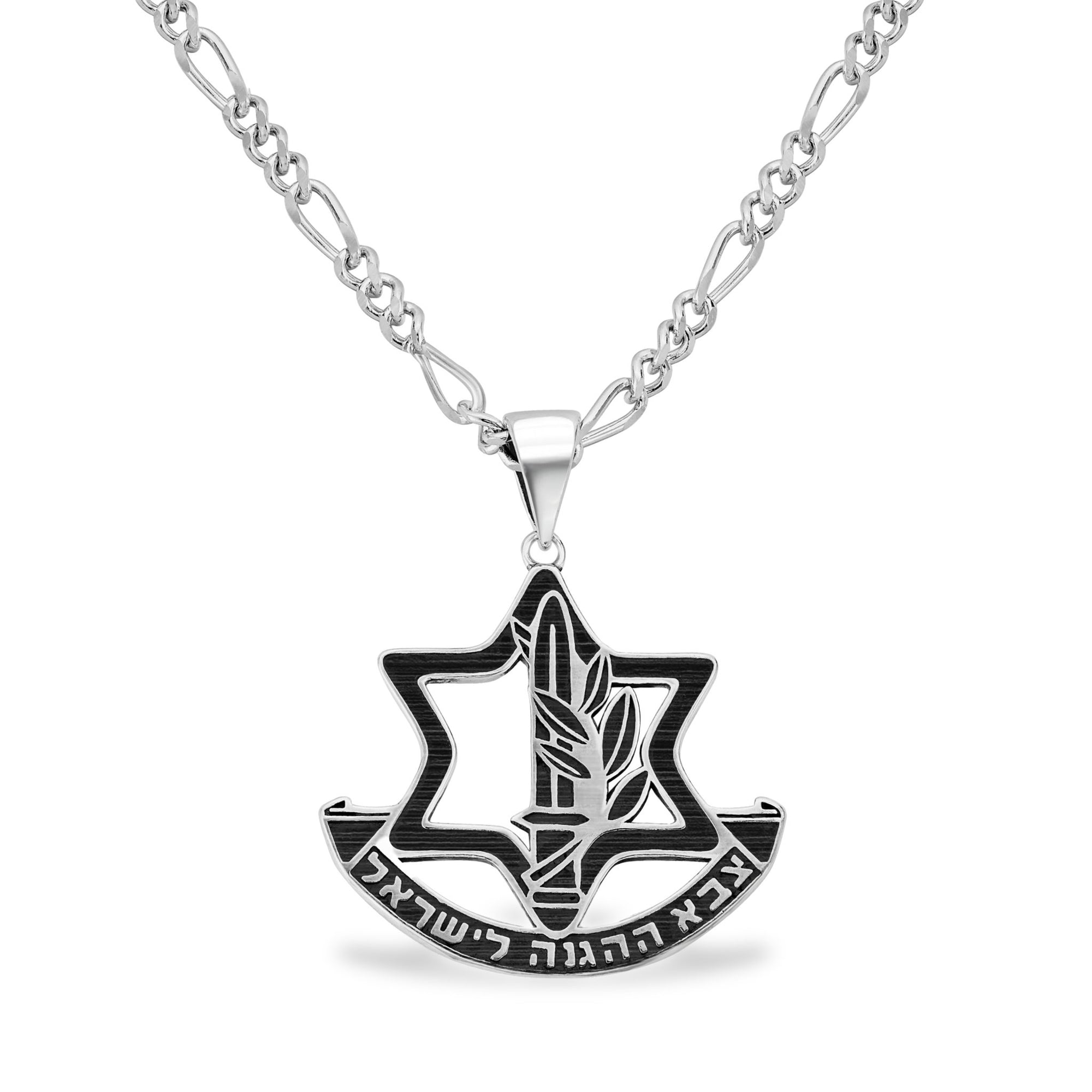
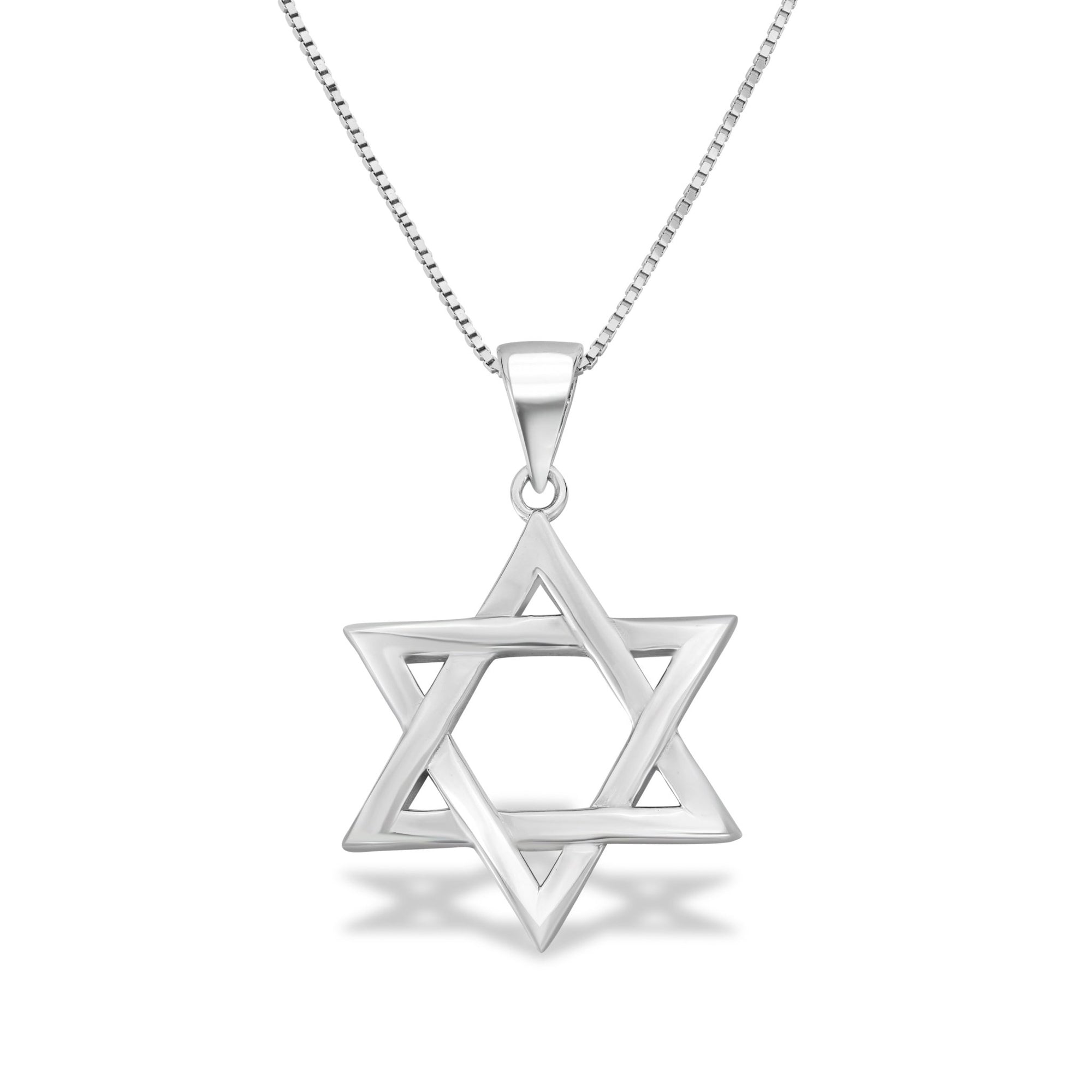
Israel-themed merchandise often features the shofar alongside other national symbols, such as the Israeli flag symbolism and the Star of David. Its presence on gifts, jewelry, and souvenirs helps diaspora and supporters worldwide express solidarity with Jewish heritage and Israeli culture. These products combine spiritual symbolism with national pride, making the shofar not only a ritual instrument but also a proud emblem of identity.
Preserving Tradition Through Commercial Items
Commercial products featuring the shofar promote preservation of Jewish traditions by making the symbol accessible in everyday life. They foster pride and reinforce collective memory within both Israeli communities and the global Jewish diaspora. Through such artifacts, the spiritual messages of The Mystical Resonance of the Shofar continue to resonate in modern cultural narratives and personal identities.
| Aspect | Description | Cultural Relevance |
|---|---|---|
| Materials | Ram, antelope, goat horns, shaped artistically | Connects to shofar biblical significance |
| Holiday Merchandise | Gifts, ritual accessories, decorative items | Spiritual reflection and shofar blowing customs in Elul and Rosh Hashanah |
| Israel-Themed Products | Souvenirs, jewelry with shofar motifs | Expression of Jewish Israeli flag symbolism |
| Tradition Preservation | Commercial items spreading cultural pride | Sustaining heritage worldwide with shofar symbolism with Akeidat Yitzchak |
Historical Narratives and Resilience: The Shofar’s Symbolic Power Across Time and Communities
What historical roles has the shofar played beyond ritual worship?
The shofar's resonant call has pierced centuries of history long before its central place in Jewish worship. In biblical times, it served critical roles beyond the synagogue: as a signal horn in warfare, rallying troops in battle, and as a communal alarm to gather people for important events or announcements. This practical use intertwined with shofar symbolism, making the shofar a powerful instrument of unity and alertness. For detailed insights, see shofar in the Bible and shofar in the Torah.
How did the shofar help maintain faith during periods of great adversity?
In the darkest chapters of Jewish history, such as during World War II, the shofar emerged as a symbol of resilience and hope. Remarkably, a rabbi imprisoned in a forced labor camp managed to acquire a ram's horn and crafted it into a shofar. This act of faith empowered the community, serving as a spiritual beacon amid suffering and oppression, underscoring the shofar’s role as a strengthener of Jewish identity and spirit. This story and related historical uses are explored in shofar during the Holocaust and historical shofars during persecution.
Are there cross-cultural parallels to the shofar?
The shofar's influence is not confined solely to Judaism. Greek antiquity featured the Greek troumbeta equivalent, a wind instrument with uses similar to the shofar's: signaling, rallying, and ceremonial proclamations. This parallel highlights how the power of the horn to convey messages of urgency, celebration, and divine presence transcends cultural boundaries, linking Jewish heritage with a broader historical tapestry. Read more about the Greek troumbeta equivalent.
How is the tradition of the shofar kept alive today?
Across contemporary Jewish communities worldwide, the shofar retains its revered status. It is sounded during pivotal moments in the Jewish calendar—most notably during the month of Elul and on Rosh Hashanah and Yom Kippur—continuing to inspire spiritual awakening and repentance. Modern discussions around its use, including adaptations for hearing-impaired individuals, reflect the enduring vitality and evolving nature of this ancient tradition. Explore the shofar blowing customs in Elul and Rosh Hashanah and halachic discussions on electronic shofar, as well as comprehensive details on shofar during Rosh Hashanah and Yom Kippur.
The shofar thus stands as a living emblem of Jewish faith, historical resilience, and cultural continuity, bridging millennia of collective memory and hope. For a deep dive into the shofar's spiritual sound and its mystical resonance, visit the linked resources.
Engaging the Senses: The Unique Soundscape of the Shofar and Its Impact on Experience
What are the distinctive sounds of the shofar and their emotional effect?
The shofar produces three main types of blasts: [tekiah] (a long, piercing blow), [shevarim] (three medium, broken sounds), and [teruah] (a rapid, staccato series of at least nine short blasts). These sounds combine to create an evocative rhythm that captures listeners’ attention and stirs deep emotions. The shofar’s haunting and powerful call acts like a spiritual alarm, awakening the soul and evoking feelings of awe, humility, and introspection. (shofar blasts: tekiah, shevarim, teruah, Shofar basics every Jew should know)
How do the different blasts invoke contemplation and awe?
Each blast type carries specific spiritual symbolism designed to move hearts and minds towards deeper reflection. The tekiah signals the majesty and sovereignty of God, while the shevarim evokes the brokenness of human imperfection, encouraging sincere repentance. The teruah, sounding like a raising cry or alarm, demands righteous action and moral repair. Together, they inspire a profound awareness of divine presence, stirring believers to examine their deeds and renew their commitment to faith. (Reasons for blowing the shofar on Rosh Hashanah, shofar symbolism
In what ways does sound influence the spiritual atmosphere during High Holiday services?
The shofar’s sound shapes a unique auditory landscape during Rosh Hashanah and Yom Kippur, transforming synagogue spaces into arenas of spiritual awakening. Blown repeatedly in specific sequences, the blasts permeate the air with a tangible sense of sacred urgency. This soundscape not only recalls biblical moments like the Revelation at Mount Sinai, but it also invites the community to unite in collective prayer, fostering an atmosphere charged with expectancy, penitence, and hope. (shofar in Jewish High Holidays, shofar as a symbol of awakening)
What role does the auditory experience play in communal and personal religious engagement?
Hearing the shofar is a mitzvah that connects individuals to centuries of Jewish heritage and shared identity. The sound resonates beyond mere ritual, acting as a bridge between personal introspection and communal solidarity. In the diaspora, the shofar’s voice strengthens cultural pride and spiritual belonging, inviting every listener to participate in a timeless tradition. It cultivates moments where the soul pauses, awe rises, and the promise of renewal feels immediately present. (shofar in Jewish religious practice, shofar and spiritual renewal
Modern Innovations and Community Adaptations: The Shofar’s Place in Contemporary Jewish Life
How is the use of the shofar adapted in modern times, including technology and community practices?
In contemporary Jewish life, the use of the shofar blends tradition with modern realities. With the mitzvah centered on hearing the shofar blown, there are active halachic discussions on electronic shofar about whether electronic hearing aids and amplification devices can fulfill this commandment. This open conversation reflects an effort to adapt ancient mitzvot to modern technology, ensuring broader access and inclusion, particularly for those with hearing impairments.
Communally, traditions around the shofar have seen variations and expansions. While the classical number of blasts is specific, many communities extend the blowing to 100 or even 130 sounds during Rosh Hashanah. This practice deepens the spiritual experience and engagement across congregants.
Moreover, the modern approach encourages inclusive participation beyond traditional gender and age limits. While historically, learned males typically performed the blowing, many communities today promote involvement of women and youth as part of a wider embrace of communal identity and shared heritage (women and minors with shofar).
The shofar continues to be a profound symbol of Jewish identity and continuity, especially among American and diaspora Jewish communities. Through its sound, it connects individuals to their heritage, evokes spiritual reflection, and expresses solidarity with Israel and Jewish traditions worldwide (American Jewish Heritage and Shofar). In this way, the shofar serves as both a link to ancient history and a beacon in modern Jewish cultural expression.
Conclusion: The Shofar’s Lasting Role as a Cultural and Spiritual Icon in Merchandise and Tradition
The Shofar: A Symbol of Faith, History, and Identity
The shofar remains one of the most profound symbols in Jewish culture, blending spiritual depth with a rich historical lineage. Rooted in biblical stories such as the Binding of Isaac and the revelation at Mount Sinai, it calls individuals to repentance, humility, and renewal.
Central Role in Holiday Observance
As the powerful sound of the shofar echoes during Elul, Rosh Hashanah, and Yom Kippur, it punctuates moments of reflection and divine connection. Its blasts wake the soul and reaffirm God’s sovereignty, marking the Jewish New Year and the Ten Days of Repentance with tradition and awe.
Cultural Pride and Continuity Through Merchandise
Today, the shofar’s influence extends beyond ritual into cultural expression worldwide. From wearable items to decorative gifts, merchandise bearing the shofar evokes pride in Jewish heritage and identity. These tokens serve as bridges, linking ancient practices with modern expressions of solidarity and devotion.
The shofar is not just a ritual artifact; it is a vibrant emblem of continuity, hope, and Jewish unity, inspiring generations through its timeless call.