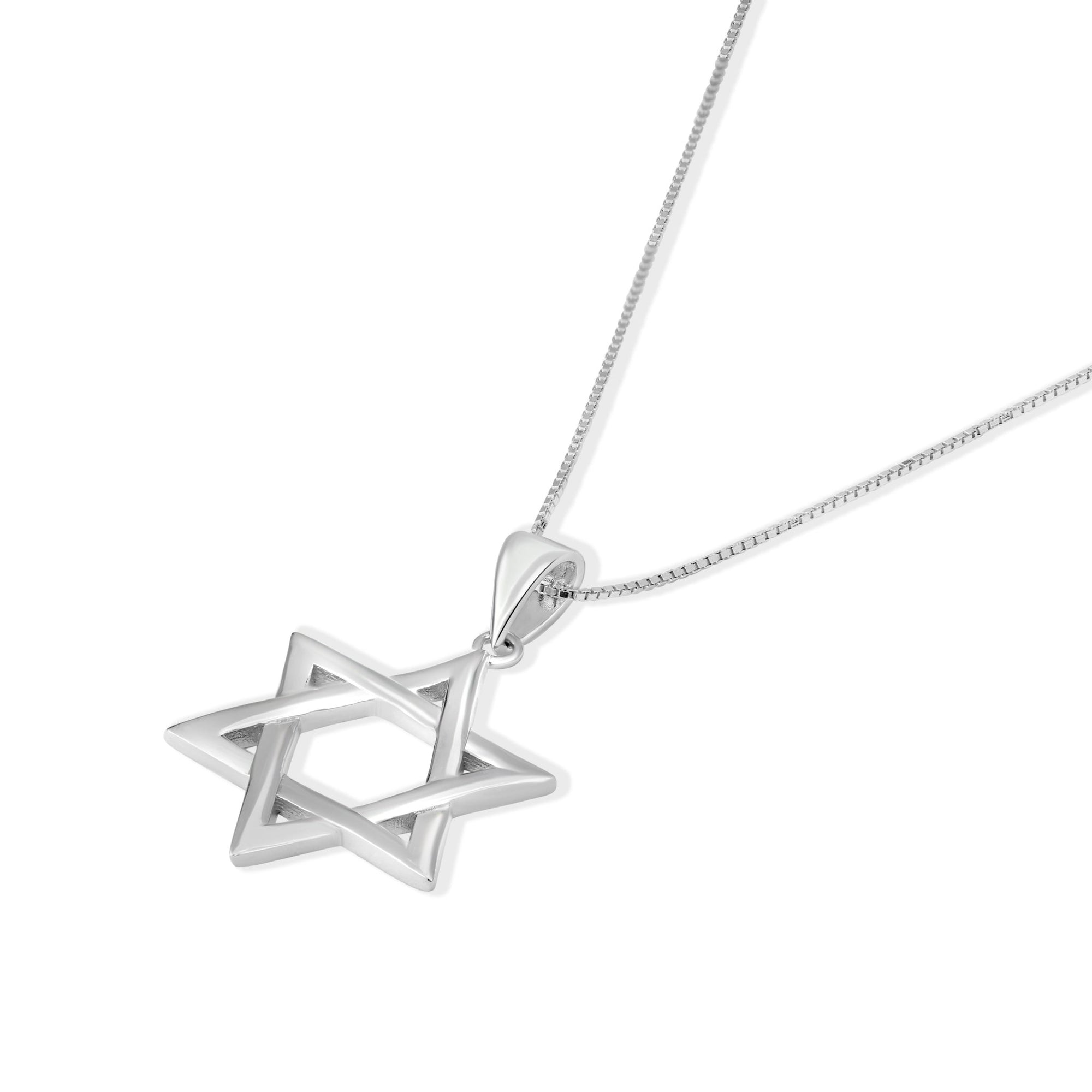


The Shofar: Ancient Symbol Resonating in Contemporary Culture
Historical and Religious Significance of the Shofar
The shofar, traditionally crafted from a ram’s horn, holds deep biblical origins. It was sounded at Mount Sinai during the giving of the Torah, symbolizing divine revelation and spiritual awakening. Historically, the shofar played a vital role in Jewish life—announcing kings, signaling battles such as the conquest of Jericho, and proclaiming jubilees. Only kosher animal horns, mainly from rams, are used, reflecting religious purity and the rejection of idolatry linked to the Golden Calf.
Spiritual Symbolism During Jewish Holidays
The shofar's blasts—Tekiah, Shevarim, and Teruah—are integral to Rosh Hashanah and Yom Kippur. Their sounds inspire self-reflection, repentance, and renewal. The ritual call penetrates the hearts of worshippers, elevating the prayers by connecting earthly actions to divine mercy and kingship. Jewish tradition associates the shofar with spiritual breath and cosmic energy—reminding the community of universal themes such as hope, redemption, and the coming of the Messianic era.
Connection to Jewish Identity and Resilience
Beyond its ritual role, the shofar is a powerful emblem of Jewish endurance and national pride. Its presence in contemporary fashion, decorative arts, and ceremonial gifts reinforces cultural identity among Jewish communities worldwide. Crafted by artisans in Israel and incorporating symbols like the Lion of Judah and Jerusalem landmarks, the shofar remains a living link to heritage. In diaspora communities, it unites generations in a shared legacy of faith, hope, and collective strength.
The Spiritual and Ritual Significance of the Shofar in Jewish Tradition
What is the significance of blowing the shofar in Jewish tradition?
The blowing of the shofar is deeply rooted in Jewish biblical mandate, primarily during Rosh Hashanah and Yom Kippur shofar traditions. It acts as a spiritual wake-up call, inspiring self-reflection, repentance, and renewal. The shofar's blast varieties—Tekiah (a long, single blast), Shevarim (three medium broken blasts), Teruah (a series of short, staccato sounds), and the final Tekiah Gedolah (the longest, powerful blast)—each carry unique spiritual meanings. Tekiah signals alertness and proclamation of God's kingship, Shevarim expresses a sense of brokenness and mourning, Teruah evokes a call for hope and awakening, and Tekiah Gedolah represents divine judgment and the ultimate call to repentance, bringing the community closer to God.
What are the traditional rules for blowing the shofar?
Jewish law mandates the shofar must be blown from its narrow, natural end, with the horn unaltered in shape. This rule ensures the ritual's authenticity and honors Biblical prescription of shofar. Altering the shofar's structure or blowing from the wide end nullifies the mitzvah. Crafted almost exclusively from kosher animals—typically a ram’s horn to commemorate the binding of Isaac—the shofar’s precise handling preserves its sacredness. This respect for traditional rules maintains continuity with ancient religious rites.
Is the shofar still used today, and in what contexts?
Absolutely, the shofar remains a vital part of Jewish observance. During Shofar sounded on Rosh Hashanah, it is sounded up to 100 times throughout the services, marking the spiritual themes of the Jewish New Year. On Shofar sounded on Yom Kippur, the shofar's final long blast signals the day's solemn conclusion. Beyond these high holidays, the shofar also features in synagogue ceremonies and special occasions, acting as a Shofar as a symbol of Jewish resilience, divine revelation, and collective Jewish identity. Its enduring presence reinforces sacred heritage and connects Jewish communities worldwide to their faith traditions.
Traditional and Artistic Evolution: Crafting the Shofar and Its Designs
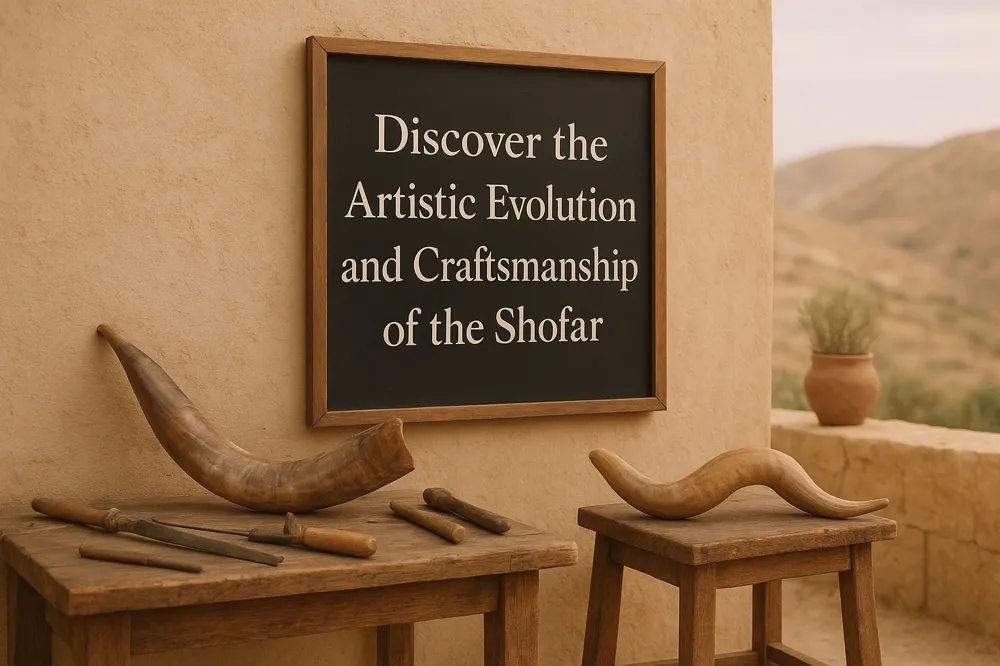
What religions use the shofar and where does the tradition originate?
The shofar is a revered instrument predominantly used in Judaism, with origins rooted deeply in Shofar history and tradition. It commemorates pivotal events like the binding of Isaac and the divine revelation at Mount Sinai. Crafted chiefly from Kosher animal horns for shofars, the most common being rams’ horns, the shofar's sound calls believers to Spiritual awakening through the shofar and reflection during Jewish High Holidays.
Materials and Kosher Requirements for Shofars
Authenticity and religious compliance are paramount in shofar creation. The horn must come from a Kosher shofars animal, such as a ram, goat, or kudu antelope—the latter especially used by Yemenite Jewish communities. Horns from cows are avoided due to their association with the sin of the Golden Calf, aligning with scriptural injunctions. The process includes careful shaping, cleaning, and crafting to preserve the horn’s spiritual integrity.
Artisanal Craftsmanship and Regional Variations
Shofars are handmade by skilled artisans, often in Israel or Jewish diaspora centers, combining tradition with craftsmanship passed through generations. Yemenite shofars, for example, reflect unique cultural styles, while Israeli-made shofars emphasize Special and Unusual Shofars. These regional variations celebrate the diversity within Jewish tradition while maintaining ritual significance.
Decorative and Embellished Shofar Designs
Beyond ritual use, shofars have evolved artistically. Embellishments include hand-painting, silver or gold plating, and feature symbolic engravings. Designs often incorporate Jerusalem landmark adorned shofars, biblical scenes, and floral or geometric patterns. These artistic expressions transform the shofar into Decorative collectible shofars and meaningful gifts symbolizing Jewish heritage.
Symbolic Jewish Motifs in Design
Common motifs such as the Lion of Judah shofars, Menorah Shofars, Star of David motif shofar, and Ten Commandments are integral to shofar decoration. These symbols reinforce Jewish identity, history, and faith. Personalized inscriptions and zodiac signs further enhance the shofar’s connection to individual and communal spirituality, making it both a religious artifact and a vibrant cultural emblem.
Modern Interpretations: Shofar Motifs in Jewelry, Clothing, and Collectibles
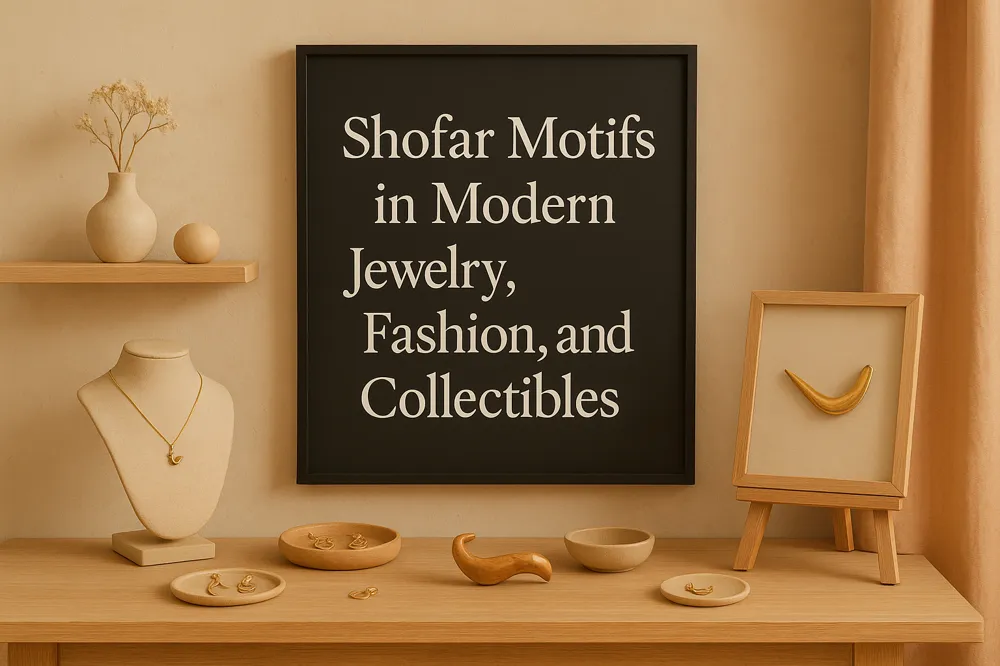
How Is Shofar Symbolism Integrated into Contemporary Fashion and Accessories?
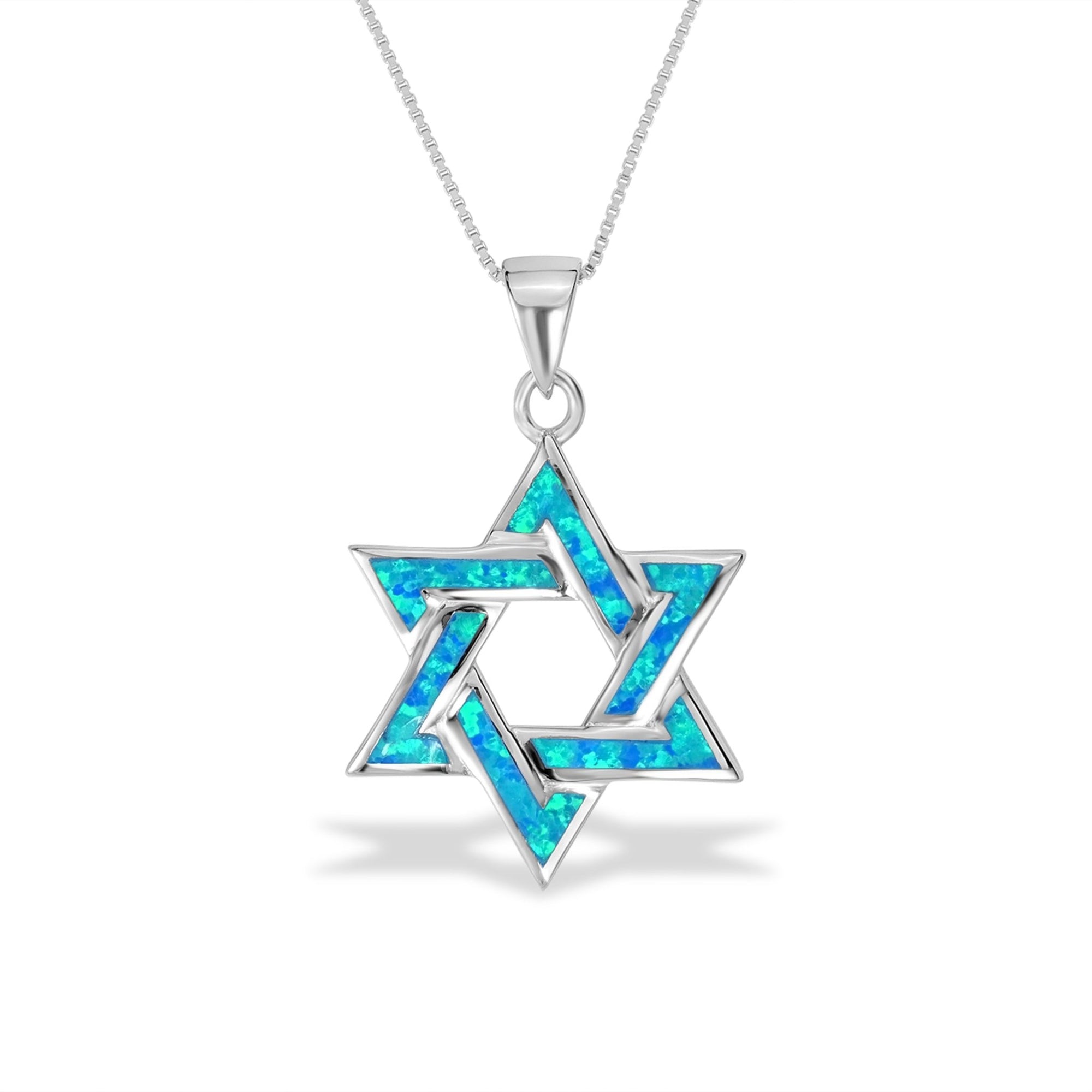
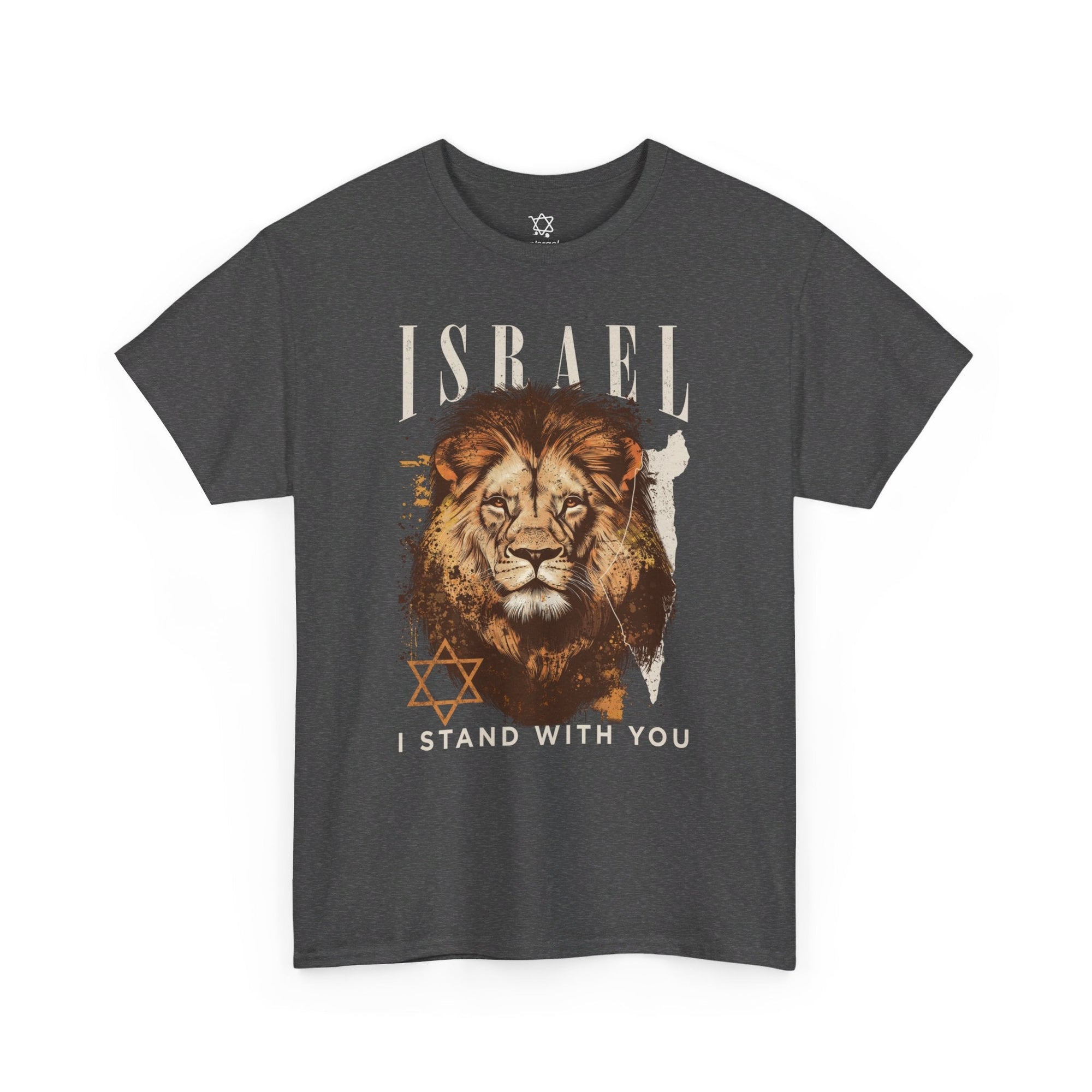
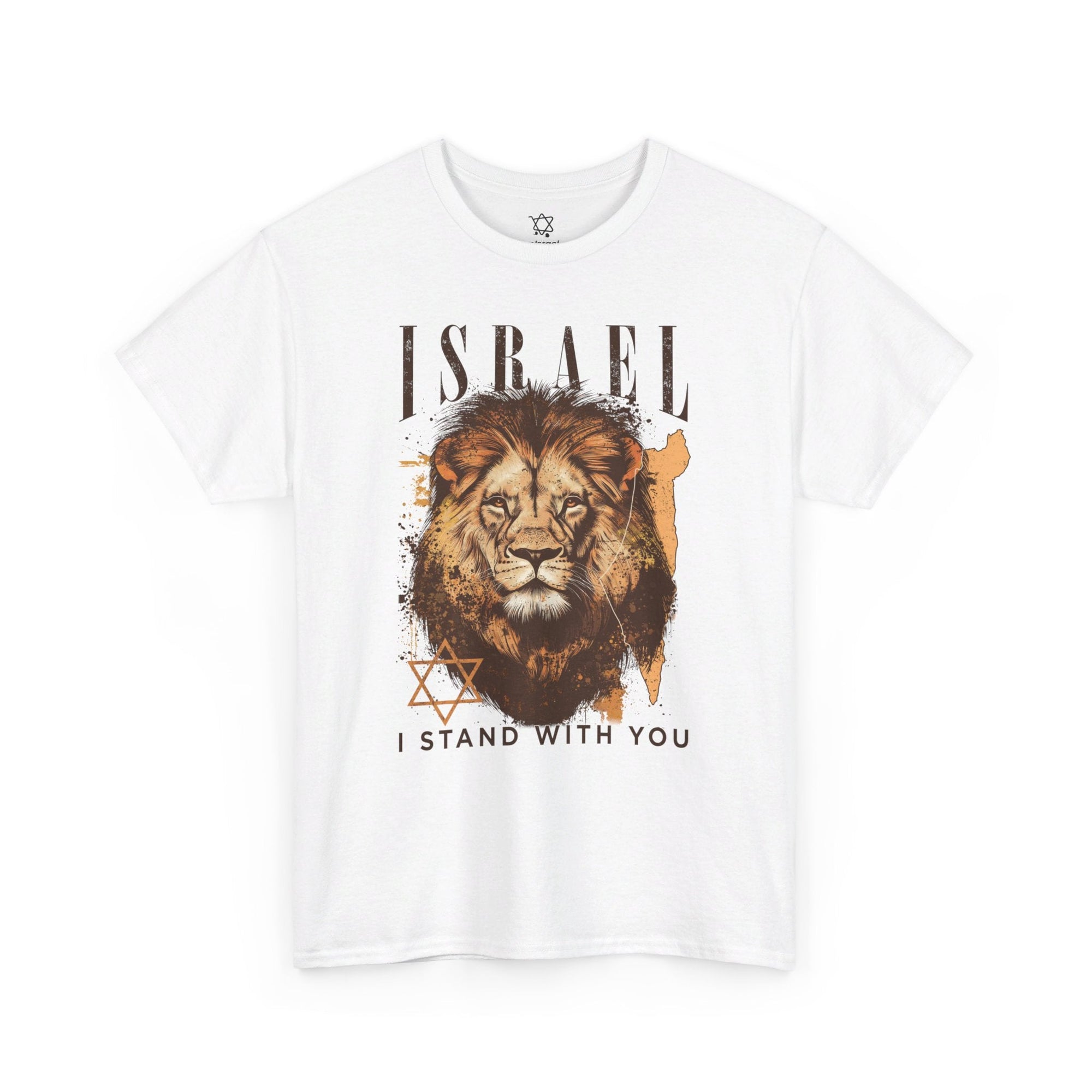
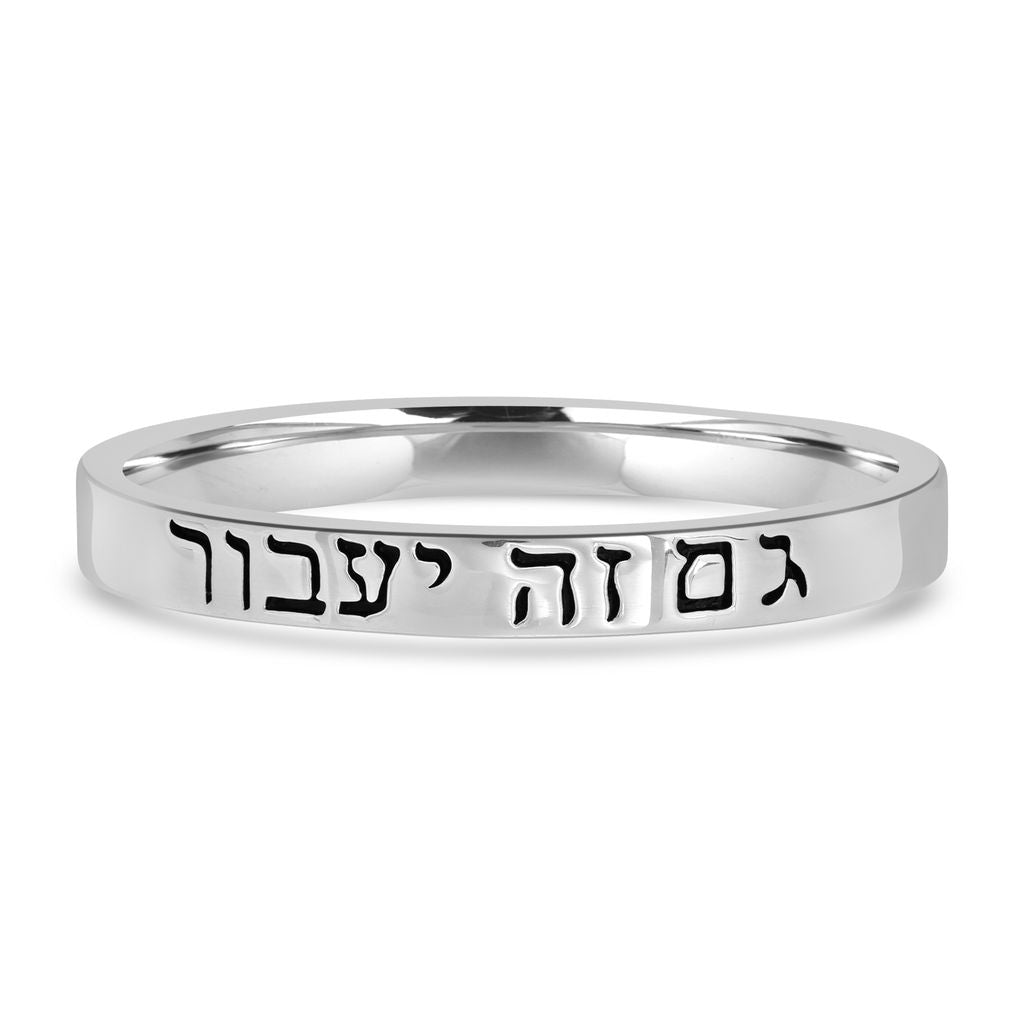
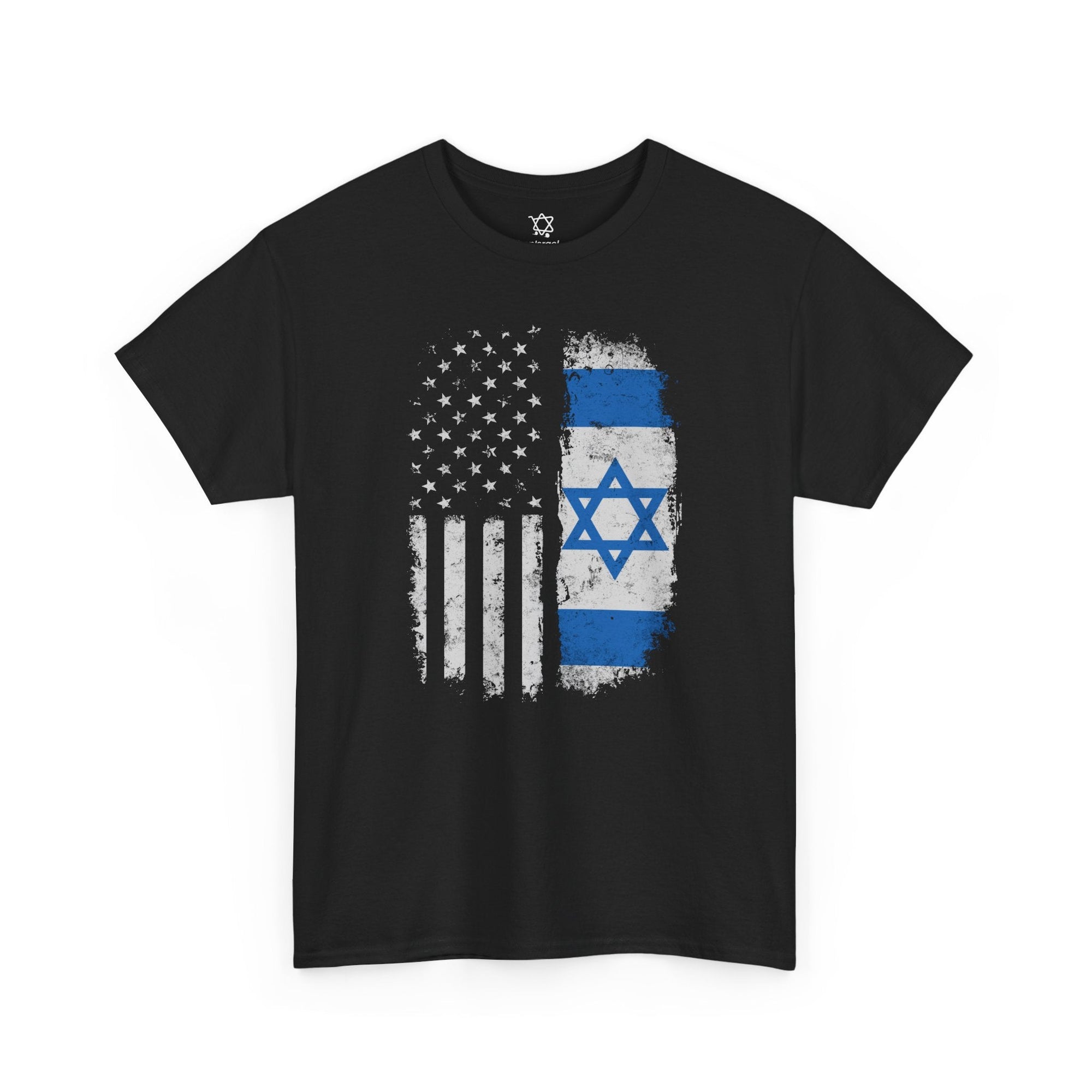
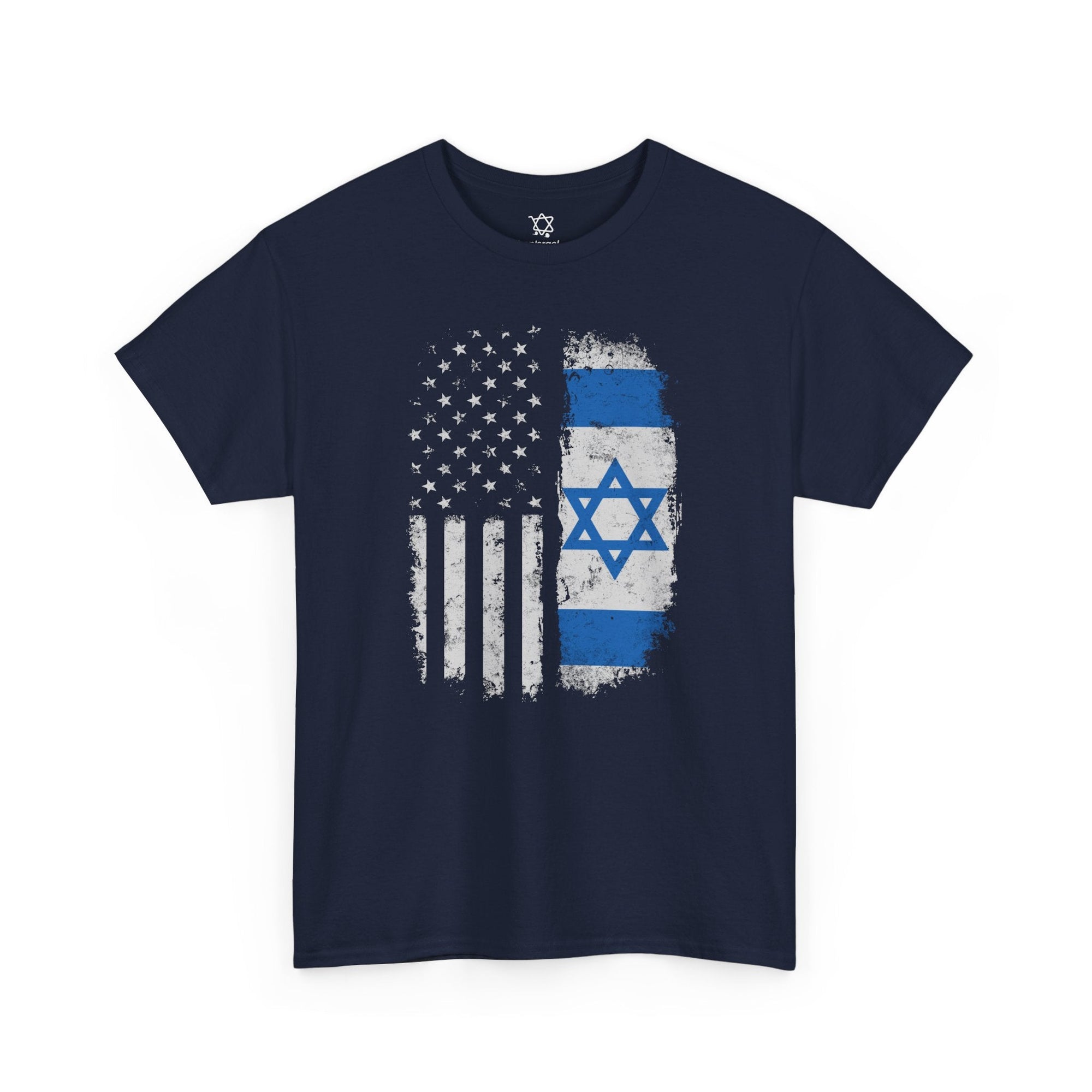
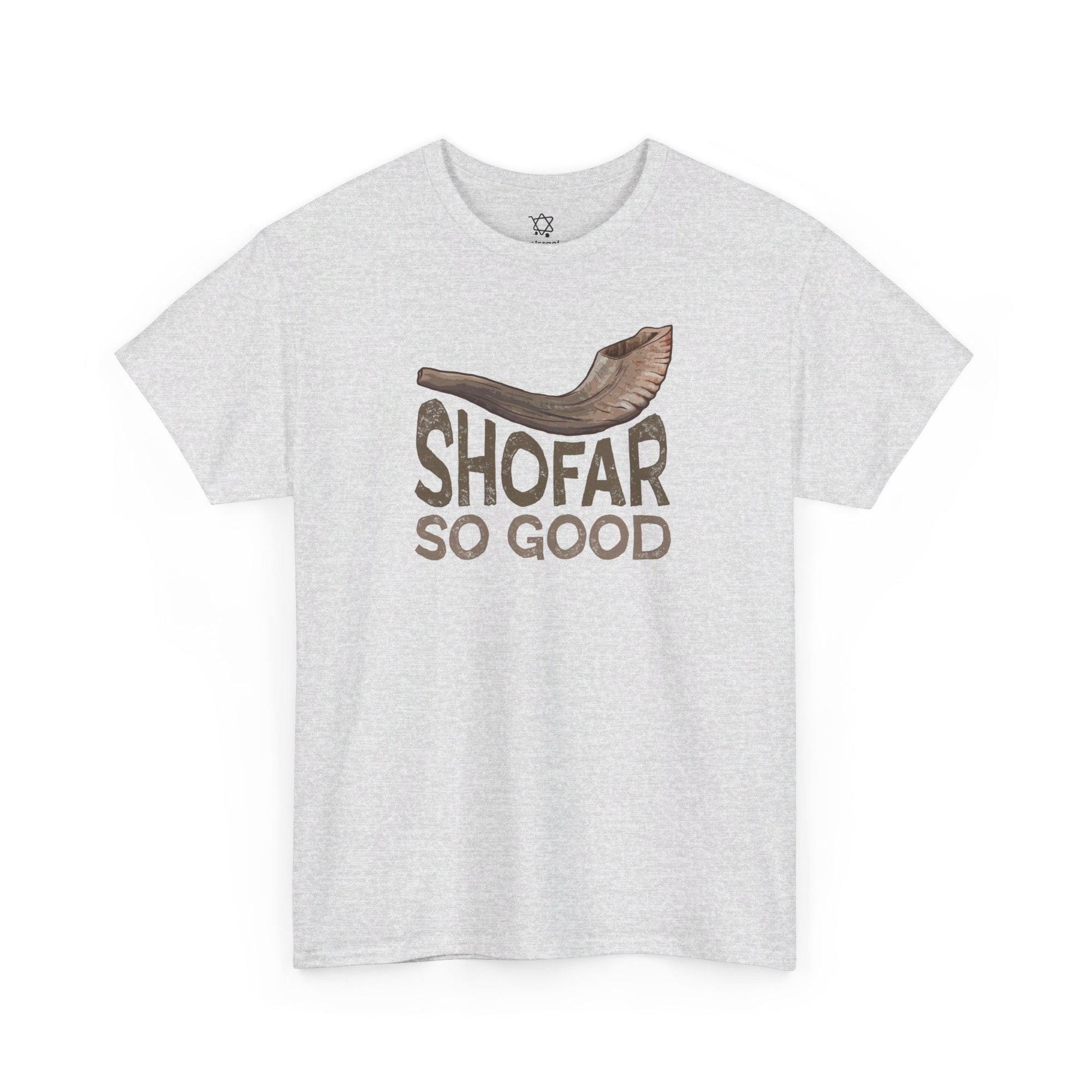
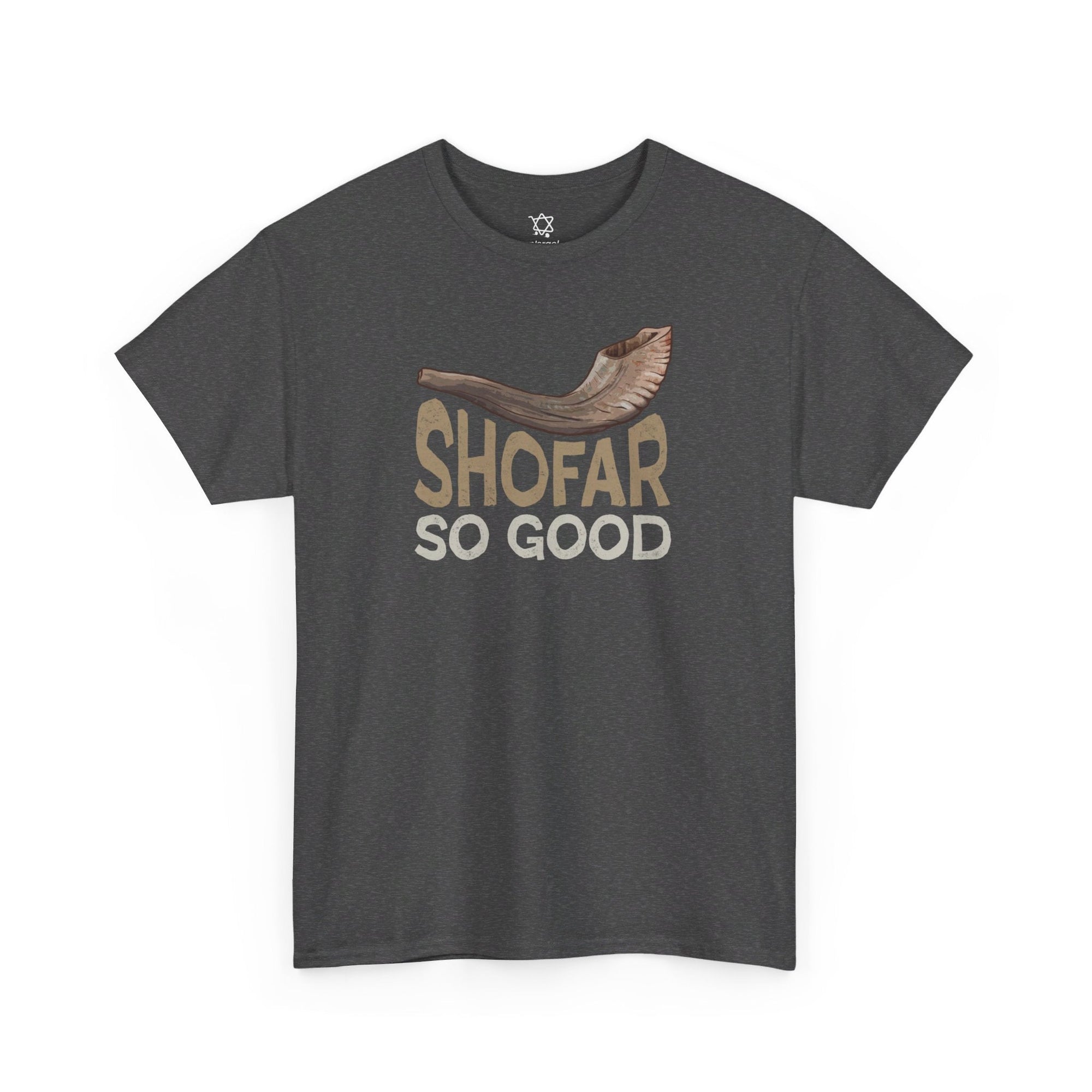
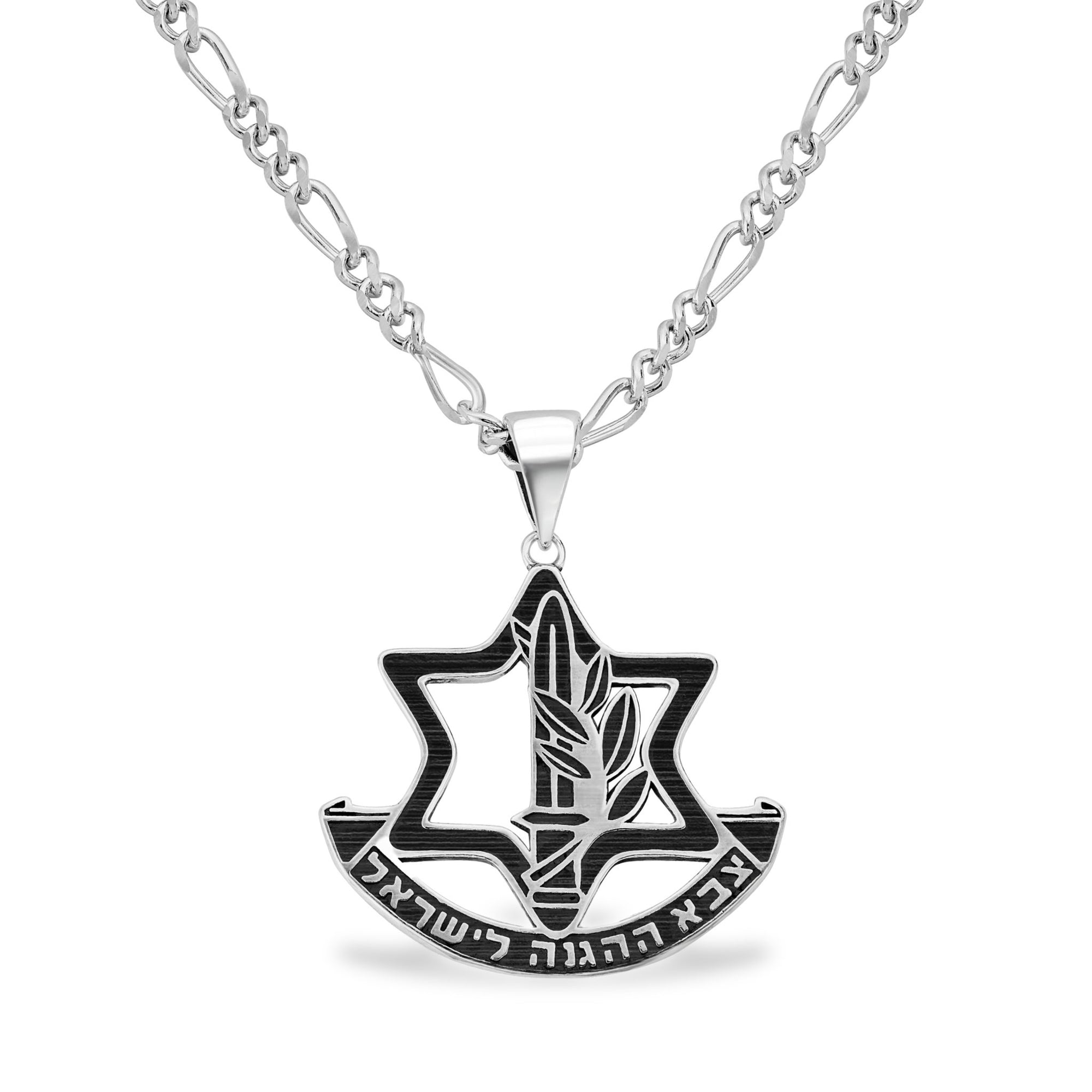
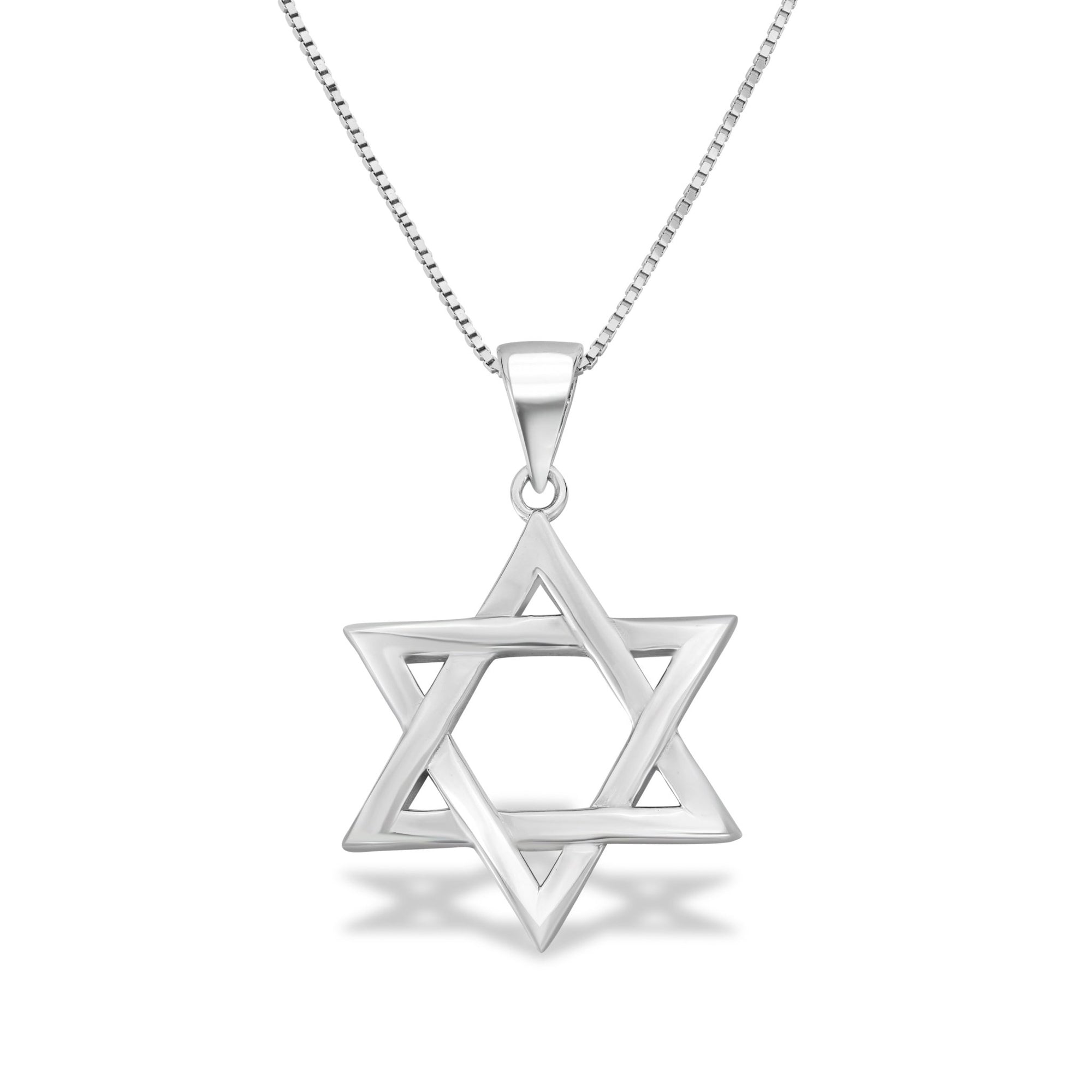
Shofar motifs have gracefully entered modern Jewish culture apparel, symbolizing cultural pride and spiritual heritage. They are featured on clothing such as T-shirts and hoodies emblazoned with slogans like 'Am Yisrael Chai' and images reflecting Jewish identity and Israeli solidarity. Jewelry pieces incorporate shofar-inspired designs alongside other Jewish symbols like the Star of David and the Lion of Judah, blending tradition with modern style for daily wear and special occasions. For more on the evolution of shofar-inspired fashion, see Shofar biblical origins and Contemporary Jewish fashion with shofar motifs.
What Are Some Popular Judaica Gifts and Ritual Objects?
Popular Judaica gifts extend beyond ritual objects like Kiddush cups, mezuzah cases, tallitot, and tefillin. Decorative shofars, often embellished with silver or gold plating and hand-painted biblical or Jerusalem scenes, serve as unique gifts for bar and bat mitzvahs, weddings, and housewarmings. These pieces celebrate Jewish faith and tradition while also acting as cherished collectibles that honor heritage, with many examples available in collections like Silver-Plated and Hand-Painted Shofars and Decorated Shofars for Sale.
How Do Decorative Shofars Function as Collector’s Items and Gifts?
Decorative shofars, crafted from ram or kudu horns, range from natural, hand-painted designs to silver-plated or gold-adorned works of art. While some are functional for synagogue use, many are intended purely for home display or as meaningful gifts. They embody Shofar as a symbol of Jewish resilience and are often personalized or limited edition, further enhancing their significance as collector’s items. Explore a variety of Special and Unusual Shofars to find unique designs.
How Is Israeli Pride Celebrated Through Merchandise Featuring Shofar and Judaic Symbols?
Merchandise celebrating Israeli pride combines shofar imagery with symbols such as the Israeli flag, Jerusalem landmarks, and historic motifs. Israeli-made products include shofars, mezuzah scrolls, and apparel emphasizing unity and cultural pride. Personalized Judaica jewelry and decorative items link diaspora communities to their heritage and foster a shared sense of identity rooted in Israel’s history and spiritual legacy, featured prominently in Israeli artisanal shofar gifts and Jewish identity merchandise as well as Israeli clothing collection.
Authentic Israeli Craftsmanship and Global Accessibility
Which famous products and brands are from Israel?
Israel is renowned for high-quality Judaica and cultural merchandise, prominently including Decorative Shofars. Esteemed producers like Shofarot Israel, established in Tel Aviv since 1927, and the BarSheshet family from Morocco, maintain a legacy of crafting kosher-certified and authentic shofars from ram and kudu horns. These artisans blend tradition with meticulous craftsmanship, ensuring each piece resonates deeply with Jewish heritage. Additionally, Israel is recognized globally for skincare brands such as Sabon and Ahava, celebrated for Dead Sea minerals, further emphasizing the country's robust cultural exports.
What are Israel's main products and exports?
Israel's economy thrives on a mix of high-technology equipment, agricultural innovations, and cultural products. Among these, Judaica—including shofars, mezuzahs, tallit, and tefillin—represents not only religious significance but also international demand. Israel's dynamic trade relationships and innovation infrastructure promote global accessibility to these items. The kosher certification assures religious compliance, particularly for objects like shofars, safeguarding their spiritual authenticity (Kosher animal horns for shofars).
Product Variety and Authenticity Markers
Offerings range from traditional natural ram's horn shofars to decorative variants featuring silver plating, gold accents, hand painting, and motifs such as the Lion of Judah, Menorah, and Jerusalem landscapes (Decorative collectible shofars, Silver-plated and hand-painted shofars, Special and Unusual Shofars). Some shofars double as art pieces and meaningful gifts for occasions like Rosh Hashanah and bar mitzvahs, reflecting both spiritual and cultural pride.
Availability and Shipping Considerations for U.S. Customers
Many Israeli Judaica items, including shofars, are readily available through global online platforms and specialized Judaica stores in the United States (Kosher Yemenite Kudu horns, Israeli shofars). Sellers often provide free or expedited shipping, making these authentic Israeli products accessible to the Jewish diaspora eager to affirm their heritage and express solidarity with Israel. This global reach supports cultural continuity and pride within Jewish communities worldwide.
Symbolism and Cultural Significance in Contemporary Jewish and Israeli Identity
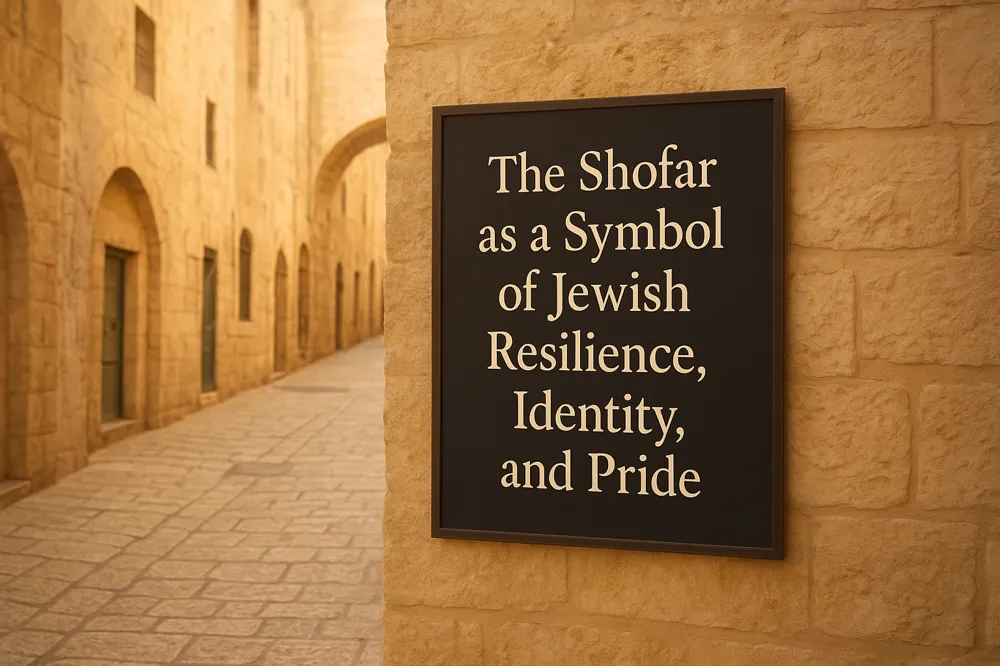
How does the shofar symbolize resilience, spiritual awakening, and national pride?
The shofar made from a ram’s horn, stands as a powerful emblem of Jewish resilience and spiritual renewal. Its blasts during Rosh Hashanah and Yom Kippur shofar traditions echo ancient calls to battle, divine revelation and shofar sound at Mount Sinai, and communal awakening. The sound evokes themes of repentance, mercy, and the hope for collective healing, deeply resonating within Jewish identity and shofar merchandise and national pride.
What is the connection between the shofar, biblical narratives, and hopes for the Messianic era?
Rooted in biblical stories—such as the Shofar and the Binding of Isaac and the Shofar and the walls of Jericho—the shofar symbolizes divine intervention and redemption. According to Isaiah, its blast will herald the coming of the Messiah, embodying universal peace and the shofar. This connection enriches the shofar’s role not just as a ritual object but as a beacon of Jewish continuity and Messianic aspiration.
How is shofar imagery integrated with other Jewish symbols like the Lion of Judah and Star of David?
In modern Jewish and Israeli culture, the shofar is often paired with iconic symbols such as the Lion of Judah shofars, representing strength and heritage, and the Star of David motif shofar, signifying identity and divine protection. These motifs adorn decorative shofars, jewelry, and apparel, intertwining religious and national symbolism to reflect a rich tapestry of heritage and pride.
What role does shofar merchandise play in promoting Jewish pride and solidarity, especially within the diaspora?
Shofar-inspired merchandise—ranging from hand-painted shofars, silver-plated collectibles, to fashionable clothing adorned with related symbols—serves as a vibrant expression of Jewish pride and Israeli solidarity. For diaspora communities, these items act as tangible connections to heritage and faith, enhancing cultural visibility and unity across global Jewish populations.
| Symbol | Meaning | Cultural Context |
|---|---|---|
| Shofar | Spiritual awakening, divine call | Central in High Holidays and national pride |
| Lion of Judah | Strength, Jewish heritage | Often seen on shofars and jewelry |
| Star of David | Identity, protection | Widely used on ceremonial objects and apparel |
| Menorah | Divine wisdom | Symbol of enlightenment and faith |
| Pomegranate | Fertility, prosperity | Common in artistic Judaica designs |
Tradition Reimagined: The Enduring Legacy of Shofar-Inspired Merchandise
The Fusion of Ancient Ritual and Modern Design
The shofar, a sacred ram's horn with roots tracing back to Mount Sinai, has inspired a remarkable blend of tradition and creativity. While its sound calls to mind biblical moments—from the walls of Jericho to the binding of Isaac—modern artisans have reimagined it through diverse styles and materials. Today, shofars appear in embellished, silver-plated, and hand-painted forms, often adorned with motifs like the Lion of Judah, Menorah, and Jerusalem’s skyline. This artistic innovation weaves biblical symbolism and cultural heritage into wearable and decorative items, capturing timeless spirituality with contemporary flair.
Nurturing Jewish Cultural Pride and Education
Shofar-inspired merchandise plays a vital role in fostering Jewish pride. Apparel featuring shofar motifs, from clothing emblazoned with Zionist slogans to accessories incorporating religious symbols, helps individuals express their identity proudly. Educational contexts also benefit, as these items serve as tactile tools connecting younger generations to ancestral traditions. Whether through a carefully crafted shofar collectible or a hoodie emblazoned with 'Am Yisrael Chai,' the merchandise encapsulates lessons of resilience, faith, and renewal intrinsic to Jewish history and religious practice.
Building Community and Spiritual Continuity
Beyond aesthetics, shofar-inspired items strengthen communal ties and spiritual continuity. During High Holiday observances, possessing an authentic kosher shofar or its artistic counterpart reinforces participation in sacred ritual, deepening collective worship. As gifts for bar mitzvahs, weddings, or housewarmings, shofar memorabilia crystallize shared values and heritage, nurturing solidarity within the global Jewish diaspora. By reflecting themes of awakening, hope, and divine mercy, these cherished items assure that ancient sounds echo fully in contemporary hearts and gatherings.