

Fashion as a Mirror of Culture and Conflict
Fashion Reflects Society and National Emotion
Fashion in Israel serves as more than clothing; it mirrors the nation's trials, hopes, and resilience. Following recent conflicts, designers like Yaniv Persy crafted garments that bear deep symbolism — a gown adorned with victims’ names, Stars of David, and the phrase "Am Yisrael Chai" boldly declares Israeli perseverance.
Designers incorporate colors like yellow to represent hope and remembrance, while motifs such as hearts with cracks symbolize a nation both wounded and mendable. Fashion thus becomes an emotional canvas, blending patriotic pride with calls for peace.
Expressing Cultural Pride and Political Sentiment through Apparel
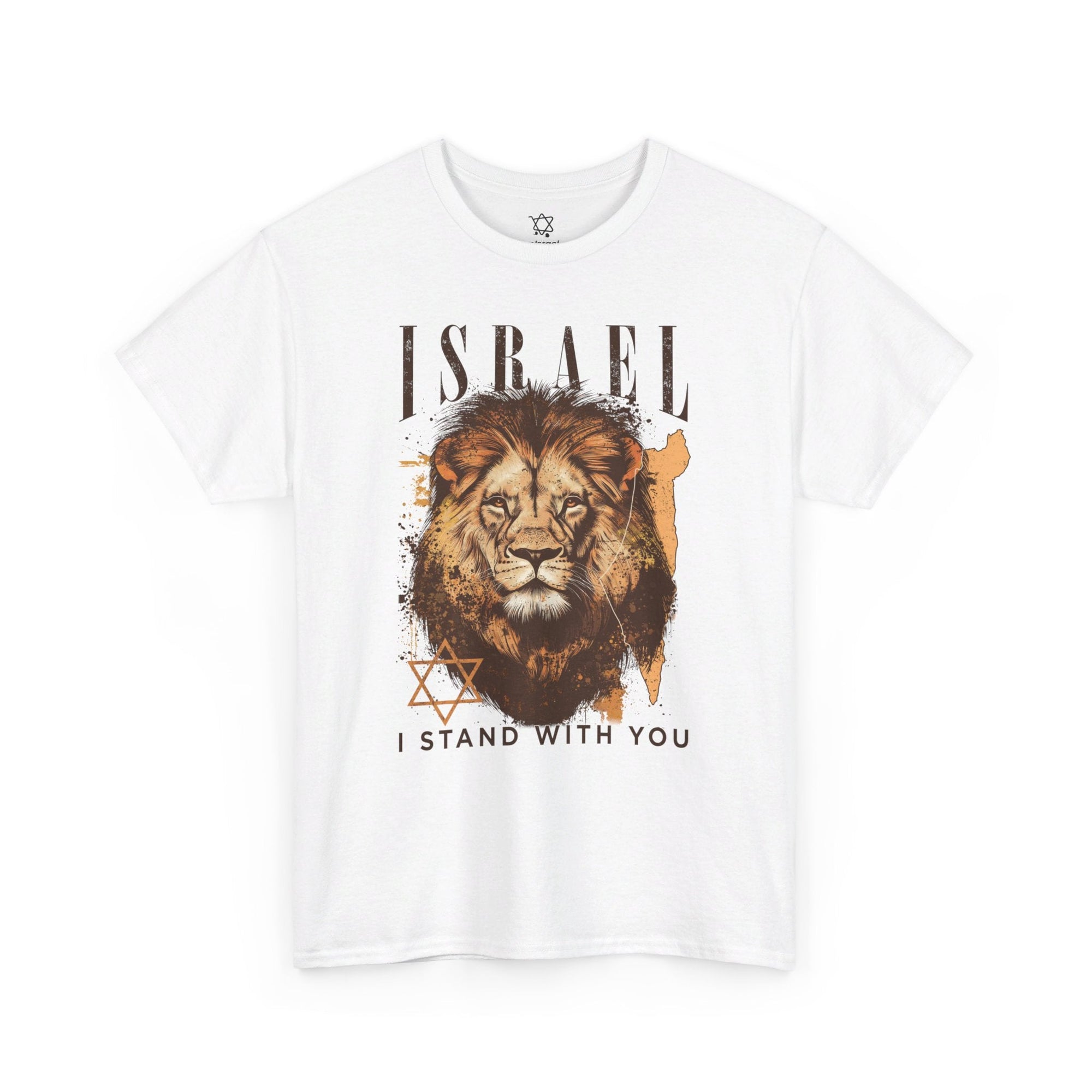
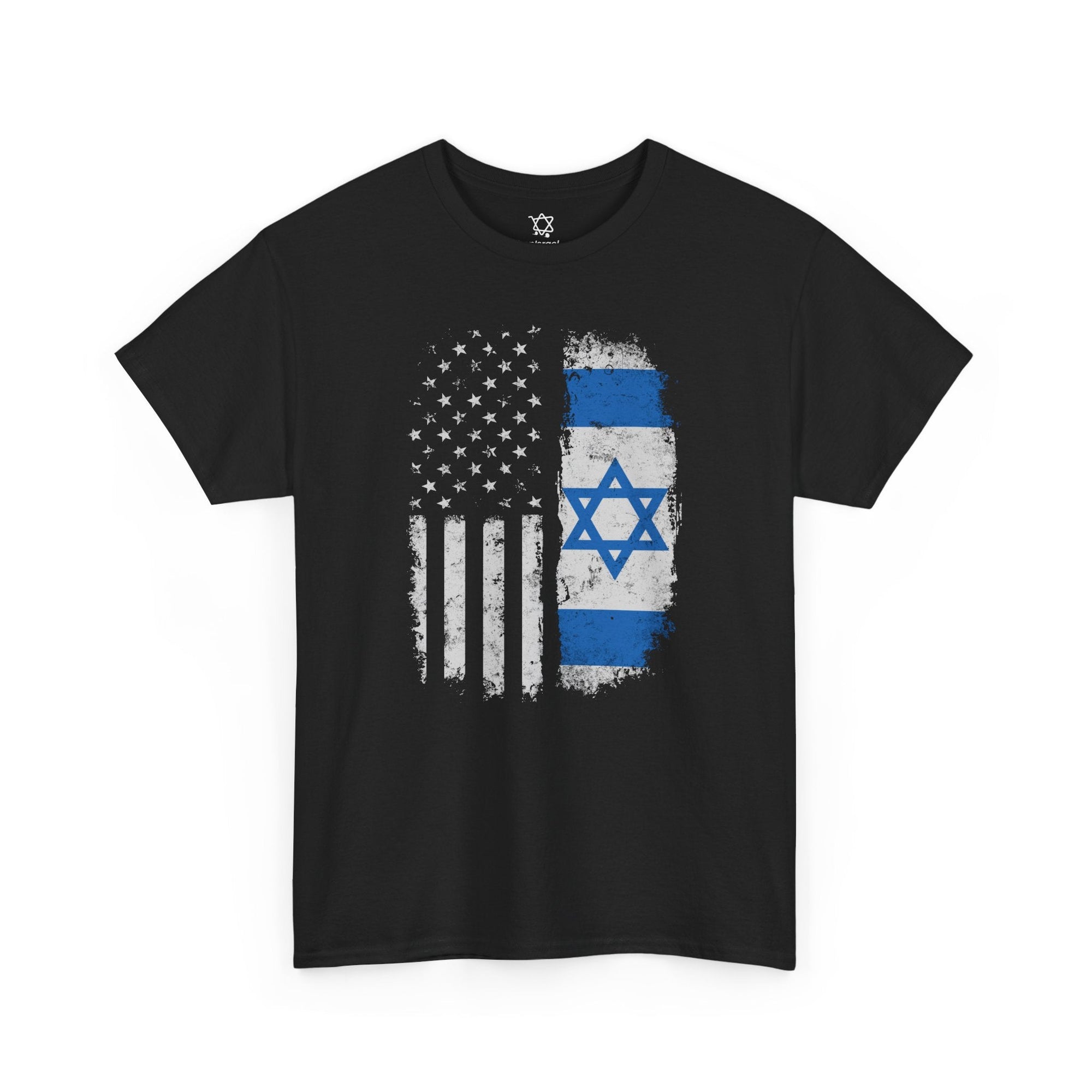
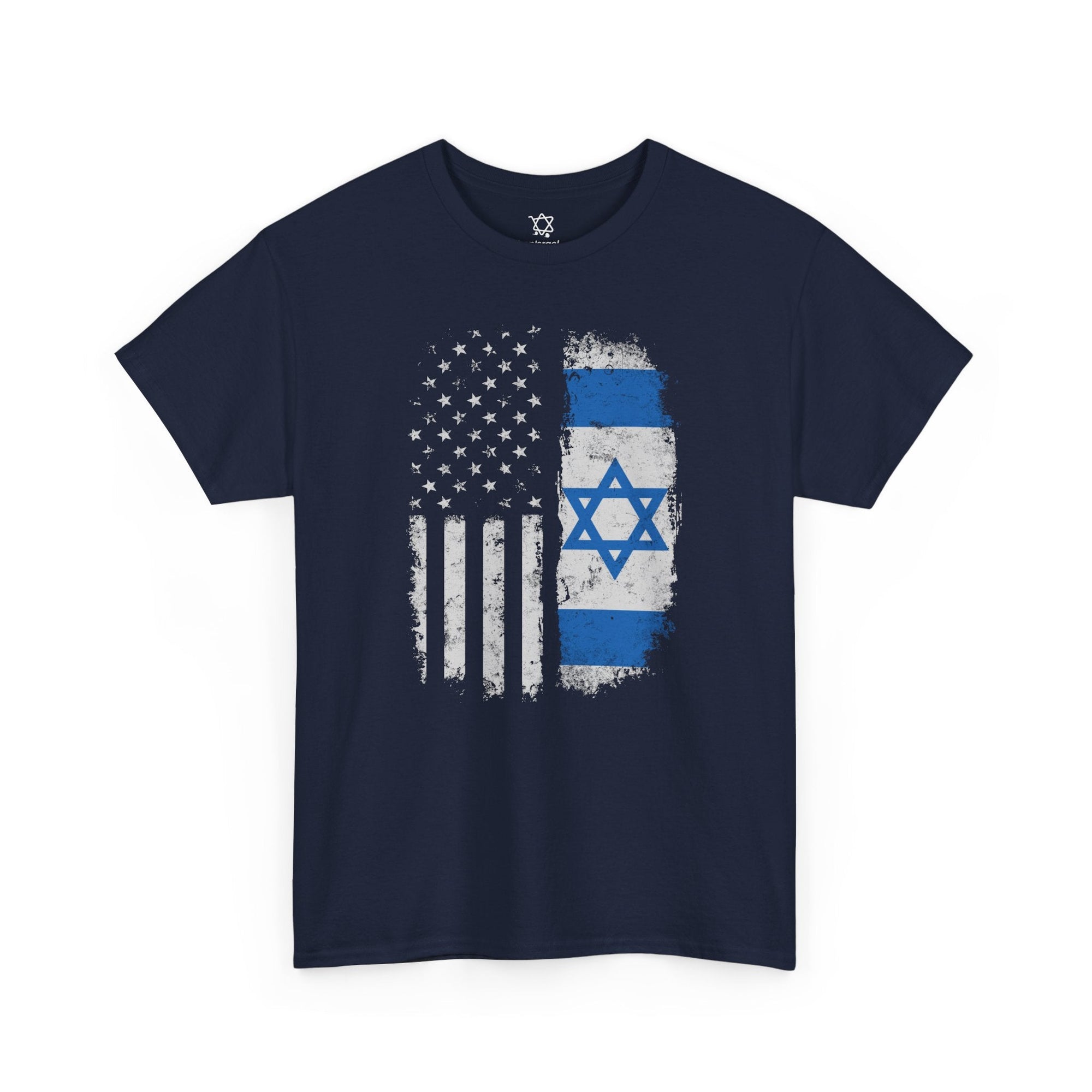
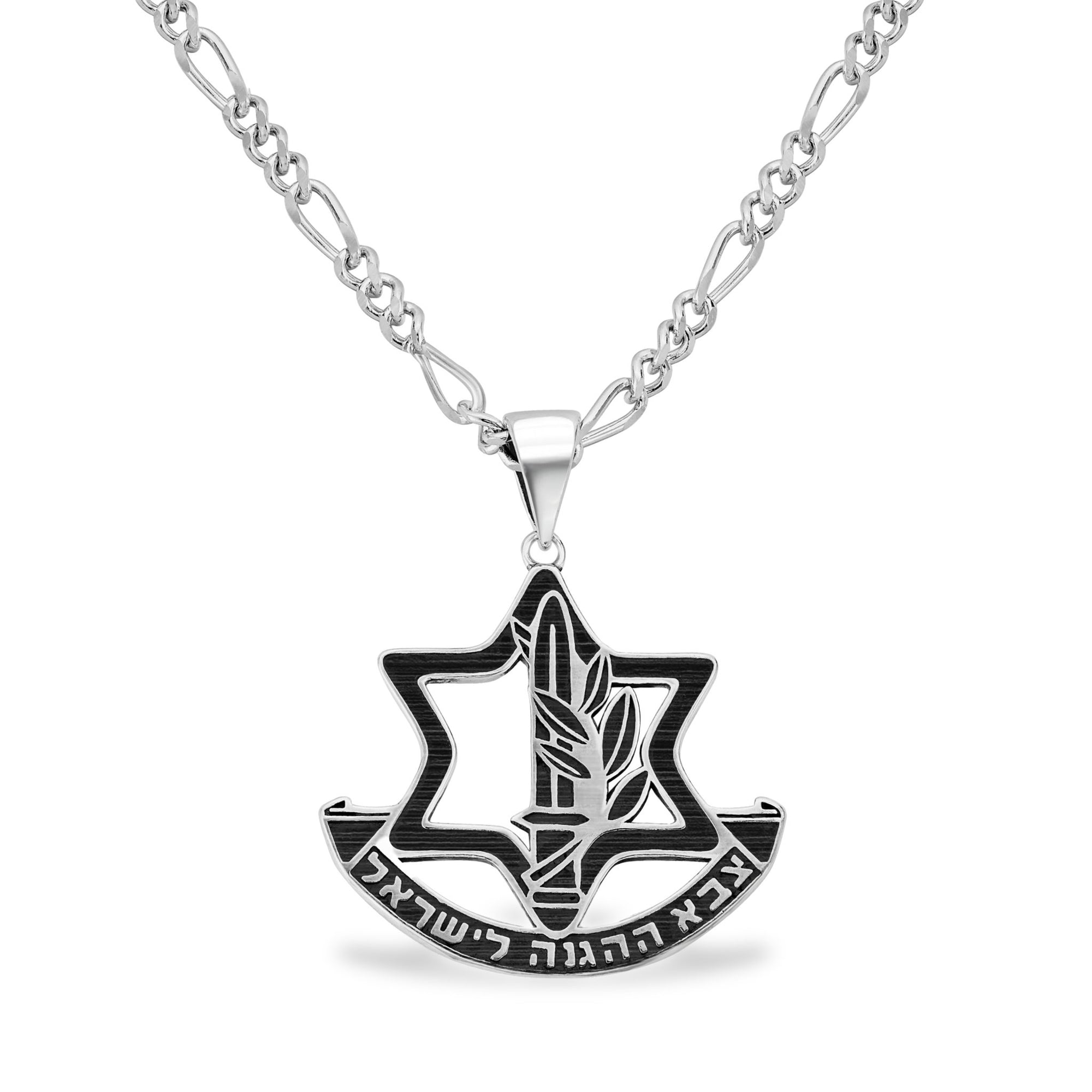
Jewish traditional garments like the kittel and head coverings express spiritual devotion and communal identity. Additionally, modern pieces featuring Israeli flags, military emblems, and peace symbols allow wearers to display their Jewish heritage with pride.
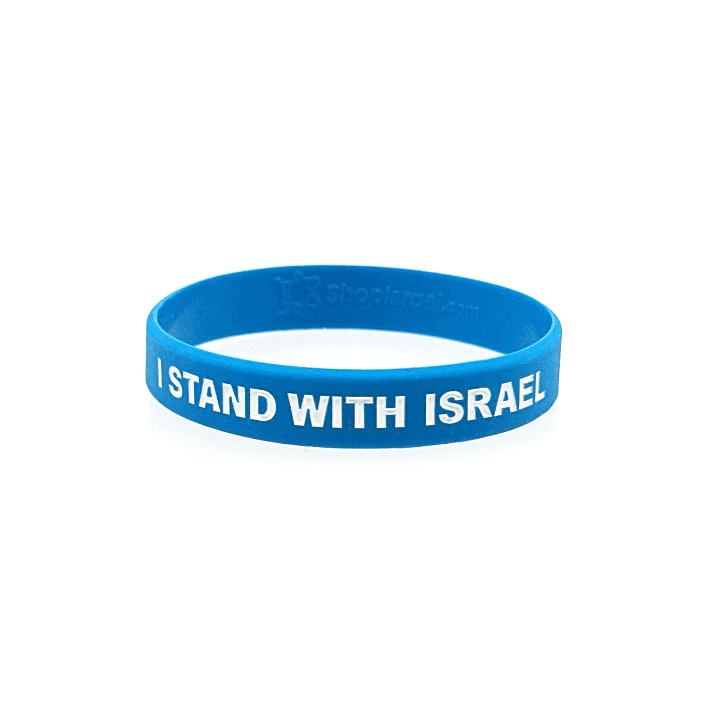
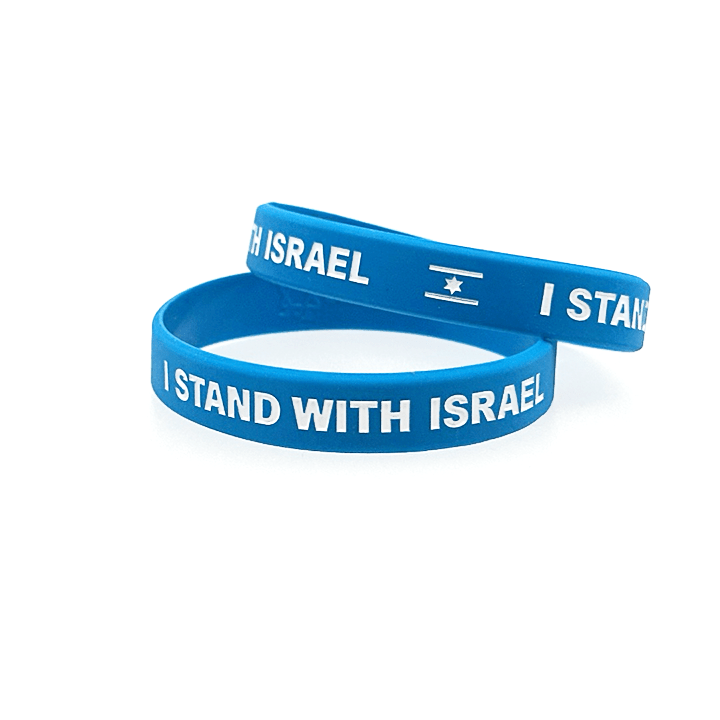
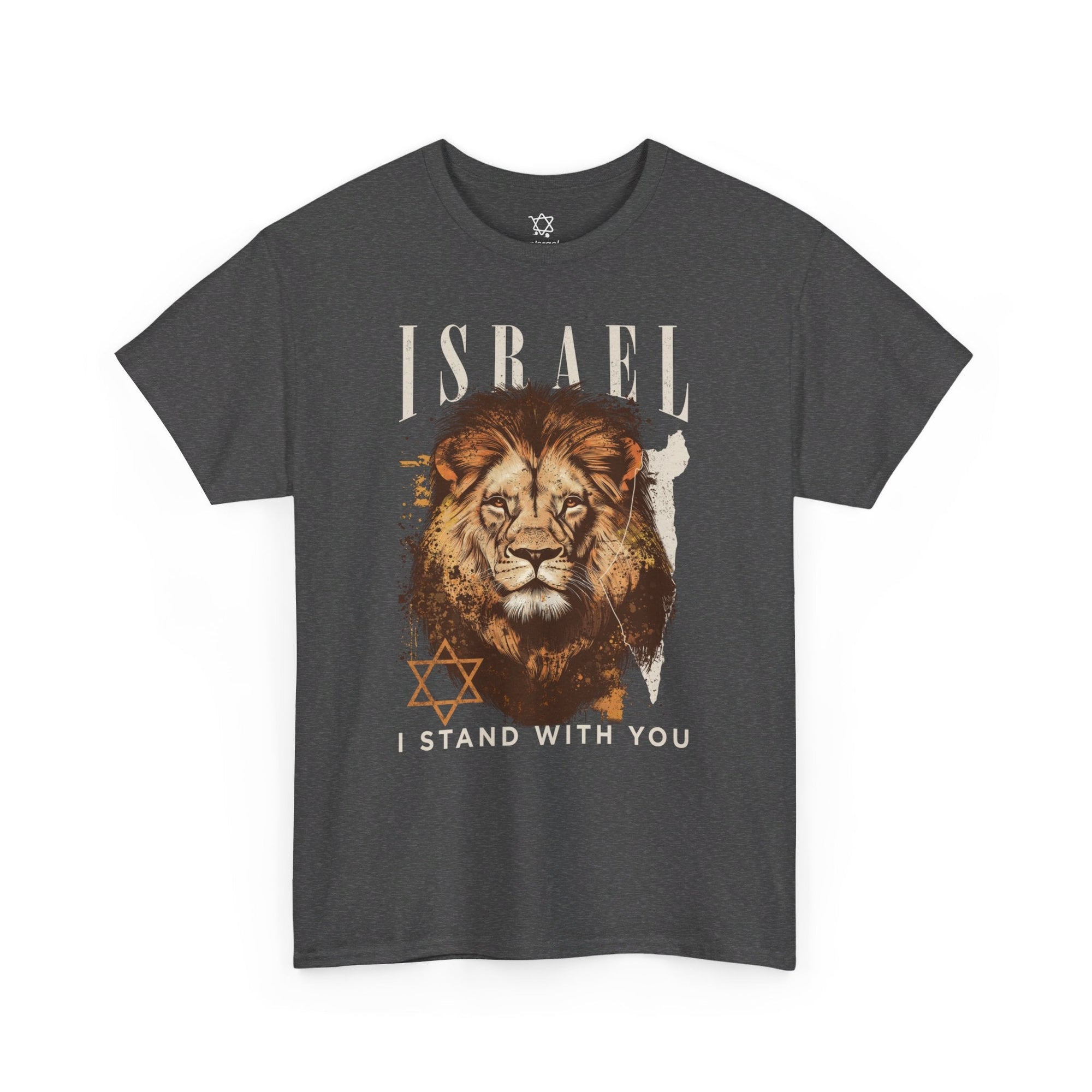
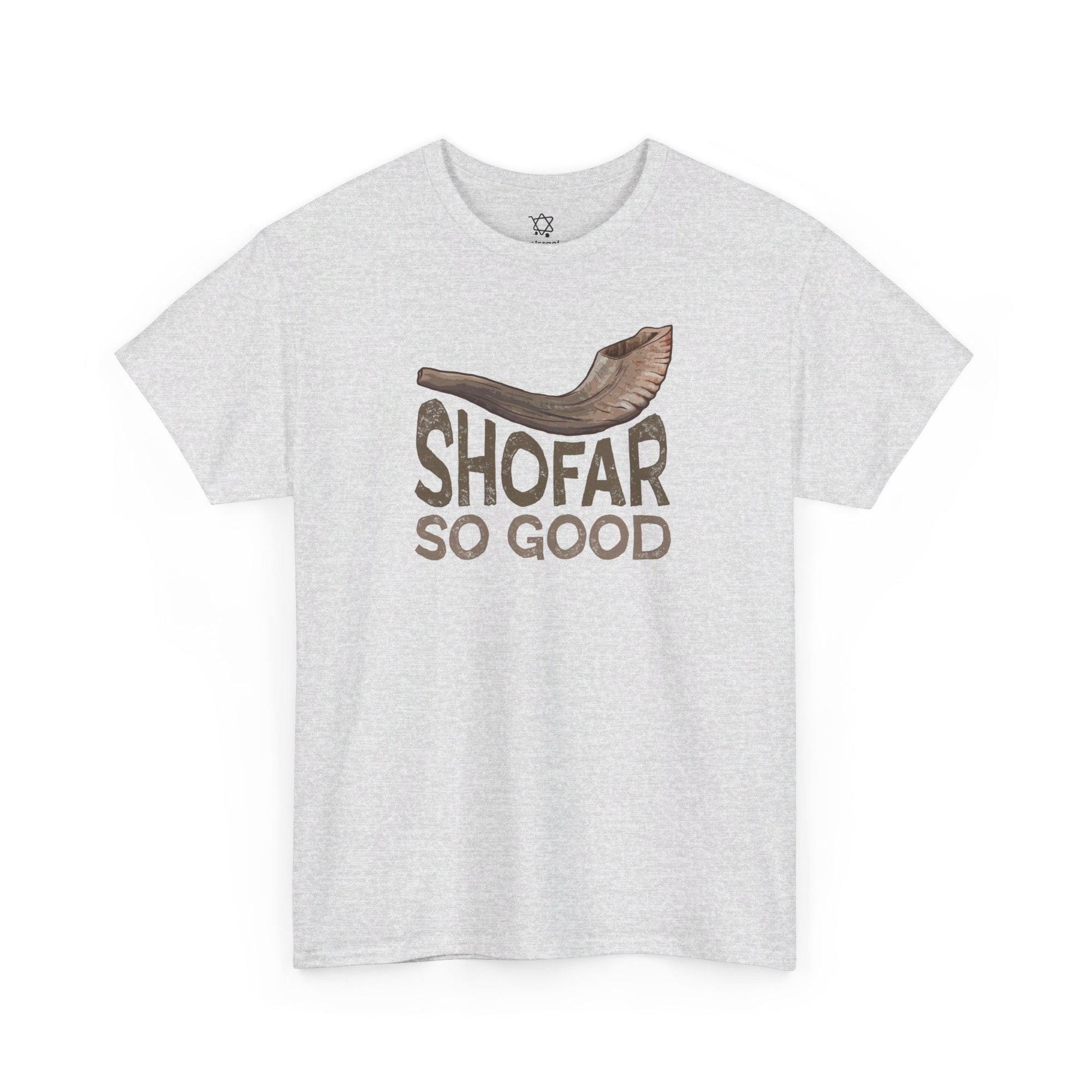
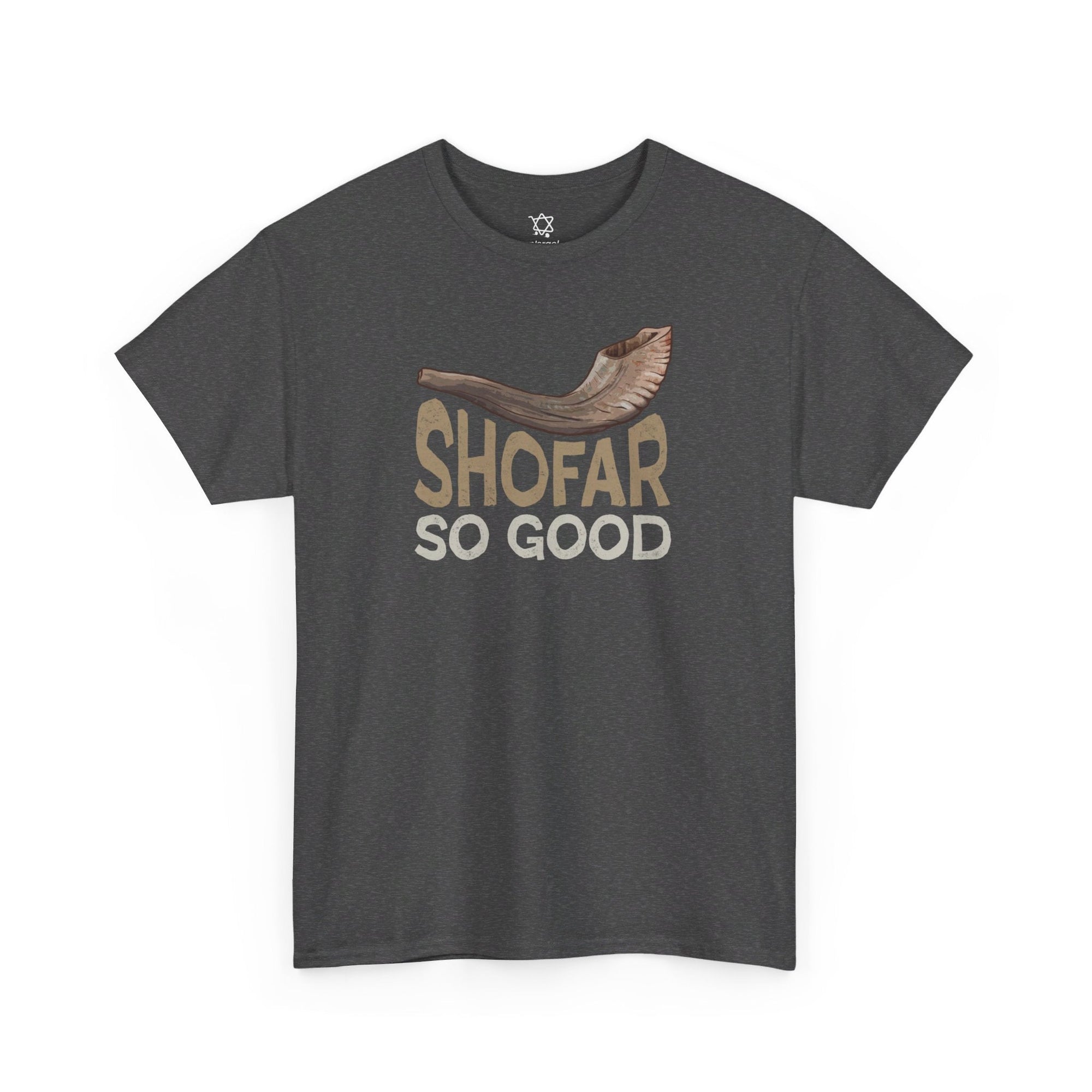
Fashion also offers a discourse platform—T-shirts with slogans such as “Together we will win” or “Time for Peace” transmit messages of solidarity and optimism. This clothing transcends aesthetics, becoming a wearable declaration of beliefs, uniting diaspora communities in shared heritage and hope amid ongoing conflict.
Through these expressions, fashion in Israel and the Jewish diaspora powerfully reflects society’s complexities, merging cultural pride with political narratives.
Israeli Fashion: A Canvas of Resilience and National Pride
How Has Fashion Become a Form of Activism in Israel?
Fashion in Israel has evolved into a powerful platform for activism and national expression, especially in the wake of recent conflicts. Designers are creating garments that go beyond aesthetics to reflect collective emotions—hope, solidarity, and resilience. Clothing serves as a visible rallying cry where slogans and symbols are woven into fabric to tell stories of survival and unity in times of struggle. This use of fashion as political and cultural messaging connects wearers to their heritage and to one another, fostering a shared sense of pride and identity. (Israeli fashion influenced by war)
What Are Some Examples of Israeli Fashion Statements?
One striking example is the gown designed by Yaniv Persy's memorial gown worn at the 2024 Academy Awards party, which featured the names of victims and hostages from the October 2023 war. Adorned with Stars of David gown at 2024 Academy Awards and the phrase "Am Yisrael Chai gown symbolism" (The People of Israel Live), the gown powerfully symbolized national resilience. Another example includes T-shirts bearing slogans like "Slogans like 'Together we will win'" and "'Time for Peace' T-shirt collection", often paired with embroidered lions or yellow ribbons, which represent hope and solidarity. Noa Argamani's butter yellow dress have also gained popularity, symbolizing remembrance and positivity, as seen in Noa Argamani’s celebrated appearance at TIME gala events.
What Colors and Symbols Are Common in Israeli Fashion and What Do They Mean?
Yellow stands out as a significant color, embodying both the memory of hostages and a hopeful, vibrant spirit. The Star of David remains central, reaffirming Jewish heritage and unity. Symbols like hearts, often depicted cracked but mendable, emphasize the nation’s broken yet repairable state. The fusion of traditional elements, such as incorporating aspects of a Shawl combining tallit and keffiyeh (Jewish prayer shawl) with the Jews wearing the keffiyeh, conveys a prayer for coexistence and peace. These motifs collectively express a commitment to cultural pride, remembrance, and an enduring hope for the future. (Fashion expressing Israeli resilience
| Theme | Example Garment or Symbol | Meaning and Significance |
|---|---|---|
| National Pride | "Am Yisrael Chai" symbolism | Affirmation of Jewish survival and spirit |
| Solidarity | "Together we will win" slogans | Unity in the face of adversity |
| Hope | Yellow dresses and ribbons | Remembrance and positive outlook |
| Peace | Dove and olive branch motifs | Call for coexistence and harmony |
| Heritage | Star of David and tallit-keffiyeh, keffiyeh | Connection to Jewish traditions and land |
Traditional Jewish Garments: Symbols of Identity and Heritage
What is the significance of traditional Jewish clothing?
Traditional Jewish clothing holds deep spiritual and cultural significance, often worn during important religious events and ceremonies. Garments like the kittel—a white robe—are traditionally donned on occasions such as Yom Kippur, Seder night, and weddings, symbolizing purity, humility, and festivity. These items go beyond mere fashion; they embody a tangible connection to Jewish faith and communal identity. For more details, see Traditional Jewish clothing.
How are Jewish symbols integrated into fashion?
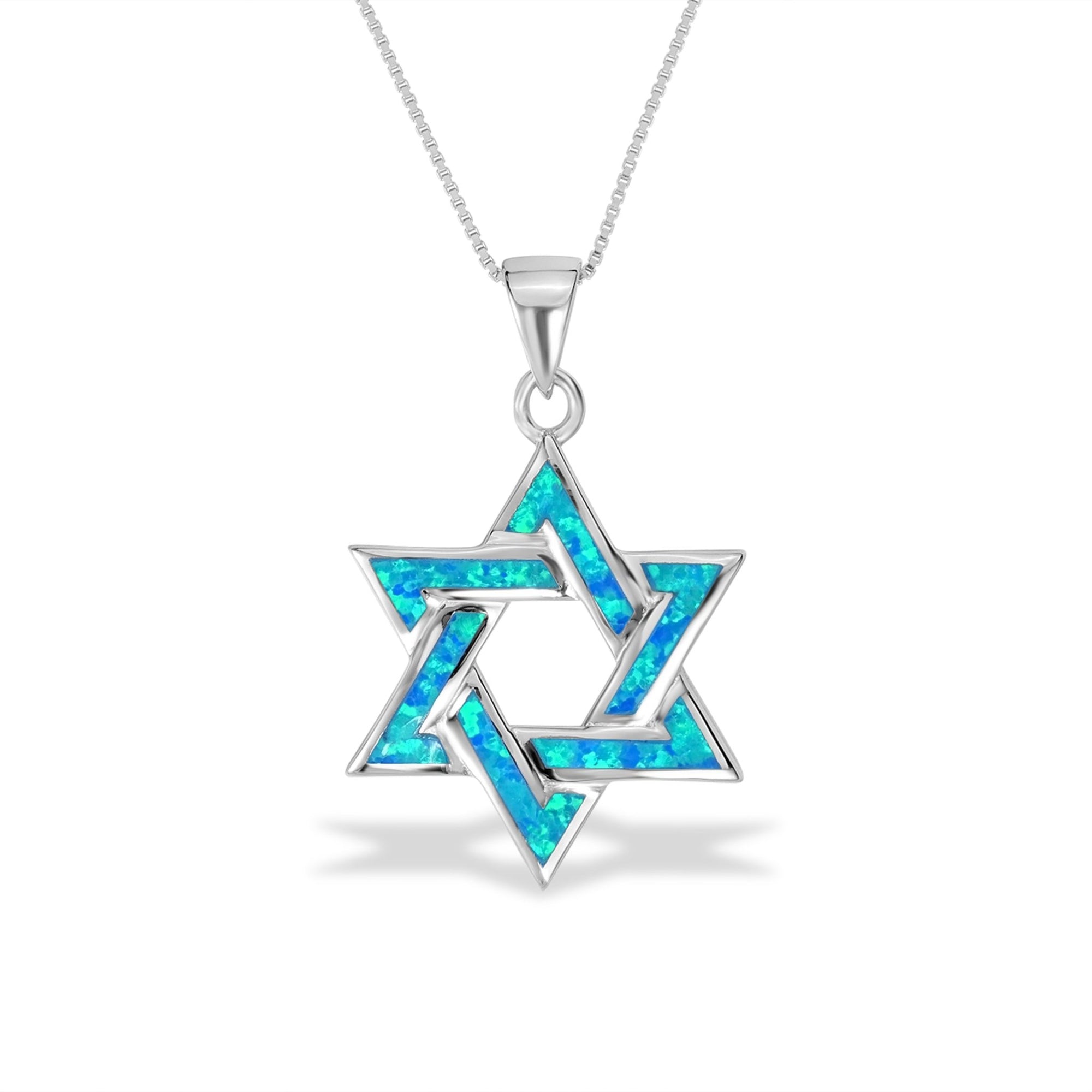
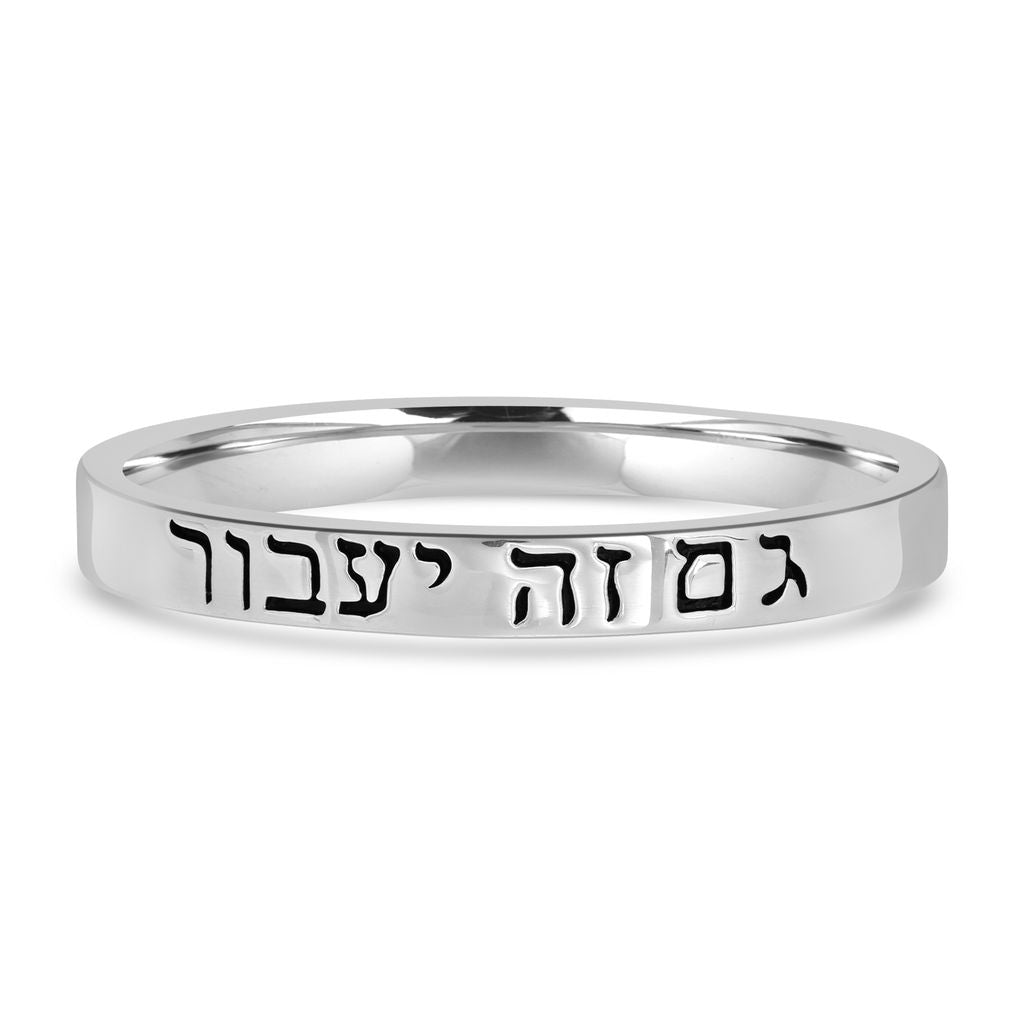
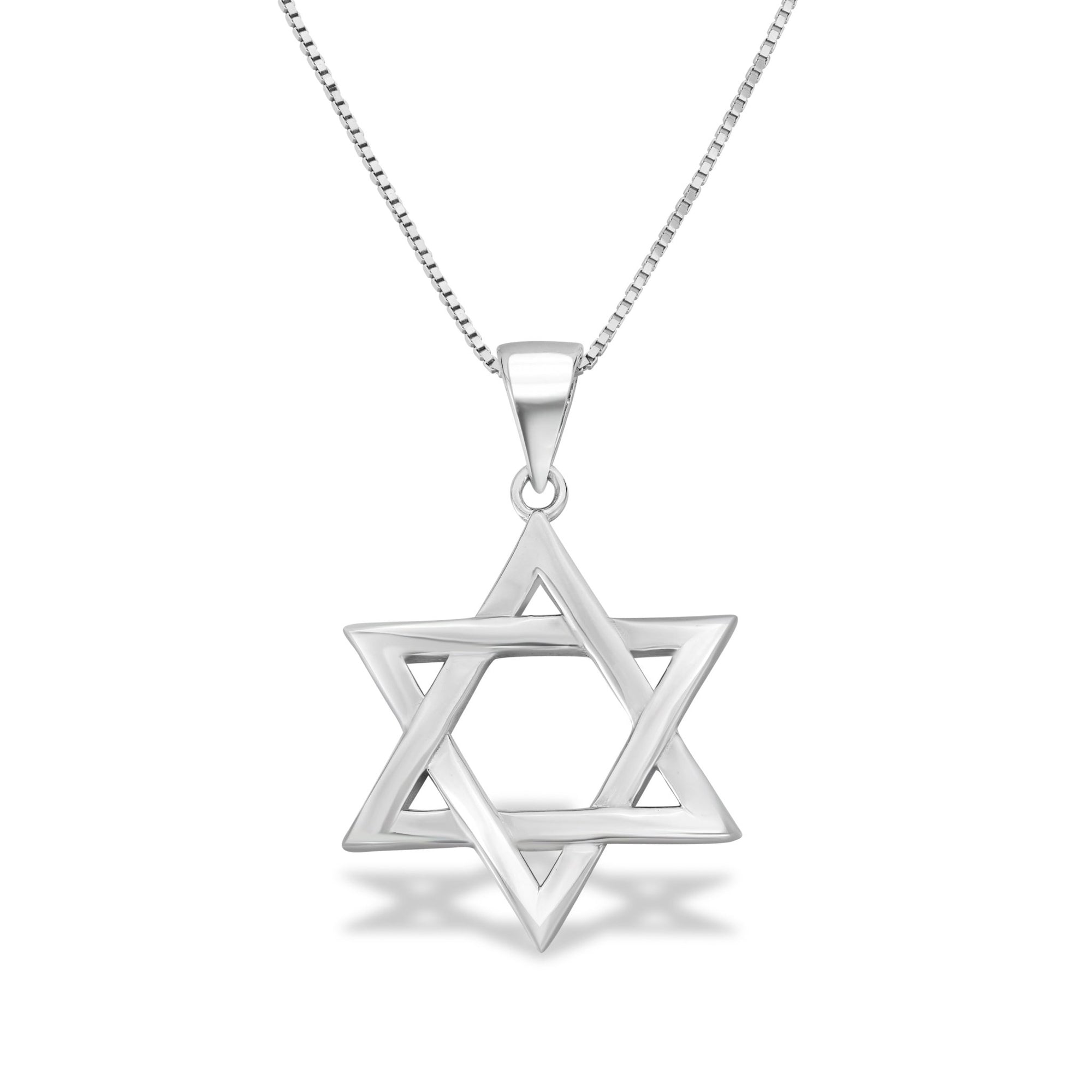
Jewish fashion prominently features symbols that express pride, loyalty, and a sense of belonging to both the Jewish people and the State of Israel. Common motifs include the Star of David, military emblems, the Israeli flag, and the Chai symbol. Contemporary designers also incorporate subtle yet meaningful elements, such as embroidered hearts or yellow ribbons representing hope and resilience. These symbols visibly affirm Jewish heritage and solidarity, particularly important to diaspora communities seeking to maintain cultural ties. For more information, refer to Jewish clothing symbols.
What is the cultural importance of garments like the kittel?
The kittel represents more than a traditional garment; it reflects honor and glory within Jewish tradition. Wearing the kittel during solemn and joyous moments connects individuals to ancestral customs and spiritual values. This continuity reinforces a collective Jewish identity, transcending geography and time. Moreover, alongside traditional robes, Jewish-themed casual wear—like T-shirts and caps bearing slogans of peace and pride—enables everyday expressions of Jewish commitment and cultural affirmation. Explore further at Jewish clothing on Yom Kippur.
Jewish clothing thus serves as a potent medium to celebrate heritage, convey religious devotion, and express patriotic solidarity, helping Jews worldwide feel united through shared symbols and meaningful attire.
The Keffiyeh: From Shared Heritage to Political Symbolism
Historical Jewish use of the keffiyeh
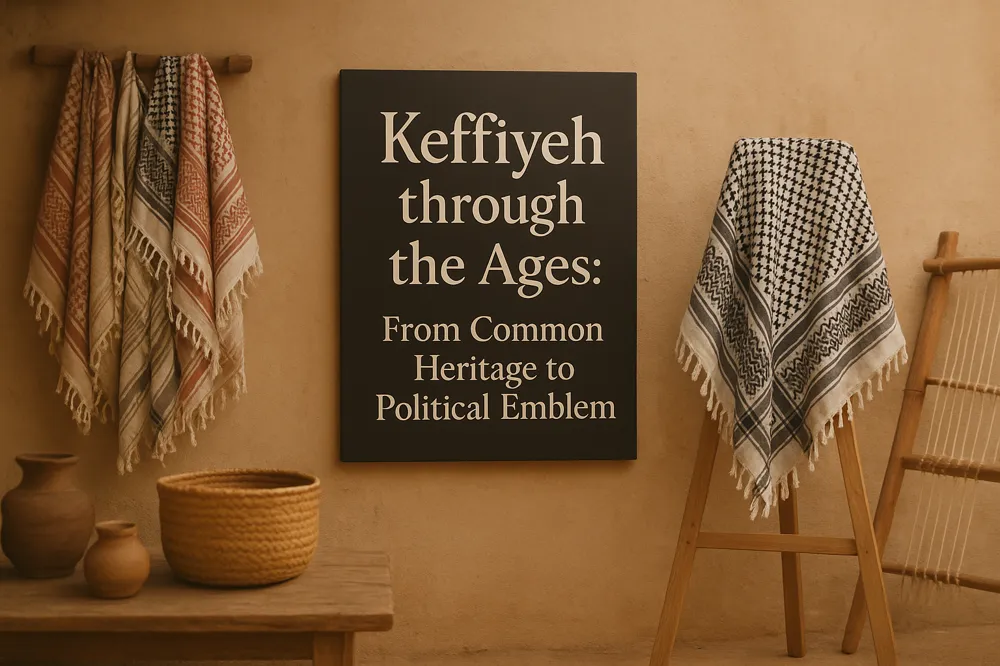
In the early 20th century, the keffiyeh was embraced by Jewish leaders and military groups, such as Chaim Weizmann and the Palmach, as part of Zionist identity. Jewish immigrants adopted it to connect with the local Arab culture and landscape, reflecting the spirit of the 'New Jew' who integrated traditional Middle Eastern dress to express belonging and pioneering ideals.
Jewish youth movements and pioneers commonly wore the keffiyeh, linking them to the land and indigenous cultures. It started as a practical garment protecting against desert elements, with different patterns signifying regional origins—white in the Gulf and Bedouin areas, red-and-white in Jordan, and black-and-white among Palestinians.
Evolution of its symbolism
Originally a neutral and practical item, the keffiyeh's meaning shifted dramatically over time. By the 1920s and 1930s, its association grew with Arab nationalism after events like the 1929 Arab uprising. Jewish leaders like David Ben-Gurion still wore it in the 1940s and 1950s, but by the late 1960s, Israeli political changes altered its perception.
From the 1990s onward, notably after Yasser Arafat popularized the keffiyeh as a Palestinian nationalist symbol, it emerged as an emblem of political resistance against Zionism. It became widely used in protests and symbolic statements, reversing its earlier neutral or shared cultural connotations.
Its cultural and political meanings today
Today the keffiyeh stands at a complex crossroads. While once a unifying cultural garment worn by both Jews and Arabs, it now predominantly symbolizes Palestinian identity and resistance. However, since the Abraham Accords and recent cultural rapprochements, it has seen a revival as a fashion accessory in Israel and among tourists visiting Gulf countries and Morocco, sometimes shedding its conflict-laden symbolism.
The keffiyeh's journey from shared heritage to political symbol reflects the intertwined and often fraught histories of Israelis and Palestinians. It remains a potent emblem with layered meanings—cultural, historical, and political—highlighting both division and moments of shared tradition in the region. For more details, see Jews wearing the keffiyeh.
Fashion Activism Bridging Divides: Israeli-Palestinian Collaboration and Global Voices
What does fashion activism mean?
Fashion activism is a powerful form of social and political expression conveyed through clothing and accessories. It uses apparel as a visible platform to raise awareness, advocate for change, or symbolize solidarity with causes such as human rights, cultural identity, and peacebuilding. Historically, garments have not only served aesthetic purposes but also communicated complex messages—sometimes subtle, sometimes bold—reflecting societal struggles or aspirations.
How does the brand ADISH promote peace through fashion?
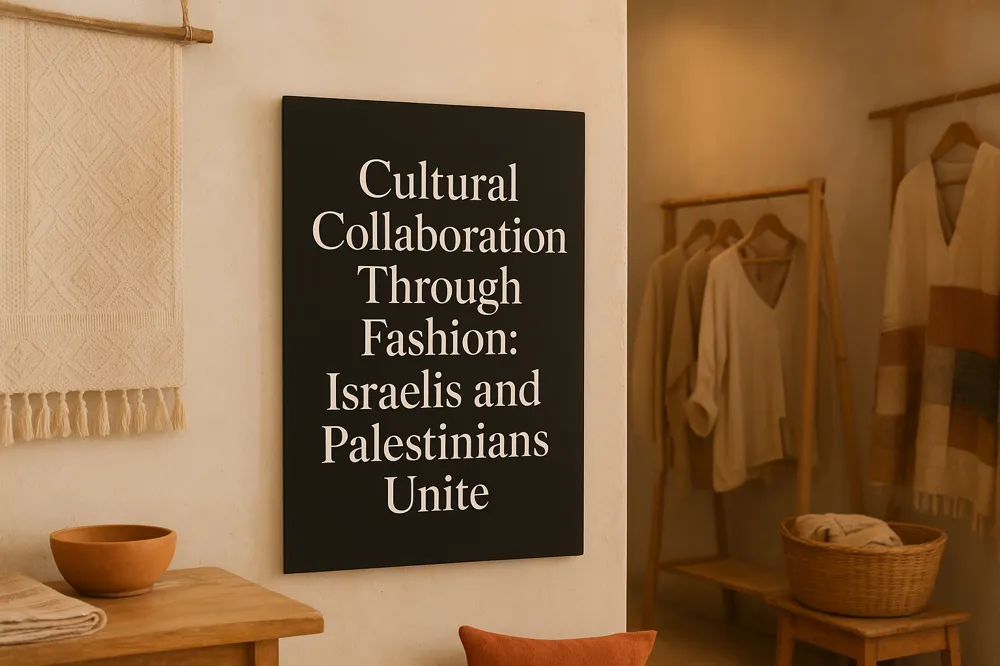
ADISH fashion brand exemplifies peace-promoting fashion activism by uniting Israeli and Palestinian designers and artisans in a shared creative effort. Founded by Israelis Amit Luzon and Eyal Eliyahu, ADISH incorporates traditional Palestinian Tatreez embroidery made by craftswomen in Bethlehem refugee camps. This collaboration fosters cultural preservation and mutual respect while challenging stereotypes. Despite political and logistical challenges, ADISH produces sustainable garments that symbolically bridge divides, emphasizing equality rather than colonialist dynamics.
How can fashion serve as a platform for cultural dialogue and conflict reduction?
Fashion holds unique potential to foster understanding and reduce conflict by highlighting the rich cultural traditions of diverse groups. By sharing clothing that resonates with heritage and identities, designers and wearers engage in a non-verbal dialogue promoting empathy and connection. Israeli designers expressing national emotion and Palestinian designers showcasing resistance both use fashion to communicate stories beyond politics. This layered messaging builds bridges, introduces nuance to public discourse, and offers a wearable form of solidarity.
How is support for Palestine expressed through fashion brands?
Fashion brands supporting Palestine use powerful symbols like the keffiyeh, Palestinian flag colors, and map motifs to declare cultural pride and political solidarity. Designers such as Aziz Bekkaoui and Meera Toukan create collections where proceeds often aid Palestinian causes, linking style with activism. Through fashion, awareness grows in global platforms, engaging diasporas and communities worldwide. This mirrors the broader historical role of fashion as political expression in the U.S. and beyond, affirming that clothing remains a potent means of expression and advocacy.
In these ways, fashion activism interweaves identity, culture, and peace efforts, resonating deeply within Israeli and Palestinian contexts and across global audiences committed to shared heritage and hopeful futures.
Cultural Sensitivity and Expression: Fashion Etiquette in Israel
Is it appropriate to wear shorts in Israel?
Wearing shorts in Israel is generally appropriate in secular cities like Tel Aviv, Eilat, and Herzliya, particularly during the hot summer months. These areas embrace a relaxed dress code, and shorts are commonly worn at beaches and casual public places. Israelis appreciate comfort, especially in warm weather, making shorts a practical and accepted choice.
Modesty in religious and secular settings
However, modesty plays a crucial role in certain areas, especially those that are religious or traditional. In neighborhoods within Jerusalem and at religious sites, it’s respectful to wear clothes that cover shoulders and knees. Visitors should avoid shorts or opt for longer garments in these locations. Traditional attire in such settings often reflects honor and reverence, with garments like the kittel garment or head coverings symbolizing deep Jewish identity and respect.
Understanding local customs through fashion choices
Fashion in Israel conveys more than style—it's a powerful form of cultural and national expression. Israeli designers incorporate symbols like the Star of David, the phrase "Am Yisrael Chai" , and use colors such as yellow to represent hope and remembrance. Even clothing like shawl combining tallit and keffiyeh or T-shirts with slogans exemplify resilience and Jewish pride. Recognizing which attire is appropriate in different settings reflects sensitivity to Israel’s diverse cultural and religious tapestry, enriching the visitor's experience and respect for local traditions.
Embracing Heritage and Hope Through Meaningful Fashion
Fashion as a Cultural Bridge
Israeli and Palestinian designers alike are harnessing fashion to shape narratives of heritage, resilience, and hope. Brands such as ADISH bring together Israeli and Palestinian cultures by reviving traditional Palestinian embroidery, fostering dialogue and unity amid longstanding conflicts. This collaborative craftsmanship reflects a powerful cultural bridge built through shared artistry.
The Ongoing Significance of Peace and Pride Expressed Through Clothing
Clothing in Israel today transcends aesthetics, symbolizing collective identity and national pride. Designers embed messages like “Am Yisrael Chai” and employ symbols such as the Star of David, yellow ribbons, and combined tallit-keffiyeh shawls to express solidarity, remembrance, and a yearning for peace. These meaningful garments serve as subtle yet moving expressions of resilience and Jewish heritage, inviting wearers and observers to embrace unity and hope.