

Introduction to the Star of David: A Symbol Beyond Time
Historical Overview of the Star of David
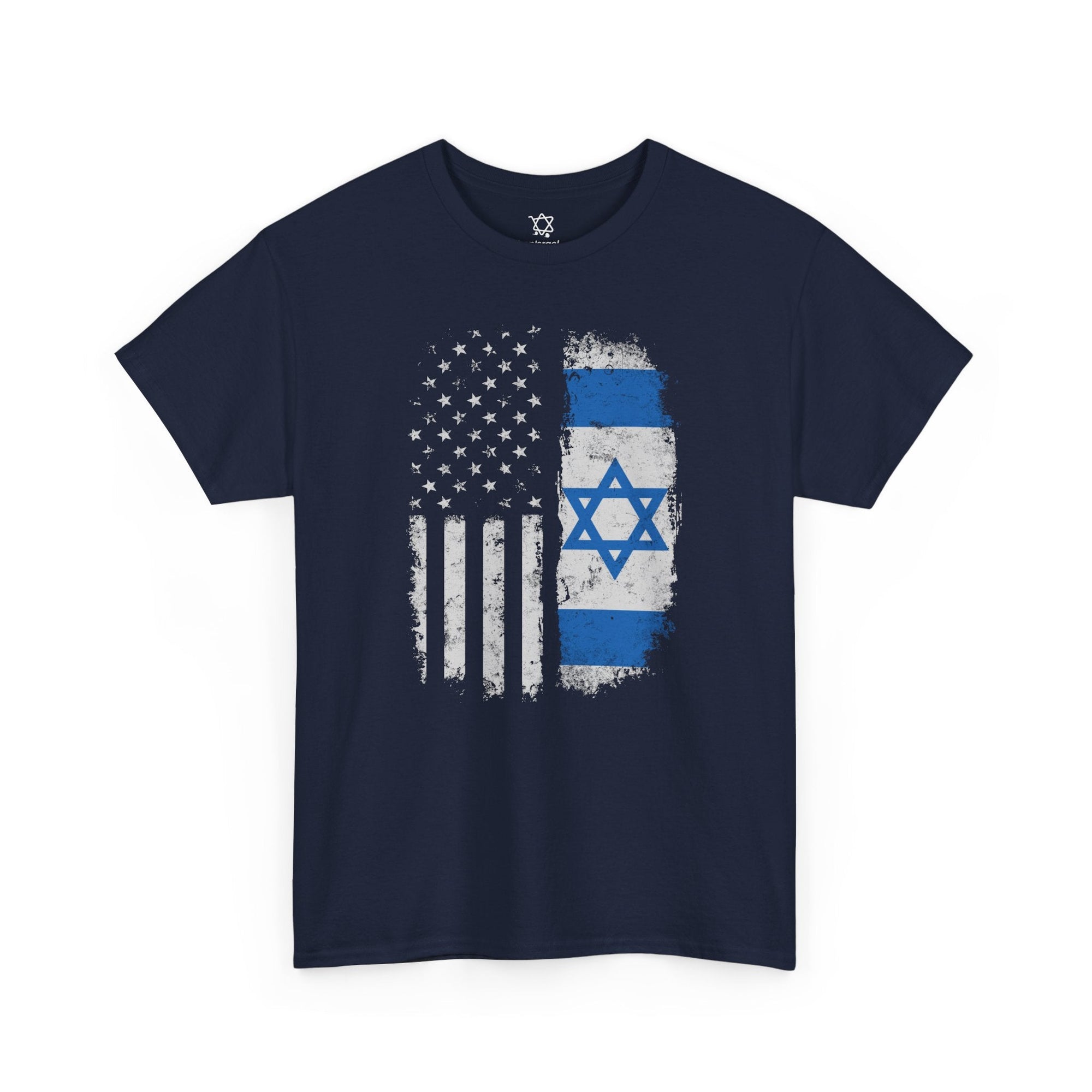
The Star of David, or Magen David in Hebrew, is a six-pointed star formed by two interlocking equilateral triangles. While its earliest appearances date back to ancient cultures beyond Judaism, it became distinctly recognized as a Jewish symbol from the Middle Ages onward. Jewish communities in 14th-century Prague adopted it for their flag, and its presence spread, symbolizing Jewish identity and faith. The star's prominence grew further when it was embraced by the Zionist movement in the late 19th century and became central to the flag of Israel in 1948.
Basic Symbolism and Design
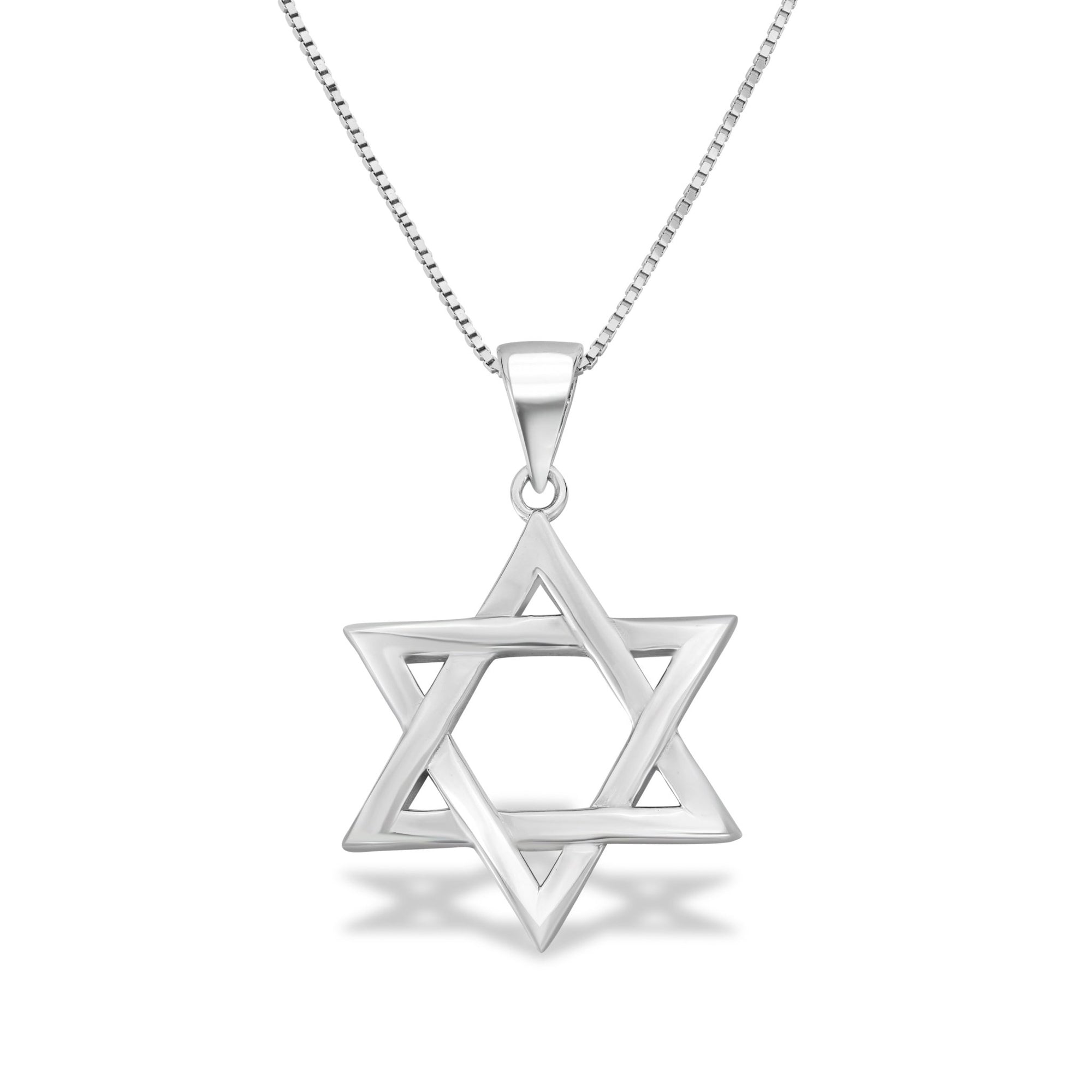
This emblem consists of two triangles intersecting to form a hexagram, each of its six points symbolizing God's dominion over all directions — north, south, east, west, up, and down. The interlocking triangles represent harmony between opposites such as heaven and earth, the spiritual and material realms, and God and man. In Jewish mysticism (Kabbalah), these shapes embody deeper theological meanings including protection, divine connection, and unity.
Cultural Significance in Jewish Heritage
Beyond its religious symbolism, the Star of David serves as a powerful emblem of Jewish heritage, pride, and resilience. It adorned synagogues, manuscripts, and ritual objects throughout history. The symbol also stood as a marker of identity during tragic times, such as the Holocaust, when it was used on badges to identify Jews. Today, the Star of David is a unifying icon featured on jewelry, flags, and cultural items, cherished both in Israel and the global Jewish diaspora as a sign of faith, community, and enduring spirit.
Meaning and Spiritual Significance of the Star of David
What is the meaning of the Star of David?
The Star of David, also called Magen David or Shield of David, is a six-pointed hexagram made by two interlocking triangles. This emblem is deeply woven into Jewish identity and heritage appearing on the flag of Israel and widely worn as jewelry by Jews around the world.
Its roots date back to ancient times, with use in Jewish communities documented from the Middle Ages onward. The star symbolizes divine protection and unity, representing God's presence ruling in all six directions: north, south, east, west, up, and down. This symbolism reflects the connection between God and the Jewish people, uniting spiritual with earthly realms.
Despite a tragic history—most notably its forced use as a yellow badge marking Jews during the Holocaust—the Star of David today stands as a resilient emblem of pride, survival, and heritage for Jewish communities worldwide.
What is the spiritual meaning of the Star of David?
Spiritually, the Star of David carries profound meaning in Judaism. Its six points embody divine sovereignty over the universe’s full expanse. Kabbalistic teachings interpret the two weaving triangles as a harmonious balance between opposites: heaven and earth, spiritual and physical, good and evil.
The star also represents the unity of the Jewish people with God, serving as an enduring symbol of divine protection. Through centuries of hardship and celebration, the symbol reflects faith, hope, and spiritual connection within Jewish tradition.
Its presence in synagogues, ritual objects, and personal jewelry strengthens cultural pride and the ongoing bond between generations and God’s covenant with Israel.
Historical Origins and Evolution of the Star of David Symbol
What is the origin of the Star of David and why is it called that?
The Star of David, or Magen David, is a six-pointed star formed by two overlapping equilateral triangles. Its earliest known roots appear as decorative motifs in Jewish synagogues, manuscripts, and artifacts dating back to the 3rd century CE. However, the symbol only became distinctly associated with Jewish identity in the 14th century when the Jewish community in Prague adopted it for their flag. This adoption marked a turning point, as the six-pointed hexagram began to symbolize Jewish heritage and protection.
The name "Star of David" translates from Hebrew as Magen David, meaning "Shield of David," referring to King David as a symbol of divine protection. The star's design symbolizes God's rule in all six directions—north, south, east, west, up, and down—and represents balance between heaven and earth, spiritual and material realms.
Interestingly, this hexagram shape predates its Jewish use and appears in other cultures and religions such as Hinduism, Buddhism, Islam, and various pagan traditions. For example, the symbol appears as the "Seal of Solomon" in Islamic art and was used in alchemy to represent the union of elements. Despite its broad cultural history, the Star of David evolved into a uniquely Jewish emblem over centuries, becoming prominent in Jewish ritual items, synagogue decorations, and later on the Zionist flag, as explained in the Star of David origins and History of the Star of David.
Who was David in relation to the Star of David?
David, the second king of Israel, is a central biblical figure celebrated for uniting the Israelites, leading them triumphantly, and authoring many Psalms. The Star of David is traditionally linked to him through the oral tradition that it was his shield’s emblem, representing God's divine protection over him and his people. This association gave the star its name, Magen David or "Shield of David," symbolizing strength and security.
Though the biblical texts do not explicitly mention this star as David's symbol, the legend and subsequent Jewish mysticism embraced this connection. In Jewish Kabbalistic teachings, the two intersecting triangles signify the dynamic relationship between God and humanity — an eternal bond reflected through divine protection and spiritual unity. This mystical significance is covered in sources on Jewish mysticism and Kabbalah symbolism.
Over time, the Star of David became a symbol not just of King David’s legacy but of Jewish identity and resilience. By the 17th century, it was widely accepted as a Jewish badge of pride, later cemented as the emblem of the Zionist movement in the late 19th century and ultimately appearing on the flag of the State of Israel, as detailed in Star of David in Jewish culture and Zionist movement symbol.
| Aspect | Details | Cultural Significance |
|---|---|---|
| Origin | First Jewish use in 14th-century Prague | Symbol of Jewish identity and community (History) |
| Shape | Two overlapping equilateral triangles | Represents divine rule in six directions, harmony |
| Biblical Connection | Named after King David, "Shield of David" | Symbolizes divine protection and Jewish resilience |
| Cross-Cultural Roots | Found in Hinduism, Buddhism, Islam | Symbol of spiritual unity, used in protective amulets |
| Modern Use | Emblem of Israel, Zionist movement | Sign of Jewish pride, heritage, and continuity |
Significance and Importance of the Star of David Today
Why is the Star of David important?
The Star of David, or Magen David, is a profound emblem of Jewish identity, faith, and heritage. Originating centuries ago, it became widely recognized as a Jewish symbol in the 14th century when the Jewish community in Prague adopted it for their flag. Since then, it has grown into a symbol of Jewish pride and unity, especially after the Zionist movement embraced it in the late 19th century and it was chosen for the flag of Israel.
Symbol of Jewish pride and resilience
The Star of David represents more than just heritage; it embodies resilience and strength. During the Holocaust, Nazis forced Jews to wear the yellow Star of David badge in Holocaust. Yet, this symbol was transformed by the Jewish people into one of courage and survival. Today, it celebrates the enduring spirit and solidarity of the Jewish community worldwide.
Role in modern culture and Jewish identity
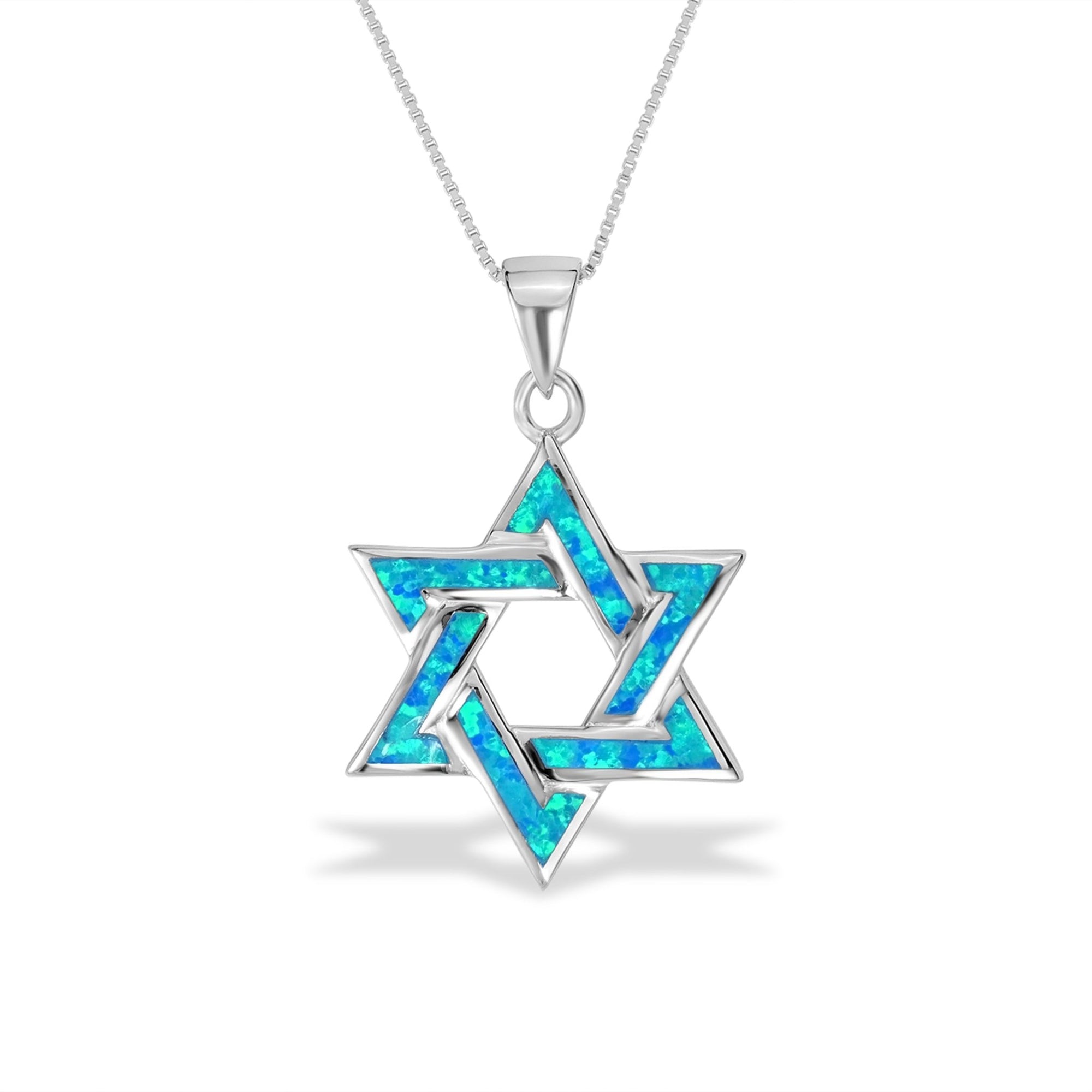
In contemporary times, the Star of David appears not only on Israel's flag but also in Jewish symbolism in jewelry and cultural expressions, signifying connection to faith and ancestry. Worn as pendants, rings, and other adornments, it affirms Jewish pride, heritage, and protection. Its six points symbolize six directions symbolism, representing God's rule in every direction and the harmony between spiritual and physical worlds, reinforcing a profound spiritual message.
The Star of David remains a unifying symbol, bridging tradition and modernity, cherished by Jewish people and diaspora communities who wear it proudly as an affirmation of identity and enduring hope.
The Star of David in Jewelry: Expression of Faith and Heritage
Evolution of Star of David Jewelry
The Star of David, or Magen David, has a rich history that extends well beyond its current role as a symbol of Jewish identity. Initially, the hexagram appeared in Jewish manuscripts, artwork, and synagogue decorations before evolving into personal jewelry. Over centuries, especially since the Middle Ages, the use of the star increased in jewelry as a symbol of protection, faith, and community. During the Holocaust, it served both as a forced marker and later emerged as a powerful emblem of resilience and survival. Today, Star of David jewelry is profoundly meaningful and widely worn by Jewish communities as a proud expression of heritage and faith.
Materials and Design Variations
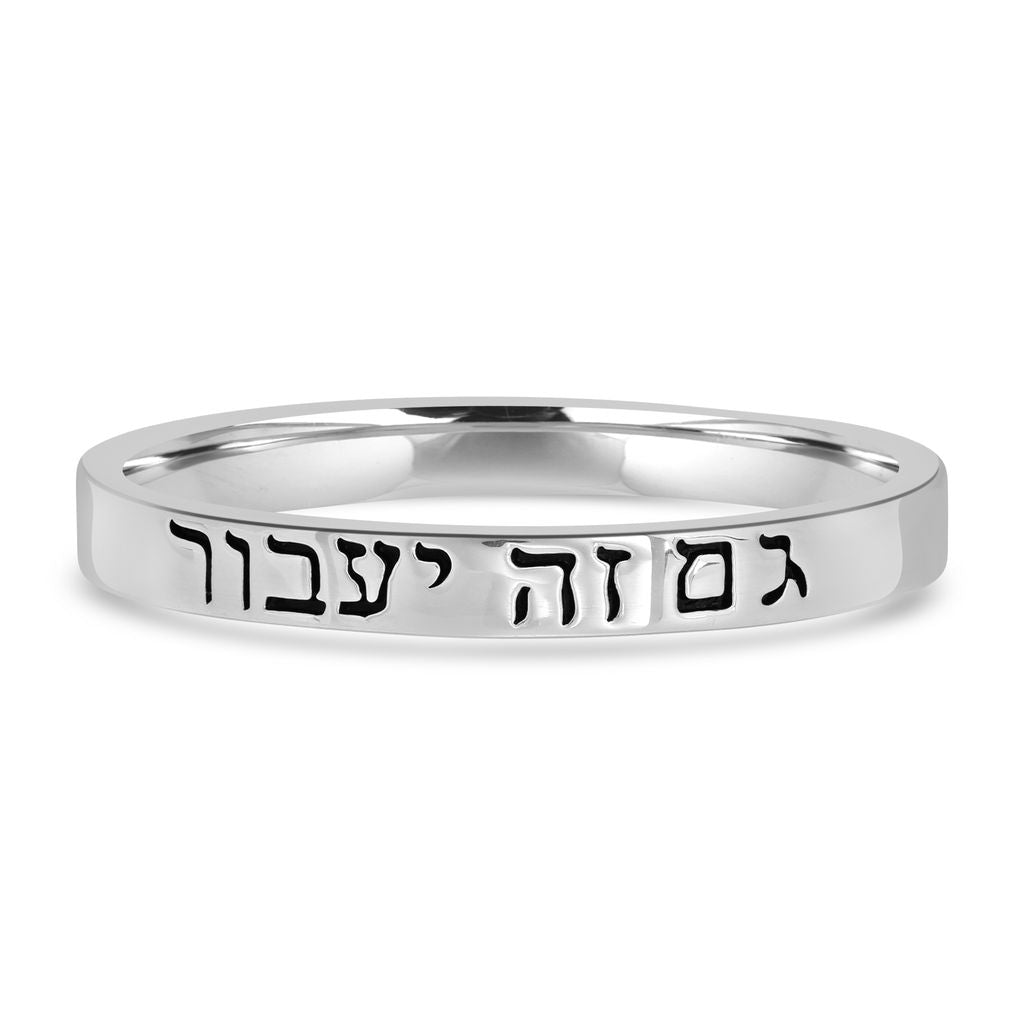
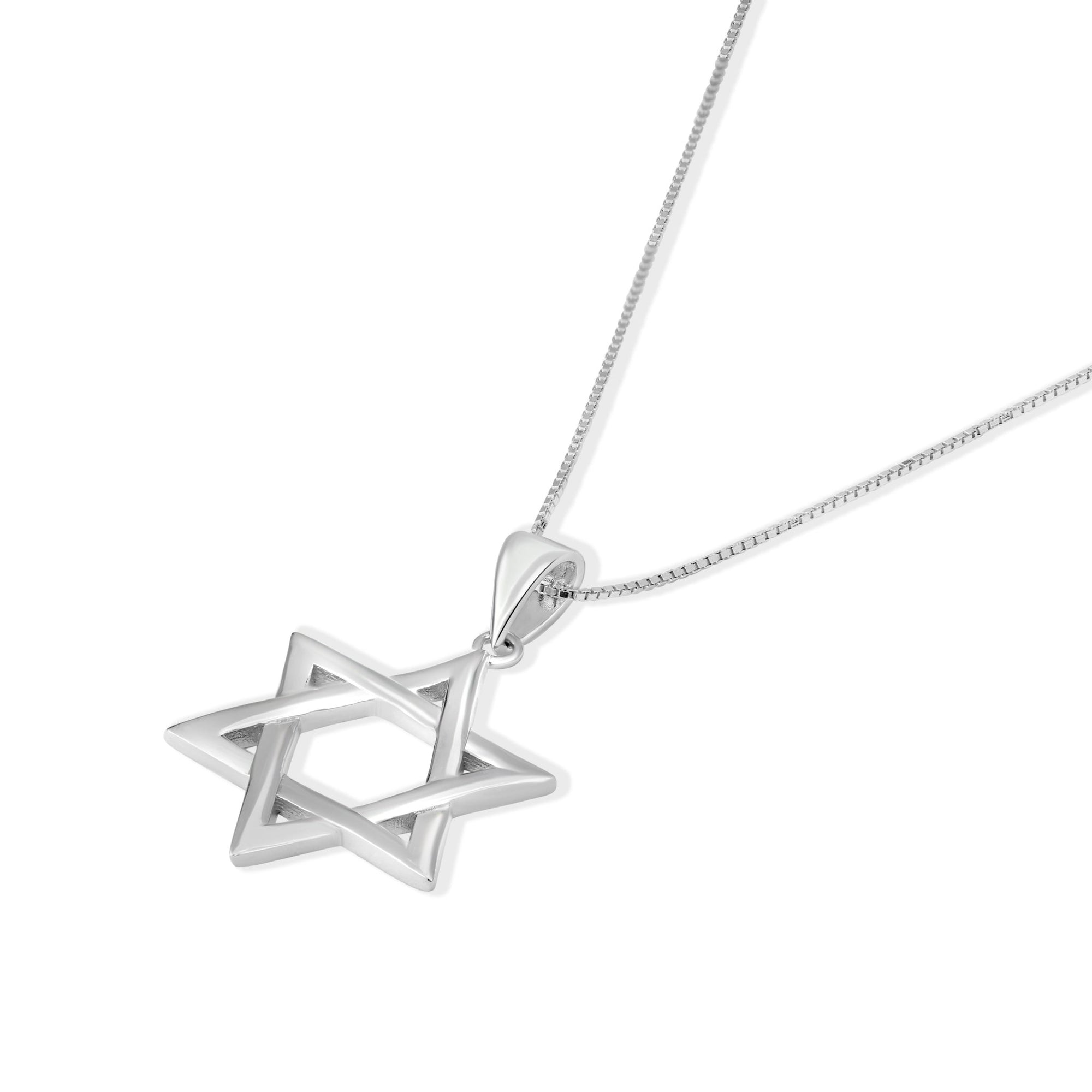
Star of David jewelry is crafted using a variety of materials that carry their own cultural and symbolic significance. Gold pieces often signify eternity and are traditionally used to commemorate major life events such as Bar and Bat Mitzvahs, weddings, and anniversaries. Silver is favored for everyday wear and is historically linked to Jewish ritual objects. Many contemporary designs incorporate gemstones or are artfully combined with other spiritual symbols like the Hamsa symbol or Hebrew inscriptions. These design variations merge tradition with modern aesthetics, catering to diverse tastes and occasions.
Gender-Specific Styles and Symbolism
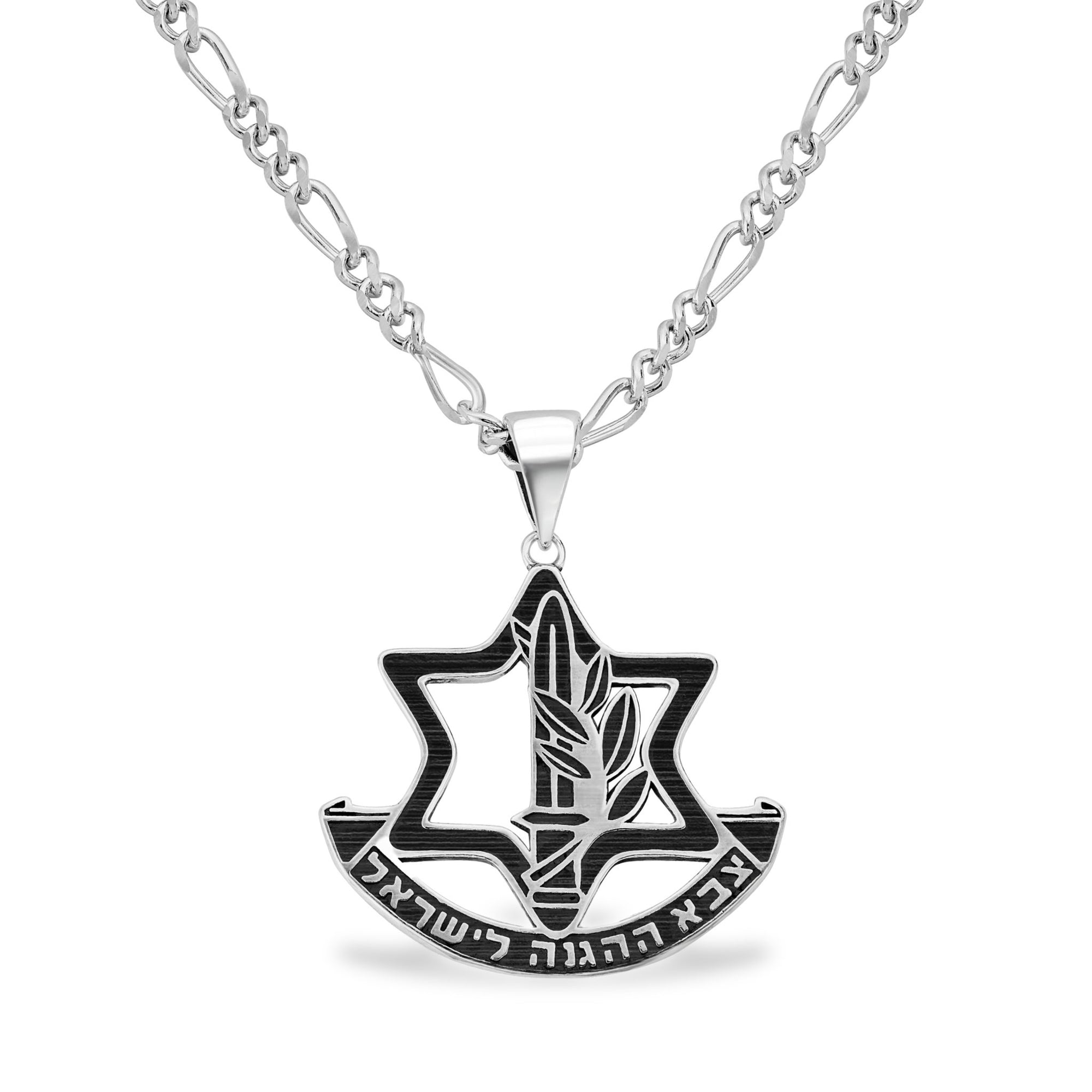
Design styles for Star of David jewelry differ between men and women. Men's pieces tend to be larger, bold, and dramatic, often integrating additional symbols such as the Lion of Judah or the Ten Commandments to heighten meaning and presence. Women's Star of David jewelry usually features more delicate and ornate designs, sometimes embellished with subtle gemstones that blend faith with elegance and fashion. Both serve as powerful affirmations of identity, protection, and pride within the Jewish community.
What are the benefits of wearing Star of David jewelry?
Wearing Star of David jewelry offers numerous benefits, serving as a meaningful expression of Jewish pride, faith, and cultural identity. The symbol, comprising two intersecting triangles, represents divine presence in all directions and the harmony between spiritual and material worlds, reinforcing one's spiritual connection. Historically associated with resilience, especially during challenging times like the Holocaust, it embodies strength, protection, and hope for many Jewish individuals. Different styles of jewelry, from simple to elaborate, allow wearers to choose pieces that reflect their personal aesthetics and significance. Ultimately, the Star of David jewelry acts as a personal reminder of heritage, acts as a symbol of protection, and sparks conversations about Jewish culture and history.
Jewish Symbols in Jewelry: Complementing the Star of David
What are common Jewish symbols used in jewelry and their meanings?
Jewish jewelry often features a variety of meaningful symbols alongside the beloved Star of David symbolism, enriching the expression of faith and cultural pride.
-
Hamsa Hand: Shaped like an open hand, the Hamsa symbol is believed to protect against the evil eye and bring good fortune. It holds significance in Middle Eastern Jewish culture and is often combined with other symbols such as the Star of David or an eye.
-
Chai Symbol: Comprising the Hebrew letters חַי, meaning "Chai symbol meaning" or "life," the Chai symbolizes vitality and good luck. Its gematria value, 18, is particularly auspicious in Jewish tradition, making Chai jewelry especially popular for celebrations like weddings and Bar Mitzvahs.
-
Menorah: The seven-branched candelabrum represents divine light, enlightenment, and Jewish history, notably during Hanukkah. Menorah symbolism and history in jewelry connect wearers with centuries of tradition.
-
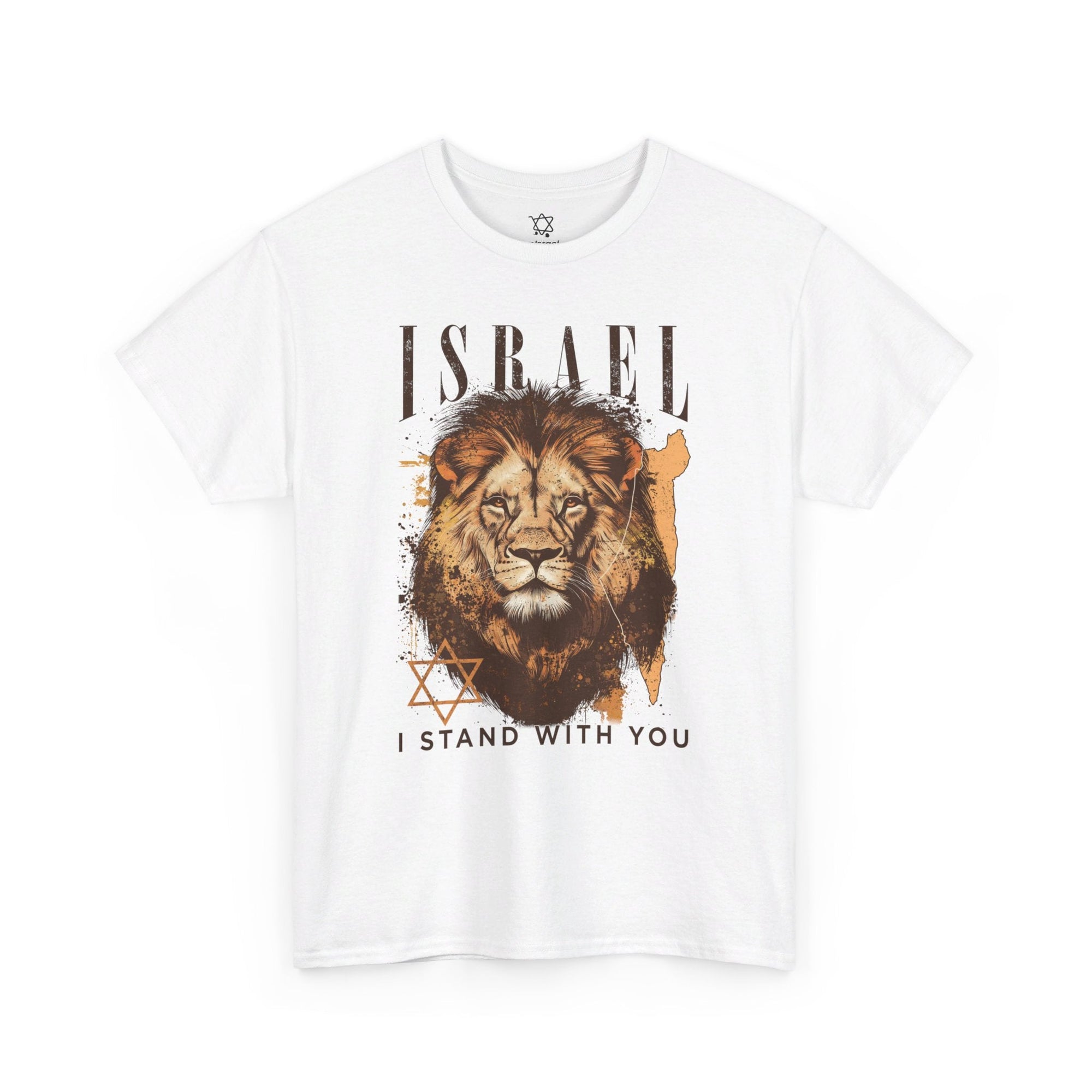
Lion of Judah: This symbol expresses strength, courage, and royal lineage, representing the Tribe of Judah and Jerusalem. It often appears as a bold design for those asserting Jewish identity and leadership.
-
Tree of Life: Emblematic of growth, interconnectedness, and spiritual vitality, the Tree of Life reflects wisdom and divine connection, frequently featured in pendants and bracelets.
What is the meaning of the Jewish Chai symbol and Chai necklace?
The Chai symbol holds profound spiritual meaning in Judaism, representing the blessing of life itself and the aspiration for a long, meaningful existence. Often worn as a necklace or pendant, it serves as a wearable affirmation of faith, resilience, and hope.
Because its numerical value, 18, is synonymous with good fortune and vitality, gifts featuring the Chai are carefully chosen for joyful occasions or acts of charity. A Chai necklace not only adorns but honors the essence of life beloved in Jewish tradition.
Jewelry styles featuring combined symbols
Jewelry designers frequently blend these symbols to create pieces that carry layered meanings. For example, a pendant might feature the Star of David necklace meaning intertwined with a delicate Hamsa or accented with a Chai charm. Gold and silver remain preferred materials, symbolizing tradition and endurance, while some designs incorporate gemstones or animate these motifs with modern artistic touches.
This blending of symbols allows wearers to celebrate diverse aspects of Jewish heritage, from protection and faith to life and spiritual growth, making such jewelry prized heirlooms and meaningful gifts.
| Symbol | Meaning | Typical Jewelry Forms |
|---|---|---|
| Star of David | Protection, unity, heritage | Necklaces, rings, earrings, bracelets |
| Hamsa | Protection, good fortune | Pendants, bracelets |
| Chai | Life, vitality, good luck | Necklaces, pendants |
| Menorah | Divine light, Hanukkah | Pendants, charms |
| Lion of Judah | Strength, courage | Bold pendants, rings |
| Tree of Life | Growth, connection, wisdom | Necklaces, bracelets |
Modern Interpretations and Cultural Context of Wearing the Star of David Jewelry
Fashion and Cultural Pride
The Star of David jewelry has evolved into a powerful emblem of Jewish pride and cultural identity. Often worn in the form of necklaces, rings, and pendants, it acts as a symbol of faith, unity, resilience, and connection to heritage. Across Israel and the diaspora, it is embraced not only as a religious symbol but also as a fashionable accessory representing solidarity with Jewish history and values. Both men and women choose designs that reflect their personal style, ranging from bold statement pieces to delicate ornaments adorned with gemstones.
Diversity in Materials Including Gold, Silver, and Titanium
Jewelry featuring the Star of David is crafted in various materials, each carrying its own significance and practicality. Gold is traditionally valued for its association with eternity and is often chosen for milestone events such as Bar or Bat Mitzvahs and weddings. Silver remains a popular choice for daily wear and has roots in Jewish ritual objects. Modern innovations include titanium, a metal prized for its durability and contemporary appeal, symbolizing strength and the enduring nature of faith. This variety allows wearers to find pieces that suit both tradition and modern aesthetics. For more on this, see Materials used in Star of David jewelry and Modern Titanium Jewelry.
Can Someone Who Is Not Jewish Wear a Star of David Necklace?
Yes, individuals who are not Jewish can wear a Star of David necklace, but it is essential to approach this with respect and understanding. The Star of David holds deep religious and cultural significance, representing Jewish identity, protection, and heritage. Wearing it purely as a fashion statement without appreciating its meaning may be seen as insensitive. Awareness of the symbol’s history—from its sacred roots to its role in Jewish resilience—helps foster respect and promotes cultural sensitivity. Non-Jewish wearers should honor its significance, making their choice a gesture of solidarity and appreciation rather than appropriation. For deeper insight, refer to Star of David necklace meaning and Star of David symbol and Jewish identity.
The Star of David: From Historical Symbolism to Contemporary Jewelry Artistry
Evolution from Religious to Personal Expression
The Star of David, known in Hebrew as Magen David, has long been a profound emblem of Jewish identity and faith. Originally bearing religious and protective significance, it adorned synagogues, manuscripts, and ritual objects. Over time, especially following its adoption by Jewish communities in Eastern Europe during the 14th century and its symbolic use in the Zionist movement, the Star transitioned into a deeply personal symbol when embraced in jewelry. Today, Star of David pieces serve not just as public tokens of pride but intimate affirmations of heritage, faith, and resilience worn daily by Jews worldwide.
Symbolism in Design Elements and Combinations with Other Jewish Motifs
The six points of the Star symbolize God's dominion over six directions—north, south, east, west, up, and down—reflecting divine omnipresence and balance between heaven and earth. Contemporary jewelry designs often incorporate these timeless meanings, blending the Star with other culturally rich symbols such as the Hamsa symbol, which offers protection against the evil eye, or Hebrew inscriptions expressing faith and love. Materials vary from gold, valued for its eternal qualities used in milestone celebrations, to silver suited for everyday wear. Enhanced by delicate or bold gemstone accents, Star of David jewelry artistically merges tradition with modern fashion, appealing to diverse tastes.
Jewelry as Heirlooms and Meaningful Gifts
More than mere accessories, Star of David jewelry pieces often become cherished family heirlooms, passed down through generations as tangible links to Jewish heritage and collective memory. They are thoughtfully presented during significant life events such as Bar and Bat Mitzvahs, weddings, anniversaries, and other celebrations, symbolizing unity, protection, and enduring pride. Gifted with care, these pieces honor personal faith journeys and communal solidarity, making every necklace, ring, or bracelet a powerful statement of identity and love within the Jewish diaspora.
Embracing Heritage and Identity Through the Star of David in Jewelry
Spiritual, Cultural, and Personal Significance of the Star of David
The Star of David, or Magen David, is a profound symbol in Jewish heritage, representing God's omnipresence and the harmonious balance between the spiritual and material worlds. Its six-pointed shape, formed by two interlocking triangles, reflects divine protection, unity, and the connection between heaven and earth. Historically rooted in Jewish mysticism and culture, the symbol also embodies the resilience and strength of the Jewish people, especially highlighted by its use during the Holocaust.
The Role of Star of David Jewelry in Expressing Identity and Resilience
Worn as necklaces, rings, or bracelets, Star of David jewelry serves as a powerful personal statement of faith, cultural pride, and solidarity with Jewish heritage. These pieces often become cherished heirlooms or meaningful gifts, symbolizing protection and communal belonging. Whether crafted in gold for milestone celebrations or in silver for everyday wear, the jewelry reflects a timeless connection to tradition, identity, and enduring resilience against adversity.