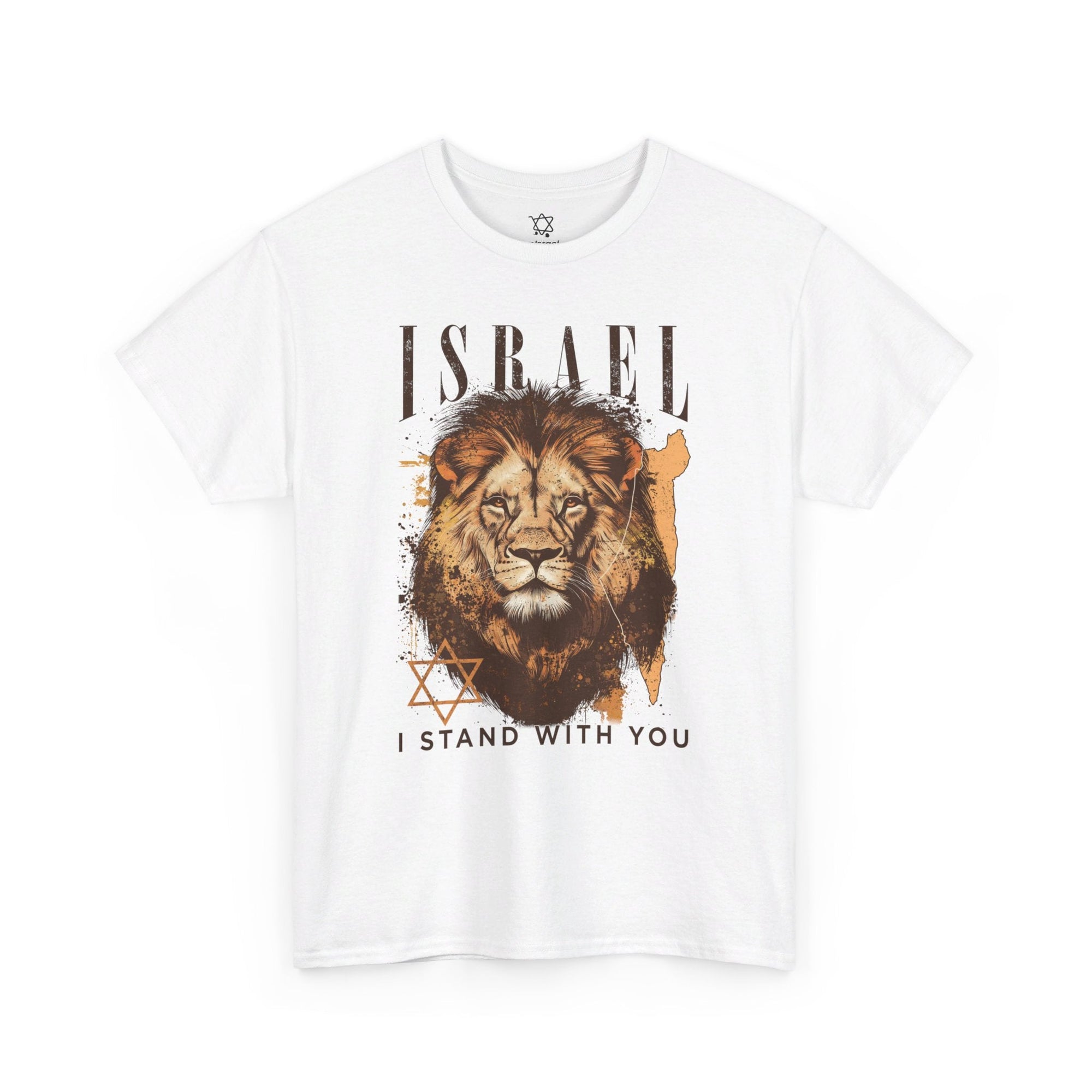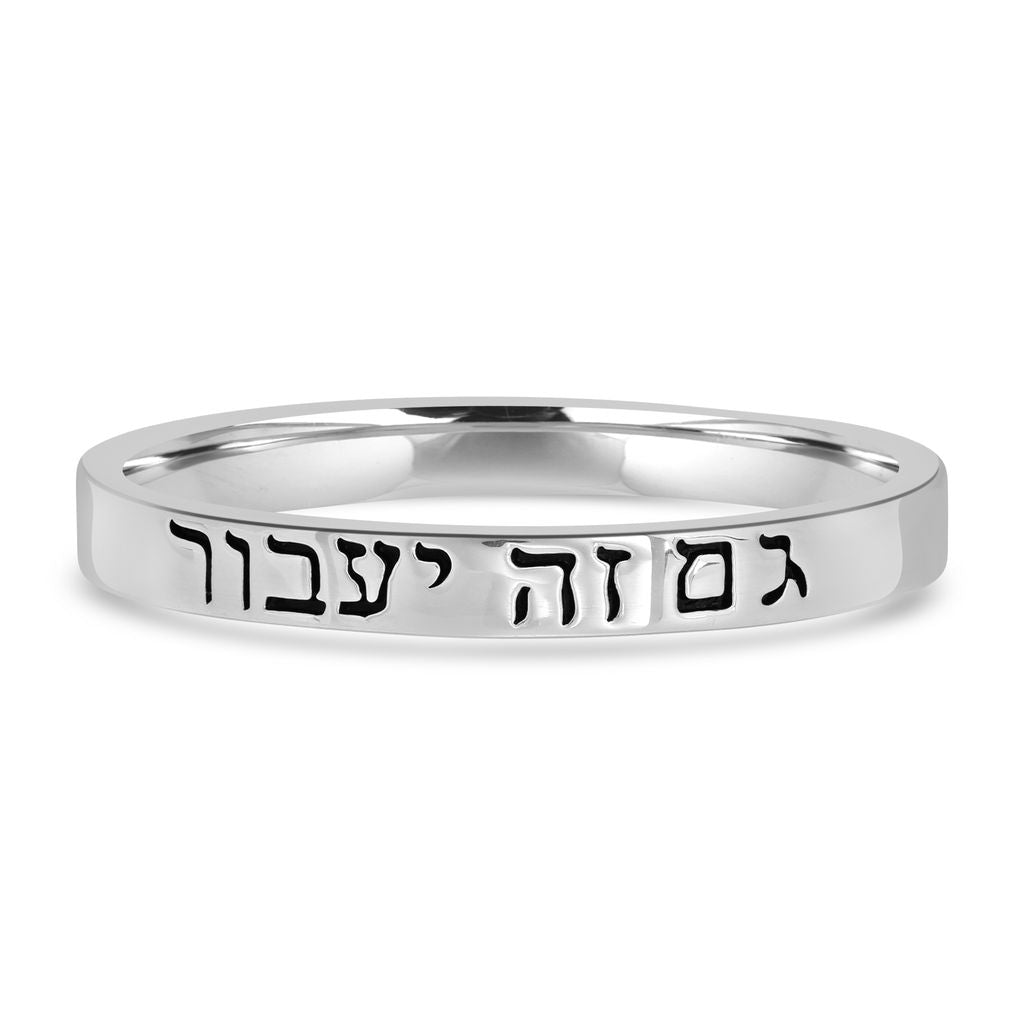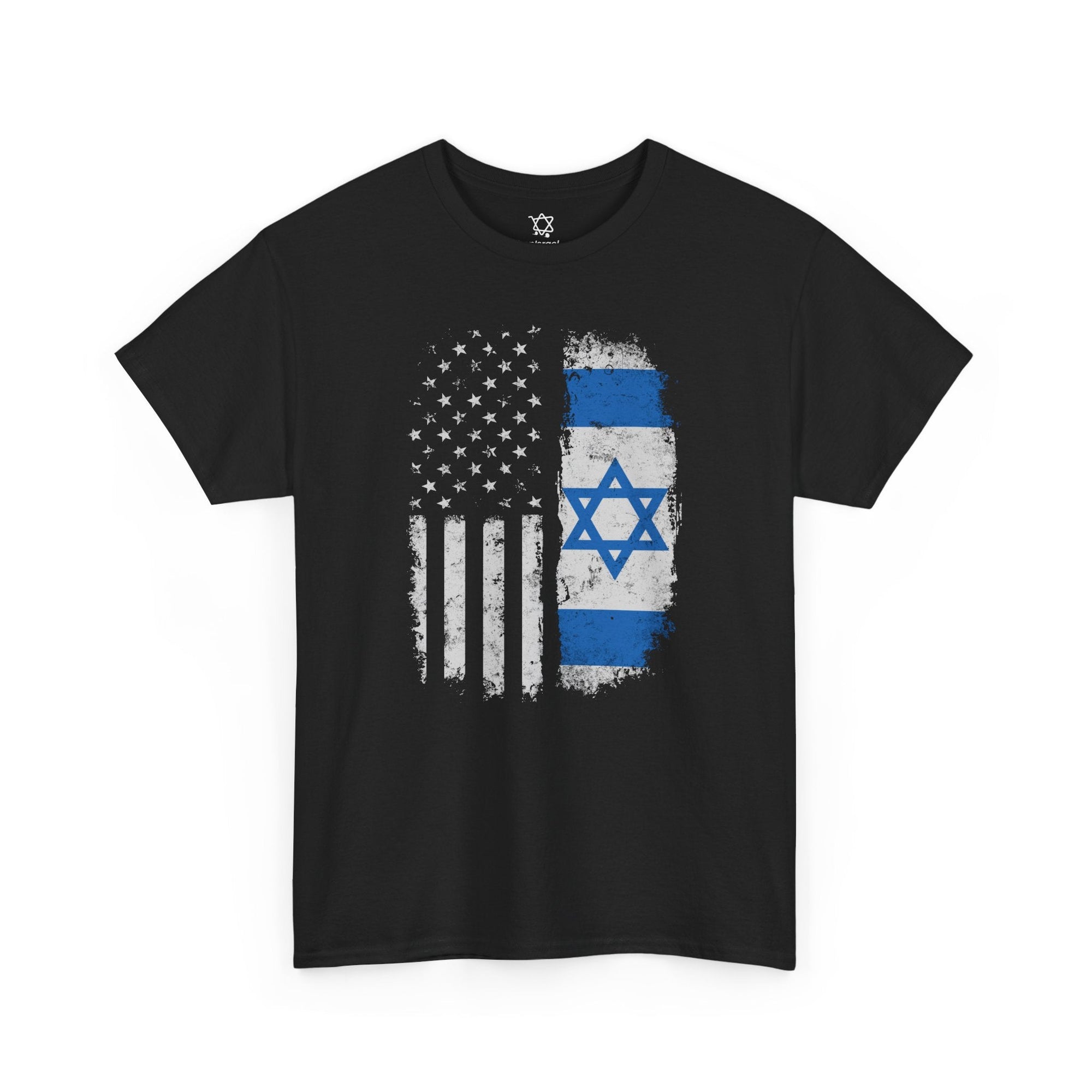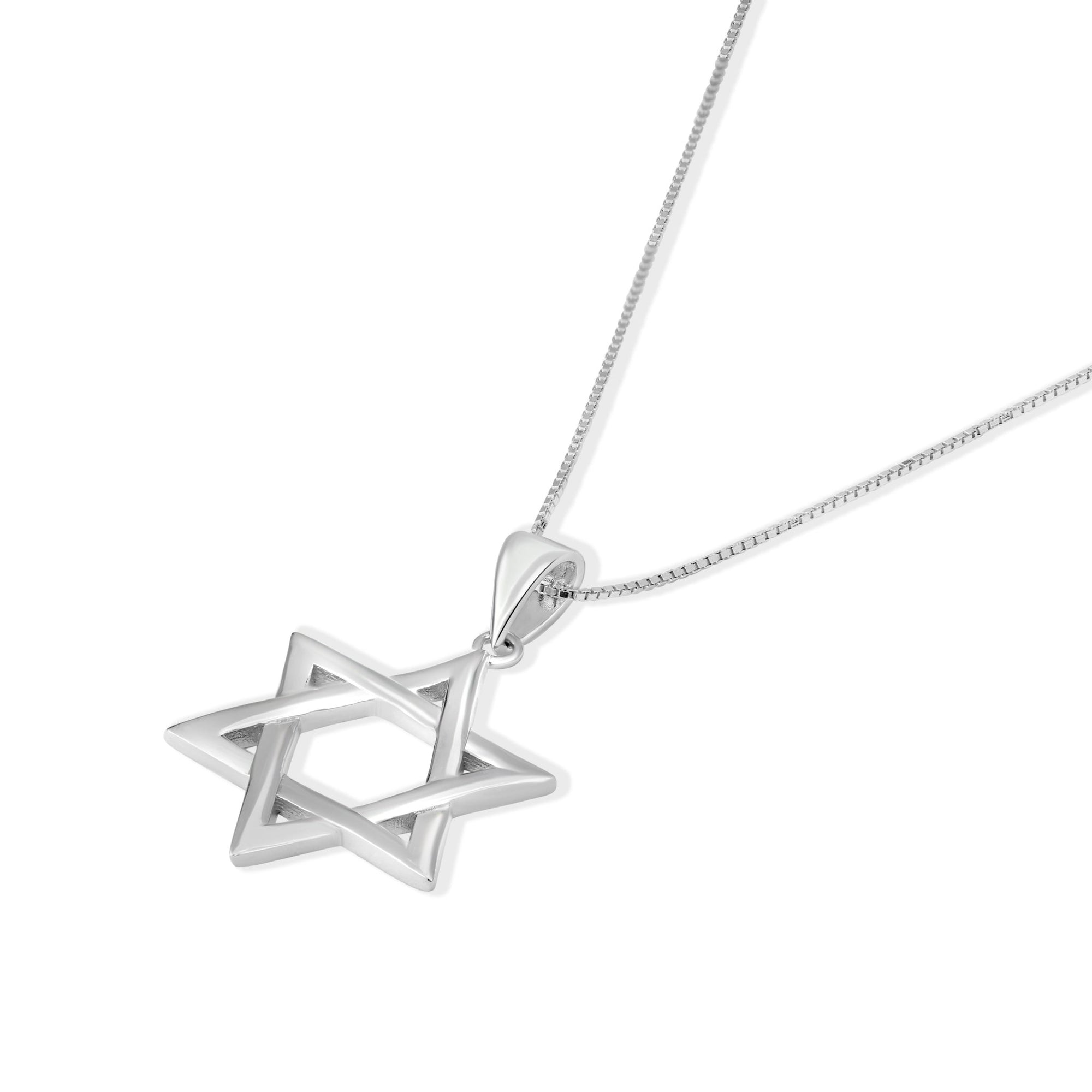


Introduction: The Fusion of Fashion and Zionist Identity
Jewish Symbolism in Fashion as a Cultural and Political Statement
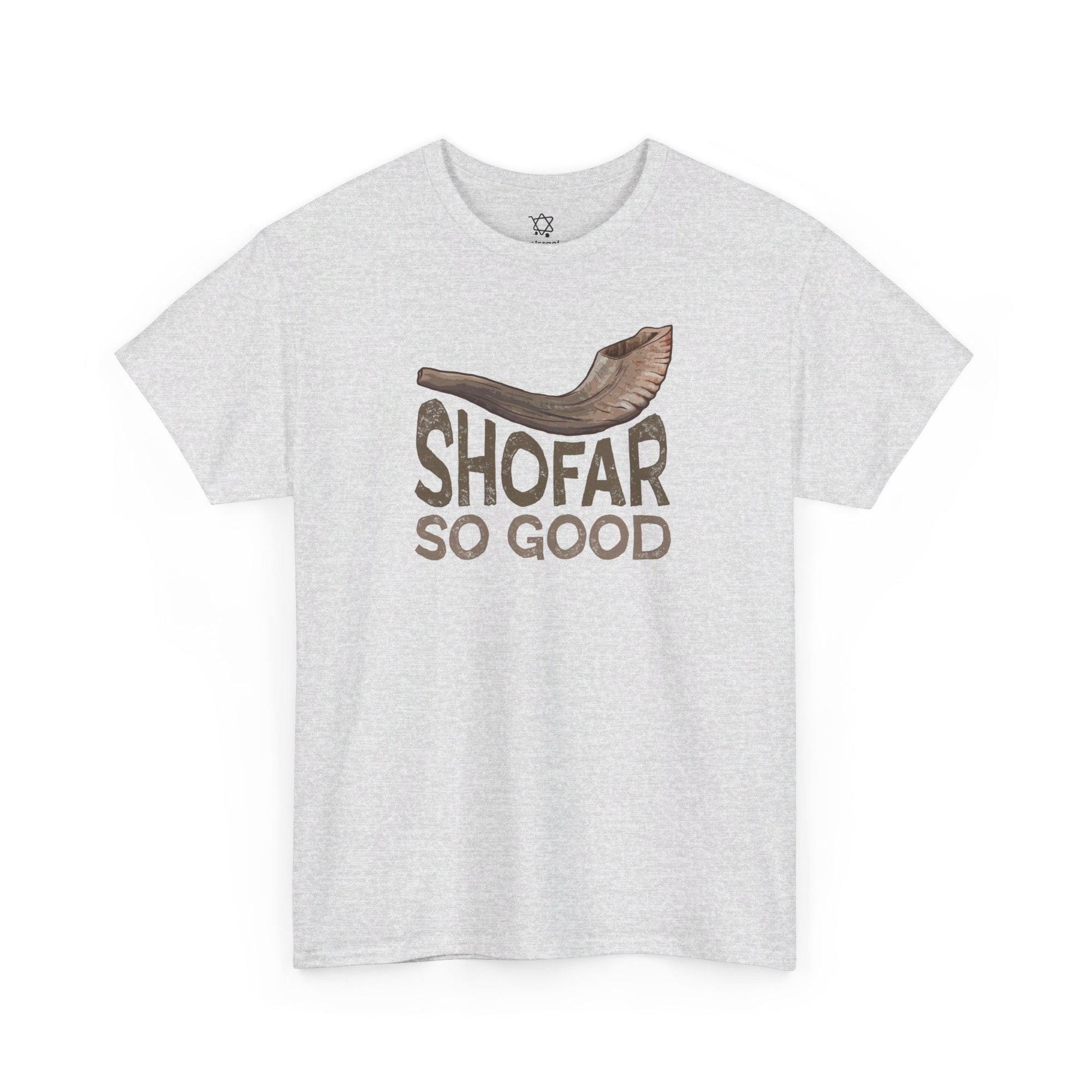
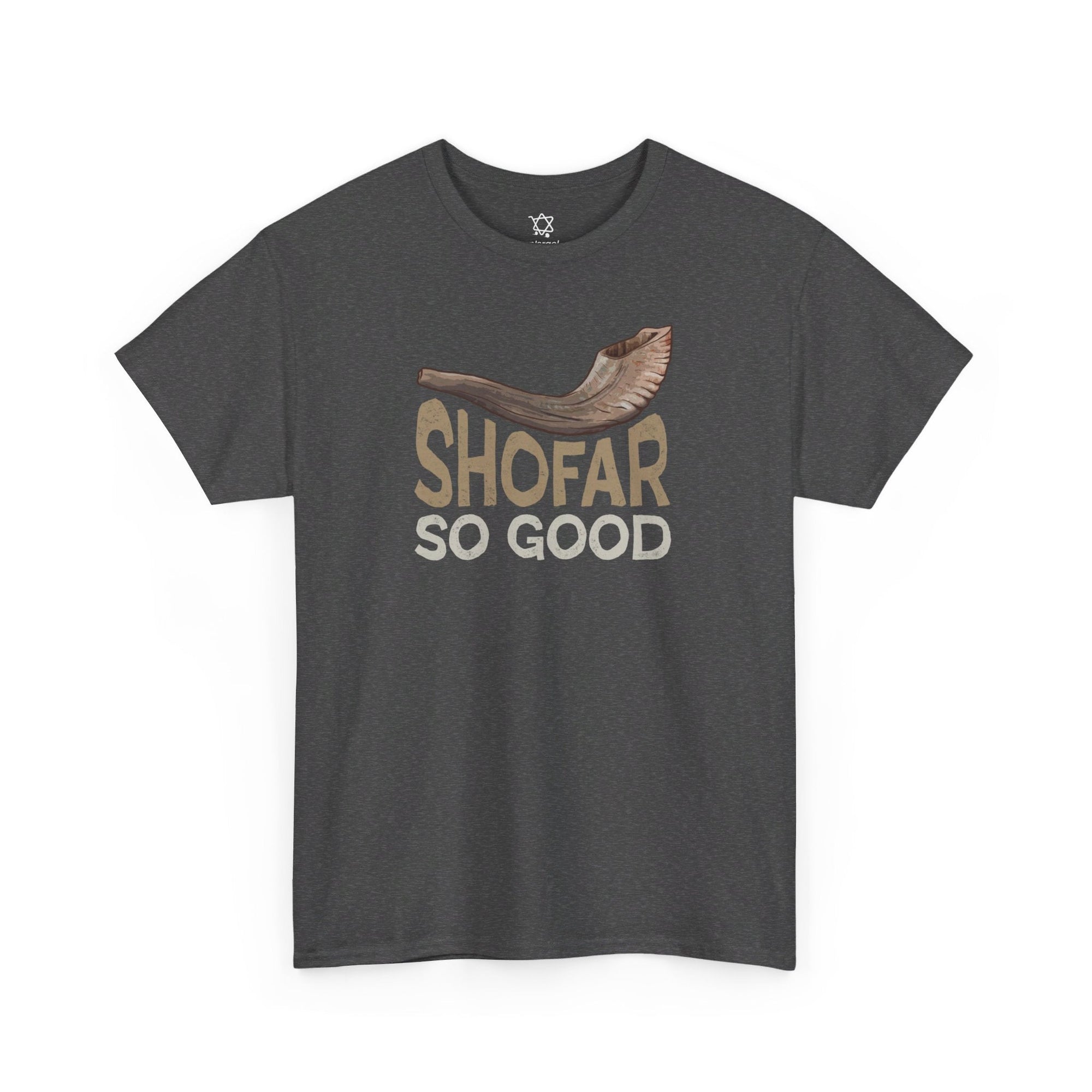
Jewish symbolism in fashion has emerged as a powerful expression of identity and solidarity. From sweatshirts bearing the Hebrew word "heshbon" worn by European soccer stars to accessories featuring pomegranates or the Star of David, these elements serve as bold declarations of heritage and faith. This trend intertwines tradition with modern style, making a statement that transcends mere aesthetics.
Connection Between Israeli Pride and Clothing Trends
Israeli designers infuse national symbols like the Star of David and yellow ribbons into contemporary garments, emphasizing pride and resilience, especially following recent conflicts. The embrace of military-inspired fabrics and the use of colors such as olive green alongside optimistic powder pink highlight a fashion movement that reflects both strength and hope. These clothes are not simply fashion; they are embodiments of Israeli perseverance and cultural unity.
The Global Resonance of These Trends, Especially in US Jewish Communities
This cultural wave extends well beyond Israel’s borders. Jewish and Israeli symbolism in fashion has found a global audience, particularly within Jewish communities in the United States. Wearing these symbols connects diaspora members to their roots and expresses a shared identity and support for Israel on the world stage. Fashion here becomes a bridge—uniting heritage, pride, and peace across continents.
Jewish Symbolism in Global Fashion: From Soccer Fields to Streetwear
How have Jewish symbols appeared in global fashion contexts?
During the 2014 Soccer World Cup in Brazil, a notable cultural trend emerged where prominent European soccer players like Mario Balotelli, Didier Drogba, Eden Hazard, and Marco Verratti sported sweatshirts emblazoned with the Hebrew word 'heshbon.' This act was more than a fashion statement; it introduced Jewish Symbolism in Fashion into an international sportswear platform. Such high-visibility moments illustrated how Hebrew language and Jewish Iconography in Sportswear have made inroads into global fashion scenes, often worn to convey deeper cultural messages.
What is the significance of these symbols in broader cultural fashion?
Jewish symbols in global fashion extend beyond mere decoration. They serve as powerful expressions of Jewish Identity in Fashion and pride, resonating strongly within Jewish communities and supporters of Israel worldwide. This form of Cultural Expression through Jewish Symbols strengthens bonds among the diaspora and illustrates solidarity with Israeli heritage. The use of Hebrew words and motifs on apparel offers a visible, wearable statement of heritage, unity, and peace, connecting personal style with collective identity.
How do sporting events catalyze broader cultural and fashion statements of identity?
Sporting events like the World Cup provide a global stage where fashion becomes a conduit for cultural dialogue. The presence of Jewish Symbolism and the 2014 Soccer World Cup in sportswear at such events helps spotlight Jewish heritage and Israeli Pride in Apparel on an international scale. This catalyzes a broader fashion trend where cultural symbols are incorporated into everyday apparel, making statements of identity accessible and widespread. Such phenomena underscore the intersection between popular culture, national pride, and global fashion movements linked to Jewish heritage.
Israeli Fashion 2025: A New Wave of Cultural Identity and Innovation
What symbols and motifs are prevalent in Israeli fashion for 2025?
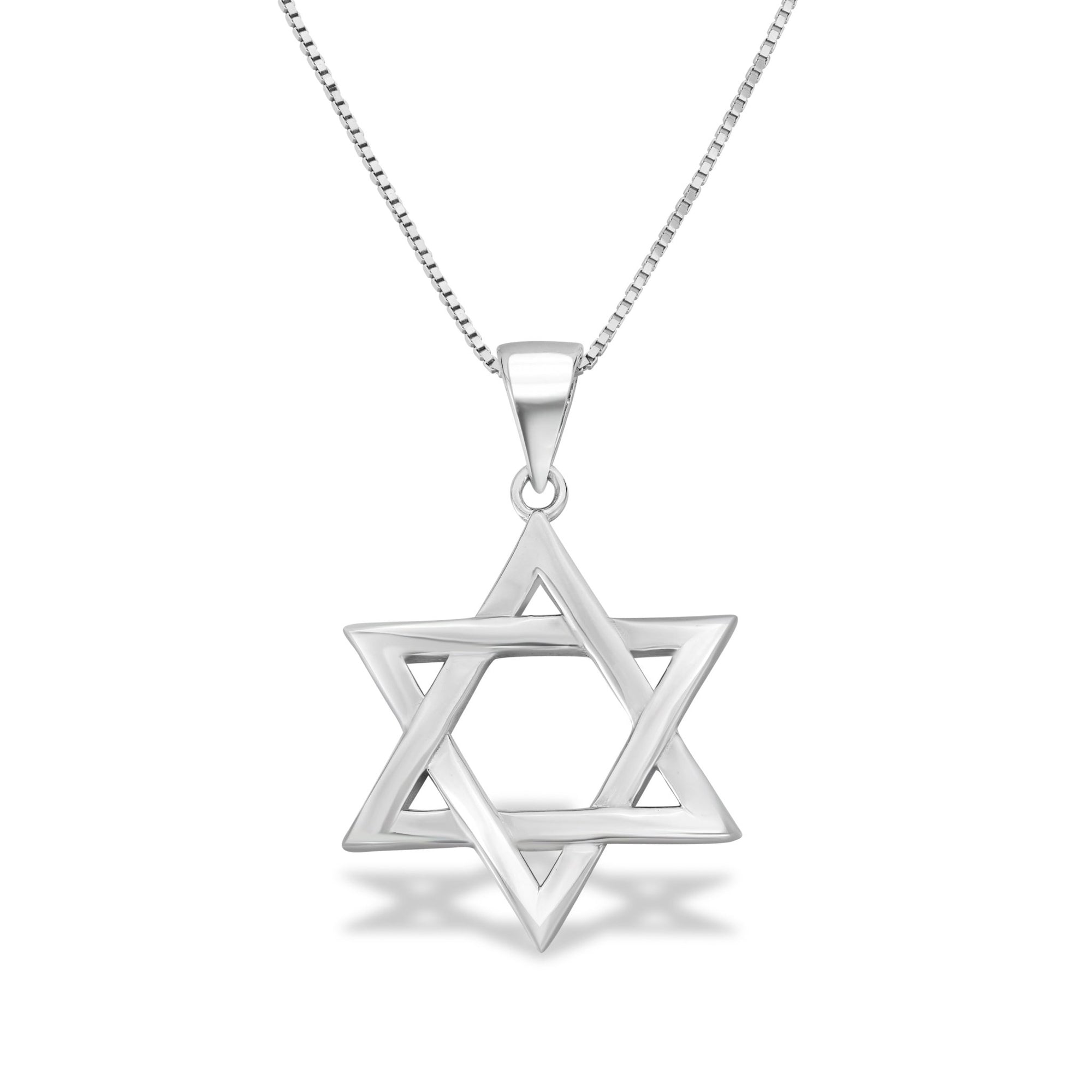
Israeli fashion in 2025 prominently features the Star of David symbolism in fashion and yellow ribbons in Israeli fashion. These symbols carry deep meaning, especially following the October 2023 conflicts. The yellow ribbon serves as a sign of hope and remembrance, while the Star of David continues to represent national pride and Jewish heritage. These motifs appear on diverse apparel, reinforcing solidarity and cultural identity across Israel and among the diaspora.
How are Israeli designers innovating fashion to reflect cultural identity?
Israeli designers are blending cultural symbolism with modern innovation. Kobi Halperin social cause designs, for example, has introduced yellow sequined flowers of hope symbolizing hope, merging artistry with social messaging. Meanwhile, Adi Karni sustainable fashion is pioneering the use of 3D printing in Israeli fashion technology to create sustainable, eco-friendly garments. This commitment extends to mindful material choices and production processes that reflect respect for the environment.
What color and fabric trends reflect resilience and optimism?
The color palette for 2025 incorporates 2025 color trends powder pink, symbolizing optimism and renewal, alongside traditional military-inspired colors like military-inspired olive green fashion. This combination represents resilience rooted in Israel's history and the ongoing strength of its people. Fabric choices emphasize functionality and comfort, with tactical fabrics in Israeli designs in military styles being popular, reflecting empowerment and practicality without sacrificing inclusivity and wearability.
Israeli fashion today is a vibrant blend of cultural pride and forward-thinking design.
| Aspect | Examples | Significance |
|---|---|---|
| Symbols | Star of David, Yellow Ribbon | National pride, Hope, and remembrance |
| Innovative Designers | Kobi Halperin, Adi Karni | Social causes, Sustainability, Technology |
| Color Trends | Powder pink, Olive green | Optimism, Resilience |
| Fabrics & Style | Tactical fabrics, Comfortable cuts | Practicality, Empowerment, Inclusivity |
Jewish Fashion's Enduring Legacy: Tradition and Modernity Blended
How does traditional Jewish clothing influence modern fashion?
Traditional Jewish clothing profoundly shapes modern fashion through its embodiment of biblical symbolism and religious commandments. For centuries, garments like cloaks, tunics, and especially those adorned with fringes known as tzitzit, have carried spiritual significance as reminders of divine laws. Contemporary designers draw upon these elements, subtly weaving tzitzit-inspired fringes and modest silhouettes into their collections. Brands such as Batsheva and modest fashion have popularized modest yet high-fashion attire that respects Jewish standards of tzniut (modesty), merging heritage with contemporary style.
What role has diaspora played in shaping Jewish fashion?
The Jewish diaspora has been instrumental in broadening and enriching Jewish fashion by integrating local cultural influences while preserving distinct religious and ethnic symbols. Throughout history, communities in Eastern Europe adapted practical and utilitarian styles using materials like fur, silk, and satin, blending biblical traditions with their immediate environment. This blend gave rise to a unique fashion vocabulary that values both modesty and resilience. Migration, particularly to cities like New York, further evolved this expression, with Jewish aesthetics in fashion now influencing mainstream fashion through motifs like pomegranates, floral patterns, and high-low cultural juxtapositions.
Biblical symbolism and enduring cultural motifs
Jewish fashion is steeped in symbolism drawn from scripture. The pomegranate, frequently featured in priestly robes as mentioned in the Bible, appears in fashion items as an emblem of fertility and beauty. The avoidance of divine images led to the embrace of nature-inspired symbols, such as floral and fruit motifs, making these patterns distinct markers of Jewish style. This historical restraint fostered creativity that endures in modern designs that celebrate Jewish heritage through subtle yet meaningful iconography. For more insight into these symbolic expressions, see Jewish Symbolism in Fashion and Jewish aesthetics in fashion.
Contemporary adaptations and fashion innovation
Modern Jewish designers continue to honor tradition while innovating with technology and new materials. From 3D printing in Israeli fashion to introducing comfort and inclusivity in sizing, Israeli fashion reflects a dynamic cultural pride. Designers like Kobi Halperin social cause designs and Adi Karni sustainable fashion exemplify how traditional motifs and cultural symbols — including the Star of David symbolism in fashion and the yellow ribbons in Israeli fashion — are reimagined in fresh, empowering ways. These efforts not only affirm Jewish Identity in Fashion but also project a message of resilience and optimism for communities worldwide.
Modesty and Meaning: The Rise of Jewish-Inspired Fashion Aesthetics
What characterizes Jewish-inspired fashion in the contemporary scene?
Jewish aesthetics in fashion is distinguished by its commitment to modesty according to the laws of tzniut. Brands like Batsheva and modest fashion have been pioneers in popularizing high-fashion yet modest silhouettes that respect these religious guidelines. The use of traditional materials such as silk, linen, leather, and fur enriches this style, connecting modern garments to their historical and religious roots.
High-low cultural duality and materials in Jewish fashion
Jewish fashion carries a unique duality, blending elements of high and low culture. This contrast is a reflection of historical socioeconomic shifts within Jewish communities. The careful selection of materials in Jewish fashion—from luxurious fabrics to practical textiles—creates a diverse palette that balances tradition with contemporary fashion trends.
Motifs such as pomegranates and their biblical significance
Motifs like Jewish motifs like pomegranates play a prominent role in Jewish-inspired designs. Biblically, pomegranates adorned the robes of priests, symbolizing fruitfulness and righteousness. Today, this motif appears in various fashion items, from embroidered details to patterned fabrics, highlighting a deep cultural heritage embedded in modern attire.
How are sacred Jewish symbols incorporated into mainstream fashion?
Sacred symbols such as Jewish fringes tzitzit in style and modest design principles are seamlessly woven into both religious and secular fashion lines. This integration not only respects Torah's instruction on tzitzit but also bridges ancient heritage with modern style, enabling wearers to express identity and faith through contemporary clothing.
Jewish-inspired fashion stands as a powerful fusion of modesty, symbolism, and Cultural Expression through Jewish Symbols, resonating deeply with supporters of Jewish Identity in Fashion and Israeli Pride in Apparel worldwide.
Israeli Fashion's Global Influence and Commitment to Inclusivity
How are Israeli designers impacting global fashion?
Israeli fashion designers like Alber Elbaz international influence and Shahar Avnet innovative designs have risen to international prominence by combining innovative style with cultural identity. Their designs fuse modern trends with symbols of Israeli heritage, resonating widely and influencing global fashion scenes. This blend showcases an evolving Israeli fashion national identity that honors tradition while pushing creative boundaries.
What social and cultural movements influence current Israeli fashion?
Israeli fashion increasingly embraces comfort and inclusivity, responding to social movements advocating for diversity. Brands now offer plus-size adaptive clothing Israel lines, making fashion accessible to all body types and abilities. Alongside this, military-inspired design remains strong, incorporating tactical fabrics in Israeli designs and practical functionality that symbolize resilience and empowerment, especially relevant post-October 2023.
Military-inspired fashion reflecting resilience and empowerment
Military motifs in Israeli apparel use military-inspired olive green fashion and durable materials, reflecting the strength and endurance of the nation. Practicality meets style in this trend, combining comfort with a subtle patriotic message.
The role of fashion in promoting Israeli pride and peace messages
Fashion serves as a vibrant medium to express Israeli Pride in Apparel and Jewish Symbolism in Fashion globally. Through meaningful symbols like the Star of David symbolism in fashion and peace motifs, Israeli designers communicate messages of hope and unity. This cultural dialogue extends beyond borders, celebrating identity while fostering solidarity among diaspora communities and supporters worldwide.
Fashion as a Bold Platform for Zionist Peace Statements
In what ways does fashion function as a platform for Zionist peace statements?
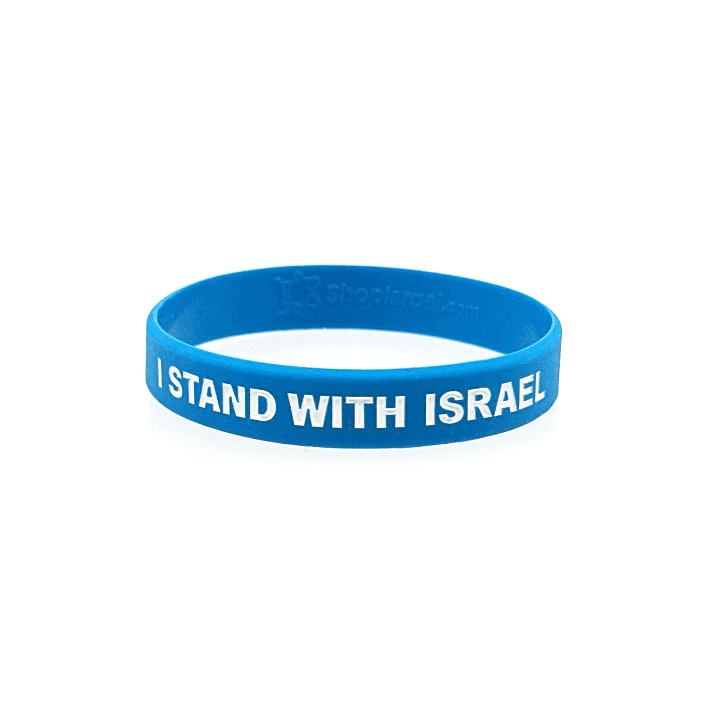
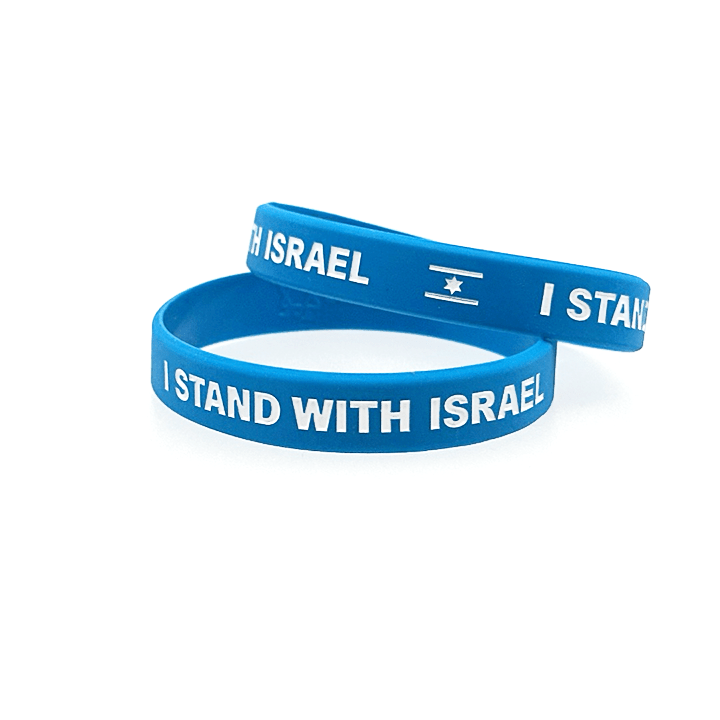
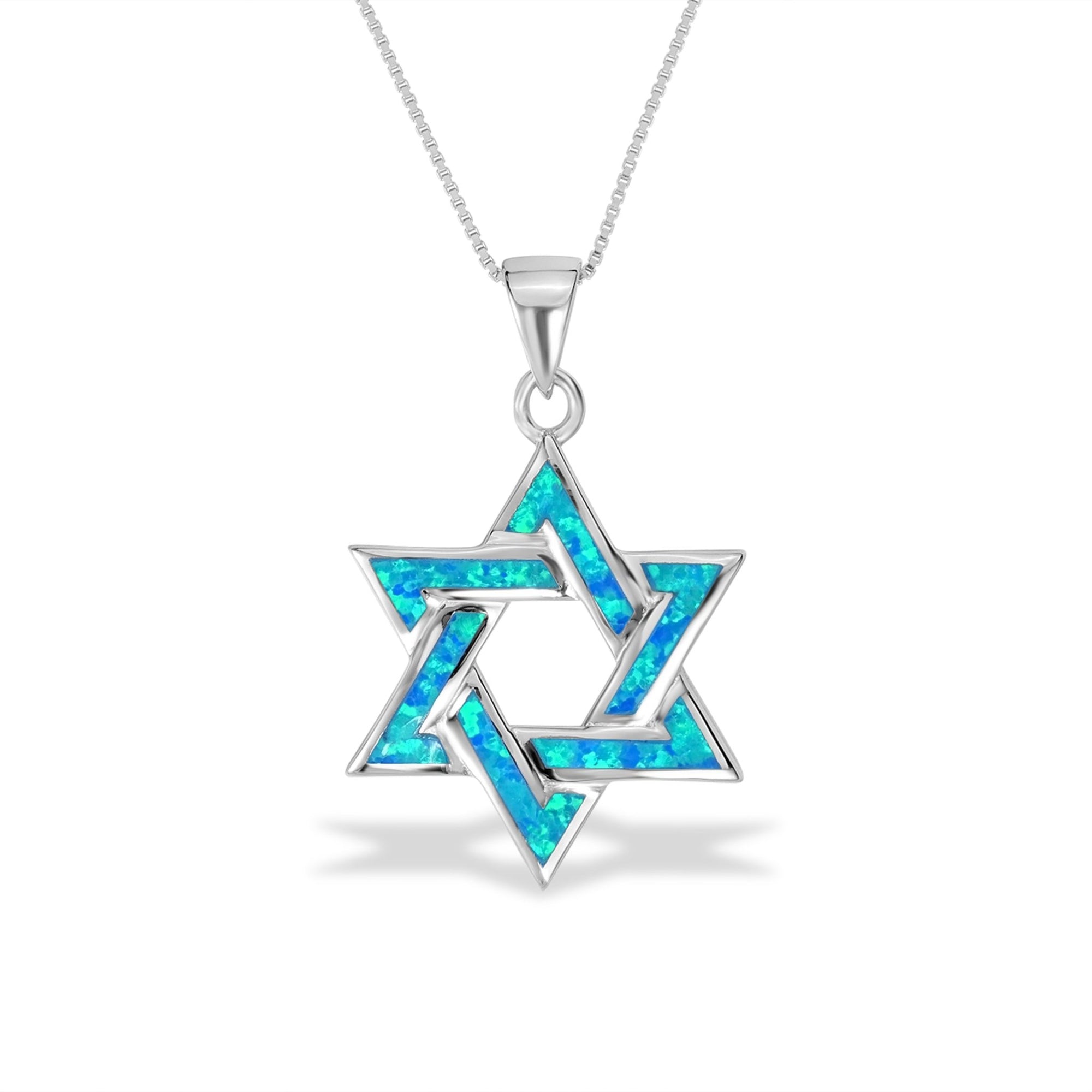
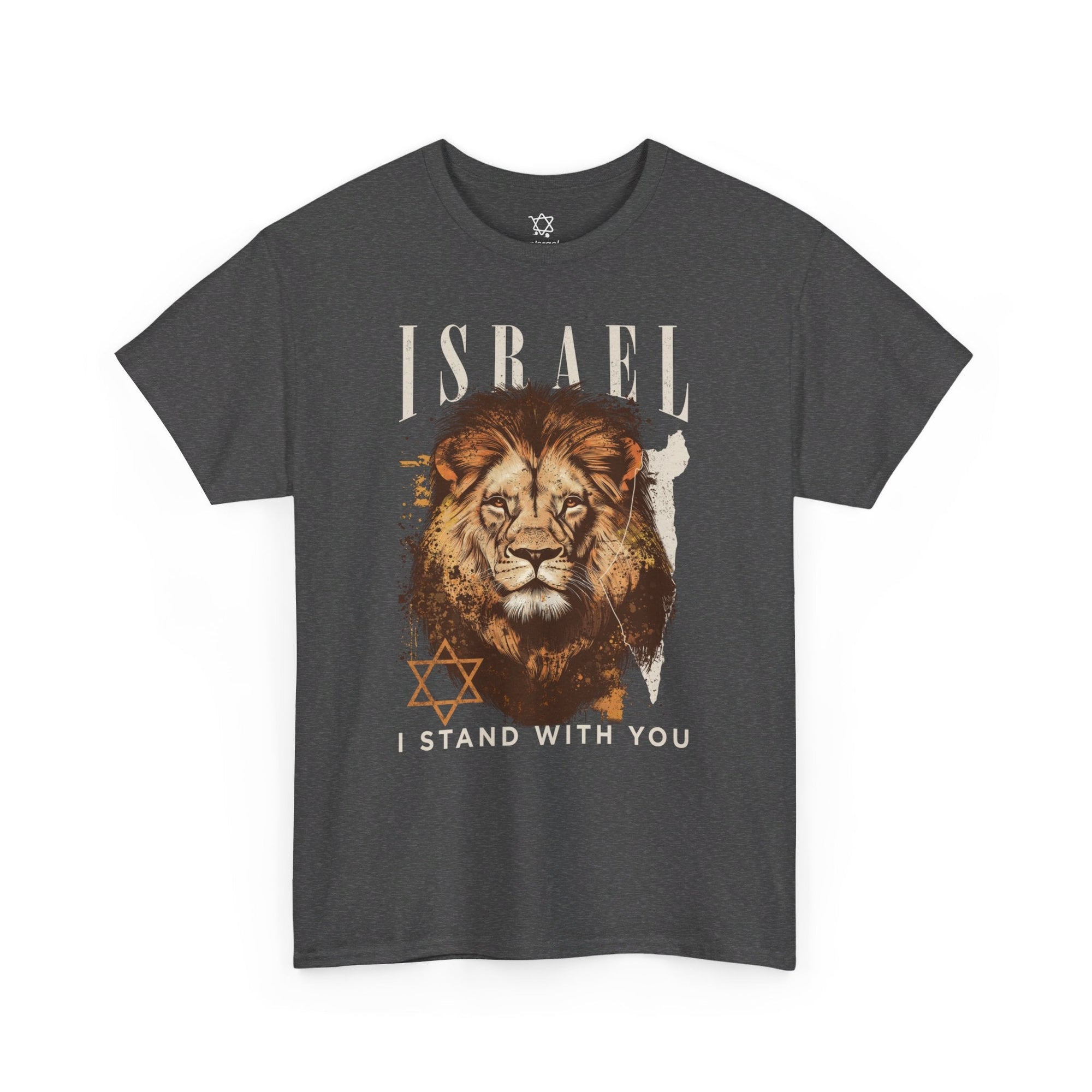
Fashion today boldly channels Zionist pride and aspirations for peace by integrating powerful Jewish and Israeli Symbolism in Fashion into everyday wear. Iconic emblems like the Star of David symbolism in fashion and yellow ribbons in Israeli fashion, often featured on sweatshirts, dresses, and accessories, become more than ornamentation—they act as visible declarations of solidarity and hope. Designers, such as Kobi Halperin social cause designs, incorporate these motifs alongside symbols of optimism, like yellow sequined flowers of hope, cultivating a message of resilience rooted in cultural identity.
At international levels, this trend transcends borders. European Soccer Players Wearing Hebrew Sweatshirts amplify Jewish identity globally, blending Cultural Expression through Jewish Symbols with popular sport. These visual statements invite unity and raise awareness, blending tradition with contemporary fashion to advocate peace and pride.
How does this fashion trend affect community identity and commerce?
Jewish and Israeli Symbolism in Fashion supports Jewish and Israel-supporting communities worldwide in finding a shared voice through this fashion. Sporting these distinctive symbols fosters a collective identity, visibly uniting diaspora members and allies. This cultural solidarity nurtures pride while also promoting dialogue and empathy across diverse groups.
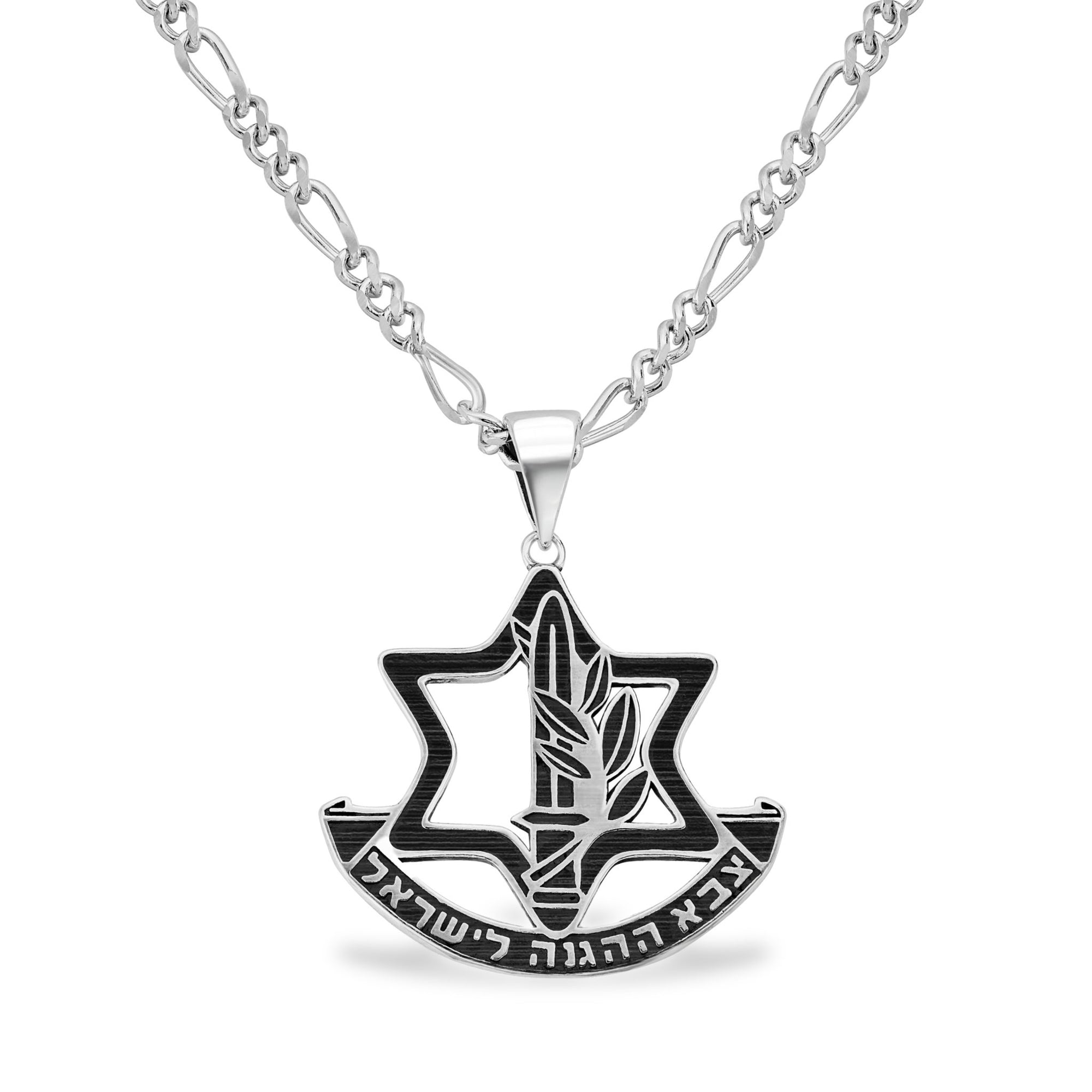
Simultaneously, the movement sparks growth in a niche e-commerce sector dedicated to cultural and political merchandise. Clothing, jewelry, and accessories displaying Zionist themes appeal to consumers eager to support Israel while making personal, stylish statements. Thus, fashion not only sustains cultural heritage but also drives economic vitality within supportive communities.
This powerful blend of identity, commerce, and message turns apparel into a conduit of peace and patriotism, bridging tradition with modern expression.
Conclusion: Embracing Culture, Identity, and Peace Through Fashion
The Interconnectedness of Jewish Symbolism, Israeli Fashion, and Peace Messaging
Jewish symbolism and Israeli fashion have become powerful tools in expressing cultural identity and unity. From European soccer players wearing Hebrew words like 'heshbon' to Israeli designers incorporating the Star of David and yellow ribbons, fashion has transcended mere aesthetics to embody messages of peace and solidarity. These symbols foster a connection not just within Israel but across the global Jewish diaspora.
Fashion’s Role in Modern Identity Expression and Social Causes
Israeli fashion today blends tradition with innovation, championing social causes through thoughtful design. Designers use motifs rooted in Jewish heritage alongside modern technologies like 3D printing to create sustainable pieces. Military-inspired colors and fabrics merge resilience with comfort, while inclusive sizing and adaptive clothing affirm that cultural pride is for everyone. This fashion evolution reflects a climate of hope and strength amid ongoing challenges.
Embracing These Trends as Statements of Pride and Hope
By adopting Jewish-inspired fashion, supporters and members of the diaspora express a bold yet hopeful identity. Wearing symbols that honor heritage and promote peace allows individuals to visually declare their connection to Jewish culture and Israeli pride. These styles serve not only as personal statements but as collective affirmations of resilience, unity, and optimism for the future.
| Aspect | Description | Significance |
|---|---|---|
| Jewish Symbolism | Hebrew words, Star of David, pomegranate motifs | Cultural identity and peace advocacy |
| Israeli Fashion Innovations | 3D printing, sustainable fabrics, military hues | Combines tradition with modern resilience |
| Social Causes | Inclusive sizing, adaptive clothing, hopeful motifs | Embraces unity and empowerment |
| Global Influence | Sportswear trends, diaspora fashion | Strengthens connection in worldwide communities |