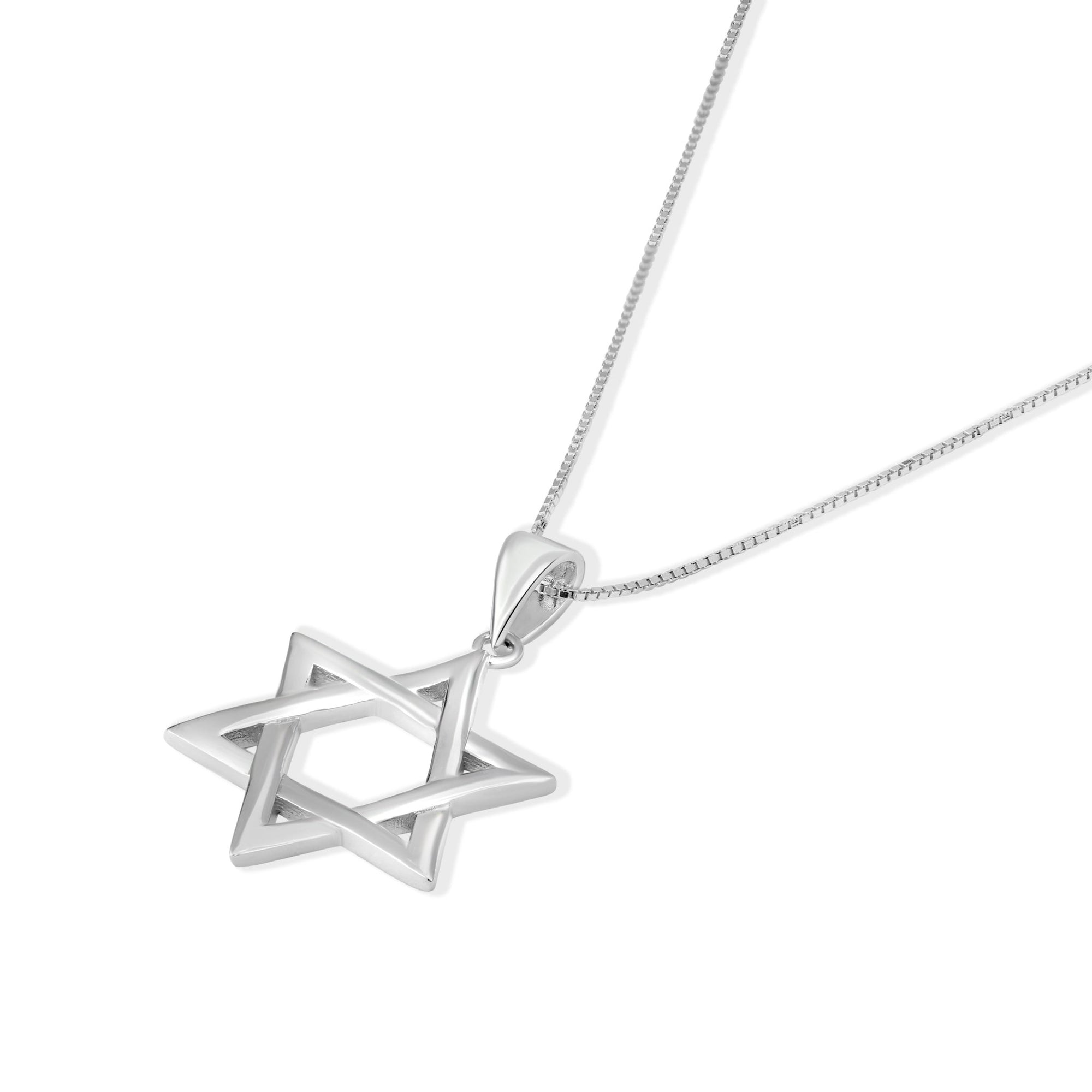


Discover the Timeless Beauty and Meaning of Israeli Jewelry
Israeli Jewelry: A Reflection of Culture and Heritage
Jewish jewelry is a vibrant expression of Israeli culture, deeply rooted in history and tradition. These pieces often showcase iconic symbols such as the Star of David, Chai, Hamsa, and the Tree of Life, each carrying profound spiritual and cultural messages.
Significance of Symbols in Jewish Jewelry
Jewelry featuring the Star of David symbolizes Jewish identity and unity, while the Chai symbol celebrates life and vitality. The Hamsa provides protection against negative energies, and motifs like the pomegranate represent abundance and fertility. Combined with Hebrew inscriptions from sacred texts, these adornments serve as personal tokens of faith and cultural pride.
Craftsmanship and Materials of Israeli Jewels
Authentic Israeli jewelry is crafted with care by Jerusalem artisans, utilizing sterling silver, 14kt and 18kt gold, and native gems such as the nationally cherished Eilat stones—known for their distinctive green-blue hues. Many pieces incorporate biblical motifs or ancient techniques, blending tradition with contemporary elegance, making them meaningful gifts and treasured keepsakes.
Jewish Symbols and Israeli Jewelry Key Facts
- The Star of David is a central symbol representing Jewish identity, unity, and Zionist pride, crafted in various precious metals and stones.
- Eilat Stone is Israel's national gemstone, known for its vibrant green-blue hues, and symbolizes protection and heritage.
- The Chai symbol signifies life and blessing, often featured in jewelry with Hebrew inscriptions for special occasions.
- The Hamsa Hand is believed to ward off evil, serving as a protector and divine symbol in Jewish and Middle Eastern cultures.
- Tree of Life pendants represent growth, wisdom, and spiritual heritage, often adorned with diamonds and Hebrew scripts.
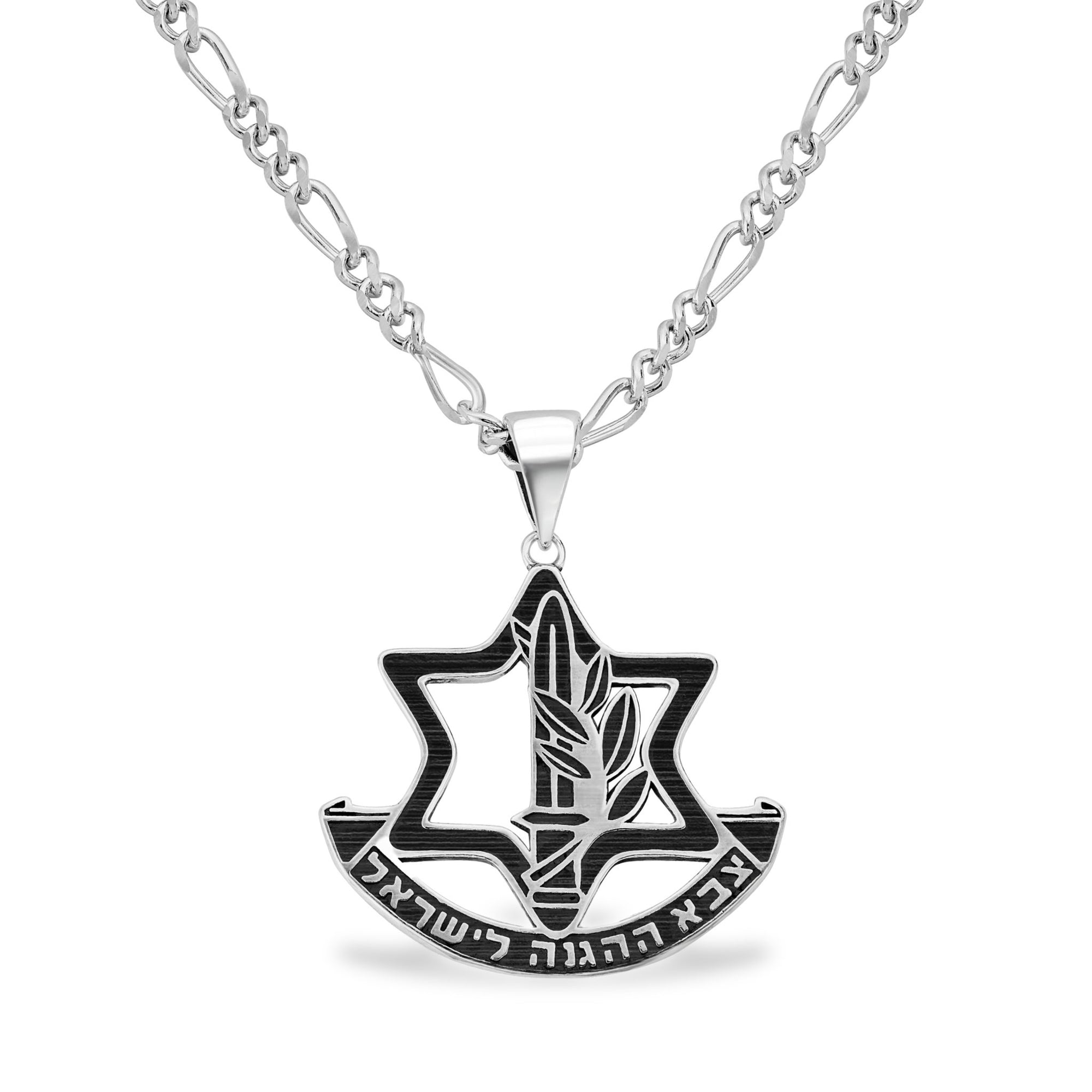
- Israeli pendant jewelry symbolizes pride and connection to Israel, frequently incorporating maps, Hebrew phrases, and symbols like the Star of David.
- Jewish jewelry often features ancient motifs such as pomegranates for prosperity and Torah Tablets representing faith and heritage.
- Jewish symbols like the Star of David, Chai, Hamsa, and Tree of Life embody cultural pride, spirituality, protection, and historical significance.
- Modern Israeli jewelry designers combine traditional motifs with contemporary designs, emphasizing sustainable practices and cultural storytelling.
- Shani Jacobi's jewelry is noted for high-quality craftsmanship, blending Jewish symbols with modern trends, and suitable for everyday wear and special occasions.
1. The Star of David Necklace: A Symbol of Jewish Identity and Zionist Pride
Designs featuring the Star of David jewelry
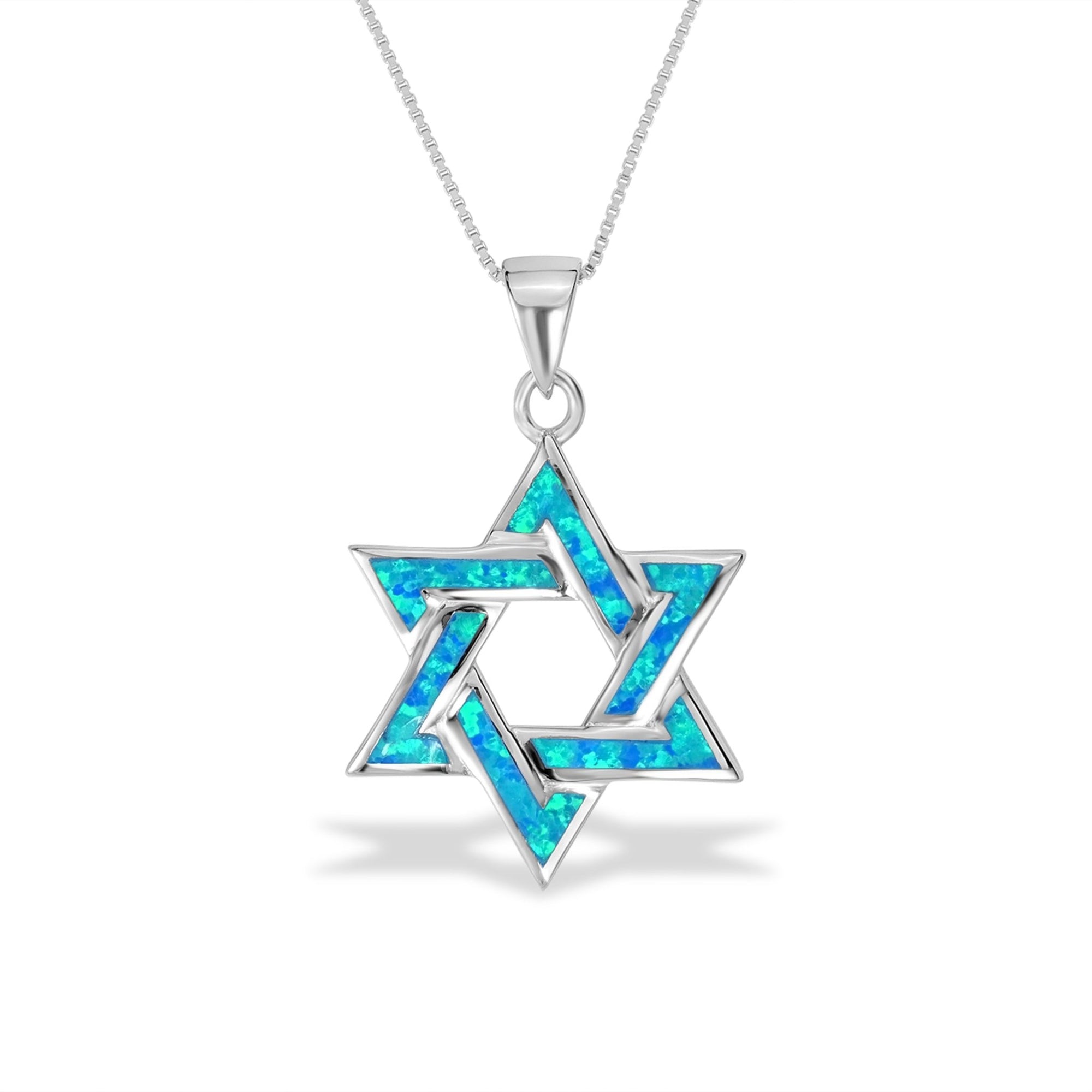
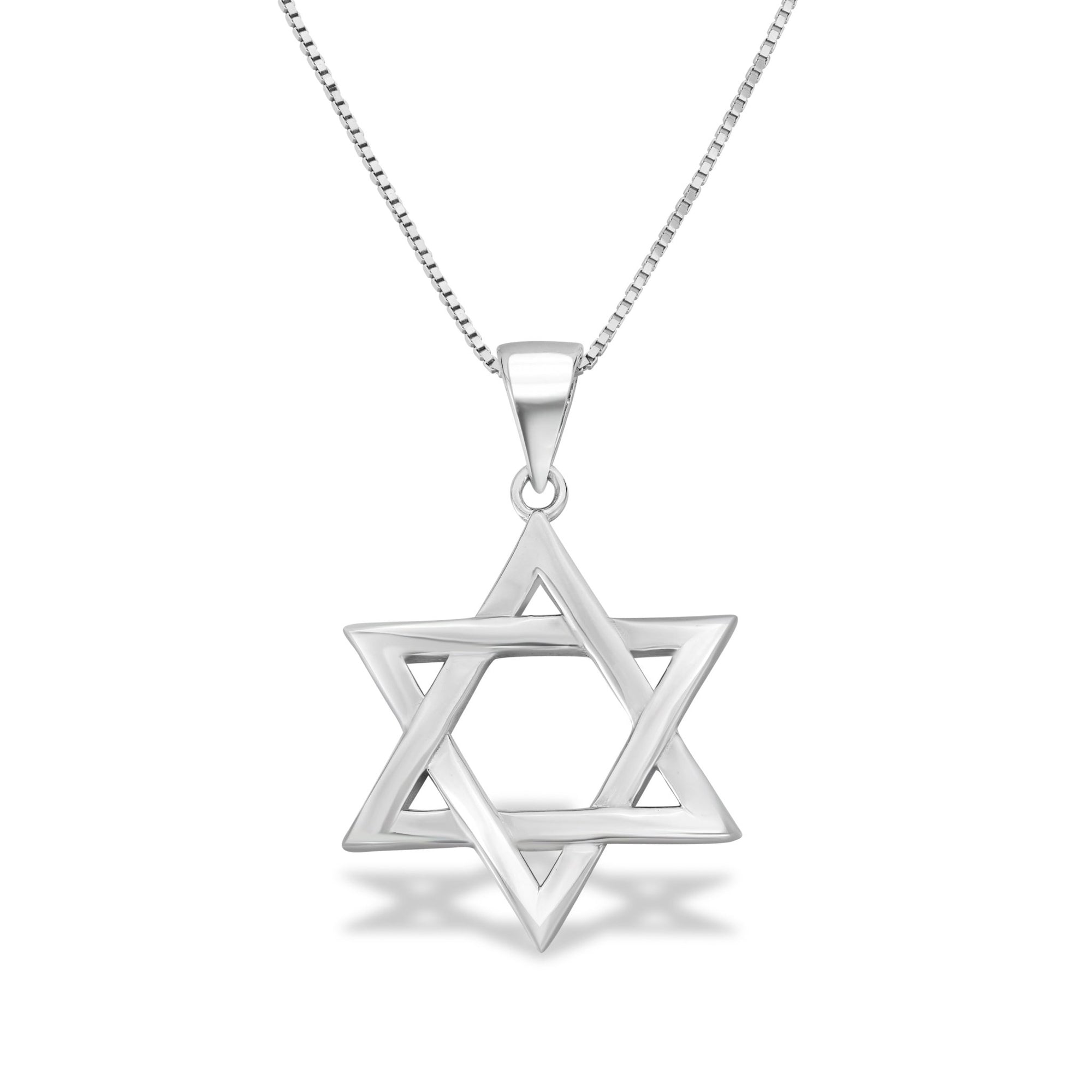
Jewish jewelry featuring the Star of David, or Magen David, is crafted in a variety of styles ranging from traditional to modern elegance. Artisans in Israel often use precious metals such as 14kt gold Jewish jewelry and 18kt gold Jewish jewelry and 925 sterling silver Jewish jewelry to create necklaces, rings, bracelets, and earrings that incorporate this iconic six-pointed star. Some designs add the brilliance of diamonds or the uniquely Israeli Eilat stone jewelry, known as King Solomon gemstones, with its vibrant green-blue hues, to emphasize spiritual and national connections.
Its historical and cultural significance
The Star of David stands as a central symbol of Jewish pride and identity jewelry. Historically linked to King David and enriched with Magen David mystical meaning, it symbolizes the unity between God and the Jewish people. In the late 19th and early 20th centuries, it emerged as a Zionist symbol, chosen for its neutrality in religious interpretation to unite Jews of varying beliefs under a shared emblem. As a Zionist icon, it fosters solidarity and reflects the Jewish aspiration for a homeland. Today, it remains a powerful and globally recognized symbol of Jewish resilience, cultural heritage, and connection to Israel.
Use of precious metals and stones like diamonds and Eilat stone
Jewelry featuring the Star of David commonly utilizes precious metals such as gold and sterling silver Jewish jewelry, signifying the value of faith and heritage within Jewish communities. Adding diamonds not only offers elegance but also symbolizes eternity and strength. The inclusion of Eilat stone adds a distinct national touch, as these stones are national stone of Israel and evoke a spiritual link to the Land of Israel. Through these materials, each piece becomes a meaningful expression of Jewish identity and loyal attachment to Israeli culture and history.
| Aspect | Details | Significance |
|---|---|---|
| Symbol | Star of David (Magen David) | Jewish identity, unity with God, Zionist emblem |
| Materials | Gold (14kt, 18kt), Sterling silver, Diamonds | Precious metals reflect reverence and value |
| Unique gemstones | Eilat stone (green-blue hues) | National stone of Israel; symbolizes homeland |
| Use | Necklaces, rings, bracelets, earrings | Daily wear and special occasions showcasing pride |
| Cultural role | Zionist and spiritual symbol | Embodies Jewish resilience and unity |
2. Eilat Stone Jewelry: Wearing Israel’s National Gemstone
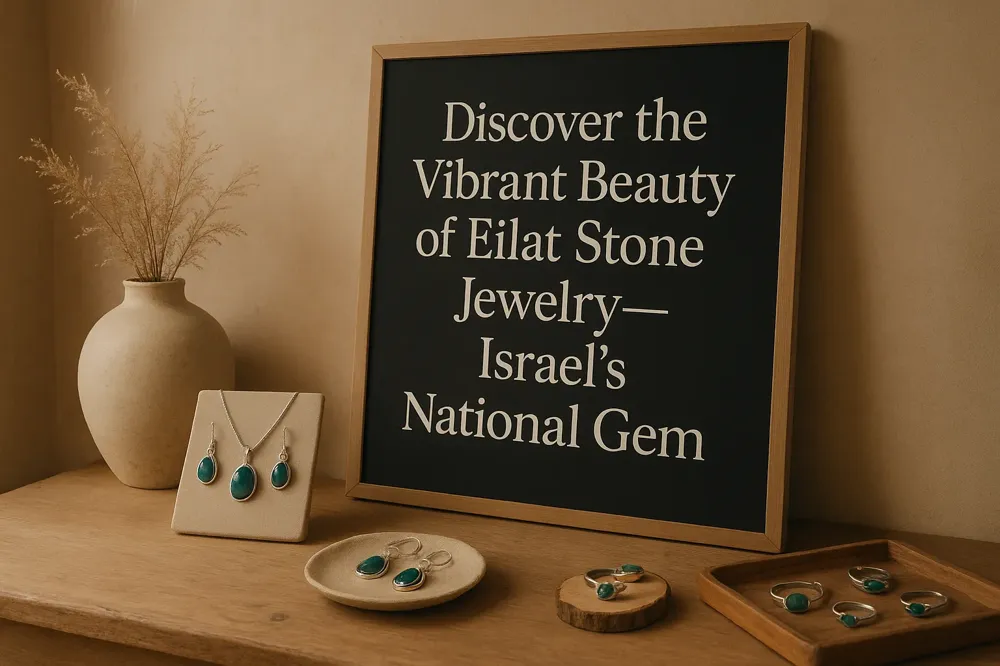
What gemstone is uniquely found in Israel and what is its significance?
The Eilat Stone, also known as the King Solomon gemstones, is Israel's national stone, renowned for its captivating green-blue hues. This gemstone is unique to Israel, almost exclusively mined from the region around the southern city of Eilat. Its colors range from bright turquoise to deep teal, beautifully blending shades that reflect the natural landscape of the country.
Characteristics and colors of Eilat Stone
Eilat Stone is a remarkable combination of minerals including turquoise, malachite, and azurite. Its vibrant, mottled pattern features mosaic-like patches of green, blue, and sometimes brown. This distinctive appearance makes each piece of Eilat Stone jewelry truly one-of-a-kind, carrying a natural beauty that draws admirers globally.
Cultural and historical importance
Historically treasured since ancient times, Eilat Stone is deeply woven into Israeli heritage. It was prized for its believed protective powers and healing qualities, often linked to health and good fortune. The gemstone's association with King Solomon adds a legendary dimension, symbolizing wisdom and strength. Today, wearing Eilat Stone jewelry is a proud expression of connection to Israel’s land, history, and spiritual identity.
Use in rings, pendants, and earrings
Artisans in Israel skillfully incorporate Eilat Stone into luxurious jewelry pieces such as rings, pendants, and earrings. These designs celebrate the gem’s natural vibrancy while blending traditional Jewish symbols like the Star of David jewelry or the Hamsa protective symbol. Wearing such jewelry not only beautifies but also showcases one’s pride in Israeli culture and Jewish heritage.
3. Chai Symbol Jewelry: Celebrating Life and Blessings
What is the Meaning of the Chai Symbol?
The Chai symbol meaning, meaning "life" in Hebrew, holds deep spiritual and cultural significance for Jewish people. It consists of two Hebrew letters, Chet and Yud, that together represent vitality, good fortune, and the importance of living with purpose. The number 18, derived from the numerical value of the word Chai, is often associated with blessings and charitable giving, making it a powerful emblem of life and generosity.
What Jewelry Pieces Feature the Chai Symbol?
Jewelry featuring the Chai symbol jewelry ranges from necklaces and pendants to bracelets and rings. These pieces are crafted using precious materials such as 925 sterling silver Jewish jewelry and 14kt gold Jewish jewelry or 18kt gold, often combined with Israeli gems like amethyst jewelry from Israel or the national Eilat stone jewelry. The Chai symbol is popular for both personal adornment and thoughtful gifting occasions, like Bar Mitzvah jewelry gifts, Bat Mitzvah jewelry gifts, weddings, and anniversaries.
What is the Spiritual and Cultural Significance of Chai Jewelry?
Wearing the Chai symbol in jewelry connects individuals to a strong cultural identity and a spiritual call to appreciate life's blessings. It serves as a daily reminder of the sacredness of life and the values of kindness, hope, and faith within the Jewish tradition. Beyond its aesthetic appeal, Chai jewelry embodies a celebration of life and unity, resonating deeply with both traditional and modern expressions of Jewish cultural heritage jewelry.
4. Hamsa Hand Jewelry: Symbol of Protection and Divine Presence
What Are Design Variations of Hamsa in Jewelry?
The Hamsa, or Hand of Miriam, appears in many artistic forms in Jewish jewelry symbols. These designs range from simple silver or gold outlines of an open hand to intricate pieces adorned with gemstones like Eilat stone and diamonds. Some feature a central eye symbol, while others incorporate Hebrew inscriptions or floral patterns, linking tradition with personal expression. Jewelry designers often blend these motifs with modern aesthetics, making the Hamsa jewelry suitable for both discreet daily wear and statement pieces for special occasions.
What Protective Qualities Does the Hamsa Have Against the Evil Eye?
The Hamsa is deeply cherished for its protective qualities. It serves as an amulet against the evil eye — a harmful gaze believed to bring misfortune. Wearing Hamsa protective symbol jewelry symbolizes invoking divine protection and a shield from spiritual harm. This belief traces back through centuries of Jewish mysticism and Middle Eastern culture, where it is seen as a tangible blessing that wards off negativity and supports the wearer’s wellbeing.
What Is the Cross-Cultural Significance and Symbolism of the Hamsa?
While firmly rooted in Jewish tradition, the Hamsa also has broad cultural resonance across the Middle East and North Africa. It is embraced in Islamic, Christian, and Sephardic Jewish communities alike. In all these cultures, the Hamsa represents divine presence, protection, and good fortune. Its universal message of safeguarding the wearer enhances its popularity among diaspora communities looking to celebrate Jewish cultural heritage tokens while acknowledging shared cultural symbols. This cross-cultural embrace strengthens its status as a powerful emblem of unity and faith.
Jewish jewelry crafted with the Hamsa continues to inspire pride and connect wearers to ancient spiritual traditions while expressing hope and protection in modern life.
5. Tree of Life Pendants: Emblems of Growth, Wisdom, and Heritage
What is the biblical and spiritual significance of the Tree of Life?
The Tree of Life meaning , or "Etz Chaim" in Hebrew, holds profound meaning in Jewish culture. It symbolizes growth, wisdom, and the enduring spirit of the Jewish people. Biblically, it is tied to the Garden of Eden and represents the Torah's teachings as a source of life and guidance. This emblem is a cherished spiritual motif that underscores the connection between faith and personal development.
How are Tree of Life pendants designed, and what features do they include?
Jewelry artisans create Tree of Life Jewelry pendants with thoughtful design elements rich in symbolism. Many pendants are adorned with diamonds to highlight their preciousness and convey brilliance and vitality. Some pieces include Hebrew inscriptions or meaningful verses from Jewish scripture, adding a personal and sacred touch. The careful craftsmanship often blends traditional and modern aesthetics, making these pendants timeless treasures.
How does the Tree of Life connect to Jewish tradition and the Torah?
The Tree of Life is more than a decorative symbol; it is deeply woven into Jewish jewelry cultural symbols. It represents the Torah itself—the fundamental source of Jewish law, ethics, and spirituality. Wearing a Tree of Life pendant is an expression of dedication to Jewish values and an homage to the wisdom passed down through generations. It serves as both a reminder and celebration of the enduring strength of Jewish identity and faith.
6. Israel Pendant Jewelry: Wearing Pride and Connection to the Homeland
What is the meaning behind the Israel pendant in jewelry?
The Israel pendant is a powerful emblem of Jewish jewelry symbols and homeland connection. Wearing this jewelry expresses pride in Jewish heritage and symbolizes the enduring spirit, resilience, and hope of the Jewish people. It acts as a personal token of faith, history, and unity with Israel.
Symbolism of the Israel pendant
Jewelry featuring the Israel pendant often includes elements such as the map of Israel, the Star of David jewelry, and Hebrew inscriptions in jewelry. These motifs honor the land’s history and the Jewish people's deep roots in this sacred place.
Designs featuring maps and Hebrew inscriptions
Many pendants are crafted to depict the outline of Israel, sometimes combined with the Star of David jewelry positioned at the center. Hebrew phrases like "Am Yisrael Chai" (The People of Israel Live) or other meaningful words appear engraved, enhancing the spiritual and cultural connection.
Personal and cultural significance
For diaspora communities and supporters worldwide, Israel pendant jewelry is more than adornment—it is a statement of solidarity, hope, and identity. These pieces serve as meaningful gifts for Bar Mitzvah jewelry gifts and Bat Mitzvah jewelry gifts, birthdays, or anniversaries, reinforcing ties to Israel and Jewish heritage.
Jewelry crafted in Israel often uses 925 sterling silver Jewish jewelry, gold, and Israeli gems like Eilat stone, adding to the pendant's authenticity and sacred resonance. Wearing such jewelry is a way to carry a piece of Israel’s history and spirit every day.
7. Jewish Wedding and Hebrew Inscribed Jewelry: Tradition Meets Personalization
How is Hebrew inscription jewelry used in weddings and special occasions?
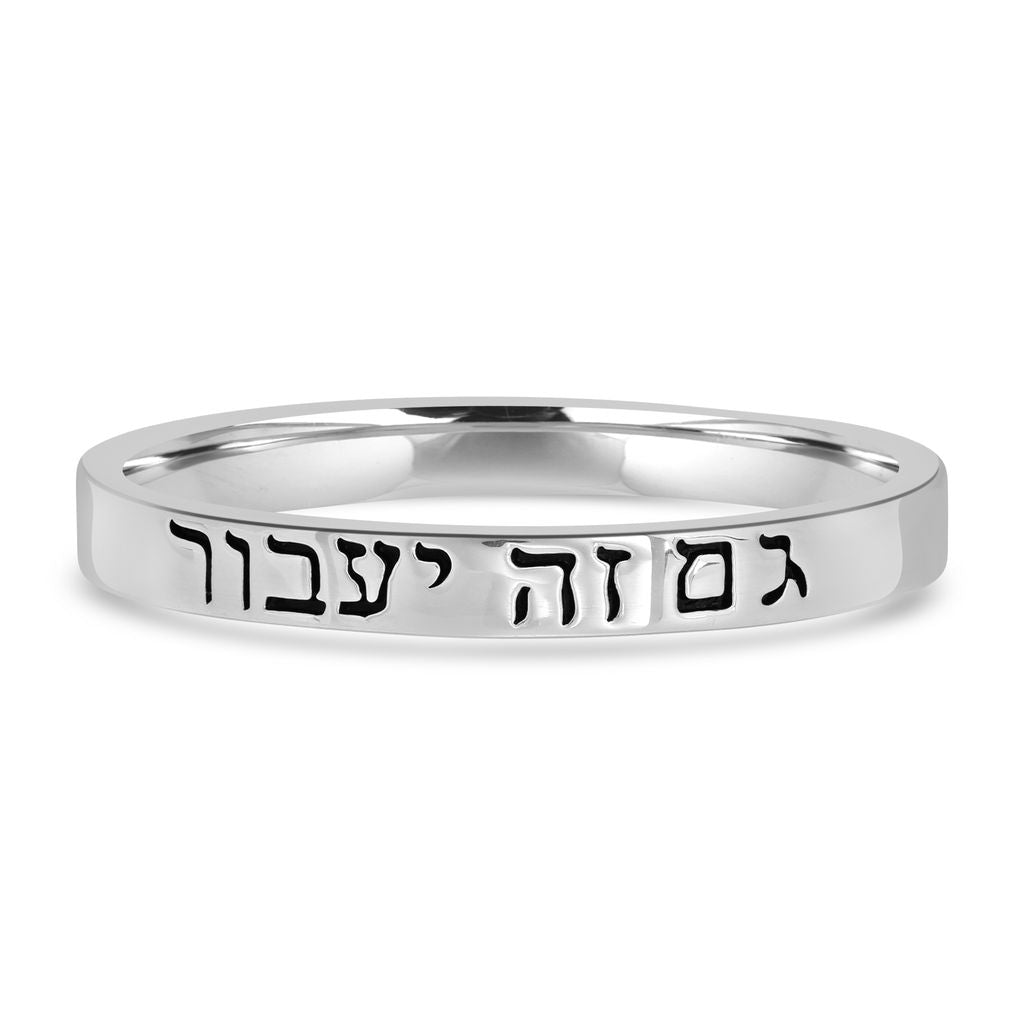
Jewish wedding rings often feature Hebrew inscriptions that deepen the spiritual and cultural significance of the pieces. Rings and pendants engraved with meaningful phrases are traditional choices for couples. These inscriptions frequently include blessings or expressions of love, such as "Ani L’Dodi v’Dodi Li phrase" (I am my beloved's and my beloved is mine), symbolizing the bond and faith shared between partners.
What symbolism do engraved phrases represent in Jewish jewelry?
Engraved Hebrew phrases express enduring faith, love, and connection to Jewish heritage. Beyond weddings, these inscriptions serve as personal reminders of religious values and identity. Jewelry inscribed with biblical verses or spiritual messages is cherished for its ability to blend tradition with intimate personalization, making these pieces treasured heirlooms that reflect a lifetime of cultural pride.
How do Hebrew letters enhance the value of Jewish jewelry?
Using the Hebrew language in jewelry design strengthens the ties to Jewish faith and ancestry. Hebrew inscriptions are not only decorative but also convey sacred messages and prayers. By incorporating these symbols, artisans create jewelry that speaks to the wearer’s identity and spiritual journey. This meld of artistry and meaning is especially significant in wedding pieces, where faith, love, and heritage unite.
Jewish wedding and Hebrew inscribed jewelry uniquely marry tradition with heartfelt personalization, crafting meaningful adornments that celebrate a couple’s cultural roots and spiritual values alike.
8. Jewelry Featuring Ancient Biblical Symbols: Pomegranates and Tablets of the Torah
What is the historical significance of pomegranates in Jewish culture?
The pomegranate holds a revered place in Jewish history and culture, representing abundance, fertility, and prosperity. Mentioned in Deuteronomy as one of the seven species of the Land of Israel, it also adorned priestly garments, symbolizing sanctity and divine blessing. Archaeological discoveries of Pomegranate Motifs in Jewelry reflect its ancient spiritual importance.
How are biblical motifs adapted into modern jewelry?
Jewelry today creatively incorporates these ancient symbols, blending tradition with contemporary design. Pomegranate Charms and Torah Tablets, often crafted in sterling silver or gold, recall biblical narratives and cultural heritage. Similarly, tablets of the Torah are fashioned into pendants and rings, embodying faith through inscriptions and symbolic forms rooted deeply in Jewelry and Jewish Heritage.
What spiritual meaning and cultural pride do these pieces convey?
Wearing Jewish jewelry cultural symbols such as jewelry with pomegranates or Torah tablets is a personal expression of Jewish identity, connecting the wearer to a rich ancestral legacy. These pieces serve as protective amulets and reminders of covenant and faith. They resonate strongly with supporters and diaspora communities, symbolizing unity, spirituality, and pride in Jewish jewelry spiritual elements.
Significance of the Star of David in Zionism and Jewish Identity
Historical emergence and symbolism
The Star of David, or Magen David, has deep roots in Jewish tradition and history. Originally associated with King David, it gained mystical significance in Kabbalistic teachings as a symbol of the unity between God and the Jewish people. In the late 19th century, during the rise of Zionism, Jewish leaders chose it as a unifying emblem representing Jewish heritage and aspirations for a homeland.
Role as a unifying Jewish emblem
Unlike other religious symbols, the Star of David was embraced because of its relative neutrality in religious connotations, allowing Jews across different beliefs to rally behind it. It became the visual identity of the Jewish people worldwide, fostering pride, solidarity, and cultural connection especially during the national movement for the establishment of Israel.
Modern representation in jewelry and culture
Today, the Star of David jewelry features prominently in Jewish and Israeli jewelry, crafted from gold, silver, and Israeli gemstones jewelry like Eilat stone. It appears on necklaces, rings, and pendants blending traditional symbolism with modern design. This jewelry serves as a heartfelt expression of faith, identity, and connection to Israel. Beyond adornment, it embodies resilience, unity, and Zionist ideals cherished by the global Jewish community.
Understanding the Unique Value of the Eilat Stone
Geological and Cultural Origins
The Eilat Stone, often called the King Solomon Stone, is a unique gemstone found only in Israel, primarily near the city of Eilat. This rare precious stone is a mesmerizing blend of turquoise, vibrant green, and deep blue hues. Historically, it was mined extensively in the region but has become scarce as mining operations have mostly ceased. Its origins link it closely to Israel’s ancient lands, making it much more than just a gem—it is a natural relic of the country’s geology and heritage. Learn more about King Solomon gemstones in jewelry.
Symbolism as Israel’s National Stone
Recognized as Israel’s national gemstone, the Eilat Stone carries deep symbolism in Jewish culture. It is said to represent protection, health, and spiritual well-being, qualities cherished since biblical times. This gemstone embodies Israeli pride and cultural identity jewelry and connection to the land, often seen as a tangible link to the country’s storied past and rich traditions.
Jewelry Applications Highlighting Its Beauty
Jewelry artisans in Israel frequently incorporate Eilat Stone into their work, enhancing its natural beauty through skilled craftsmanship. Popular pieces include necklaces, rings, and earrings that showcase the stone’s vibrant colors, often combined with iconic Star of David jewelry, and other Jewish jewelry symbols. Wearing jewelry with the Eilat Stone allows individuals to express both their Jewish cultural heritage tokens and pride in Israeli heritage, making it a treasured gift and keepsake for celebrations like Bar Mitzvah jewelry gifts, Bat Mitzvah jewelry gifts, anniversaries, and other meaningful occasions.
Exploring the Symbolism of Jewish Jewelry
What are common Jewish symbols worn as jewelry, and what do they mean?
Jewish jewelry features powerful symbols that deeply resonate with cultural and spiritual identity. The Star of David (Magen David) is perhaps the most recognized, symbolizing Jewish unity, protection, and heritage. It reflects both ancient and contemporary Jewish pride.
The Chai symbol meaning "life" in Hebrew, stands for vitality, blessings, and the importance of purposeful living. Its connection to the number 18 underscores themes of luck and good fortune, often gifted to celebrate life’s milestones.
The Hamsa, or Hand of Miriam, is a beloved emblem said to protect against the Evil Eye and bring divine safeguarding. This symbol carries Middle Eastern roots and beautifully merges cultural and spiritual protection.
Other meaningful symbols include the Tree of Life (Etz Chaim), representing wisdom, growth, and the Torah's eternal guidance, and the pomegranate, an ancient biblical symbol of abundance, prosperity, and fertility.
What are the historical and spiritual contexts of these symbols?
Jewish jewelry’s symbolism is deeply tied to biblical history and ancient Israelite customs. For example, jewelry in biblical times was not only decorative but also carried religious value—with inscriptions and motifs like the pomegranate seen in priestly garments and sacred art.
Some symbols like the Star of David acquired mystical significance in Kabbalah, signifying the connection between God and the Jewish people. Protective amulets, including those bearing Hebrew inscriptions and divine names, served as spiritual safeguards.
Materials such as gold, silver, and the unique Israeli Eilat stone, also known as King Solomon’s gemstone, underline the cultural reverence and continuity of tradition through craftsmanship. Explore more about Ancient Israelite Jewelry Symbolism and the King Solomon gemstones in modern times.
How are these symbols used in modern jewelry to express identity and protection?
Today, Jewish jewelry blends tradition with contemporary design to let individuals proudly display their heritage and faith. Popular items include necklaces, rings, and pendants featuring symbols like the Star of David, Chai, and Hamsa—often combined with biblical verses or Hebrew inscriptions.
Jewelry crafted in Jerusalem carries a unique spiritual aura, drawing on thousands of years of history and artisanal expertise. The use of distinctive Israeli materials like Eilat stones adds a special connection to the Land of Israel.
Beyond personal adornment, these pieces serve as meaningful gifts for life-cycle events such as Bar and Bat Mitzvahs, weddings, and anniversaries, expressing cultural pride, identity, and faith-based protection.
In essence, Jewish jewelry is more than decoration; it is a tangible link to centuries of heritage, spirituality, and communal resilience, proudly worn to celebrate Jewish life and values.
The Rich History of Jewish Jewelry and Its Cultural Resonance
What is the historical connection between Jews and jewelry?
Jewish people have a rich history of wearing Jewelry in ancient Israelite culture that illustrates their faith, culture, and heritage. From ancient times, jewelry served not only as adornment but also as symbols of religious devotion and identity.
Historical use and significance
Jewelry like Gold Nose Rings and Bracelets and amulets featured prominently in ancient Israelite life. These items indicated wealth and honor, were part of Jewelry in Marriage Customs, and often carried spiritual purposes. The biblical story of the Golden Calf and Jewelry Worship demonstrates how jewelry was even used in worship practices.
Biblical references and archaeological findings
Biblical texts mention items such as the 12-stone breastplate of Aaron representing the tribes of Israel. Archaeological finds have uncovered rings, earrings, and necklaces adorned with motifs like Pomegranate Motifs in Jewelry symbolizing fertility and abundance. Inscriptions from prayers such as the Shema Prayer Inscriptions and names of God were etched on amulets for protection.
Modern design inspired by ancient motifs
Contemporary Jewish jewelers create pieces blending traditional symbols—like the Star of David, Hamsa protective symbol, Chai symbol jewelry, and Tree of Life—with modern aesthetics. Many artisans in Jerusalem use precious metals like 14kt gold Jewish jewelry and 925 sterling silver Jewish jewelry along with unique Israeli gemstones jewelry such as Eilat stone. These designs serve as personal tokens of cultural pride jewelry and spirituality, honoring thousands of years of Jewish history and connecting wearers worldwide to their heritage.
Israeli Jewelry Designers: Modern Creativity Rooted in Tradition
Who are notable modern Israeli jewelry designers and what distinguishes their work?
Modern Israeli jewelry designers are revolutionizing the craft by blending ancient traditions with contemporary design and ethical consciousness.
Many standout brands, including Hotcrown, ADDA Gems, and Studio DUSA, emphasize female-led creativity and sustainable practices. They skillfully use recycled metals and gemstones, reflecting a commitment to both environmental and cultural preservation.
Designers like Be Sembol and Dada by Dana produce versatile, meaningful pieces that connect wearers emotionally to Jewish jewelry heritage. Their creations often draw on a tapestry of influences—from Yemeni metalworking traditions to motifs inspired by French royal fashion—adding rich layers to Handcrafted Jewish Jewelry.
Materials such as 925 sterling silver Jewish jewelry, 14kt and 18kt gold Jewish jewelry, Eilat Stone jewelry, and locally sourced gems intimately link each piece to Israel’s spiritual and historical landscape.
By weaving together tradition, innovation, and a strong sense of social responsibility, these designers craft Jewish cultural heritage jewelry that not only adorns but stands as a beacon of Israeli pride and authentic cultural storytelling.
Quality and Wearability of Shani Jacobi’s Israeli-Inspired Jewelry
What should consumers know about the quality and wearability of Shani Jacobi jewelry?
Shani Jacobi's jewelry stands out for its high-quality craftsmanship deeply inspired by the rich culture and vibrant energy of Tel Aviv, Israel. These pieces thoughtfully blend classic Jewish jewelry symbols like the Star of David and Chai with modern, trendy designs, creating jewelry that is both meaningful and fashionable.
Designed for everyday wear, Shani Jacobi's collections are praised for their durability and comfort. Whether worn discreetly or as a bold statement of Israeli pride and Jewish heritage, each piece maintains style and longevity.
Customer feedback highlights impeccable craftsmanship and the beauty of the motifs. These qualities make the jewelry ideal gifts for Bar Mitzvah jewelry gifts, Bat Mitzvah jewelry gifts, anniversaries, or personal celebration of cultural roots.
Moreover, Shani Jacobi offers worldwide shipping with secure packaging and dependable delivery services, ensuring a seamless and satisfying experience for diaspora communities and global supporters eager to wear symbols of faith and identity.
Honoring Identity and Faith Through Israeli-Inspired Jewelry
Symbolic Meanings in Jewish Jewelry
Jewish jewelry beautifully incorporates symbols like the Star of David, Chai, Hamsa, and Tree of Life, each carrying deep spiritual and cultural significance. For example, the Star of David represents Jewish identity and unity, while the Chai symbolizes life and vitality. The Hamsa offers divine protection, and the Tree of Life reflects growth and wisdom.
A Blend of Tradition and Artistry
Artisans in Jerusalem craft jewelry using sterling silver, 14kt or 18kt gold, and unique Israeli materials such as Eilat stones. These pieces blend ancient symbolism with modern design, linking thousands of years of history to contemporary expression.
Expressing Pride and Heritage
Jewelry from Israel serves as personal tokens connecting wearers to their faith, culture, and homeland. Whether for everyday wear or special occasions like Bar and Bat Mitzvahs, these adornments celebrate Jewish heritage and proudly affirm Jewish identity worldwide.