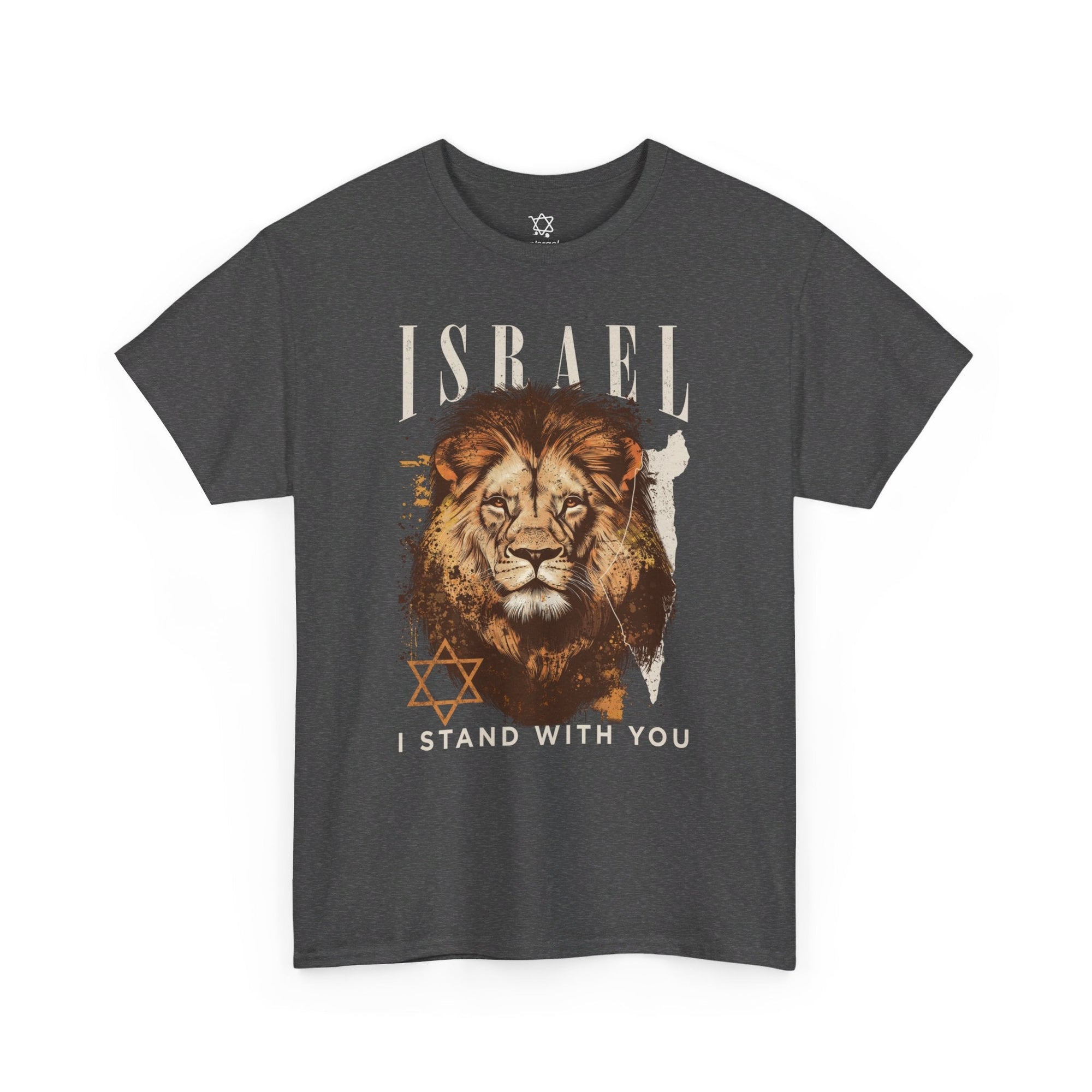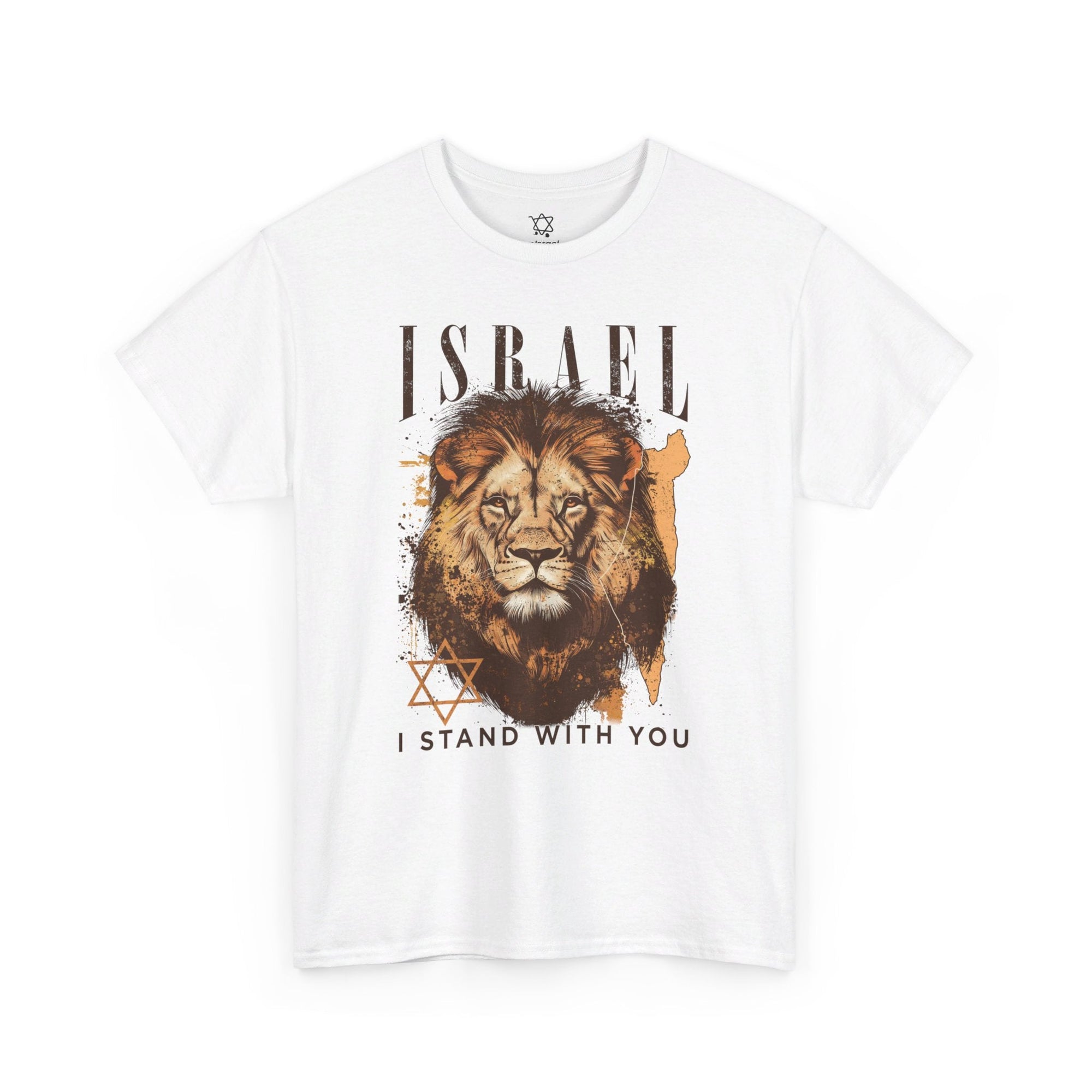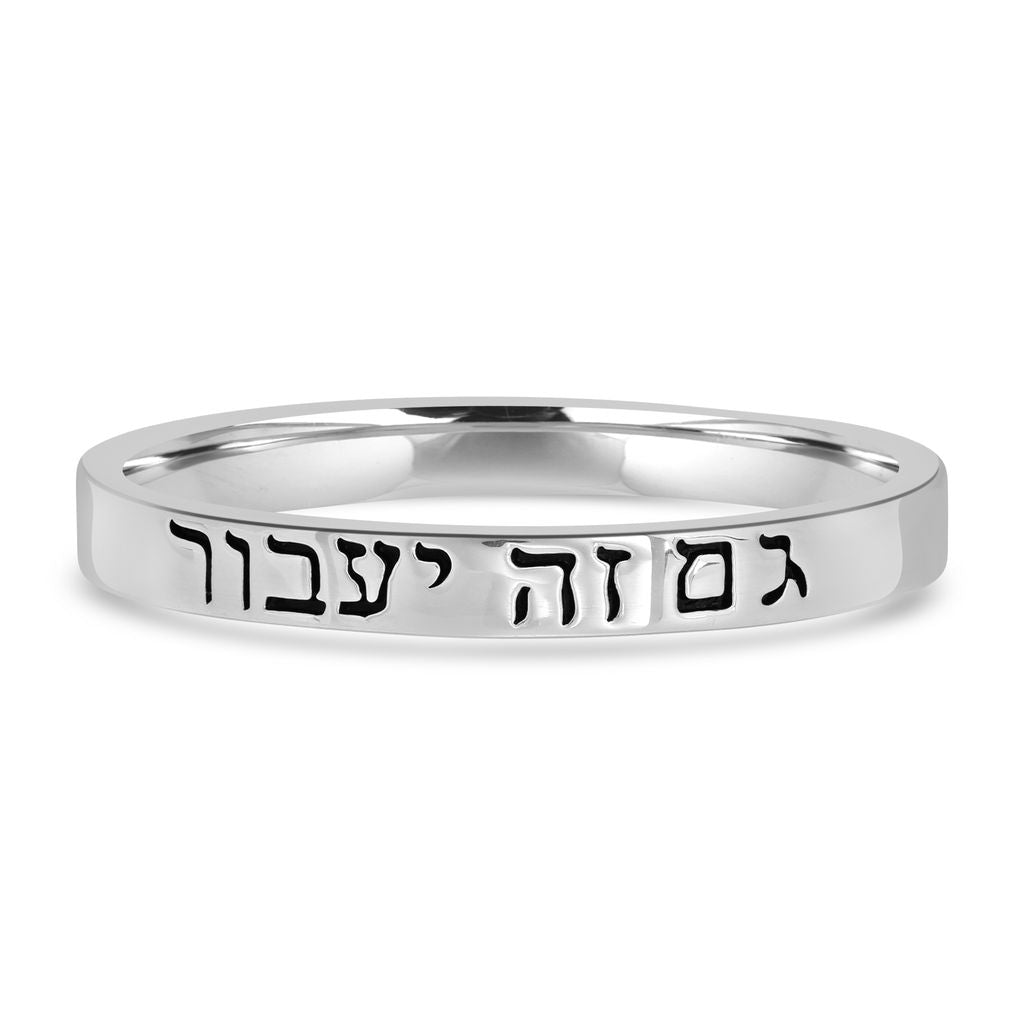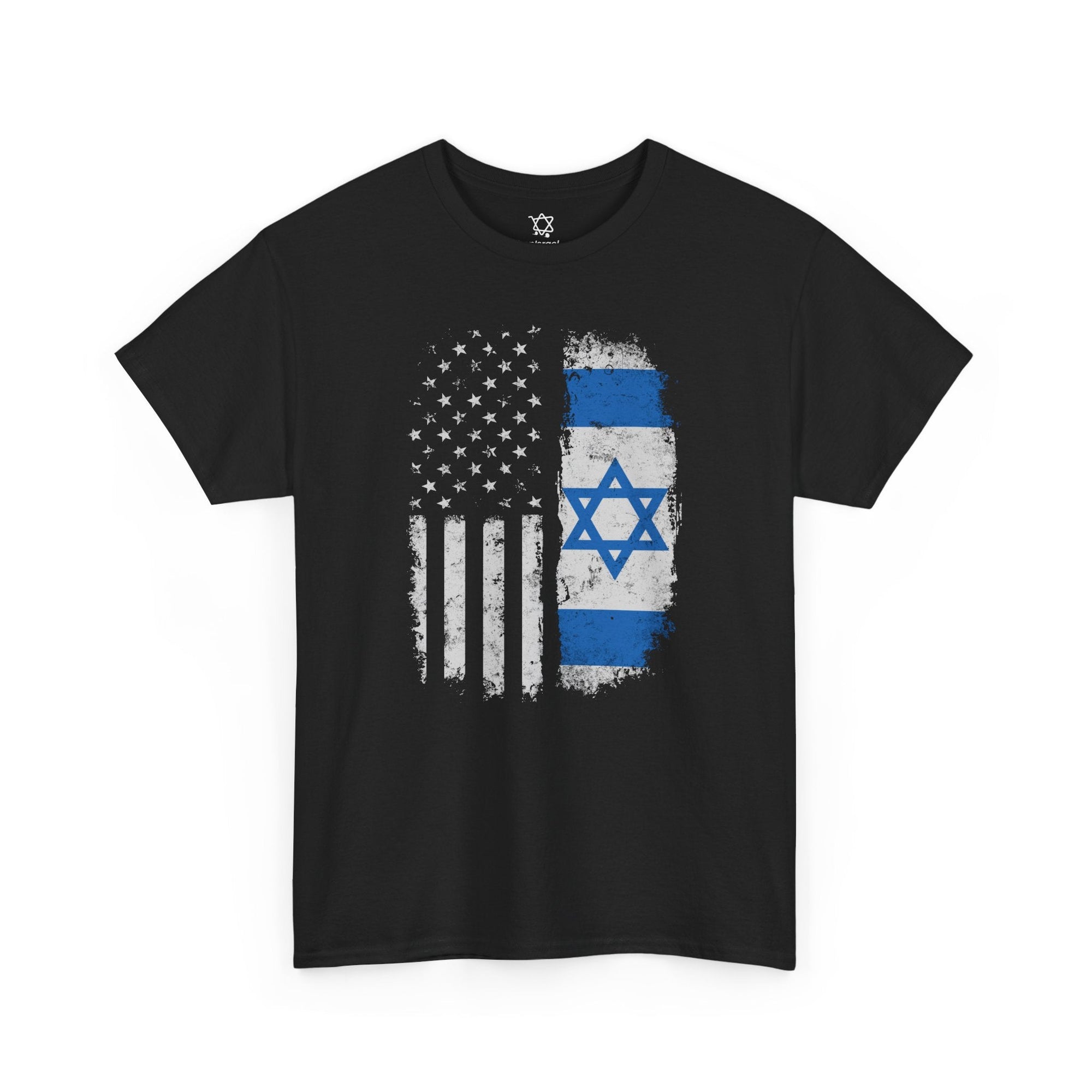


Short answer: When customers talk about their favorite Israel-themed products, the pieces that come up again and again share one trait: a real story behind the object, not just a design on it. Olive wood Judaica tied to the Holy Land's centuries-old carving trade, jewelry rooted in Jewish and Israeli symbolism, and goods sourced from small businesses and families across Israel, including Judea and Samaria, are what customers say they keep, gift, and talk about. The appeal isn't novelty. It's meaning you can hold.
Why "story" beats "souvenir"
Olive wood carving is one of the clearest examples of a product with real provenance, and it's worth getting the history right, because that history is exactly what customers are buying into. The craft traces to roughly the 16th century, when Franciscan missionaries introduced European carving techniques to local Christian artisans in Bethlehem, Beit Jala, and Beit Sahour, according to Zuluf's history of olive wood carving. That puts the tradition at roughly 500 years old, not the much older, monk-and-Church-of-the-Nativity legend sometimes attached to it. Wikipedia's history of Bethlehem confirms the simpler, verifiable fact underneath all of this: olive wood carvings remain the single most-purchased item by tourists visiting the city. How many people the trade supports today isn't independently documented in either source, so we won't put a number on it here. It's worth noting plainly: this particular carving tradition is centered in Bethlehem and its neighboring towns as a Holy Land craft, not the Galilee, though Galilee and other Israeli artisans do produce their own olive wood pieces as part of broader gift assortments.
That same instinct, buying something because of who made it and why, shows up across a growing set of marketplaces built specifically around Israeli-made goods. Jewish National Fund-USA's shop curates Israeli-made items framed around supporting Israeli small businesses and families. Artza Box, a subscription service popular with Christian supporters of Israel, ships artisan foods and handcrafted goods from regions like the Galilee, the Jerusalem Hills, Nazareth, and Jerusalem itself, and says it has helped keep the doors open at more than 185 small businesses and 45 charities across the country.
Shopping from Israel's heartland
A related and increasingly popular category centers specifically on Judea and Samaria. BlessedBuyIsrael markets itself around goods from what it calls Israel's "heartland," selling olive oil, honey, jewelry, ceramics, and specialty foods under the line "Every Purchase Supports the Pioneers of Israel." Lev Haolam runs a monthly subscription box built entirely around goods made by families living in Judea and Samaria, pitched to diaspora and Christian supporters as a tangible way to stand with those communities. For a lot of shoppers, that's the real draw: the purchase itself becomes a small act of solidarity, not just a transaction.
None of this needs exaggeration to land. There isn't a single dated survey proving what percentage of customers prefer one category over another, and any honest article on this topic should resist inventing one. What's verifiable, and enough on its own, is that a real and growing commercial ecosystem exists precisely because shoppers keep choosing products tied to Israel's people, land, and history over generic alternatives.
The bottom line
The products customers keep coming back to are the ones with a checkable story behind them: a carving tradition with a real, five-century timeline, a subscription box tied to a named region and named families, a jewelry piece with an actual symbolic meaning. Skip the vague legend and the round, unsourced number, and the real story still holds up on its own.
Wearing the story, not just owning it
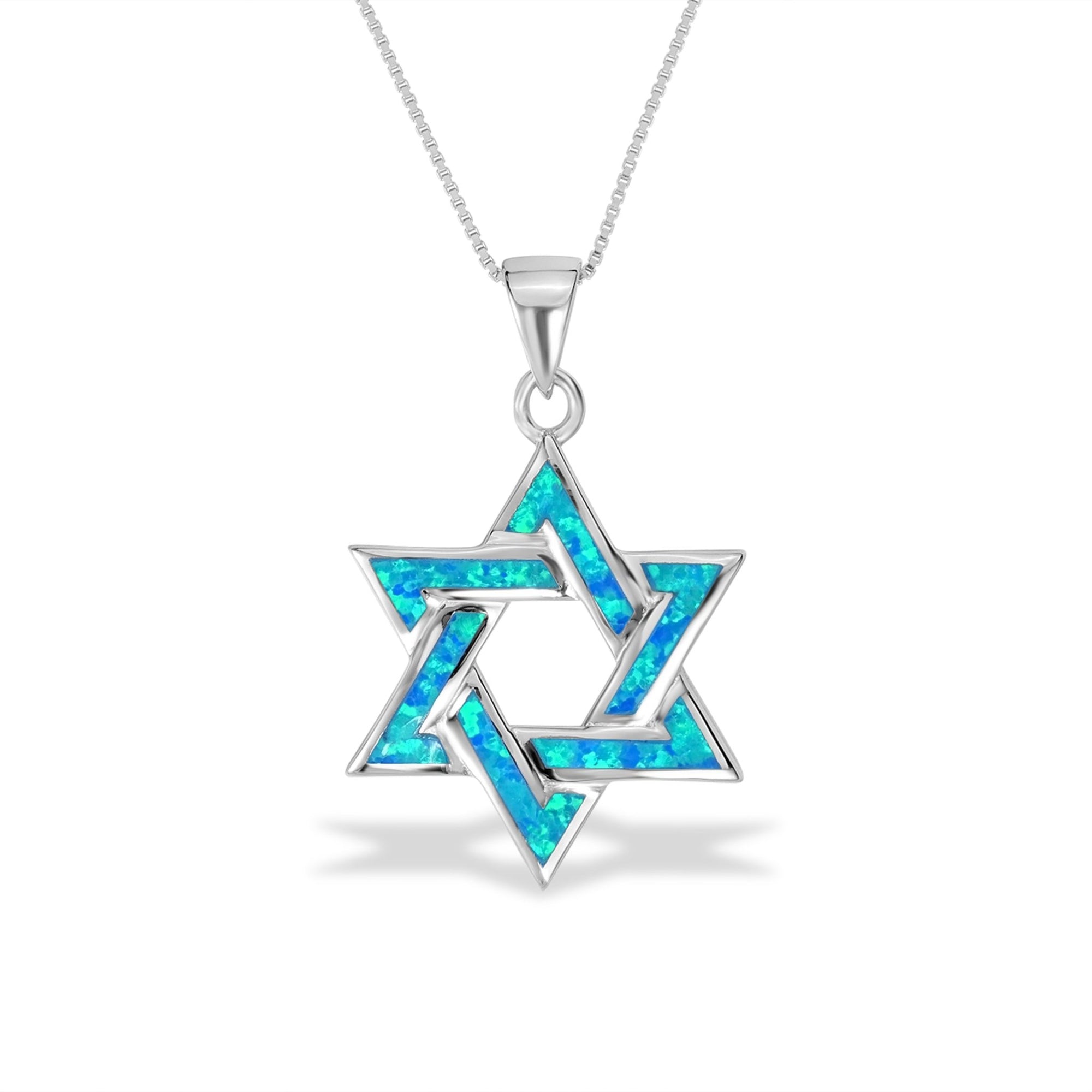
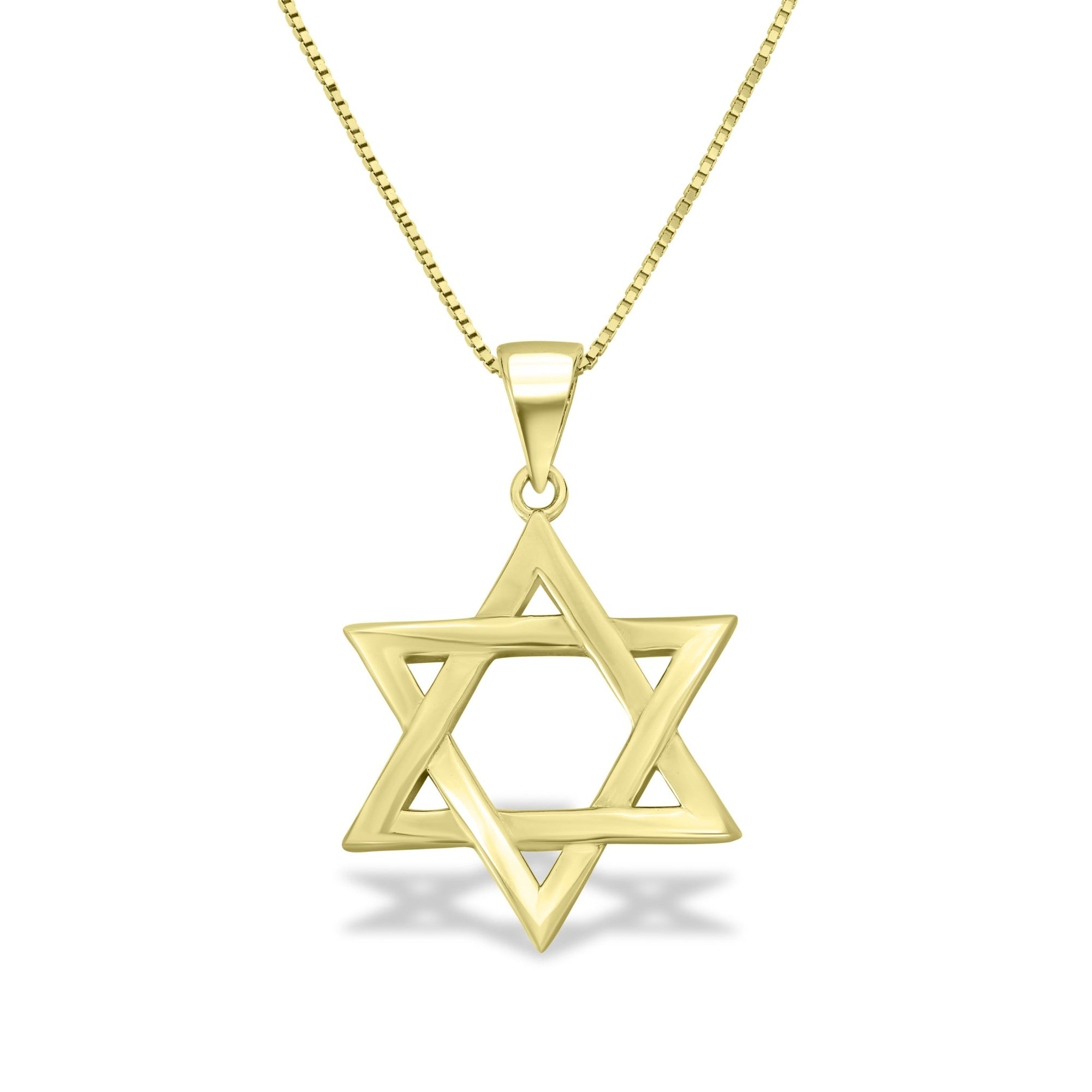
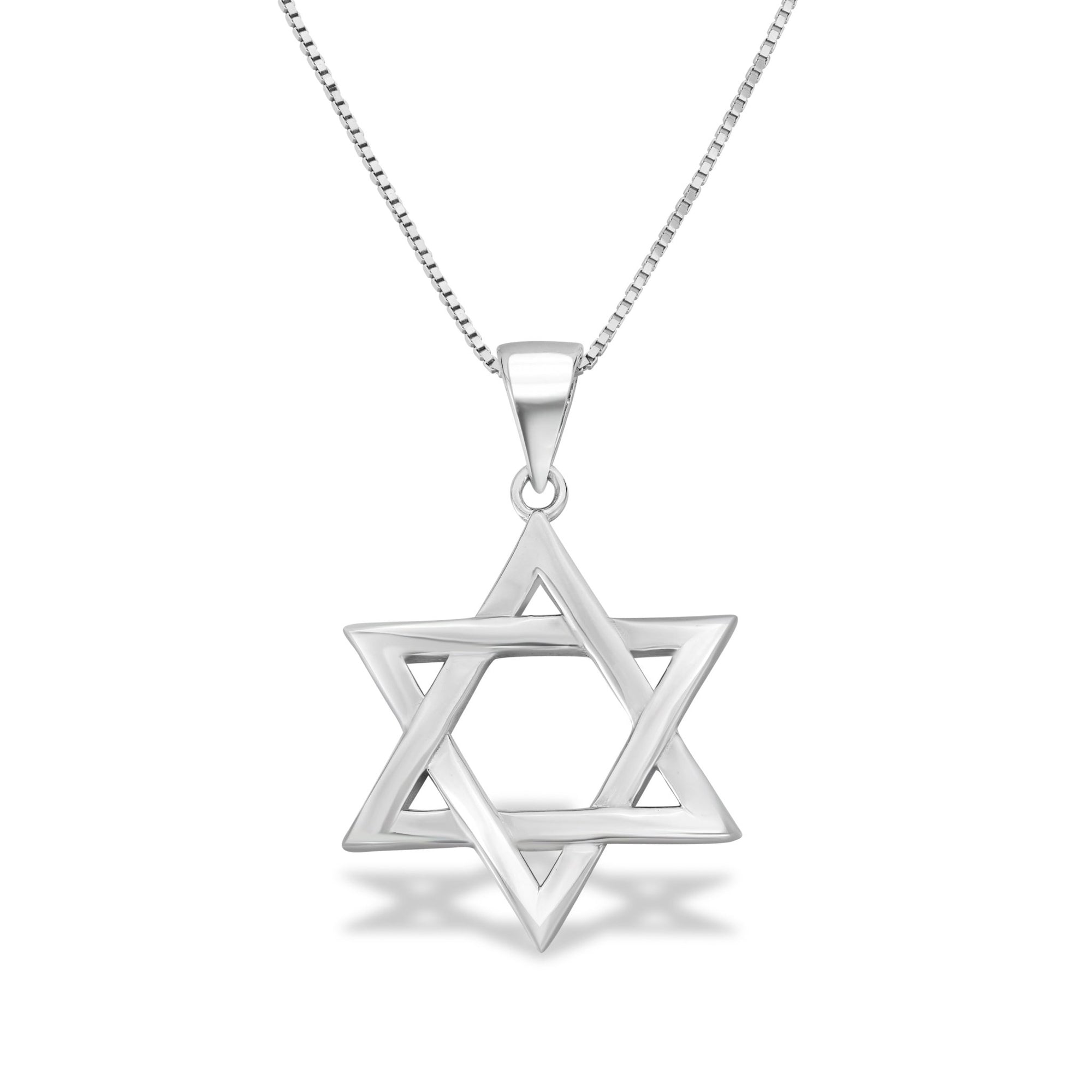
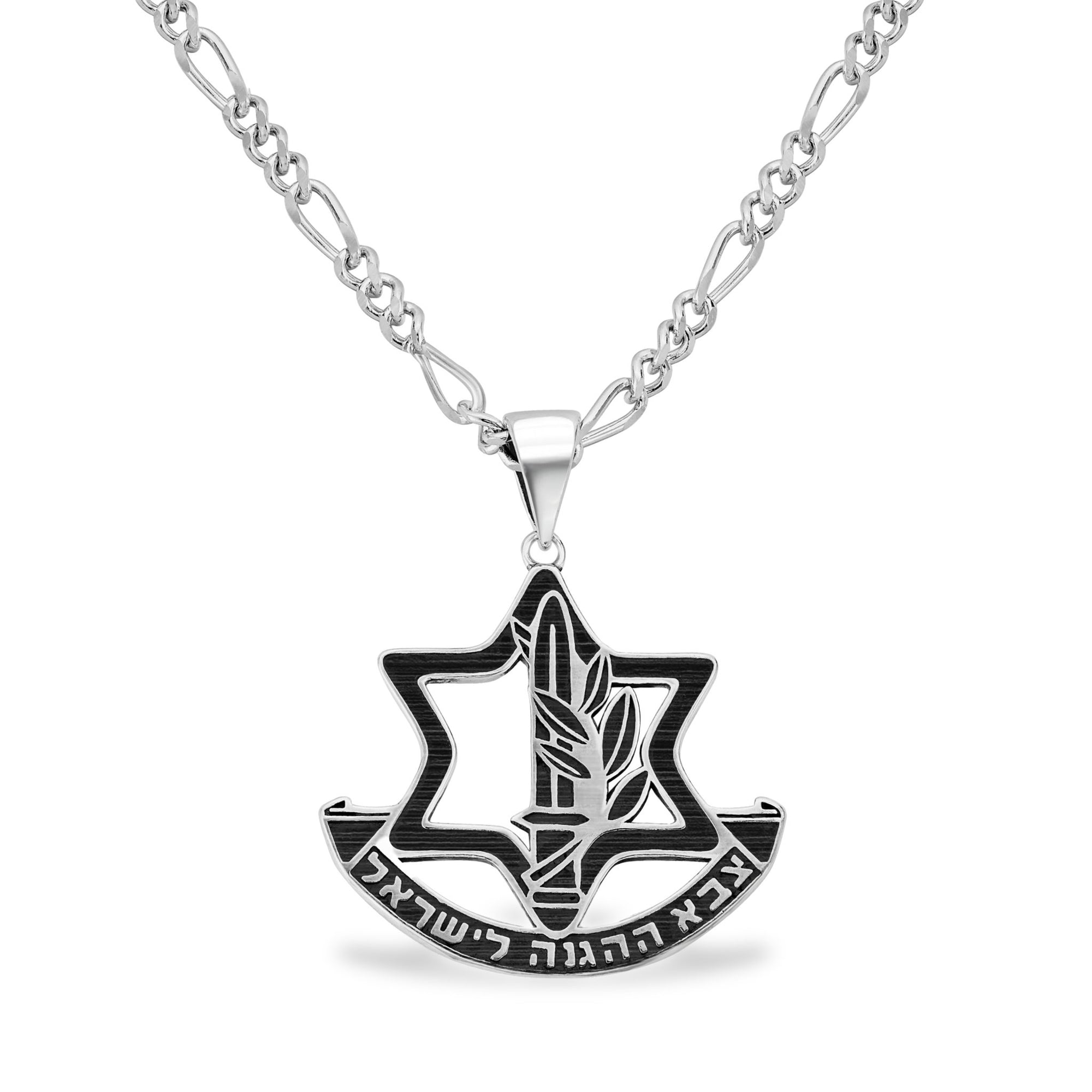
For a lot of customers, the products that end up meaning the most aren't sitting on a shelf, they're worn daily. A Star of David necklace, a hamsa, or a piece engraved with Am Yisrael Chai turns that same instinct, choosing something with a real story, into something visible in everyday life. Shop Israel's jewelry collection is built around that idea: pieces that carry Jewish and Israeli symbolism customers can wear as a quiet, constant expression of identity and support, the same reason people seek out olive wood Judaica or a Judea-and-Samaria gift box in the first place.
Related
- Real Customer Stories About Their Israel Merchandise Experiences
- Symbolism Behind Israeli Jewelry Designs You Should Know
- Creative Gift Ideas for Israel Advocates and Supporters
Last updated July 2026.